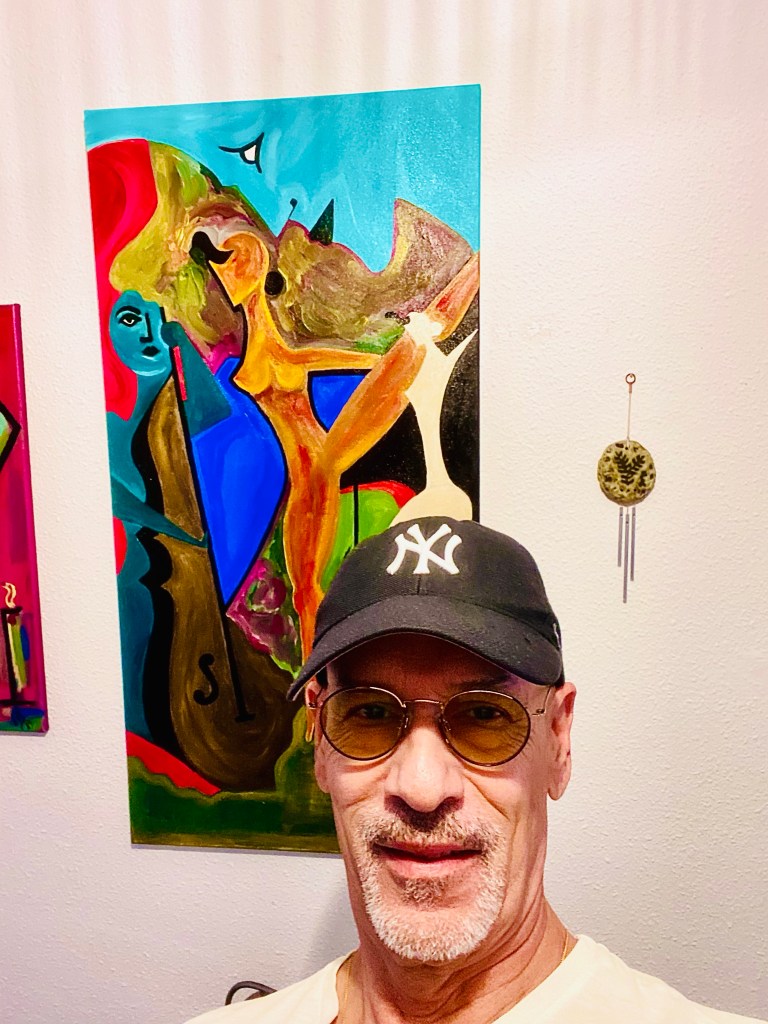
El regalo más precioso que nos da la luz, el poder ver los colores…
+++
The greatest gift of the light, the ability to see colours…
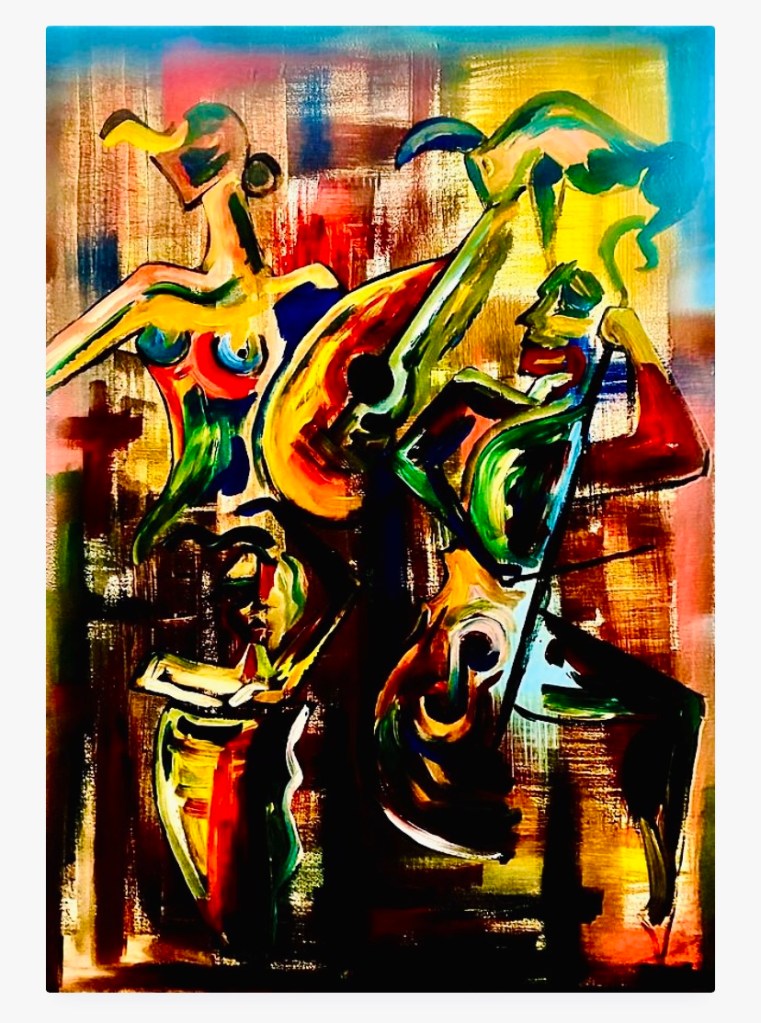
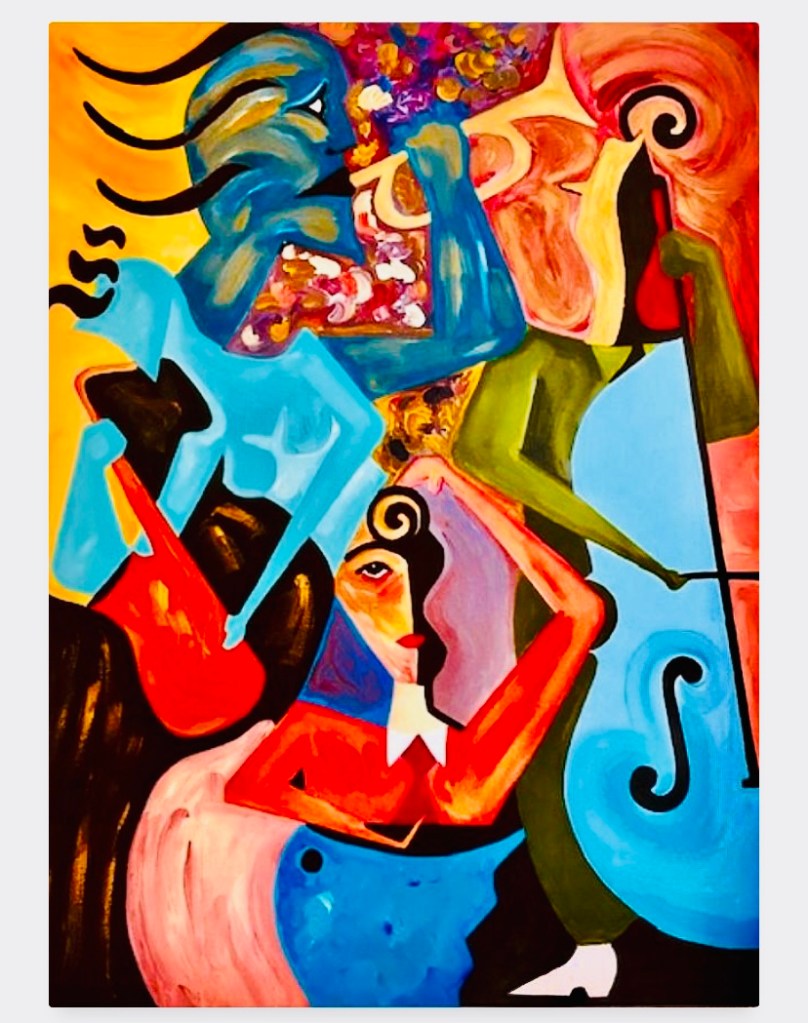
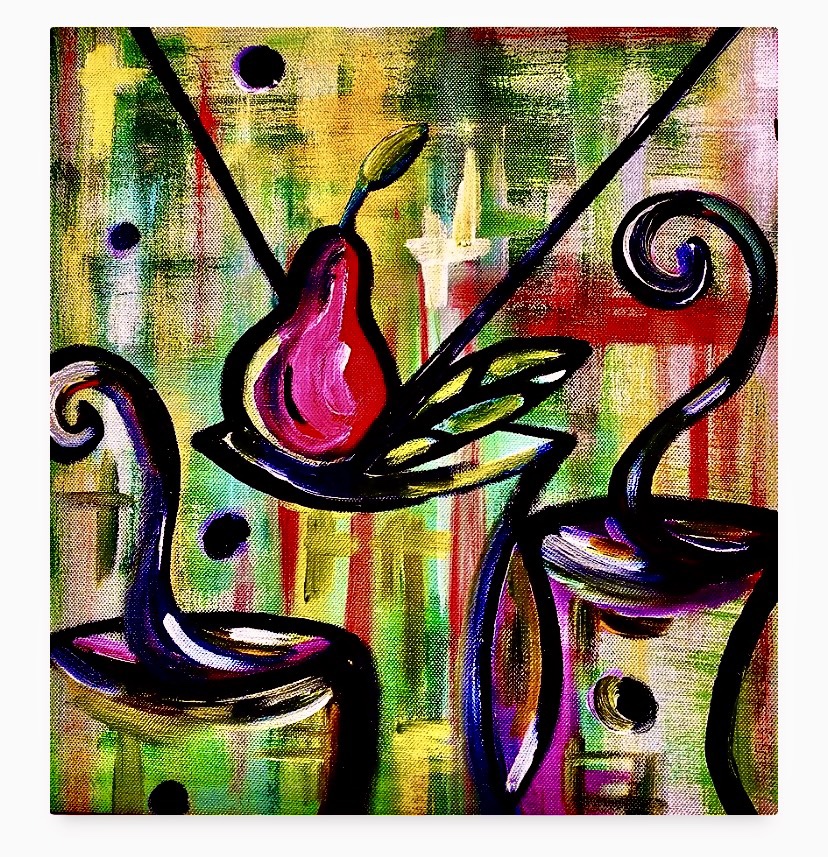
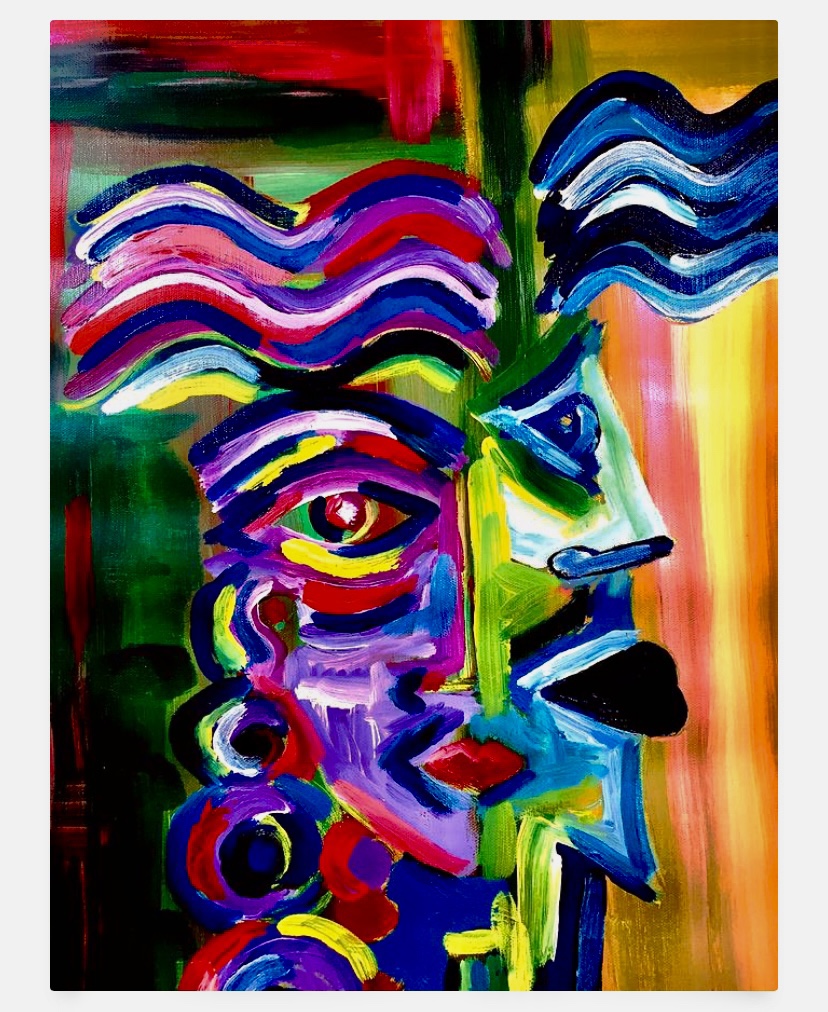
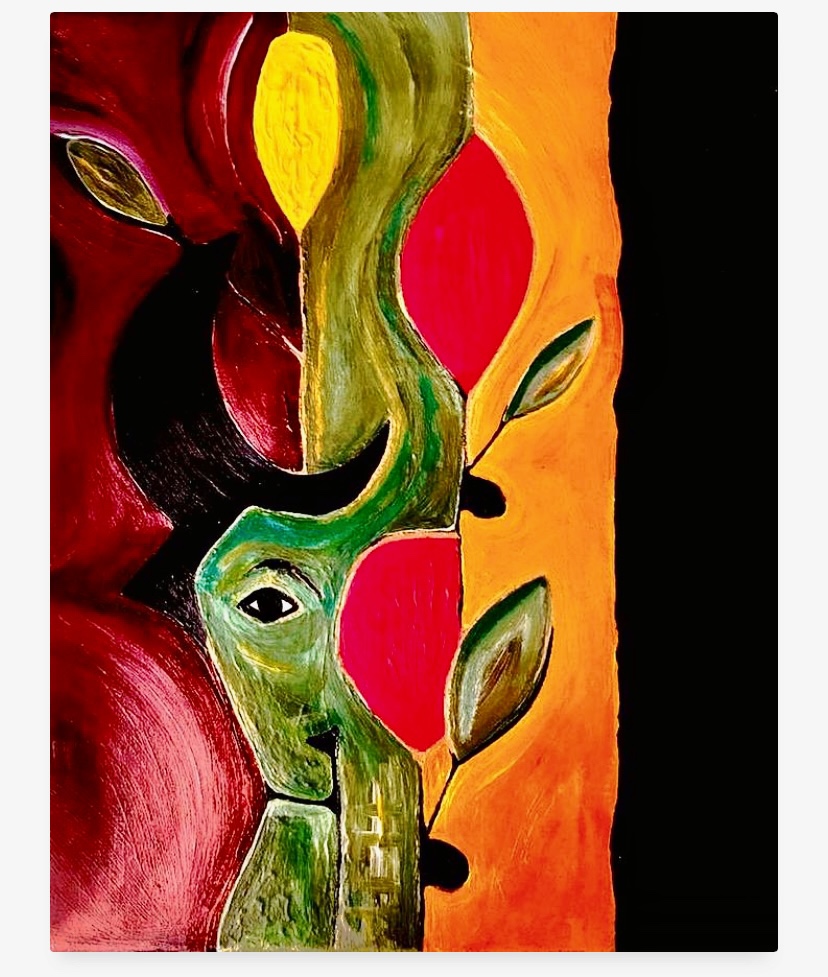
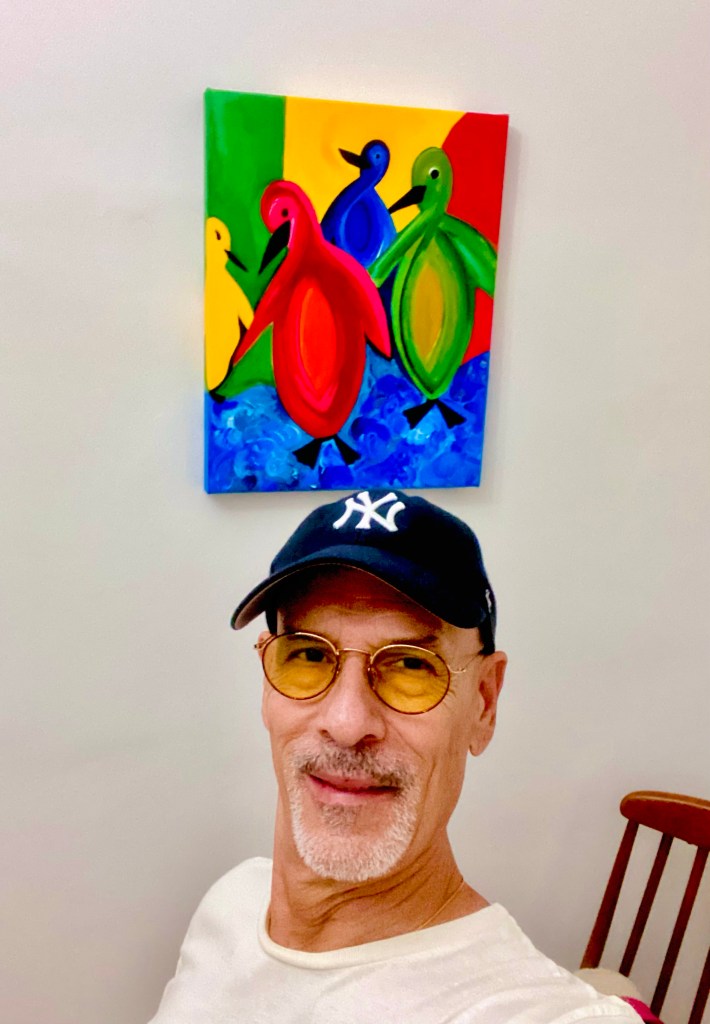
Faith saved us from the savages that we were, losing faith makes us savages again
El regalo más precioso que nos da la luz, el poder ver los colores…
+++
The greatest gift of the light, the ability to see colours…
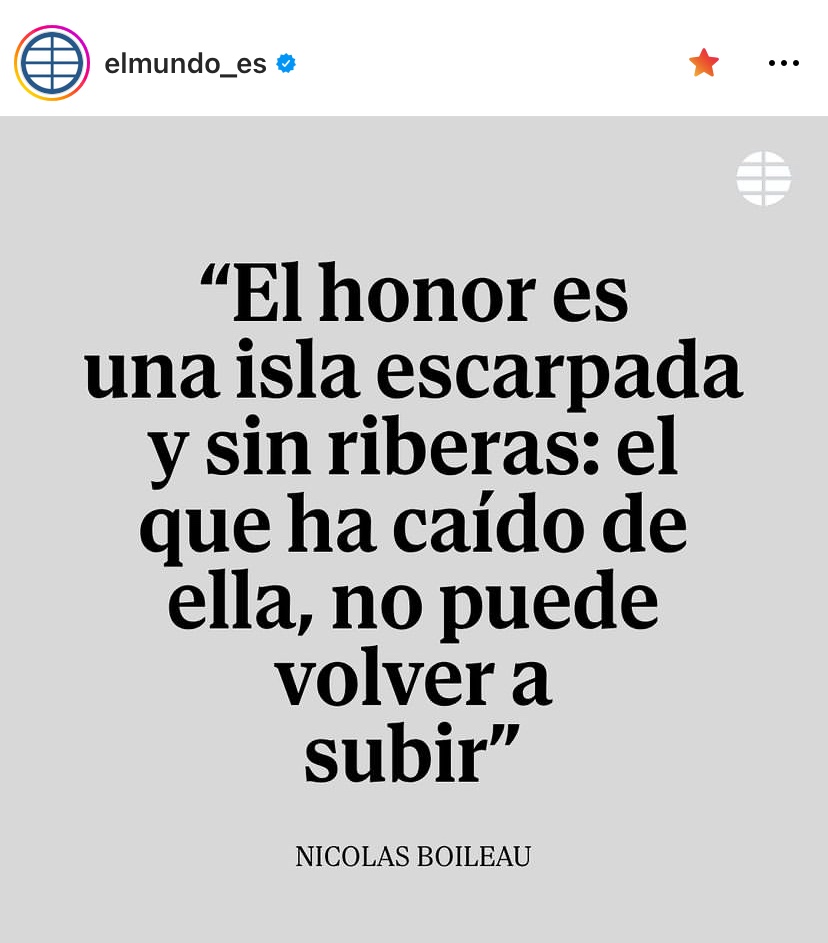
Vamos a ver quien va a desmentir esto…
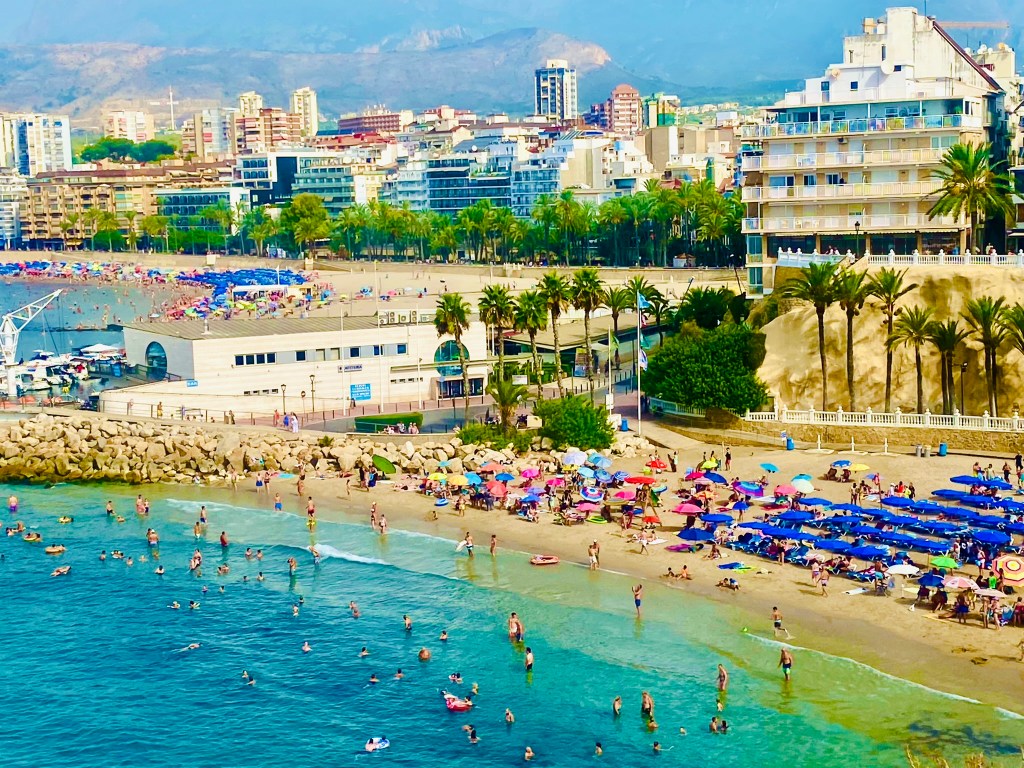
Benidorm is one of the hottest summer spots on the Mediterranean. Situated just 45 minutes (by car) from the city of Alicante, it is the city with the most high-rise buildings per capita in the world. And a wonderful place to spend the summer… Enjoy the video…
Cheers…
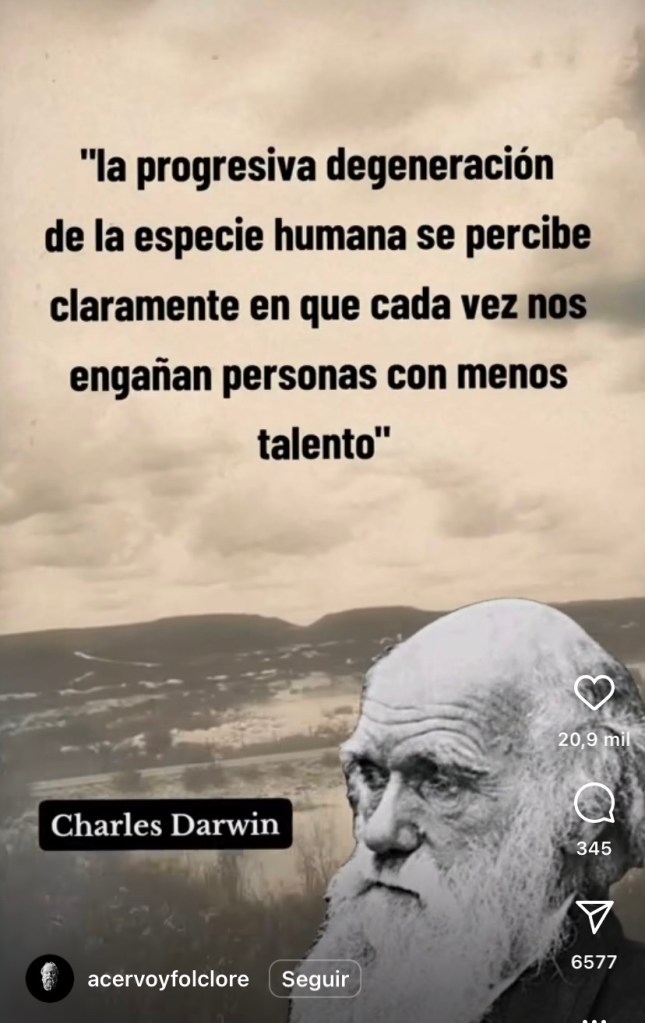
Cada vez nos engañan más, nos controlan más y nos mal guían hacia un totalitarismo gobernado por la élite que proclaman el nuevo puritanismo…

This was the band that John Lennon thought could steal the limelight from the Beatles during the «British invasion» of America (US)… And this was my favourite song for a long time as a lad…
Cheers…
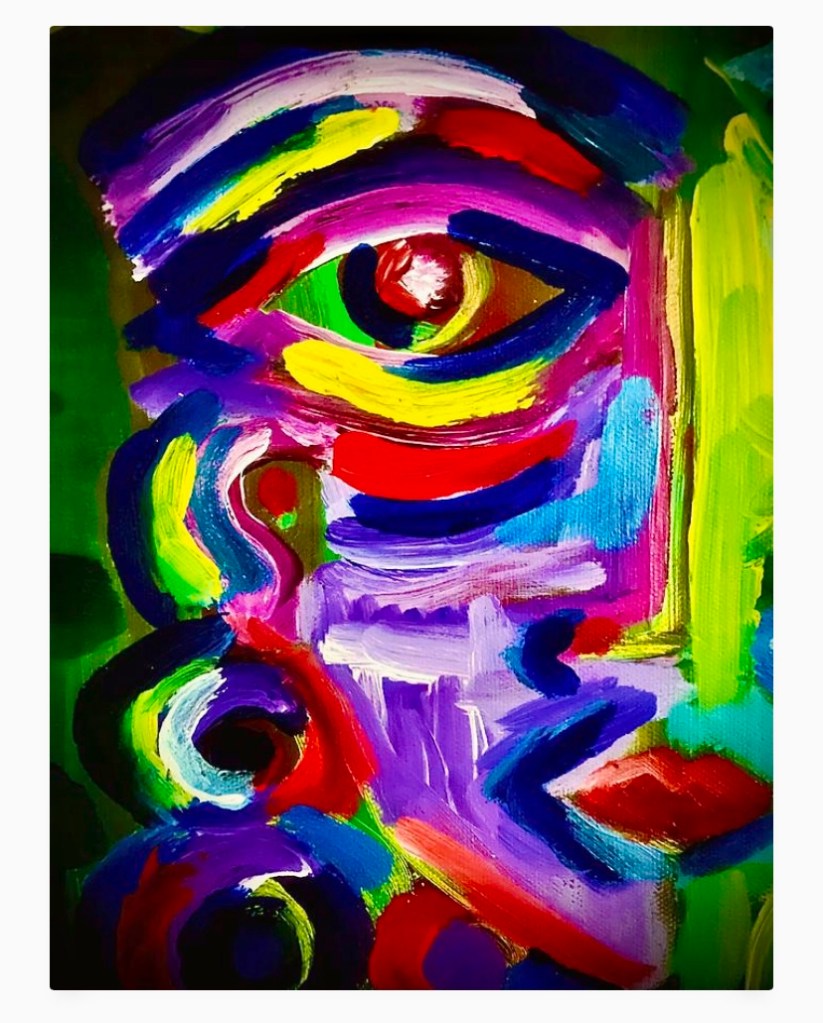
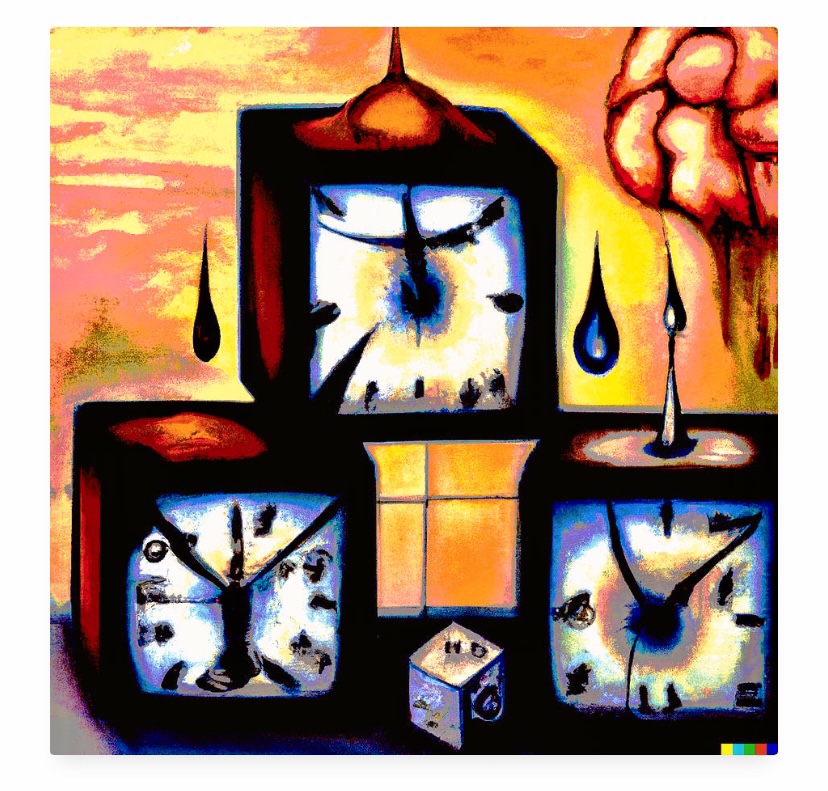
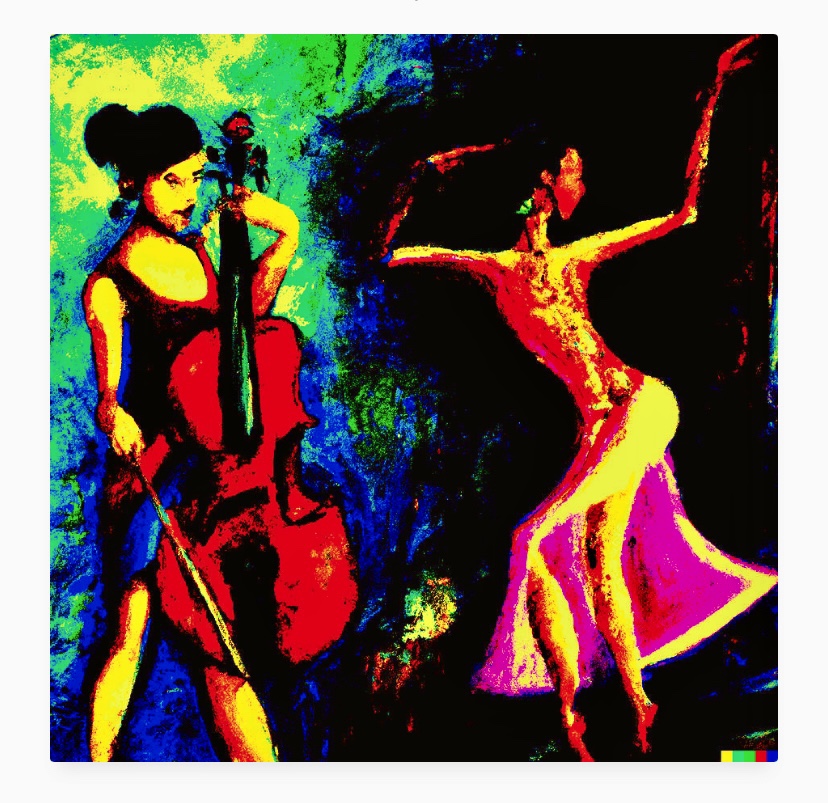
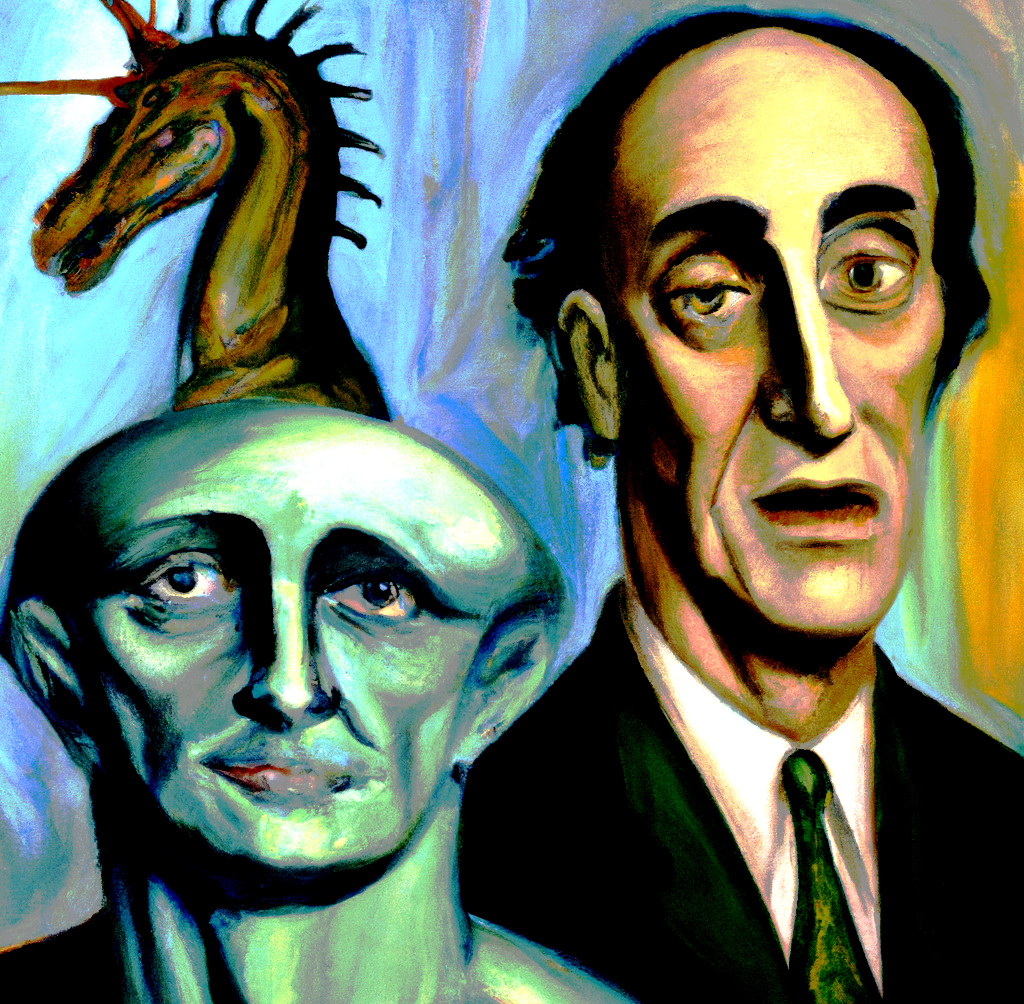
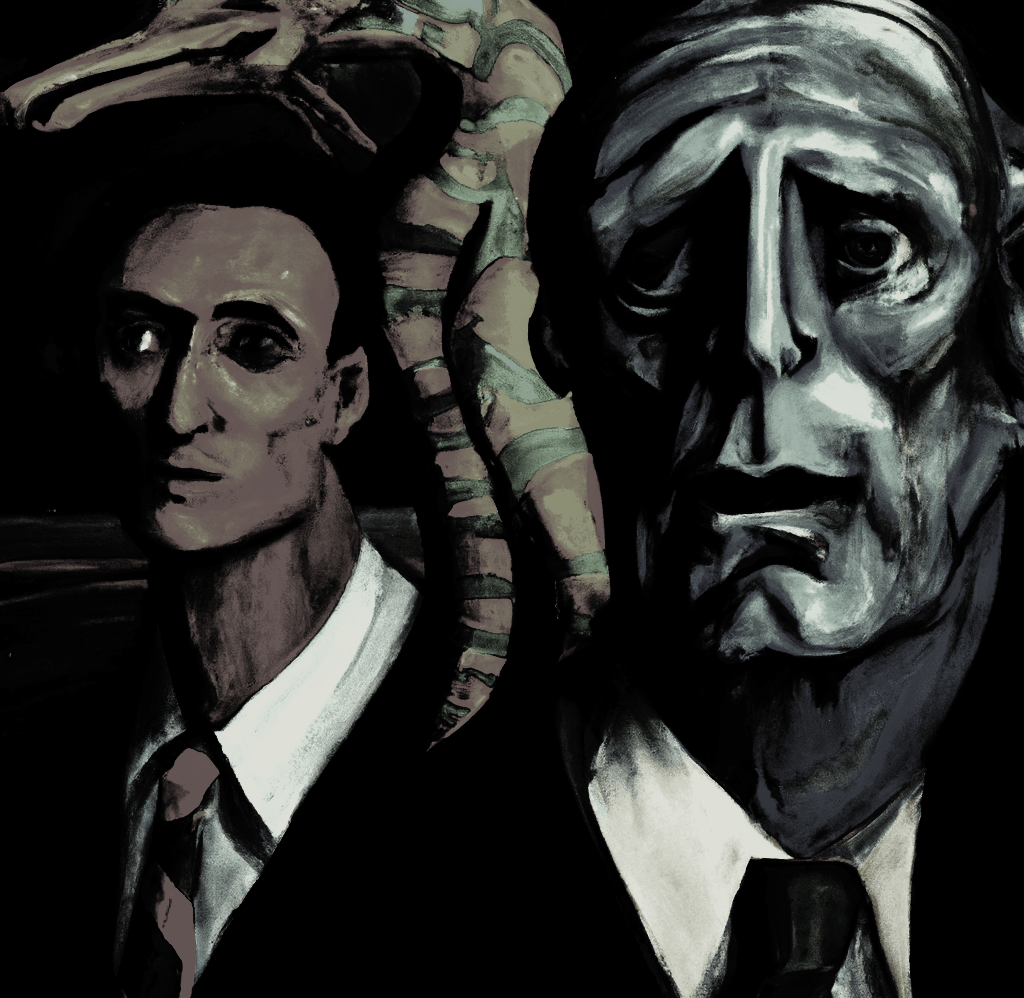
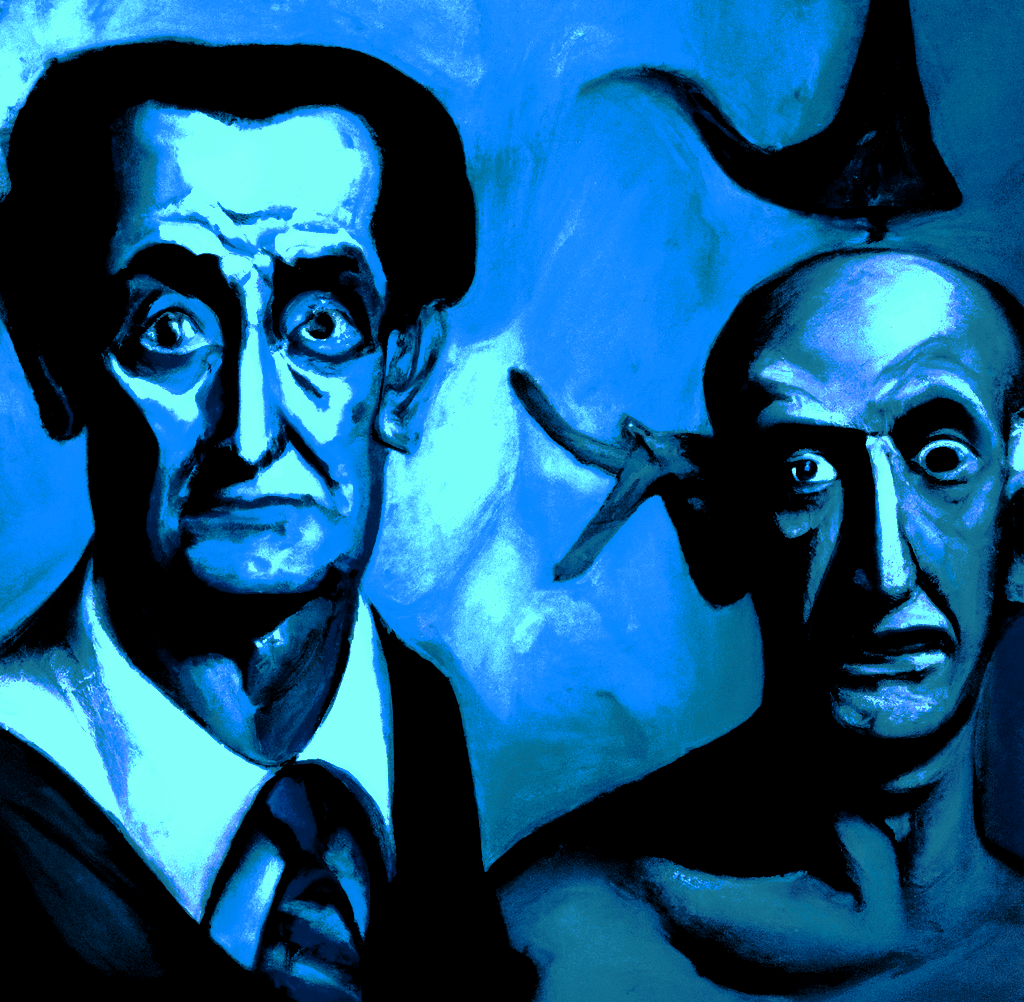
Para mi Picasso siempre ha sido la gran inspiración. Mi trabajo artístico siempre se ha nutrido de la inmensa obra picassiana y considero al gran genio del S. XX mi mentor. No lo imito, pero si aprendo de el y creo que he logrado, hasta cierto punto, conocer su mente artística y usar sus secretos que me han sido muy útiles en el desarrollo de mi trabajo. Mi arte no es picassiana, es hibrida pues la he mezclado con muchas otras tendencias artísticas, pero como considero, como nos enseñó Kandinsky, que el arte tiene que reflejar el momento histórico en el que se hace para que tenga la espiritualidad que lo hace triunfar, he desarrollado mi propio estilo, el «expresionismo-surrealista.» Y es ahi donde aparece la influencia, aunque minima, de Salvador Dalí. El artista que se autoproclamó genio pero que no lo era… Aquí os brindo visiones de estos dos grandes del arte español del S. XX, claro, a través del prisma del expresionismo-surrealista que yo trabajo…
+++++
Pablo Picasso has always been my great inspiration. My artistic work has always been nourished by Picasso’s immense body of work, and I consider the great genius of the 20th century to be my mentor. I don’t imitate him, but I learn from him and believe that I have been able, to some extent, to understand his artistic mind and use his secrets to enhance the development of my work. My art is not Picasso-esque; it is hybrid, as I have mixed it with many other artistic tendencies. However, as Kandinsky taught us, I believe that art must reflect the historical moment in which it is created in order for it to have the spirituality that makes it succeed. Thus, I have developed my own style, «Surreal-expressionism.» And it is there that the influence, albeit minimal, of Salvador Dalí appears, the artist who proclaimed himself a genius but was not… Here I offer you my artistic impression of these two great Spanish artists of the 20th century, of course, through the prism of the surreal-expressionism…
YouTube: http://www.YouTube.com/@FranciscoBravoCabrera
Web/Gallery: https://www.fbcart.wixsite.com/jazzart
Instagram: @Francisco_Bravo_Cabrera
GRACIAS…
CHEERS…
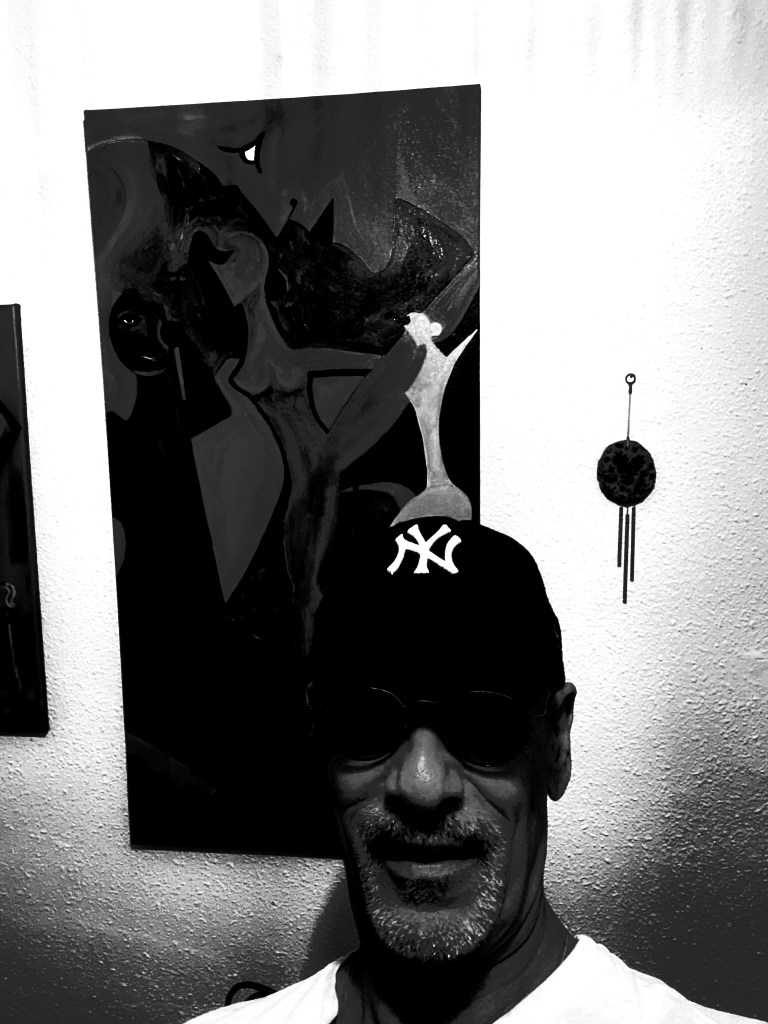
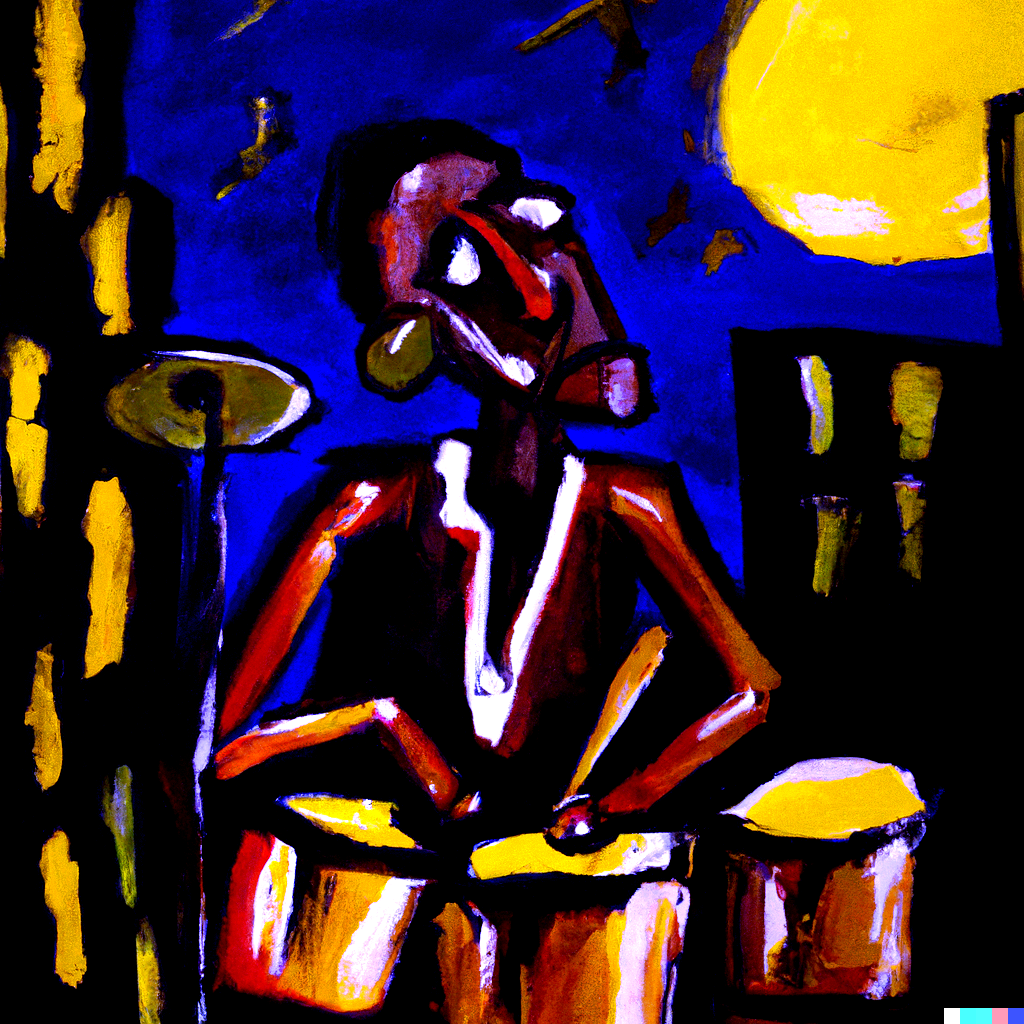
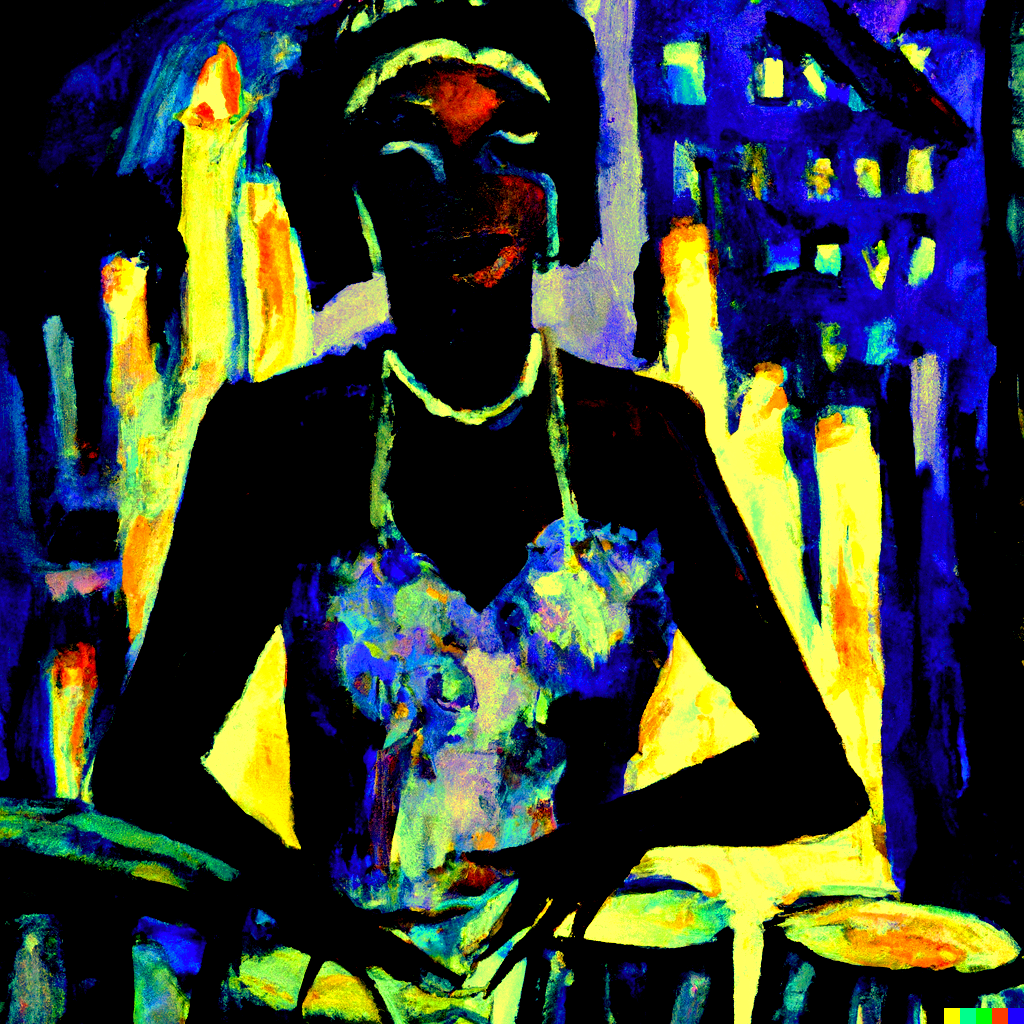
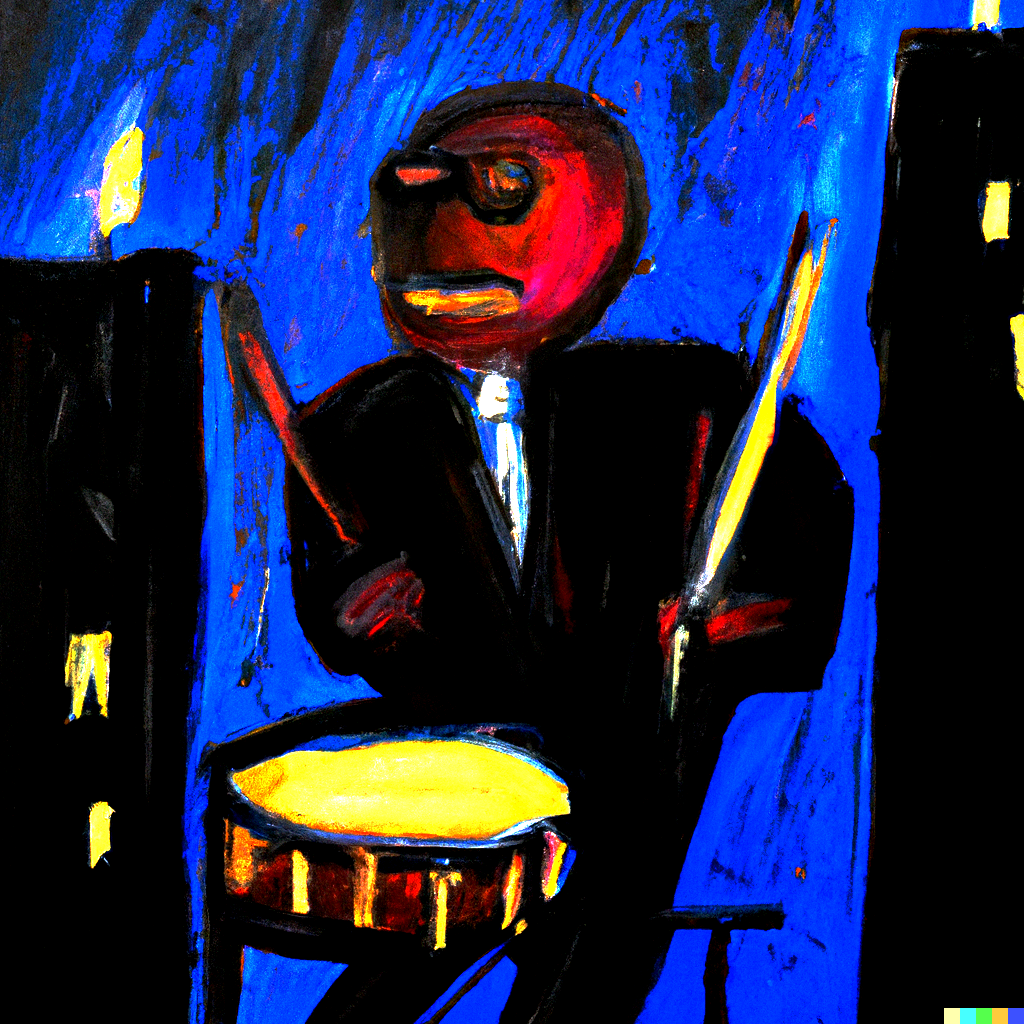
Jazz is played with any instrument and with any rhythm that is the beauty of Jazz, America’s Classical Music, that adheres to three principles: 1) The performer as composer; 2) Improvisation; 3) Rhythm (used to be Swing, can still be, but other rhythms will fit right in). I paint these and one of my favourite instrumentalists is the «conga» drummer. Here he/she is in different forms, as Jazz should be…
OMNIA CAELUM STUDIOS VALENCIA PRESENTS:
Cheers…
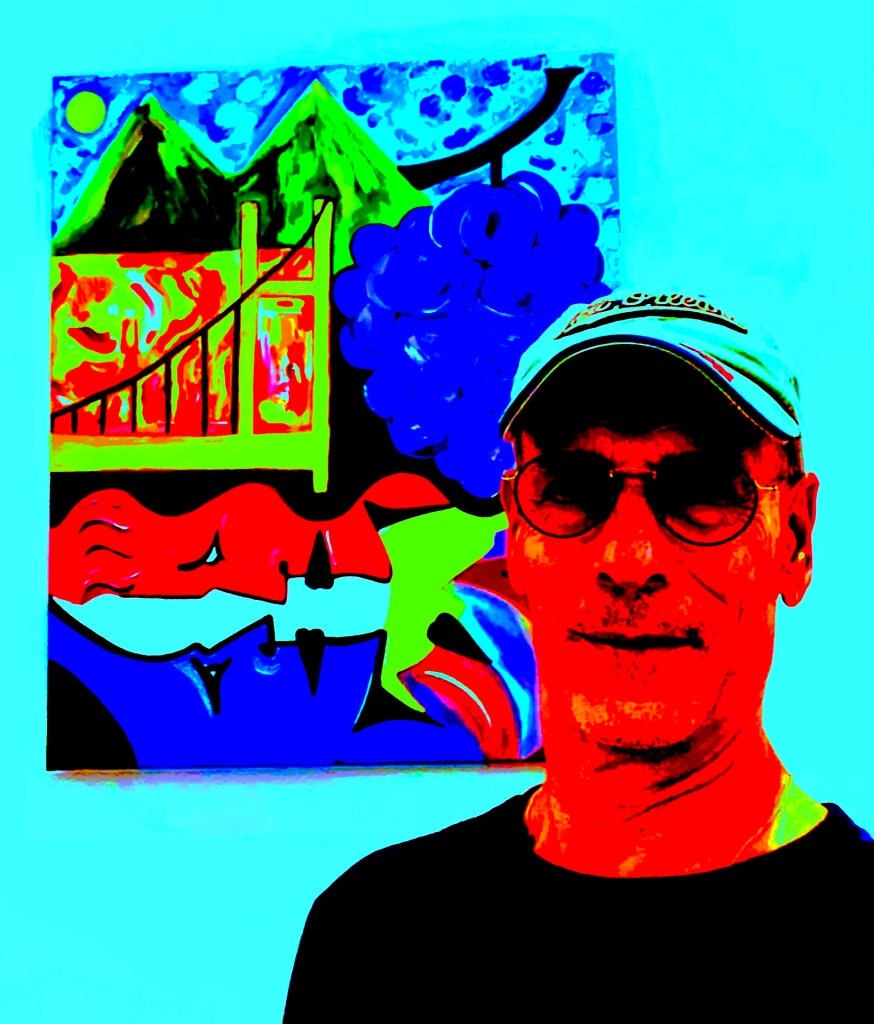
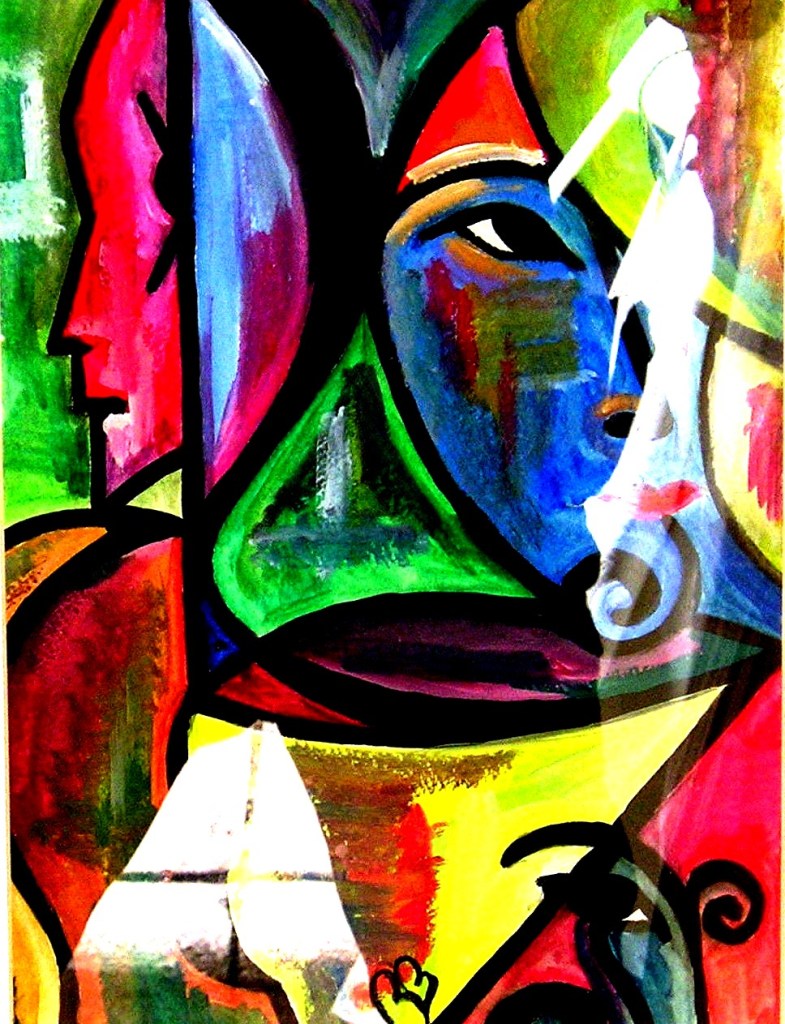
Colours are the most powerful elements of a painting. They have to be bold…
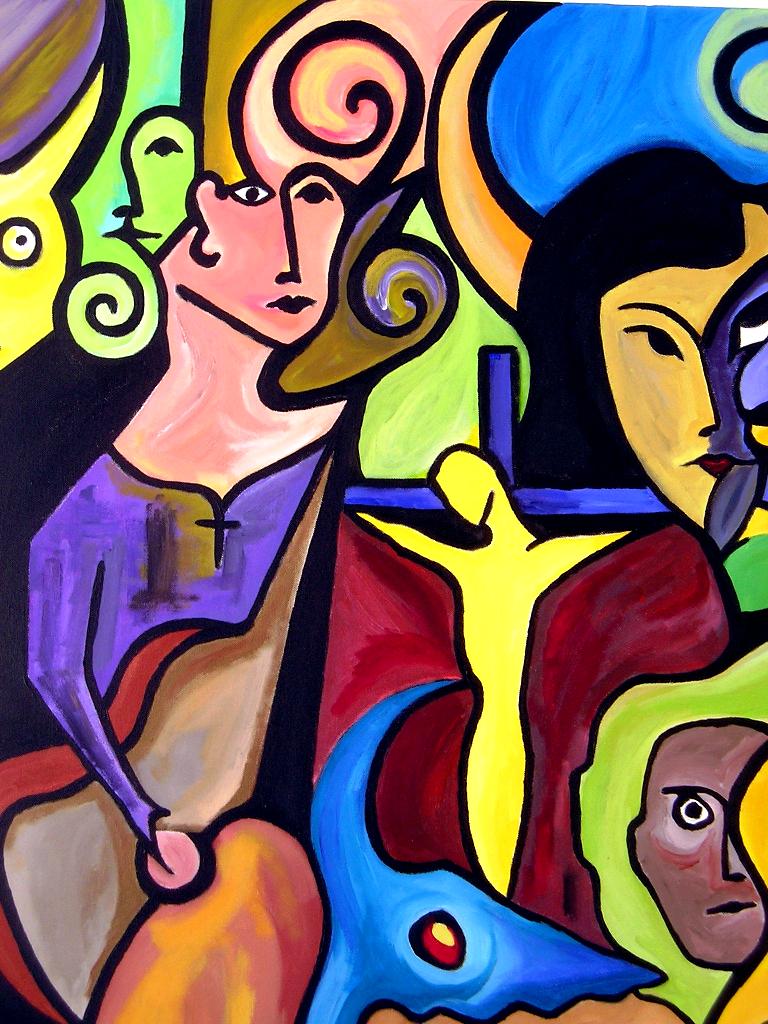
Of course, colours are the essence around the black line. They are the expressionists’ expression…
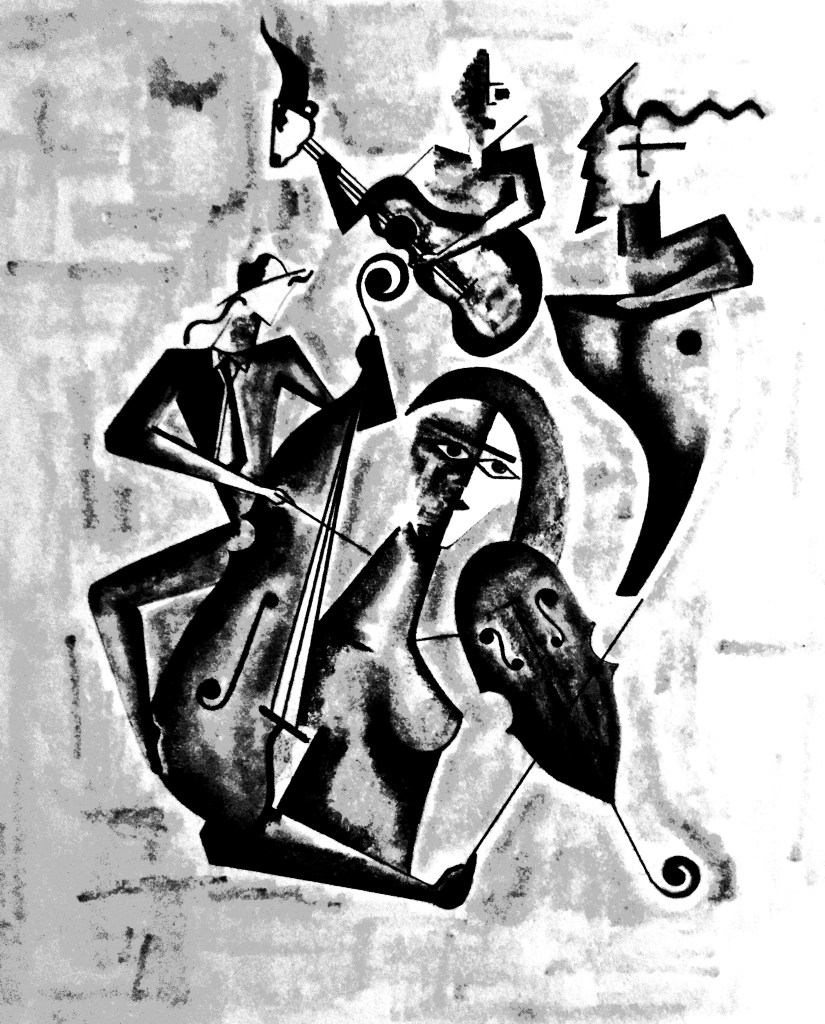
Yet, there is much to be said for these two perfect colours, black and white…
CHEERS…
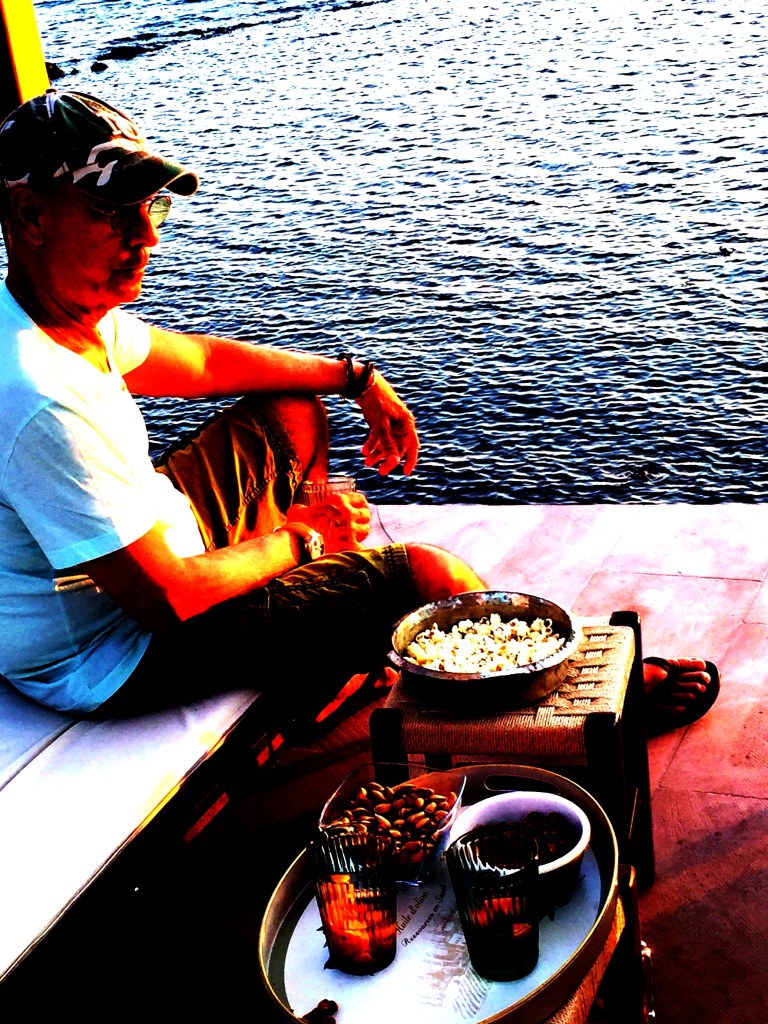
As I might have mentioned my first professional gallery show was in Istanbul, Turkey, a city I had wondered about but had never visited. That was back in 2003 at a gallery called PG Art in an upscale section of that city that straddles Europe and Asia… I did not know how my art would be received but, surprisingly, it was received quite well. I exhibited alongside another foreign artist (I think he was Danish but I really don’t remember) and three out of the five paintings the gallery had purchased were sold on opening night… From that point on I started visiting Turkey every summer. Not precisely Istanbul, although I arrived and left from there, but to the Aegean coast in the area of the city of Izmir. This is a beautiful coastline with small towns, great seafood, cold beer and sufficient sunshine to tan you to perfection all summer long…
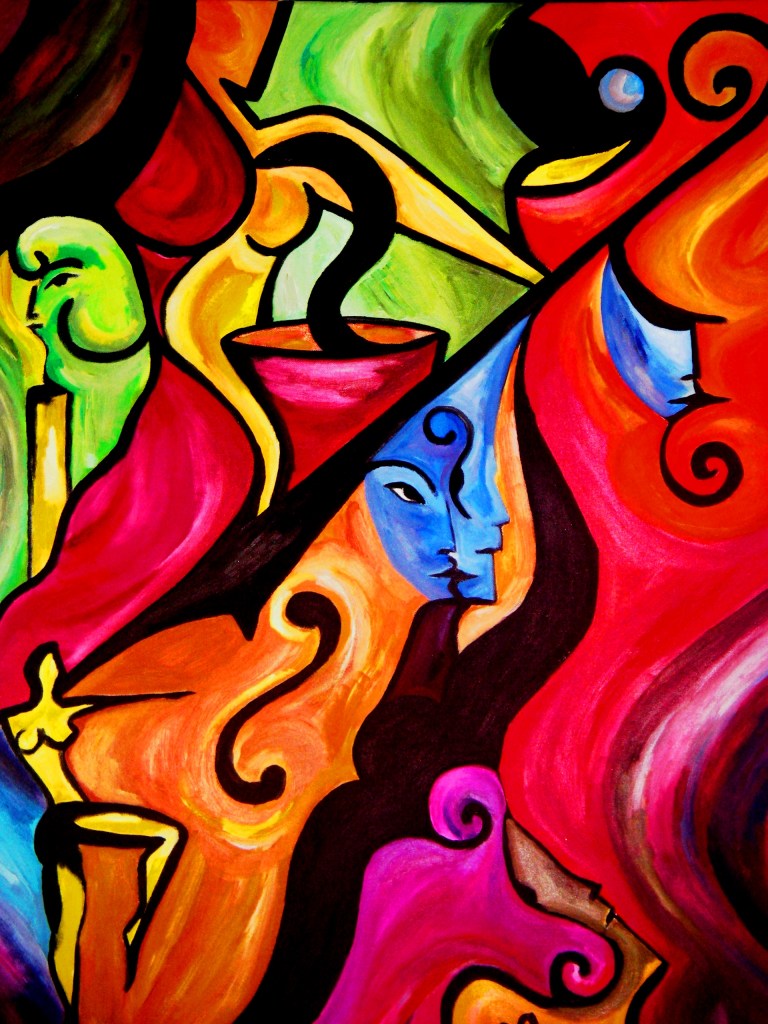
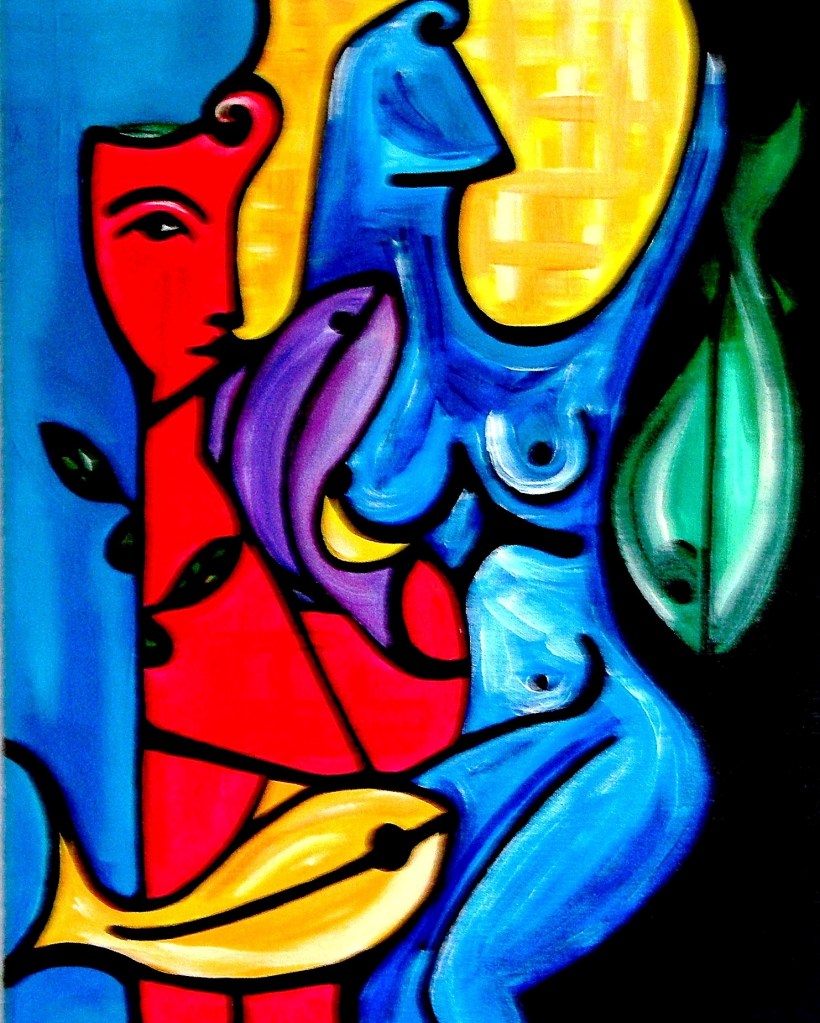
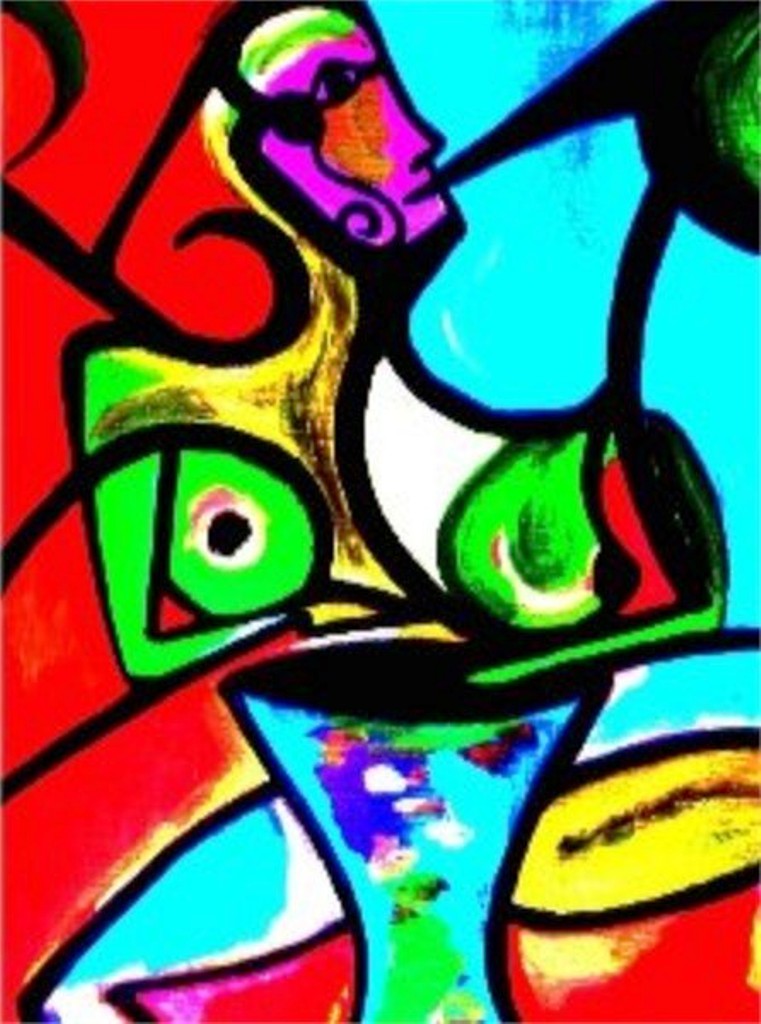
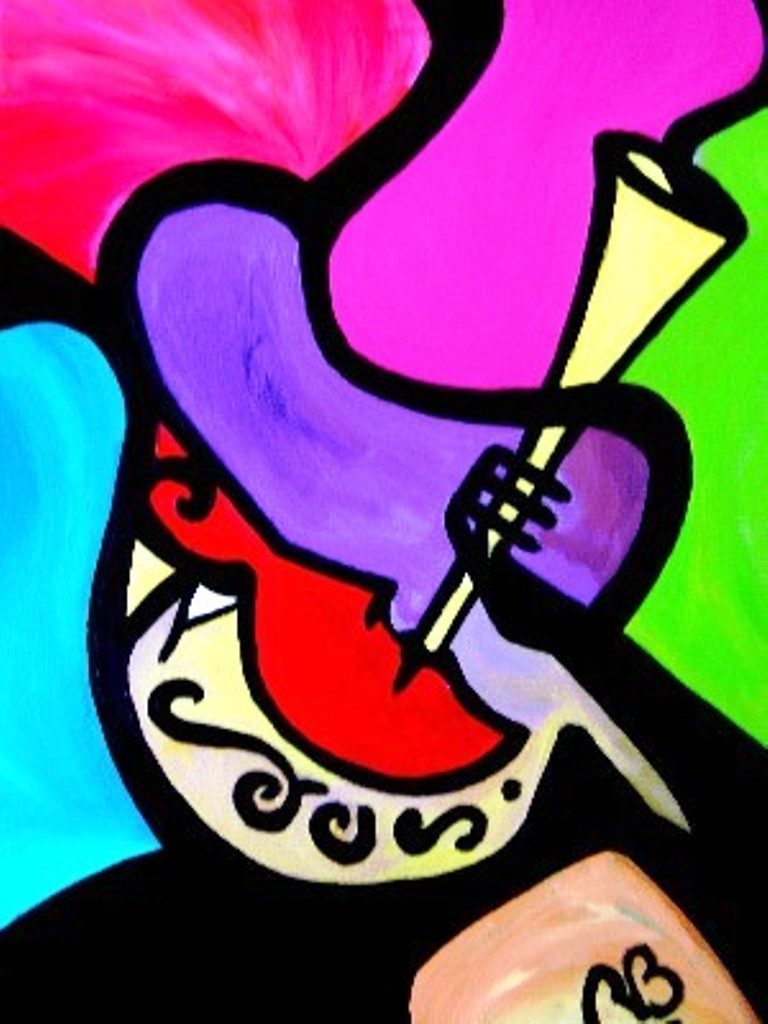
Here are some of the artworks I have exhibited in Turkey through the years, all of which are in private collections in Turkey and in other countries…
FOLLOW OMNIA CAELUM STUDIOS VALENCIA:
YouTube Channel: http://www.YouTube.com/@FranciscoBravoCabrera
Web/Gallery: https://www.paintinginvalencia.com/jazzart
Instagram: @Francisco_Bravo_Cabrera
Have a WordPress.com account? Log in now.

