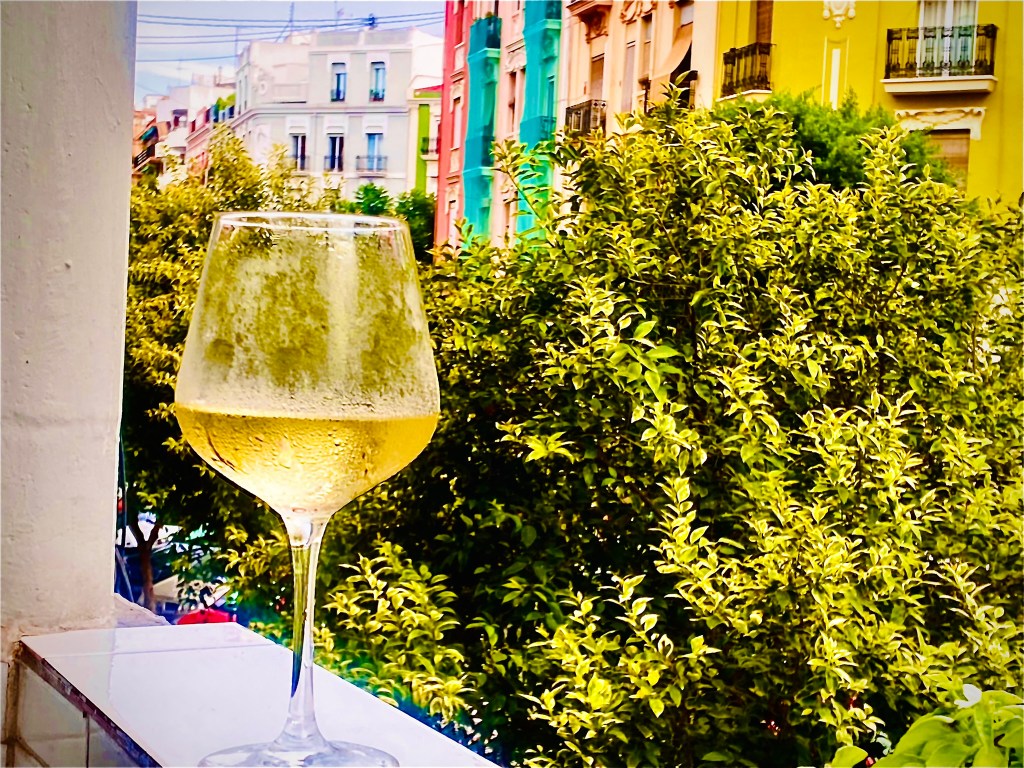
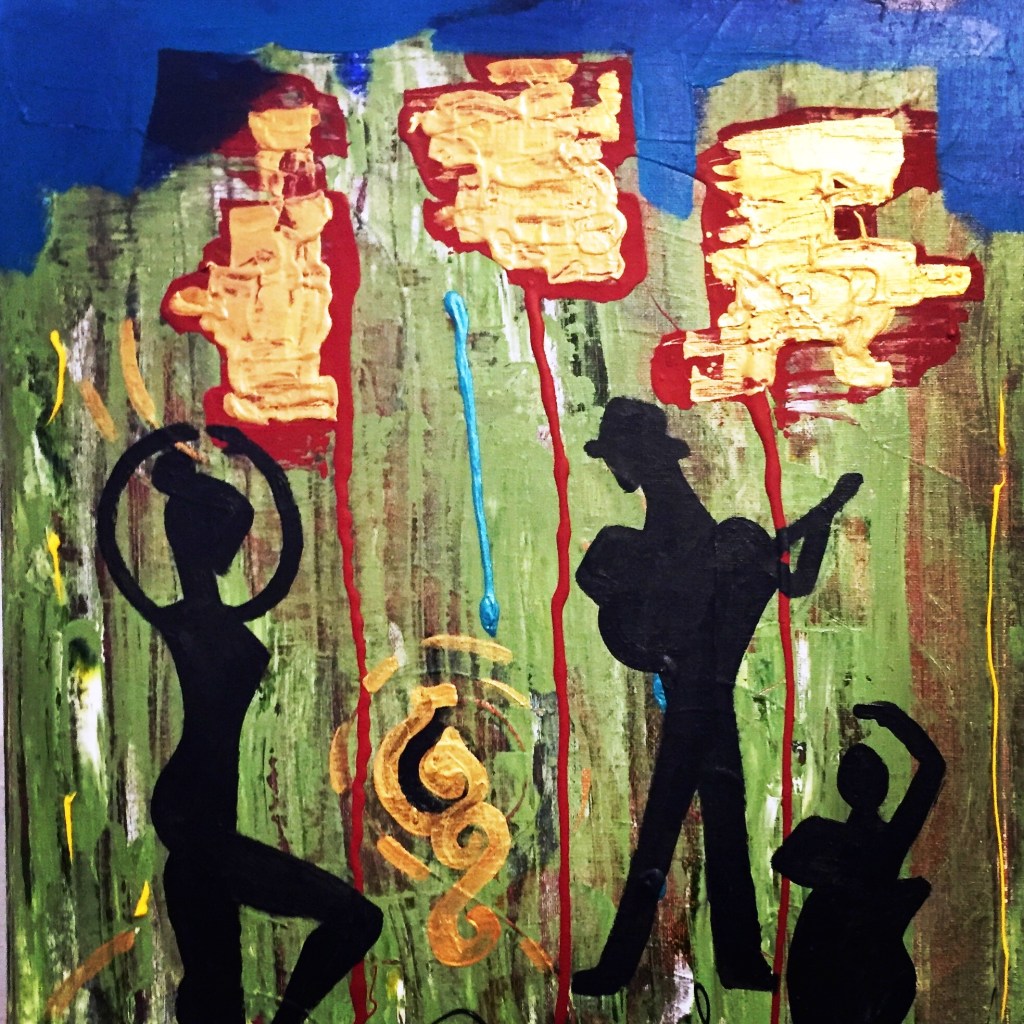
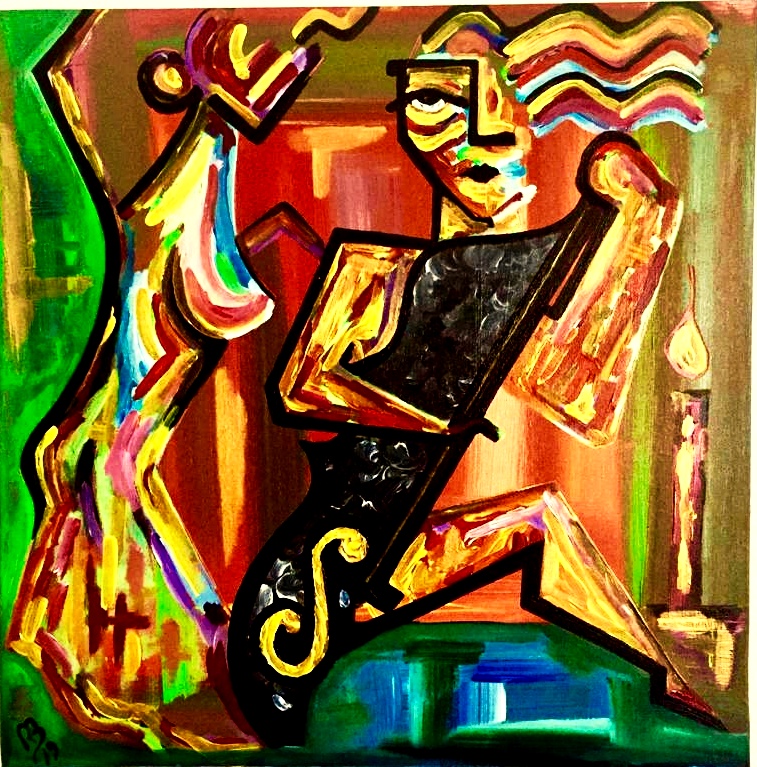
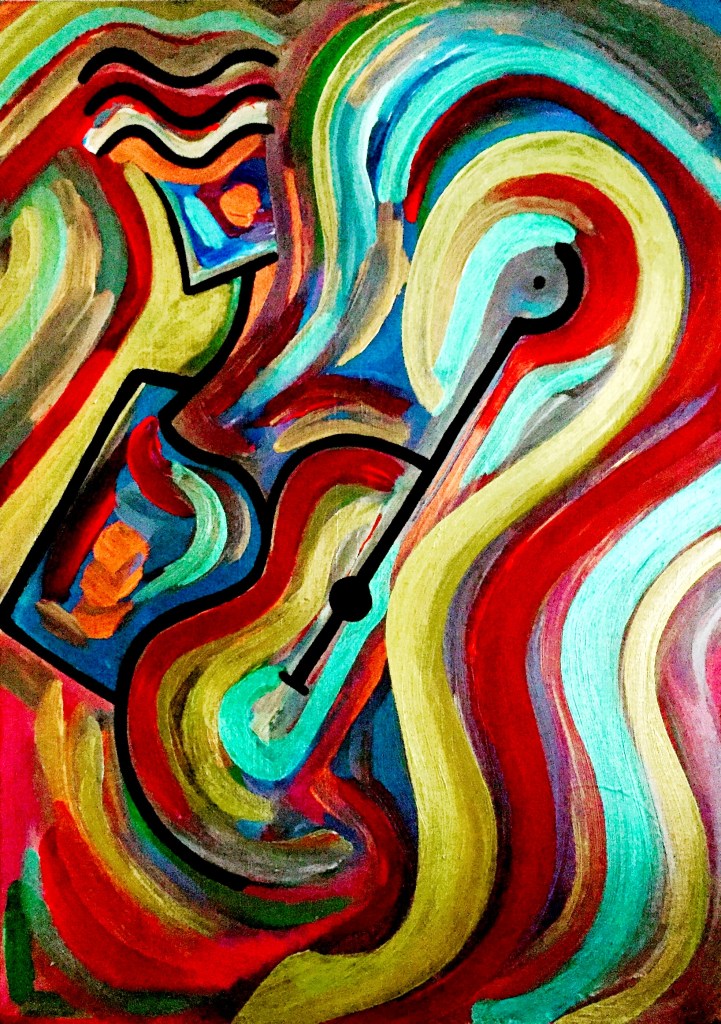
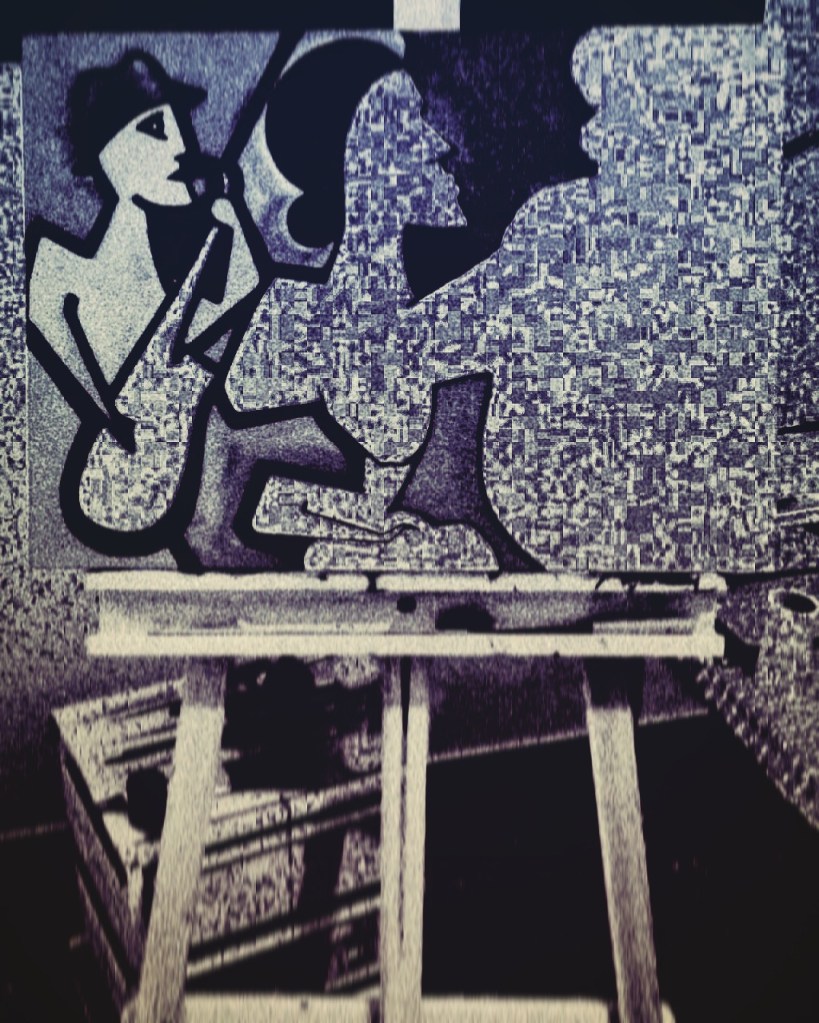
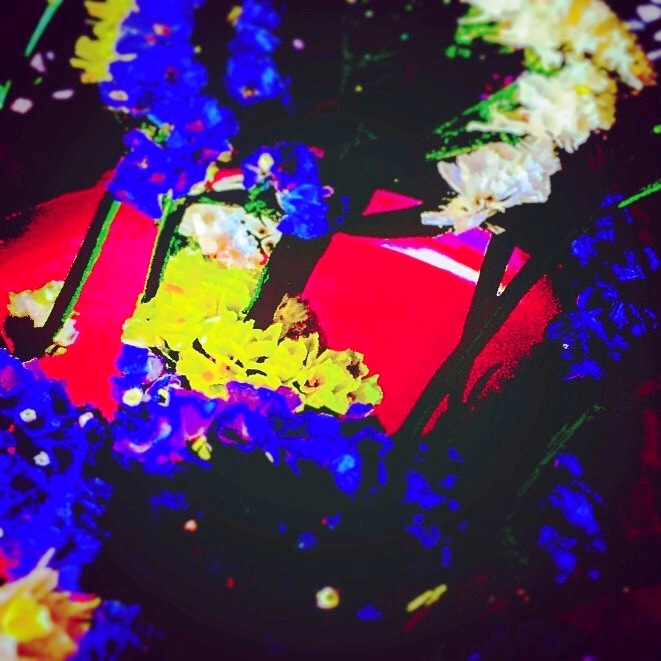
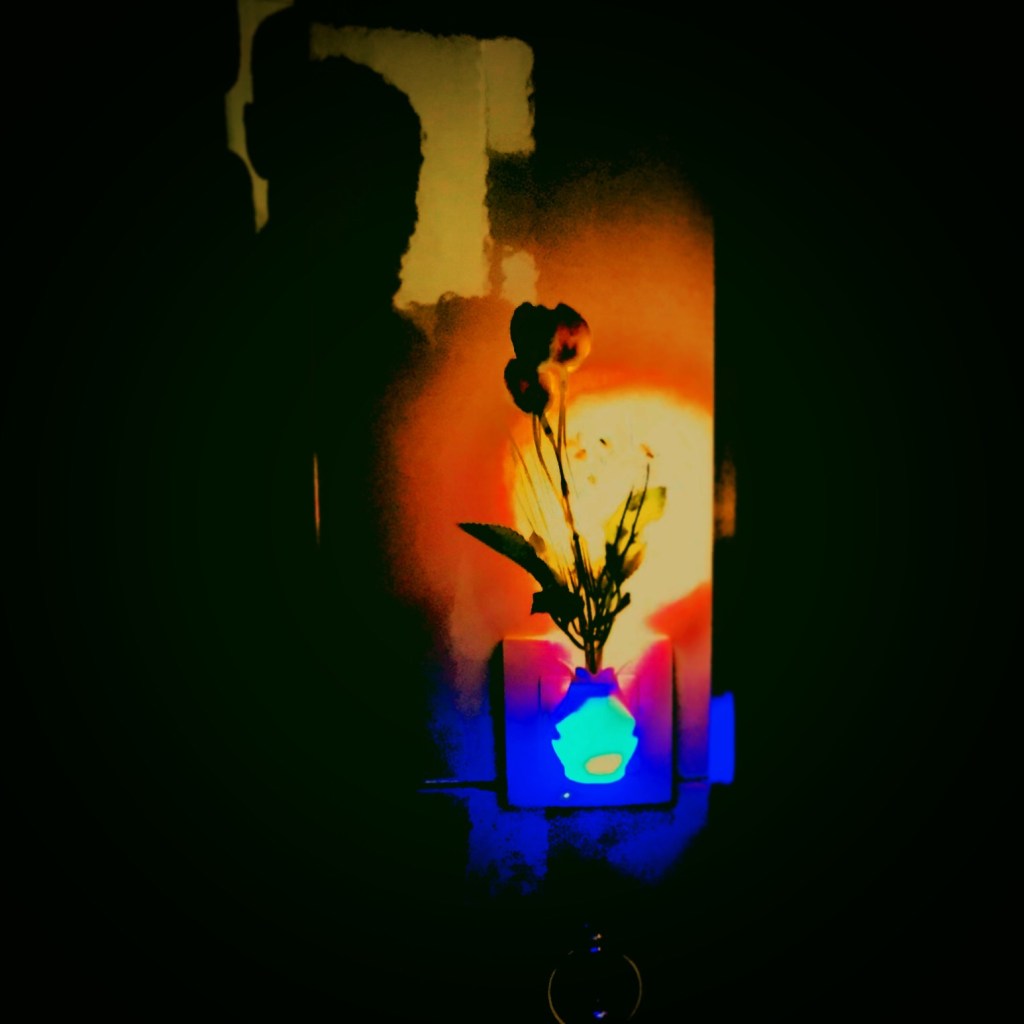
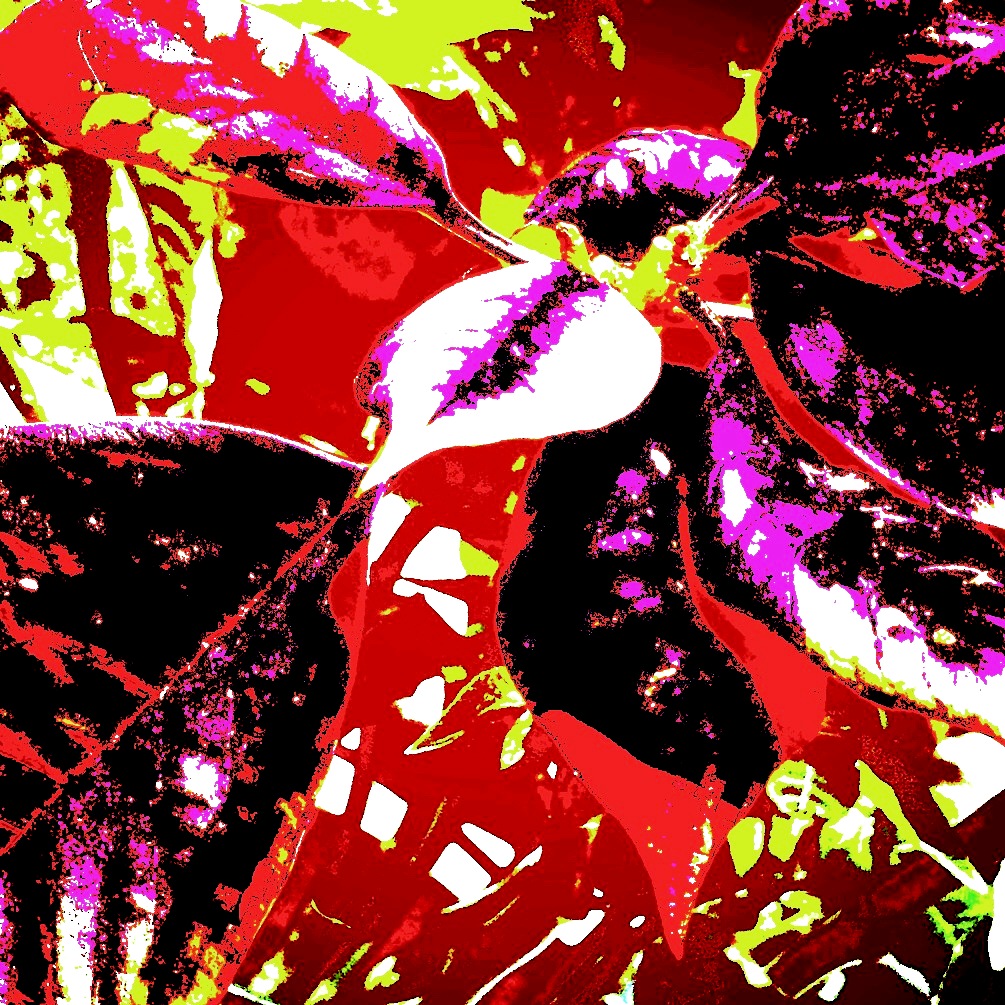
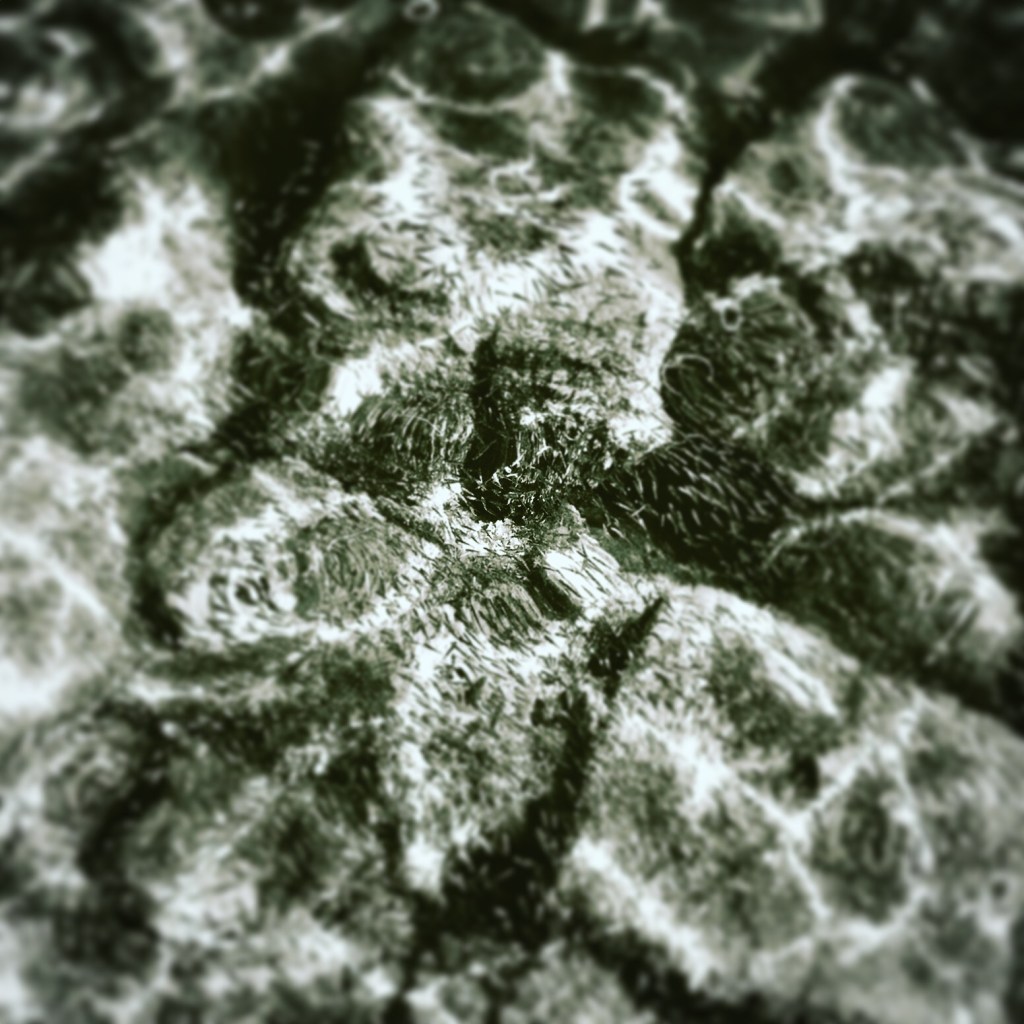
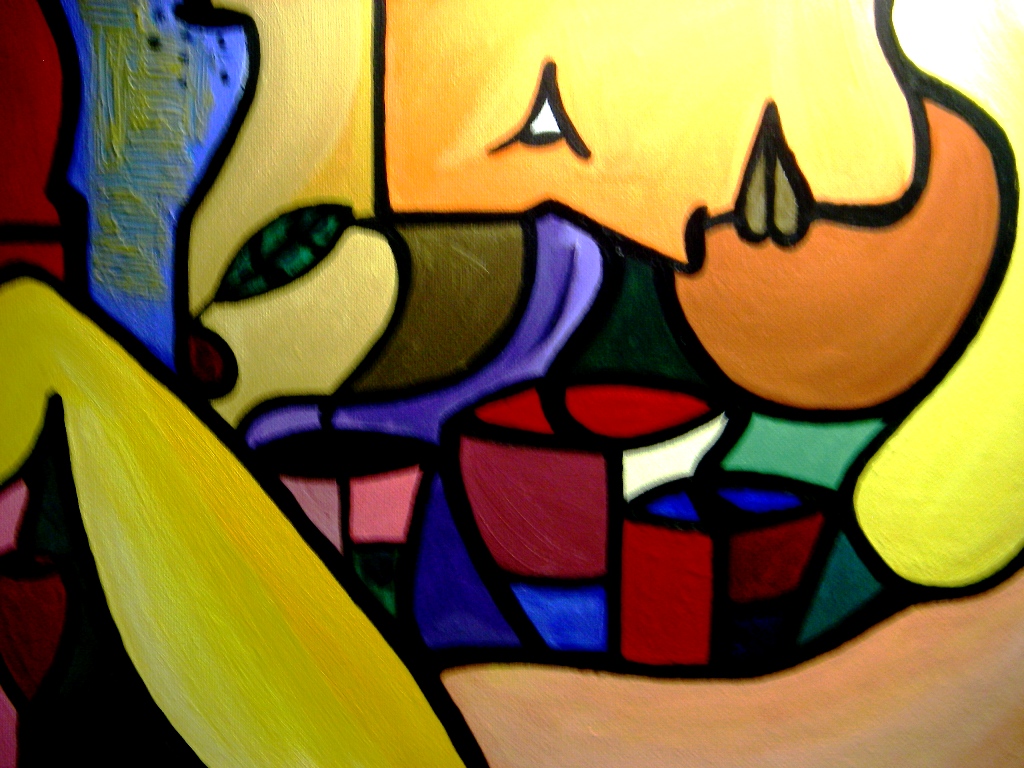
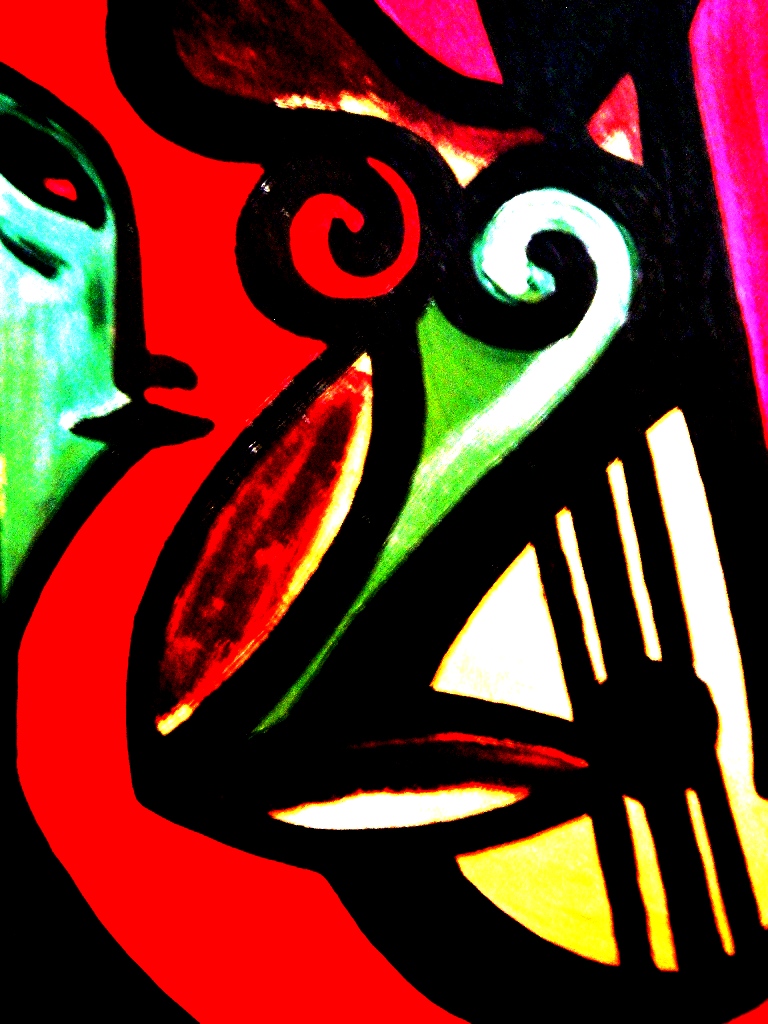
(Foto de Francisco Bravo Cabrera/Derechos Reservados)
No hay nada como una mañana tranquila, soleada pero no calurosa, sentado en el mirador, contemplando el viejo barrio y disfrutando de una copita de un verdejo bien frío, porque es septiembre y todavía hace calor. Las viejas fincas parecen adornar las carreras tal y como fuesen tartas decoradas con colores fuertes, primarios, llamativos. Los arboles brindan sombra y fresco además de limpiar la atmosfera del humo de cigarrillos y transforman el CO2 en O2 para nuestro bien. Al menos eso es lo que recuerdo de la química que estudié en el bachillerato…
Y al pensar, claro, mis pensamientos se acercan, peligrosamente, a las cosas que han dicho hoy en el telediario, pero los espanto ipso facto y no dejo que me roben la paz del santo día. Si hay que pensar en algo que sea en cosas agradables, positivas y que eleven el alma y alimenten el espíritu. Se puede, os lo digo.
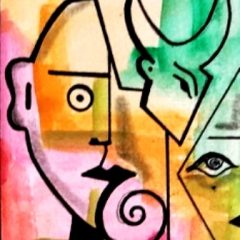
Cuando trabajo mis cuadros, mis pinturas y dibujos, me traslado a otro mundo, a uno donde las cosas no son como las veo, si no como yo las quisiera ver. Por eso afirmo que toda mi arte es realista. Por supuesto, la realidad según mi prisma de expresionismo-surreal, o surreal-expresionismo.
El surreal-expresionismo es mas que la suma de esas dos tendencias o movimientos artísticos del Siglo 20. Segun Hegel la tesis (la idea inicial a desarrollar), choca con la antítesis (ideas antagónicas) para acabar siendo síntesis, la idea más avanzada que supera las dos ideas anteriores. Así se desarrollo el surreal-expresionismo en mi atelier, currándome los cuadros, los dibujos y todo lo demás.
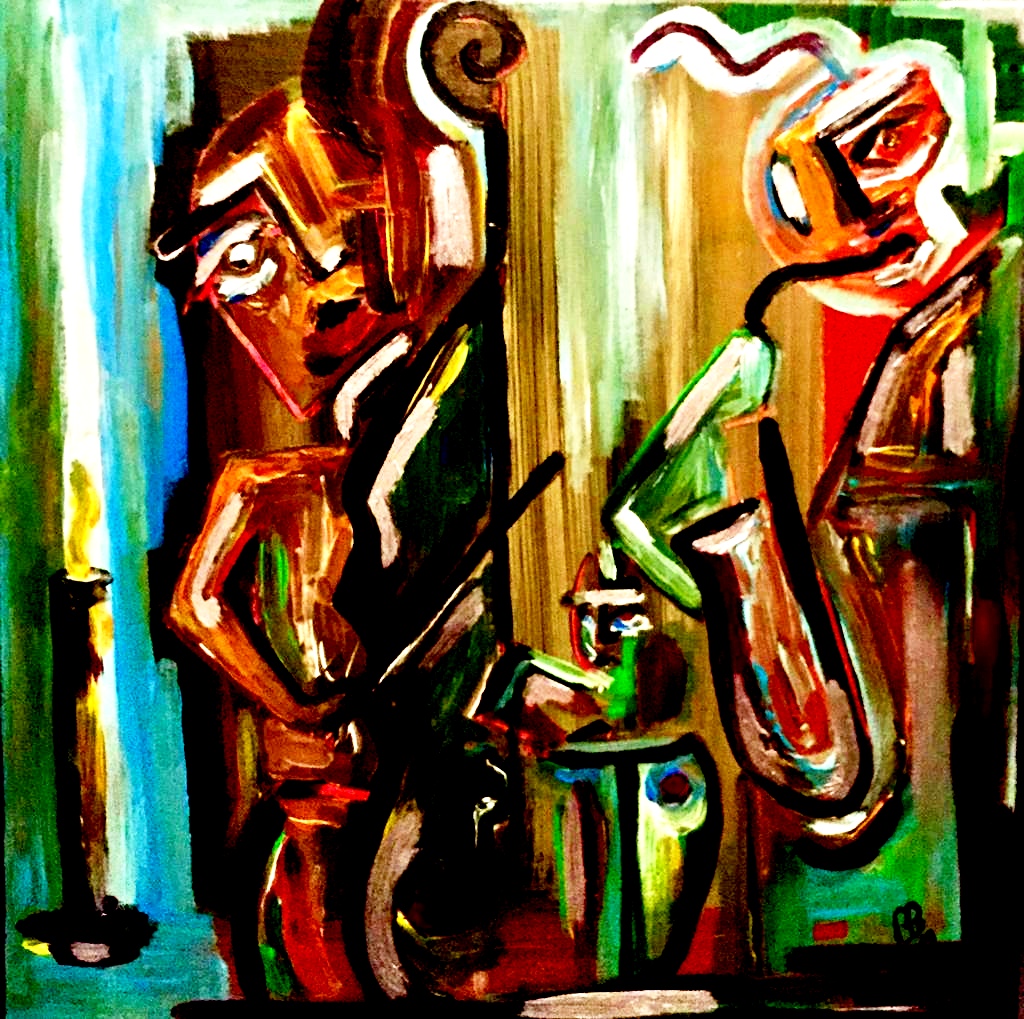
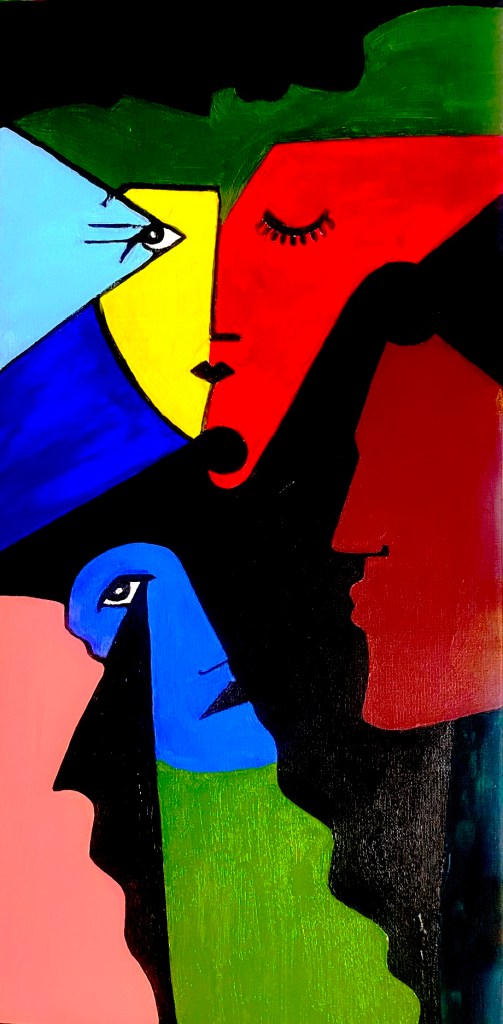
(«Blue Eyed Jazz»/Francisco Bravo Cabrera/All Rights Reserved)
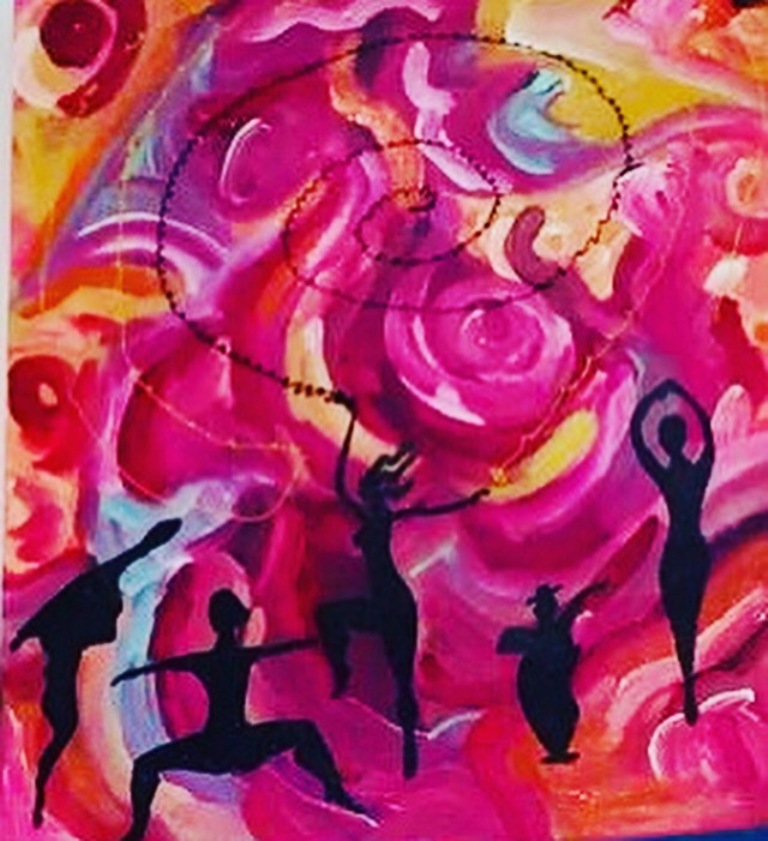
Jazz, like thankfully we all did, survived the pandemic of 2020 and it manifested wildly in my work of 2021…
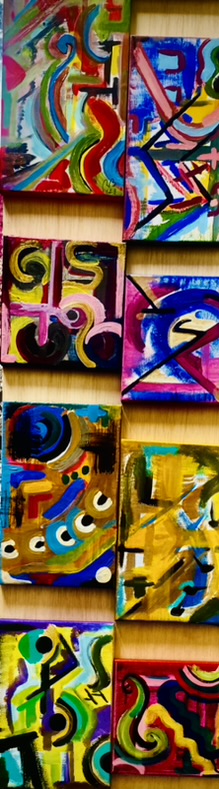
(All originals by Francisco Bravo Cabrera/All Rights Reserved)
These are all happily hanging in various collections throughout Europe, but there are more, from 2021 and 2022. Contact us if you are a collector or a lover of original art…
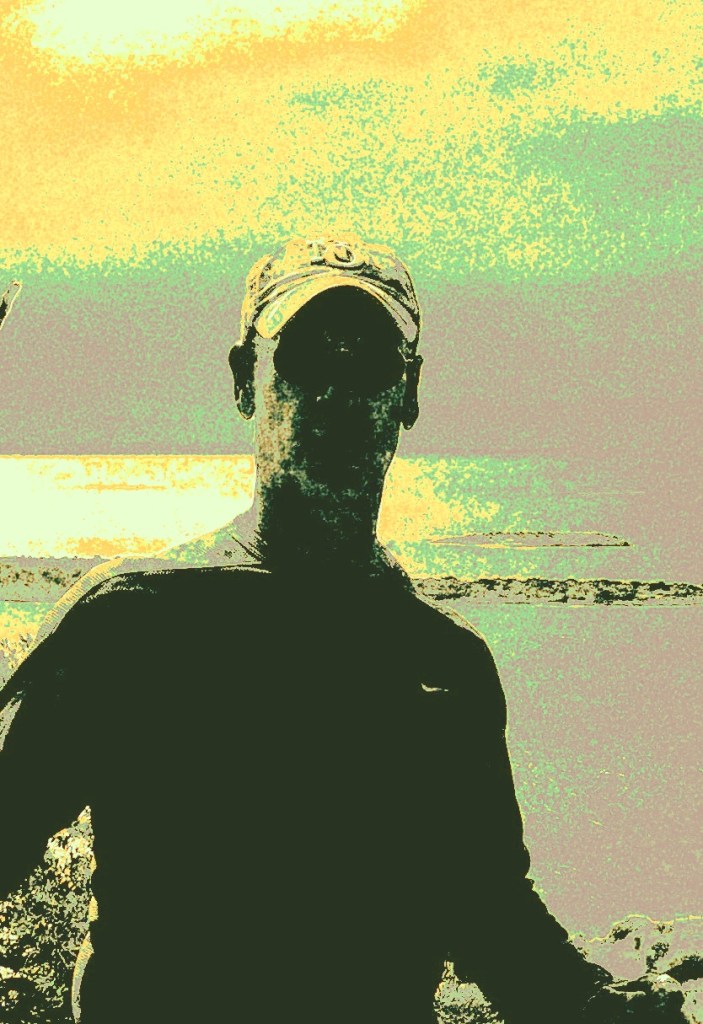
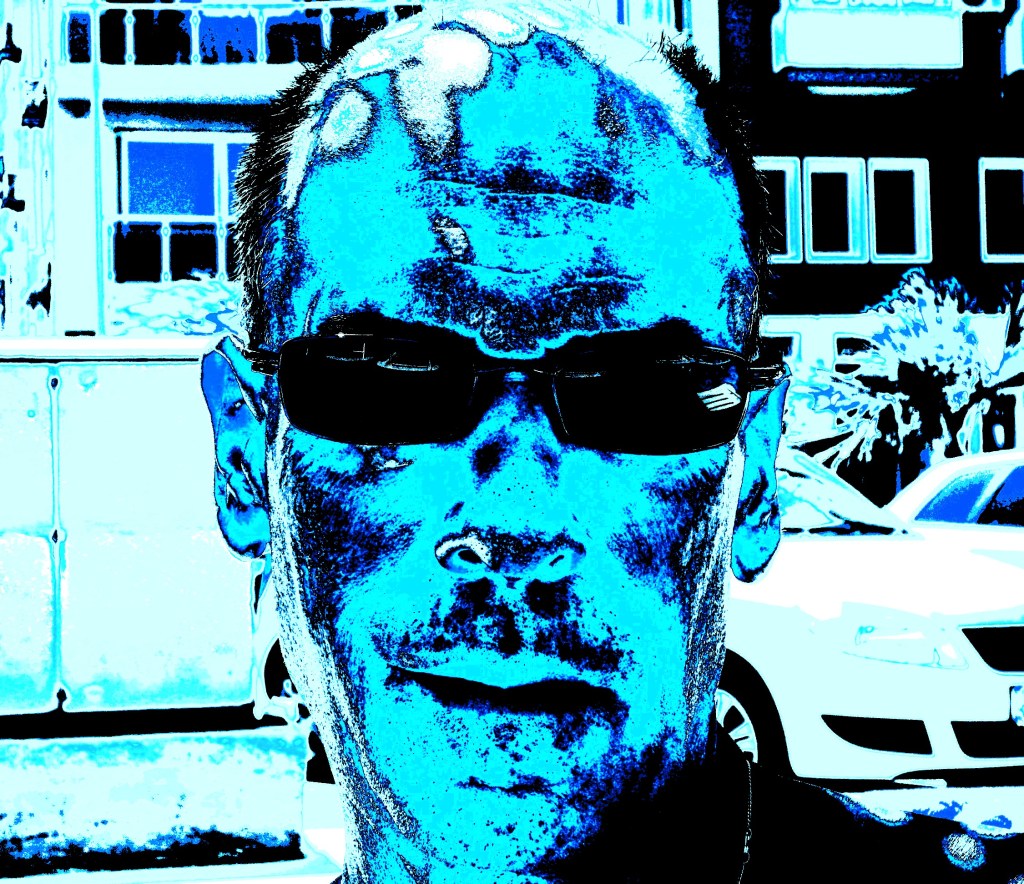
(Francisco en las costas de Turquia, representado por un actor/Derechos Reservados – Francisco on the Turkish coast, actor portrayal/All Rights Resersved)
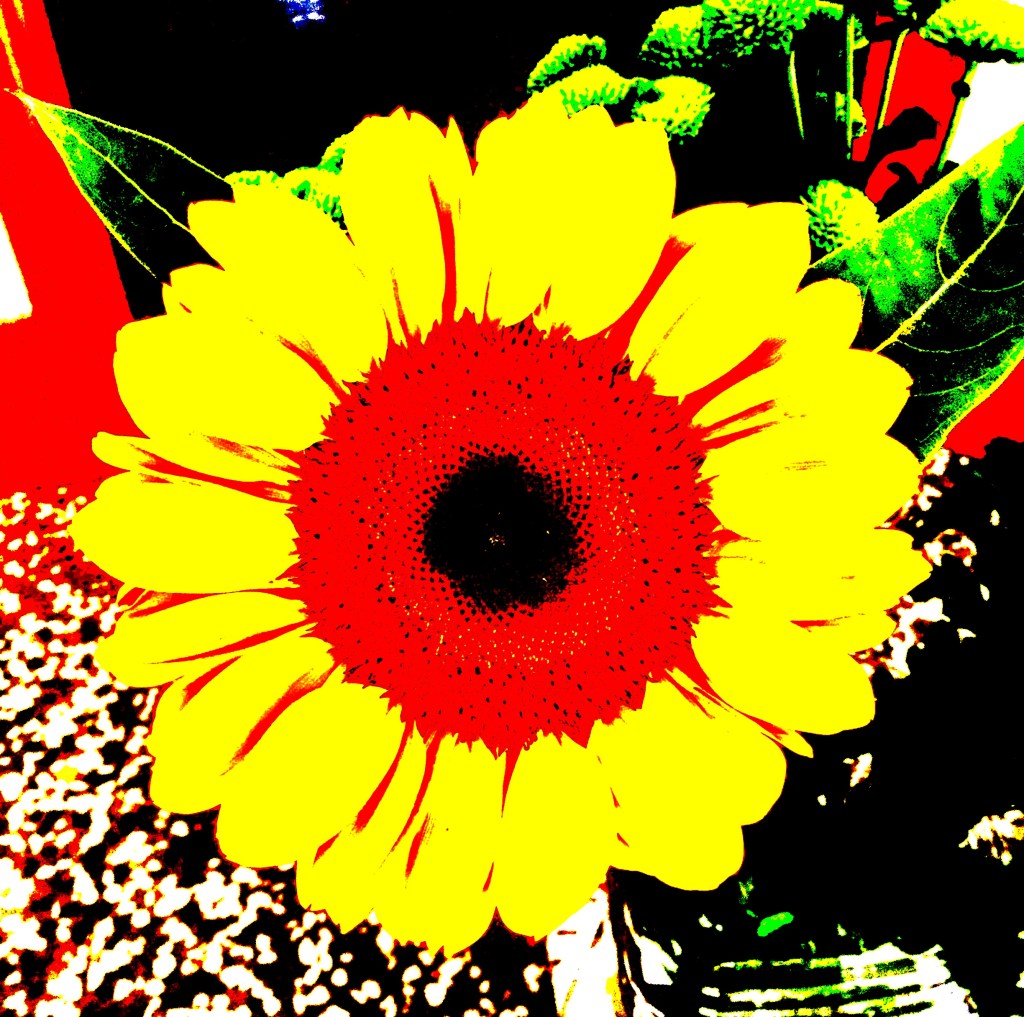
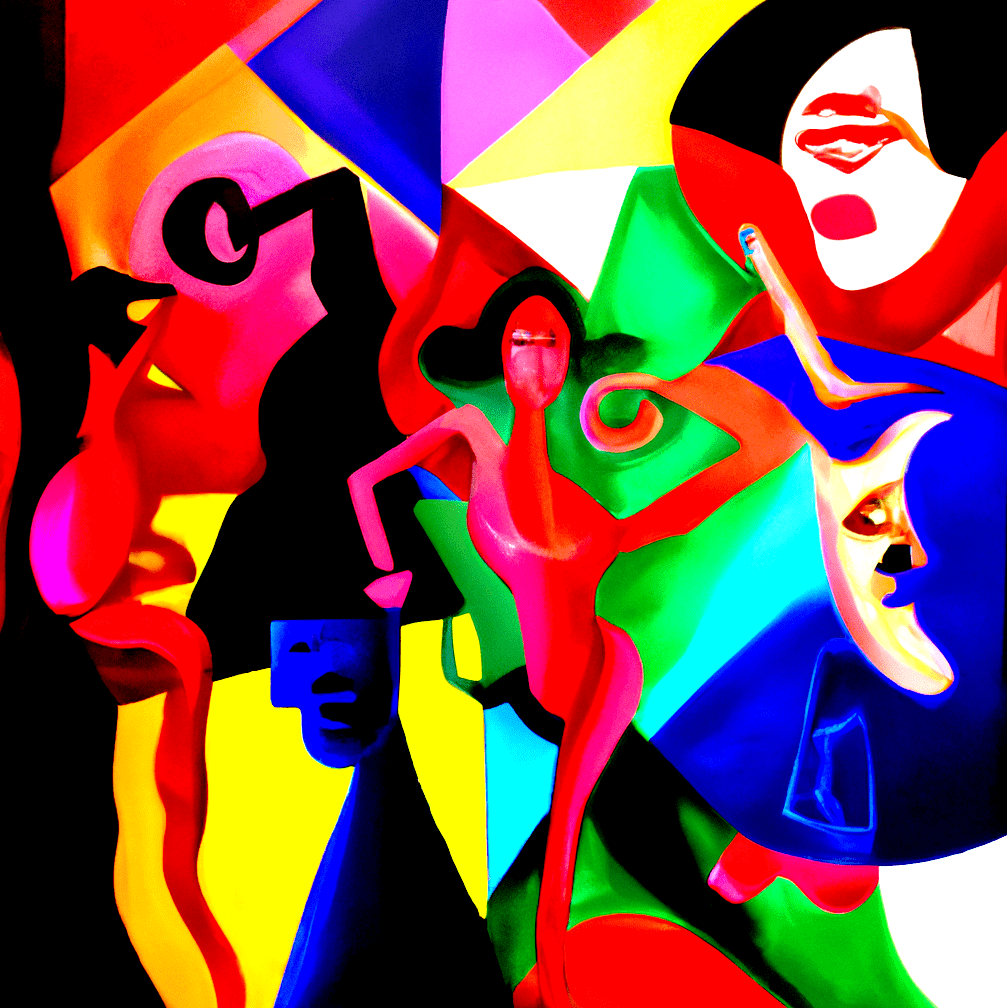
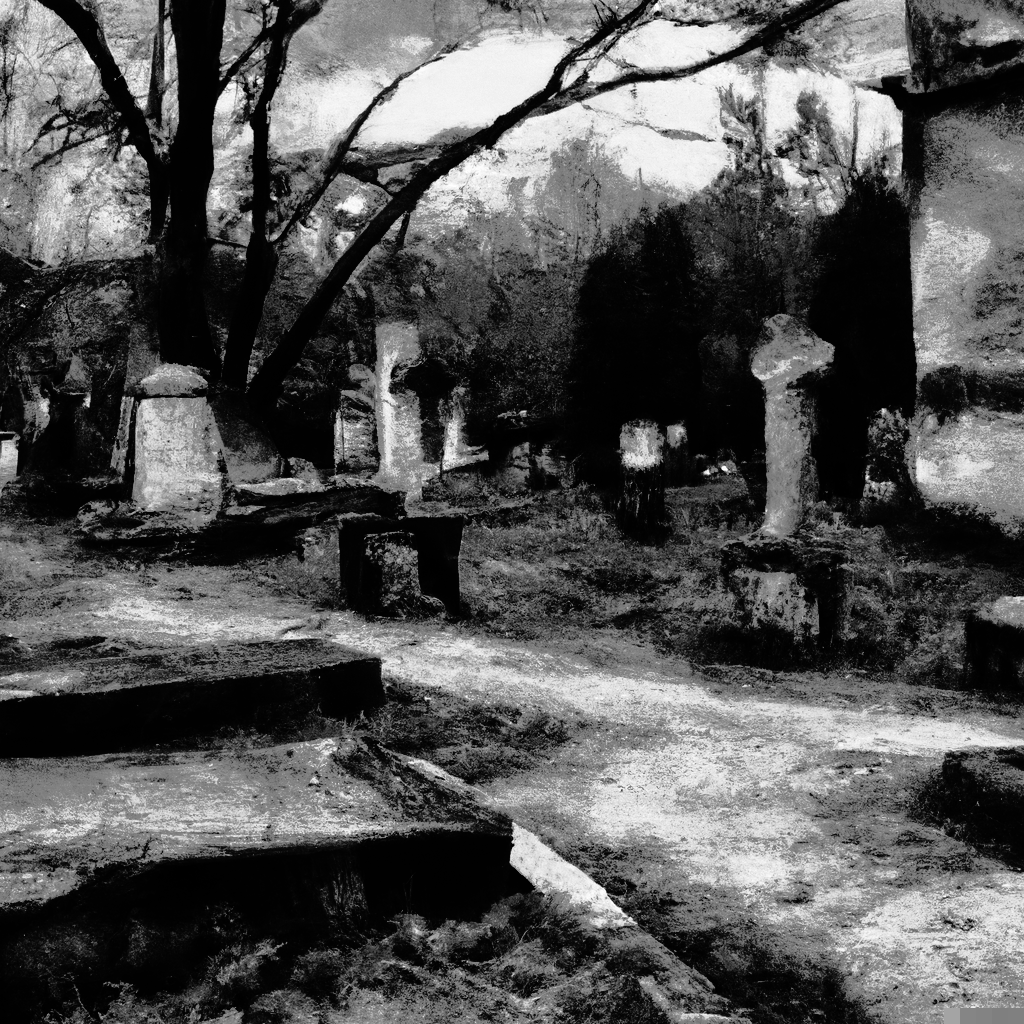
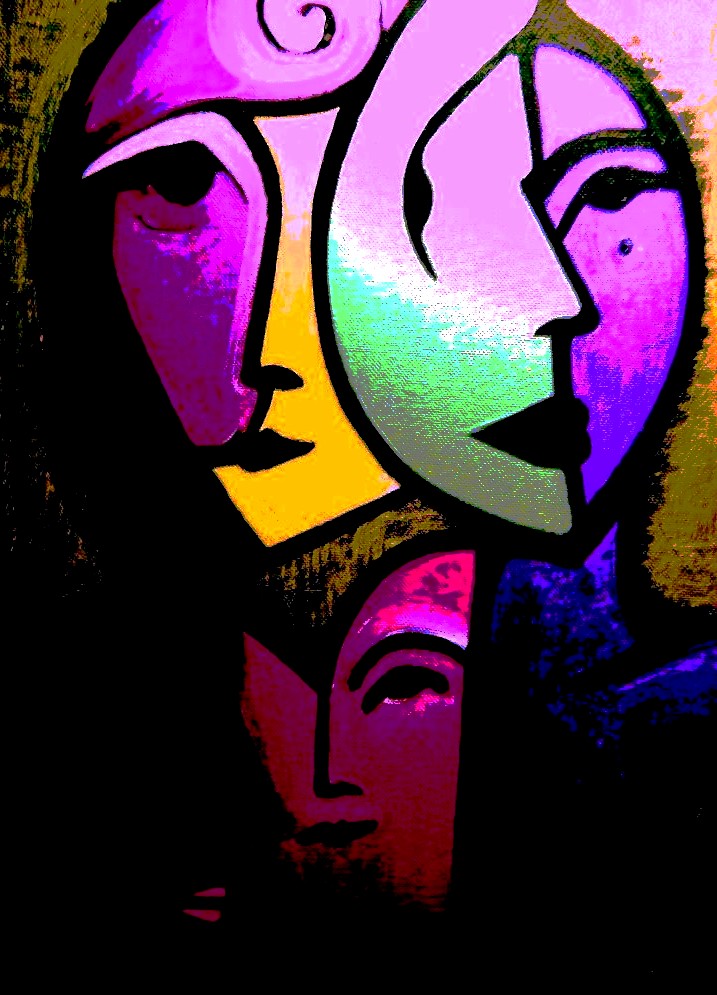
El 2021, el año cuando despertamos del letargo del confinamiento y de la pandemia, fue un año donde pinté mucho y también trabajé muchas obras digitales…
Nota bene que el arte digital no es arte creada por IA. Las hago con imágenes fotográficas que luego paso por un programa de arte digital, pero siempre son mis creaciones y mis ideas, no solo mis ideas…
+++
2021 was the year we kind of woke up from confinement and the pandemic. It was for me a year of much work, painting and doing digital art…
Please note that digital art is not created by AI. These are images that I have created by digital photography and then manipulated with digital art programmes. They are my work as well as my ideas, not just my ideas…
(Obras e imágenes propiedad de Francisco Bravo Cabrera/Derechos Reservados – Artwork and images property of Francisco Bravo Cabrera/All Rights Reserved)
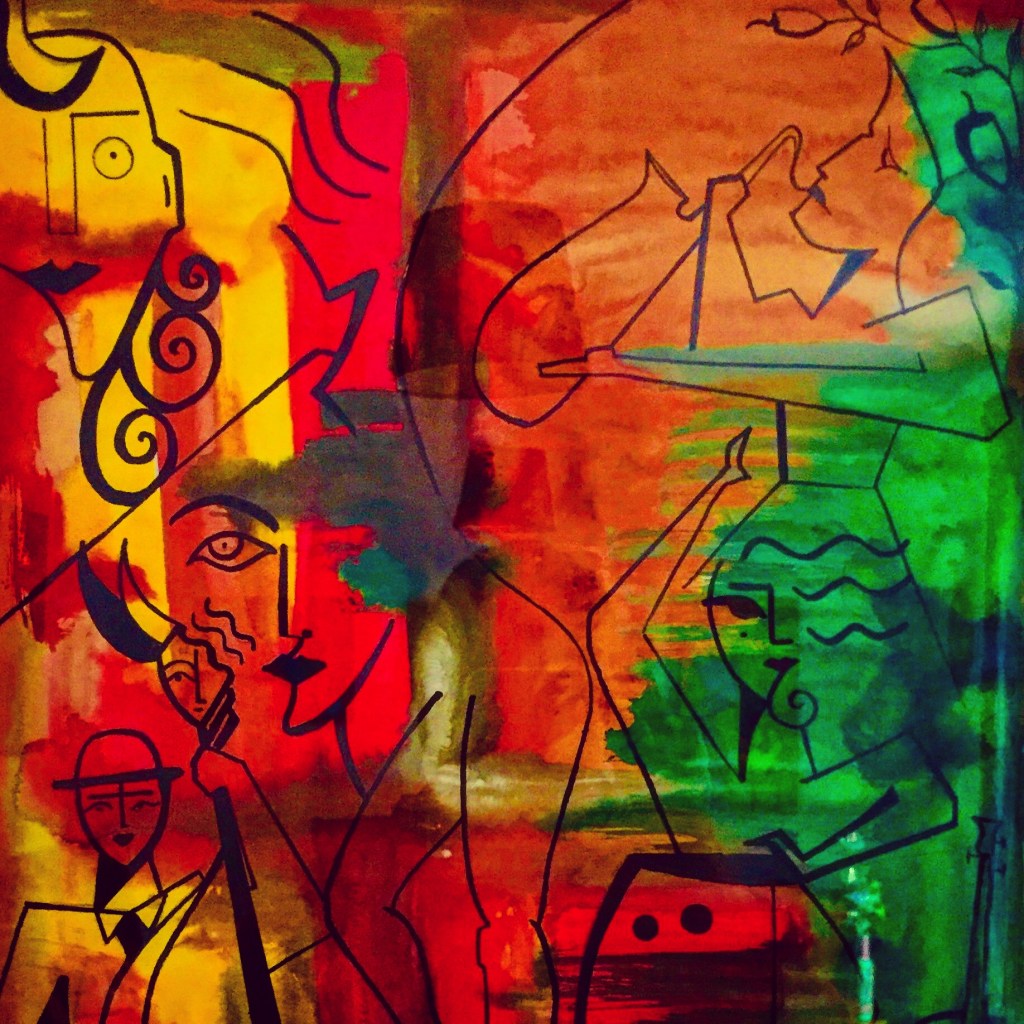
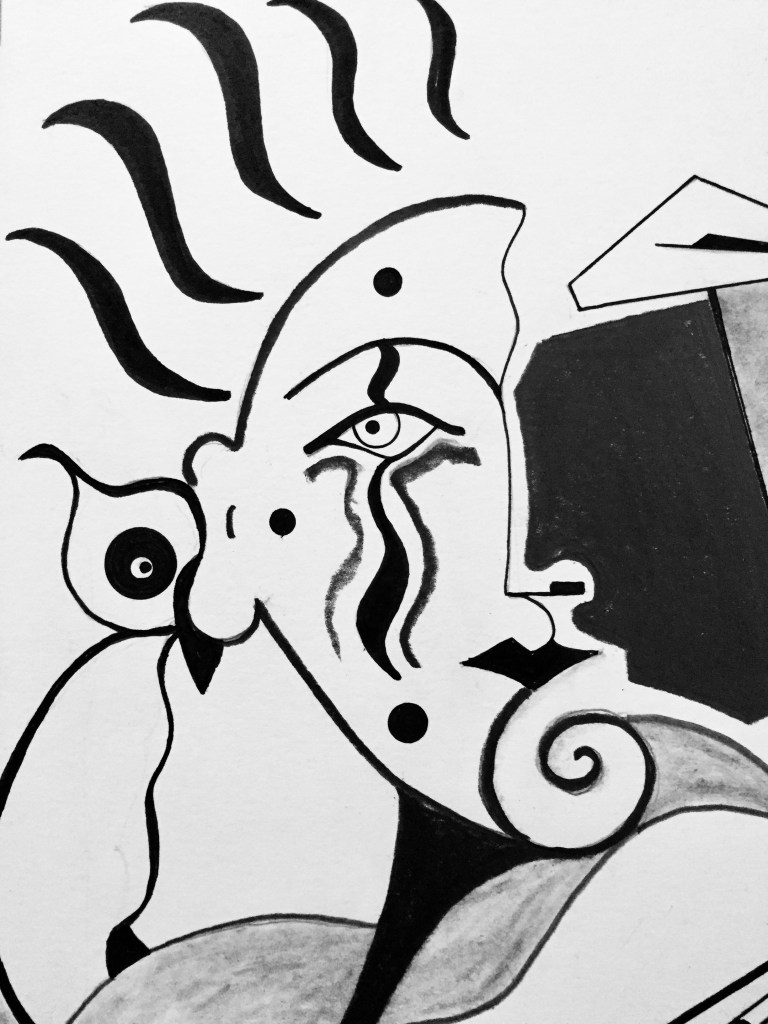
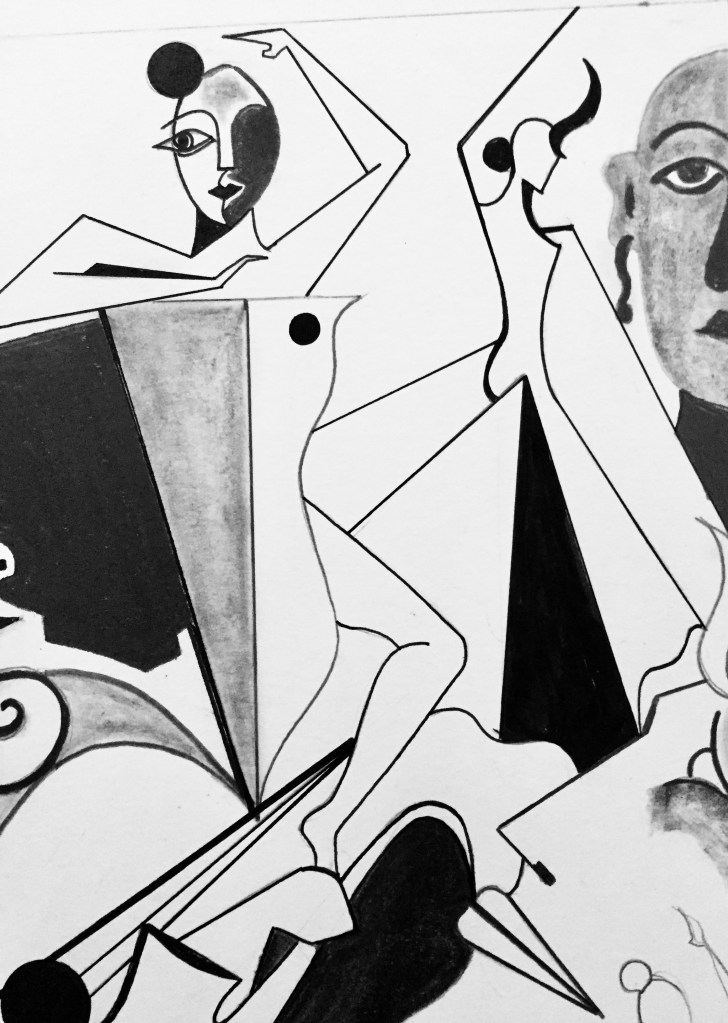
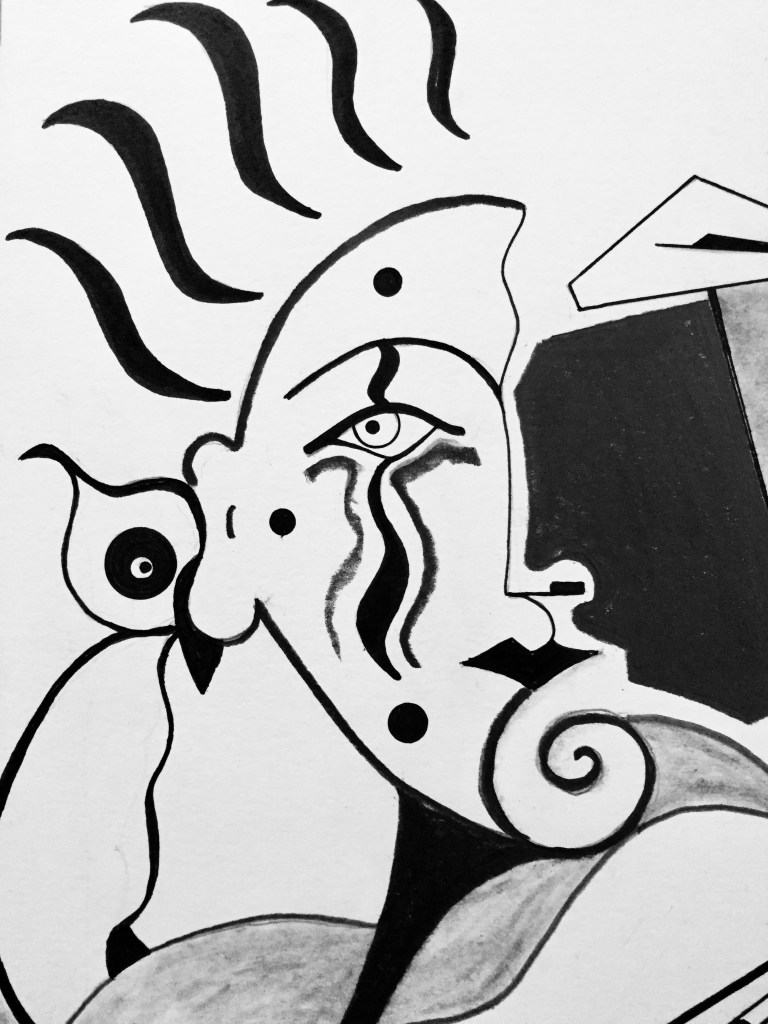
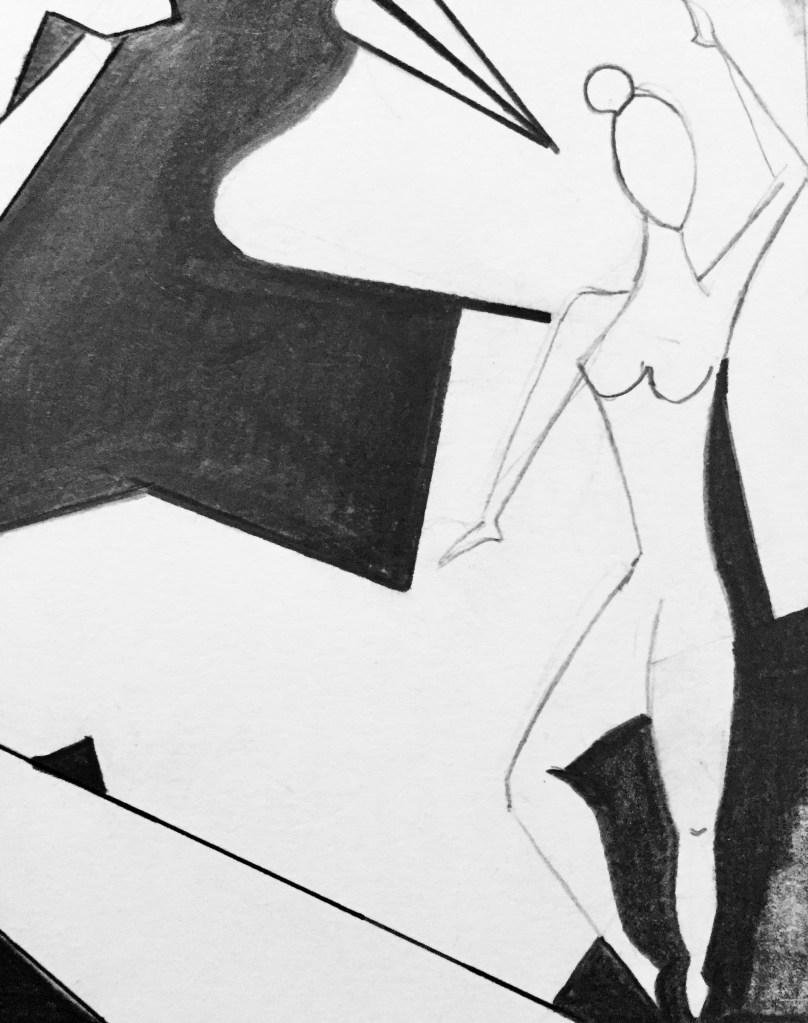
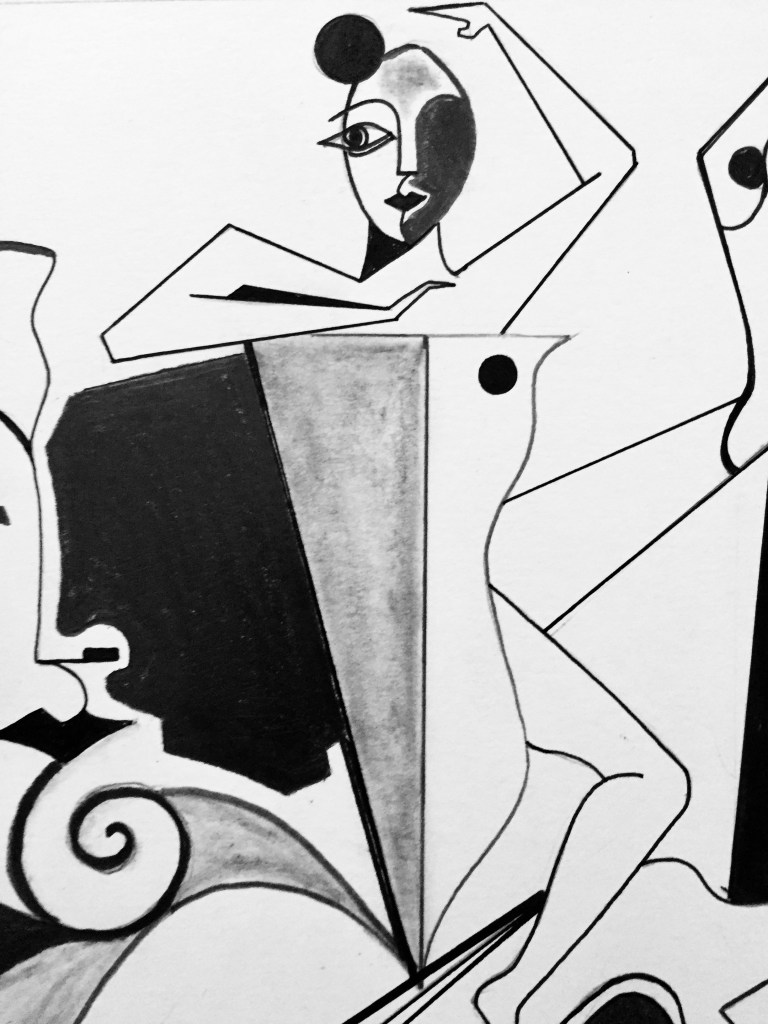
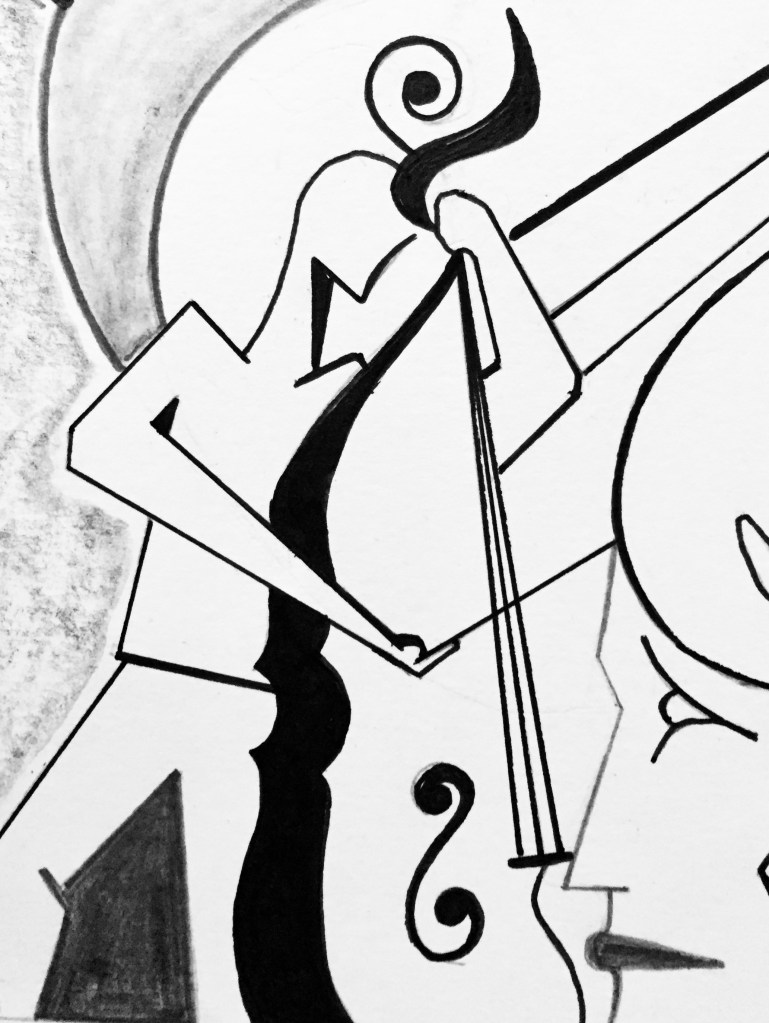
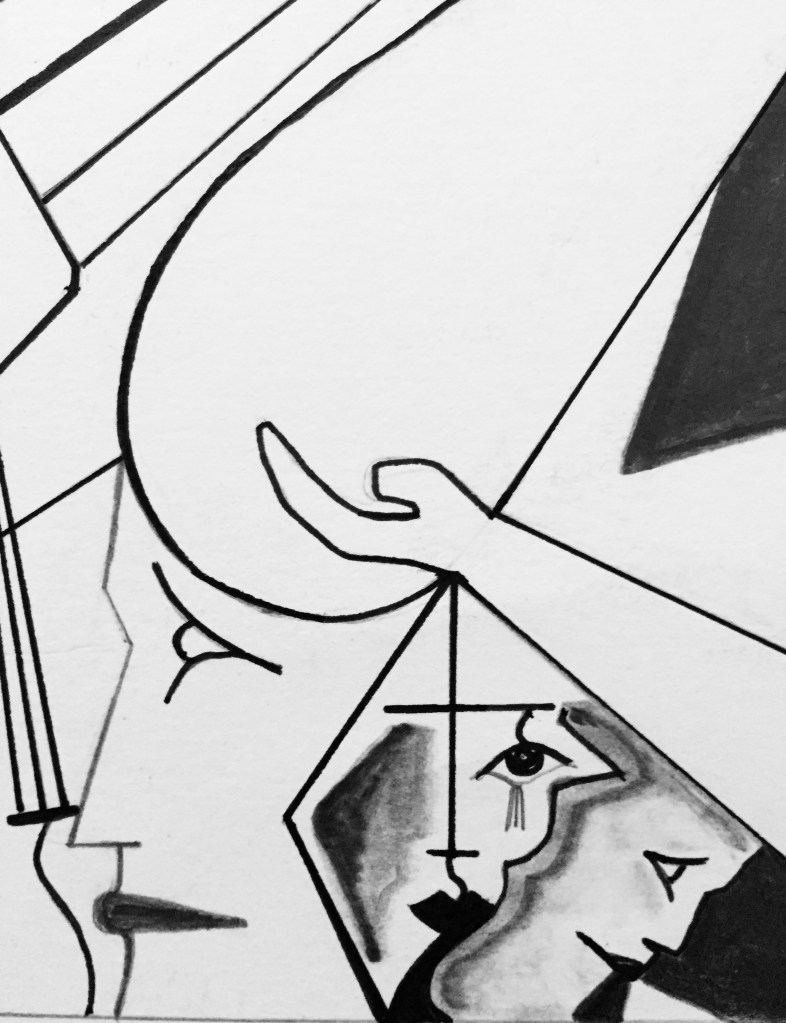
(Fragmento de «Los sonámbulos» de Francisco Bravo Cabrera/Derechos Reservados – Fragment of «The Somnambulists» by Francisco Bravo Cabrera/All Rights Reserved)
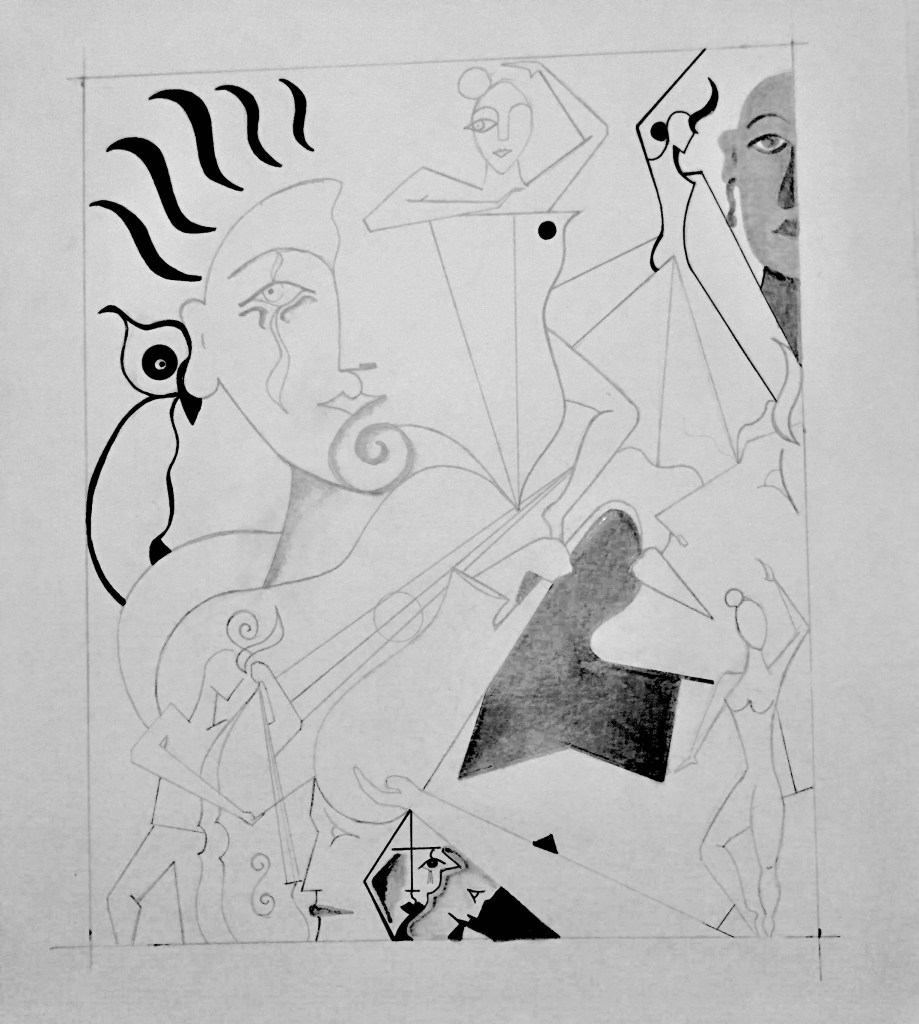
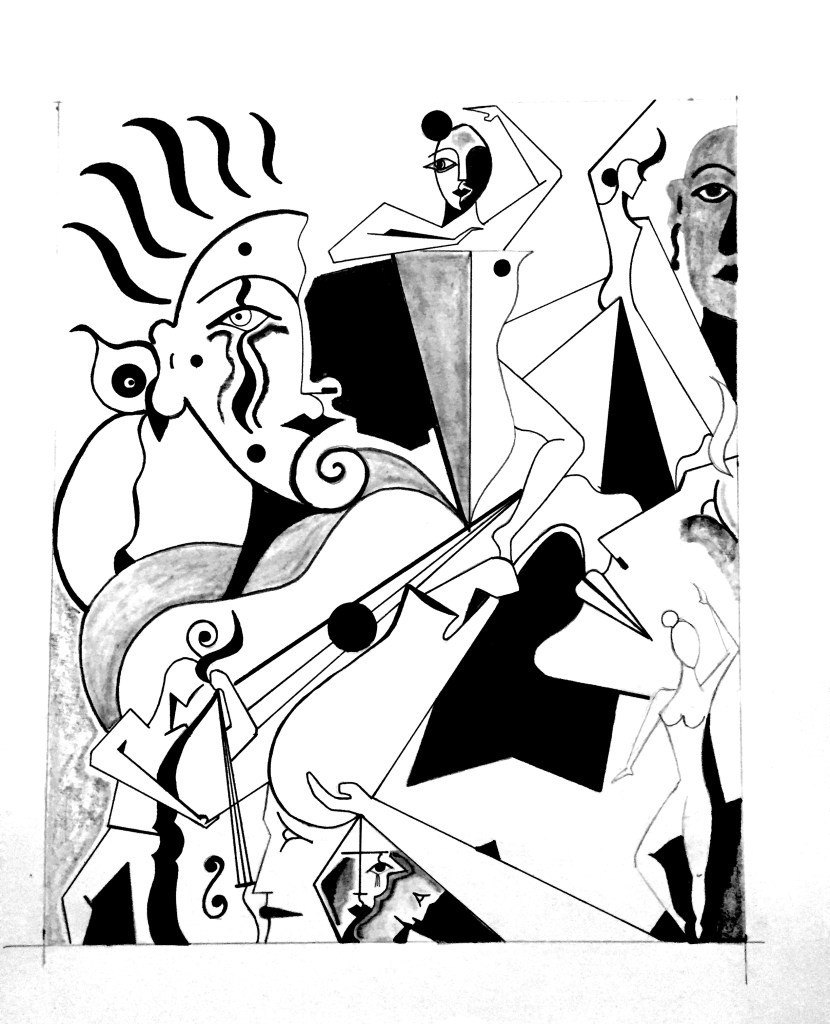
Este es uno de mis dibujos de 2021. Hoy se encuentra en las paredes de un coleccionista europeo… Como es un dibujo complejo y cargadito de elementos, símbolos y chiaroscuros, lo he dividido en pedacillos para que lo puedas disfrutar en su totalidad…
+++
This is one of my ink/graphite drawings of 2021. Today this artwork is hanging in the walls of a European collector. Since it is rather a complex drawing, filled with elements, symbols and darks and shadows, I will divide it for you so that you can fully enjoy it…
(Fragmentos de «Los sonámbulos»/Derechos Reservados – Fragments of «The Somnambulists»/All Rights Reserved)
(«Los sonámbulos»/«The Somnambulists»/Francisco Bravo Cabrera/Derechos Reservados/All Rights Reserved)
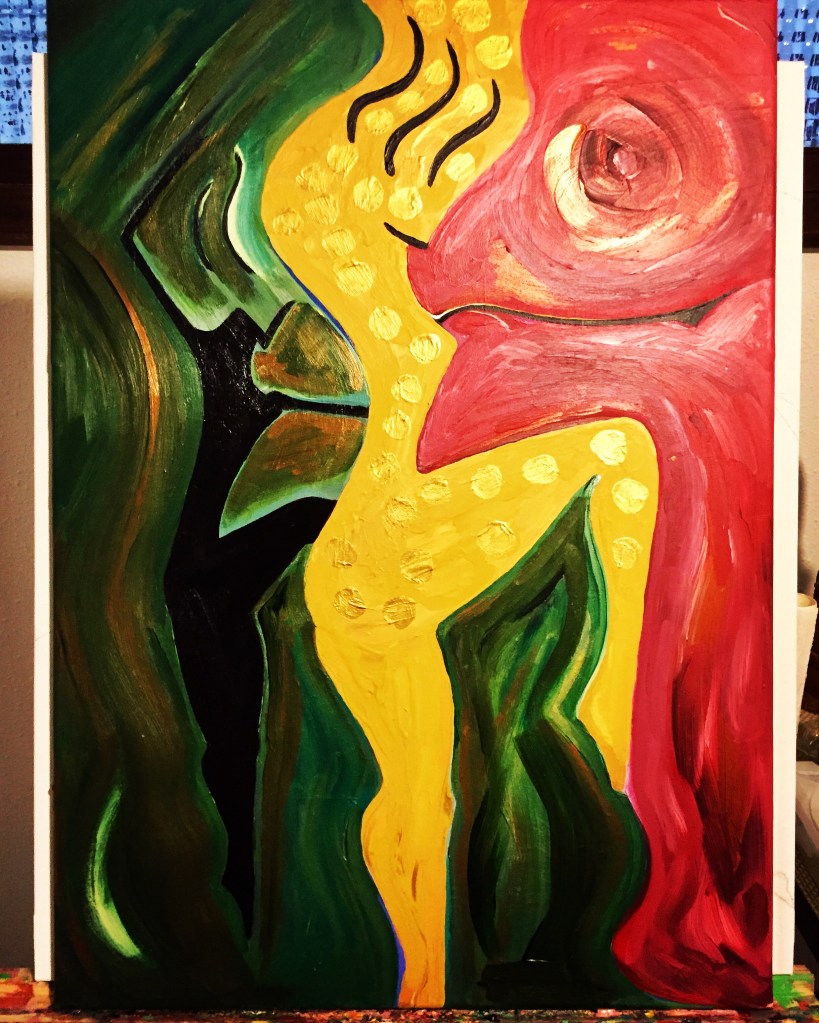
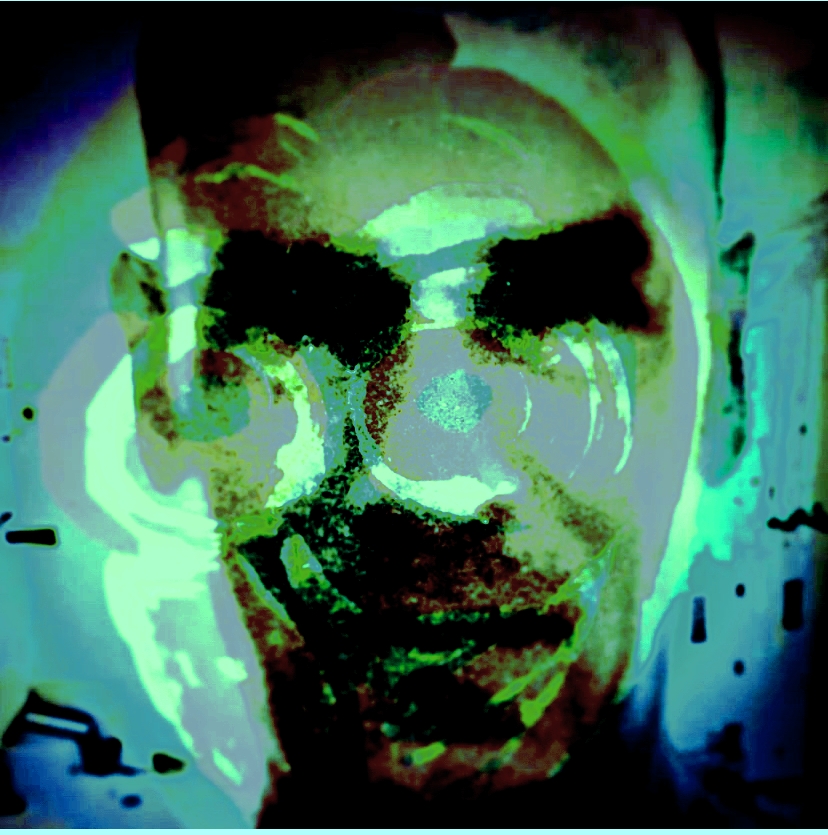
(«Autorretrato verde» de Francisco Bravo Cabrera/Derechos Reservados)
El 2023 ha sido un año muy interesante. Claro, he tenido mucha faena y gracias a eso he logrado que más y más de mis cuadros se expongan en colecciones privadas por toda Europa y EEUU, y eso quiere decir que me lo he tenido que currar. Pero en octubre tendré mi primera exposición en mi ciudad de Valencia, y después me iré de vacaciones… espero veros a todos por allá
(Abstractos varios/D.R.)(«Re-Creando»/D.R.)(«JazzJam No.2/D.R.)(«Oktober»/D.R.)(Imágenes originales de Francisco Bravo Cabrera/Derechos Reservados)
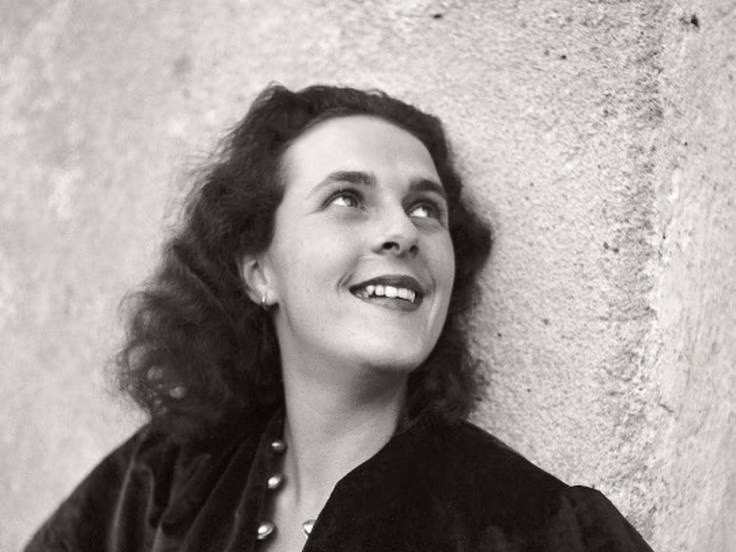
I often wondered why they never spoke to me about Leonora Carrington in art school… And now I know why… I think you will discover the reason while watching… If not, let’s talk about it…
(«Trio frío»/Francisco Bravo Cabrera/Derechos Reservados/All Rights Reserved)
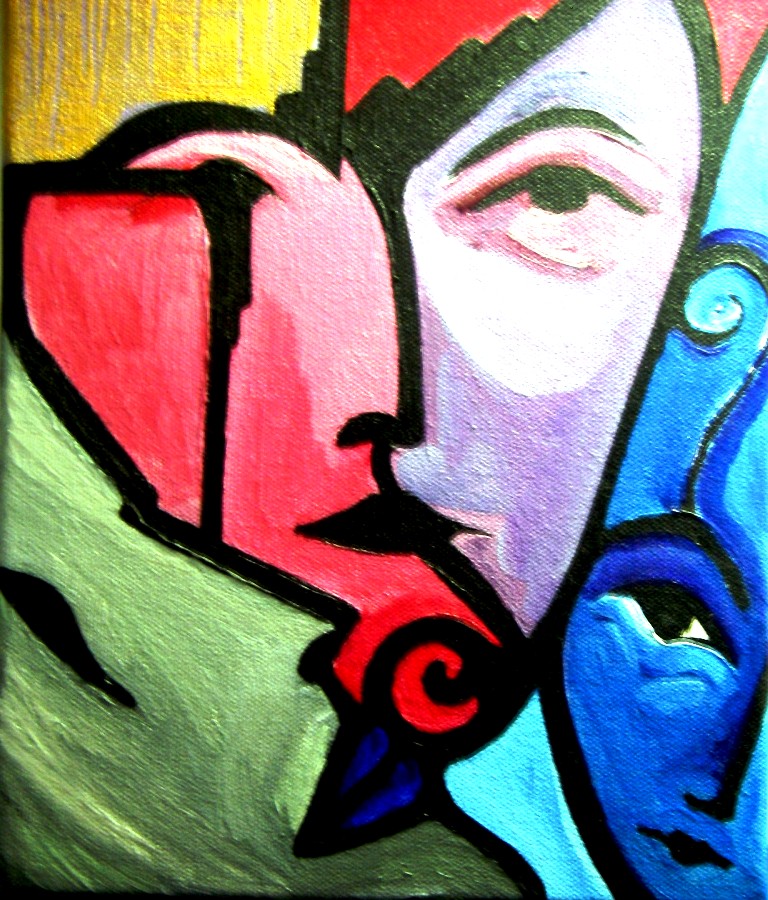
Erase de una exposición en la ciudad de Esmirna, allá en Turquía. Fue hace unos años, 2005… Estos cuadros los compraron una pareja muy maja y desde entonces ocupan un puesto muy privilegiado en su colección y en sus corazones… Y los cuadros los recuerdo bien. No son grandes, tamaño mediano, pero me gustó mucho lo que pude hacer con la luz que en ellos nace y a la vez refleja… Así es el arte, uno experimenta, busca, encuentra, improvisa y fija…
+++
Once upon a time, I exhibited in the city of Izmir, in Turkey. It took place a few years ago, in 2005… These paintings were purchased by a very lovely couple and have since held a special place in their collection and in their hearts… I remember those paintings well. They weren’t large, rather medium-sized, but I was pleased with what I was able to do with the light that emanates from them and reflects back… That’s how art is, one experiments, searches, finds, improvises, and captures…
(«Self-Portrait 05″/FBC/Derechos Reservados/All Rights Reserved)(«Naranjas tú»/FBC/Derechos Reservados/All Rights Reserved) («Mandolina»/FBC/Derechos Reservados/All Rights Reserved)(Obras originales de Francisco Bravo Cabrera/Derechos Reservados – Original art work by Francisco Bravo Cabrera/All Rights Reserved)