(Image property of FBC, Omnia Caelum Studios Valencia. All Rights Reserved/Derechos Reservados)
Sirve y no sirve…
Vale y no vale…
Atropella, abusa, destruye, devora a sus hijos, anida la corrupción,
pero también a la juventud acoge, alimenta, engorda y
los manda a matar y a morir…
¿Para que sirve el gobierno?
¿Sirve o no sirve?
Con grandes limitaciones sirve,
pero si se mete con la libertad individual,
con las vidas de la gente,
con la moral,
la religión,
con las costumbres,
entonces no sirve…
El gobierno no tiene fundamentos para meterse en la vida ni en la función de los empresarios, comerciantes, artistas y demás profesionales, técnicos u operarios del país.
Que defienda las fronteras,
que nos provee las necesidades básicas sin que nos cueste un ojo de la cara adquirirlas, pues todo obrero tiene derecho a vivir una vida digna, y todos somos iguales, todos obreros de la nación.
Y que no se piensen que le tenemos que rendir pleitesía porque no queremos a aquellos que dicen que son divinamente elegidos.
El pueblo lo gobierna el pueblo para el bien del pueblo. Cada grupo debe tener sus propios lideres que conocen lo que hacen, crean y producen y saben dirigir sus operaciones. Al pueblo no le hacen falta ministros que desde un ministerio lejano opinan e imponen. La masa se maneja y echa a andar la praxis productora con sus propias poleas…
Así que ¿Para que sirve el gobierno?
Para poco…
09 de agosto de 2022, Francisco Bravo Cabrera, València.
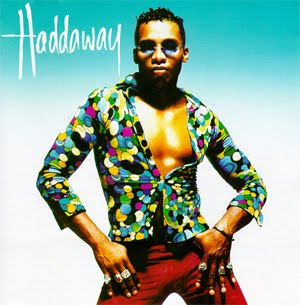
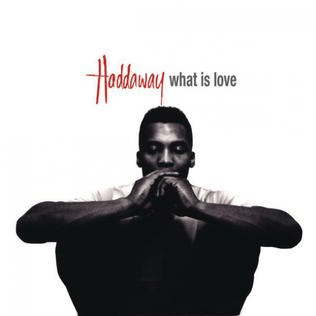
«What is Love» fue lanzado como single del LP The Album del germano-trinitense Haddaway en 1993. Tremendo tema. Bueno, para mi el 1993 fue un año mágico e inolvidable, así que todas las canciones de ese año me encantan y esta es ciertamente una de ellas…
Disfrutadla y bailadla…
«What is Love» was released as a single from the LP The Album by the Trinidadian-German Eurodance artist Haddaway in 1993. Great tune! Well, for me 1993 was a magical and unforgettable year so all the songs from that year I tend to really like and this is certainly one of them…
Enjoy it and dance!
Y os recuerdo de este tema que tanto cantamos alla por el ’93…
And I want to remind you of this great song that we sang so much back in ’93…
Si piensas que el arte es algo mágico, místico, o cosa muy especial que hay que nacer con ciertas cualidades genéticas para lograrlo, te equivocas. Y si crees que el talento es algo que se tiene, que quizá fue Dios dado o adquirido mágicamente, venga, te vuelves a equivocar.
El arte se curra, se estudia, se aprende y se desarrolla. Es una asignatura universitaria como la medicina o la ingeniería. Hay que pasar por la facultad, o por alguna academia o por un aprendizaje intenso junto a un profesional, o si tienes disciplina, lo aprendes solo, no como autodidacta, sino buscando libros, vídeos , ejemplos et cetera. ¿Acaso los Beatles no se hicieron profesionales de la música aprendiendo sobre la marcha? No hay que ir a la universidad para aprender, pero si hay que aprender.
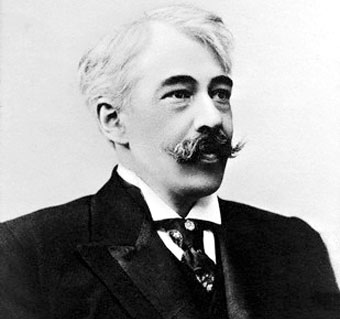
El talento es cosa que se desarrolla. El gran actor, director y pedagogo ruso Konstantin Stanislavski dijo que el talento “no es nada mas que un tiempo prolongado de atención y un tiempo acortado de asimilación mental.” Y ¿Que quiso decir? Simplemente que si te aplicas a una cosa, borras las otras de la cabeza y si lo curras bien y duramente, llegaras a desarrollar talento. No hay misterio, no hay genética.
Aunque cualquiera puede ser artista, igual que cualquiera puede ser medico o ingeniero, no todos quieren…
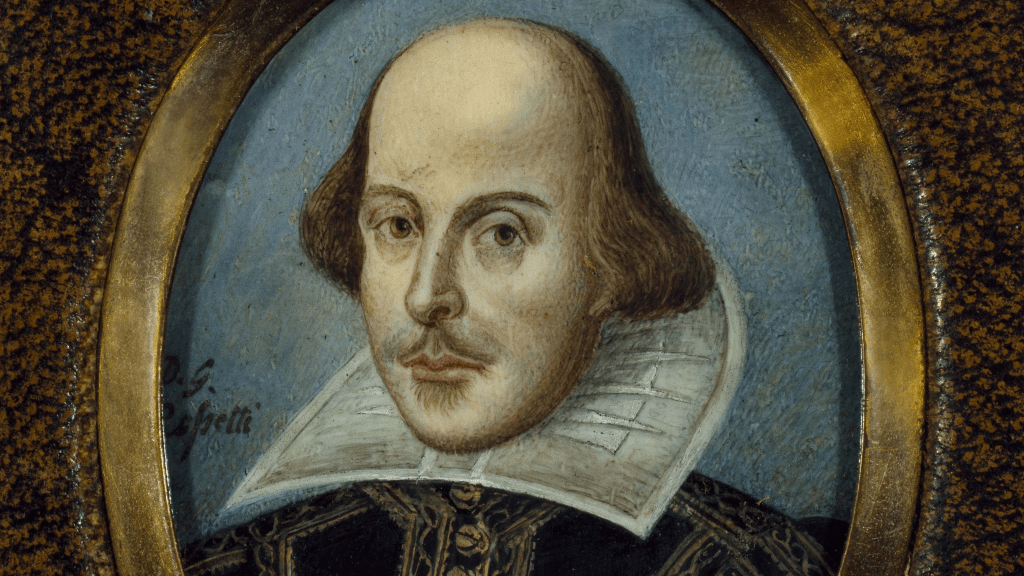
Hay que tener en cuenta que para el artista, el arte es un trabajo para ganarse la vida, como otro cualquiera y que si, como lo hizo el gran William Shakespeare, se hace por dinero.
(Shakespeare, se retiró a los 47 años cuando ya no le hacia falta mas dinero)
If you think that art is something magical, mystical or that you have to be born with special qualities to be an artist or to make art, you would be wrong. If you think that talent is something you are born with, or God-given, or some kind of genetic inheritance, you would be wrong as well.
Art is an acquired trait. You learn it, you study it, you develop it. You go to uni, it is a career path, like Medicine or Law. It is a course of superior learning. You can go to a conservatory or a private academy, or study under a professional. Or if you have the discipline, you do it yourself, not as an auto didactic, but learning from books, videos, or as you research the art form you are after. The Beatles didn’t have formal education in the arts, but they learned as they went and they learned fast and they learned much to become what they became.
Now talent. Talent is something you develop. The only way is through hard work. The great actor, director, teacher and theorist Konstantin Stanislavski, founder of the Moscow Art Theatre, said of talent: “Talent is nothing but a prolonged period of attention and a shortened period of mental assimilation.” And what does that mean? That you must apply yourself to the craft of your art, dispel your mind, and work it as long and as hard as possible. There is no mystery, there is no genetics.
Although anyone can be an artist, as anyone can be a doctor or a lawyer, not everyone wants to…
We should bear in mind that for the artist, art is a job to earn a living, like any other job. And yes, you do it for the money, like William Shakespeare did.
(Shakespeare retired from writing at the age of 47 because he had made enough to live the rest of his life in comfort)
A very popular question, not only on this blog, but throughout…
I have studied many methods, beginning with acting, dance and painting, and I have found the most impressive and profound statements to the meaning of art from the writings of Konstantin Stanislavski. Here are some of his quotes and theories on Method Acting, which in my opinion, apply to all the arts.
(2022)
I suggest you listen to the soundtrack, a piano improvisation on minor chords that I created for the mood of this video.
(Image property of FBC, Omnia Caelum Studios Valencia. All Rights Reserved)
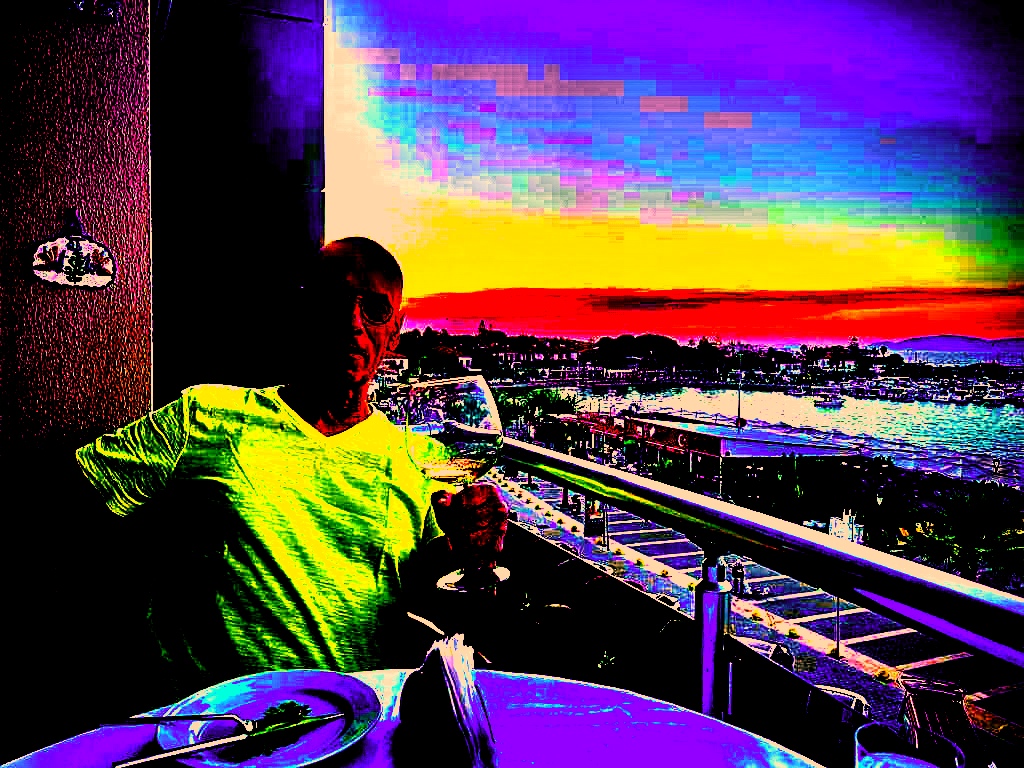
Hello my friends! Hope you are all having a splendid Sunday! Here in Valencia we eat paella on Sundays at dinner time (2:00 pm) in the sidewalk cafes, bars and restaurants of our city, hope you enjoy your Sunday tradition as well.
I just wanted to touch a point on art, poetry and the creative process of writing or painting. Of course it applies to all the arts as well.
I learned in Art School at uni that «raw emotion is not art», and I liked the idea. It took me a while but I understood that what I read, what I watch, what I observe in a painting or in a ballet, is not a slice of life, or a fraction of reality. It is something invented, contrived, manipulated, polished, touched-up, rehearsed and made ready as art. Art is rehearsed, planned, prepared. Emotions are not. That is why artists manipulate emotions.
I do not write about myself, my life, my friends, my relationships or my emotions. I may dive deep into the resources of my memory to pick out certain things that may have caused me laughter, pain, sorrow or joy and then begin to work on them artistically. That is why I am adamant about saying that art is not spontaneous nor intuitive. Art is crafted, thought about, created, yes, from something, but into something else.
What do you think? What are your theories? Does this differ from what you were taught at uni, or in the great uni of life? Let me know.
(Image property of FBC, Omnia Caelum Studios Valencia. All Rights Reserved)
Os deseo a todos un domingo feliz, y a comer paella por las terrazas de Valencia, bueno, para los que vivimos aquí y no ahora, sino a la hora de la comida.
Hoy quiero deciros que para mi el arte, la pintura o la poesía, es una creación artificial, manipulada, inventada y con poca relación directa con la realidad. El artista, el escritor, dramaturgo, coreógrafo, cineasta, musico et al, crea un ambiente emocional que motiva al observador pero que nunca tiene que ver con sus propias emociones. Por supuesto que siempre hay una referencia especifica, inclusive en la abstracción.
El actor saca de su memoria sentimientos y emociones y las aplica al papel que desarrolla, no siente lo que su personaje siente, sino que sustituye recuerdos de situaciones que si le causaron esa misma…o parecida…reacción emocional y las inserta en la situación de su personaje, creada por el guionista/cineasta.
Así escribo yo. Mis poemas no tienen mucho que ver con mi vida. Yo no escribo cosas autobiográficas ni tampoco de mis sentimientos. Mi trabajo es netamente artístico, creado, manipulado, inventado y matizado de la manera idónea para hacer brotar esas emociones, pero en los lectores u observadores, no en mi. El arte no se hace de emociones crudas. Hay que pulirlas, darle el toque artificial del arte para que sirvan, para poder lanzarlas al mundo.
(Foto propiedad de FBC, Omnia Caelum Studios Valencia. Derechos Reservados)
(Version del 7 de agosto 2022)
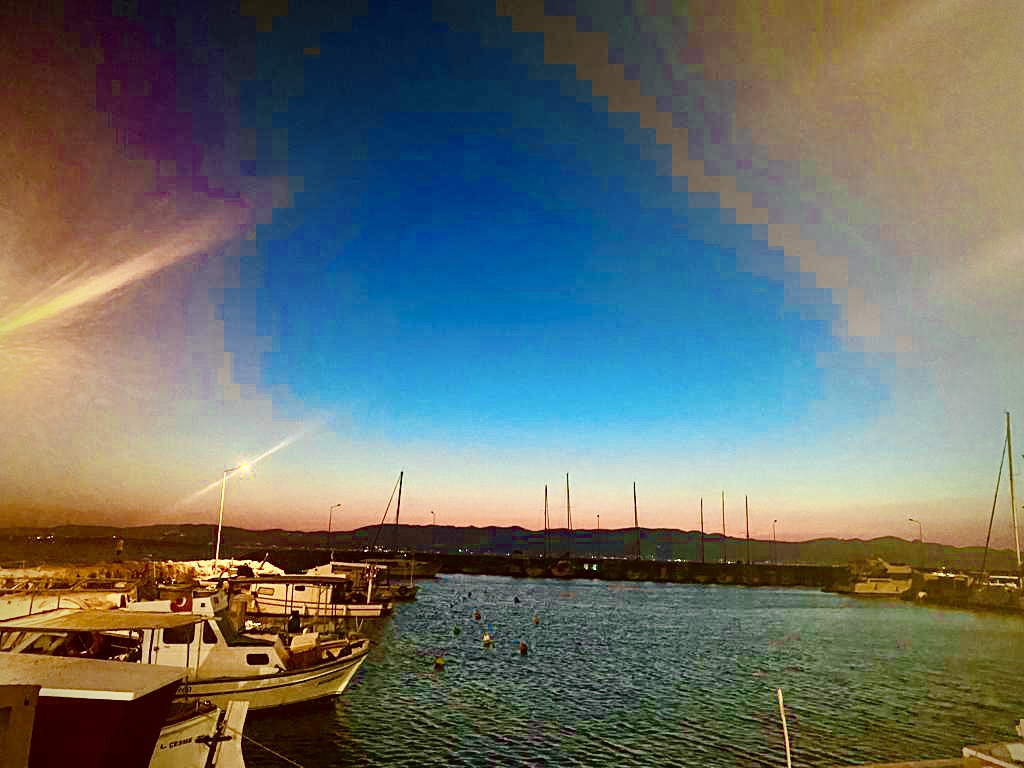
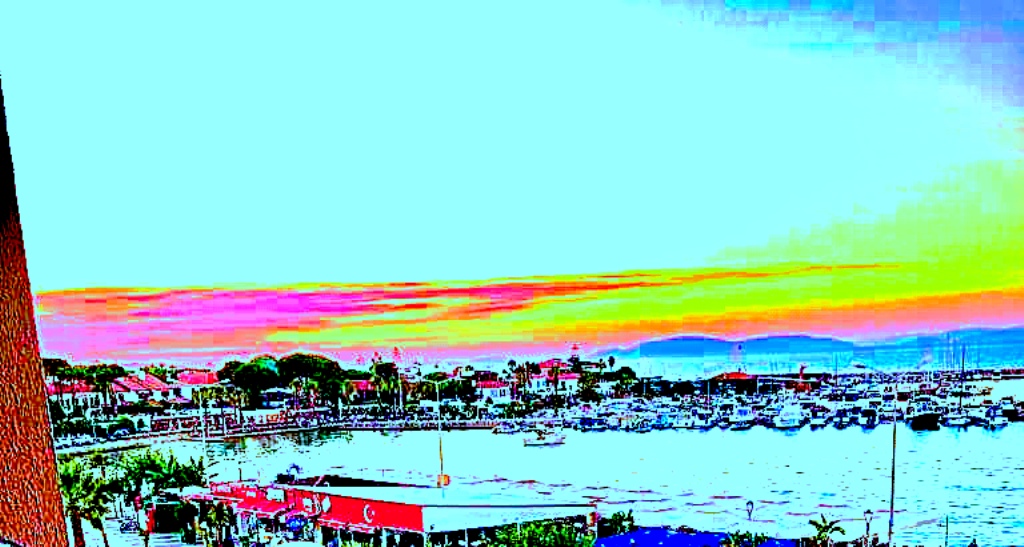
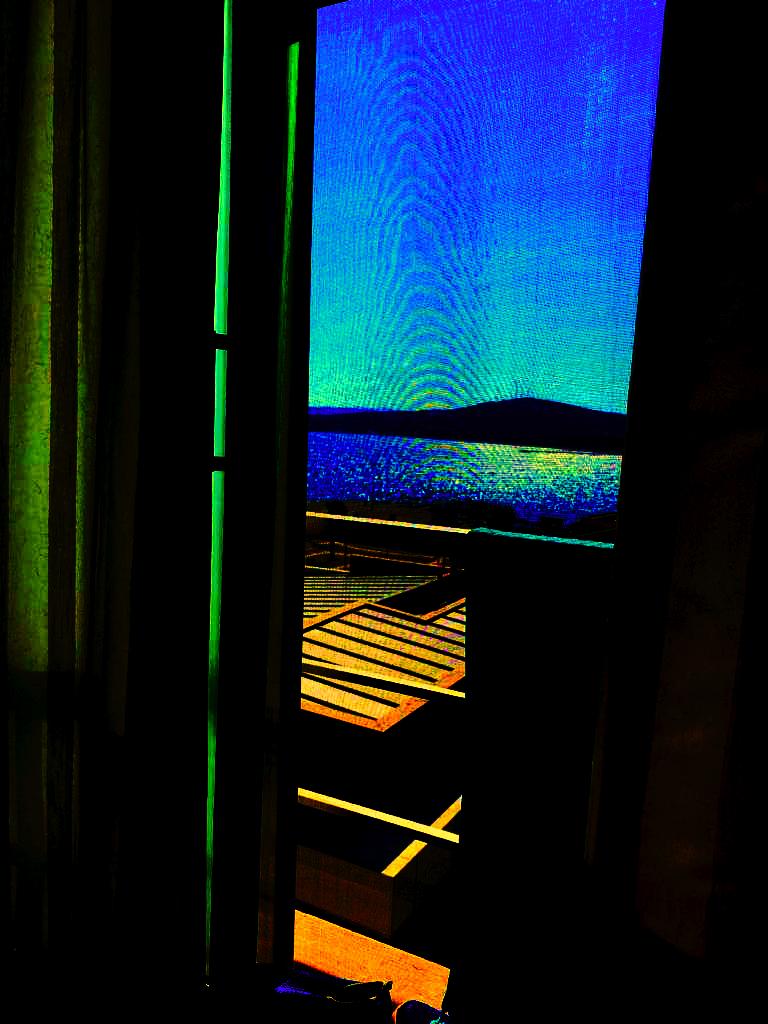
Ese día no llegará, pero otro sí. A aquel lugar jamás regresarás pero a otro sí. El beso y el abrazo dado, no podrás complementarlos con tres líneas mal escritas que lanzaste hacia el mar.
Ya las sombras de la tarde han madurado, y el sol se ha acomodado tras la luna, pero el pensamiento sigue atento a la dirección del viento.
Vienen sueños al olfato, y el sabor, sabor a los vetustos libros de tu abuelo, animan mi gran anhelo de cantar por bulerías, y me alegran como alegrías, saetas y peteneras.
Libros, pan, sabiduría, el ADN del cuerdo. Para el tonto, los recuerdos de vivir entre cien gatos…
Ese día no llegará, pero siéntate a soñar y espera, y verás que no hay banderas sobre el reino de tu mente.
¡Lúcete! Cruel inocente y ¡baila a la luz de la luna! y ya verás que ninguna resistirá la mirada, de tus ojos, pardos y tan antiguos, que se han quedado mirando a la imagen de esa tarde, la que inspiro tantos cantos, la que sin voz le cantaba a la magia de esas horas, de aquel día que ahora pasaba.
C.2022, Francisco Bravo Cabrera, 06 AUG 2022, València, España
(Image property of FBC, Omnia Caelum Studios València.All Rights Reserved)
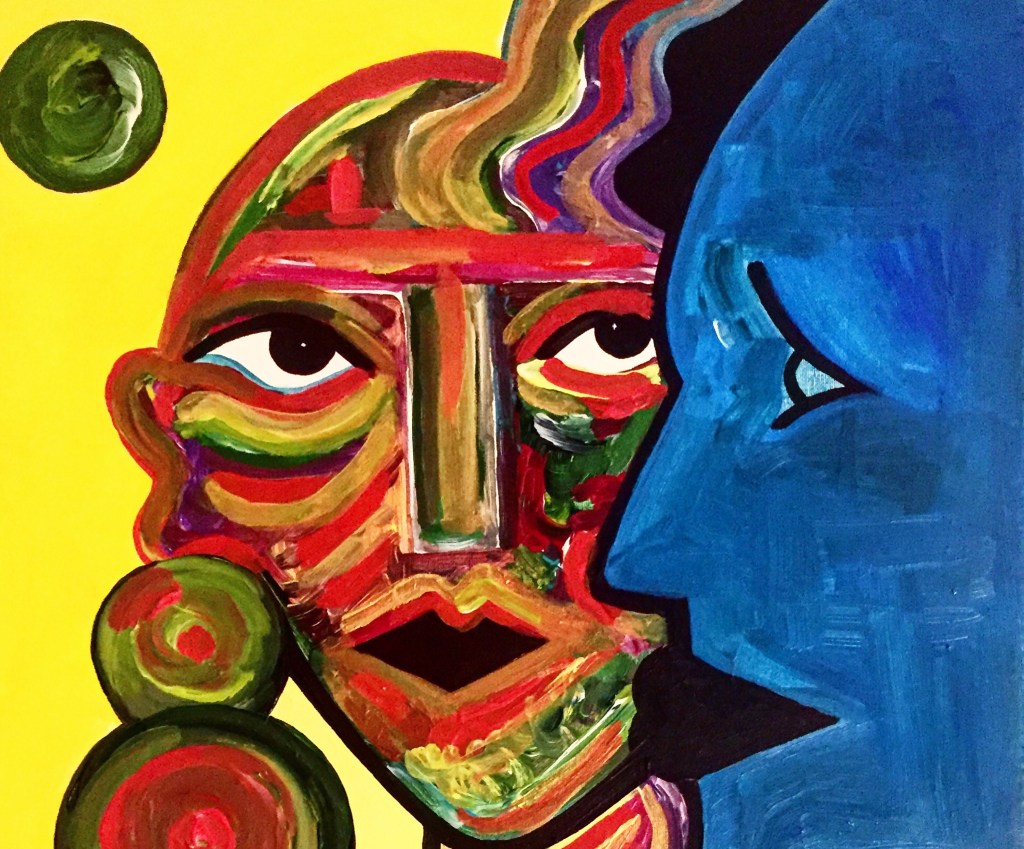
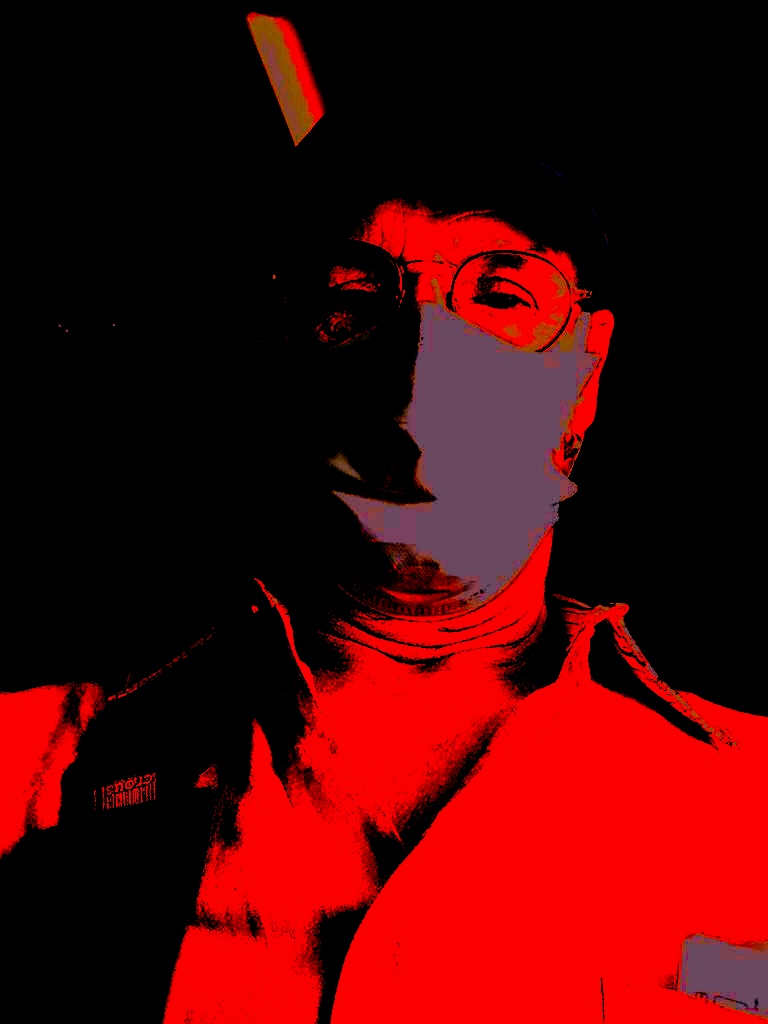
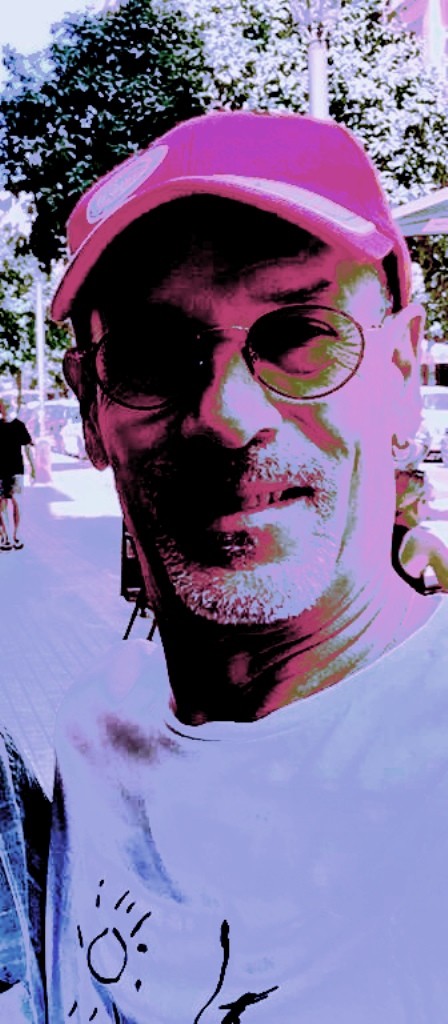
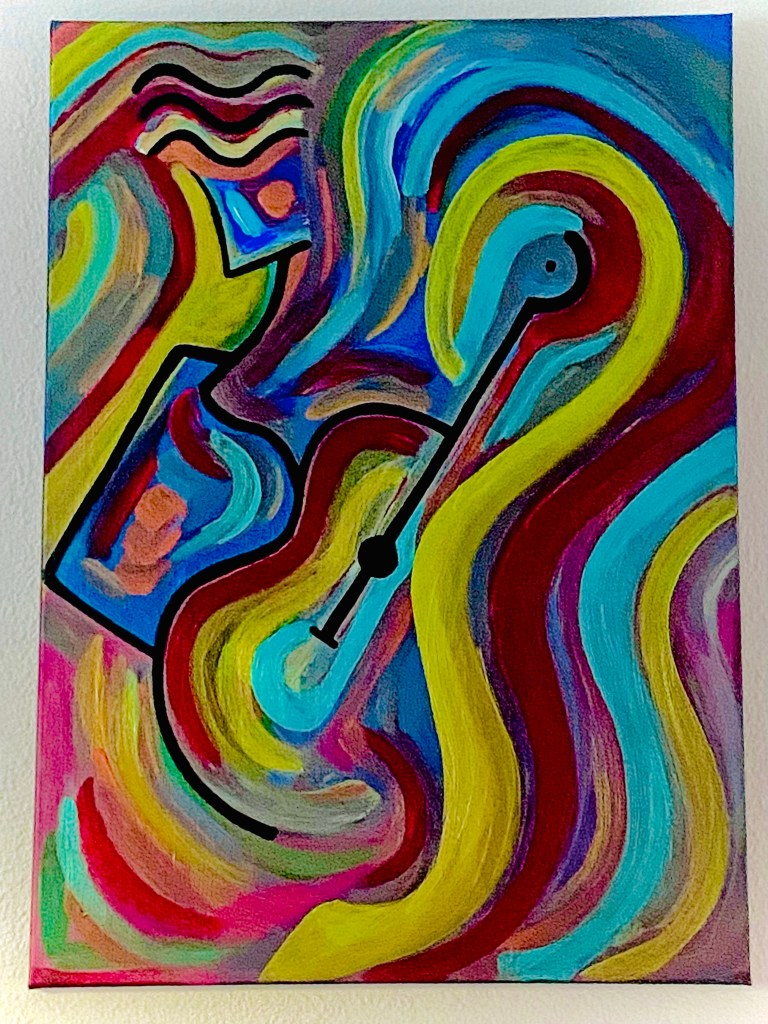
Expresionismo: Una de las vanguardias del S. XX que sigue siendo muy importante en la historia del arte. Se trata de pintar con la vista interna del pintor, reflejando sobre el lienzo lo que “ve” el artista al expresar emociones y sentimientos. Yo lo hago de varias formas, algunas surrealistas otras con la magia de la línea negra.
Expressionism is one of the vanguards of the XX C. that is still very important in Art History. The painter paints with his “inner” eye and the canvas reflects what he sees through a prism of emotions and feelings. I employ it in various ways, surreal or with the magic of the black line.
 JaZzArt en València