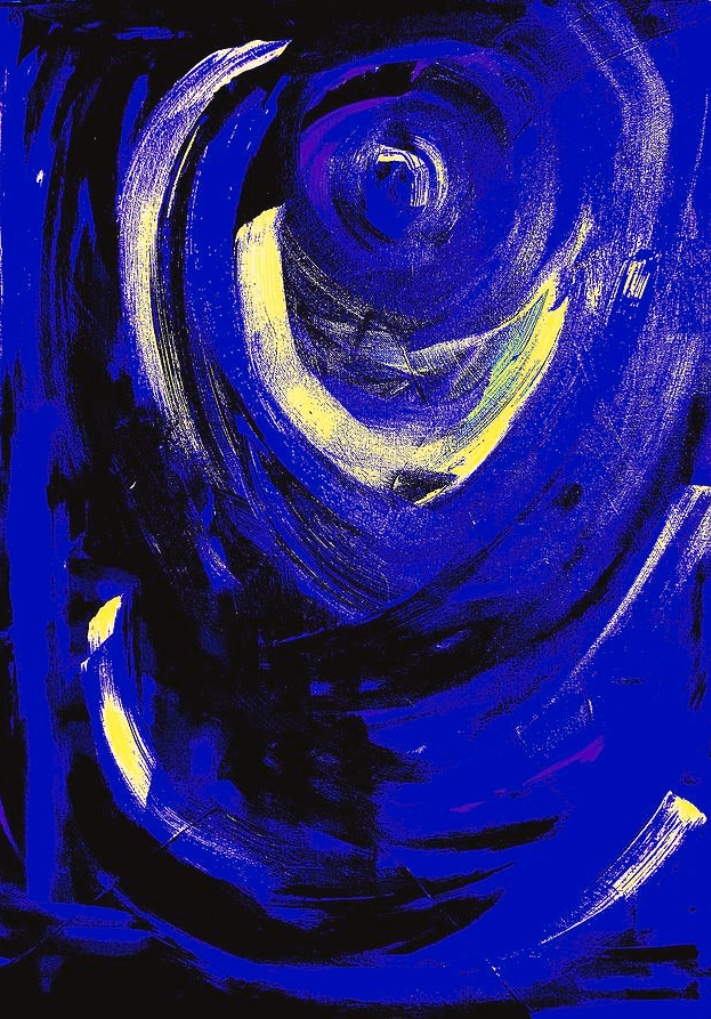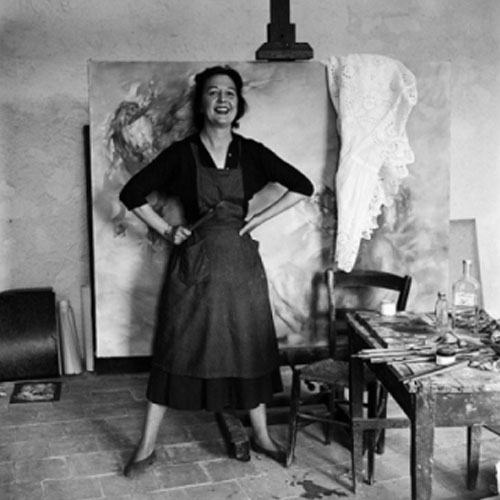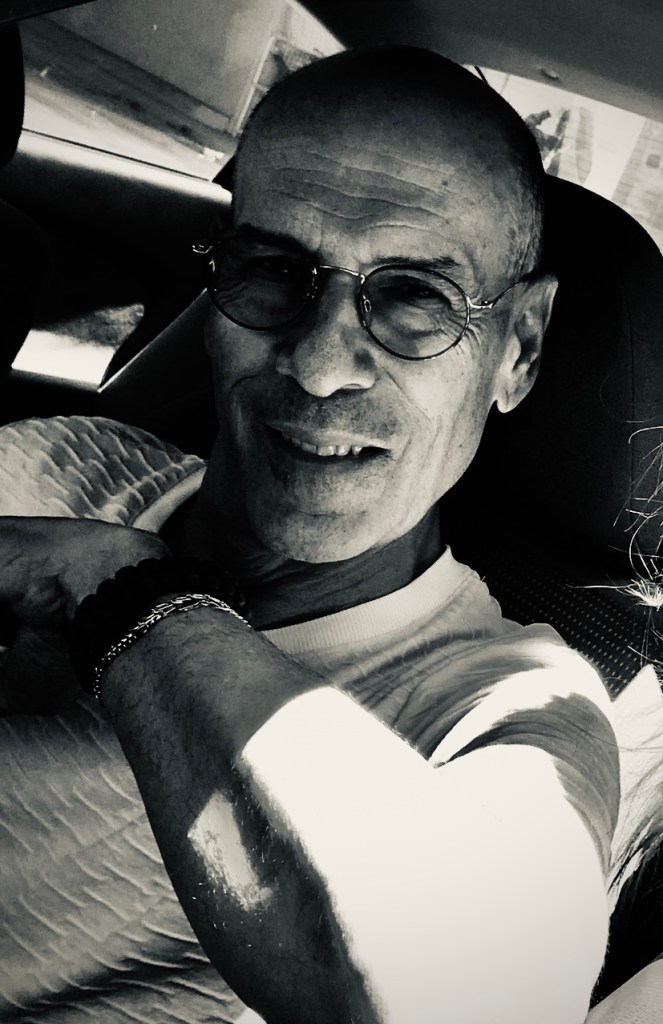
#poem, «THE PEOPLE»

(FBC in the bars of València/All Rights Reserved)

THE PEOPLE
I see the sky golden with joy.
I dance with the music of laughter
that flows through the land.
I hear the incessant roar of the sea
telling me of her power,
and the creatures within,
her are filled with now wonder…

But I stand within forests and trees,
and green plants.
I encourage, I yell, fill my lungs with life’s air
and have faith and shout: Freedom!
That’s what we’re after,
and new songs we’ll sing
as we watch as the sun rises bright in the sky.

The people,
the people who wonder,
the people that hide,
the people that walk blindly and stumble
In darkness will see a bright light
growing larger, growing gold,
purple,
green,
and death will be shunned
so will pain and despair,
because in the light we grow stronger
in this light we are spared.

The chains round or necks will soon fail,
and fall to the dust filled with fossils.
The oppressor will be blinded with rage,
and the tyrants will seek for the sage
that would guide them.
But when they notice our light,
filling the expanse of the sky,
and hear the voices of people who sing,
sing a new song with cheer,
freedom is not far from here…

C.2022/Francisco Bravo Cabrera, 30 DEC 2022, Valencia, Spain

#artvideo, «B O D O» in 2006 and in Miami!

(Image property of Omnia Caelum Studios Valencia/All Rights Reserved)

Those were the days! But these are much, much better and even better are the ones to come…

(2022)

Cheers…

Mujeres Artistas: Marie Orensanz

(«Pensar es un hecho revolucionario» – «Thinking is a revolutionary act» – Marie Orensanz – Foto: Monumento a las victimas del terrorismo de estado, Parque de la memoria, Buenos Aires Ciudad – Photo: Monument to the victims of state sponsored terrorism, Parque de la memoria, Buenos Aires Ciudad)

Marie Orensanz, (Mar del Plata, Argentina 1936)

A Orensanz le dan crédito por ser una de las primeras artistas conceptuales de la Argentina. Su arte es una examinación del pensamiento y de la metodología utilizada para obtener consciencia social. El hecho de haber vivido la guerra sucia* de su país le dio tela para su obra titulada «Pensar es un hecho revolucionario» que fue instalado en el Parque de la Memoria de Bueno Aires, un monumento para recordar a las victimas del terrorismo de estado.

(Foto Ministerio de Cultura, Argentina)

La artista utiliza varios materiales para realizar su obra, como el mármol de Carrara que encapsula su manifiesto «Fragmentismo», (en 1973 viviendo en Carrara, Italia). En 2017 formó parte de la exposición «Mujeres radicales. Arte latinoamericano 1960-1985». Esta obra unió a 120 artistas y la exposición viajó por varios museos del mundo como Hammer Museum (Los Angeles), Brooklyn Museum (NY), y la pinacoteca de São Paulo, Brasil.

* Cuando Argentina estaba gobernada por la junta militar y la guerra sucia es el tiempo entre 1974 al 1983, o sea durante la Operación Cóndor, cuando fuerzas militares y escuadrones de la muerte que formaron la Alianza anticomunista argentina, la triple A, se dedicó a perseguir a cualquiera que consideraran socialista, izquierdista, disidente o del movimiento Montonero.

(Collection of Marie Orensanz; courtesy of Alejandra von Hartz Gallery)

Hay mucho más que se puede y se debe decir de ella, pero como el arte es la búsqueda, hay que provocar que los demás busquen también y por eso lo dejo aquí, siempre, claro, proponiendo que vosotros busquéis.

Gracias…

OMNIA CAELUM STUDIOS VALENCIA OS BRINDA MAS DE MUJERES ARTISTAS

In Case You Missed It – Por si te lo perdiste: Landscapes – Paisajes

{«Impression Sunrise» 1872 – Claude Monet (1840–1926)}

Los paisajes comenzaron a pintarse, en nuestra civilización occidental y también en la oriental…principalmente en China…hace mas de mil años. Por supuesto, los paisajes pintados no tienen necesariamente que ser lugares verdaderos, vale que existan en la imaginación del pintor. En los tiempos más remotos de su desarrollo, le adjudicaban significados espirituales, especialmente los seguidores del taoísmo en China. En el mundo occidental esto no ocurre hasta la época del romanticismo.

Algunos de los paisajistas más famosos en la historia del arte son:

Vincent van Gogh, Leonardo da Vinci, Titian, John Constable, Paul Cézanne, David Hockney, El Greco, Goya, J. M. W. Turner, Caspar David Friedrich… entre otros.

+++

Landscape painting (art) began over a thousand years ago, both in our Western as in Chinese civilization. Naturally, the landscape painted does not have to be a real place, it is valid as long as it exists in the imagination of the artist. In its earliest moments, certain spiritual attributes were given to landscapes, especially by the Daoist of China. This did not occur in the West until the time of Romanticism.

Some of the most famous landscape painters in art history:

Vincent van Gogh, Leonardo da Vinci, Titian, John Constable, Paul Cézanne, David Hockney, El Greco, Goya, J. M. W. Turner, Caspar David Friedrich…among others.

El paisajista mas famoso, según los expertos, es Vincent van Gogh y su cuadro «La noche estrellada» el paisaje mas famoso de la historia del arte. Claro, quizá no lo sea para ti, ni para mi, pero quienes somos nosotros para discutir con los «expertos», digo you…

+++

The most famous landscape painter, according to the experts, is Vincent van Gogh, and his «The Starry Night» is the most famous landscape painting. Of course this may not be yours, or mine, but who are we to argue with the «experts» I say…

(By Vincent van Gogh – bgEuwDxel93-Pg — Google Arts & Culture, Public Domain)

Gracias…

Cheers…

JAZZ FEMMES

H90cm – W60cm ~~Acrylic on Canvas ~~Artist; Francisco Bravo Cabrera A Stunning composition by the Artist Francisco Bravo Cabrera. Surrealist Expressionism in his JazzArt painting of “ JazzFemmes”.

JAZZ FEMMES

#art, Women Artists: Shirin Neshat

(Photo: WWD)

She was born in Iran but lives and works in New York City. Her work is deep and powerful and explores the relationship between women and Islamic fundamentalism. She does this in the series of photographs Unveiling of 1993 and Women of Allah of 1993–97.

Through her video installations, like Turbulent of 1998, Rapture in 1999, and Fervor of 2000 she has studied the relationship of gender and society, in unity and opposition.

Her other videos like Soliloquy of1999, Possessed of 2001), Pulse of 2001, and Tooba of 2002 further explore female roles and identities within an Islamic society.

 Shirin was born in 1957 in the city of Qazvin, Iran. She is a visual artist mostly working film and video. She focuses deeply on the major differences between Islam and the West, femininity and masculinity, public life and private life, antiquity and modernity, and bridging the spaces between these subjects.

I believe that an artist must reflect his time, his society, his cultural and religious environment and anything else that touches people. Iran is a totalitarian state governed by Islamic law and a country where a woman’s life has little value, as we have recently seen. But we also saw the women bravely stand up and fight the regime and their effort and courage has been supported by many in that country and solidarity has come from around the world.

Shirin has stated that her art «…is an expression of protest, a cry for humanity.»

It is imperative, in Art History, and in most other places in our society, that the role of women be recognised and in this blog women in art will always be featured and brought to light.

(Photo: National Museum of Women in the Arts; Photo courtesy of Gladstone Gallery, New York)

Here is another woman who struggles with the same or similar issues:

Cheers…

#artvideo, «Women Artists of Latin America»

(Cuban-American artist Carmen Herrera, 1915-2022)

This is not a complete list by any stretch of the imagination. These are but a few. I really think that these women, as well as most women artists, need to be recognised fully and as equals of their male counterparts. When we think of Latin American art we usually think of the great artists like Diego Rivera (Mexico) and Wilfredo Lam (Cuba) and the only woman that comes to mind (to most people) is Frida Kahlo. But Frida was not a great artist, at least not in my appreciation, and much less when I compare her with some of these. Besides the idea that it is only Frida has to end and the sooner the better. I would encourage all art bloggers to blog about women artists from anywhere in the world.

(2022)

Cheers…

Music for a Tuesday Afternoon

(Photo BBC)

When you think The Moody Blues you think class act to the nth degree! Yes! Call them Progressive Rock, Symphonic Rock, whatever, I call them Phenomenal! I caught them in Atlanta, Georgia in late 1973 and it was a tremendous concert!

(Photo TV Tropes)

So here is one of their iconic numbers «Tuesday Afternoon». Seemingly fitting for a Tuesday morning, afternoon, or evening. This song was first released in their 1967 album Days of Future Passed as part of «The Afternoon» and was called «Forever Afternoon (Tuesday?)». But when it was released as a single in 1968 it was renamed «Tuesday Afternoon». It was written by Justin Hayward, singer and guitarist for the band.

Here is a live performance from 1970, hope you like it…