Esto aquí no pasa…
Faith saved us from the savages that we were, losing faith makes us savages again
Esto aquí no pasa…
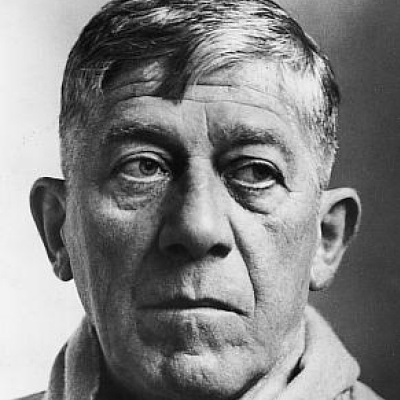
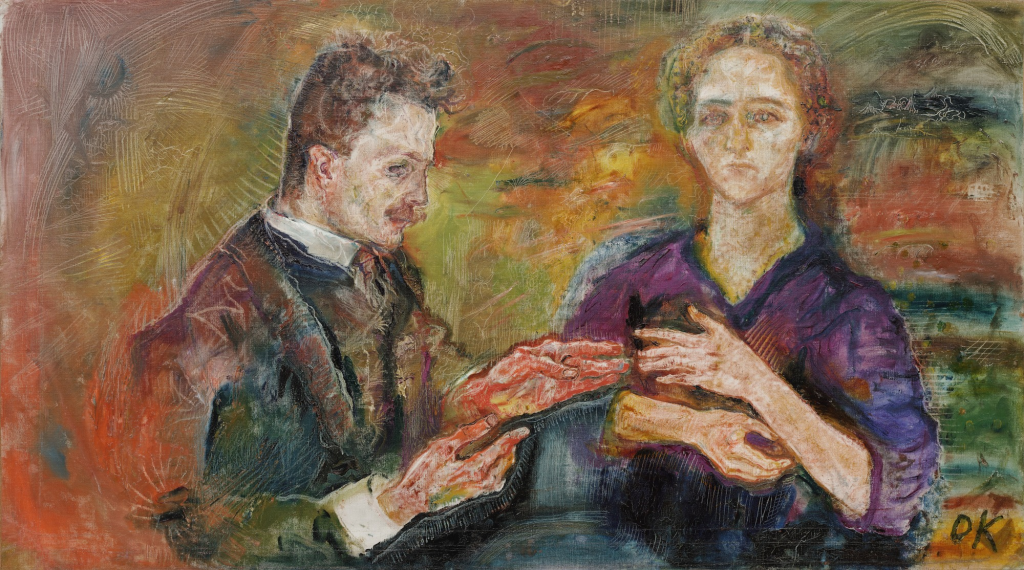
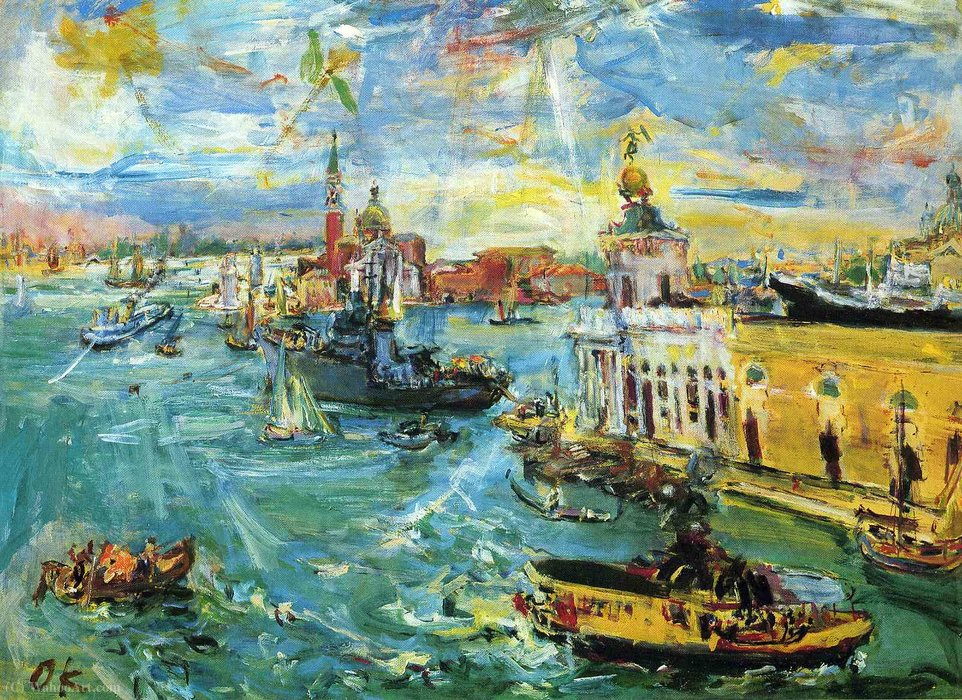
Uno de los expresionistas que llevó el expresionismo a un nivel diferente al de los demás. Oskar Kokoschka, nacido en el Imperio Austrohúngaro en 1886, distorsionaba la naturaleza en sus lienzos, pero no porque renegaba de ella, como sus contemporáneos, sino porque la amaba. Es uno de los grandes del genero. Estudió tres años (1905-1908) en la Escuela de Artes y Oficios de Viena… Sus referentes, Gustav Mahler, Gustav Klimt y Sigmund Freud, se hacen muy relevantes, y obvios en sus pinturas, especialmente en sus retratos y autorretratos… Kokoschka fue pintor, dibujante, poeta, dramaturgo , Kokoschka y escritor, publicó su primer libro en 1908, «Los muchachos soñadores», un libro de poemas.
En 1912 publicó su ensayo titulado “Von der Natur der Gesichte” («Sobre la naturaleza de las visiones») en la Akademischen Verband für Literatur und Musik en Vienna. El ensayo esquematizaba su concepto del arte y la relación entre la visión interna y la que el ojo (externo) ve. Kokoschka decía que la inspiración artística brotaba de lo que el artista ve en su ambiente diariamente, pues lo que ha visto deja una huella en el subconsciente y esta estimula la imaginación. Así creaba Kokoschka. Además creía que el observador tenía que interpretar la obra basándose en su experiencia y sus vivencias. Plegado al pensamiento de Wassily Kandinsky y su teoría de la espiritualidad en el arte, Kokoschka fue el pintor psicoanalista de su época.
Ahora, si no sabias esto, ya lo sabes y si lo comprendes comprenderás no solo a los expresionistas vieneses pero a todos los expresionistas.
Oskar Kokoschka vivió no solo en Viena, pero también en Dresden, Berlin y como veremos, en muchas otras ciudades. Ingresó al ejercito de voluntario cuando estallo la primera guerra mundial incorporándose a un regimiento de caballeria. Fue herido gravemente en batalla, pero siguió pintando y desarrollando su talento… En 1934 tuvo que fugarse de Austria porque los Nazis lo consideraban un degenerado, debido a su arte, y partió hacia Praga. Pero pronto el ejercito Aleman comenzó a reclutar en Checoslovaquia y Kokoschka tuvo que volver a fugarse esta vez al Reino Unido… Después de la guerra viajo a EEUU y no regreso a Europa hasta 1953, eligiendo vivir en Suiza hasta el fin de sus días. Murió en 1980 en Montreux.
+++
I present to you one of the expressionists who took expressionism to a different level than most of the others, Oskar Kokoschka. He was born in the Austro-Hungarian Empire in 1886. Kokoschka distorted nature in his canvases, not because he rejected it, or despised it, like many of his contemporaries, but because he loved it. He is one of the greats of the genre. He studied for three years (1905-1908) at the Vienna School of Arts and Crafts… His influences, Gustav Mahler, Gustav Klimt and Sigmund Freud, become very relevant, and obvious in his paintings, especially in his portraits and self-portraits… Kokoschka was a painter, draftsman, poet, playwright, and writer, he published his first book in 1908, «The Dreaming Boys», a book of poems.
In 1912, he published his essay titled «Von der Natur der Gesichte» («On the Nature of Visions») in the Akademischen Verband für Literatur und Musik in Vienna. The essay outlined his concept of art and the relationship between internal vision and what the (external) eye sees. Kokoschka stated that artistic inspiration sprang from what the artist sees in their daily environment, which leaves a trace in the subconscious and stimulates the imagination. This is how Kokoschka created. Furthermore, he believed that the observer had to interpret the work based on their own experiences and life events. Aligned with Wassily Kandinsky’s thinking and his theory of spirituality in art, Kokoschka was the psychoanalyst painter of his time.
Now, if you didn’t know this, you know it now, and if you understand it, you will understand not only the Viennese expressionists but all the expressionists.
Oskar Kokoschka not only lived in Vienna, but also in Dresden, Berlin, and as we will see, in many other cities. He joined the army as a volunteer when the First World War broke out and served in a cavalry regiment. He was gravely wounded in battle, but continued to paint and develop his talent… In 1934, he had to flee Austria because the Nazis considered him a degenerate due to his art, and he headed to Prague. But soon the German army began recruiting in Czechoslovakia, and Kokoschka had to flee again, this time to the United Kingdom… After the war, he travelled to the US and did not return to Europe until 1953, choosing to live in Switzerland until the end of his days. He died in 1980 in Montreux.

GRACIAS – CHEERS
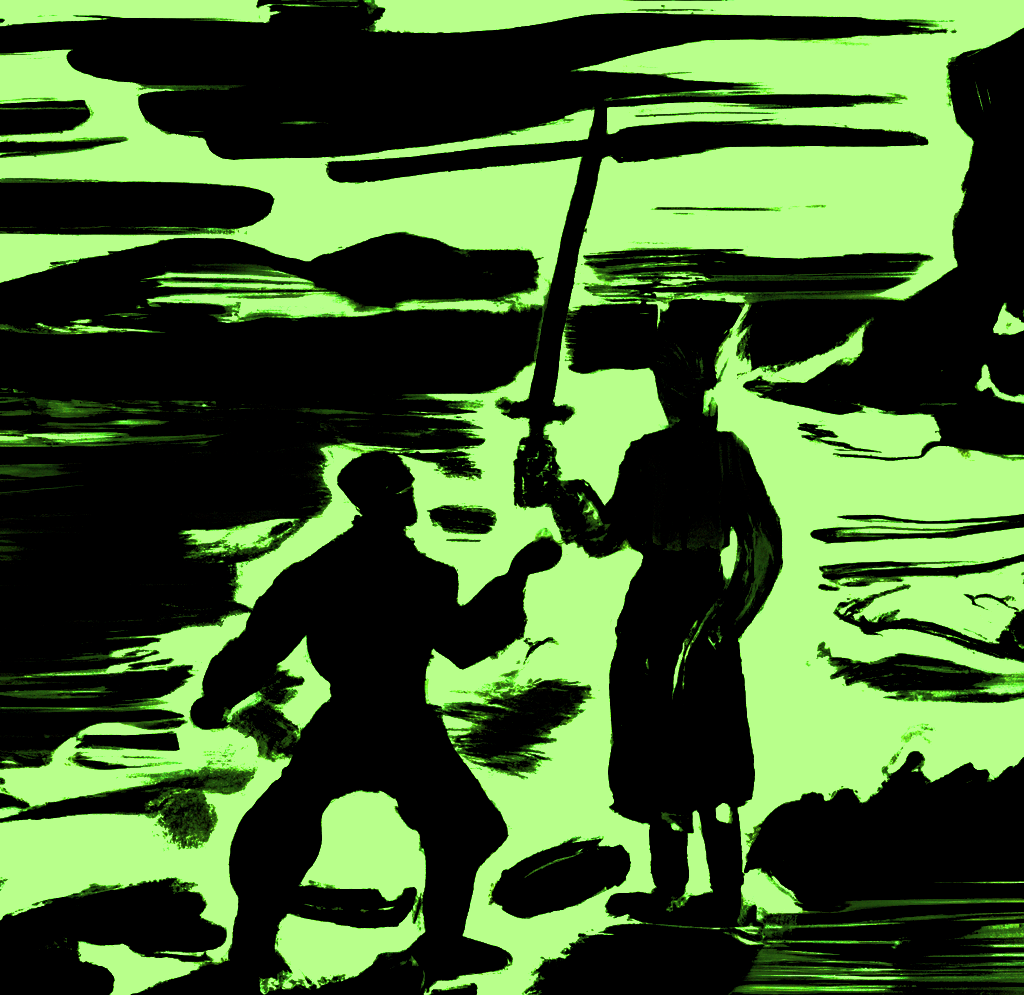
A veces me parece que el mundo se ha quedado totalmente estancado y de mala manera…
Ya no se respira aire limpio, ni se escuchan nuevas canciones. No se ven nubes nuevas acariciando a la luna ni el azul de cielo, bueno, para mí el cielo azul de mi tierra y la luna de València. Miro hacia las alturas y solo veo las líneas que dejan esos misteriosos aviones que pasan de un lado por la total extensión del cielo europeo. ¿Qué harán? Sí, yo se que nos dicen que son aviones militares haciendo maniobras, pero eso no me lo trago yo. Estoy más que harto de las “explicaciones” de los “expertos” y de los portavoces del gobierno. Y lo digo solo porque las explicaciones son más complejas…y difíciles de creer…que lo que me dicen mis propios ojos, que estos aviones están regando algo que probablemente nos hará daño, quizá no un daño, pero bueno…
Vale, no espero que me entiendas y ni me importa. Pero te lo digo porque así soy yo, amante de las “teorías conspiranoicas”, pues me parecen más verosímiles que las “verdades” que nos dictan los gobiernos, los científicos y los «expertos». Al fin y al cabo estos cobran su dinerito por estar de acuerdo con los gobiernos. ¿No te has fijado que los estudios científicos siempre están de acuerdo con el que los ha pagado?
Además ya me tienen podrido con esas explicaciones “racionales” que tienen para todo.
¿Tú no sabías todo esto? Venga, pues yo te lo voy a decir.
Según los “expertos”: Los OVNIs no son más que globos meteorológicos; los fantasmas no son más que seres imaginarios que trastornan las mentes de los débiles…de los chalados…que se imaginan que la fantasía es la realidad; “Bigfoot”, esa bestia críptida que miles y miles han visto en los bosques del mundo entero, no es más que un oso que un montón de ingenuos lo han convertido en un monstruo inexistente, ¿Por qué? Porque los monstruos no existen; ¿El “megalodón”? Vamos, no seas tonto, ese fue un tiburón prehistórico, solo lo verás en las pelis;
¿Y el alunizaje? Te lo explico. La NASA puso un hombre en la luna en 1969. ¿Sí? Si. Que no se te ocurra pensar que fue Stanley Kubrick el que filmó el alunizaje. ¿Quién lo filmó? ¿Los lunáticos? No, ser incrédulo y subnormal, lo filmaron los astronautas norteamericanos. Ah, vale, lo filmaron aquellos mismos que llegaron a la luna, atravesando los Cinturones de Van Allen, (que hoy en día la NASA dice que no se pueden atravesar por la radiación), en una capsula con menos tecnología que un SEAT 600. Vale, si, me has convencido colega, tremenda explicación.
Y, ¿Quién mató al presidente Kennedy? No te hagas el bobo que todo el mundo sabe que lo asesino Lee Harvey Oswald, sin cómplices, solito él desde una ventana. Ni te vayas a imaginar que lo asesino la CIA, o Fidel Castro, o la Mafia, o Juan de los Palotes. Nada de eso.
Y… ¿La Tierra? Pues te diré que es un planeta, digamos que se parece a una canica azul que va girando y rodando por el universo infinito. Gira a miles de kilómetros por hora. Fenomenal tronco, ¿Y hasta ahora nadie se ha caído? Que se sepa, nadie. ¿Pero yo no siento que se mueve? No lo sientes, borrico, porque… Bueno, porque así es, la fuerza de la gravedad nos protege. ¿Por eso no salgo cagando leches a los cuatro vientos? Por eso, si…
Pero bueno, hablando en serio, ya esto es demasiado. ¡Basta ya de las gilipolleces que hemos arrastrado del Siglo XX y que hemos convertido en el canon incuestionables del Siglo XXI!
Las barbas encanecidas de los doctores, científicos, filósofos, astrónomos, banqueros, políticos y curas, ya les han crecido tanto que cuando abren la boca las mastican y esta asquerosidad les provoca el vomito de inexorables mentiras apaciguadoras para que nos mantendremos mudos, ciegos y sordos.
El mundo lo rige la antigua guardia, no te vayas a pensar que hemos “evolucionado” y que ahora somos más listos que antes. Ahora estamos peor que en la época del oscurantismo medieval que sumergió a Europa cuando estaba gobernada por el clero que obligo a que se nos olvidaran las glorias de los griegos y los romanos para que le rindiéramos pleitesía solo a ellos que se hicieron llamar la santa iglesia.
Hace falta un cambio de guardia…
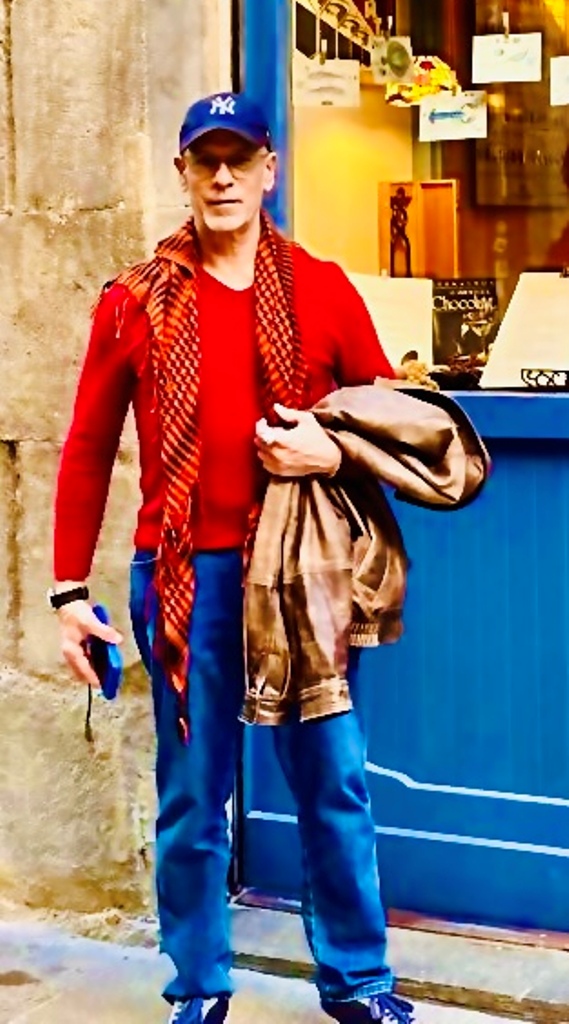
C.2023, Francisco Bravo Cabrera. Escrito escuchando a Dizzy Gillespie y Sonny Rollins en diciembre y en Valencia, España)
Me encontrarás en YouTube:
https://www.YouTube.com/@FranciscoBravoCabrera
Y en Instagram:
@Francisco_Bravo_Cabrera
Mis galerías online están aquí:
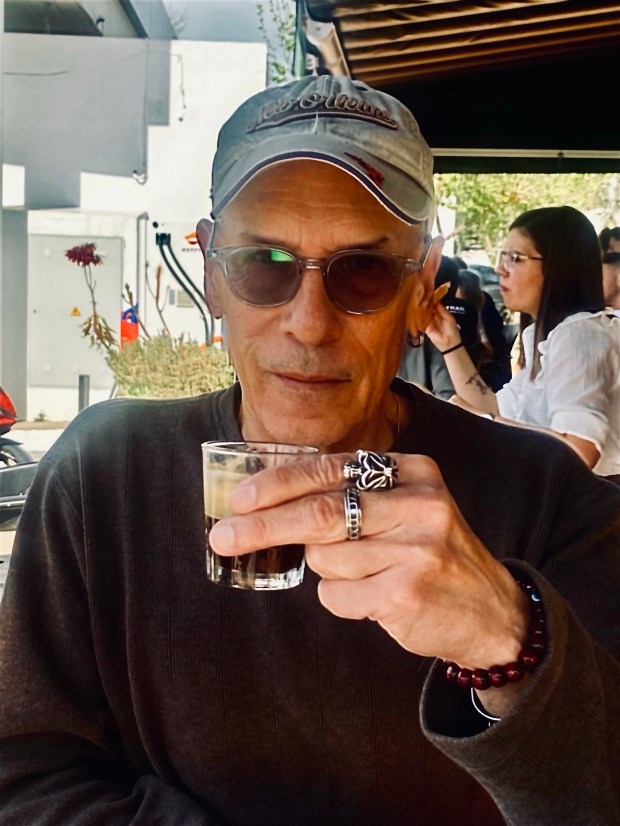
LA NOSTALGIA (Euro-Ku) by Francisco Bravo Cabrera
https://hotelmasticadoreshouse.wordpress.com/2023/04/24/la-nostalgia-euro-ku-by-francisco-bravo-cabrera/
— Read on hotelmasticadoreshouse.wordpress.com/2023/04/24/la-nostalgia-euro-ku-by-francisco-bravo-cabrera/
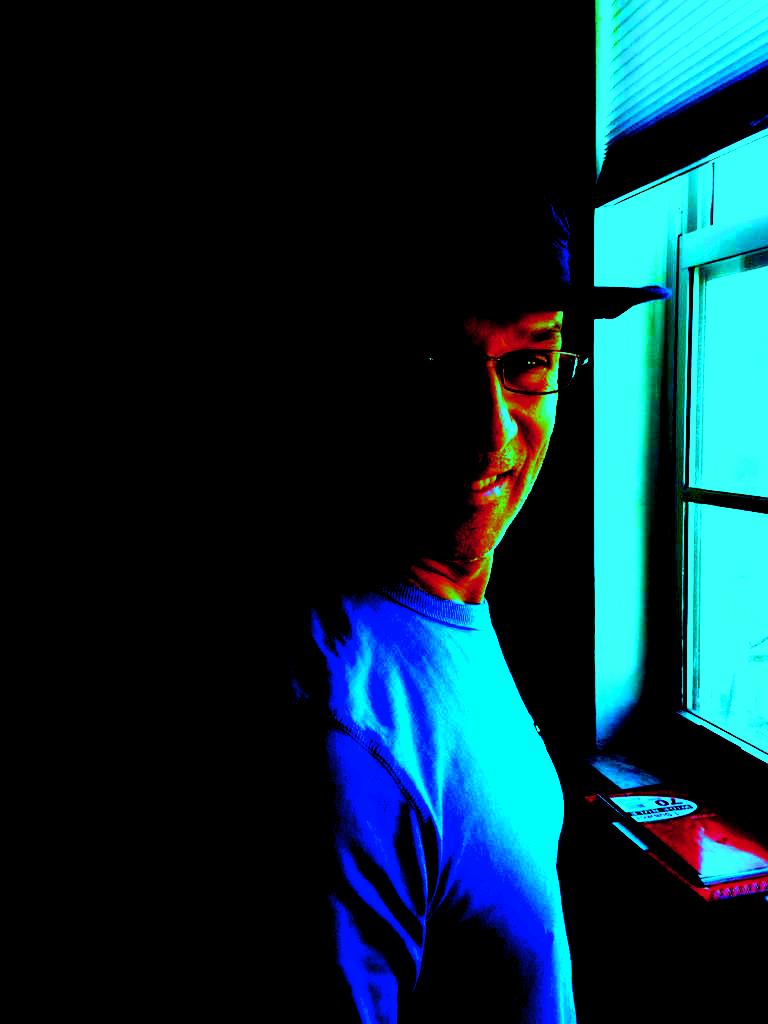
So this is the Euro-Ku
Well, a traditional Haiku it is not…
It is hybrid, like all of us in the Western World. We are perhaps not as deep or as spiritual as the Japanese who invented the original poem that we know as the “Haiku”.
Those are structured rigorously. They are short poems that speak of the impression caused by contemplation of nature or of daily life. They are written in three lines, the first containing five syllables, the second one seven and the third one five.
We were not put in the Western World to live as if we were Orientals. It’s impossible no matter how many Yoga classes we take or how much we engage in Tai-Chi or Qi-Gong. However, we do admire and learn from our brothers of the East. Then, our attempts at creating Haikus…which are a very powerful way to express ideas…should not reflect the values or literary traditions of that ancient culture.
On the contrary, it should reflect the Greco-Roman culture that has nourished us but not in its classical splendour, instead in its contemporary manifestation and colour. It should be filled with our present-day madness and our psychedelic-surrealistic paranoia.
The Euro-Ku will still be a poem limited to three verses, but there are no other rules, except that there should be some degrees of consistency as well as coherence in the purpose and the meaning, i.e. the words used and the message transmitted. Although it need not rhyme or flow, the words should be as easy to understand as the lyrics of a popular tune.
Here is Number One…
D U C K S
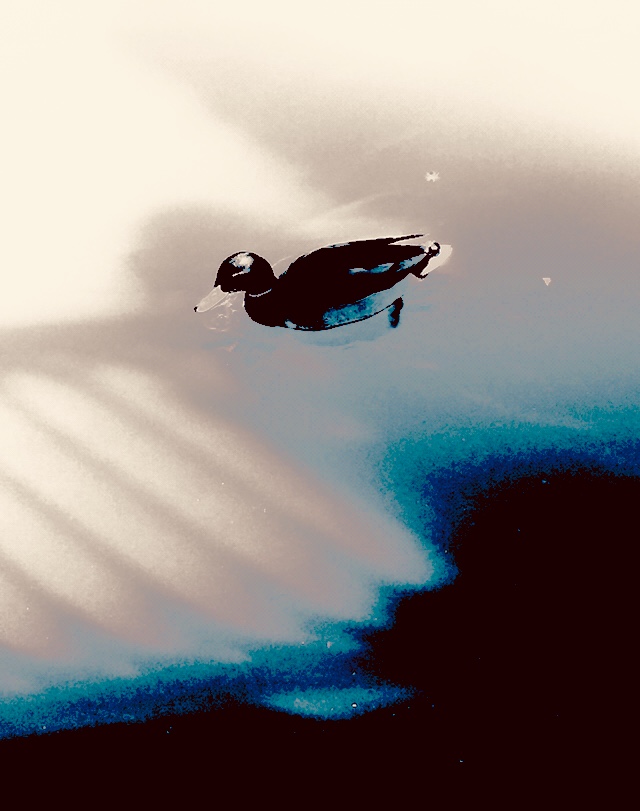
The sky dips carefully, his index finger melts the ice,
and makes the waters warm and blue,
but fear keeps ducks on the cold white ice, as it does you..
C.2022, Francisco Bravo Cabrera, 22-02-2022, Valencia, Spain
Follow us on social media:
YouTube: http://www.YouTube.com/@FranciscoBravoCabrera
Web/Gallery: http://www.fbcart.wixsite.com/jazzart
IG: @Francisco_Bravo_Cabrera
CHEERS
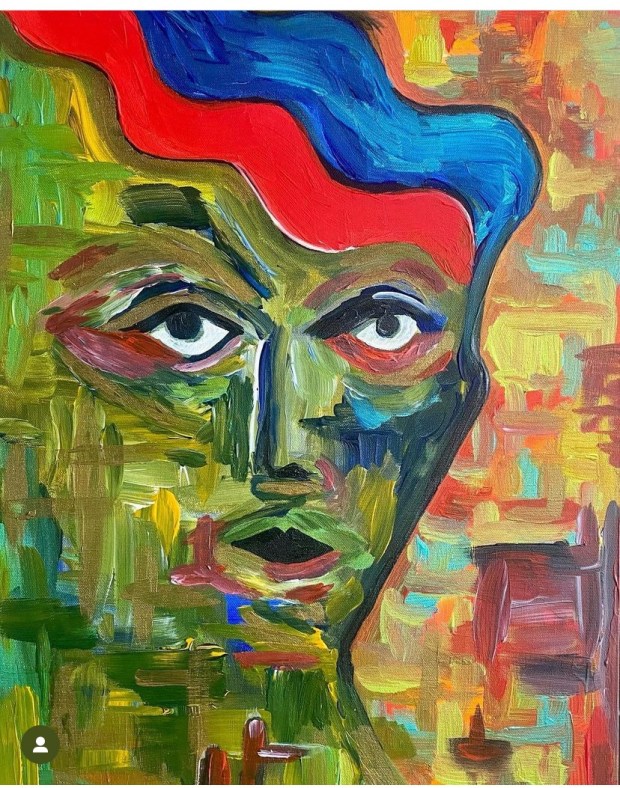
He estudiado el arte de la guerra, pues fui soldado, también leyes, fui policía, también arte, pues soy artista, pero también he estudiado Yoga, Tai-Chi, Zen y los ejercicios espirituales de los santos místicos del catolicismo (cristianismo). He estudiado, con el mismo ahínco, el arte de la paz y por eso creo en la omnipresencia de Dios y en la fuerza de la fe. No me aparto del camino, ni me distraigo, estoy arraigado en mis creencias. No creo en la teoría de la «evolución» ni en la explicación «científica» del origen del cosmos ni del origen de la Tierra. Creo en la Palabra de Dios que nos ha llegado, a través de los siglos, de muchas maneras, aunque estoy más apegado a la interpretación europea ya que eso soy y uno tiene que ser fiel a su realidad y a su historia. Pero no fanático, ni de la historia ni de las creencias, ni tampoco predicar que las de uno son superiores a las de los demás. Hay que respetar a los hombres y a las naciones. Detesto el nacionalismo. Creo en el internacionalismo, para mi es la forma idónea para crear un mundo mejor, un mundo donde lo más valorado sea la vida, la libertad y la búsqueda de la felicidad. Pero creo que la búsqueda comienza en la mente de cada uno de nosotros, y en el espíritu que se intercomunica con todo. Por eso creo en el poder de la meditación y el del aprendizaje que libera la mente, aclara los pensamientos y nos permite conocer que somos mucho más que lo que nos imaginamos que somos…
+++
I have studied the art of war, as I was a soldier, also law, as I was a police officer, and also the Fine Arts, as I am an artist. But I have also studied Yoga, Tai Chi, Zen, and the spiritual exercises of the mystical saints of Catholicism (Christianity). With the same dedication, I have studied the art of peace, and that is why I believe in the omnipresence of God and in the power of faith. I do not stray from the path, nor do I get distracted; I am rooted in my beliefs. I do not believe in the theory of «evolution» or in the «scientific» explanation of the origins of the cosmos or the origins of the Earth. I believe in the Word of God that has come to us, through the centuries, in many ways, although I am more attached to the European interpretation, since that is what I am, and one must be true to one’s reality and one’s history. But not fanatical, neither about history nor beliefs, nor preaching that it is superior to the beliefs of others. We must respect men and nations. I detest nationalism. I believe in internationalism as the ideal way to create a better world, a world where life, freedom, and the pursuit of happiness are most valued. But I believe that the search begins in the mind of each of us, and in the spirit that intercommunicates with everything. That is why I believe in the power of meditation and that of learning, which frees the mind, clarifies thoughts, and allows us to know that we are much more than what we imagine we are…
EL ARTE TAMBIEN NOS TRANSFORMA ESPIRITUALMENTE – ART ALSO TRANSFORMS US SPIRITUALLY
GRACIAS – CHEERS
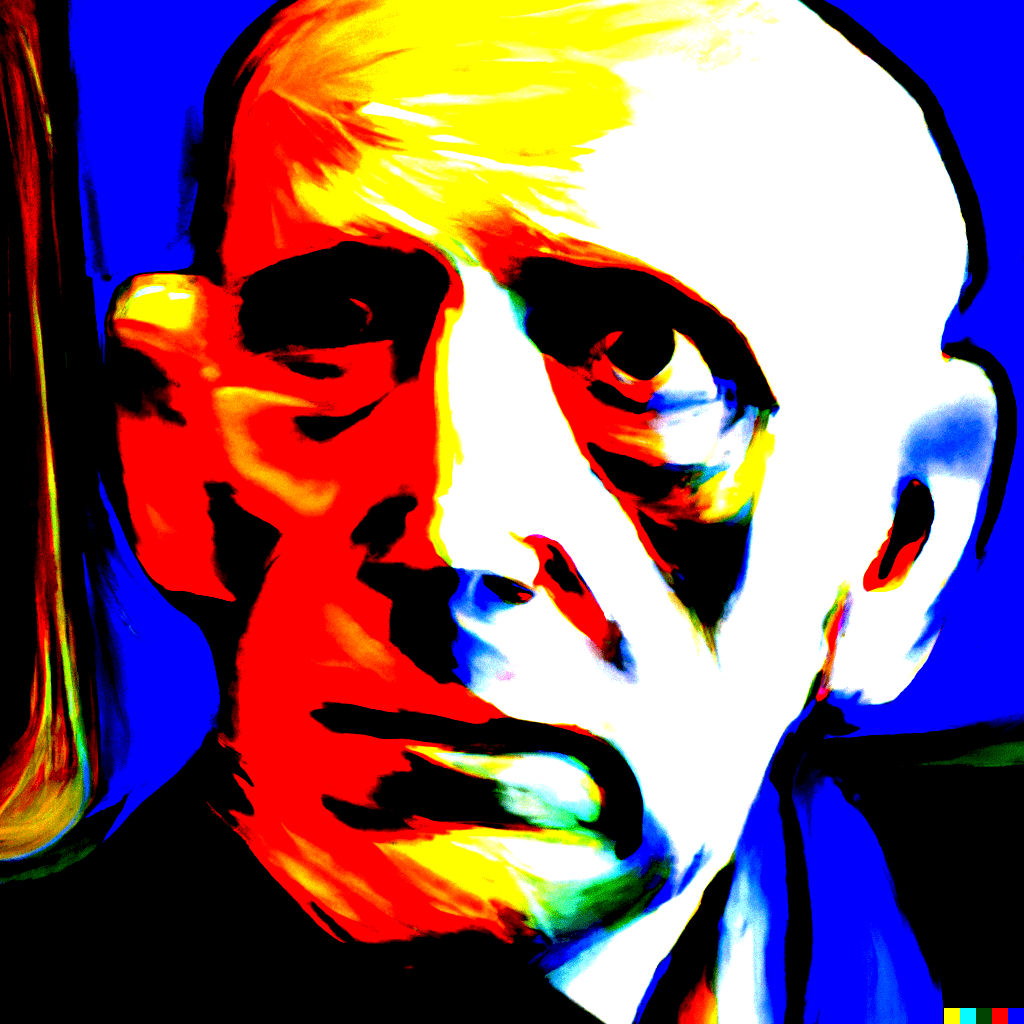
Paul McCartney, the maestro himself, penned a delightful little ditty called «Picasso’s Last Words.» And in this whimsical tune, he regales us with a tale of the great painter’s demise, claiming that he took his final breath precisely at the ungodly hour of three o’clock in the morning. Oh, but that’s not all! The song asserts that Picasso’s parting words were, and I quote, «Drink to me, drink to my health, you know I can’t drink anymore.» Now, this gem of a track was actually recorded back in the groovy year of 1973, smack dab in the heart of Nigeria. And let me tell you, my friend, it found a forever home in what I personally consider Paul’s finest album, the one and only Band on the Run. Trust me, it’s pure gold!
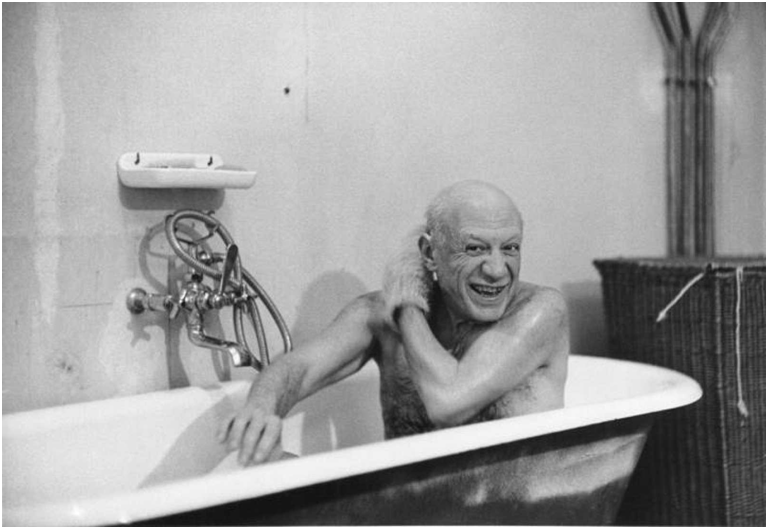
It’s amazing to think that fifty years have passed since Picasso’s passing and the birth of that extraordinary song! Time truly flies, doesn’t it? Picasso remains an unparalleled titan in the art world. His remarkable paintings continue to fetch millions of euros or dollars*, and his profound influence on the art scene is still vibrant and unmistakable. Even though Picasso was a man of the XIX Century, his philosophy, aesthetics, and artistry seamlessly transcend into the XXI Century, leaving an indelible mark.
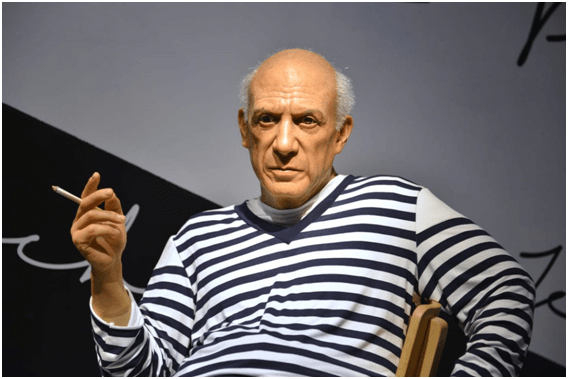
There is no other artist in art history who can boast as many museums dedicated to his name and his art. Surprisingly, I have had the opportunity to visit some of them, including the Picasso museums in Barcelona, Madrid, Málaga, Paris, Antibes, and the Kunstmuseum of Munster. Excitingly, a new museum is on its way to Aix-en-provence. Picasso once remarked that if given a museum, he would fill it with his artworks. True to his word, he has already filled six museums, and soon, there will be a seventh.
Frankly, I am not surprised by the sheer dedication that Picasso, a remarkably industrious artist, possessed. It is difficult to establish an exact measure of his artistic output. Consider the multitude of mediums he ventured into: ceramics, sculpture, book illustration, theatre design, ballet design, lithographs, and countless other works. If we counted those we would undoubtedly encounter astonishing figures.
According to various sources, it is said that Picasso created approximately 13,500 paintings and designs, over 100,000 engravings or lithographs, and roughly 34,000 illustrations for books. Moreover, his masterful hands gave life to around 300 sculptures or ceramics. However, these numbers, as impressive as they may be, remain approximate, leaving room for more or fewer works yet to be discovered.
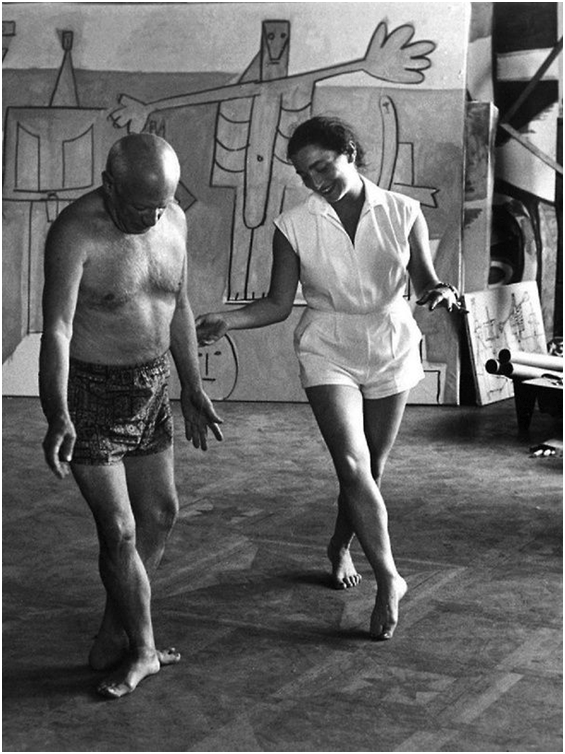
Now, when the art world decided to take a journey down various twisted paths, let’s say around the time of Pollock’s Action Painting and other movements, Picasso had the opportunity to experience them all. But he gave them all a big, resounding thumbs down. He embraced his inner rebel and became the ultimate «outsider», watching as the new wave of art evolved without him.
But fear not, dear readers, for Picasso was not one to fade away quietly into the shadows. Instead, he decided to reinvent himself as the one and only «buffoon». Picture this: Picasso gracing the cover of TIME and LOOK magazines, on multiple occasions, with flowers adorning his ears. And that’s not all! He would often go incognito, dressing up as a bullfighter or even daring to bare it all in his skivvies. The man knew how to make a spectacle of himself, captivating the media and the masses alike, even at the ripe old age of seventy-five. It’s safe to say that Picasso was truly a master of artistic reinvention and self-expression, in more ways than one.
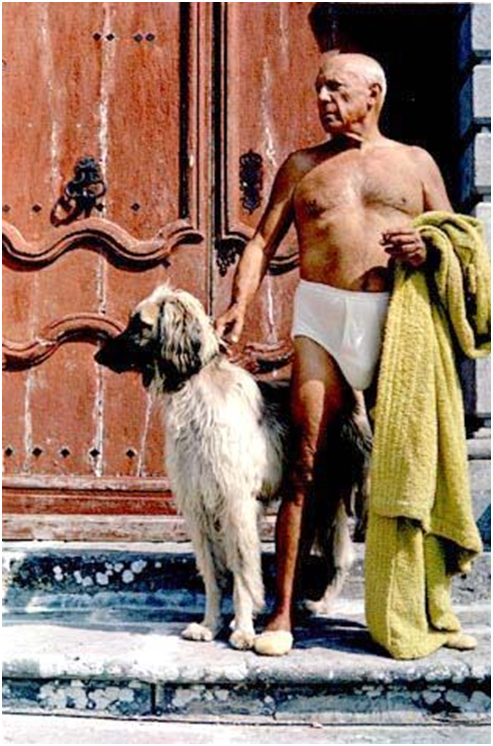
I believe that despite all efforts made, it was impossible to restrain the influence of the eminent artist. Only death had the power to hinder him. He witnessed, accepted, and captured death in his paintings. Thus, it is unsurprising that he concluded his artistic journey with this eloquent and poignant statement: «Drink to me, drink to my health, you know I can’t drink anymore.» I express my sincere gratitude to Paul McCartney for transforming these words into a remarkable song.

Regarding those books that are being published now, claiming that Picasso was simply a person who abused his wife and committed acts of «gender violence,» and suggesting that his artworks should be discarded and forgotten, my response is simple: Mind your own business! It is unfair to judge individuals from the past based on contemporary beliefs and values.
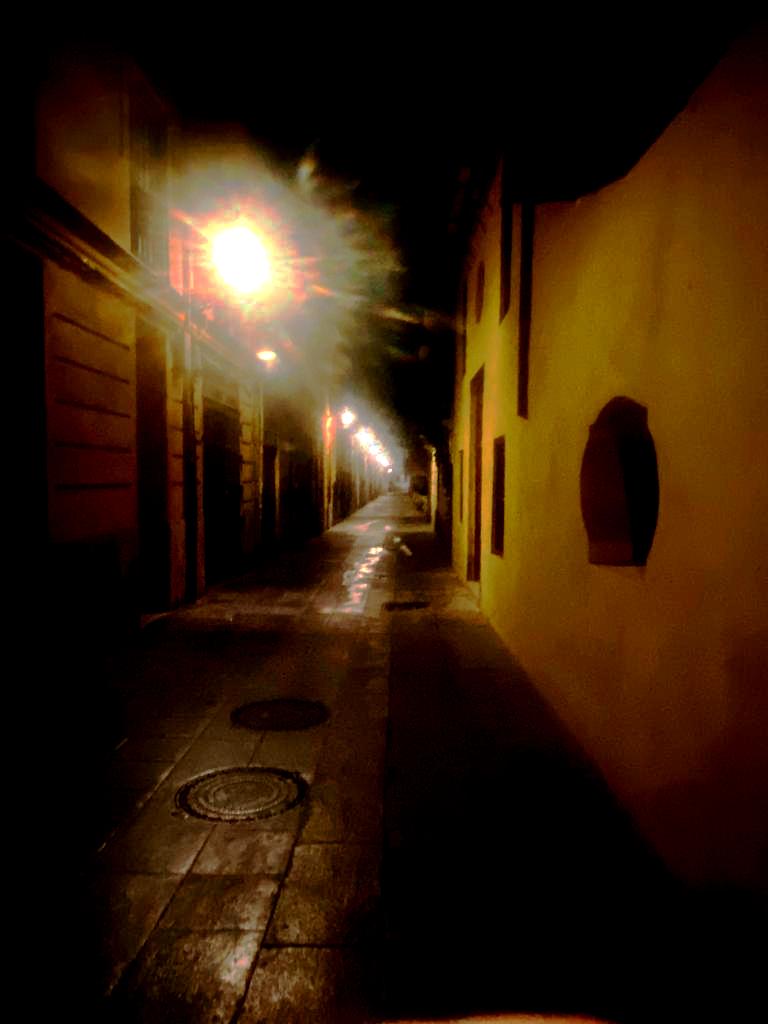
Travelling…
The movement forward is the catalyst for the motivation
and the motivation is to seek the dreams lost in the night, in an old medieval street of a bustling, modern town…
(C.2023, Francisco Bravo Cabrera, 03 NOV 2023, Valencia, Spain)
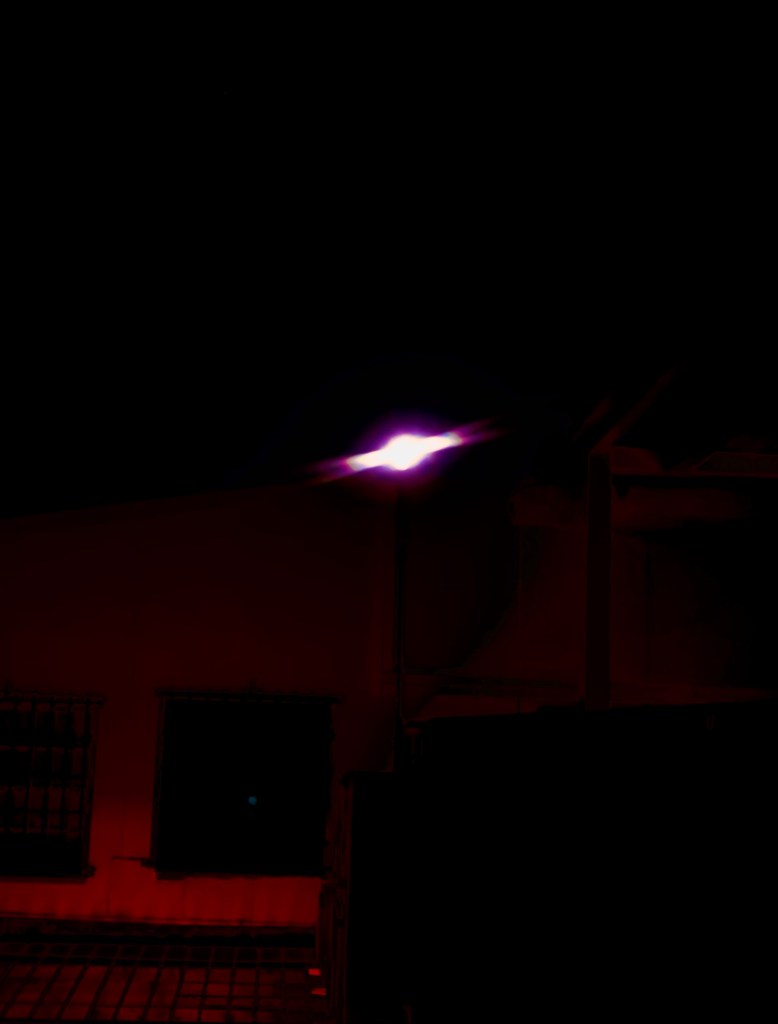
You crown the tops of the tallest waves of the North Sea, for silver is the night, no, never gold,
and a mirror for the Queen you’re meant to be,
whose reflection you allow us to behold.
+++
C.2023, Francisco Bravo Cabrera/27 DEC 2023/València, España 🇪🇸
(I began experimenting…the search…with poetic forms that I like, especially the Haiku as I love brevity, and on February 2022 I came up with the Euro-Ku. This is my homage to Japanese poetry but done from a Western mindset as one must be true to one’s place and one’s time to be able to load one’s work with spirituality. It is a work in progress, as is life, and this is the last Euro-Ku of 2023. I reckon the style and my craft will reach another level of development in 2024 and beyond. What do you think?)
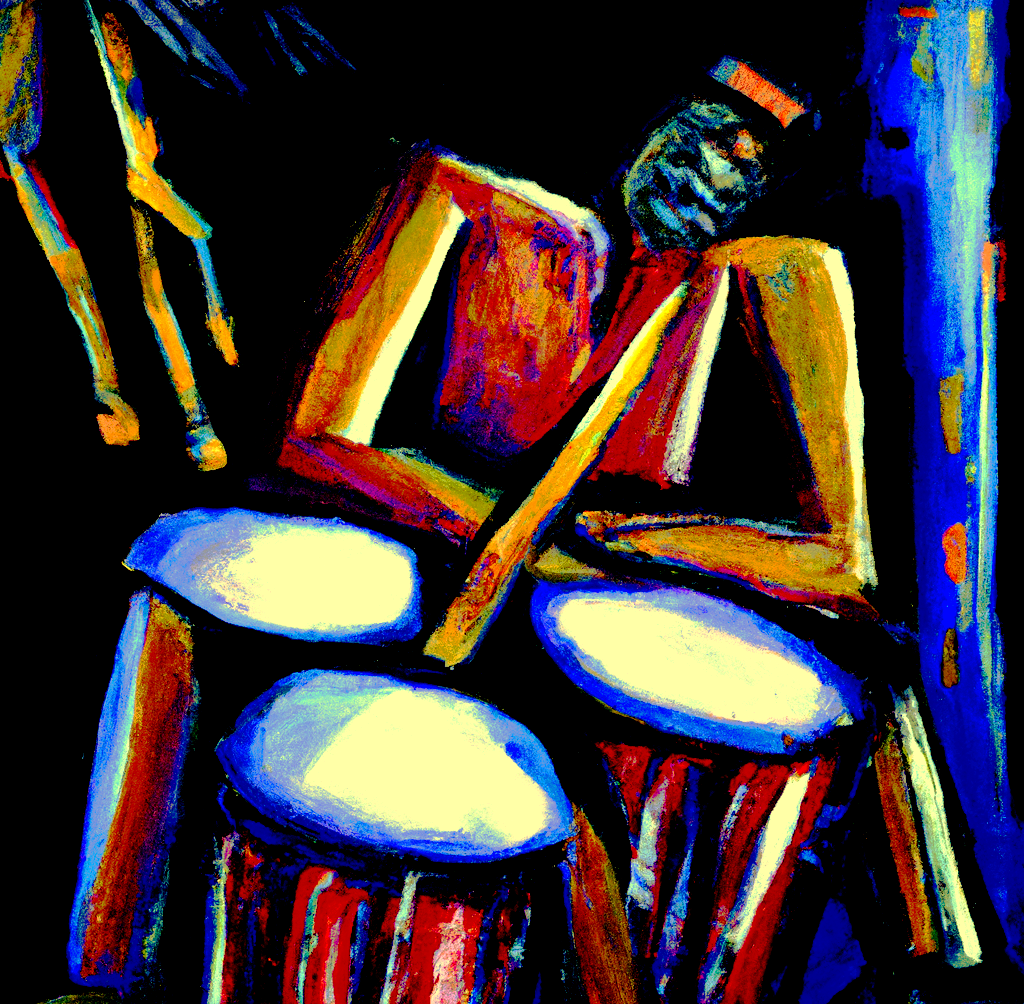
Alive as was the skin now stretched across the living wood,
flesh from the trees, rain from above,
the hands that catapult the rhythm vibrate with the energy of the pulse created by the neurons of his jazzy brain and transmitted through synapses to his dancing fingers…
+++
* In case you did not know what an Euro-Ku is, I will tell you. It is my homage to the Japanese poetry. I developed the idea of transforming Haikus into something a Westerner can do and understand and I developed the Euro-Ku with respect and determination. It is basically a short, concise and precise poem in three verses that tie into each other effortlessly and cohesively and that expresses a message, an emotion, an idea or a feeling. However the main difference is that a Euro-Ku must contain an illustration (which refers clearly to the poem) created by the poet. It can be a photograph taken by the author, a drawing or a painting…
CHEERS
Have a WordPress.com account? Log in now.

