Arte y sabiduría…
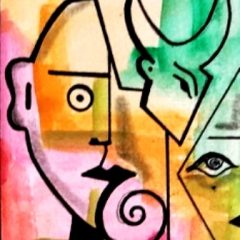
Faith saved us from the savages that we were, losing faith makes us savages again
Arte y sabiduría…
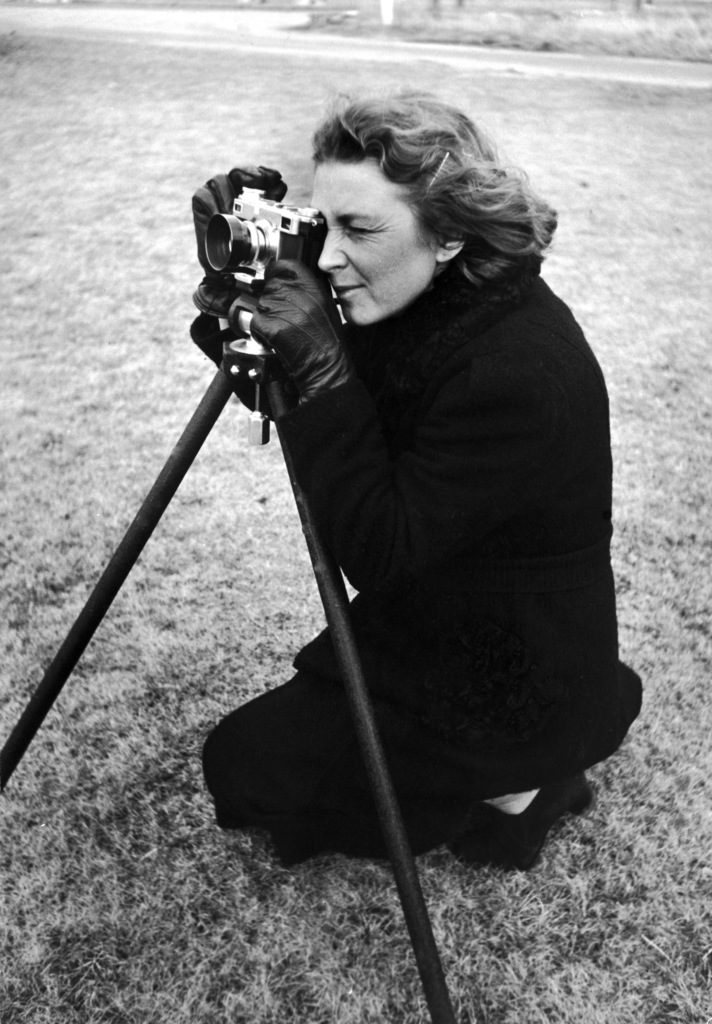
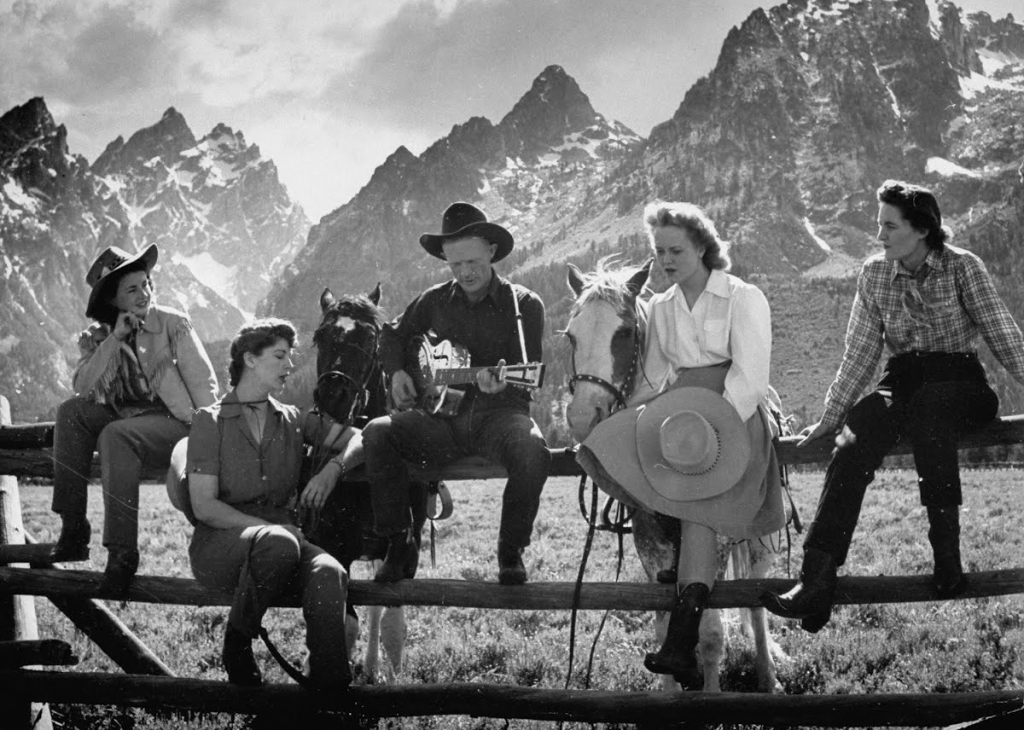
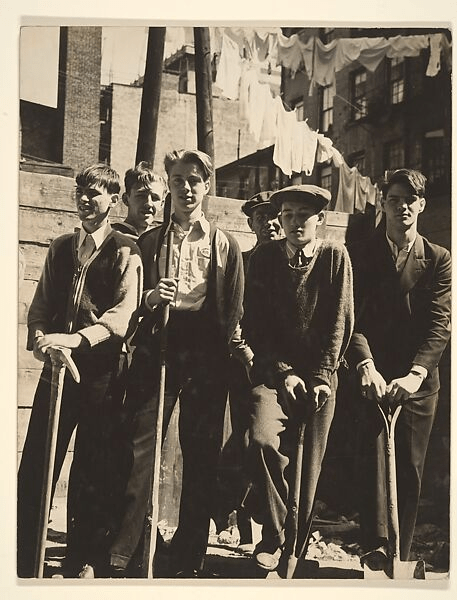
Venga, aquí dándoos a conocer más mujeres artistas, en este caso un fotógrafa, que no es que hayan quedado ignoradas por la historia de la fotografía o del arte, pero es que no se les ha dado el mismo reconocimiento que a los fotógrafos… Hansel (o Johanna) Mieth, fue una fotógrafa alemana que trabajó para la revista norteamericana Life, revista que se hizo famosa por sus fotógrafos y fotografías… A Mieth se le conoce por sus retratos de gente común y corriente, el proletariado norteamericano, durante las décadas de los años 1930 y 1940… En 1930, durante la gran depresión financiera, Hansel Mieth y su pareja, el fotógrafo Otto Hagel (1909-1973), comenzaron a documentar las pésimas condiciones laborales de los obreros migrantes que faenaban en las granjas de EEUU. Hicieron una crónica fotográfica de las malísimas condiciones y del sufrimiento de estas personas. En San Francisco, Sacramento, y en areas rurales documentaron las huelgas y a los campamentos donde estaban obligados a vivir los obreros sin techo durante esas décadas. Así comenzó Mieth a vender sus fotos a varias revistas norteamericanas… En 1937 Hansel Mieth se unió al colectivo de la revista Life, (siendo ella la segunda mujer fotógrafa en ser contratada por dicha revista), se casó con Otto Hagel y ambos se trasladaron a Nueva York… Mieth, que había nacido en Berglen, Alemania en 1909, murió en Santa Rosa, California en 1988…
+++
Ok, so let me introduce you to more female artists, in this case a photographer, who, although they haven’t been totally ignored by the history of photography or art, they haven’t received the same recognition as male photographers… Hansel (or Johanna) Mieth, was a German photographer who worked for the North American magazine Life, a magazine that became famous for its photographers and photographs… Mieth is known for her portraits of ordinary people, the North American proletariat, during the 1930s and 1940s… In 1930, during the Great Depression, Hansel Mieth and her partner, the photographer Otto Hagel (1909-1973), began documenting the terrible working conditions of migrant workers toiling on US farms. They created a photographic chronicle of the terrible conditions and suffering of these people. In San Francisco, Sacramento, and in rural areas, they documented strikes and the camps where homeless workers were forced to live during those decades. This is how Mieth began selling her photos to various North American magazines… In 1937, Hansel Mieth joined the staff of Life magazine (being the second female photographer to be hired by the magazine), married Otto Hagel, and both moved to New York… Mieth, who was born in Berglen, Germany in 1909, died in Santa Rosa, California in 1988…
GRACIAS – CHEERS
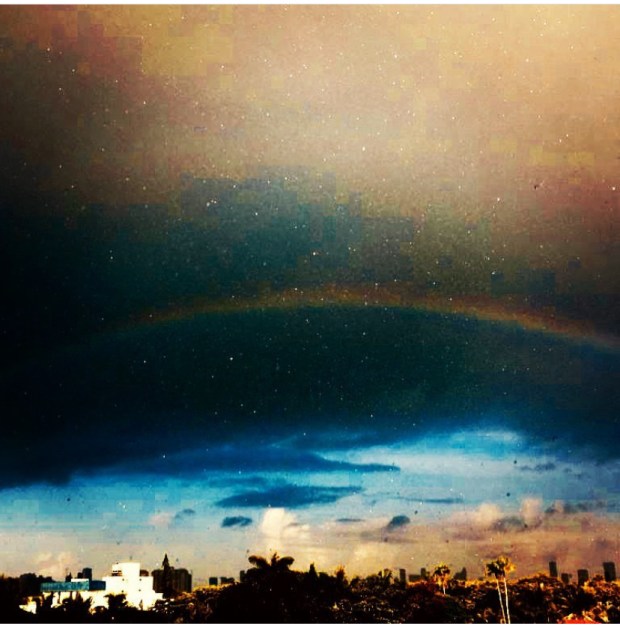
To see the light…
To see as I am seen…
To step into the ocean and feel the power of the Sea and into the air and float with the stars…
THE IMPORTANCE OF THE «EURO-KU»
As a lover of poetry I naturally searched through all the styles and forms and found quite a love of the Haiku. I wanted to write like that, with such simplicity, power and at the same time communicate such intensity and meaning. But as a Westerner, my life experience, my culture, my history, would not allow it. So in February, 2022, I decided to create a style for myself wherein I could express the same idea that the Japanese poets expressed through their unique and exclusive form. I came up with the Euro-Ku so that I could do it from my unique and exclusive European perspective. I changed the rules a bit, and I added the need to have the poem attached, permanently, to an illustration product of the poet. The three stanzas (verses) need not be restricted by syllabic counts. I can make them as long as I want but they must be coherent and flow into each other as a whole. The verses cannot just go floating off into outer space. I hope you enjoy it.
CHEERS
C.2024, Francisco Bravo Cabrera, 24 APR 2024, Valencia, Spain
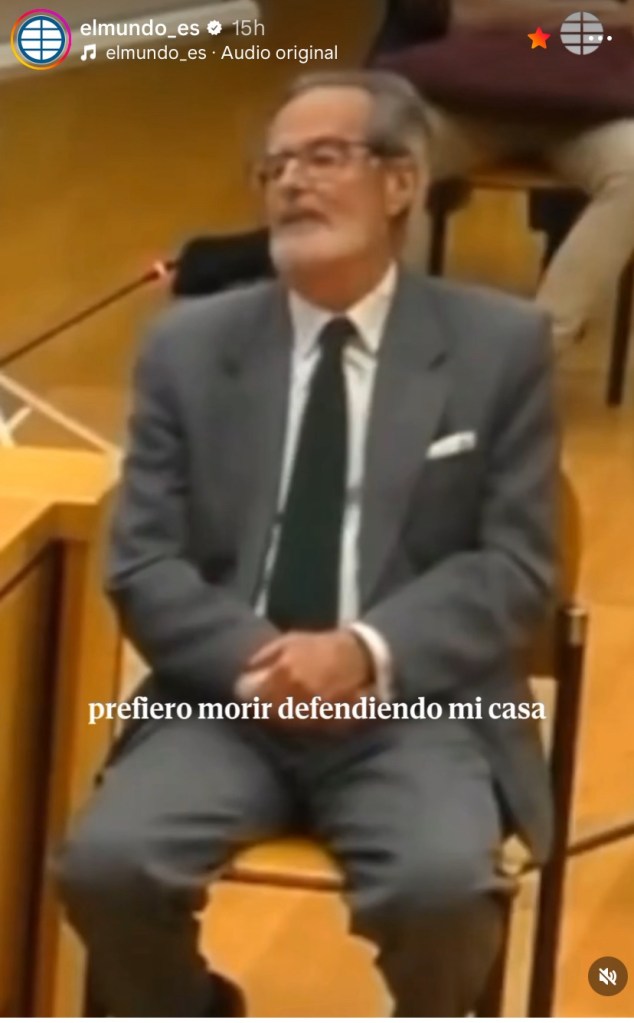
Un jurado ha declarado a este hombre culpable de asesinato por adjudicar correctamente a un ladrón que se coló en su casa y el fiscal le pide seis años de historia. Esto es una auténtica muestra del gran atraso del sistema judicial español. La casa es sagrada y uno la defiende como pueda y nadie tiene derecho a violarla y el ladrón que allane una morada se arriesga a todo y se merece lo que le pase. A este señor hay que darle una medalla y no una sentencia. ¡Que barbaridad!
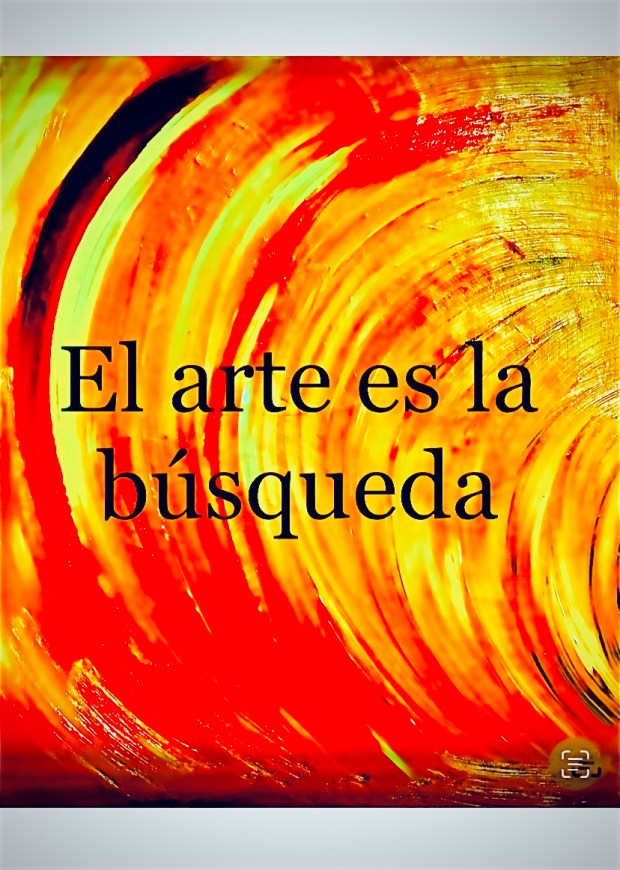
El arte, mare meua, le gusta a la gente, sin dudas. Los museos están llenos siempre. Para entrar en los más famosos hay que sacar entradas anticipadas por sus webpage o si no hacer largas colas. En las subastas, de las casas grandes como Christie’s de Nueva York y Sotheby’s de Londres, se venden cuadros por millonadas, y cada día hay más y más estudiantes dispuestos a matricularse en las facultades de Bellas Artes de las universidades del mundo entero. Dicen por ahí que las carreras más populares son las técnicas o las de TI, asociadas con la computación, programación y demás cosas de esas, pero sin los artistas, ¿Quién va a diseñar las graficas para los video juegos? El mundo no puede existir sin el arte.
Pero no vamos a confundirnos que arte no es cualquier cosa. Si, hay que aceptar que arte es el resultado de algún trabajo creativo, hecho por el hombre, que sirva para recrear la mente, embellecer un salon o transmitir un mensaje filosófico. Es una de esas carreras que no requiere una licencia para practicarla ni tampoco un titulo universitario. Pero se precisa de aprendizaje. Aquellos que dicen que son «auto-didactas» mienten porque siempre se aprende de algo o de alguien. Los conocimientos artísticos no suelen surgir espontáneamente de la mente de una persona sin que esa persona haya estudiado, de una forma o de otra, la materia. Así que aunque no haya que ir a la facultad, hay que estudiar y aprender. Lo intuitivo no es arte.
El arte es producto de la imaginación, de la formación y del (buen) gusto del artista. Hay que currar bien los cuadros o las esculturas. Un cuadro tiene su trayectoria, su principio, que usualmente es en forma de maqueta o boceto, su desarrollo, porque hay que tener en cuenta las dimensiones de la obra, el concepto, la composición, los colores y el mensaje. No se logra intuitivamente, se tiene que planificar, planear y luego ejecutar. Por eso hay que saber hacer arte para que el resultado sea arte.
Finalmente, os doy mi definición. ¿Qué es arte? El arte es la búsqueda. Pero no os quedéis buscando ad infinitum, tenéis que encontrar y lo que encontréis, eso es arte.
+++
Art, bloody hell, is loved by people, no doubt. Museums are always full. To enter the most famous ones, you have to get advance tickets through their websites or else wait in long lines. At auctions, from big houses like Christie’s in New York and Sotheby’s in London, paintings are sold for millions, and every day there are more and more students willing to enrol in Fine Arts faculties at unis all over the world. It’s said out there that the most popular careers are technical or IT-related, associated with computing, programming, and other things like that, but without artists, who will design graphics for their video games? The world cannot exist without art.
But let’s not get confused, art is not just anything. Yes, we have to accept that art is the result of some creative work, done by humans, that serves to entertain the mind, beautify a room, or convey a philosophical message. It is one of those careers that does not require a license to practice it, nor a university degree. But learning is required. Those who say they are «self-taught» are lying because you always learn from something or someone. Artistic knowledge does not usually arise spontaneously from a person’s mind without that person having studied the subject, one way or another. So even though you don’t have to go to college, you have to study and learn. Intuition is not art.
Art is the product of the imagination, the training, and the (good) taste of the artist. Paintings or sculptures must be crafted well. A painting has its trajectory, its beginning, which is usually in the form of a model or sketch, its development, because the dimensions of the work, the concept, the composition, the colours, and the message must be taken into account. It is not achieved intuitively; it has to be planned, designed, and then executed. A work of art is contrived. That’s why you have to know how to make art for the result to be art.
Finally, I give you my definition. What is art? Art is the search. But don’t just searching for the sake of searching, you have to find, and what you find, that is art.
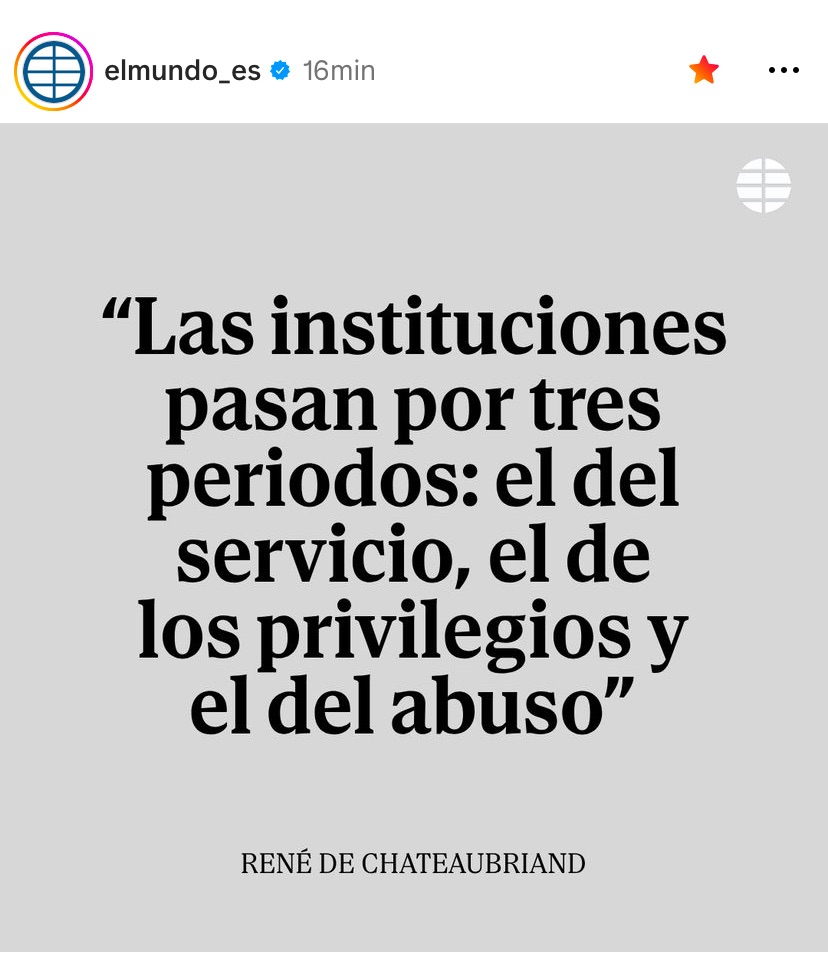
Y algunas se vuelan las primeras dos y van directo al abuso…
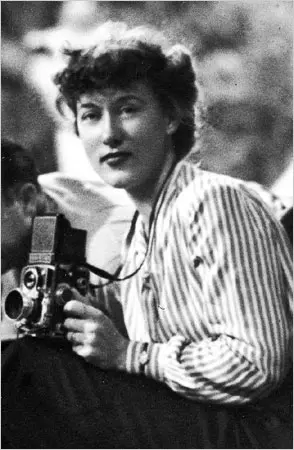
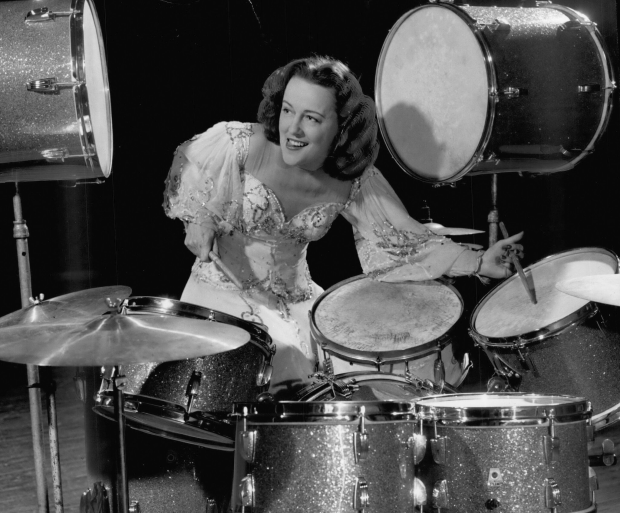
Martha Holmes fue una fotógrafa norteamericana (1923-2006)
Comenzó a trabajar en la revista Life cuando solo tenia 20 años de edad y ejerció su profesión en else reconocido medio 40 años, especialmente durante la época dorada de la revista, considerada la editorial más popular de fotografía en EEUU. Se le recuerda por su retratos íntimos y por ser foto-cronista deportiva en una época cuando eso era patrimonio exclusivo de fotógrafos masculinos. Holmes murió en su casa de Manhattan en 2006 a la edad de 83 años. Captó imágenes de Judy Garland, Marlene Dietrich, Van Johnson, Joan Crawford y John Garfield, Jackson Pollock, Salvador Dalí y hasta de Eleanor Roosevelt bebiéndose un zumo de tomate.
+++
Martha Holmes was a North American photographer (1923-2006)
She began working at Life magazine when she was only 20 years old and practiced her profession at the renowned publication for 40 years, especially during the magazine’s golden age, considered the most popular photography editorial in the U.S. She is remembered for her intimate portraits and for being a sports photo-journalist at a time when that was the exclusive domain of male photographers. Holmes died at her Manhattan home in 2006 at the age of 83. She captured images of Judy Garland, Marlene Dietrich, Van Johnson, Joan Crawford, and John Garfield, as well as Jackson Pollock, Salvador Dalí, and even Eleanor Roosevelt drinking tomato juice.

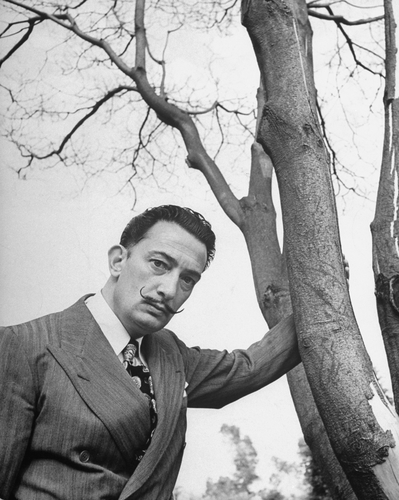
Tambien la de este personaje que creo que todos conoceréis…
+++
She also captured an image of this character whom I think you all well know…
GRACIAS – CHEERS
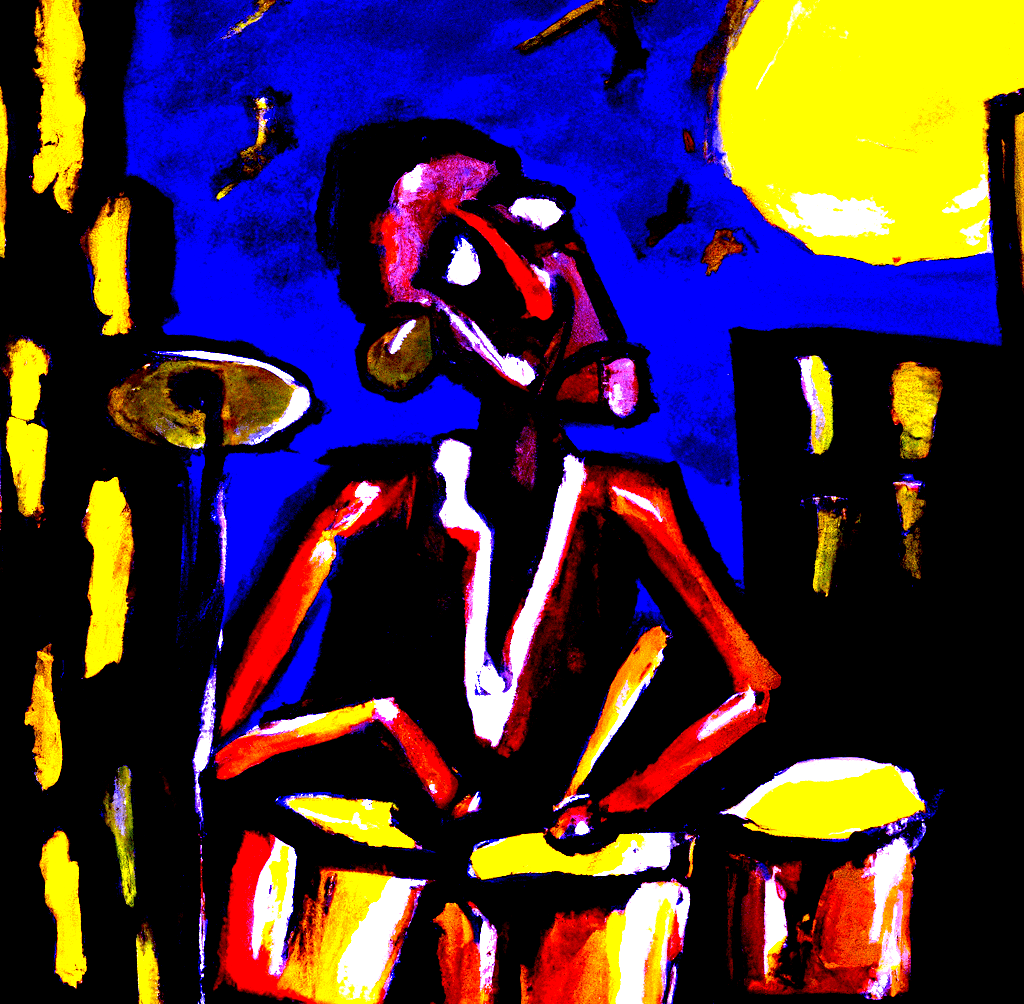
Jazz, as most know, is a kind of music, a genre, which was invented in the United States (hence US Classical Music) at, or around, the beginning of the XX Century. Some musicologists say that it «developed» from the singing of the Negro slaves and from their «blues», while others include in Jazz’s development European rhythms. Whatever the case might be, Jazz (first called Jass) surged from New Orleans and conquered the United States, then Europe, then the world.
I love the simplicity of the idea and the complexities of its manifestations. It is highly complex music, but obeys only three principles: 1) Improvisation; 2) The musician as composer onstage; 3) Swing (or rhythm). That is all you need to create Jazz. So I have applied these three principles to my art and I do «Jazz Art» or «JaZzArT» as I like to call it.
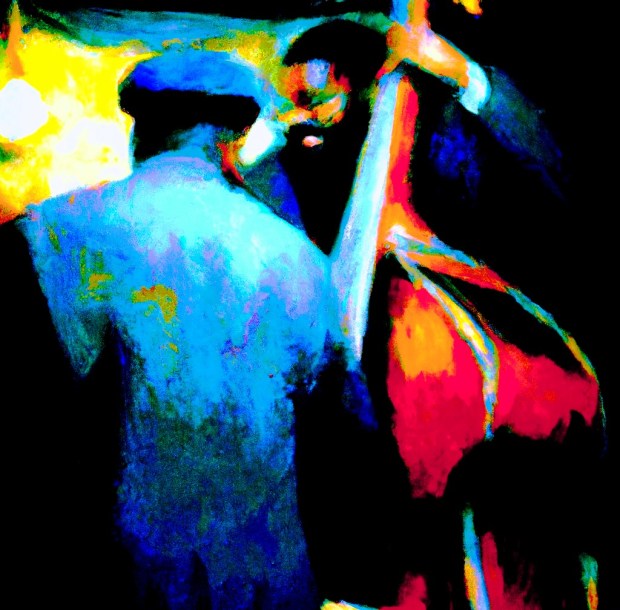
To me the colours are just as important as the figures in the composition. The colours are the «musician onstage being player and composer» within my jazzy structure. The idea of improvisation comes in as I am transferring the context of the composition from the sketchbook to the canvas, and the rhyth, or the «swing»? Well, that comes into play when I make the colours move, when I paint with powerful brushstrokes leaving behind their undisputable tracks so one can picture (and imagine) movement. Also the composition itself can represent a swinging jazzman jamming away onstage…
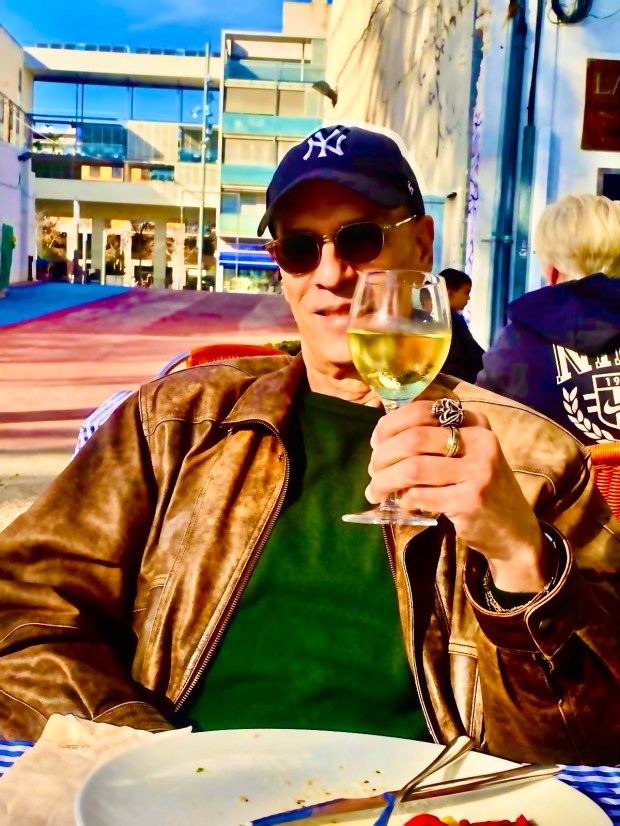
Siéndole fiel a la profesión de artista…

Paperback Is currently available on Amazon.com $15.99 Paperback Please review and support “the cause” ADULT CHILDREN OF ALCOHOLICS A powerful story …
Book cover by “Francisco Bravo Cabrera” Poetry by “Joni Karen Caggiano” Powerful new release on Amazon.com
Have a WordPress.com account? Log in now.

