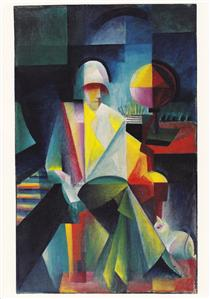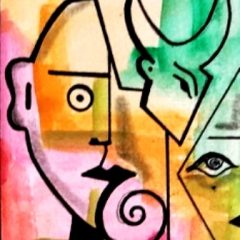
#art, Sophie Tauber-Arp: Serie de mujeres artistas – Women Artists Series

(AD España)

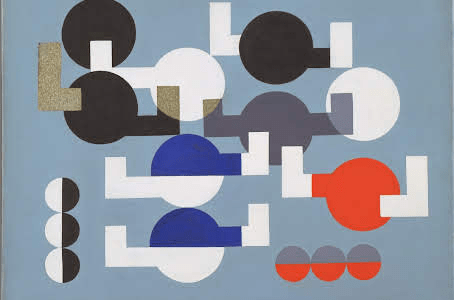
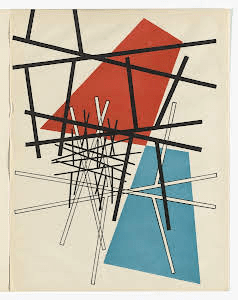
Estudio no solo arte, que bien que se la estudio en su Suiza y en Alemania, pero en Zurich (1914) estudió danza y entonces en 1915, también en Zurich, comenzó a diseñar tapices que expuso en la Exposición Internacional de Tapices Modernos y es allí donde conoce al artista/poeta Jean Arp que a su vez la introduce al grupo Dada…

Sophie Tauber-Arp nació en Davos, Suiza en 1889. Su madre, que tenia ideas muy liberales, notó que Sophie tenia una gran disposición hacia el arte y la matricula en los Lehr- und Versuchs-Ateliers für angewandte und freie Kunst (Talleres de aprendizaje y de ensayo para las artes libres y aplicadas), en Munich (1910), luego en Hamburgo en la Kunstgewerbeschule (1912), donde se especializó en diseño textil y escultura en madera.

Sophie Tauber-Arp está considerada como una de las artistas dadaístas más importantes de su generación. Fue pintora, escultora, diseñadora de escenografía de danza y teatro, tapices, constructora de marionetas, interiorista de casas y centros culturales y por sus cabezas dada… Muere en 1943 por un envenenamiento accidental… Su imagen aparece en los billetes de 50 francos suizos desde 1995. Es la única mujer que aparece en los billetes suizos.

+++++

She not only studied art, which she did well in Switzerland and Germany, but also studied dance in Zurich (1914) and then, in 1915, also in Zurich, she began designing tapestries that she exhibited at the International Exhibition of Modern Tapestries. It was there that she met the artist/poet Jean Arp, who in turn introduced her to the Dada group…

Sophie Tauber-Arp was born in Davos, Switzerland in 1889. Her mother, who had very liberal ideas, noticed that Sophie had a great disposition towards art and enrolled her in the Lehr- und Versuchs-Ateliers für angewandte und freie Kunst (Workshops for Applied and Free Arts) in Munich (1910), and later in Hamburg at the Kunstgewerbeschule (1912), where she specialized in textile design and wood sculpture.

Sophie Tauber-Arp is considered one of the most important Dadaist artists of her generation. She was a painter, sculptor, designer of dance and theatre sets, tapestries, puppet maker, interior designer for houses and cultural centers, and for her Dadaist heads… She died in 1943 from accidental poisoning… Her image appears on the 50 Swiss franc banknotes since 1995. She is the only woman to appear on Swiss banknotes.

+++++++
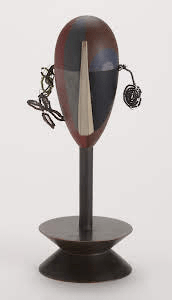
(Cabeza Dada/Dada Head/1920/MoMA)
(Composicion de circulos y angulos superpuestos/Composition of Circles and Overlapping Angles/1930/MoMA)
(Plato/Plate-Folio 20/1942/MoMA)

GRACIAS – CHEERS

Hola mis amigos – Hello My Friends

(FBC en València/Derechos Reservados/All Rights Reserved)

Ya esta tarde regresaré a mis labores en el blog y en OmniaCaelumStudiosValència. Os he echado de menos y os agradezco vuestro apoyo.

+++

This afternoon I return to my work on the blog and on OmniaCaelumStudiosValència. I’ve missed all of you and I appreciate your support.

Gracias – Cheers

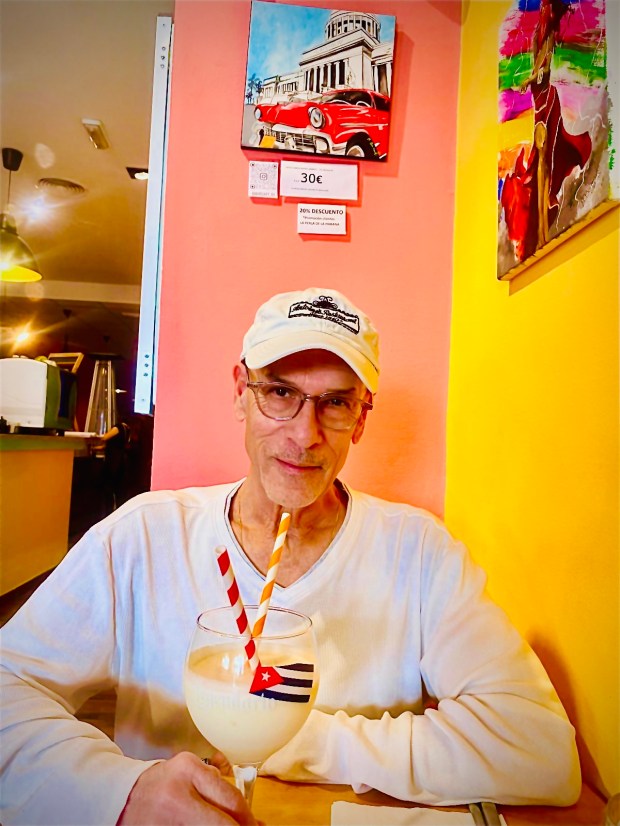
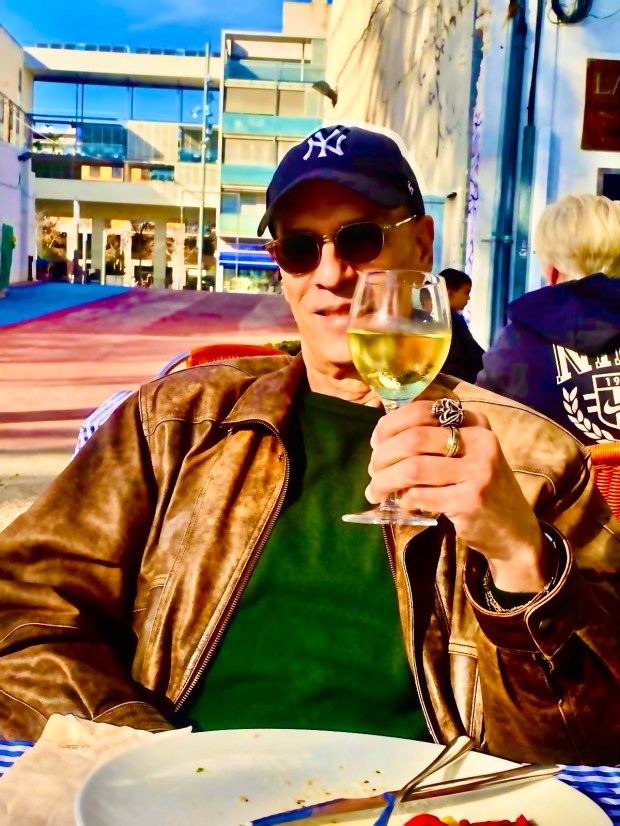
(Foto: Bodo en La Perla de La Habana, mi restaurante cubano preferido de Valencia/Bodo at La Perla de La Habana Restaurant in Valencia, my favourite Cuban restaurant in the city)

#art, «Art Digital de/by Bodo Vespaciano»

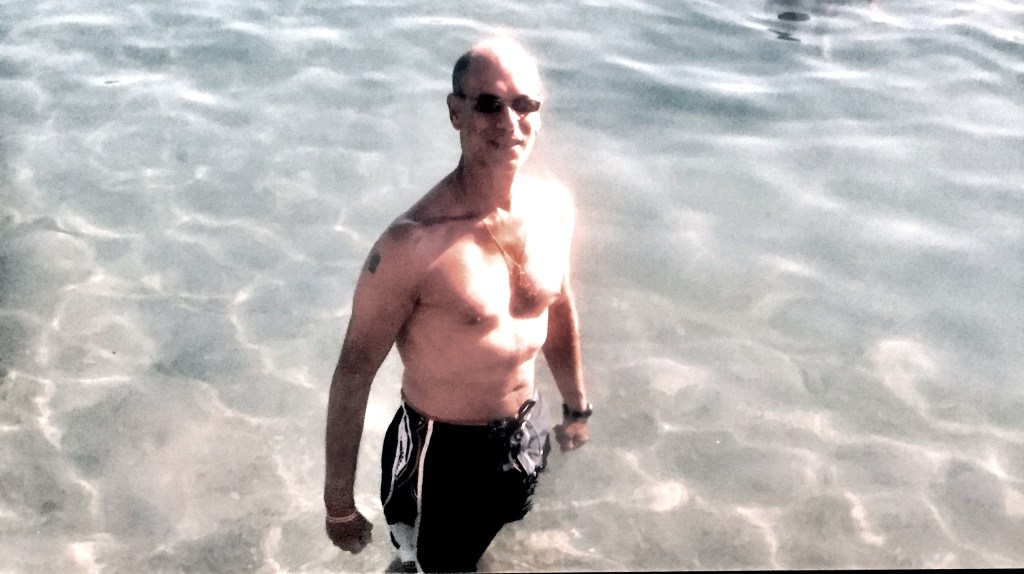
(Que mejor que un chapuzón en invierno – What’s better than a dip in winter – FBC in the Mediterranean Sea/Derechos Reservados/All Rights Reserved)

El arte digital es algo que me interesa mucho y no es ni tiene nada que ver con los IA (Inteligencia artificial)…

+++

Digital Art is something that interests me and has nothing to do with AI (Artificial Intelligence)…

OMNIA CAELUM STUDIOS PRESENTA/PRESENTS:

OMNIA CAELUM STUDIOS VALENCIA PRESENTA/PRESENTS:

(2020)

Gracias…

Cheers…

#artvideo, «African-American Contemporary Artists That We Should Know»

(Retrato de/Portrait of President Barack Obama de/by Kehinde Wiley – Foto/Photo The New Yorker)

Hay muchos y no son tan destacados como otros y creo que hay que conocerlos mejor…

There are many and not so well known as others and I think we should get to know them well…

OMNIA CAELUM STUDIOS VALENCIA PRESENTA/PRESENTS:

Gracias…

Cheers…

#art, Mujeres artistas – Women Artists

(National Museum of Women in the Arts)

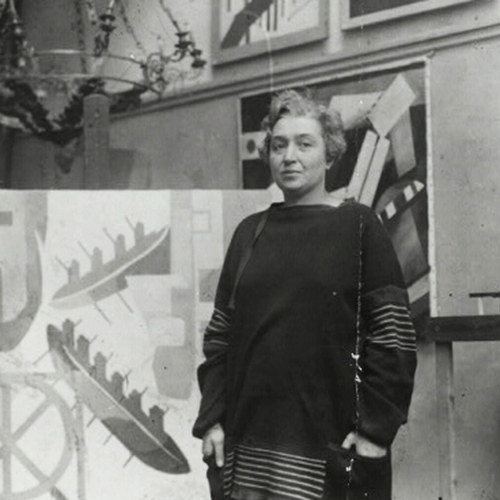
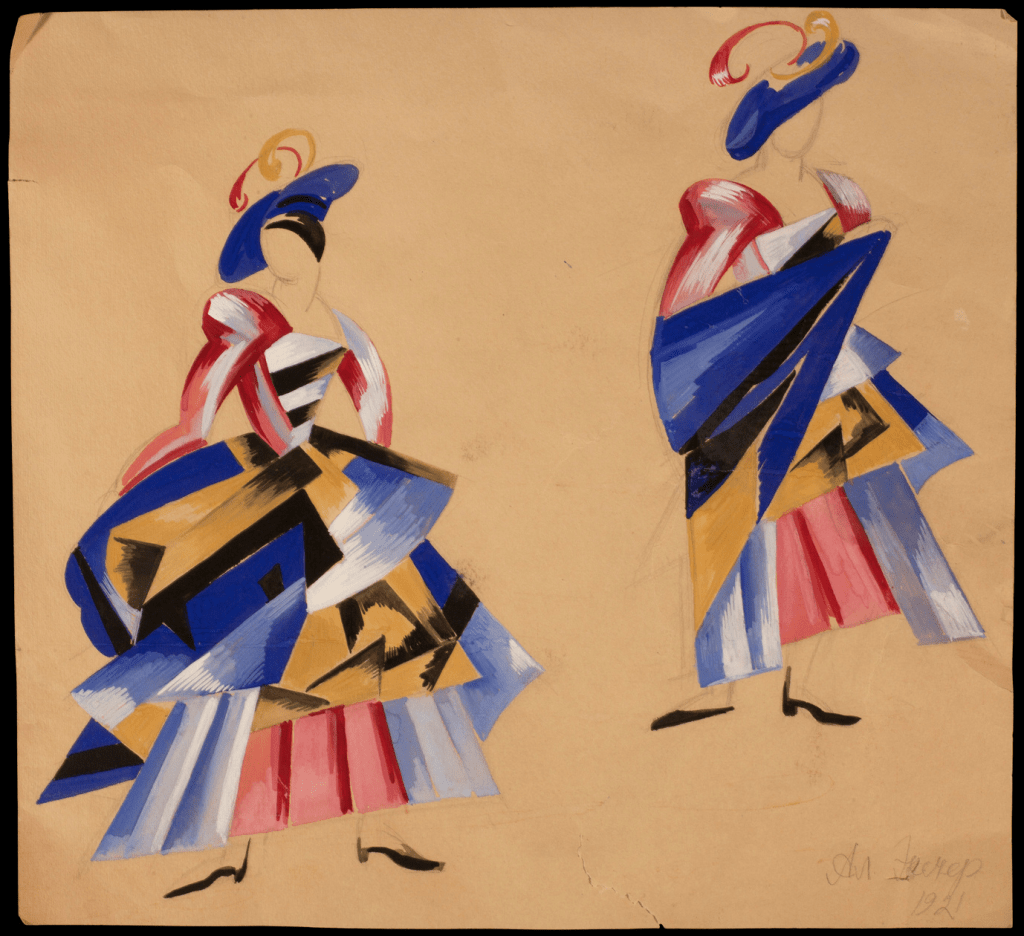
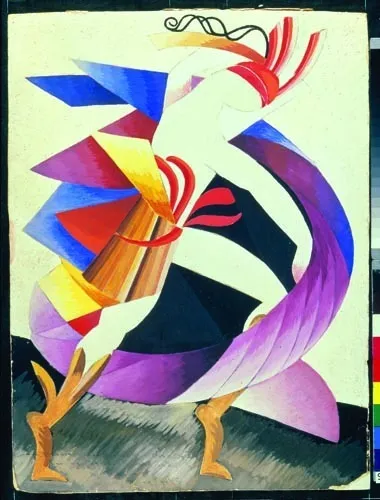
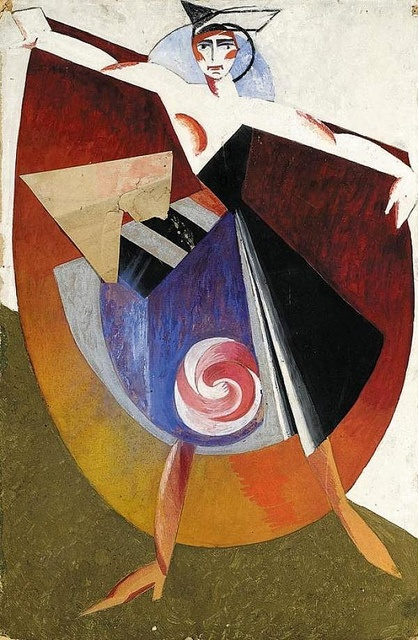
Aleksandra Aleksándrovna Ekster, better known as Alexandra Exter, was born in 1882 in the Russian Empire… She was an artist who pioneered in the styles of constructivism, cubo-futurism, and influenced art deco. She lived in Kiev, St. Petersburg, Moscow, Vienna and Paris. Definitely an avant guard artist of Russo-Ukrainian background… She was well educated in all of the arts and later studied at the Kiev Art School… She is considered a suprematist and constructivist, art deco painter…

(Photo AWARE)
(photo Artforum)
(photo Pinterest)

CHEERS

#art, Fent art a Barcelona – Haciendo arte en Barcelona 2016 – Making Art In Barcelona 2016

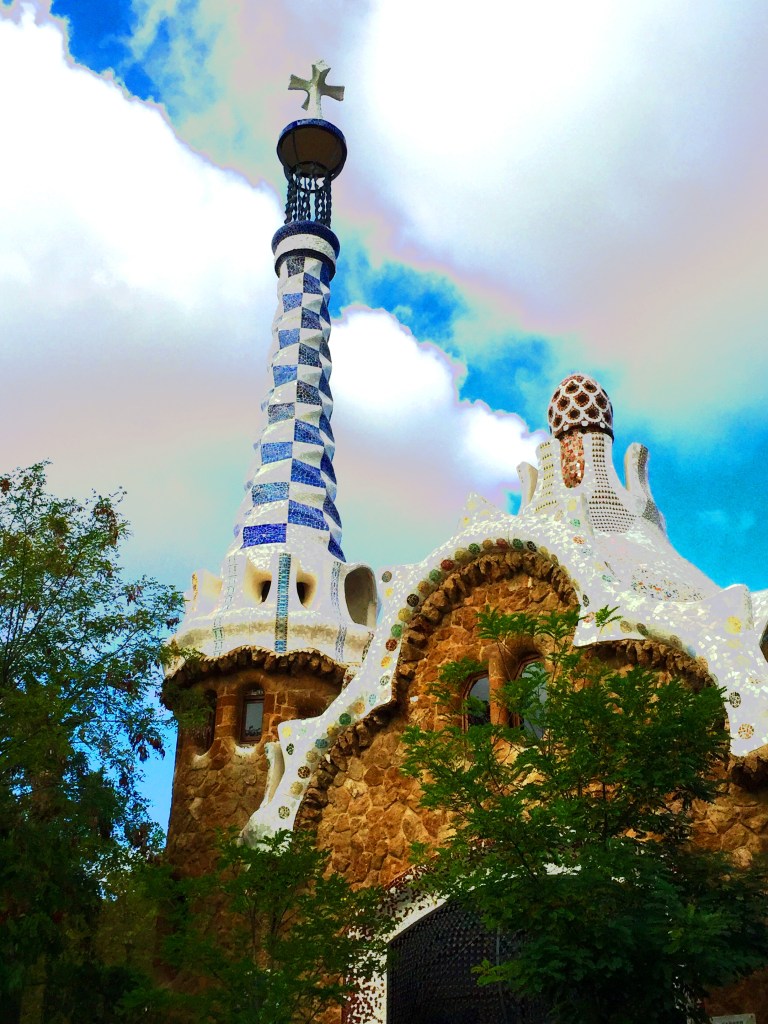
(Photo by Francisco Bravo Cabrera)

Barcelona sempre ha estat per a mi, una ciutat molt especial. No només perquè part de la meva família en procedeix, però perquè des del primer dia que vaig arribar a Barcelona vaig sentir el poder seductor de la seva gent, la seva història, la seva llengua, els seus barris, els seus carrers i la seva Mediterrània. Doncs llavors no podia faltar que hi em posés a desenvolupar idees amb paper i llapis i encara que vaig viure poc temps en aquesta ciutat dels meus amors, em va servir per continuar la recerca, que com ja vosaltres sabeu, és art…

+ + + + +

Barcelona siempre ha sido para mí, una ciudad muy especial. No solo porque parte de mi familia procede de ella, pero porque desde el primer día que a Barcelona llegué sentí el poder seductor de su gente, su historia, su lengua, sus barrios, sus calles y su Mediterráneo. Pues entonces no podía faltar que en ella me pusiera a desarrollar ideas con papel y lápiz y aunque viví poco tiempo en esa ciudad de mis amores, me sirvió para continuar la búsqueda, que como ya vosotros sabéis, es arte…

+ + + + + + + + +

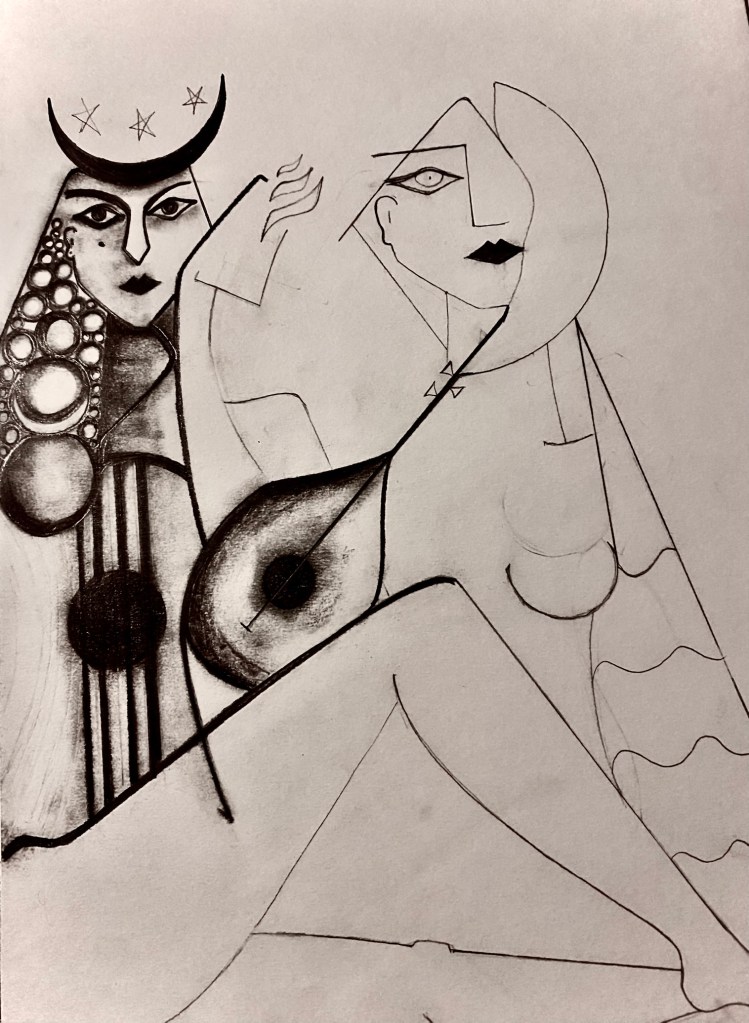
Barcelona has always been a very special city for me. Not only because part of my family comes from there, but mostly because from the first day that I arrived in Barcelona, I felt the seductive power of her people, her history, language, neighbourhoods, streets, and her Mediterranean. So it was inevitable, in Barcelona I started developing ideas that I placed with pencil on paper. And even though I lived a short time in that beloved city, it served me to continue the search, which as you already know, is art…

gràcies – gracias – cheers

#art, Serie de mujeres en las artes – Women in The Arts Series

(Thelma Golden/Foto-Photo Art News)

Definitivamente una de las mujeres que maneja la vida cultural de Harlem, en la ciudad de Nueva York. Thelma Golden nació en Queens (1965) y es la curadora y la directora y jefa de The Studio Museum en Harlem. Impresionante es su reconocimiento en el mundillo del arte, pues Golden ha sido nombrada, de 2017 al 2020, entre las diez personas mas influyentes del arte mundial for la prestigiosa revista ArtReview. Anteriormente, de 1991 al 1998 fue curadora del famoso Whitney Museum of American Art (Nueva York) donde ficho a muchos artistas jóvenes y afro-americanos que se dedicaban al arte conceptual, (no se si habrá hecho lo mismo para los jóvenes artistas blancos*). Ciertamente una triunfadora y un buen ejemplo de dedicación al arte y del valor de una buena preparación en las mismas para todas las mujeres, especialmente aquellas que pertenecen a las supuestas minorías.

* Esto lo menciono porque en EEUU (y ahora parece que también en Europa) si eres blanco y solo eliges a artistas, u otros profesionales, blancos te tratan de tachar de racista.

+++

Definitely one of the women who runs the cultural life of Harlem, in the city of New York. Thelma Golden was born in Queens (1965) and is the director, and the Chief Curator of The Studio Museum in Harlem. Impressive is her recognition in the art world, as Golden has been named, from 2017 to 2020, among the ten most influential people in the global art scene by the prestigious magazine ArtReview. Previously, from 1991 to 1998, she was a curator at the famous Whitney Museum of American Art (New York) where she helped develop the careers of many young, African-American artists dedicated to conceptual art. (I wonder if she did the same thing for White artists*).Truly a triumph and a great example for all women, especially those belonging to supposed minorities.

* I mention this because in the US if you are White and you only promote other White people, be they artists or anything else, you are labelled a racist.

GRACIAS – CHEERS
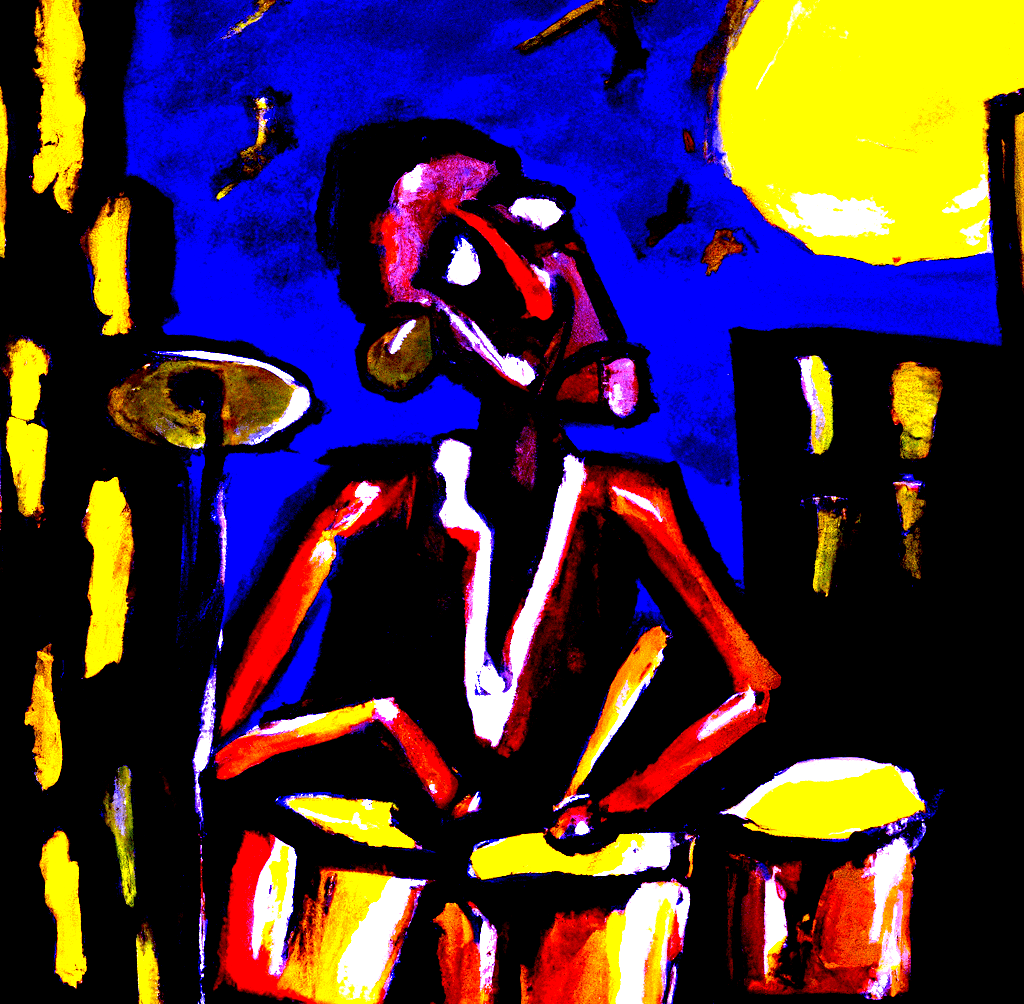
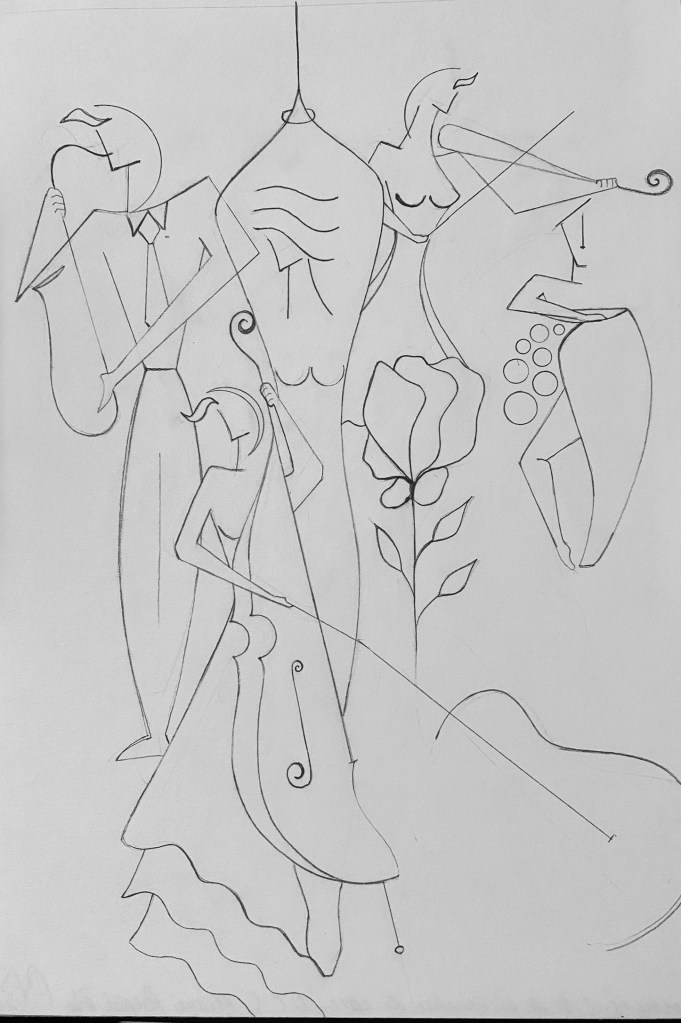
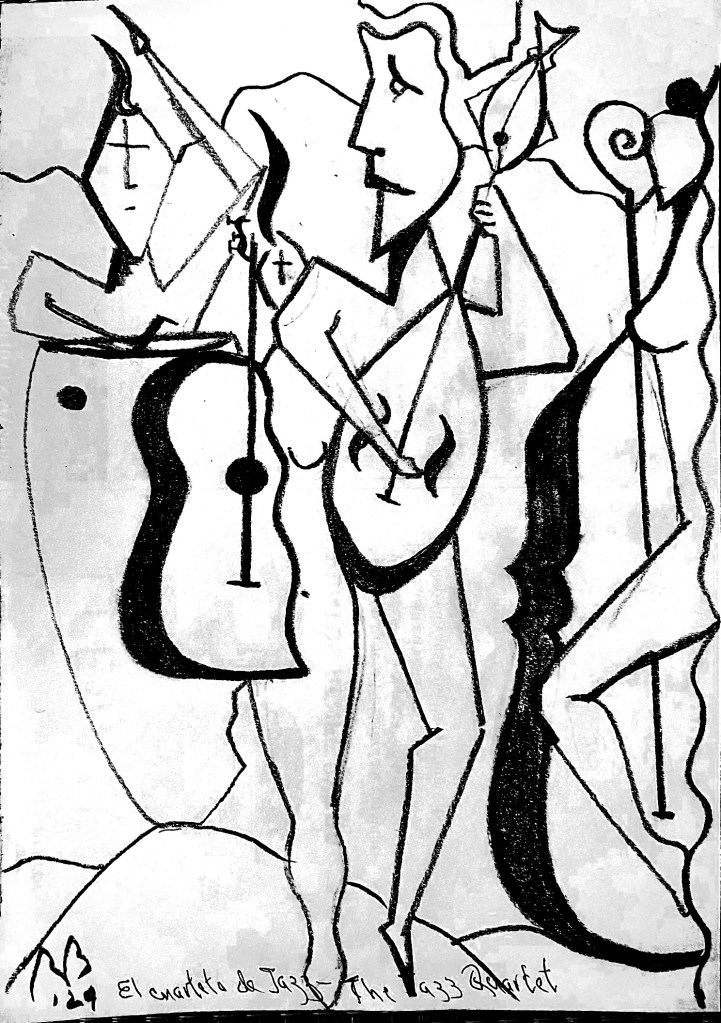
#art, «JaZzArT» at VALENCIARTIST…

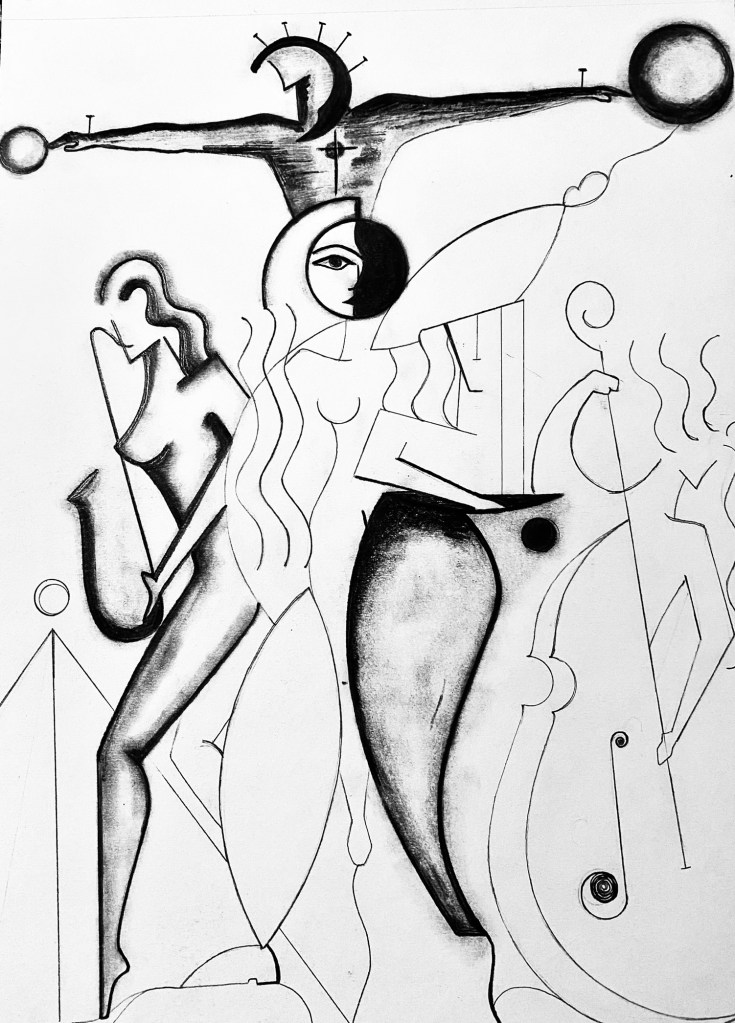
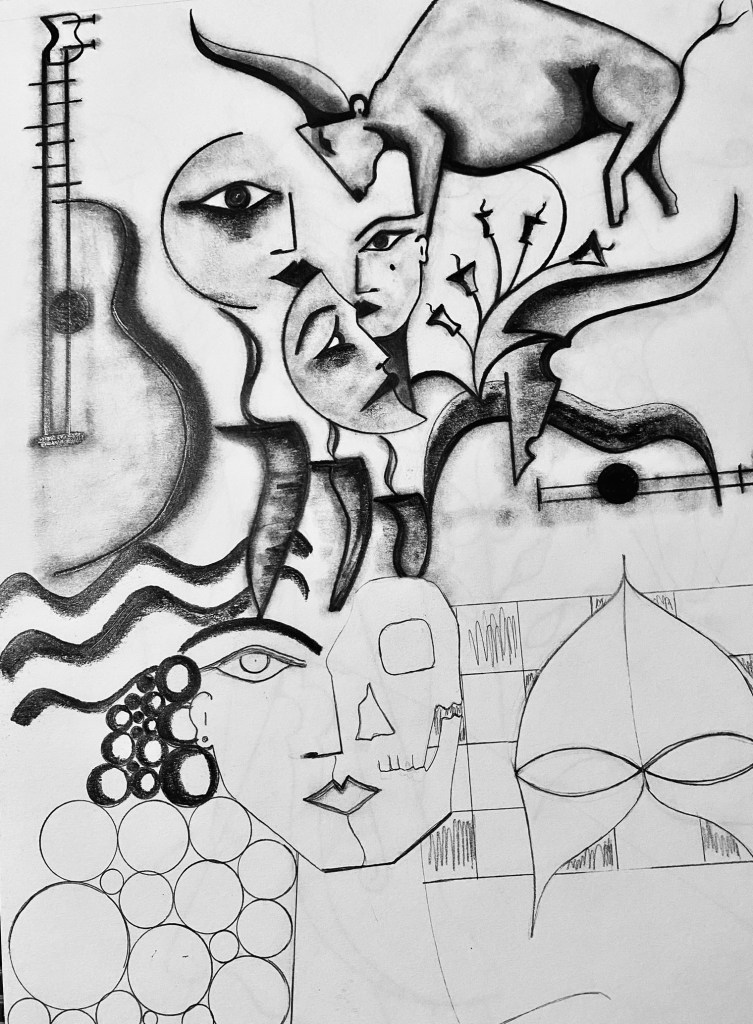
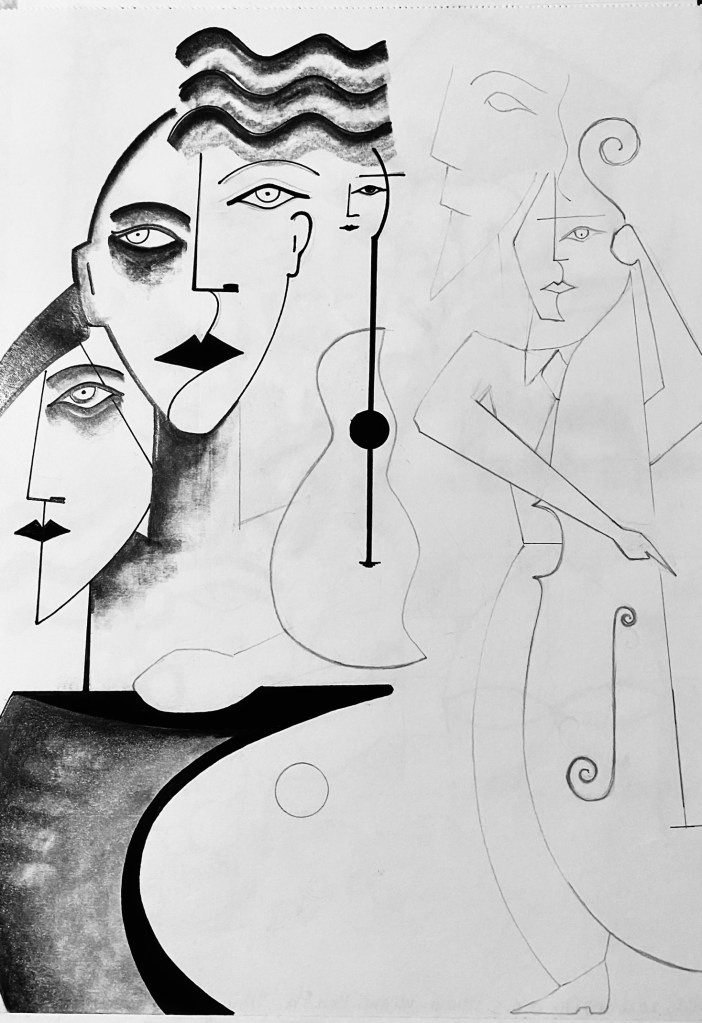
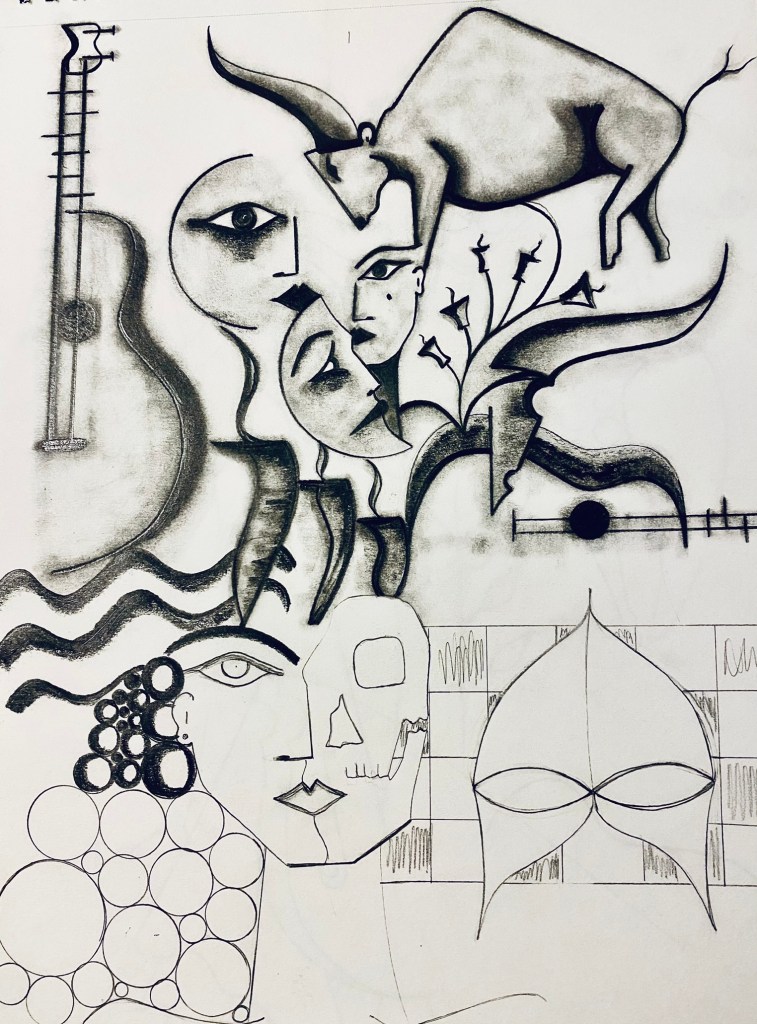
(Original Art Digital by Francisco Bravo Cabrera/All Rights Reserved)

Jazz, as most know, is a kind of music, a genre, which was invented in the United States (hence US Classical Music) at, or around, the beginning of the XX Century. Some musicologists say that it «developed» from the singing of the Negro slaves and from their «blues», while others include in Jazz’s development European rhythms. Whatever the case might be, Jazz (first called Jass) surged from New Orleans and conquered the United States, then Europe, then the world.

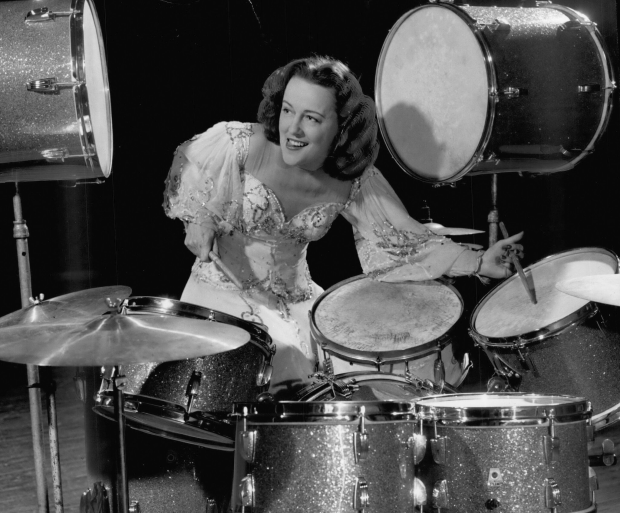
(Viola Smith)

I love the simplicity of the idea and the complexities of its manifestations. It is highly complex music, but obeys only three principles: 1) Improvisation; 2) The musician as composer onstage; 3) Swing (or rhythm). That is all you need to create Jazz. So I have applied these three principles to my art and I do «Jazz Art» or «JaZzArT» as I like to call it.

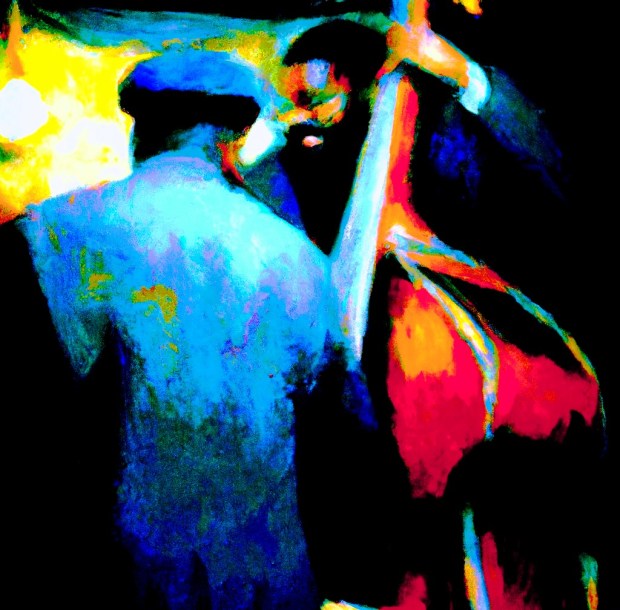
(Original Art Digital by Francisco Bravo Cabrera/All Rights Reserved)

To me the colours are just as important as the figures in the composition. The colours are the «musician onstage being player and composer» within my jazzy structure. The idea of improvisation comes in as I am transferring the context of the composition from the sketchbook to the canvas, and the rhyth, or the «swing»? Well, that comes into play when I make the colours move, when I paint with powerful brushstrokes leaving behind their undisputable tracks so one can picture (and imagine) movement. Also the composition itself can represent a swinging jazzman jamming away onstage…

(FBC/Bodo Vespaciano/Actor portrayal)

#art, The ART of Francisco/Bodo on Fine Art America

(«Self-Portrait 08» by Francisco Bravo Cabrera/All Rights Reserved)

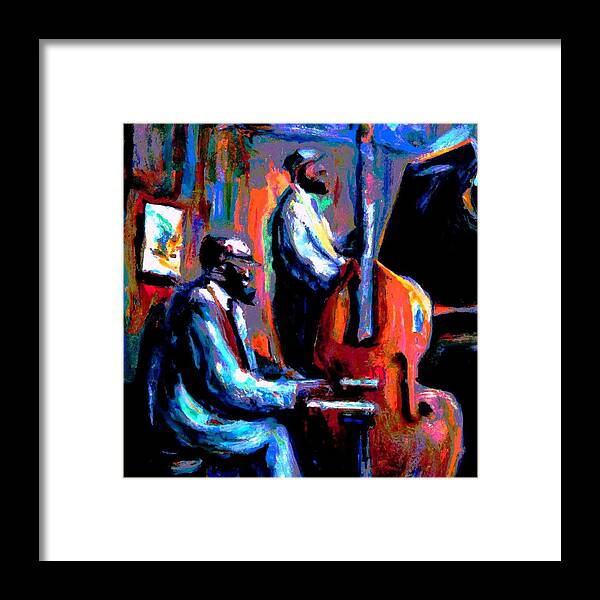
FINE ART AMERICA is the only company I use to sell my Fine Art Prints. The image below is the «framed print» of my original «art digital painting» of «Monk in Paris» so check it out…

(«Monk in Paris» by Francisco Bravo Cabrera/All Rights Reserved)

My Fine Art Prints are only available through Fine Art America so visit my online gallery here and visit often as I often change the images I upload.

CHEERS

#art, Serie de Grandes Artistas, P.#56 – Great Artists Series, P.#56

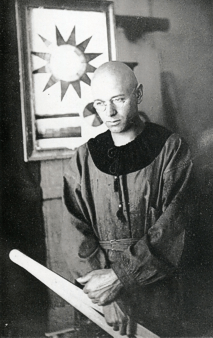
Este gran artista, excéntrico, místico y fashionista, fue buscador empedernido de la pura esencia de las cosas en el arte y en la vida… Johannes Itten nació en Suiza en 1888 y fue profesor en la Bauhaus en Ulm, Alemania. Enseñó el curso preliminar de 1919 a 1922. Este curso introductorio sirvió para enseñar a los estudiantes los fundamentos y las características de los materiales, de la composición y del color… Durante estos años publicó su libro «El Arte del Color», que describía su rueda de colores compuesta por doce colores… Itten fue seguidor de una secta (de los EE. UU.) derivada del zoroastrismo llamada Mazdaznan. Era estrictamente vegetariano y practicaba la meditación para alcanzar el equilibrio interior, que según él era la fuente de toda su inspiración artística… Su misticismo y enfoque único hacia el arte influyeron en muchos de sus estudiantes… Itten falleció en Suiza en 1967.

+++

This great artist was an eccentric, mystical and fashionable searcher of the pure essence of things… Johannes Itten was born in Switzerland in 1888 and was a professor of the Bauhaus in Ulm, Germany. He taught the preliminary course from 1919 to 1922. This introductory course served to teach the students the fundamentals and characteristics of materials, composition and colour… During these years he published his book «The Art of Colour» which described his colour wheel which consisted of twelve colours… Itten was a follower of a sect (from the US) derived from Zoroatrianism called Mazdaznan. He was a strict vegetarian and practised meditation to achieve inner balance, which according to him was the source of all his artistic inspiration… His mysticism and unique approach to art influenced many of his students… Itten died in 1967 in Switzerland.

(Wikiart)
(Museo Thyssen)
(pinterest)

GRACIAS – CHEERS