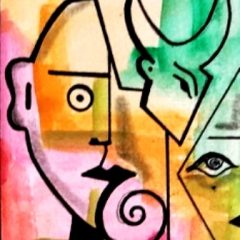
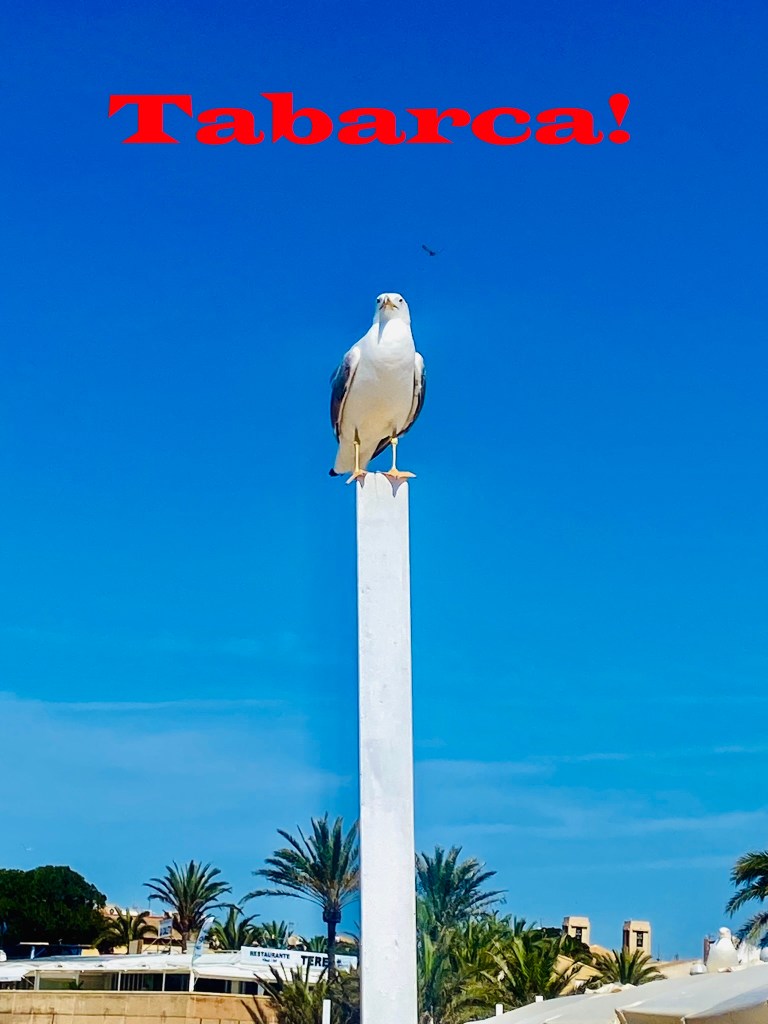
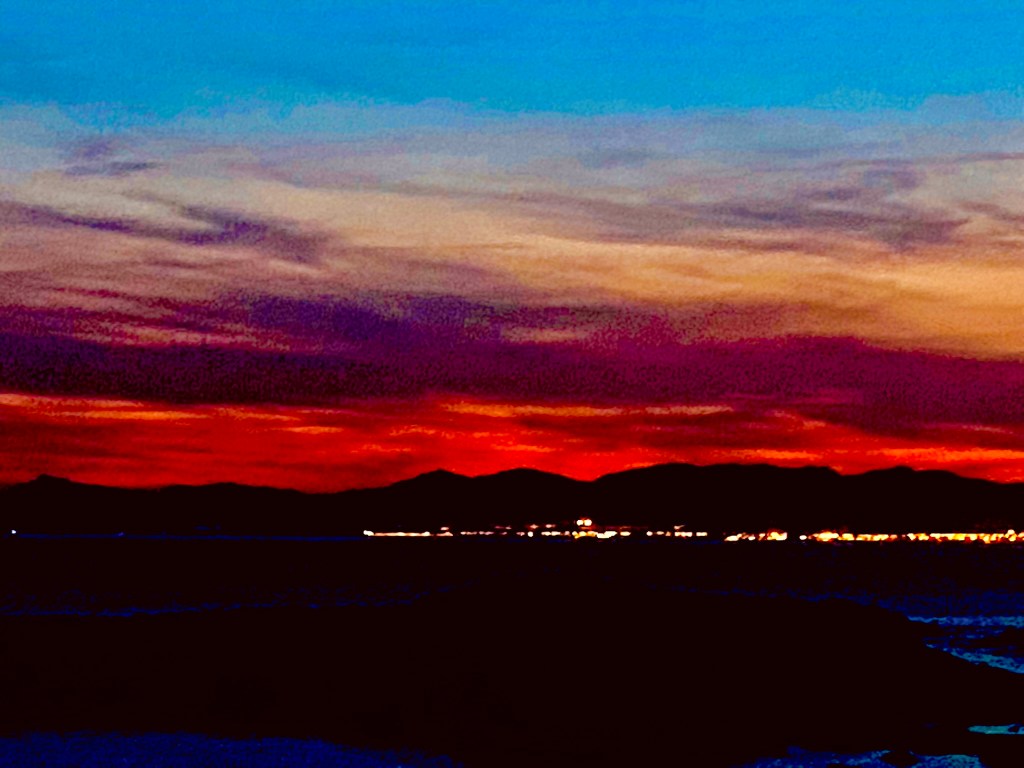
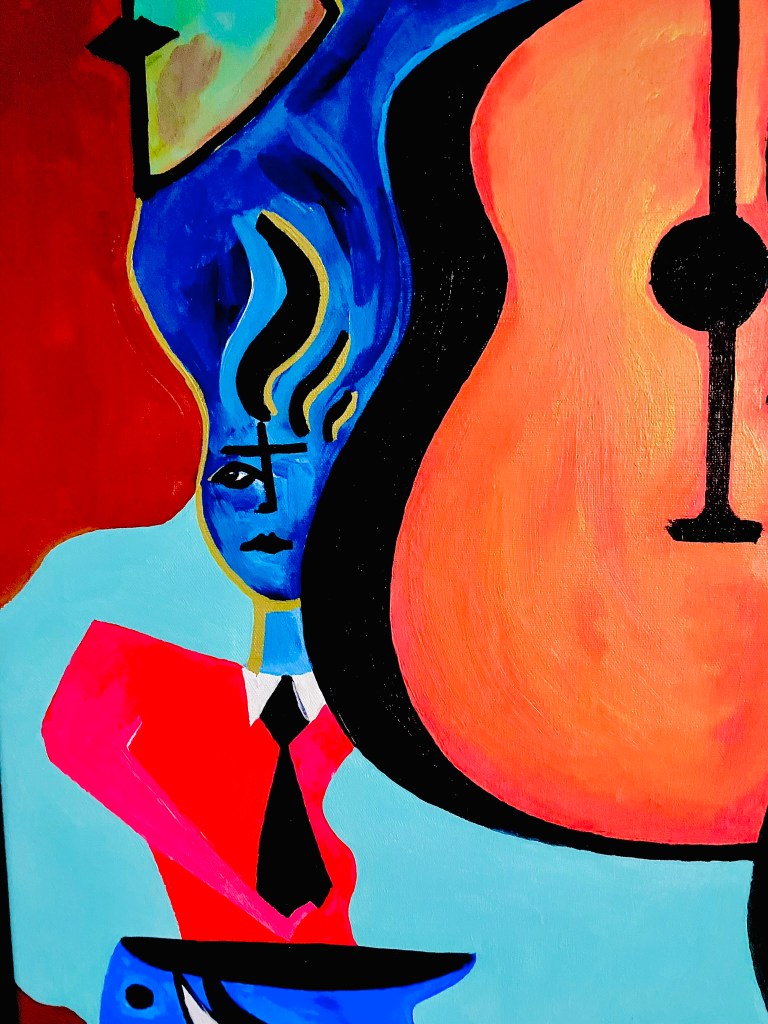
(Photography by and property of Francisco Bravo Cabrera/All Rights Reserved)
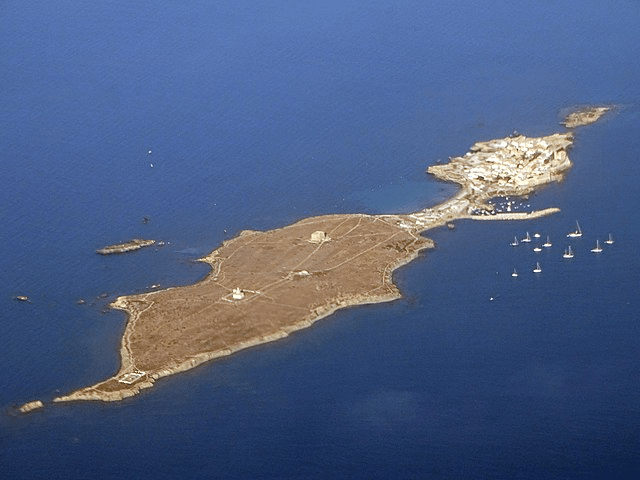
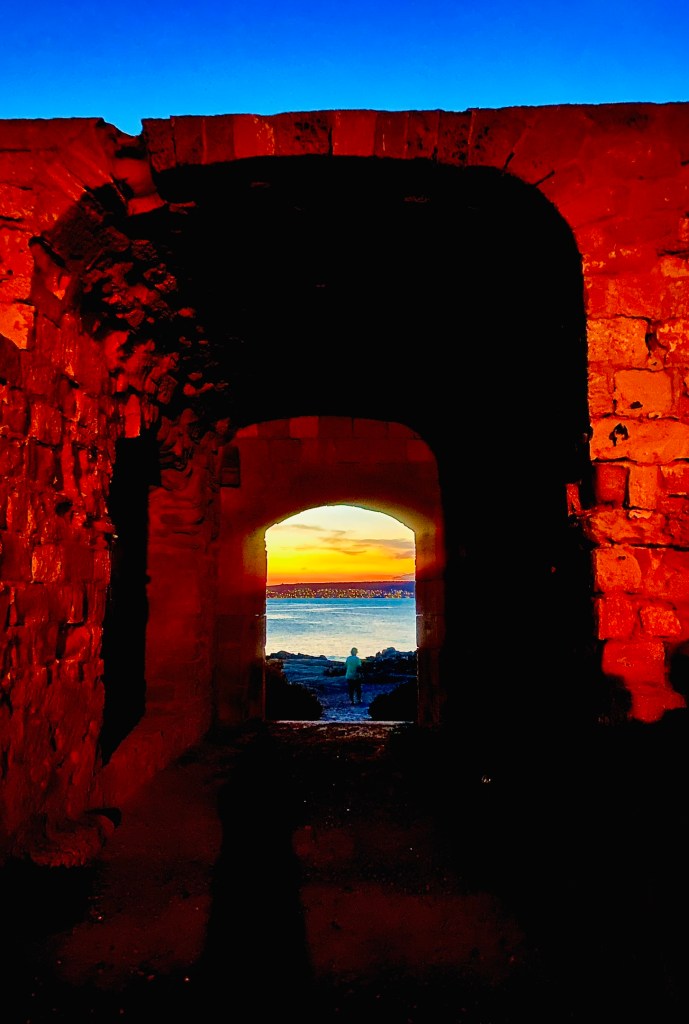
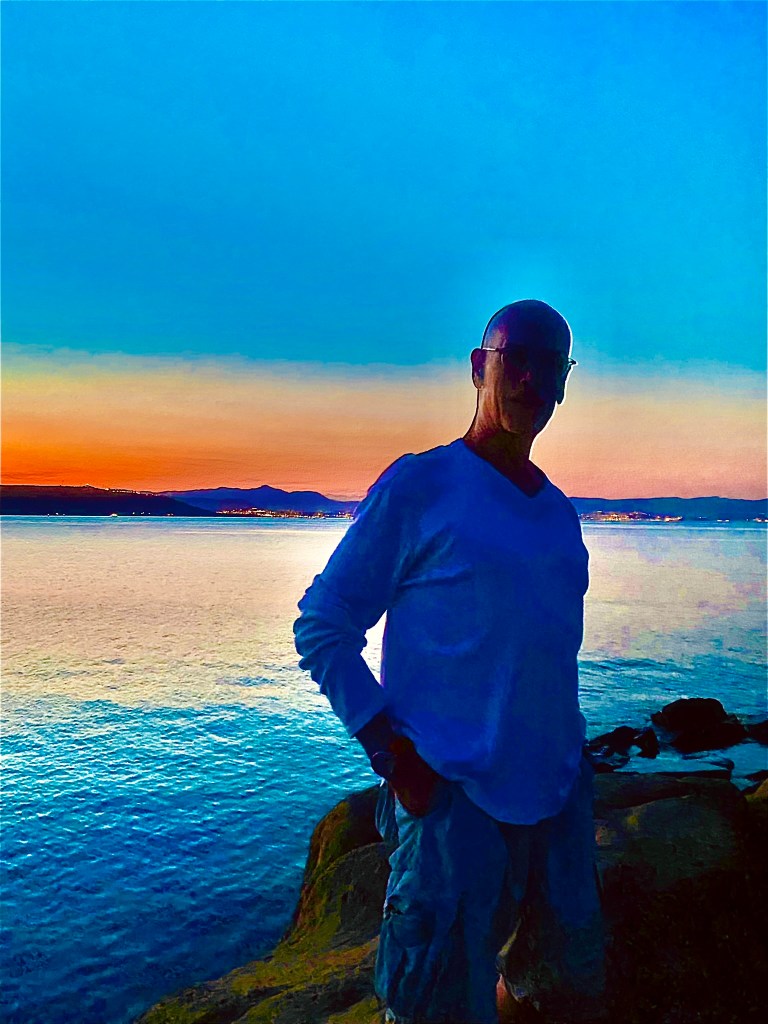
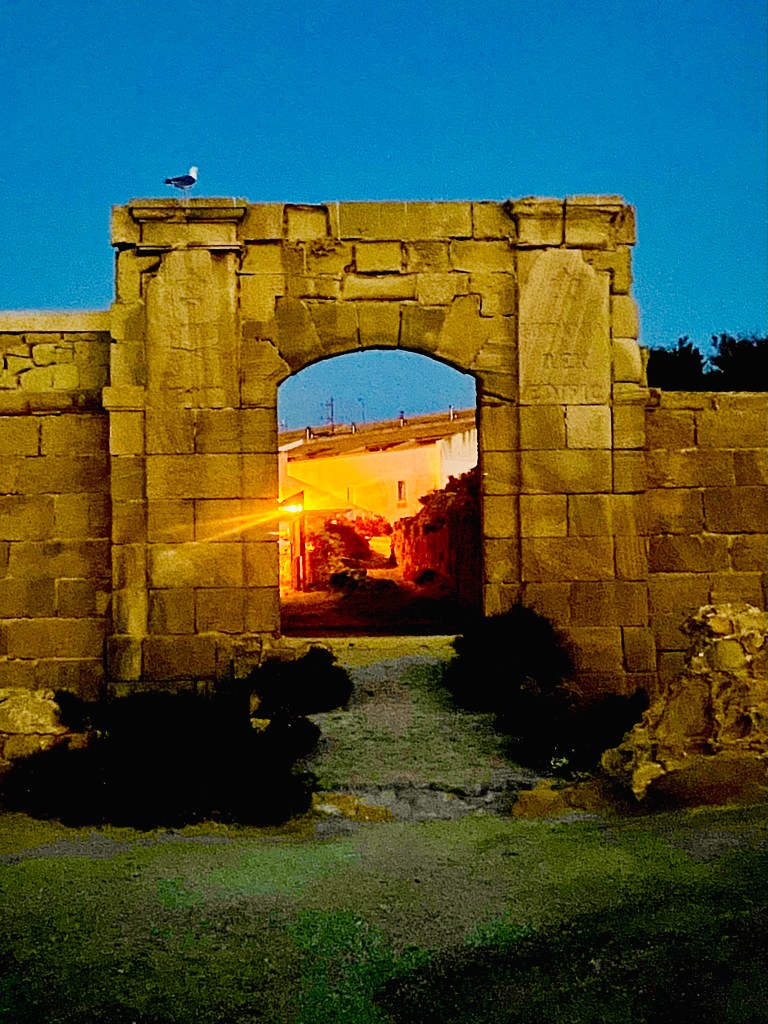
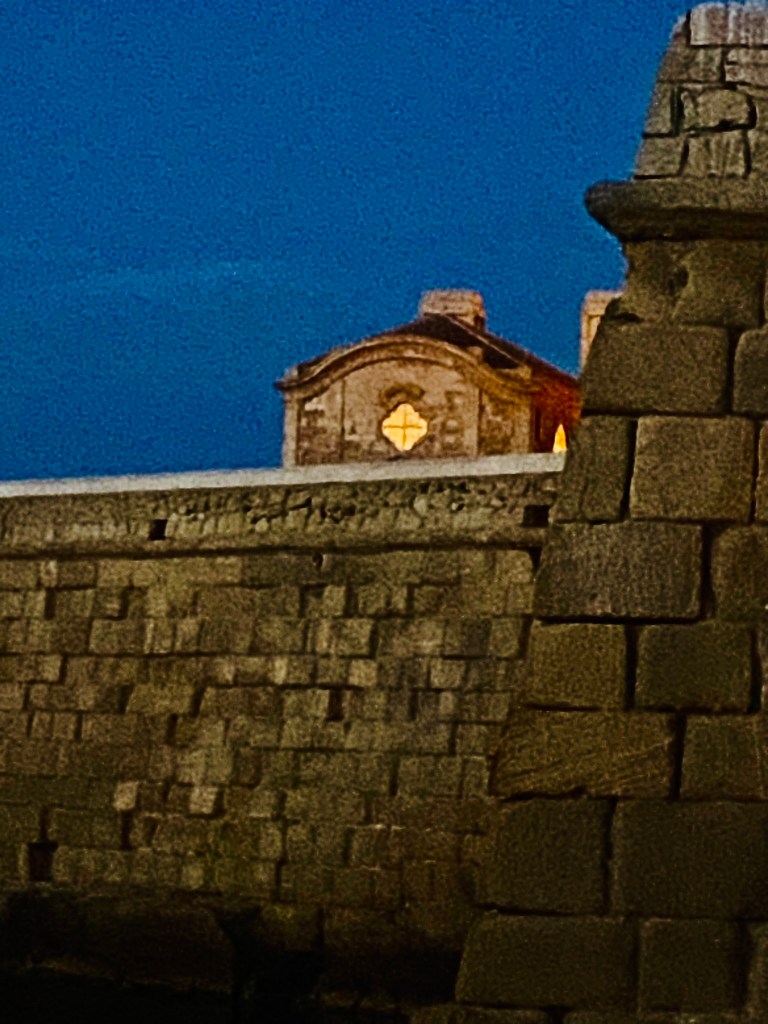
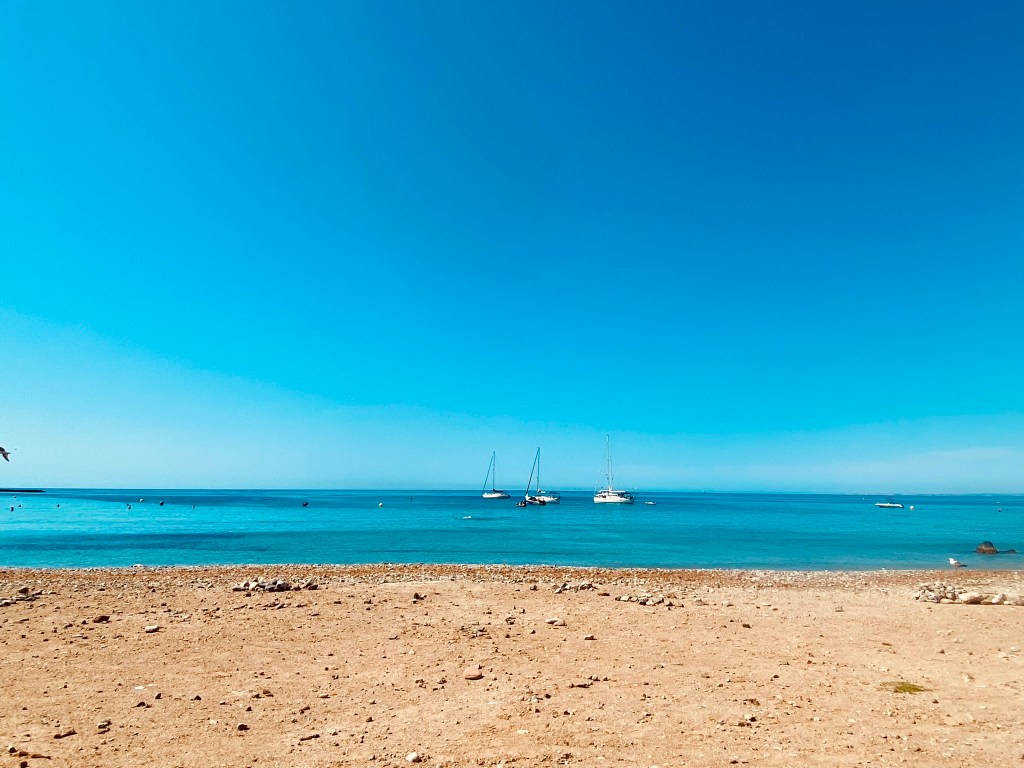
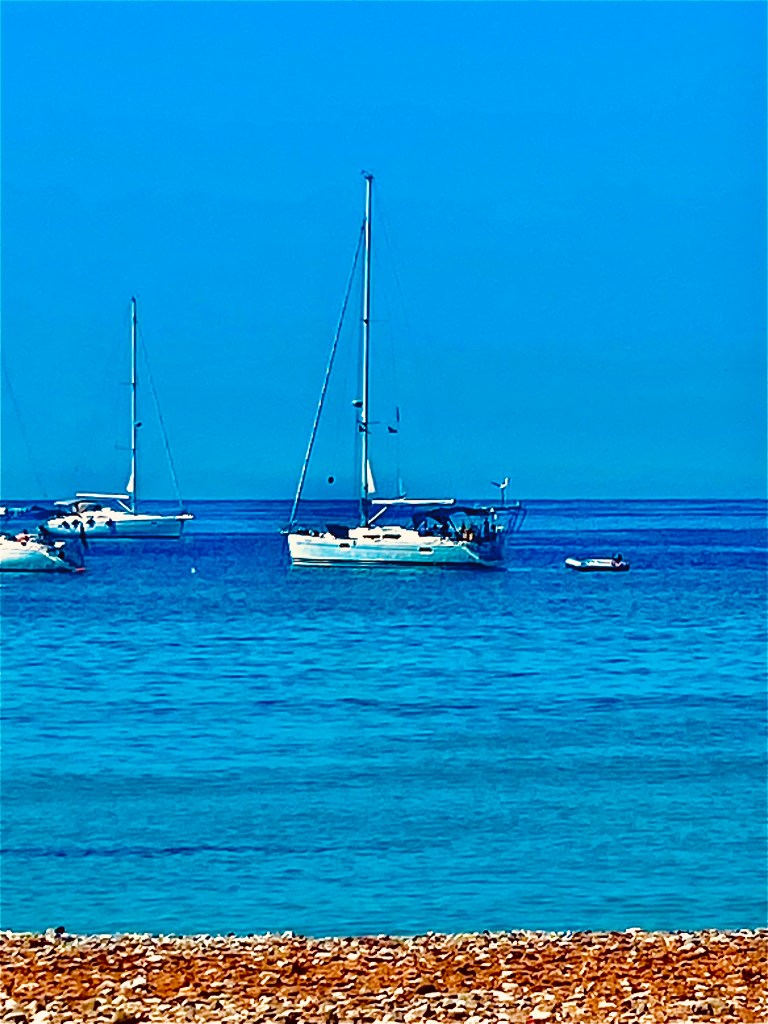
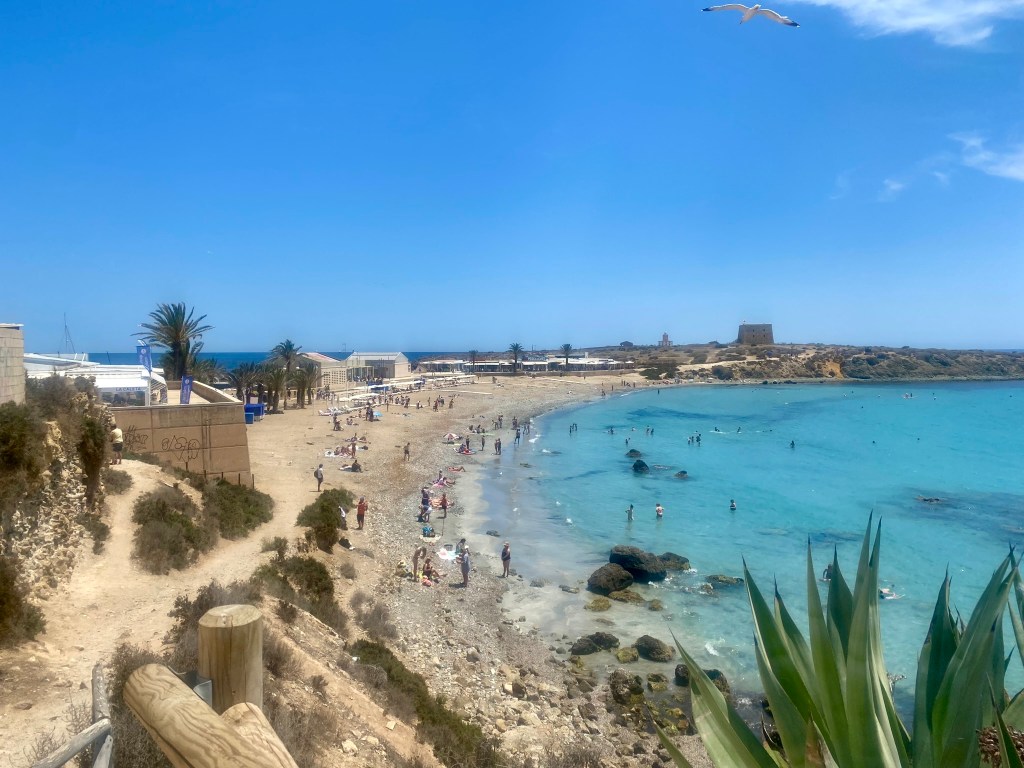
I make it a habit to visit the island of Tabarca every year in early June with friends and family. It is a very small island off the coast of the province of Alicante in Comunitat Valenciana. We sail there from the marina at Santa Pola, a city very close to the island of Tabarca. Tabarca is the only inhabited island belonging to the Comunitat Valenciana and to the municipality of Alicante. The island is less than two kilometres long and 400 metres at the widest point…
(Image Wikipedia)
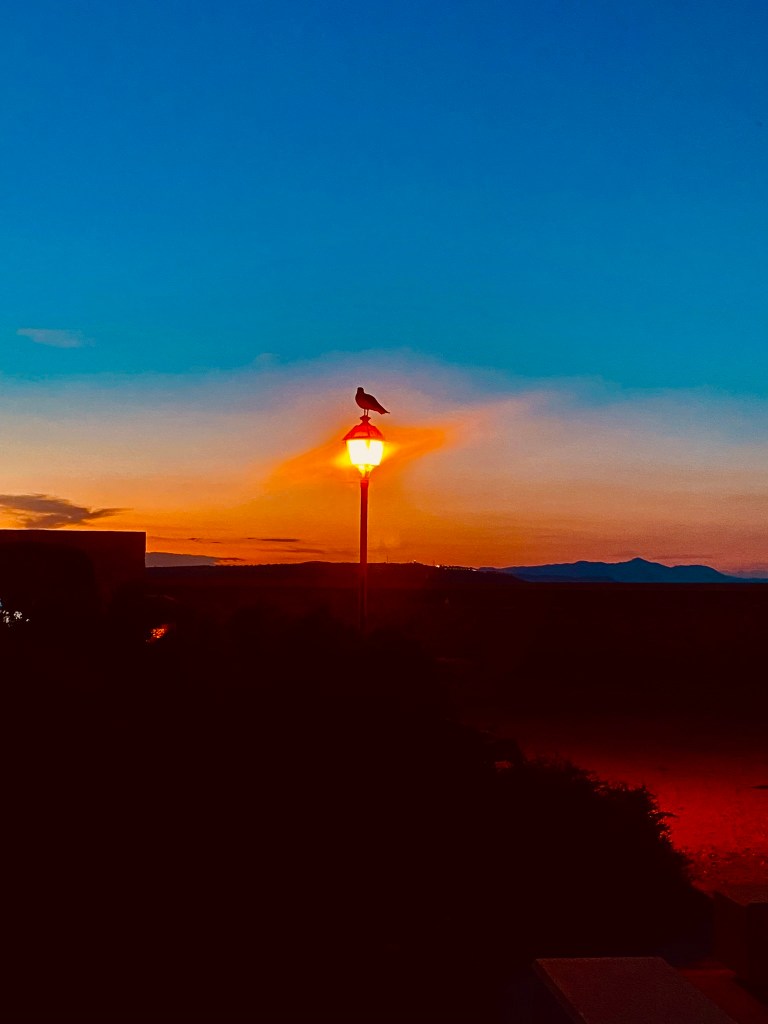
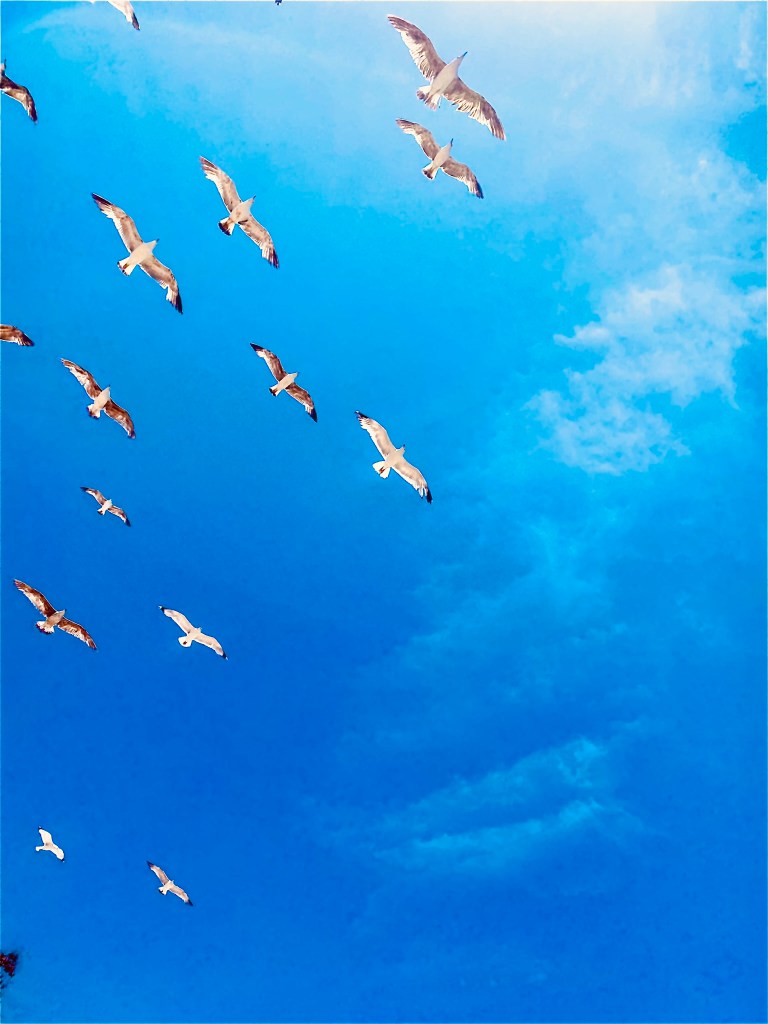
Here are some of the highlights and colours of Tabarca
(Photography by and property of Francisco Bravo Cabrera/All Rights Reserved)
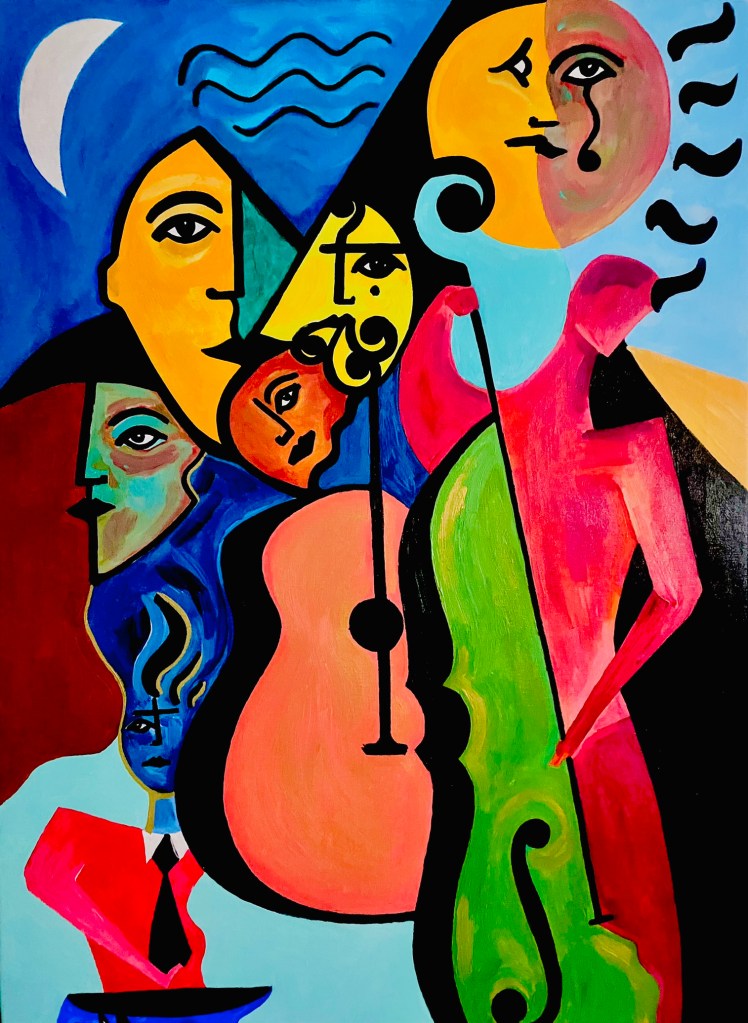
(«Vivat»/«Vivat»/de/by Francisco Bravo Cabrera/Derechos Reservados – All Rights Reserved)
SALUDOS,
SI ERES POETA, ESCRITOR O ERES ARTISTA Y QUIERES SER PROTAGONISTA DE LA SERIE POETAS & ESCRITORES DE VALENCIARTIST… solo tienes que responder a este post con tu correo electrónico y te mandaremos toda la información.
GREETINGS!
IF YOU ARE A POET, A WRITER OR ARE ENGAGED IN ANY OF THE ARTS AND WOULD LIKE TO BE FEATURED ON VALENCIARTIST’S POETS & WRITERS SERIES, just reply to this post with your email and your website link and we will reply with all the information.
VALENCIARTIST is proud to present the series POETS & WRITERS which will feature daily (except Thursdays) a poet, writer, or artist of any type, from our community and more so. If you would like to be a protagonist of our series all you have to do is reply to this post with your email and we will send you the information.
Today we feature a phenomenal human being and a most talented writer, Nigel Byng, who you can follow here: https://hytsdaily.com/ . According to his website Nigel describes himself as a dreamer, writer and gym enthusiast.
THE STORYTELLER
Nigel Byng states that… Writing brings the world to life. My soul, my experiences, my secrets, they all fuel the things I put on paper.
I am a freelance writer living in West Palm Beach, (Florida, US). I observe and write about nearly everything and everyone I encounter. I have learnt that if I look at the world carefully, and long enough, I see a reflection of myself in everything. After all, we are what we put into the world.
NIGEL’S INTERVIEW
Who are your major literary/artistic references?
Nobel Laureate V.S Naipaul’s Miguel Street was one of my earliest reads, and there are lines within those pages which I have never forgotten. Robert Ludlum, still remains my favourite. All of his works are entertaining, and captured my imagination as a child. As I got older, Noam Chomsky and the great thinkers of our age. And I can often be found reading Tolstoy. Biblical archaeology and history are also topics which fascinates me, so I can get lost for hours in a good history book.
What makes you a writer? What do you like to write about? What is your plan for the next five years?
The process of crafting a story is something that excites me. Storytelling is something that humanity has done from the beginning of time. I’m just following a pattern of behavior that is within all of us.
I am enamored with humanity. People, places, the world around me. Every soundbite, anything that stimulates my emotions, every encounter of my daily existence provides the nucleus of a story. So, writing about people and life, is perhaps what I love to write about most.
Within the next five years, I hope to have released several larger projects. The dream of being a published author has not faded with time. All of these goals are within touching distance, but time is quite scarce.
Do you write about your life, your feelings/emotions, yourself?
In nearly all of my stories, there are personal situations which I have tapped into. When I write poetry, however, I think it is my most vulnerable self being shared with the reader. Romantic poetry exposes the authentic Nigel, as I tend to write in the moment when my feelings are at their most heightened state of being. So, do I write about myself? I think that all writers unconsciously do this. My life has always been an open book, and my creative persona takes hold of the familiar and just runs with it.
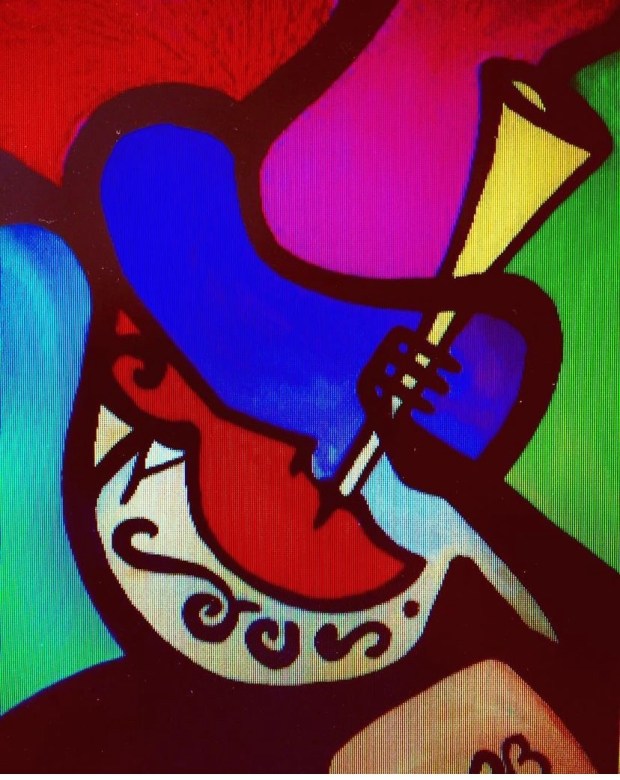
(«El trompetista»/«The Trumpet Player»/de/by Francisco Bravo Cabrera/Derechos Reservados – All Rights Reserved)
Saludos a todos vosotros, compañeros poetas, escritores, artistas, pensadores etcétera etcétera. Hoy damos debut y bienvenida a una interesantísima serie aquí en VALENCIARTIST titulada «Poetas & Escritores», pero en ella caben artistas de todos los géneros.
Día tras día vais a disfrutar del arte de algunos de nuestros favoritos escritores, poetas y artistas de las redes y de la vida fuera de ellas también. Sin censura ni cambios, publicaremos, en sus propias palabras, lo que sienten, porque escriben, y como guían y enfocan su arte y su carrera. Tambien vais a leer muestras de su obra literaria o artística y llegareis a conocerlos mejor. Hay que destacar aquellos que se adentran y buscan adelantar la cultura, sabiendo y reconociendo que la cultura es universal y no tiene fronteras.
Ya tenemos una lista de poetas y escritores interesados que van a participar, pero si tú, si, tú que me estas leyendo, quieres participar también, venga, hazlo que es muy simple. Contesta, a través de este post, y déjame tu correo electrónico. En cortos días te mandaremos un email con toda la información para que puedas participar.
Gracias. espero leer vuestros comentarios y solicitudes, pero sobre todo espero que disfrutéis de esta nueva serie.
+++ +++ +++++ +++ +++ +++++
Greetings to all of you, fellow poets, writers, artists, thinkers, and so on and so forth. Today we debut and welcome an incredibly interesting series here on VALENCIARTIST!
Day after day, you will enjoy the art of some of my favourite writers, poets, and artists from the networks and life outside of them as well. Without censorship or changes, we will publish, in their own words, what they feel, why they write, and how they guide and focus their art and career. You will also read/see samples of their literary or artistic work and get to know them better. It is important to highlight those who delve into and seek to advance culture, knowing and recognizing that culture is universal and knows no boundaries.
We already have a list of interested poets and writers who are going to participate. But if you, yes, you reading this, also want to participate, come on, do it because it’s very simple. Reply to this post and leave us your email address. In a few days, we will send you an email with all the information so you too can participate.
Thank you! I hope to read your comments and replies and more than anything I hope you’ll enjoy the series.
VALENCIARTIST is proud to present the series POETS & WRITERS which will feature daily (except Thursdays) a poet, writer, or artist of any type, from our community and more so. If you would like to be a protagonist of our series all you have to do is reply to this post with your email and we will send you the information.
Today we feature a phenomenal human being and a most talented writer, Nigel Byng, who you can follow here: https://hytsdaily.com/ . According to his website Nigel describes himself as a dreamer, writer and gym enthusiast.
THE STORYTELLER
Nigel Byng states that… Writing brings the world to life. My soul, my experiences, my secrets, they all fuel the things I put on paper.
I am a freelance writer living in West Palm Beach, (Florida, US). I observe and write about nearly everything and everyone I encounter. I have learnt that if I look at the world carefully, and long enough, I see a reflection of myself in everything. After all, we are what we put into the world.
NIGEL’S INTERVIEW
Who are your major literary/artistic references?
Nobel Laureate V.S Naipaul’s Miguel Street was one of my earliest reads, and there are lines within those pages which I have never forgotten. Robert Ludlum, still remains my favorite. All of his works are entertaining, and captured my imagination as a child. As I got older, Noam Chomsky and the great thinkers of our age. And I can often be found reading Tolstoy. Biblical archeology and history are also topics which fascinates me, so I can get lost for hours in a good history book.
What makes you a writer? What do you like to write about? What is your plan for the next five years?
The process of crafting a story is something that excites me. Storytelling is something that humanity has done from the beginning of time. I’m just following a pattern of behavior that is within all of us.
I am enamored with humanity. People, places, the world around me. Every soundbite, anything that stimulates my emotions, every encounter of my daily existence provides the nucleus of a story. So, writing about people and life, is perhaps what I love to write about most.
Within the next five years, I hope to have released several larger projects. The dream of being a published author has not faded with time. All of these goals are within touching distance, but time is quite scarce.
Do you write about your life, your feelings/emotions, yourself?
In nearly all of my stories, there are personal situations which I have tapped into. When I write poetry, however, I think it is my most vulnerable self being shared with the reader. Romantic poetry exposes the authentic Nigel, as I tend to write in the moment when my feelings are at their most heightened state of being. So, do I write about myself? I think that all writers unconsciously do this. My life has always been an open book, and my creative persona takes hold of the familiar and just runs with it.
(Fragmento de «Vivat»/Fragment of «Vivat»/de/by Francisco Bravo Cabrera/Derechos Reservados – All Rights Reserved)
SALUDOS,
SI ERES POETA, ESCRITOR O ERES ARTISTA Y QUIERES SER PROTAGONISTA DE LA SERIE POETAS & ESCRITORES DE VALENCIARTIST… solo tienes que responder a este post con tu correo electrónico y te mandaremos toda la información.
GREETINGS!
IF YOU ARE A POET, A WRITER OR ARE ENGAGED IN ANY OF THE ARTS AND WOULD LIKE TO BE FEATURED ON VALENCIARTIST’S POETS & WRITERS SERIES, just reply to this post with your email and your website link and we will reply with all the information.
VALENCIARTIST is proud to present the series POETS & WRITERS which will feature daily (except Thursdays) a poet, writer, or artist of any type, from our community and more so. If you would like to be a protagonist of our series all you have to do is reply to this post with your email and we will send you the information.
Today we feature a phenomenal human being and a most talented writer, Nigel Byng, who you can follow here: https://hytsdaily.com/ . According to his website Nigel describes himself as a dreamer, writer and gym enthusiast.
THE STORYTELLER
Nigel Byng states that… Writing brings the world to life. My soul, my experiences, my secrets, they all fuel the things I put on paper.
I am a freelance writer living in West Palm Beach, (Florida, US). I observe and write about nearly everything and everyone I encounter. I have learnt that if I look at the world carefully, and long enough, I see a reflection of myself in everything. After all, we are what we put into the world.
NIGEL’S INTERVIEW
Who are your major literary/artistic references?
Nobel Laureate V.S Naipaul’s Miguel Street was one of my earliest reads, and there are lines within those pages which I have never forgotten. Robert Ludlum, still remains my favorite. All of his works are entertaining, and captured my imagination as a child. As I got older, Noam Chomsky and the great thinkers of our age. And I can often be found reading Tolstoy. Biblical archeology and history are also topics which fascinates me, so I can get lost for hours in a good history book.
What makes you a writer? What do you like to write about? What is your plan for the next five years?
The process of crafting a story is something that excites me. Storytelling is something that humanity has done from the beginning of time. I’m just following a pattern of behavior that is within all of us.
I am enamored with humanity. People, places, the world around me. Every soundbite, anything that stimulates my emotions, every encounter of my daily existence provides the nucleus of a story. So, writing about people and life, is perhaps what I love to write about most.
Within the next five years, I hope to have released several larger projects. The dream of being a published author has not faded with time. All of these goals are within touching distance, but time is quite scarce.
Do you write about your life, your feelings/emotions, yourself?
In nearly all of my stories, there are personal situations which I have tapped into. When I write poetry, however, I think it is my most vulnerable self being shared with the reader. Romantic poetry exposes the authentic Nigel, as I tend to write in the moment when my feelings are at their most heightened state of being. So, do I write about myself? I think that all writers unconsciously do this. My life has always been an open book, and my creative persona takes hold of the familiar and just runs with it.
(Fragmento de «Vivat»/Fragment of «Vivat»/de/by Francisco Bravo Cabrera/Derechos Reservados – All Rights Reserved)
SALUDOS,
SI ERES POETA, ESCRITOR O ERES ARTISTA Y QUIERES SER PROTAGONISTA DE LA SERIE POETAS & ESCRITORES DE VALENCIARTIST… solo tienes que responder a este post con tu correo electrónico y te mandaremos toda la información.
GREETINGS!
IF YOU ARE A POET, A WRITER OR ARE ENGAGED IN ANY OF THE ARTS AND WOULD LIKE TO BE FEATURED ON VALENCIARTIST’S POETS & WRITERS SERIES, just reply to this post with your email and your website link and we will reply with all the information.
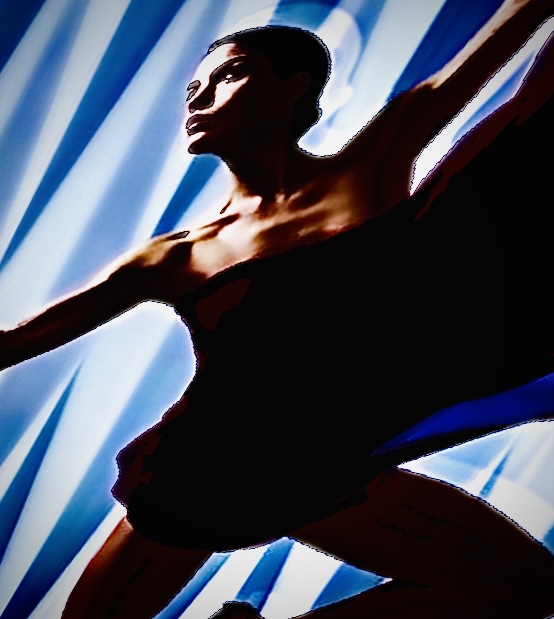
(«Bailarina 99″/Francisco Bravo Cabrera/Derechos Reservados/All Rights Reserved)
The rhythm is a heartbeat…
so starts the swing, so starts the movement, energy connected to the body, body connected to the eternal flow, flowing to be loved, to be touched, to be forever remembered…
Soul in soul, breath in breath, pounding and pounding, energy waves,
catalysing teardrops laced with grins and smiles and laughter, roller coaster going full speed down, the thrill is what I’m after…
movement to movement, whisper to whisper, cry to cry,
caressing the wind that caresses the skin and the warm trail of tears confuse themselves with the moisture of a kiss…
C. 2024, Francisco Bravo Cabrera – 28/05/2024 – Valencia, Spain
WHAT IS THE EURO-KU?
Simply put, it is a Haiku written by a European who loves Japanese poetry so he created something that would honour the style but that could be written by non-Japanese people with the same spirit.