Ya voy cambiando mi vestir, mi paso es lento ya al andar, ya no trasnocho como ayer, me siento solo aquí en el bar,
Ya van mis días menguando en paz, voy olvidando lo que fue, mi voz ya no vibra al cantar, mis ojos poco pueden ver,
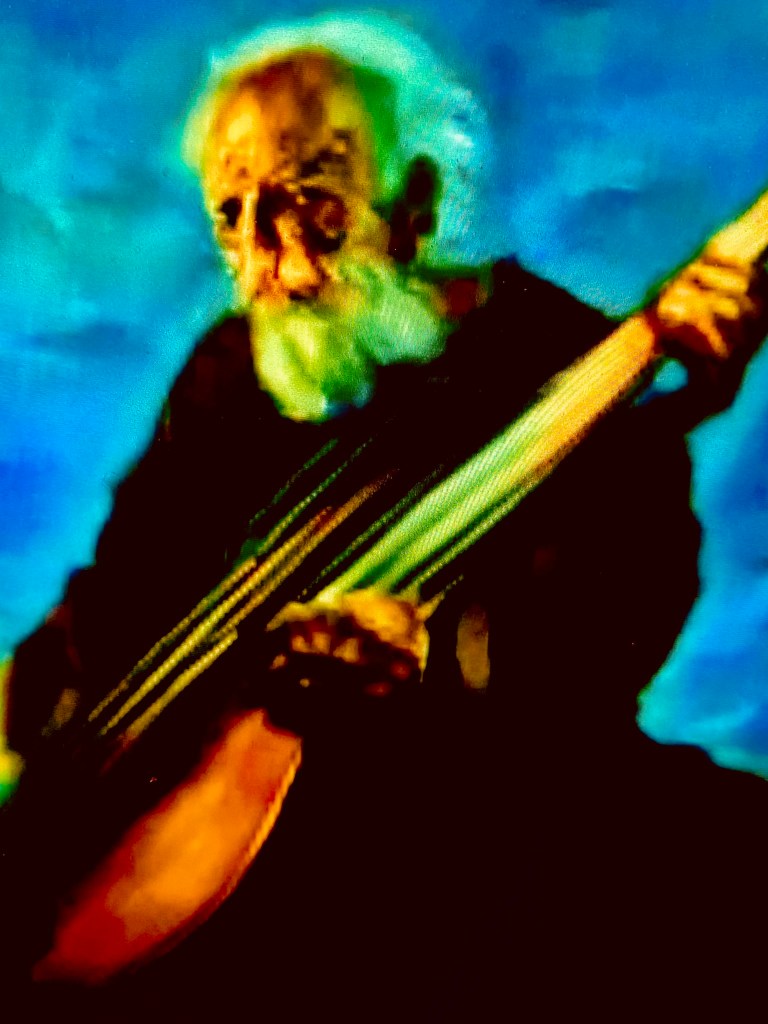
Me voy despacio, miro al espejo, me estoy poniendo viejo…
Me he acostumbrado a este sillón, en el salón con vista al mar, ya no navego como ayer, ya he dado lo que pude dar.
Voy dormitando al caminar, sueño con todo lo que ayer, me seducía con ambición, ya queda poco por hacer,
Me voy despacio, ya no voy lejos, me voy poniendo viejo…
Me cuido del invierno gris, y de la lluvia de mi hogar, prefiero olvidar lo que fui, prefiero no poder pensar.
Ya pocos conozco en el bar, ya hay otras caras, juventud, ya mis amigos ya no están, ya he dominado mi inquietud.
Me voy despacio, faltan reflejos, Me estoy poniendo viejo…
Me voy tranquilo a recostar, mis huesos contra la pared, viejos fantasmas conjurar, un vino calma ya mi sed,
Me voy hablando con mi cortejo, me voy poniendo viejo…
NOTA BENE
Quizá no lo aceptes tu, pero yo digo que la vejez es solitaria. No importa cuantos amigos, cuantos hijos, nietos, mujer o hermanos tengas a tu lado, vas a envejecer solo. No importa si vives con la familia, en una residencia o en tu piso, como siempre, envejecerás solo y en silencio. Tus años irán aumentando y así tu soledad. Mientras más viejo te pongas más pensarás en el pasado y más detalles del mismo olvidaras, o quieras olvidar. Como la vejez, esas cosas no se pueden evitar. Acostúmbrate, vetusto soñador, a todo esto. Y una cosa más te digo, no te asustes de los fantasmas que, al caer la noche, se acomodan en las butacas de tu salón. Son tus viejos amigos son los únicos que te harán compañía. Quizá en esas noches no te sentirás tan solo.
Francisco Bravo Cabrera – 03 de julio de 2024 – Valencia, España
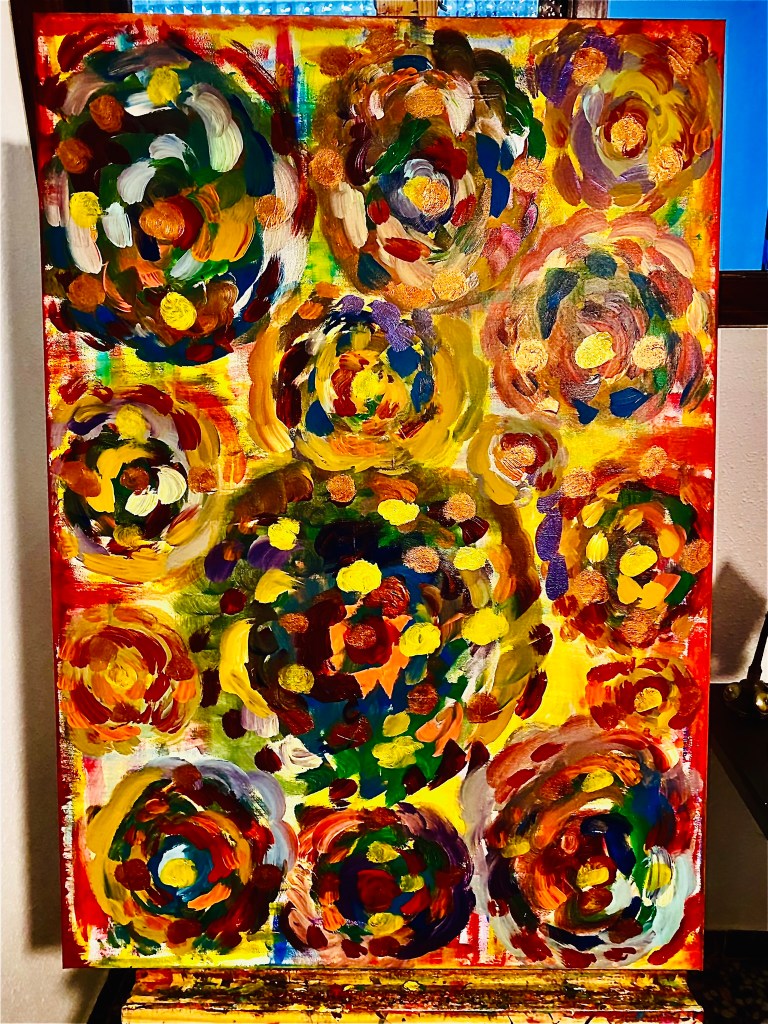
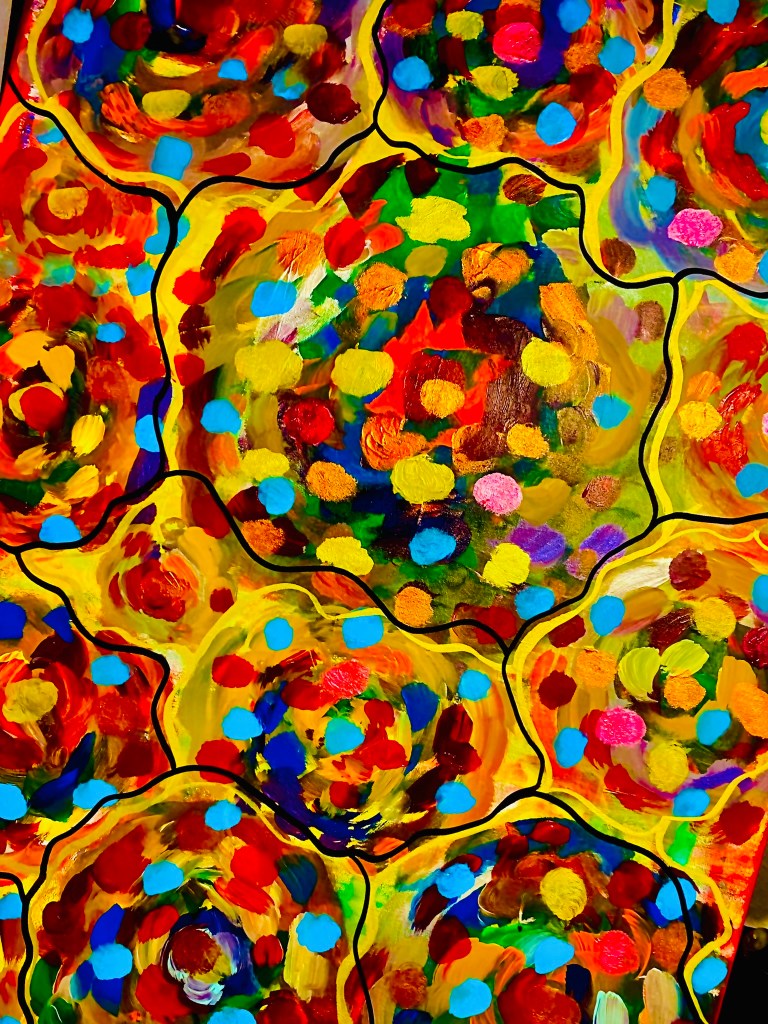
(«Flors No.2» Francisco Bravo Cabrera/All Rights Reserved)
JaZzArT enters another phase, this time exploring another of the art vanguards of the XXth Century, abstract expressionism. Having already delved into surrealism and expressionism (properly speaking) now engages the «search» in this new style. But here I have found a path full of ideas, philosophy, psychology and ample room for advanced creativity. A genuine treasure trove of artistic ideas…
Abstract expressionism developed early in the 20th century, but it did not gain momentum until the late 1940s. Its main proponent was Jackson Pollock, along with Lee Krasner, his wife, and others. The movement is definitely part of abstract art, informalism (meaning abstract expressionism in Europe), and matterism (the same in France). All these styles emerged in Europe after the Second World War. The term was first used in Germany in 1919 in an article published in the magazine Der Sturm about German expressionism. Ten years later (1929), Alfred Barr, the first director of the MoMA Museum of Modern Art in New York, referred to Wassily Kandinsky’s works as abstract expressionism.
Features of the movement, sometimes known as the New York School: Large sizes; although they are abstract, that is, without figuration, there are exceptions and many contain traces of figuration; the canvases contain a lot of geometry; the coverage of the entire surface of the canvas (all over) without hierarchy between the different parts of the canvas; chromaticism, often limited to black and white but many are also done with primary colours; one can also find canvases with a single color (minimalism); the strokes of color are violently made, representing anguish and emotions.
+++++
I was always confused because abstraction is, well, abstract art. And for expressionism to make visual and visceral sense, it has to have figuration. So I wondered, if it’s an abstract painting, how can it also be expressionist? Why not just call it abstract art and be done with it?
Since I couldn’t make heads or tails of it, I did what I should have done from the beginning, paint one. When I painted my first abstract expressionist canvas, I searched for the difference and I found it; I learned. The revelation is that the difference between painting an abstract (properly speaking) and painting an expressionist abstraction is experienced and discovered while painting it.
Pure abstraction is relatively passive, while abstract expressionism is active and requires much more physical involvement from the painter. Even when making strokes of color, creating geometric shapes, and other purely abstract aspects on the canvas, you are filling it with emotion, movement, and action. In addition, hints of figuration are allowed, and this already changes the whole panorama and clearly shows the difference between pure abstraction and abstract expressionism.
«Here, in its three stages of development, is my first painting of the genre:»
«Flors«
(«Flors»/Three stages of development/Francisco Bravo Cabrera/All Rights Reserved)
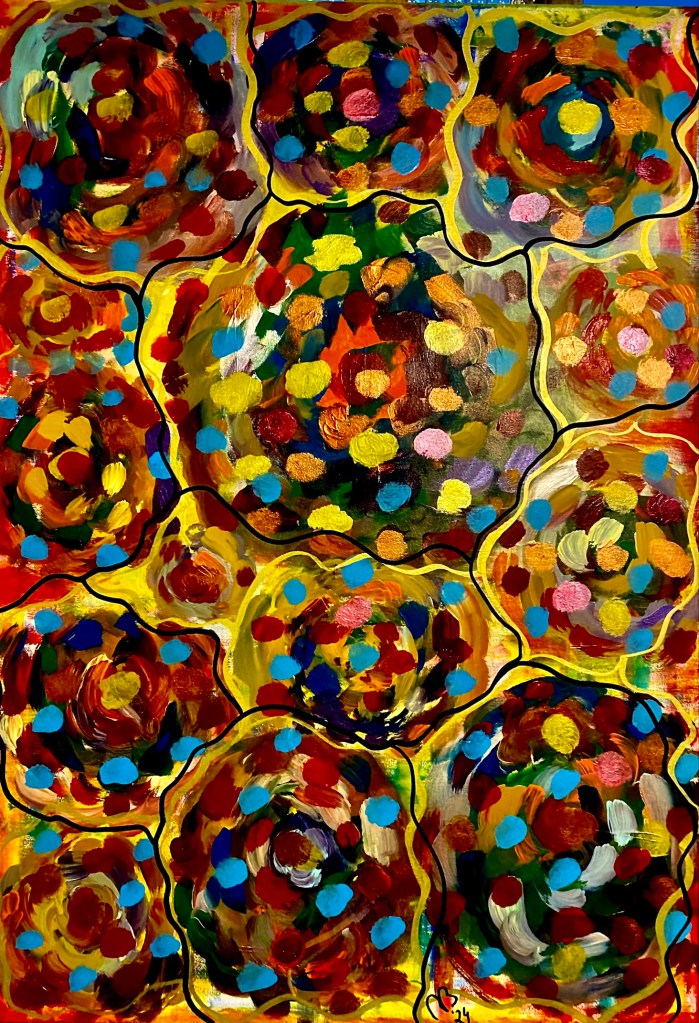
(«Flors No.2″/Francisco Bravo Cabrera/Derechos Reservados/«Flors No.2″/Francisco Bravo Cabrera/All Rights Reserved)
El JaZzArT entra en otra de las vanguardias del siglo pasado, el expresionismo abstracto. Ya había incursionado en el surrealismo y en el expresionismo (propiamente dicho) y ahora en esta nueva etapa, en este nuevo estilo, he encontrado un camino colmado de ideas, filosofía y creatividad, tela marinera para crear…
El expresionismo abstracto se desarrollo temprano en el Siglo 20, pero no cogió auge hasta fines de la década de los años 1940. Su mayor proponente fue Jackson Pollock y Lee Krasner, su mujer, entre otros. Definitivamente el movimiento forma parte de la abstracción, las tendencias informalistas (o sea el expresionismo abstracto en Europa) y en las pinturas matéricas. Todos estos estilos surgieron en Europa después de la Segunda Guerra Mundial. El término se utilizo, por primera vez, en Alemania en 1919 en un articulo publicado en la revista Der Sturm acerca del expresionismo alemán. Diez años después, (1929), Alfred Barr, (el primer director del MoMA Museo de arte moderna de Nueva York), le llamo expresionismo abstracto a las obras de Wassily Kandinsky.
Características del movimiento, conocido como la Escuela de Nueva York: Grandes tamaños; aunque son abstractos, o sea sin figuración, hay excepciones y en muchos hay trazos de figuración; las telas contienen mucha geometría; la cobertura de toda la superficie de la tela (all over) sin jerarquía entre las distintas partes del lienzo; el cromatismo es a veces limitado al blanco y el negro pero también se usan colores primarios; pueden encontrarse telas con un solo color (minimalismo); los trazos de color se pintan violentamente (action painting) representando la angustia, la alegría, en fin, las emociones.
+++++
A mi siempre me confundió el termino porque la abstracción es, bueno, la abstracción y el expresionismo, para que tenga sentido visual y visceral, tiene que tener figuración. Entonces yo me preguntaba, ¿Si es un cuadro abstracto, como va ser también expresionista? ¿Por qué no se le llama abstracción y basta?
Como no le encontraba pies ni cabeza, hice lo que tenía que haber hecho desde el principio, pintar uno. Al pintar mi primer lienzo expresionista abstracto me di cuenta de la diferencia. Aprendí. La gran diferencia entre pintar una abstracción (propiamente dicha) y pintar una abstracción expresionista se vive, y solo se descubre al pintarlo.
La abstracción pura es relativamente pasiva, mientras que el expresionismo abstracto es activo y requiere mucha más participación física por parte del pintor. Pues aún haciendo trazos de colores, creando formas geométricas y otros aspectos puramente abstractos sobre la tela, la estás llenando de emoción, de movimiento, de acción. Además se permiten rasgos de figuración y esto ya hace que cambie todo el panorama y se vea, claramente, la diferencia entre la abstracción pura y el expresionismo abstracto.
Aqui, en sus tres etapas de desarrollo, mi primer cuadro del genero:
«Flors«
(«Flors» en sus tres etapas de desarrollo/Francisco Bravo Cabrera/Derechos Reservados)
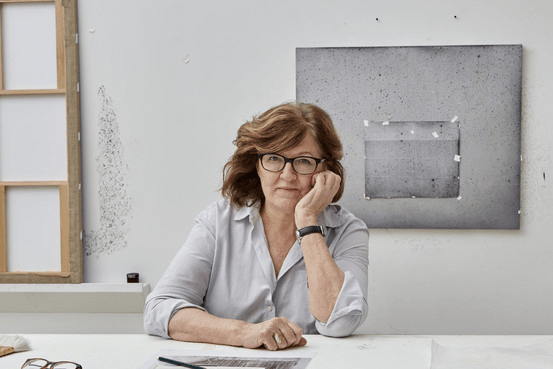
Nació en Riga, Letonia en 1938, esta artista letona-americana vive y trabaja en Nueva York. Se le conoce por sus paisajes ultra-realistas (foto-realismo) de ciertos aspectos de la naturaleza, como el océano, las telarañas, las noches estrelladas y otras cosas parecidas. Ha tenido mas de cuarenta exposiciones importantísimas en lugares como el MoMA (Museo de Arte Moderna), Whitney Museum of American Art, Los Angeles County Museum of Art, San Francisco Museum of Art, Institute of Contemporary Arts of London and Centre Pompidou of Paris.
Durante la década de los 1960 vivió en California donde, bajo la influencia de artistas como Jasper Johns y Malcolm Morley, comenzó a pintar cuadros foto-realistas, monocromáticos y todos reproducidos de fotografías. Luego, en la década de los 1970 abandonó la pintura y se dedicó a hacer dibujos al carboncillo y grafito, igual, foto-realistas. Durante estos años dijo estar influenciada por la obra del italiano Giorgio Morandi.
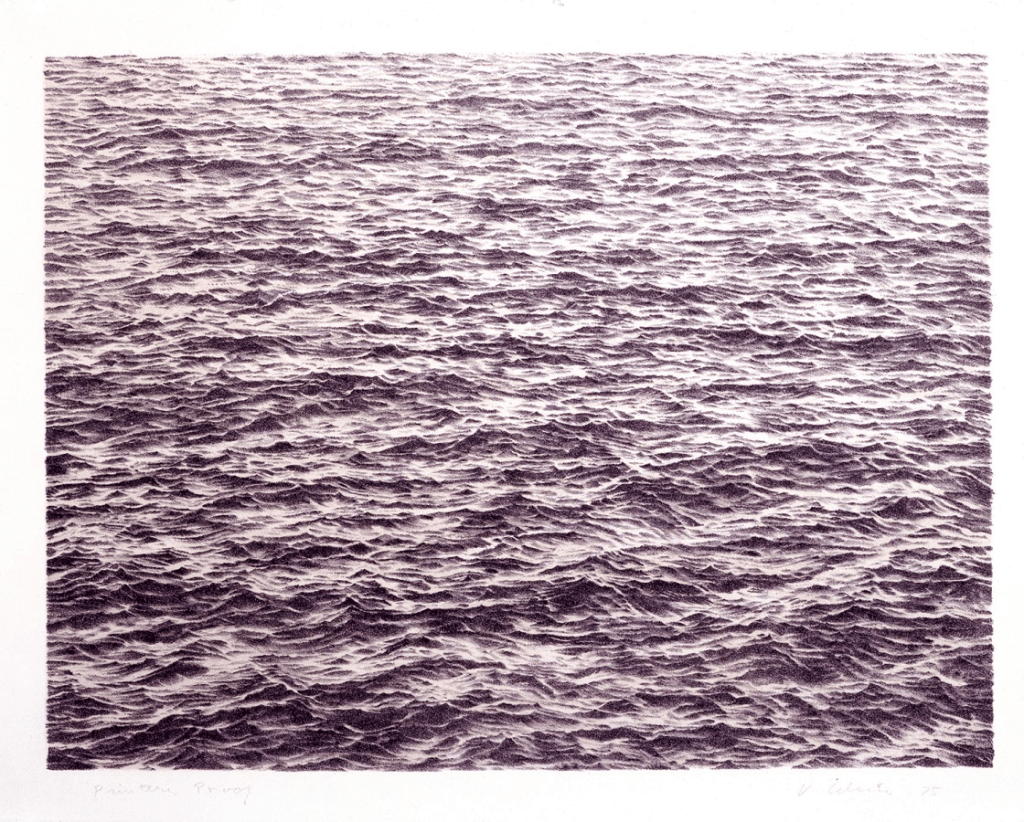
Su trabajo pictórico cambió después de la década de 1980 cuando empezó a hacer obras al oleo y carboncillo de las constelaciones, las estrellas, las olas del mar y telarañas a las cuales se les nota una superficie de gran luminosidad. Todas basadas, según ella misma, en fotografías. En 2008 expuso, en la galería McKee Gallery (Nueva York, que cerró en 2015), las series de laminas que hizo de sus paisajes marinos, incluyendo las olas del mar, y sus famosas telarañas, también, por supuesto, las estrellas.
Vija Celmins vive, desde 1981, en Manhattan donde tiene su piso en la Calle Crosby de Soho y trabaja en su atelier en Sag Harbor (Long Island, Nueva York). Durante la década de los 1980 fue profesora de arte en Yale University School of Art y en Cooper Union. A Vija Celmins la representa la Matthew Marks Gallery de Nueva York.
+++
She was born in Riga, Latvia in 1938. This Latvian-American artist lives and works in New York. She is known for her ultra-realistic landscapes (photorealism) of certain aspects of nature, such as the ocean, spiderwebs, starry nights, and other similar things. She has had over forty major exhibitions in places like the MoMA (Museum of Modern Art), Whitney Museum of American Art, Los Angeles County Museum of Art, San Francisco Museum of Art, Institute of Contemporary Arts of London, and Centre Pompidou of Paris.
During the 1960s, she lived in California where, under the influence of artists like Jasper Johns and Malcolm Morley, she began painting photo-realistic, monochromatic pictures all reproduced from photographs. Then, in the 1970s, Celmins abandoned painting and dedicated herself to creating charcoal and graphite drawings, still in the photo-realistic style. During these years, she claimed to be influenced by the work of Italian artist Giorgio Morandi.
Her pictorial work changed after the 1980s when she began to create oil and charcoal paintings of constellations, stars, ocean waves, and spiderwebs with a luminous surface. All based, according to herself, on photographs. In 2008, she exhibited, at the McKee Gallery in New York (which closed in 2015), a series of prints she made of her seascapes, including ocean waves, her famous spiderwebs, and of course, the stars.
Vija Celmins has been living in Manhattan since 1981, where she has her apartment on Crosby Street in Soho and works in her studio in Sag Harbor (Long Island, New York). During the 1980s, she was an art professor at Yale University School of Art and at The Cooper Union. Vija Celmins is represented by the Matthew Marks Gallery in New York.
Como de costumbre, destacando a mujeres artistas que a mi no me presentaron en la facultad y debieron de haberlo hecho. Tantas mujeres artistas que han contribuido, y mucho, a la historia del arte y han sido pintoras importantes y famosas (en ciertos circulos), no pueden quedarse en el olvido.
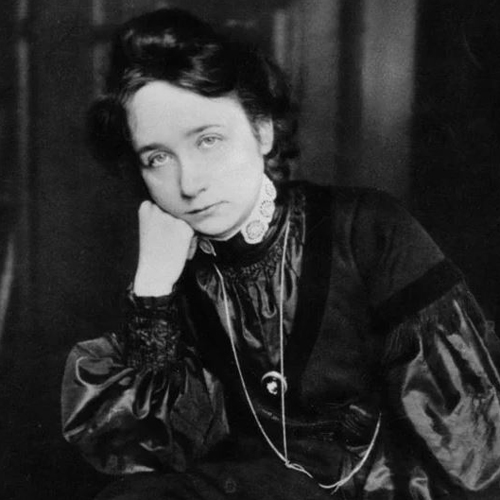
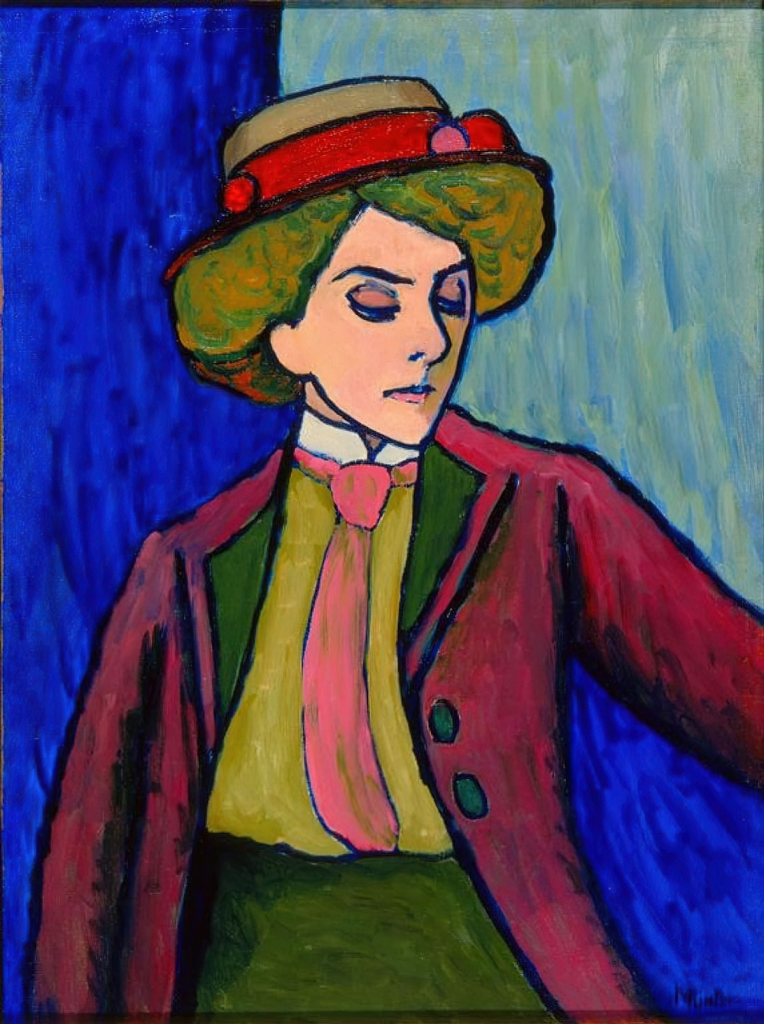
Hoy os hablo de Gabriele Münter, la que fue, entre unas pocas féminas, importante en el desarrollo del expresionismo alemán. Pero quizá la quieran meter en la historia solo por haber sido la amante de Wassily Kandinsky. Participó en muchos de los movimientos artísticos de Munich y también en el grupo Der Blaue Reiter (El jinete azul).
Gabriele nació en Berlin en 1877 y a los 20 años comenzó a dar clases de arte en Dusseldorf. Se trasladó a Munich en 1901 y cuando intentó ingresar en la Academia de Bellas Artes de Múnich se encontró con la realidad de que no admitían mujeres. Pero entonces, aburrida de las escuelitas para mujeres, buscó su camino, y su futuro, en el grupo y escuela de Kandinsky, Phalanx.
Münter creo su propio lenguaje en el arte. No unía los colores, si no que los iba separando con…el poder de…la linea negra. Fue miembro fundadora de la Neue Künstlervereinigung München (La Nueva Unión de Artistas de Múnich), grupo que había iniciado Kandinsky y que incluía a los mas importantes artistas del Der Blaue Reiter.
Como siempre os digo, hay mas, mucho, mucho mas, así que tenéis tela marinera. Gabriele Münter murió en 1962.
+++
As usual, I am highlighting women artists who were not introduced to me at university and should have been. So many women artists who have contributed significantly to art history and have been important and famous painters (in certain circles) cannot be forgotten.
Today I’m talking about Gabriele Münter, who was, among a few other women, important in the development of German expressionism. But maybe some want to put her in history just for having been the lover of Wassily Kandinsky. She participated in many of the artistic movements in Munich and also in the Der Blaue Reiter (The Blue Rider) group.
«Münter created her own language in art and an interesting style. She didn’t blend the colours, but rather separated them with…the power of…the black line. She was a founding member of the Neue Künstlervereinigung München (The New Association of Artists in Munich), a group that had been initiated by Kandinsky and included the most important artists of the Der Blaue Reiter.«
Like I always say, there is more, much, much more, so I leave you to your research!Gabriele Münter died in 1962.
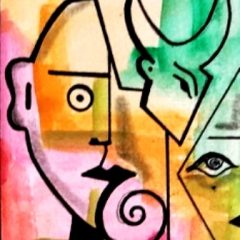
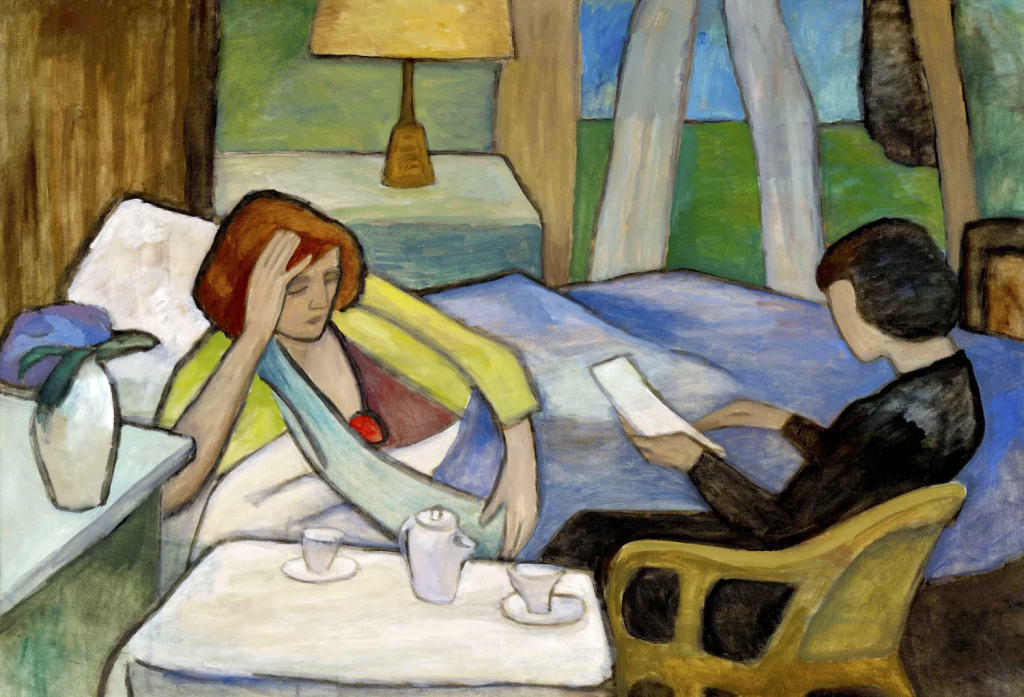
(Original artwork by Francisco Bravo Cabrera/All Rights Reserved)
Time, for most people, is something that is measured by a clock; the days by a calendar; the weeks by the comings and goings to work; and the years by the greying of their hair. Time has become our boss, observed, respected, and completely indispensable…even if it is implacable…for everything depends on it. We assert that we live only because we have, or rather, because time has passed by and through and we have had a life. Furthermore, we are convinced that time moves in a straight line, always forward, towards what we call the future, and that what is left behind, the past, no longer exists.
But what if I told you that all of that is malarkey? What would you think if I told you that time does not exist? Did you know that the concept of time that we have is wrong, corrupted, and misunderstood? Oh, you didn’t know? Well, I’m going to tell you. Pay close attention to the following example.
A few years ago, I had a repeating dream. Every night I would dream the same thing, but each time the dream became longer and with more and more details. This was the dream that started it all.
The first night I saw myself as a boy of about seven years old, and my mother entrusted me to the captain of a ship with huge sails. We crossed the ocean and arrived at a port where people, who looked very different from those I was accustomed to seeing, were waiting for us. They took me gently by the hand and led me to a great city. And so ended the first dream, but as I have said, every night I dreamed the same thing again, with more details, until finally I dreamed the whole story.
Finally I realised that the story that was being shown to me in these dreams was a revelation. This is the complete dream with its interpretation: I was a child from an Egyptian family born in Israel during the reign of its fifth king, Zimri, (885 B.C.). My mother was the High Priestess of a temple dedicated to Isis located at the top of Mount Hermon, in the Golan Heights in the northern part of the Kingdom of Israel. One day a ship arrived and my mother, after a long conversation with the captain… I don’t know what they talked about… took me to the pier and told me that I would find my destiny in far away shores. She said the ship would take me there and that I would grow strong and wise and there my wisdom would be useful, and where my power would flourish.
The ship transported me to the shores of the Mayan empire, in what is now Yucatán (Mexico). I was taken to the city of Uxmal, to an altar inside a small temple located at the top of a pyramid of polished stones that shimmered in the light of the intense tropical sun of those lands. There, I was shown about the extent of the great empire, which I was to rule one day.
That was the story revealed to me in dreams as interpreted by a Peruvian shaman I knew. He said that I was the reincarnation of the wise foreign white man who had lived among the Maya. That I would first rule with strength as a great general who won great battles, conquered the enemies of the Maya, and subjugated the northern tribes, most likely the Toltecs or Aztecs. Later, I would rule with wisdom and achieved peace, along with friendship treaties and coexistence with former enemies. This led to the establishment of trade routes, which allowed both empires to prosper and grow. Peace allowed for the growth of artistic projects, scientific discoveries, and the development of mathematics, astrology, and architecture. In short, everything recognized today as the great achievements of the Maya, the Toltec and the Aztec.
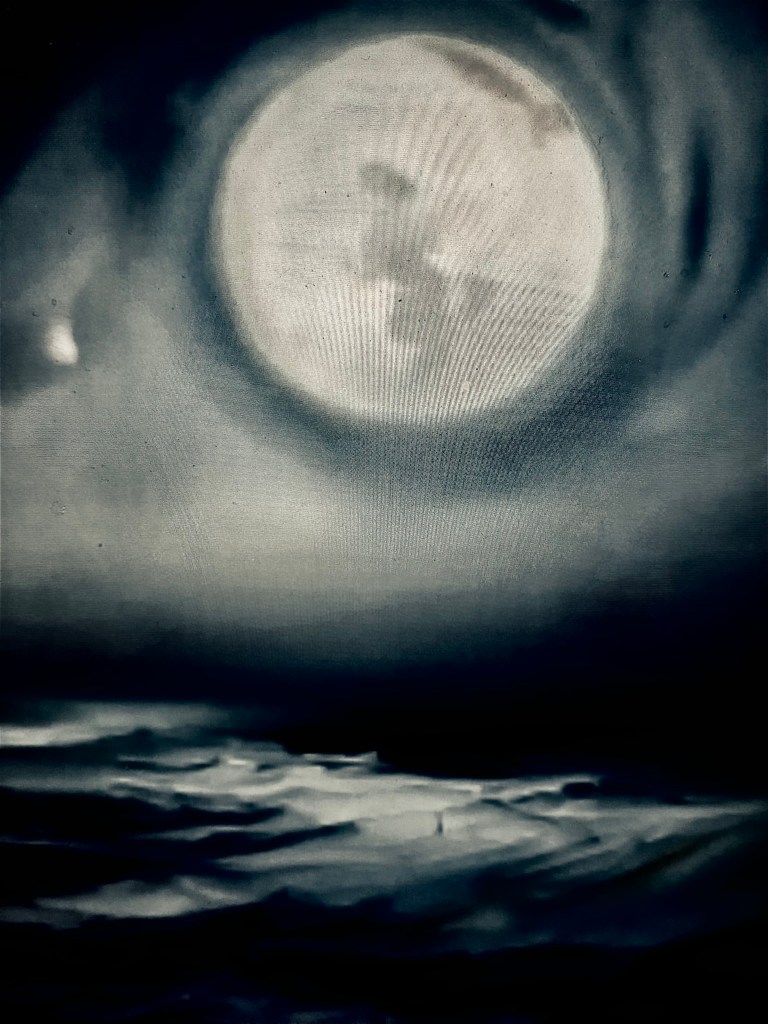
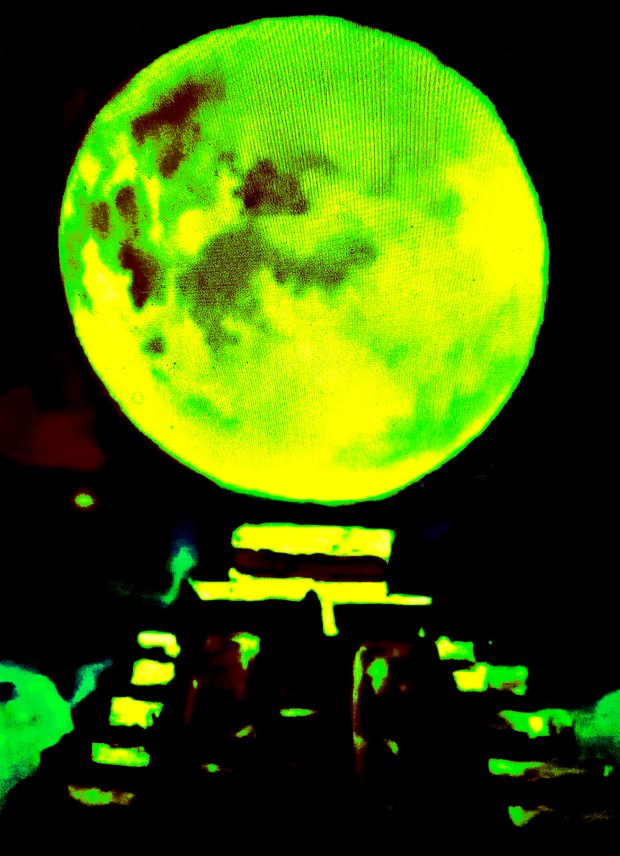
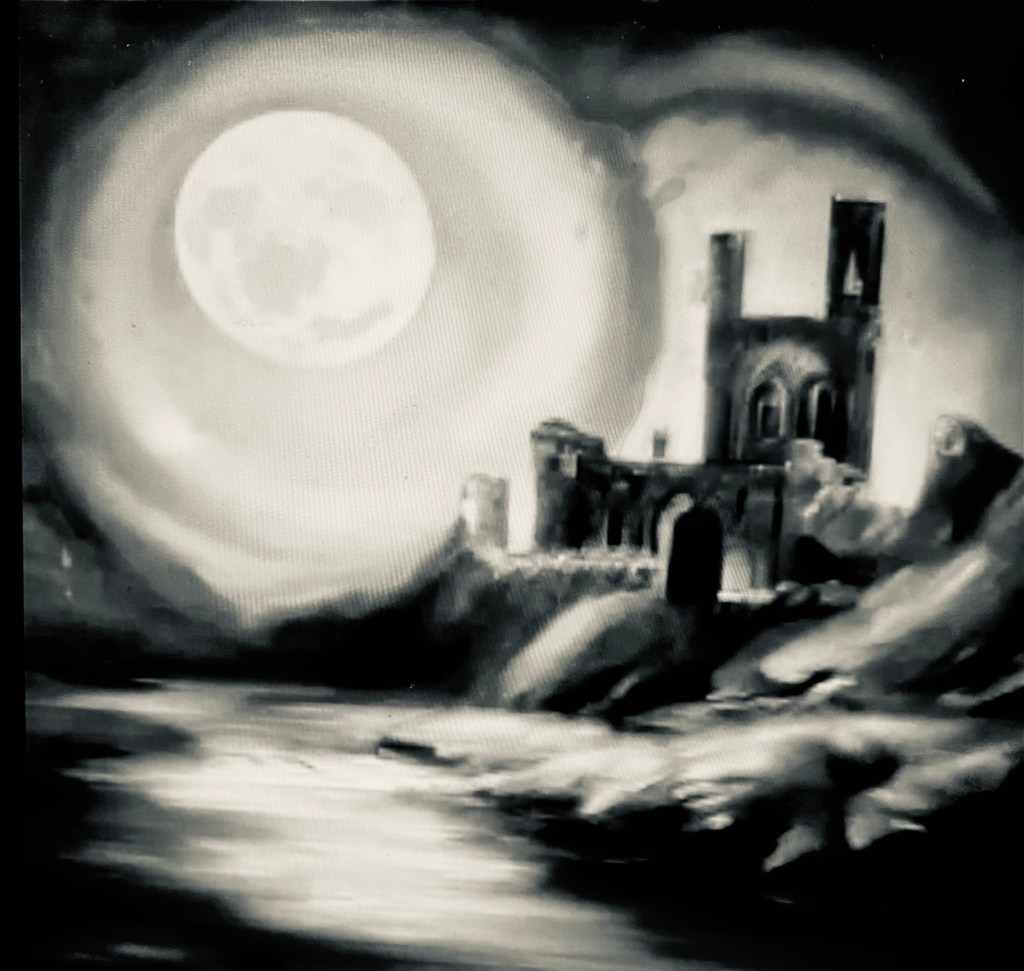
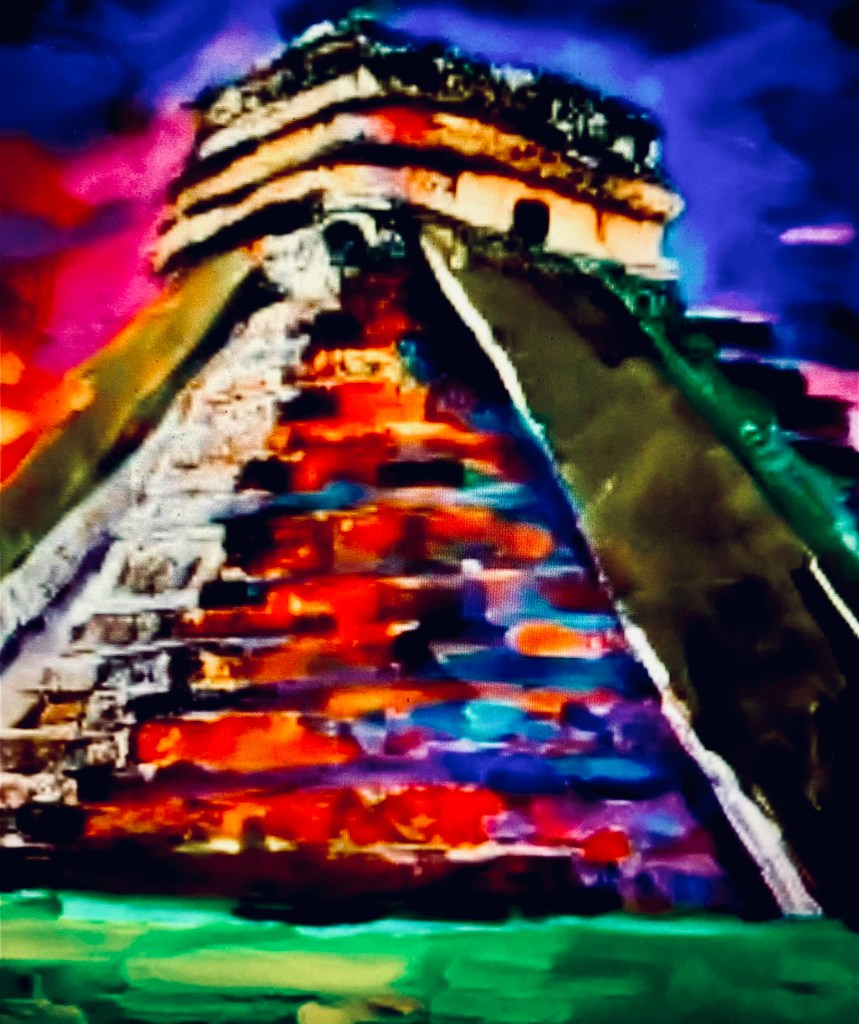
Years later I decided, not because of the dream but for other reasons, to go to the city of Mérida, Yucatán. I had the opportunity to visit the historic Mayan archaeological complex called Chichén Itzá, and also Uxmal. Upon entering Chichén Itzá, the first thing one sees is the great step pyramid that dominates the entire complex with its enormity. I immediately felt something strange. Although we arrived early in the morning, my eyes saw everything in darkness and in the light of a faintly waning moon. The monuments were gray or black and covered by ivy and by the vegetation of a jungle that threatened to engulf and hide them so that they would never see the sun.
But there was neither ivy nor jungle. The complex was very well-maintained and very clean. Thank God that in a few short seconds that image dissipated and I could clearly see how things were. But that wasn’t the only strange thing that happened to me there. After touring the complex, my friends and I arrived at an area that had been cordoned off so that visitors could not enter. I asked the guide why we couldn’t enter, as I wanted to see the cave where they had excavated and discovered an altar and many wonderful gold and silver artefacts.
The guide, very surprised by what I had just said, asked me if I had already been there when they excavated the hidden temple. At that moment, I realized what I had told him and I was left speechless.
«Is that what’s behind the wall?»
«Yes Sir!»
With those two words the guide confirmed that yes, archaeologists had discovered a hidden temple beneath that same stone wall. He demanded to be told how I knew. But I don’t know how I knew that. The words came out of me as if someone else were saying them.
Upon returning to Spain, I went and told the shaman who had interpreted my dream what had happened to me. He explained that time does not pass for souls, that we reincarnate, and that sometimes, when certain conditions come together, the universe reveals the truth to us and we remember portions of other lives. He made me see that time passes, but not like trains that pass us by moving forward and forward until they reach the city of their destination. For us, time passes in circles that spin into the void of space but sometimes these circles, or bubbles of time, collide with each other, and the spiritual energy they release allows us to see images of other lives, as if they were scenes from a movie, and other things we have never imagined.
(Original artwork by Francisco Bravo Cabrera/All Rights Reserved)
«There are more things in heaven and earth, Horatio, than are dreamt of in your philosophy.»



 JaZzArt en València