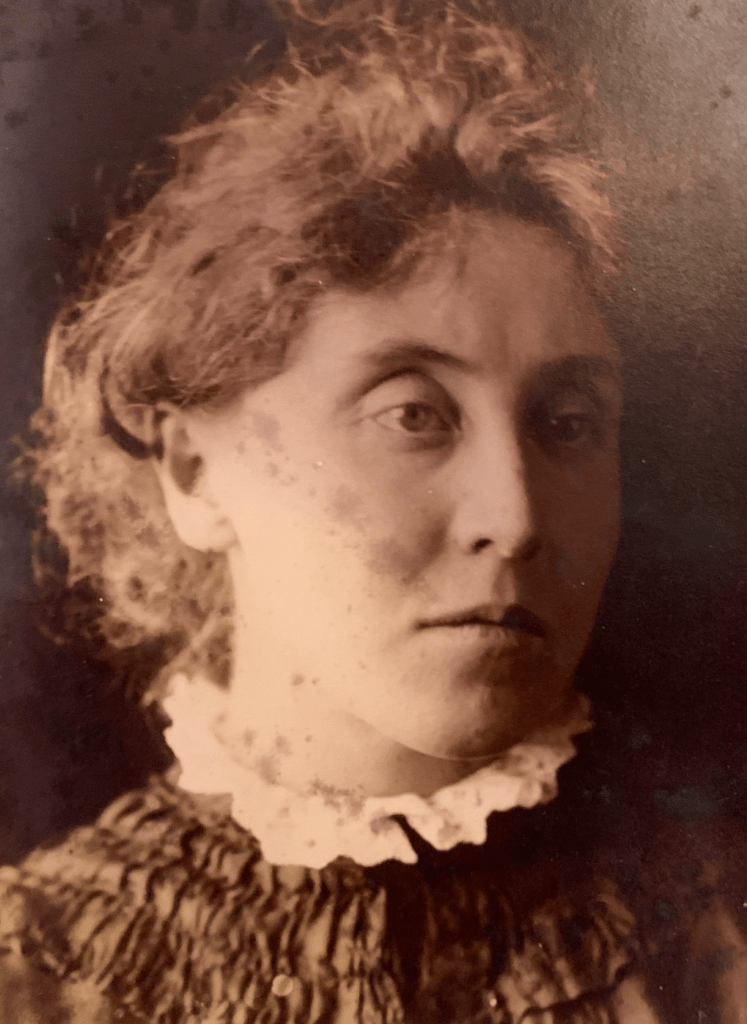
#art, Evelyn De Morgan – Women Artists Series (Eng/Esp)

(Image: demorgan.org.uk)

This wonderful painter was born Mary Evelyn Pickering in London in 1855… When she married William De Morgan (English novelist and ceramist) in 1883 she became Evelyn De Morgan… as a painter she is associated with the Pre-Raphaelite Movement and her paintings show different styles such as aestheticism and symbolism. In many of her paintings she portrays the female body as something spiritual, mythological and allegorical. Some scholars have found her work to contain a sort of a spiritualist/feminist content… And of course, like all artists she studied art. In 1872 Evelyn attended the South Kensington National Art Training School, which is today the Royal College of Art. In 1873 moved to the Slade School of Art, where she won the prestigious Slade Scholarship as well as the Silver Medal for Painting from the Antique; First Certificate for Drawing from the Antique; and Third Equal Certificate for Composition… Evelyn De Morgan began exhibiting in 1876 and continued to exhibit until 1907. She was the sole artist, as in a one-woman show at Wolverhampton Municipal Art Gallery and Museum. Twenty five of her paintings were exhibited. However, after 1907 she practically stopped exhibiting. Perhaps she did not need the money any more as her husband’s first novel became very successful. We should all be aware that artists work for money and once the financial situation is resolved, there really is not much of a need to work. After all, being an artist is a job… Evelyn De Morgan died in London in 1919.

+++

Esta maravillosa pintora, Mary Evelyn Pickering, nació en Londres en 1855… Cuando se casó con William De Morgan (novelista y ceramista inglés) en 1883, se convirtió en Evelyn De Morgan… como pintora, está asociada con el Movimiento Prerrafaelista. Sus pinturas muestran diferentes estilos como el esteticismo y el simbolismo. En muchas de sus obras retrata el cuerpo femenino como algo espiritual, mitológico y alegórico. Algunos académicos han encontrado que su trabajo contiene una especie de contenido espiritualista/feminista… Y, por supuesto, como todos los artistas, estudió arte. En 1872, Evelyn asistió a la Escuela Nacional de Formación Artística de South Kensington, que hoy en día es el Royal College of Art. En 1873 se trasladó a la Slade School of Art, donde ganó la prestigiosa Beca Slade, así como la Medalla de Plata por Pintura del Antiguo; el Primer Certificado por Dibujo del Antiguo; y el Tercer Certificado Igual por Composición… Evelyn De Morgan comenzó a exhibir en 1876 y continuó exponiendo hasta 1907. Fue la única artista, en una exposición individual en la Galería Municipal de Arte y Museo de Wolverhampton. Veinticinco de sus pinturas fueron exhibidas. Sin embargo, después de 1907 prácticamente dejó de exhibir. Quizás ya no necesitaba el dinero, ya que la primera novela de su esposo se volvió muy exitosa. Todos deberíamos ser conscientes de que los artistas trabajan por dinero y, una vez que la situación financiera la resuelven, realmente encuentran mucha necesidad de trabajar. Después de todo, ser artista es un trabajo… Evelyn De Morgan murió en Londres en 1919.

+++++
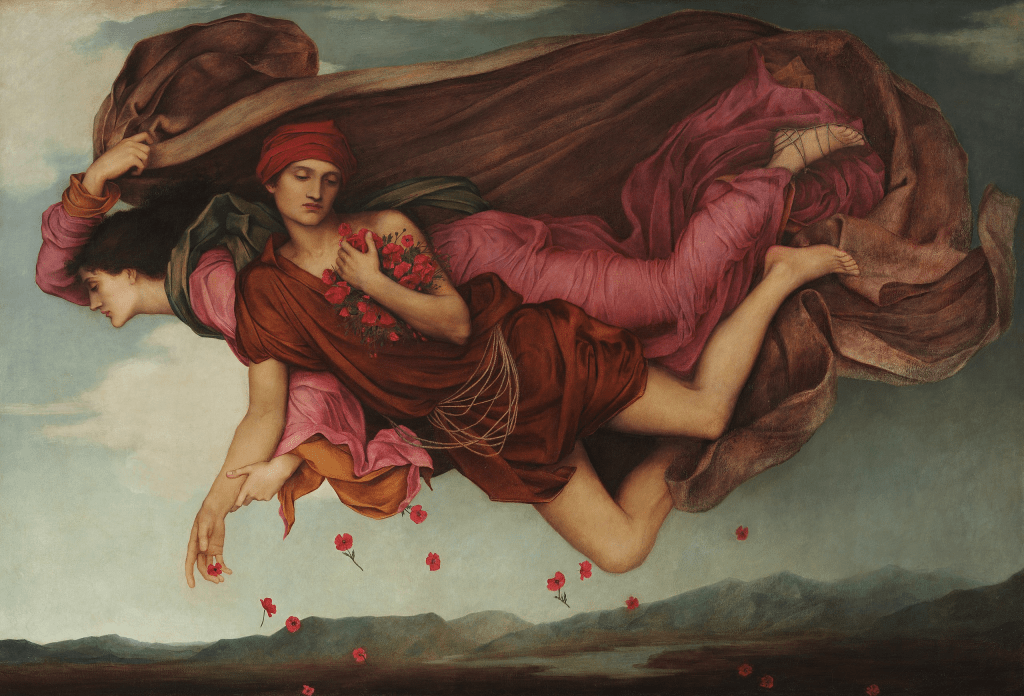
(«Night and Sleep» 1878/Public Domain/Wikimedia Commons)
(«The Love Potion» 1903/Public Domain/Wikimedia Commons)
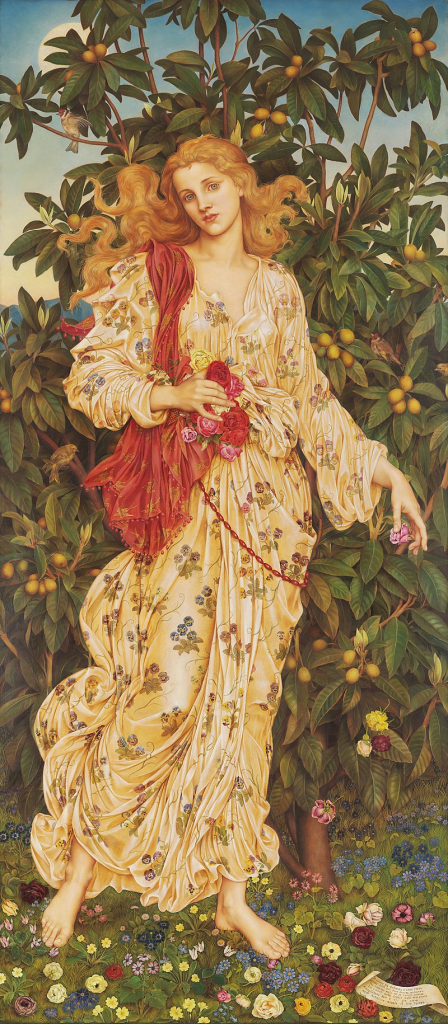
(«Flora» 1874/Public Domain/Wikimedia Commons)

GRACIAS – CHEERS

#photography, Martine Franck in Women Artists Series – Martine Franck en Serie de mujeres artistas

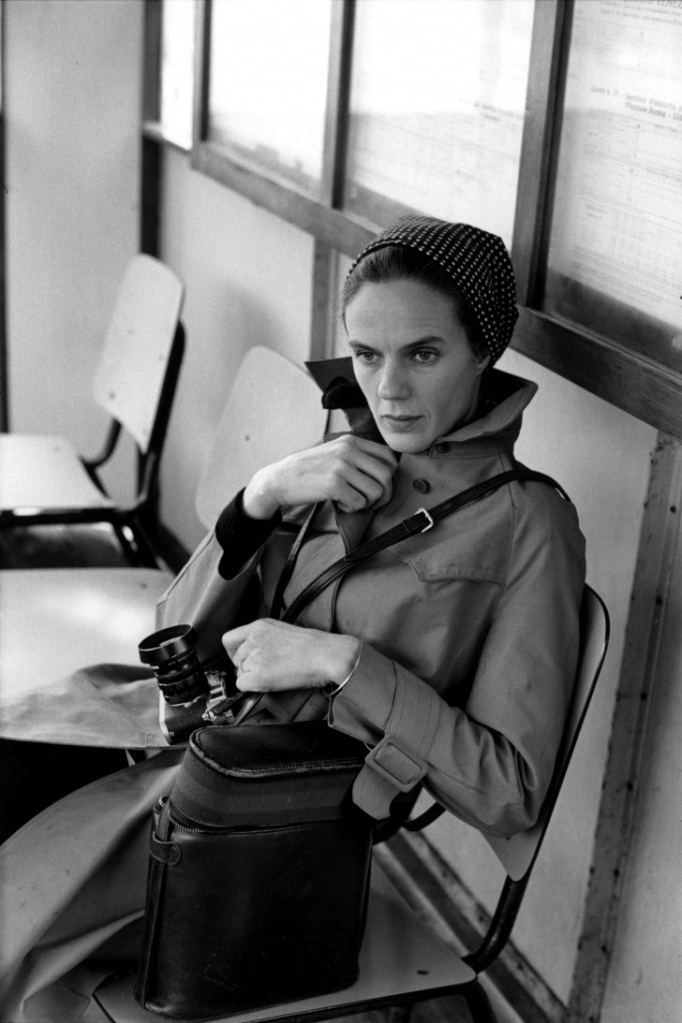
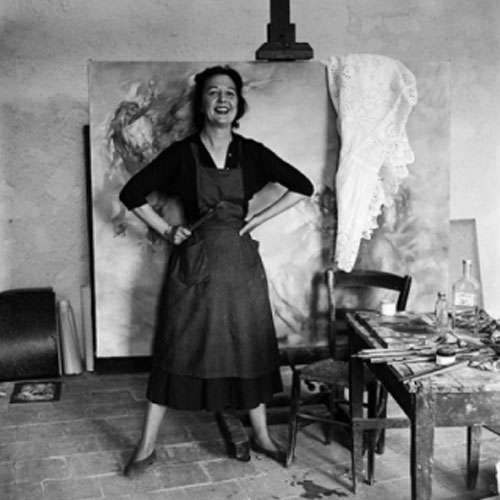
Martine Franck photographiée par Henri Cartier-Bresson, Italie, 1972 © Fondation Henri Cartier-Bresson / Magnum Photos)

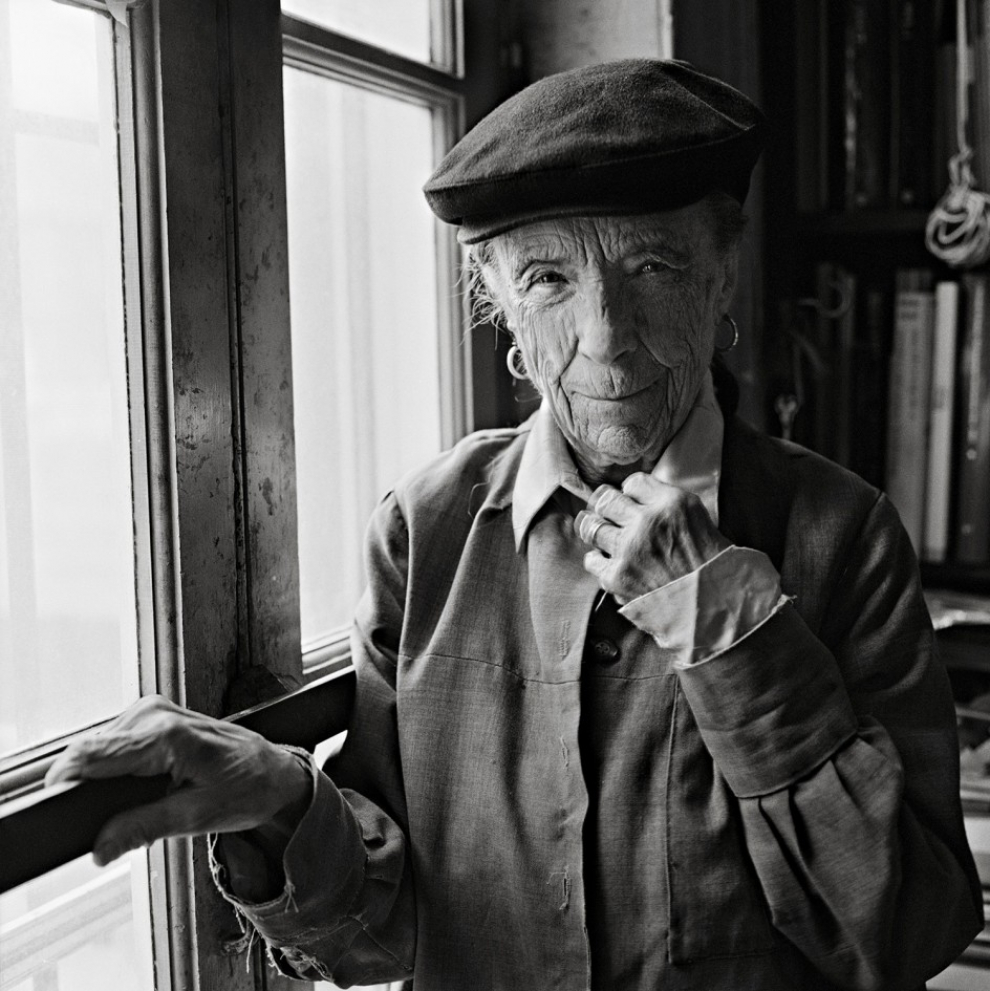
Martine was born in Antwerp in 1938, fotógrafa belga que perteneció a la Agencia Magnum… Estudio Historia de Arte en la Universidad Complutense de Madrid (1956-1958)… Fue asistente en sus primeros trabajos en China y en Japón y en 1965 se hizo independiente y desde 1983 formó parte de la Agencia Magnum… En 1970 se casó con Henri Cartier Bresson, siendo su última esposa… Se han publicado nueve libros de las fotografías de Martine. Además en 2005 fue elevada a Chevalier de la Légion d’Honneur francesa… En 2010 le diagnosticaron leucemia, pero aún así siguió trabajando haciendo su última exposición en 2011 en la Maison Européenne de la Photographie… Era defensora del feminismo y nunca quiso ser sombra de su famoso marido… Martine Franck murió en París en 2012.

+++

Martine was born in Antwerp in 1938, a Belgian photographer who belonged to the Magnum Agency… She studied Art History at the Complutense University of Madrid (1956-1958)… She was an assistant photorapher in her early works in China and Japan. In 1965 she became independent, becoming a member of Magnum Agency in 1983… In 1970, she married Henri Cartier-Bresson, being his last wife… Nine books of Martine’s photographs have been published. Additionally, in 2005, she was elevated to Chevalier of the French Légion d’Honneur… In 2010, she was diagnosed with leukemia, but continued working, holding her last exhibition in 2011 at the Maison Européenne de la Photographie… She was a defender of feminism and never wished to be in the shadow of her famous husband… Martine Franck passed away in Paris in 2012.

(Las imágenes usadas son de orígenes desconocidos y usadas solo para educar, enriquecer la cultura y añadir al conocimiento de las artes – Images used are from unknown origins and used solely for educational purposes to enhance knowledge and culture of the arts)

GRACIAS – CHEERS

#art, Evelyn De Morgan – Women Artists Series (Eng/Esp)

(Image: demorgan.org.uk)

This wonderful painter was born Mary Evelyn Pickering in London in 1855… When she married William De Morgan (English novelist and ceramist) in 1883 she became Evelyn De Morgan… as a painter she is associated with the Pre-Raphaelite Movement and her paintings show different styles such as aestheticism and symbolism. In many of her paintings she portrays the female body as something spiritual, mythological and allegorical. Some scholars have found her work to contain a sort of a spiritualist/feminist content… And of course, like all artists she studied art. In 1872 Evelyn attended the South Kensington National Art Training School, which is today the Royal College of Art. In 1873 moved to the Slade School of Art, where she won the prestigious Slade Scholarship as well as the Silver Medal for Painting from the Antique; First Certificate for Drawing from the Antique; and Third Equal Certificate for Composition… Evelyn De Morgan began exhibiting in 1876 and continued to exhibit until 1907. She was the sole artist, as in a one-woman show at Wolverhampton Municipal Art Gallery and Museum. Twenty five of her paintings were exhibited. However, after 1907 she practically stopped exhibiting. Perhaps she did not need the money any more as her husband’s first novel became very successful. We should all be aware that artists work for money and once the financial situation is resolved, there really is not much of a need to work. After all, being an artist is a job… Evelyn De Morgan died in London in 1919.

+++

Esta maravillosa pintora, Mary Evelyn Pickering, nació en Londres en 1855… Cuando se casó con William De Morgan (novelista y ceramista inglés) en 1883, se convirtió en Evelyn De Morgan… como pintora, está asociada con el Movimiento Prerrafaelista. Sus pinturas muestran diferentes estilos como el esteticismo y el simbolismo. En muchas de sus obras retrata el cuerpo femenino como algo espiritual, mitológico y alegórico. Algunos académicos han encontrado que su trabajo contiene una especie de contenido espiritualista/feminista… Y, por supuesto, como todos los artistas, estudió arte. En 1872, Evelyn asistió a la Escuela Nacional de Formación Artística de South Kensington, que hoy en día es el Royal College of Art. En 1873 se trasladó a la Slade School of Art, donde ganó la prestigiosa Beca Slade, así como la Medalla de Plata por Pintura del Antiguo; el Primer Certificado por Dibujo del Antiguo; y el Tercer Certificado Igual por Composición… Evelyn De Morgan comenzó a exhibir en 1876 y continuó exponiendo hasta 1907. Fue la única artista, en una exposición individual en la Galería Municipal de Arte y Museo de Wolverhampton. Veinticinco de sus pinturas fueron exhibidas. Sin embargo, después de 1907 prácticamente dejó de exhibir. Quizás ya no necesitaba el dinero, ya que la primera novela de su esposo se volvió muy exitosa. Todos deberíamos ser conscientes de que los artistas trabajan por dinero y, una vez que la situación financiera la resuelven, realmente encuentran mucha necesidad de trabajar. Después de todo, ser artista es un trabajo… Evelyn De Morgan murió en Londres en 1919.

+++++
(«Night and Sleep» 1878/Public Domain/Wikimedia Commons)
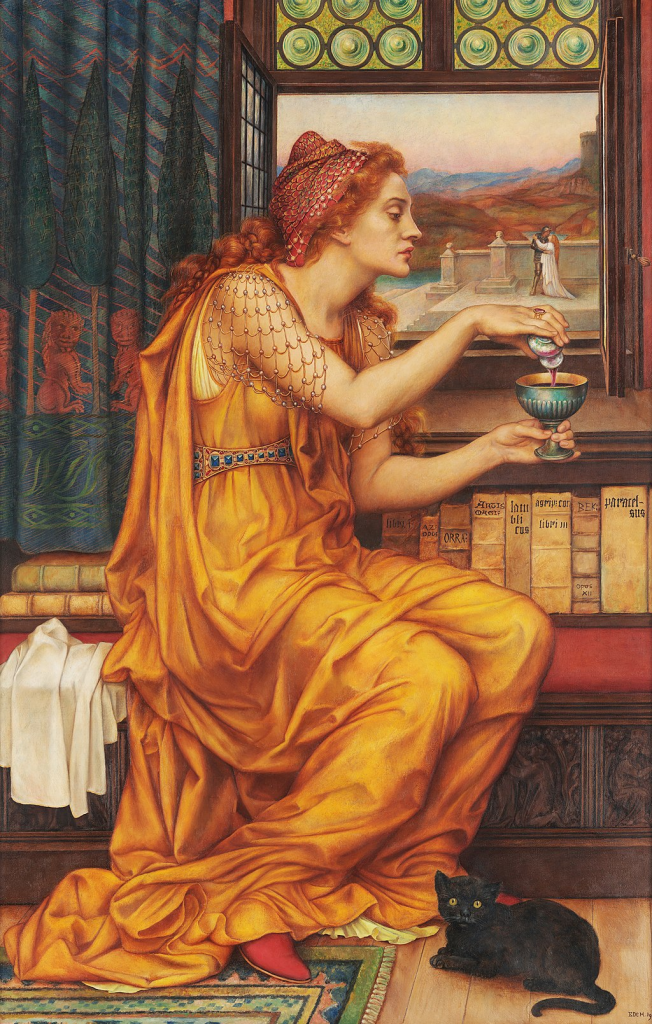
(«The Love Potion» 1903/Public Domain/Wikimedia Commons)
(«Flora» 1874/Public Domain/Wikimedia Commons)

GRACIAS – CHEERS
#photography, Martine Franck in Women Artists Series – Martine Franck en Serie de mujeres artistas

Martine Franck photographiée par Henri Cartier-Bresson, Italie, 1972 © Fondation Henri Cartier-Bresson / Magnum Photos)

Martine was born in Antwerp in 1938, fotógrafa belga que perteneció a la Agencia Magnum… Estudio Historia de Arte en la Universidad Complutense de Madrid (1956-1958)… Fue asistente en sus primeros trabajos en China y en Japón y en 1965 se hizo independiente y desde 1983 formó parte de la Agencia Magnum… En 1970 se casó con Henri Cartier Bresson, siendo su última esposa… Se han publicado nueve libros de las fotografías de Martine. Además en 2005 fue elevada a Chevalier de la Légion d’Honneur francesa… En 2010 le diagnosticaron leucemia, pero aún así siguió trabajando haciendo su última exposición en 2011 en la Maison Européenne de la Photographie… Era defensora del feminismo y nunca quiso ser sombra de su famoso marido… Martine Franck murió en París en 2012.

+++

Martine was born in Antwerp in 1938, a Belgian photographer who belonged to the Magnum Agency… She studied Art History at the Complutense University of Madrid (1956-1958)… She was an assistant photorapher in her early works in China and Japan. In 1965 she became independent, becoming a member of Magnum Agency in 1983… In 1970, she married Henri Cartier-Bresson, being his last wife… Nine books of Martine’s photographs have been published. Additionally, in 2005, she was elevated to Chevalier of the French Légion d’Honneur… In 2010, she was diagnosed with leukemia, but continued working, holding her last exhibition in 2011 at the Maison Européenne de la Photographie… She was a defender of feminism and never wished to be in the shadow of her famous husband… Martine Franck passed away in Paris in 2012.

(Las imágenes usadas son de orígenes desconocidos y usadas solo para educar, enriquecer la cultura y añadir al conocimiento de las artes – Images used are from unknown origins and used solely for educational purposes to enhance knowledge and culture of the arts)

GRACIAS – CHEERS
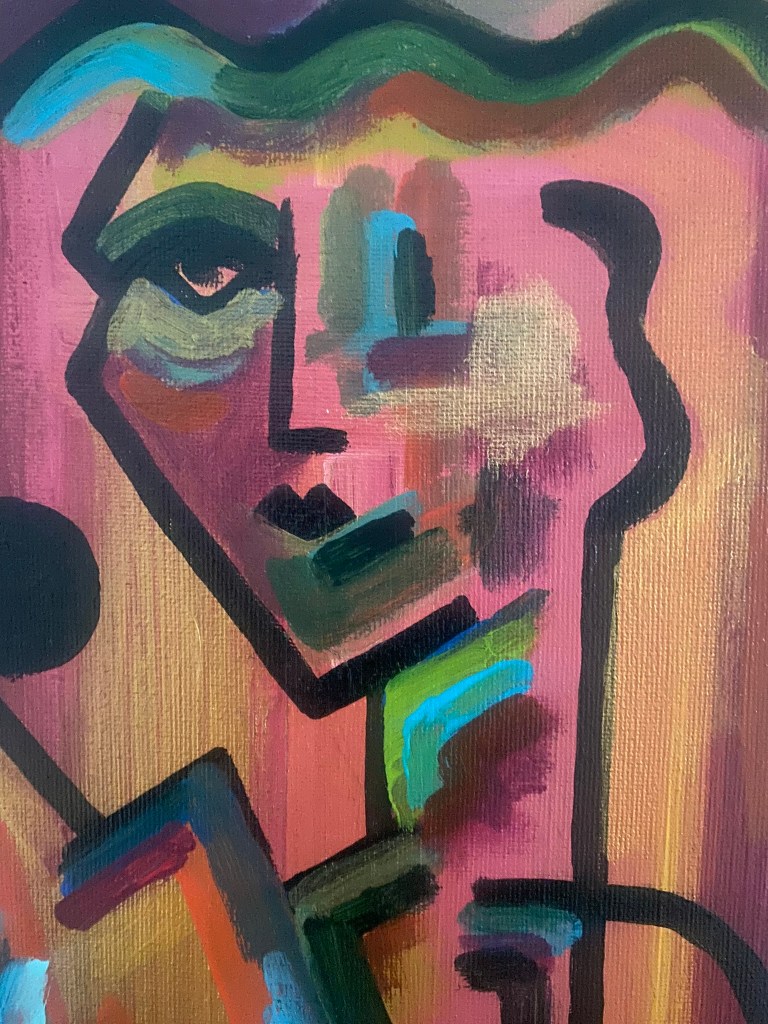
Poem: «T E M P L E S» (An Euro-Ku)

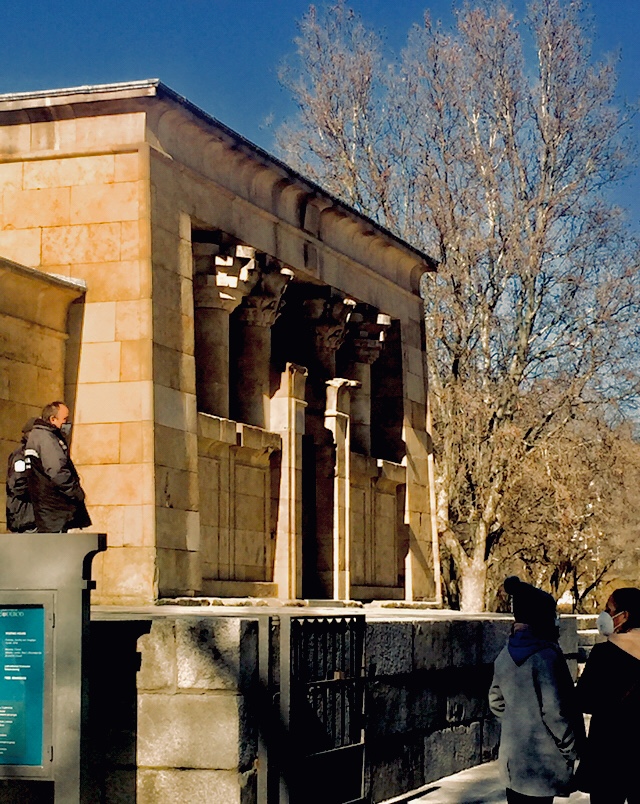
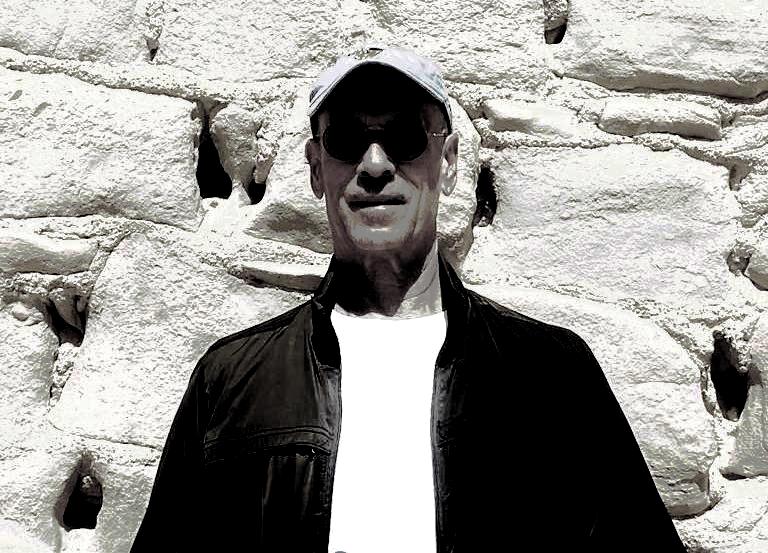
(photo property of FBC, Omnia Caelum Studios Valencia, All Rights Reserved)

My skin absorbs the dust of frozen centuries,

the dust remains like footprints in the sand,

and I stand frozen like a marbled drop of yellow rain.

“TEMPLES” is a poem in what I have termed the Euro-Ku.  This style borrows the name and part of the idea that gave form to the traditional Japanese Haiku.  However, I have changed most of the rules that govern the composition of that well known form. In the Euro-Ku the verses…they are still only three…do not have to have the same syllable count as in the Haiku.  Being as I am not Japanese nor have I had the honour of living their history or knowing first hand their culture, I cannot possibly presume to be able to write a Japanese Haiku as would a Japanese poet. The syllabic count works with the Japanese language but I do not believe it to be appropriate to Western languages. The three verses should flow into each other in a coherent and obvious fashion and should be written in the contemporary vernacular, as if one were writing the lyrics of a pop song.  The meaning and the message should be intended for the proletariat; clearly understood by all.  It should not be hidden within confusing and archaic…researched…words.

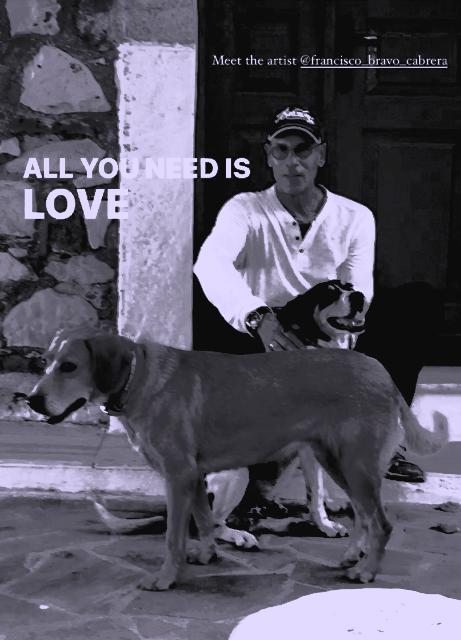
C.2022, Francisco Bravo Cabrera, 22/02/2022, Valencia, Spain

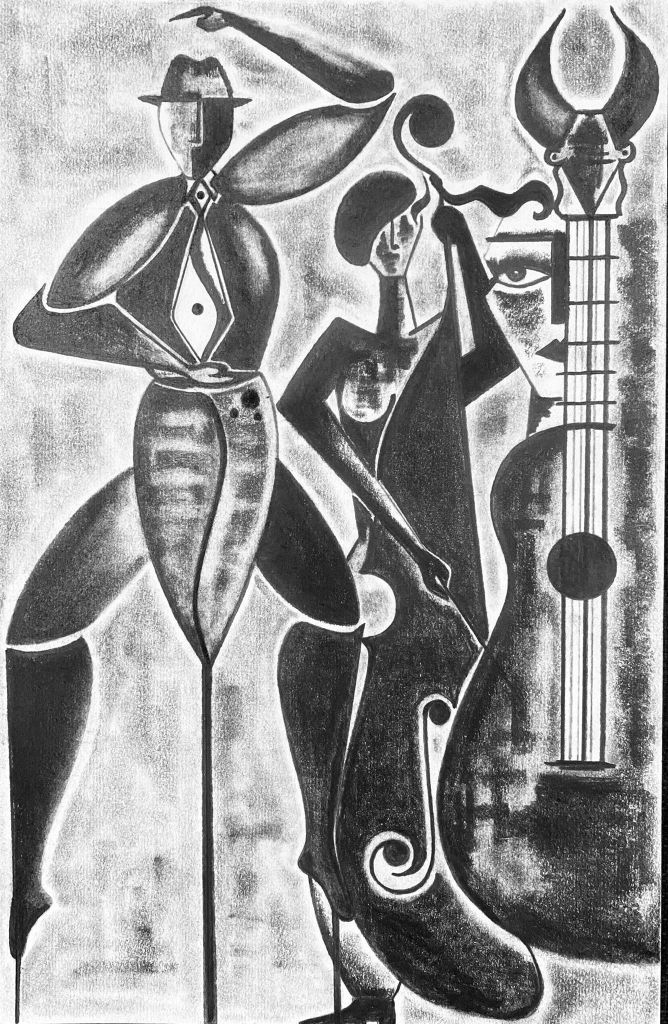
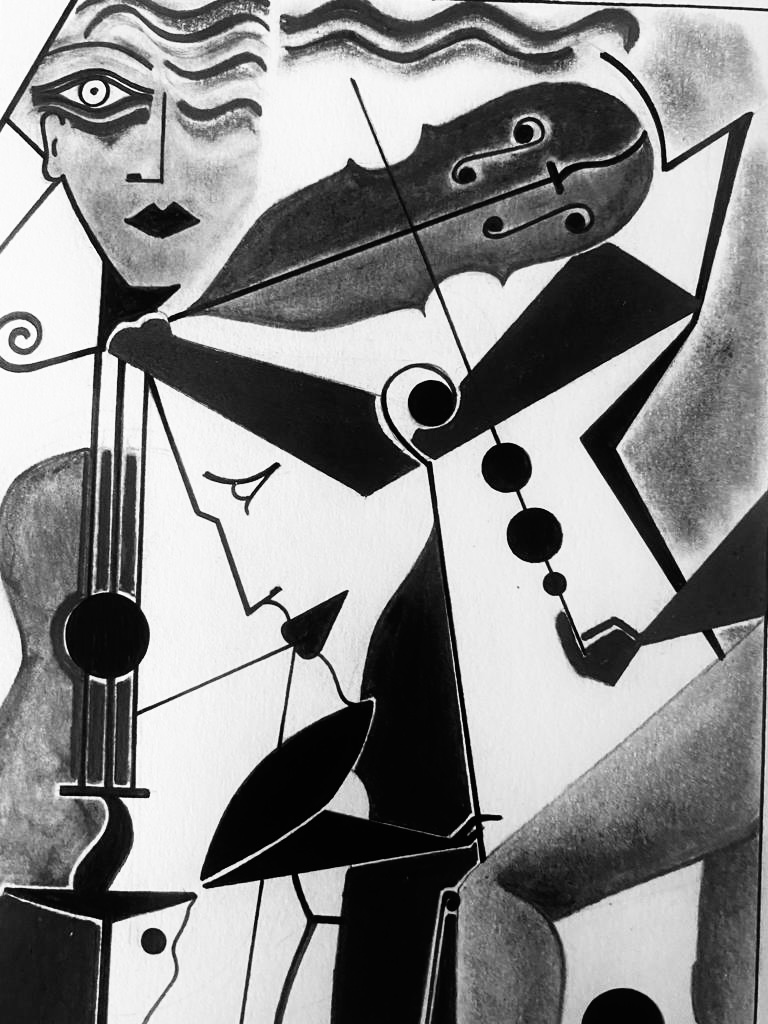
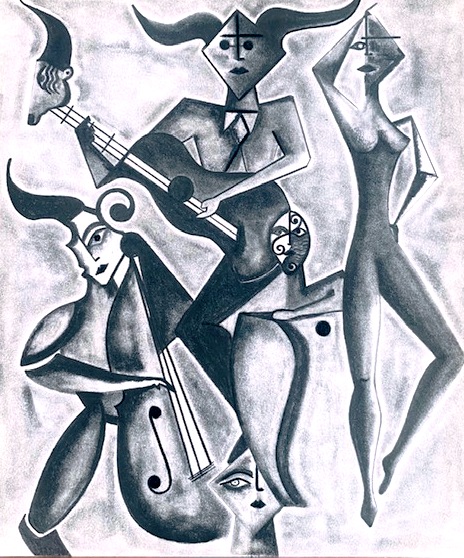
#art, El dibujo y los otros mundos – Drawing and The Other Worlds… Bodo V.

(Bodo Vespaciano a.k.a. Francisco Bravo Cabrera)

Otros mundos, si, hay muchos, como hay muchos universos y como vivimos muchas vidas simultaneas, continuas y a veces de cabeza… Pero cuando uno se dedica a dibujar, como lo hago yo, uno busca la manera de adentrarse en otros tiempos, otros universos paralelos, que no se ven pero que ahí están y aquí está lo que he visto cuando viajo por esos mundos…

+++

Other worlds, yes, there are many, just as there are many universes. And we live many lives, simultaneous, continuous, and sometimes upside-down… But when one is dedicated to drawing, as I am, one seeks a way to delve into other time lines, or other parallel universes that are not visible but are there, and here is what I have seen when I travel through those worlds…

GRACIAS – CHEERS
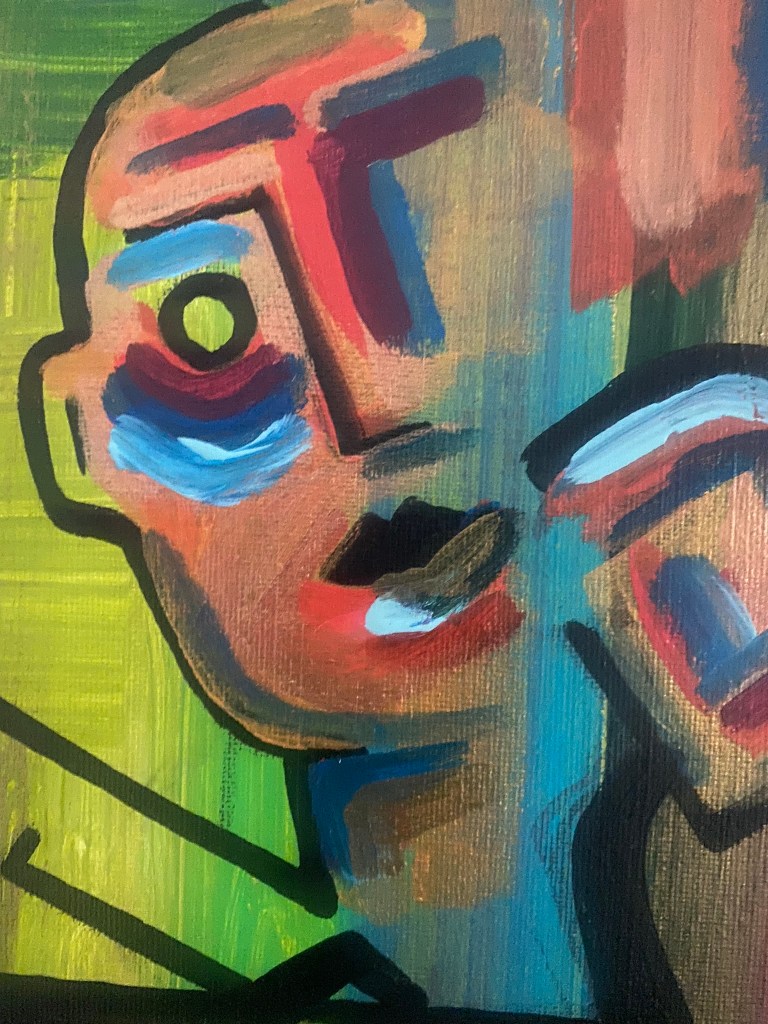
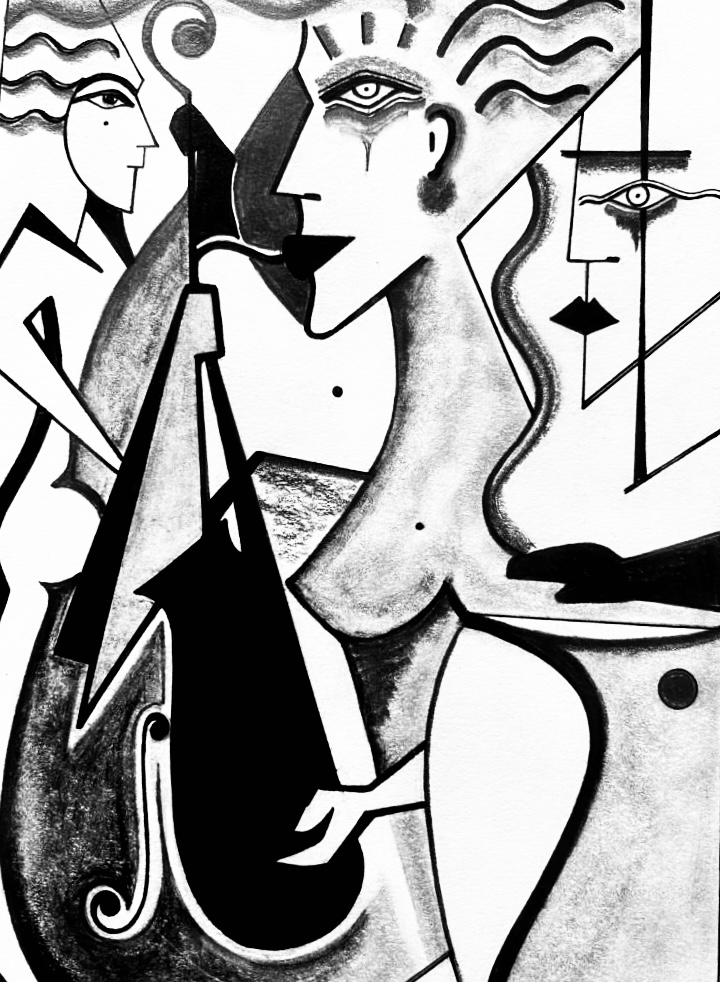
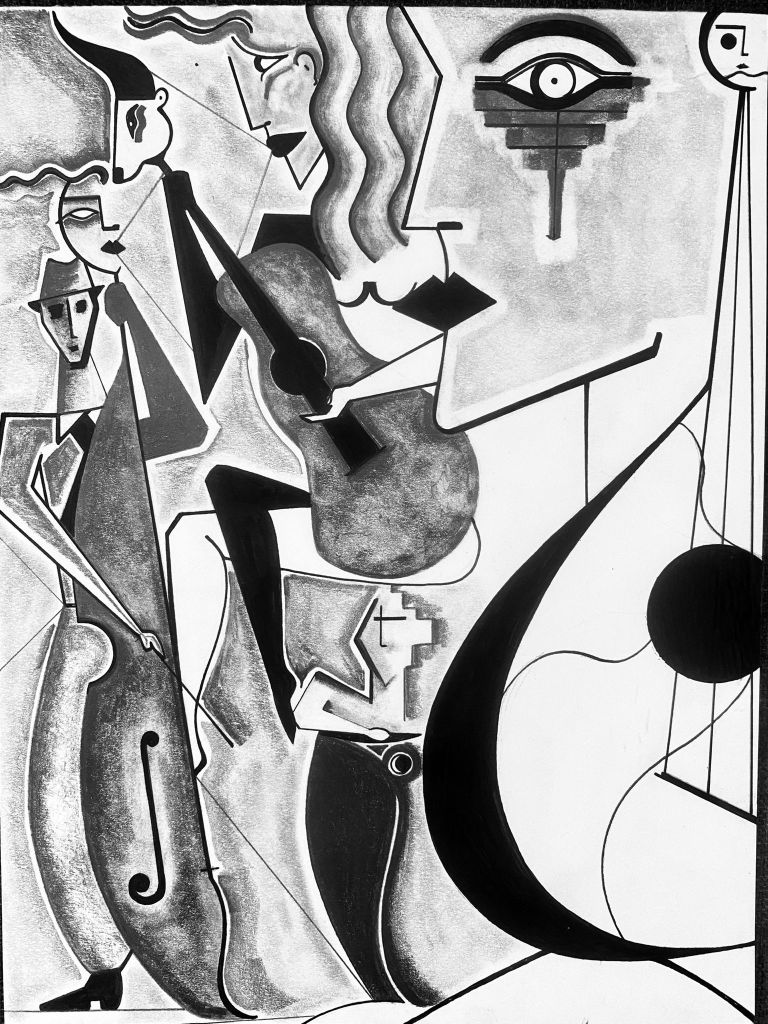
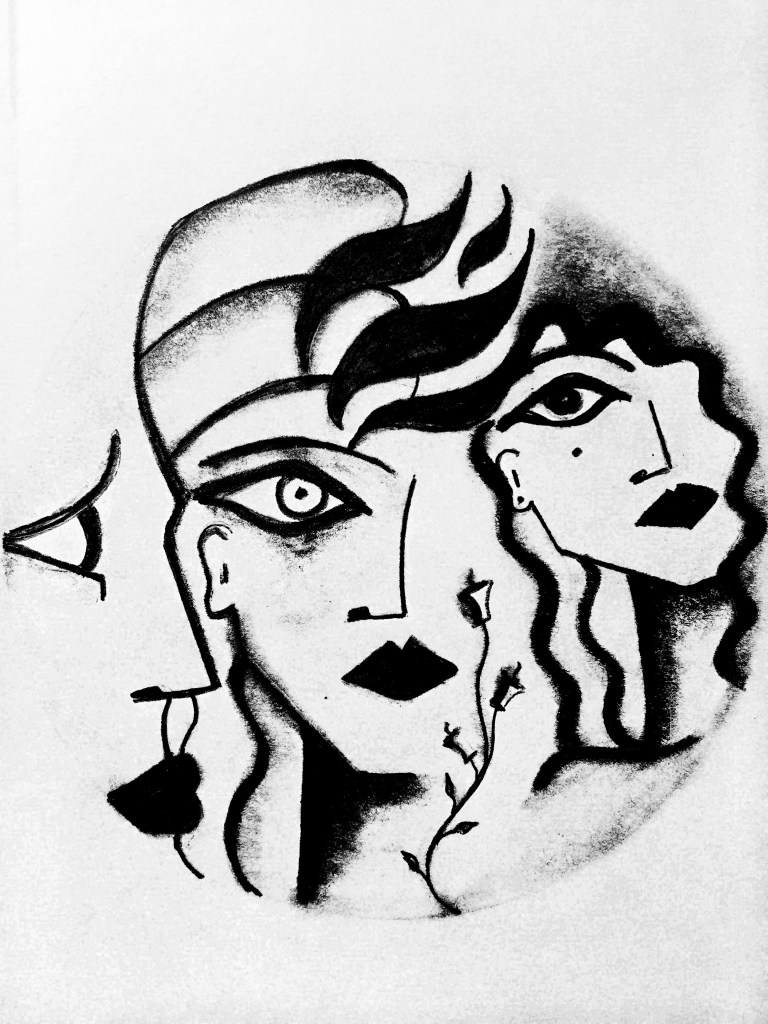
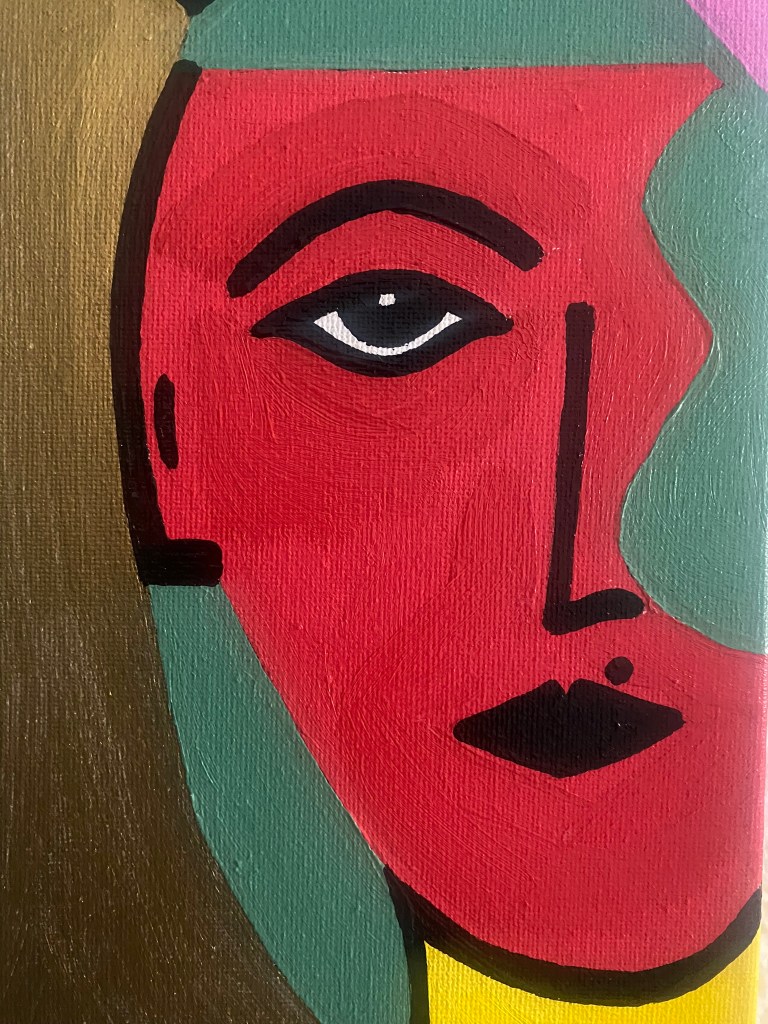
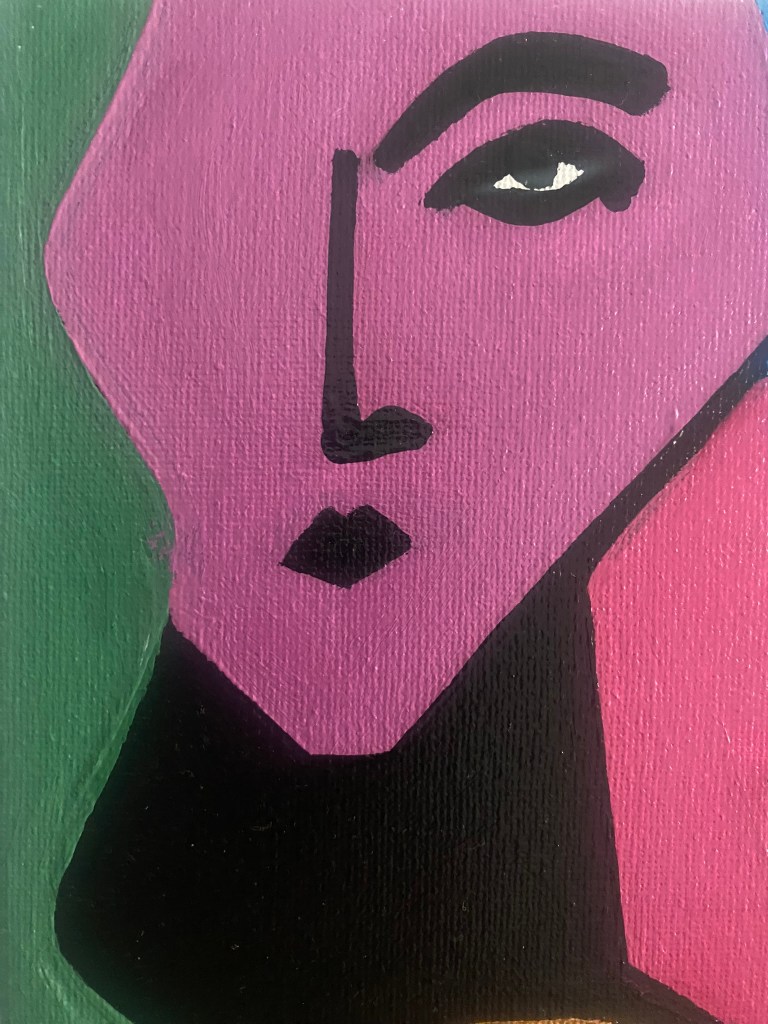
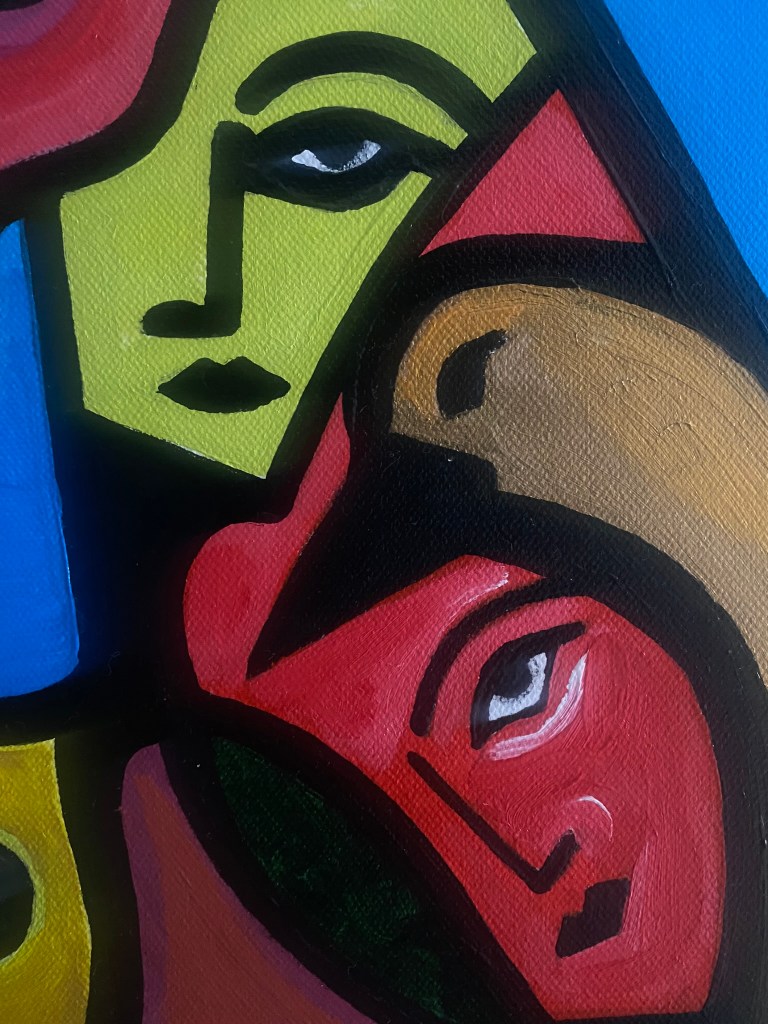
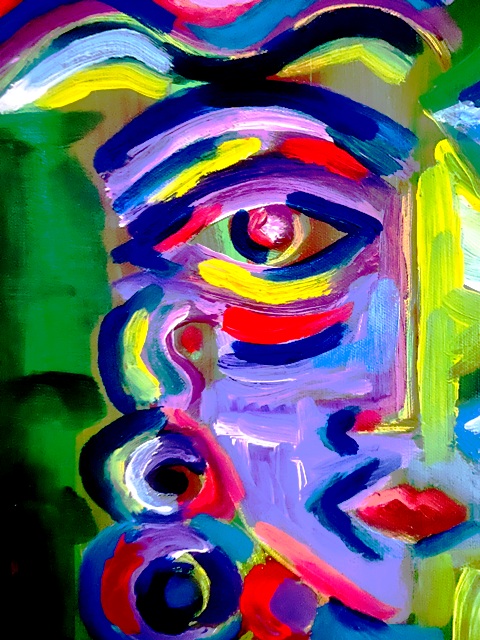
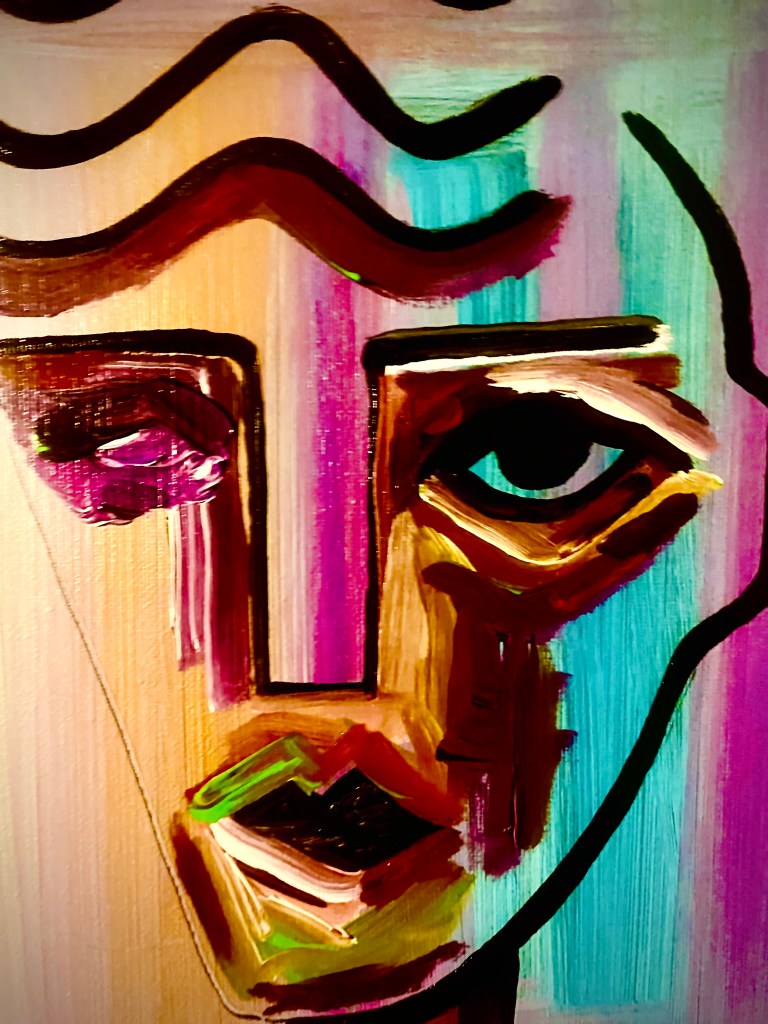
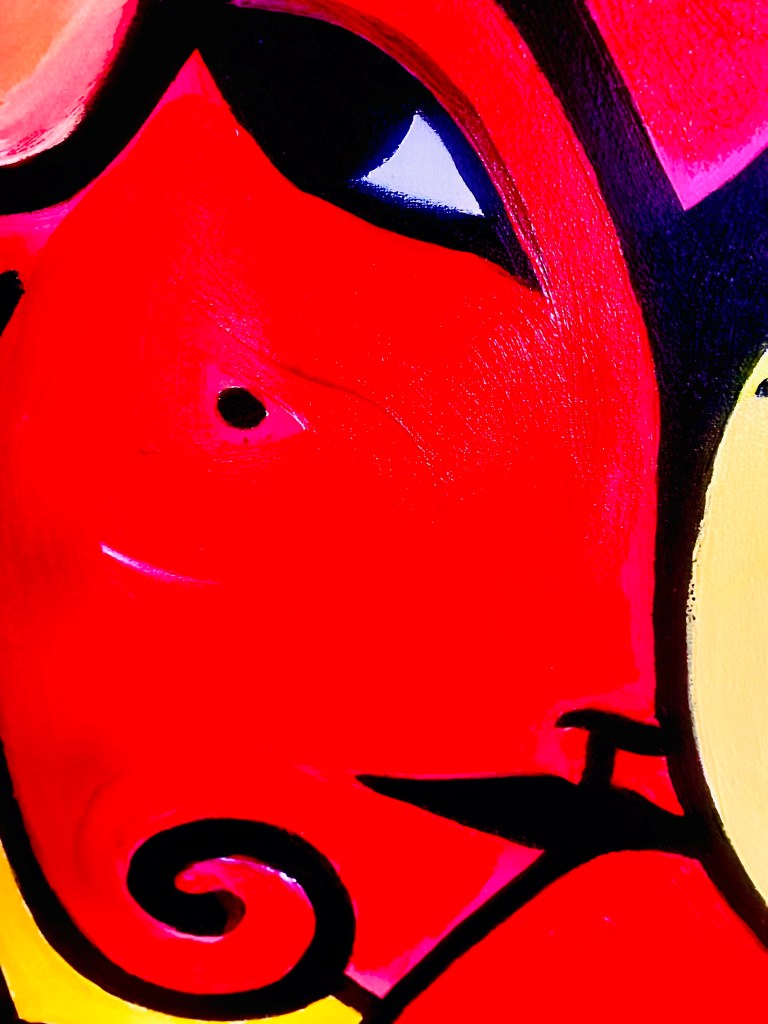
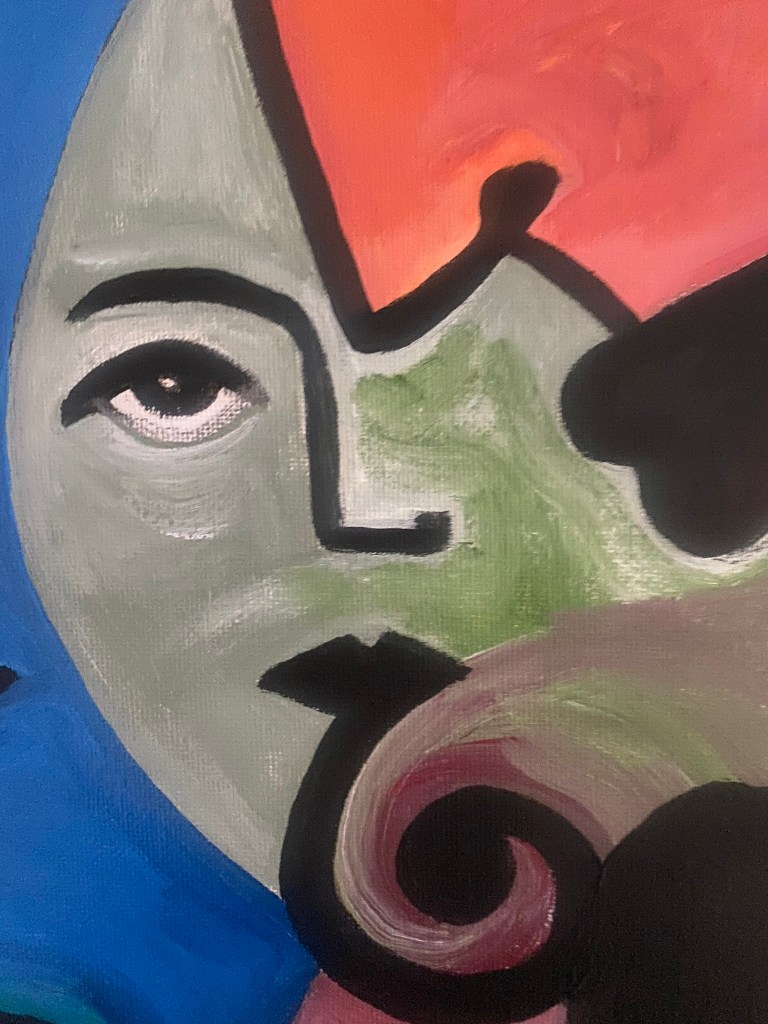
#art, Caras – Faces (The Art of Bodo Vespaciano)

((Bodo Vespaciano/All Rights Reserved)

Creo que desde que me dediqué a la pintura, ya hace más de 30 años, me he puesto siempre a pintar lo que siento, lo que veo dentro de mi ser interior, no lo que veo en el mundo exterior y la mayoría de estas visiones (digámoslo así) son caras. La cara de nuestra madre es lo primero que vemos al llegar a esta realidad física, pero no la vemos como despues la veremos. Lo que vemos son ojos, ojos inmensos que nos penetran… acordémonos que la mente une las cosas aunque los puentes no estén ahí. Poco a poco la mente consciente va uniendo las partes de nuestra madre, padre, entorno y todo bajo el cielo… Pero siempre queda la imagen de la cara, por eso las pinto, y si te pones a pensar ¿Qué te puede identificar mejor que la cara?

+++

Since I began my career as an artist-painter, over 30 years ago, I have always painted what I feel and what I see within my inner being. Not what I see in the external world, and most of these visions (let’s say) are faces. The face of our mother is the first thing we see when we arrive in this physical reality. But at that moment we do not see her as we will later see her. What we see are eyes, immense eyes that penetrate us… Let us remember that the mind connects things even if the bridges are not there. Little by little, the conscious mind connects the parts of our mother, father, environment, and everything under the sky… But the image of the face always remains, that is why I paint them. And if you stop to think, what can possibly identify you better than your face?

GRACIAS – CHEERS
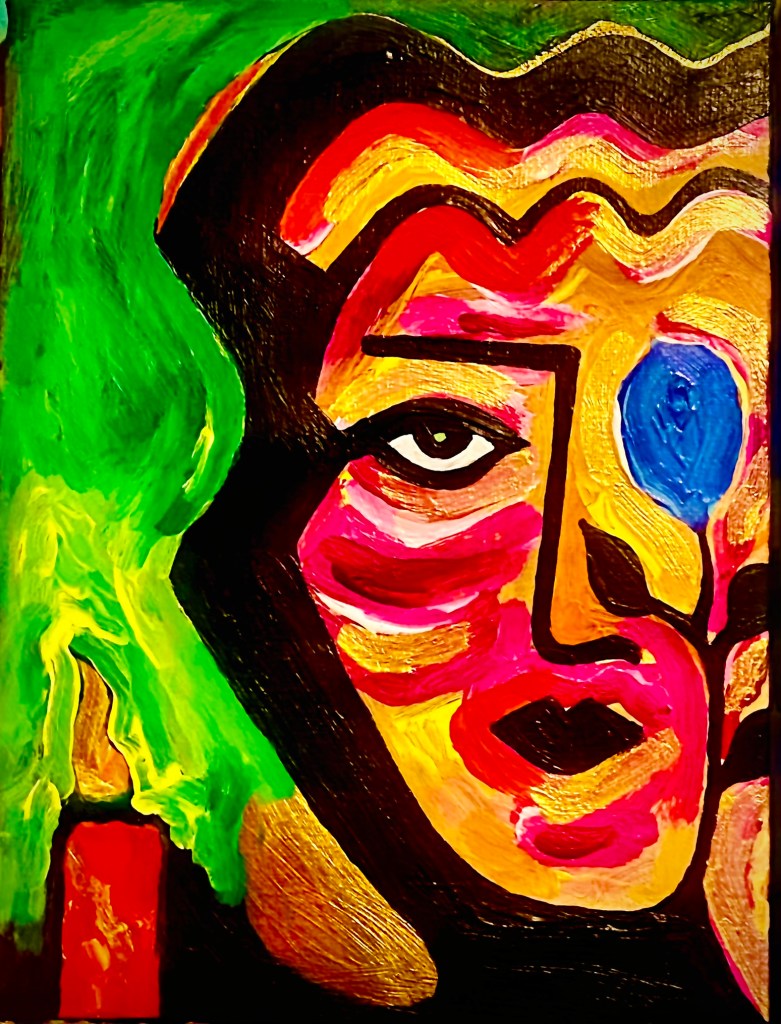
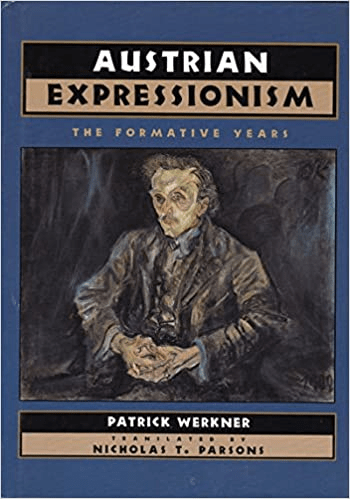
Art History: The Austrian Expressionists

Continuing with Art History, I thought it would be a good idea to delve further into Expressionism and what better way than to bring you some of my favourites in the genre…

(2022)

Cheers…