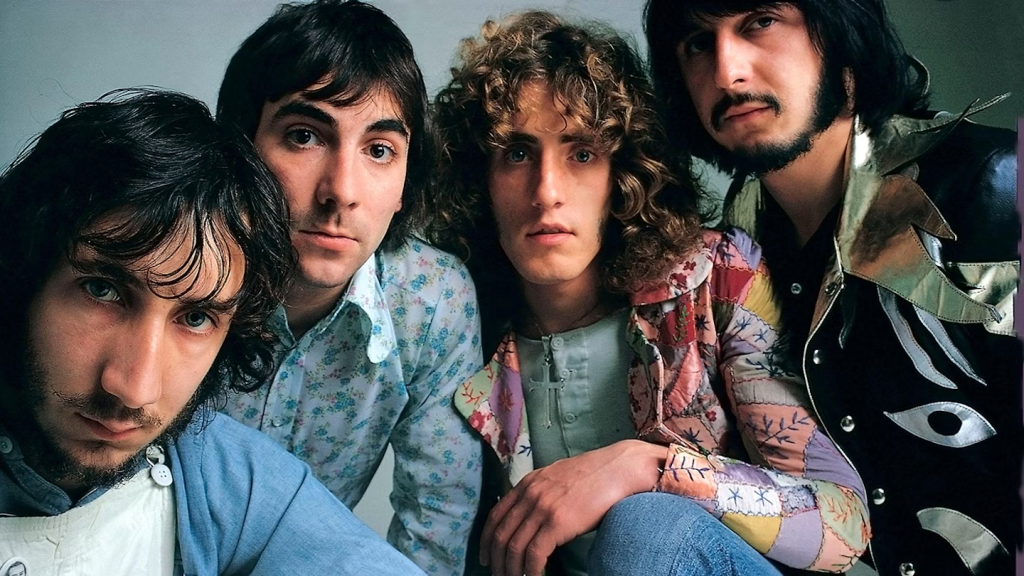
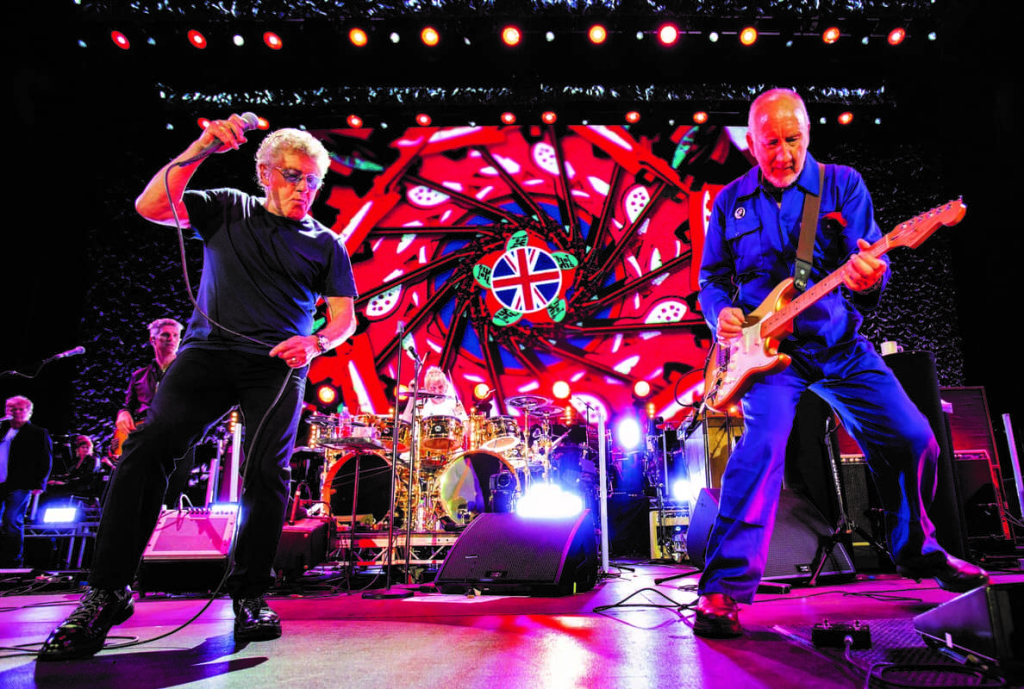
Ok… so what can I say about the Who? Well I always liked them and was a fan, although not a huge fan. I thought their music was kick-arse and powerful and at times rather boring, but that’s just me… A bit of history: They got together in 1962 as The Detours and then when Keith Moon joined the group they changed their name to The Who… This great British band, that served as inspiration to Led Zeppelin, were: Roger Daltrey (vocalist), Pete Townshend (guitars, keyborards and vocals), John Entwistle (bass and vocals) and Keith Moon (drums). They will forever be remembered as one of the top English bands… Some stats: The Who has sold over 100 million records worldwide; placed 27 singles on the UK and US Top 40; 17 albums on the Top 10; having won 18 gold records; 12 platinum records and 5 multi-platinum records in the US alone… «I Can’t Explain» was their first hit in 1965… The Who gained greater fame and recognition in the rock world by performing in such festivals as Monterey, Woodstock and the Isle of Wight. And, of course, there was Tommy, released in 1969. They lost Keith Moon in 1978 and John Entwhistle in 2002. In 1990 they were inducted into the Rock and Roll Hall of Fame…
(Photo: The New Barcelona Post)
The only other thing I can say about The Who is that they are phenomenal, so take a listen. I chose one of my faves from the early days, «Pictures of Lily» written, like most Who songs, by Pete Townshend and released as a single in 1967. It is quite possible that the song refers to Lillie Langtry, a music-hall star who died in 1929, as the song states. There is an interesting cover by David Bowie…
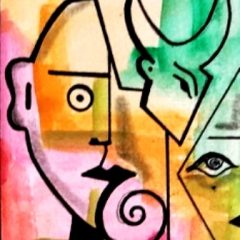
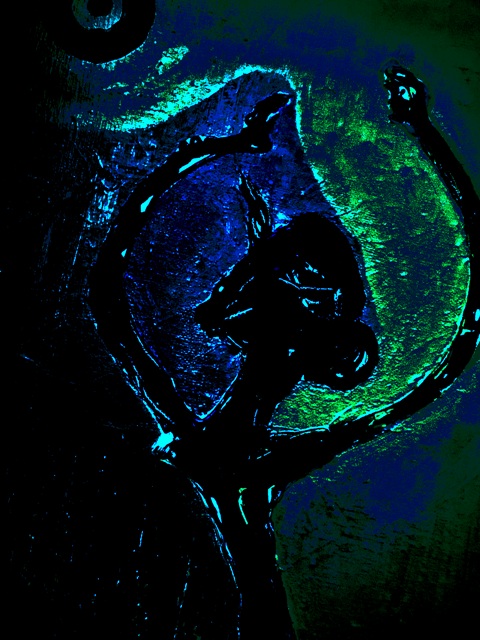
(«Smoking in the Rain»/Francisco Bravo Cabrera/All Rights Reserved)
SMOKING IN THE RAIN
(Written while listening to Liszt’s Hungarian Rhapsody No. 3 in D Major (No. 6 in D-flat Major, S. 244)
I am he, who before was not, a simple man that understands. I am the quiet fool that will take a stand and fight the good fight on every corner of every street…
I am the dancing soul that moves to the beat of bongos and tambourines, of djembes and doumbeks and of the clapping hands that built my home. I’ll now join those that raise their arms in praise, praise for peace and love while smoking in the rain…
I was the rifleman in olive green, that in foreign mountains had grown and seen the tears of sweat and the sweat of tears while no yet having too many years of life experience in peace and love without having life experience…
I’m now determined. I now will be the one who seeks light from above. I’ll comprehend my brother’s love, my brother’s pain, and though we all might be just quite insane, we’ll all sit smoking in the rain…
C.2024, Francisco Bravo Cabrera – 24/04/2024/10/05/2025 – Valencia, Spain
Ok… so what can I say about the Who? Well I always liked them and was a fan, although not a huge fan. I thought their music was kick-arse and powerful and at times rather boring, but that’s just me… A bit of history: They got together in 1962 as The Detours and then when Keith Moon joined the group they changed their name to The Who… This great British band, that served as inspiration to Led Zeppelin, were: Roger Daltrey (vocalist), Pete Townshend (guitars, keyborards and vocals), John Entwistle (bass and vocals) and Keith Moon (drums). They will forever be remembered as one of the top English bands… Some stats: The Who has sold over 100 million records worldwide; placed 27 singles on the UK and US Top 40; 17 albums on the Top 10; having won 18 gold records; 12 platinum records and 5 multi-platinum records in the US alone… «I Can’t Explain» was their first hit in 1965… The Who gained greater fame and recognition in the rock world by performing in such festivals as Monterey, Woodstock and the Isle of Wight. And, of course, there was Tommy, released in 1969. They lost Keith Moon in 1978 and John Entwhistle in 2002. In 1990 they were inducted into the Rock and Roll Hall of Fame…
(Photo: The New Barcelona Post)
The only other thing I can say about The Who is that they are phenomenal, so take a listen. I chose one of my faves from the early days, «Pictures of Lily» written, like most Who songs, by Pete Townshend and released as a single in 1967. It is quite possible that the song refers to Lillie Langtry, a music-hall star who died in 1929, as the song states. There is an interesting cover by David Bowie…
(«Smoking in the Rain»/Francisco Bravo Cabrera/All Rights Reserved)
SMOKING IN THE RAIN
(Written while listening to Liszt’s Hungarian Rhapsody No. 3 in D Major (No. 6 in D-flat Major, S. 244)
I am he, who before was not, a simple man that understands. I am the quiet fool that will take a stand and fight the good fight on every corner of every street…
I am the dancing soul that moves to the beat of bongos and tambourines, of djembes and doumbeks and of the clapping hands that built my home. I’ll now join those that raise their arms in praise, praise for peace and love while smoking in the rain…
I was the rifleman in olive green, that in foreign mountains had grown and seen the tears of sweat and the sweat of tears while no yet having too many years of life experience in peace and love without having life experience…
I’m now determined. I now will be the one who seeks light from above. I’ll comprehend my brother’s love, my brother’s pain, and though we all might be just quite insane, we’ll all sit smoking in the rain…
C.2024, Francisco Bravo Cabrera – 24/04/2024/10/05/2025 – Valencia, Spain
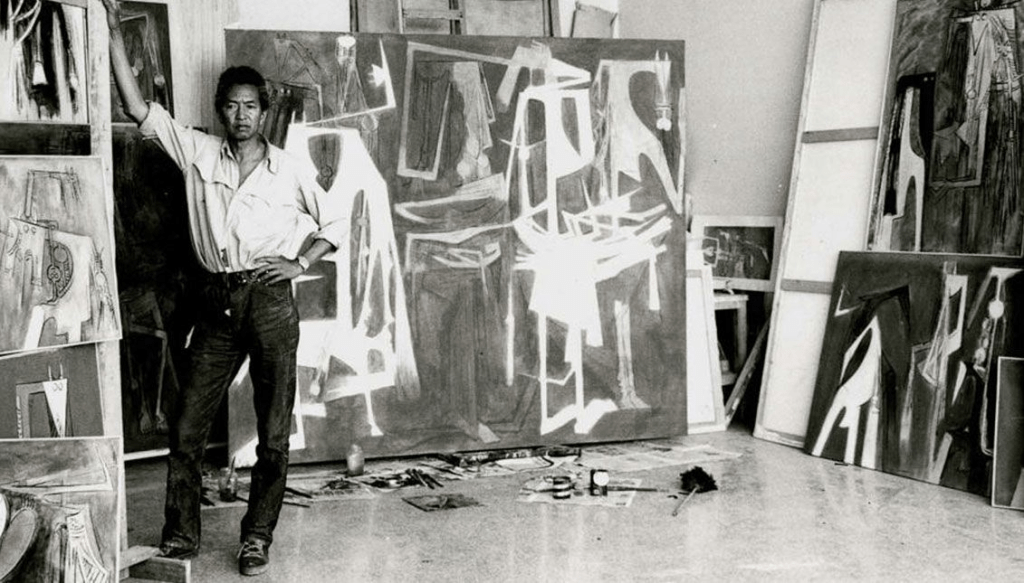
Su madre, Ana Serafina, era hija de esclavos africanos y su padre, Yam Lam, era chino. Wilfredo nació en Sagua la Grande, Cuba. Lam conoció a muchos de los grandes del S. XX, incluyendo a Pablo Picasso, Matisse y Diego Rivera. Lam comenzó sus estudios en la escuela de Bellas Artes de La Habana. En 1923 se traslada a Madrid donde estudió bajo el maestro Fernando Álvarez de Sotomayor y Zaragoza, curador del Museo del Prado y profesor de Salvador Dalí. Wilfredo Lam murió en Paris el 11 de septiembre de 1982. Ya había tenido mas de cien exposiciones particulares y su fama bien establecida como también su posición en la historia del arte. Aquí lo veréis todo…
+++
His mother, Ana Serafina, was the daughter of African slaves and his father, Yam Lam, was Chinese. Wilfredo was born in Sagua la Grande, Cuba. Lam met many of the great artists of the 20th century, including Pablo Picasso, Matisse, Braque and Diego Rivera. Lam began his studies at the Fine Arts School of Havana. In 1923, he moved to Madrid where he studied under the master Fernando Álvarez de Sotomayor y Zaragoza, curator of the Prado Museum and professor of Salvador Dalí. Wilfredo Lam died in Paris on September 11, 1982. He had already had over a hundred solo exhibitions and his fame was well established, as was his position in art history. Here you will see it all…
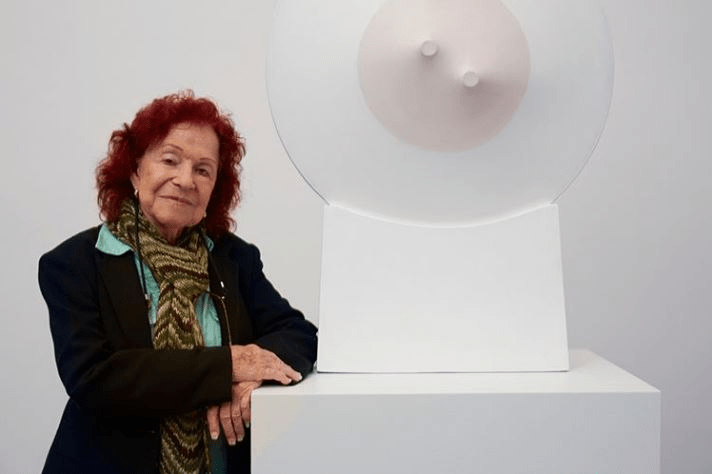
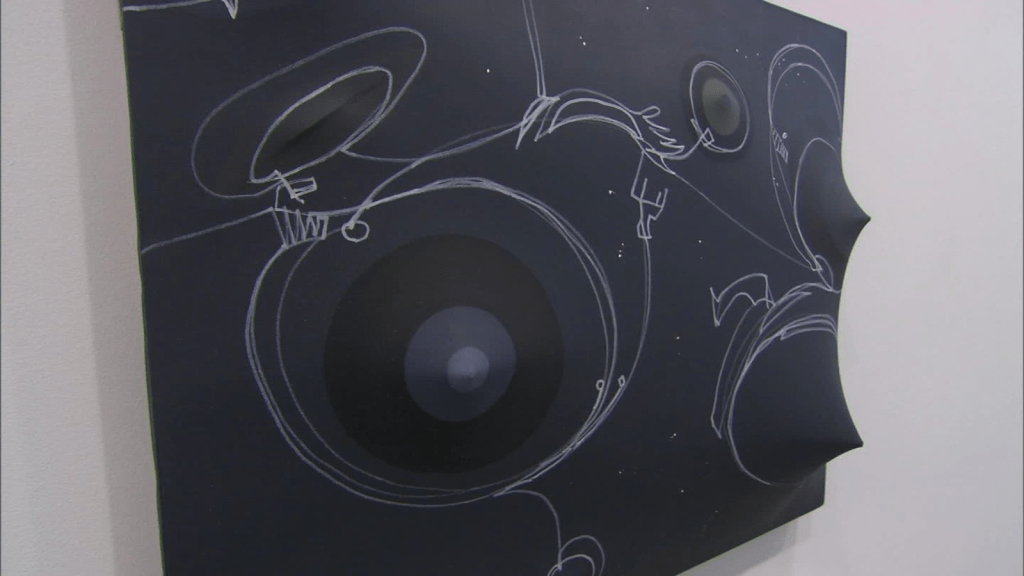
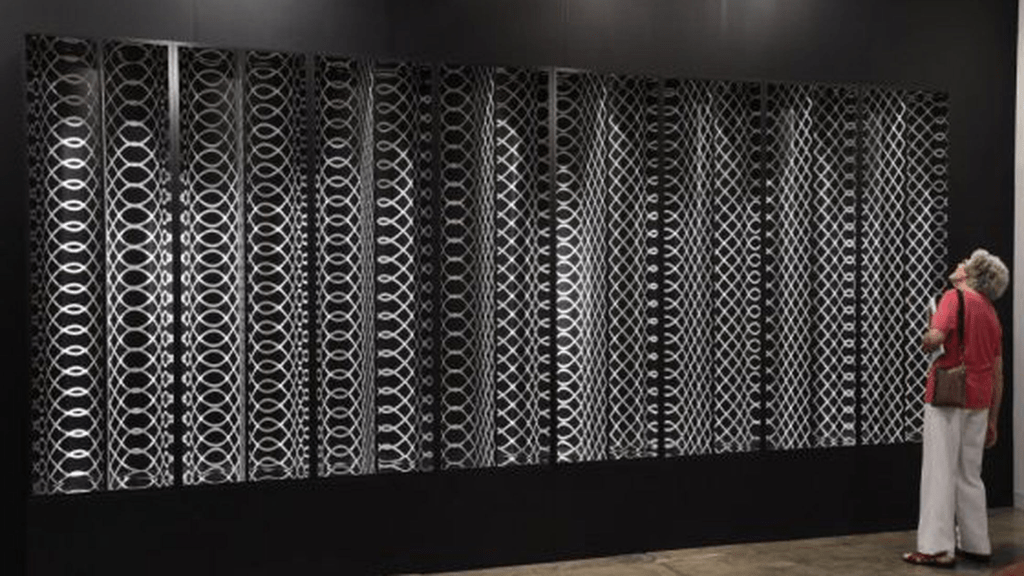
Zilia nació en La Habana en 1926 (o en el 1928)… escultora, pintora, grabadora, y creadora de sets escenográficas… vive en Puerto Rico y logró su desarrollo y su fama en Cuba antes de la revolución de los comunistas… Estudió en la Escuela Nacional de Bellas Artes «San Alejandro» en La Habana y su primera exposición fue en 1953. Sus pinturas son muy escultóricas ya que le añade al lienzo elementos tri-dimensionales y además suele decantarse por lo erótico. Cuando Fidel Castro se apoderó de su patria se marchó a Nueva York y siguió sus estudios de arte en el Pratt Institute de esa ciudad… Es una artista auténticamente feminista. Su obra fue incluida en la exposición Radical Women: Latin American Art, 1960-85 en el Brooklyn Museum (2018)… Además es pionera del feminismo en el arte. En 2020 sus obras fueron expuestas en My Body My Rules, en el Pérez Art Museum de la ciudad de Miami… Aunque su arte es prácticamente desconocida en otras partes del mundo, ahora su carrera de siete décadas se esta destacando y su obra está llegando a los museos, especialmente el Pérez Art Museum de Miami. En 2023 su obra fue incluida en la exposición Action, Gesture, Paint: Women Artists and Global Abstraction1940-1970 en la Whitechapel Gallery de Londres.
+++
+++
Zilia was born in Havana in 1926 (or 1928)… she is a sculptor, painter, engraver, and creator of scenic sets… she lives in Puerto Rico and achieved her development and fame in Cuba before the communist revolution… She studied at the National School of Fine Arts «San Alejandro» in Havana, and her first exhibition was in 1953. Her paintings are very sculptural as she adds three-dimensional elements to her canvases and tends to lean towards the erotic as well. When Fidel Castro took over her homeland, she moved to New York and continued her art studies at the Pratt Institute in that city… She is an authentically feminist artist. Her work was included in the exhibition Radical Women: Latin American Art, 1960-85 at the Brooklyn Museum (2018)… She is also a pioneer of feminism in art. In 2020, her works were exhibited in My Body MyRules, at the Pérez Art Museum in the city of Miami… Although her art is practically unknown in other parts of the world, her seven-decade career is now standing out and her work is reaching museums, especially the Pérez Art Museum in Miami. In 2023, her work was included in the exhibition Action, Gesture, Paint: Women Artists and Global Abstraction 1940-1970 at the Whitechapel Gallery in London.
(Foto/Photo CNN en Español)
(Foto/Photo El País)
(Foto/Photo Mutual Art)
Es una artista importante, sin dudas y os urjo a que sigáis buscando mas sobre esta pintora…
+++
She is an important artist, no doubt, and I urge you to continue to search out more of her work…
(«The Traveller» original acrylic on glass by FBC/Omnia Caelum Studios Valencia/All Rights Reserved)
Wassily Kandinsky, even though we now know that he was not the inventor of abstract art, we do understand that he was one of the first, together with Piet Mondrian, to theorise about this art form. Abstract art was one of the art vanguards of the XXth Century. It was, or is, I would say, the most successful one.
In any event here is what Kandinsky had to say:
«Colour is a power which directly influences the soul.»
«The deeper the blue becomes, the more strongly it calls man towards the infinite, awakening in him a desire for the pure and, finally, for the supernatural… The brighter it becomes, the more it loses its sound, until it turns into silent stillness and becomes white.«
«Every work of art is the child of its age and, in many cases, the mother of our emotions. It follows that each period of culture produces an art of its own which can never be repeated.«
I think this last quote is a very interesting and important one for artists, and generally for lovers of art. Art is and has to be a child of its age. All art is at one time contemporary and it must reflect the reality of that age, the thinking and the styles common to that age. After all this the age wherein the artist lives, and where he understands better the feelings, emotions and the events that transpire and make history. Copying from another age might lead to technical perfection but without soul. The soul, the true spirit of art which renders it eternal comes from it being a child of its age, as Kandinsky so well said.
Of course there have been many other artists in art history who have theorised about art, abstract art as well. Let us see what Mark Rothko had to say:
«We assert that the subject is crucial and only that subject matter is valid which is tragic and timeless.»
«Art to me is an anecdote of the spirit, and the only means of making concrete the purpose of its varied quickness and stillness.«
«I insist upon the equal existence of the world engendered in the mind and the world engendered by God outside of it. If I have faltered in the use of familiar objects, it is because I refuse to mutilate their appearance for the sake of an action which they are too old to serve, or for which perhaps they had never been intended. I quarrel with surrealists and abstract art only as one quarrels with his father and mother; recognizing the inevitability and function of my roots, but insistent upon my dissent; I, being both they and an integral completely independent of them.»
In this last quote Rothko, a very spiritual artist indeed, speaks of surrealism and abstract art as being the «father and mother» of his work. Rothko traversed many types of art until he finally settled upon abstract. In his abstract art, huge canvases of colour, only colour, he placed all his philosophy, intention, theories and spirituality. And they are good. And as he himself said, «There is no such thing as a good painting about nothing.»
I am not an abstract artist, however, I do study the style, the genre and I find it to be very difficult indeed. Abstract art is not splashing paint on canvas, or anything else and then calling it a painting. Mark Rothko also enumerated, in 1958, what is necessary in a painting:
«There must be a clear preoccupation with death—intimations of mortality … Tragic art, romantic art, etc., deals with the knowledge of death. Sensuality. Our basis of being concrete about the world. It is a lustful relationship with things that exist. Tension. Either conflict or curbed desire. Irony, This is a modern ingredient—the self-effacement and examination by which a man for an instant can go on to something else. Wit and play … for the human element. The ephemeral and chance … for the human element. Hope. 10% to make the tragic concept more endurable. I measure these ingredients very carefully when I paint a picture. It is always the form that follows these elements and the picture results from the proportions of these elements.«
To create an abstract painting one must face the same problems as one would in painting a figurative one. There are issues of technique, form, style, composition, colour, size, et cetera et cetera et cetera… Art is not intuitive. It is a philosophical process that must be developed, cooked over a slow fire and allowed to simmer, then cool before spreading it on a surface.
(«Luna de agosto»/»August Moon«/Francisco Bravo Cabrera/Derechos Reservados/All Rights Reserved)
Picasso dijo que el arte era una mentira que nos hace darnos cuenta de la verdad, y que el arte abstracto, o sea, la abstracción, no existe ya que todo parte de algo para llegar a otra cosa y que como siempre se parte de la realidad, la abstracción no puede existir. Pero… Aunque valoro mucho a Picasso, el genio, el artista, pintor, escultor, innovador etcetera, no valoro tanto su discurso. Picasso, cuando hablaba, lo hacia pensando en sonar como un artista y decía cosas que un artista debería decir. Eso es filosofar sobre el arte y las filosofías las acepta uno o no, no son leyes inmutables. La verdad es que el arte abstracto si existe, y es más, tuvo…y tiene…más éxito que el cubismo o que casi todos los ismos, (las vanguardias del Siglo XX), porque sigue vigente y creciendo, no solo en la pintura pero en la escultura y la fotografía también. La abstracción es una manera de expresar utilizando el lenguaje de los colores y las formas geométricas y asi, sin rasgos de figuración, transmitir una idea, una emoción (o varias) y un sentimiento.
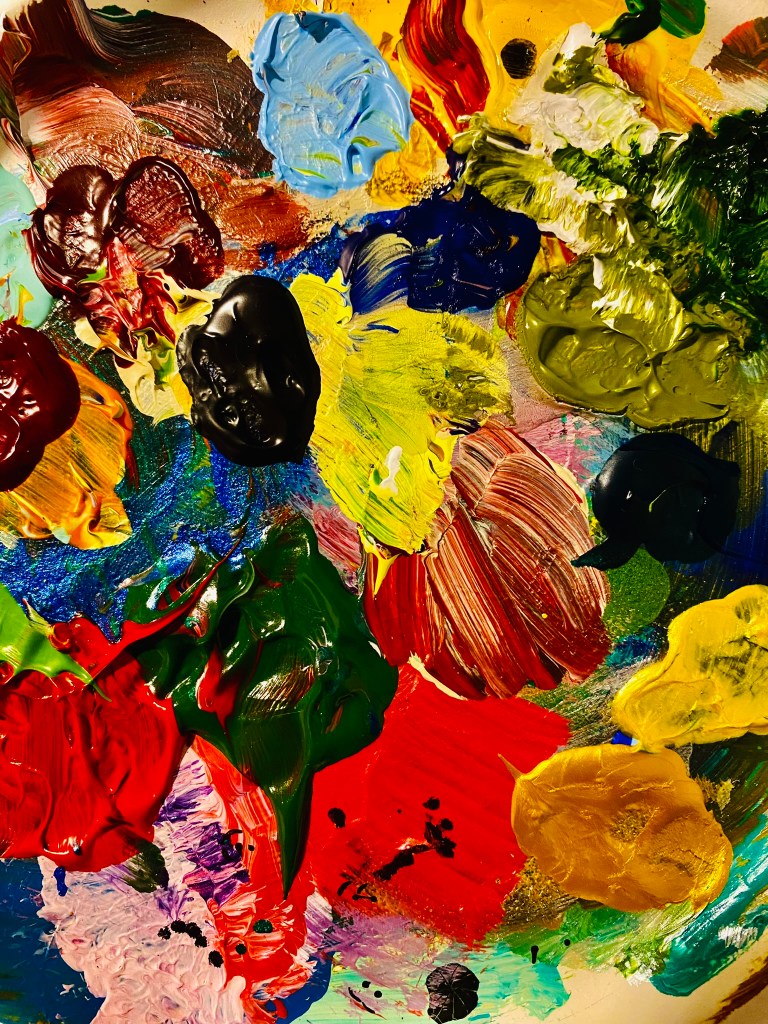
Aqui os dejo algunas de mis abstracciones en pintura y en fotografía…
+++
Picasso said that art was a lie that makes us realize the truth, and that abstract art does not exist since everything starts from one thing to reach another one and that, as always, it all departs from reality, thus an abstraction cannot exist. But… Although I consider Picasso a genius, a great artist, painter, sculptor, innovator, etc., I do not value his discourse on the same level. Picasso, when he spoke, did so thinking about sounding like an artist and said things that an artist should say. That is philosophizing about art, and one either accepts philosophies or not; they are not immutable laws. The truth is that abstract art does exist, and moreover, it had… and has… more success than cubism or almost all isms (the vanguards of the 20th century) because it remains relevant and growing, not only in painting but also in sculpture and photography. Abstract art is a way of expressing using the language of colours and geometric shapes, and thus, without figurative traits, convey an idea, an emotion (or several) and a feeling.
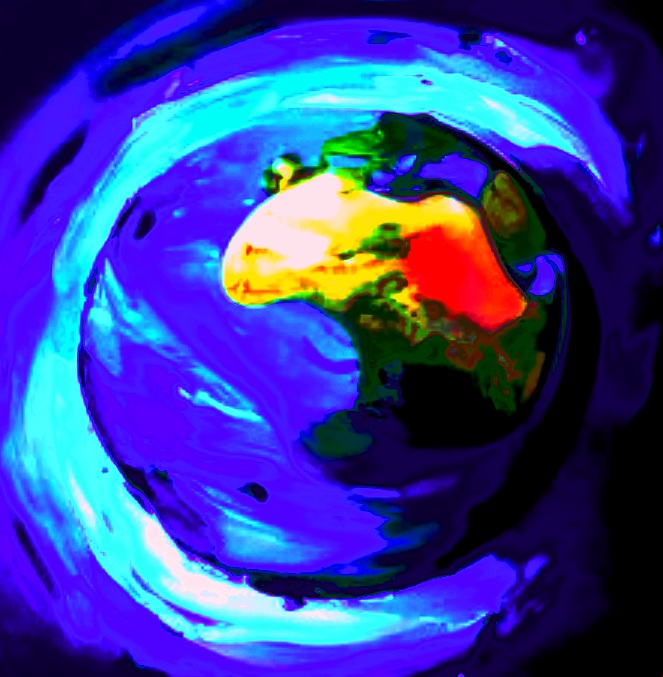
Here are a few of my abstract artworks both as paintings and as photographs…
+++++
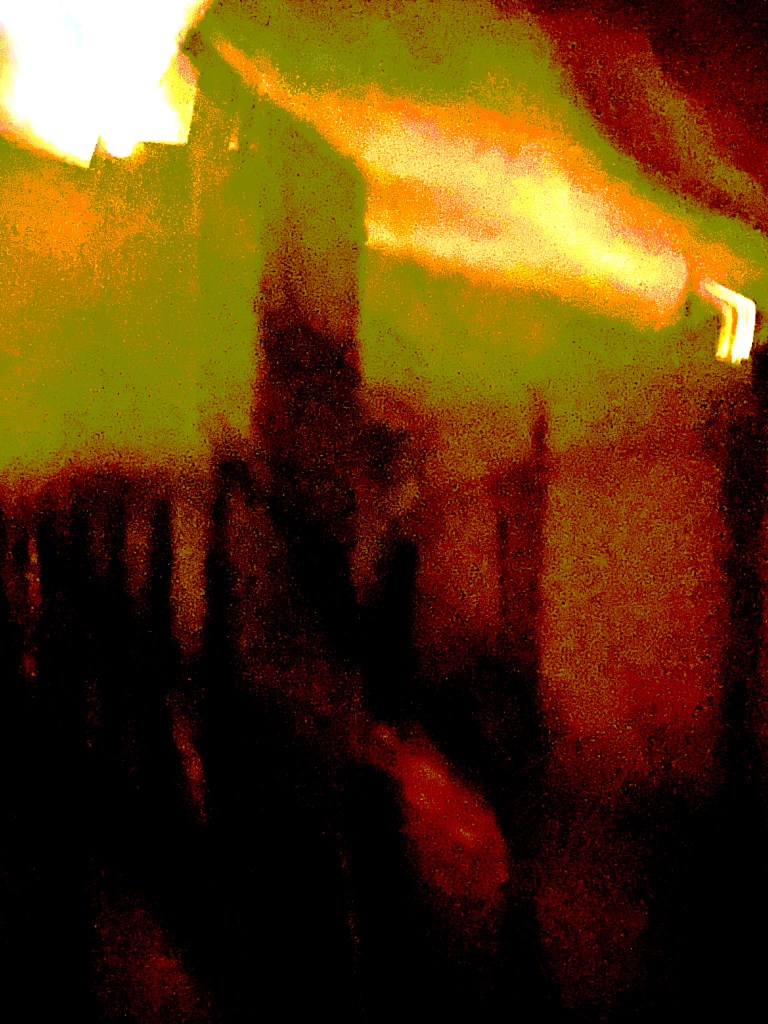
(Abstract Art/photography by Francisco Bravo Cabrera/Derechos Reservados/All Rights Reserved)
(«Universo»/Francisco Bravo Cabrera/Derechos Reservados/All Rights Reserved)
(2022/No olvides darle el «like»/Don’t forget to like)
(«Pablo y Salva»/Francisco Bravo Cabrera/All Rights Reserved)
TALKING ABOUT ART: Things to Know and Consider
Asking what is art is like asking what is life. Everyone has an answer and everyone thinks they are right. Some would say that art is something quite essential and unique to human beings, and I would tend to agree with them. Others may even think that animals are also capable of creating works of art. We have all heard about an elephant that paints, a pig, a monkey or even someone’s Pomeranian. This position I do not share. Art has to be made with purpose for it to hold the spirit of the time.
Yet, I am not one to hold an opinion that would place art apart from the abilities of everyone of us. And no, I am not going to say that we are all artists. But I will say that we are all capable of being artists, should we desire to. And that is the key. Some believe art is a gift, either from God, or nature, and I would not argue that point. I do believe art is a gift from God but not necessarily the talent to create art. The gift is the inclination towards the life of an artist, that is, the will to do art. The rest comes with training and practice. We have all been told that practice makes perfect, well talent is developed through hard work. No one is born with special talents. If we were born with genetic inclinations towards art then art would be a genetic disorder. We are born with inclinations. Talent is developed. So, clearly speaking, I will tell you that no one has talent, or is talented. Those that are have gained it through practice and hard work.
Another supposition is that art is sublime and subjective. What! Subjective? Art is purely and organically objective. To create a work of art one does not take cotton fibres from the subjective mind, weave them into a canvas, then paint with colours from the imagination. Everything about art is objective, from the canvas (or whatever support you use) to the paint, to the brushes (or whatever you use to put paint on canvas or wherever) to the easel, to the palette knife or even the rag you use to wipe off the paint from your hands. And anything you have done, whether it is a painting or a sculpture, (and I am not going to even mention conceptual art here) turns out to be an object that can be used to decorate or to, well whatever you wish to do with it.
Let us also not get overwhelmed with artists. And artists, let us not get too impressed with ourselves. I have noticed that when an artist is interviewed they usually speak “as an artist” would. They throw terms around, talk in circles, refer to history, to philosophy, all on their way towards making themselves seem important and sound so smashing, when they know it is all bullshit. Art is a subject you study at university like any other subject matter available. You shuffle yourself into the classroom, toting your canvas and your paints and you set up and begin to try to learn all about colour, composition, style, form, colour combination and how to, eventually, put your thoughts on canvas in a way that can be appreciated. Of course with good taste.
If you intend to make money as an artist, then you spend some years at art school (does not have to be at uni) earning a degree which is not really marketable as in art what counts is your production. And yes, you are producing, just like the factories or just like orange trees. A diploma might get you a job as a curator, or as a professor, and that is good. We all need to eat. But it will not get you a career as an artist. Well, unless you get “picked up” by a dealer or a gallerist that will catapult you into stardom and totally control your world and your output as an artist. If that happens, you can be sure you will become rich and famous but you won’t become much of an artist. Unless…
Unless you reach a state of financial independence where you can kiss the art dealers and art galleries goodbye because you don’t have to go to them to sell, they will come to you. And there’s the rub, as the old bard would say. An artist has to vindicate himself with every painting or with every sculpture. And this is true no matter how many examples you can cite of artists that have “made it” and that no matter what they do it becomes a smashing success. I would say those are successful because they have been placed there by rich and powerful sponsors, not because they have really proffered to the world incredible masterpieces.
Remember, art is a commodity. The old rich families of this world have always collected fine art. So, that means that all the great masterpieces of the world are taken, either by old money collectors or museums. Then, what do the nouveau-riche do to imitate their role models? They need would new Michelangelos, new Leonardos and new Picassos, but there are none. Second best thing, clever dealers create new masters out of their preferred artists or student artists. They build them up, pay incredible sums for their work, even if their work is less than average and presto, they have created the new Masters of art, the elite. Now they have to support them for if they do not then the “masterpieces” will lose all their value. And that is why you see such rubbish being sold at Sotheby’s or Christie’s at unbelievable prices. (Do not get confused with the very good pieces they also auction for such amazing sums as well).
And that is the state of affairs in the art world of the present moment, as I see it. But things are changing. The playing field is becoming larger and more democratic. With the internet all artists can become a global phenomenon without the need of intermediaries. It is not easy, nothing is, but it is doable and many have done it. I will conclude by telling you that art is a discipline, an adventure, a dream, and for me it is everything I ever wanted all wrapped up in a canvas, some paints and a brush. And if you are dreaming too, start learning from somewhere or someone. There is no such thing as self-taught. No one teaches themselves things they do not know. So take advantage of the things we have in this age of miracles and wonders and become an artist if that is your inclination. If not, support your local artists by buying original works.
CHEERS
(From the book «Talking About Art» by Francisco Bravo Cabrera – C.2025 All Rights Reserved)