(Autorretrato/Self-Portrait/foto/photo Francisco Bravo Cabrera/Derechos Reservados/All Rights Reserved)
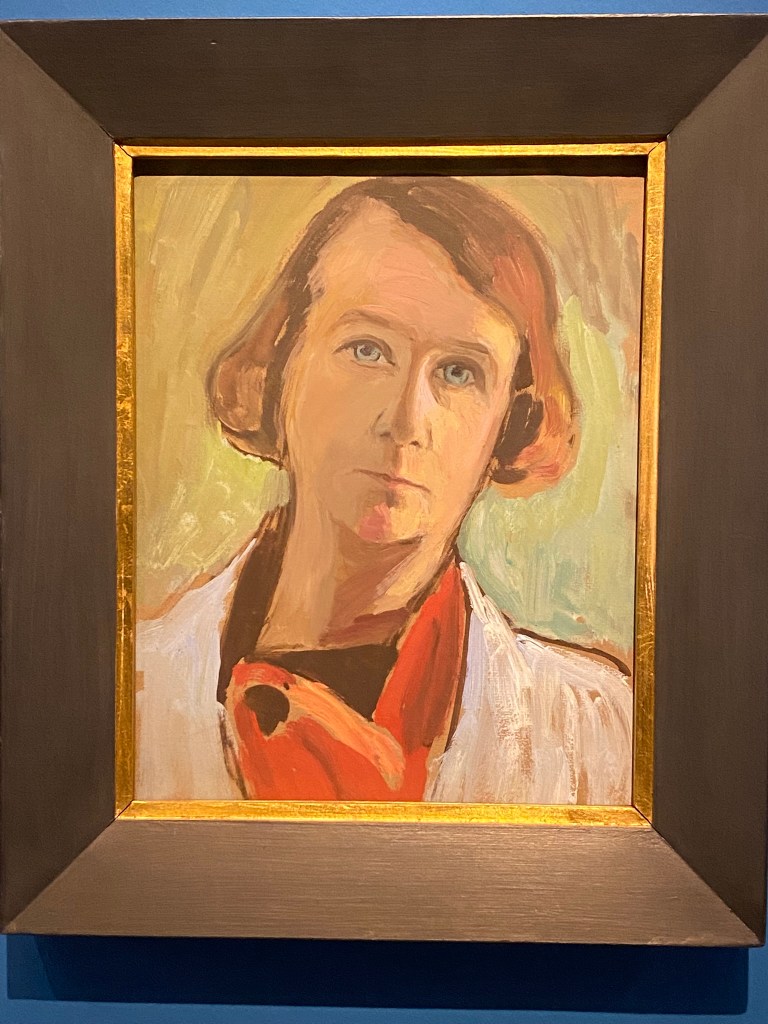
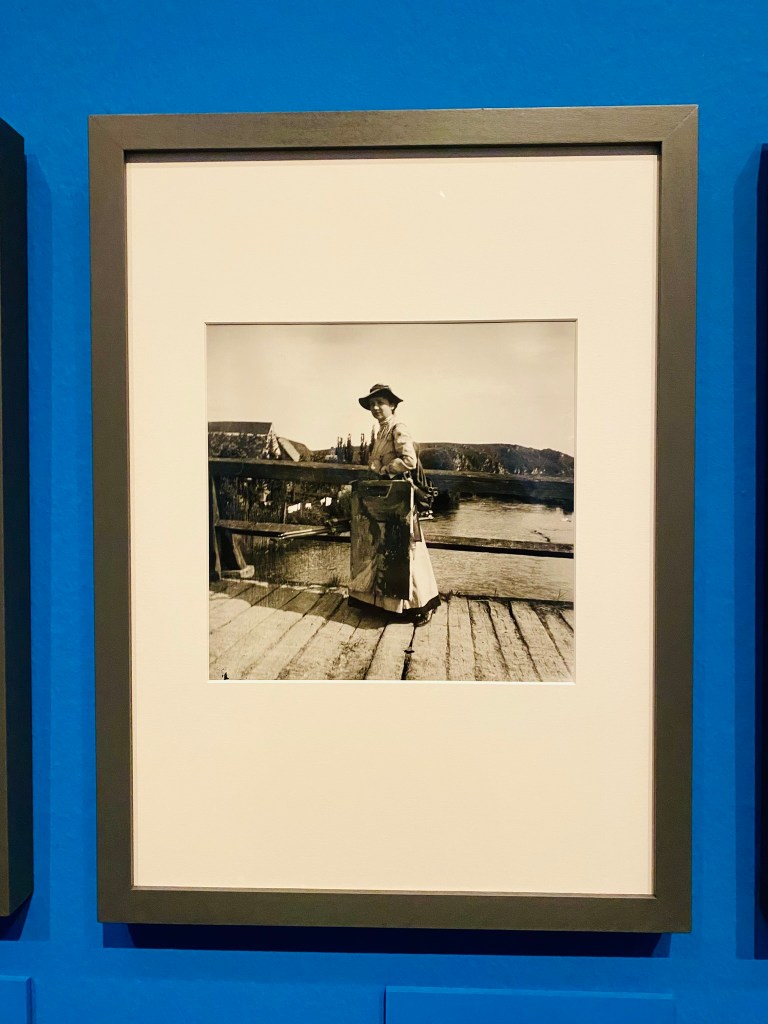
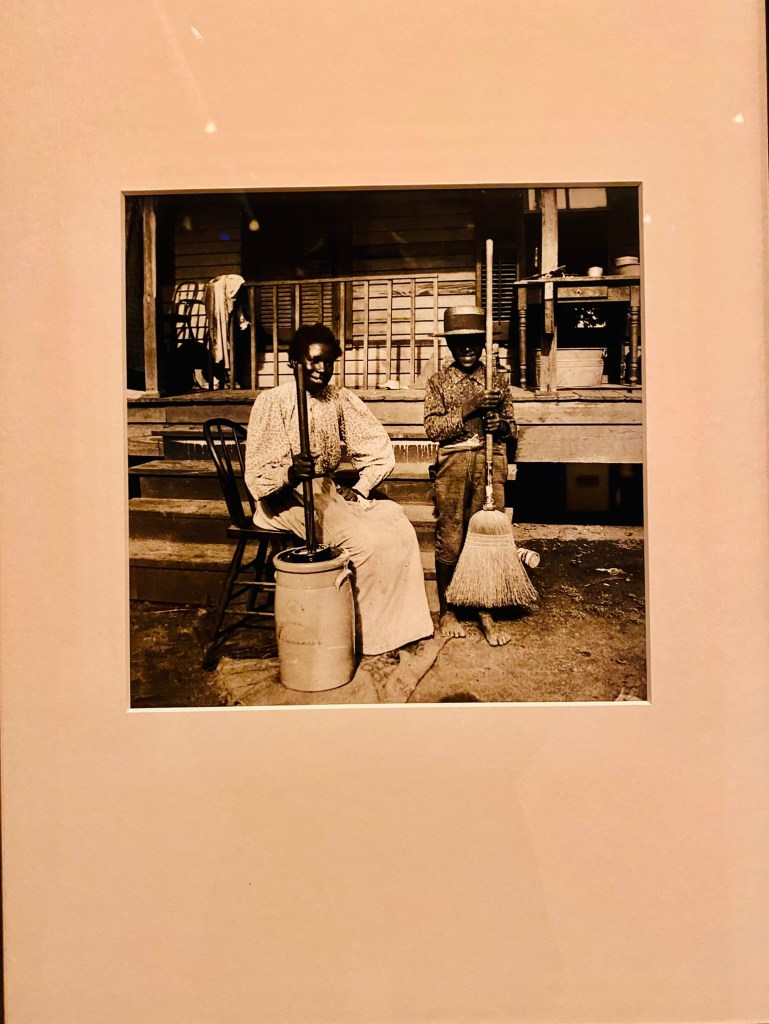
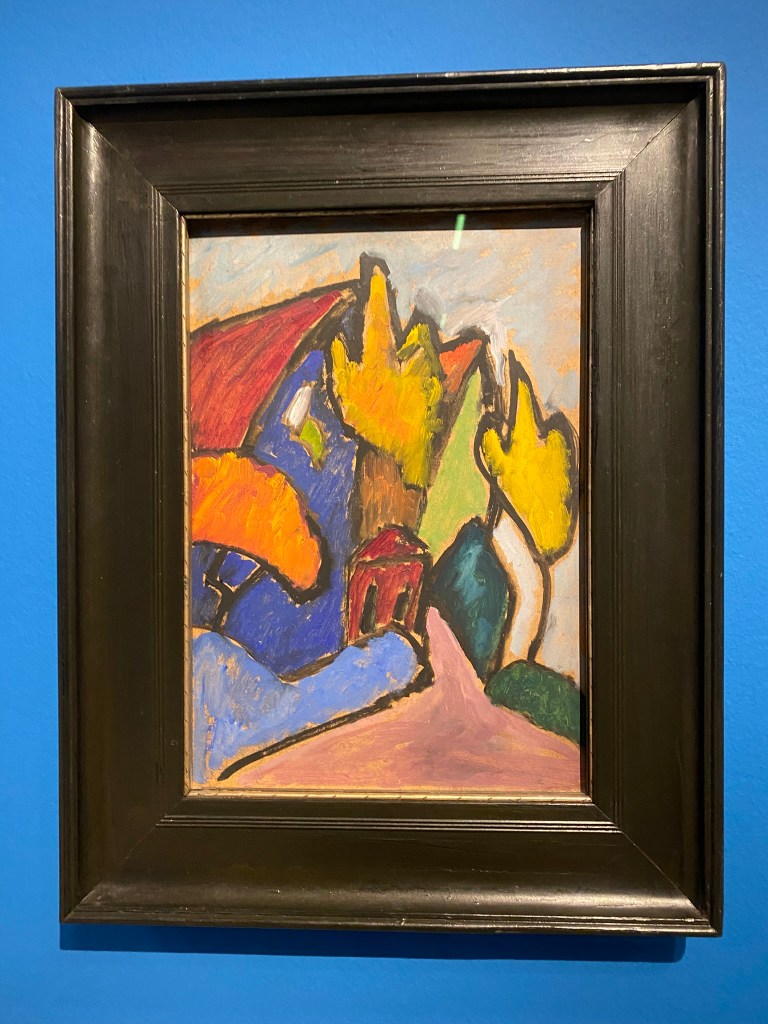
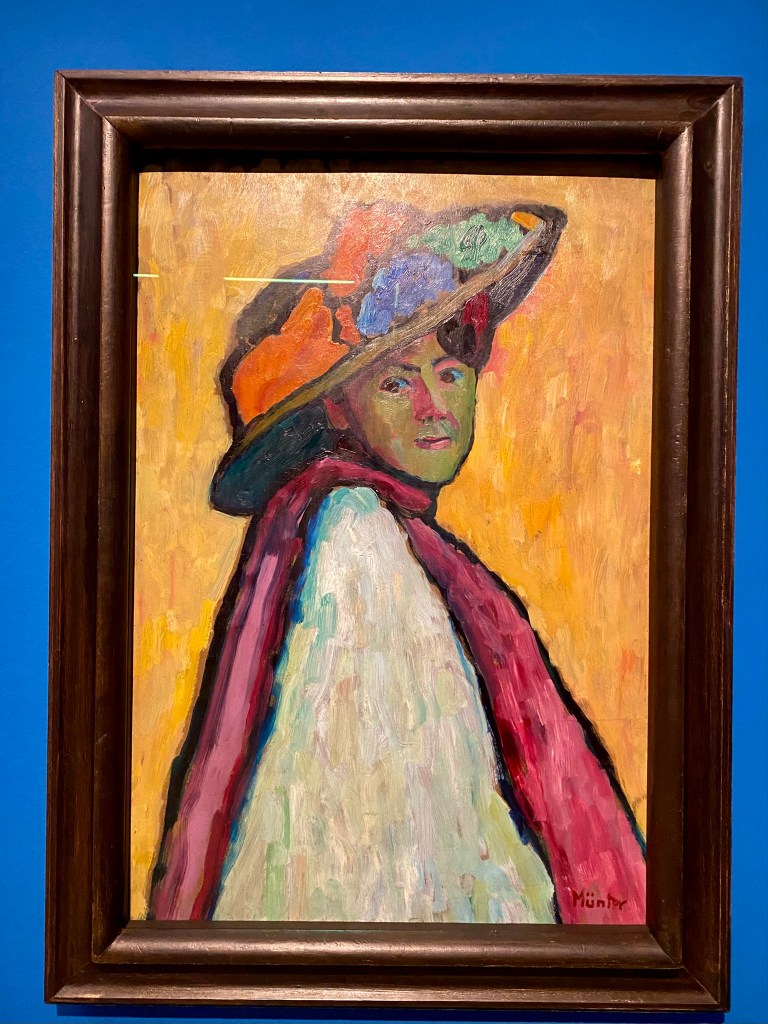
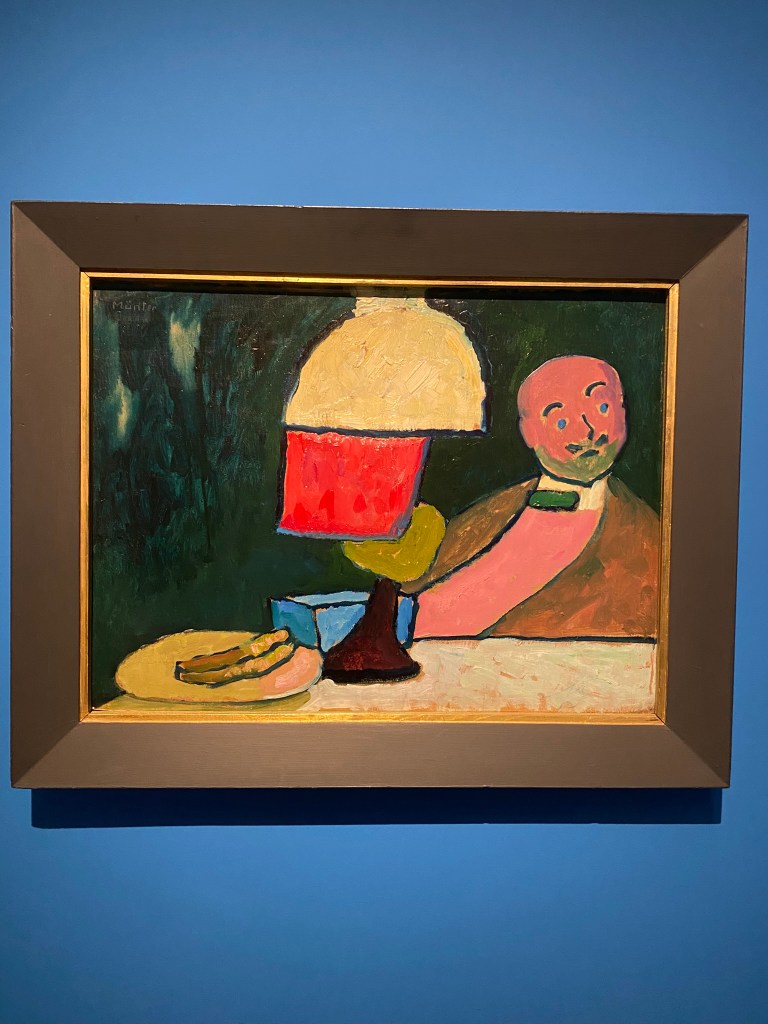
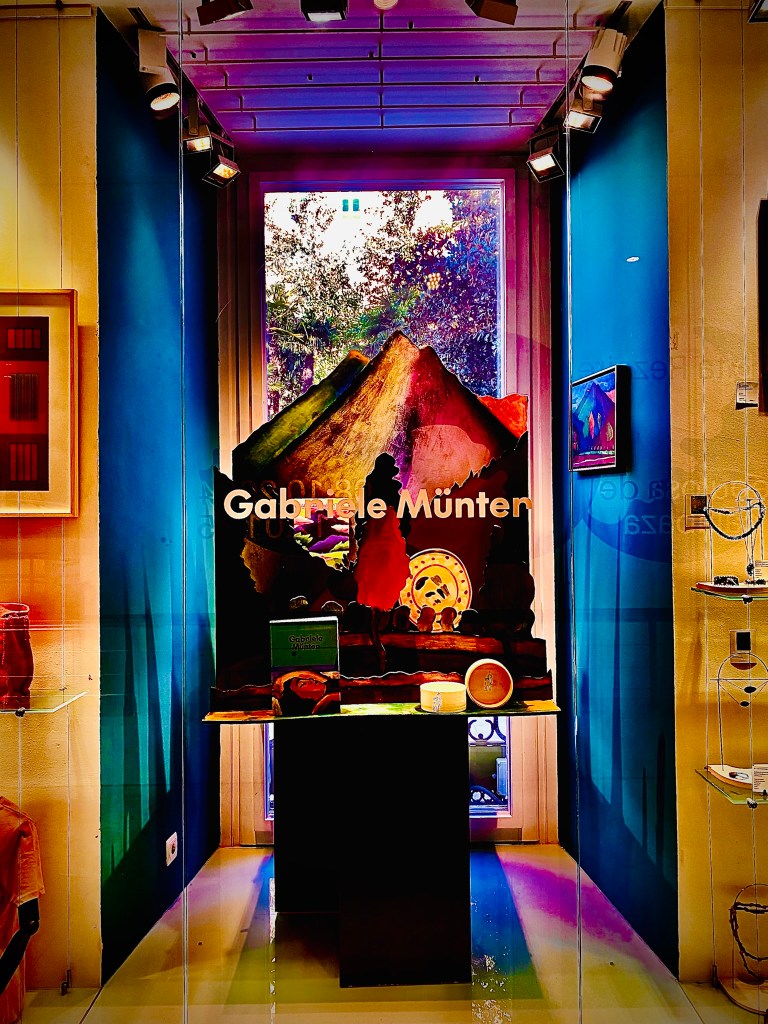
Tengo que decir que me encanta esta pintora expresionista. Cuando me enteré que el Museo Nacional Thyssen-Bornemisza (Madrid) estaba presentando una exposición de ella para allá fui yo. Estas son las fotos de las obras que más me impresionaron. Próximamente preparare un vídeo de la artista y su obra. Pero ahora os dejo esta información muy importante acerca de su obra, su vida y su vision de artista… Nació en Berlin en 1877… Viajó mucho por EEUU, especialmente para juntarse con parientes que tenía en Texas y durante su viaje hizo muchas fotografías… Fue una de las creadoras del movimiento artístico expresionista muniqués Der Blaue Reiter («El jinete azul»)… En 1901 se unió a la escuela de arte progresiva «Phalanx» donde conoció a Wassily Kandinsky… Se fue a Estocolmo durante la primera guerra mundial, luego compró una casa en Murnau donde comenzó a pintar abstractos (pero a su manera, no a la de Kandinsky)… Durante la segunda guerra mundial los Nazis no le permitieron pintar. Ella logró esconder muchas obras de ella y de Kandinsky, salvándolas de la destruccion… Gabriele murió a los 85 años en Murnau (1962).
+++
I have to say that I love this expressionist painter. When I found out that the Thyssen-Bornemisza National Museum (Madrid) was presenting an exhibition of her work, I went there right away. These are the photos of the works that impressed me the most. Soon I will prepare a video about the artist and her work. But for now, here is some very important information about her work, her life, and her artistic vision… She was born in Berlin in 1877… She traveled extensively through the U.S., especially to meet relatives she had in Texas, and during her travels, she took many photographs… She was one of the creators of the Munich expressionist art movement Der Blaue Reiter («The Blue Rider»)… In 1901, she joined the progressive art school «Phalanx,» where she met Wassily Kandinsky… She moved to Stockholm during World War I and later bought a house in Murnau, where she began painting abstract works (but in her own way, not Kandinsky’s)… During World War II, the Nazis did not allow her to paint. She managed to hide many of her works and Kandinsky’s, saving them from destruction… Gabriele died at the age of 85 in Murnau (1962).
+++++
(FBC/D.R./All Rights Reserved)(FBC/D.R./All Rights Reserved)(FBC/D.R./All Rights Reserved)(FBC/D.R./All Rights Reserved)(FBC/D.R./All Rights Reserved)(FBC/D.R./All Rights Reserved)(Fotos de Francisco Bravo Cabrera/Photos by Francisco Bravo Cabrera/Derechos Reservados/All Rights Reserved)
La exposición en el Museo Nacional Thyssen-Bornemisza (Madrid) cierra el 09 de febrero de 2025.
+++++++
The exhibition at the Museo Nacional Thyssen-Bornemisza in Madrid closes on the 9th of February 2025.
(Para que conozcas mejor a los expresionistas/So you get better acquainted with the expressionists/No olvides darle el «like»/Do not forget to give it a «like»)
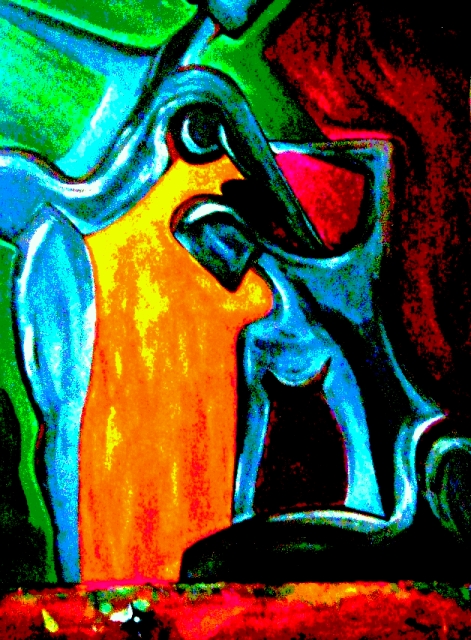
(«Dos bailarinas»/Francisco Bravo Cabrera/Derechos Reservados/All Rights Reserved)
René Magritte, el gran pintor surrealista, dijo una vez: «La mente ama lo desconocido. Ama las imágenes cuyo significado es desconocido, ya que el significado de la mente misma es desconocido.» Y aunque no era un expresionista, per se, lo que dijo se lo añado al expresionismo porque el expresionismo busca representar imágenes cuyo significado es desconocido. Esa es la esencia del expresionismo. Estoy completamente de acuerdo en que la mente es un misterio y que ama símbolos, imágenes y todo lo relacionado con misterios. Los expresionistas no buscan reproducir la vida, sino crearla en el lienzo con pintura.
Van Gogh podría haber sido el Padre del Expresionismo en la pintura. Él aportó gran energía y emoción en sus obras, algo que los expresionistas también buscan hacer. En la música expresionista, se puede decir que Arnold Schönberg es el Padre de la Música Expresionista. Comprendió la profundidad de los sentimientos y la búsqueda interna del artista, quien busca plasmar una expresión de la realidad que pocos pueden entender. Así dijo: «Si es arte, no es para todos, y si es para todos, entonces no es arte.» Y creo que captó el verdadero significado del expresionismo en todas las formas de arte.
Dentro del Expresionismo podemos encontrar el Surrealismo, el Simbolismo, el Futurismo, el Fauvismo, el Cubismo, el Vorticismo y el Dadaísmo. Todos estos, que se consideran entre las muchas vanguardias del arte del siglo XX, se sublevan contra los parámetros establecidos en el Impresionismo y el Postimpresionismo. Fue arte que surgió del resentimiento y la tragedia, ya que los expresionistas originales lucharon contra los peligros y los horrores de su mundo, que estaba mayormente enredado en guerras mundiales. Por lo tanto, la necesidad de expresar mundos ocultos y secretos se convirtió en la motivación, y fue el catalizador que permitió la creación de sus obras maestras.
Entre los muchos expresionistas que admiro se encuentran los pintores: Edward Munch, Otto Dix, Egon Schiele, Oskar Kokoschka y Gabriele Münter. En el ámbito de la música, grandes compositores expresionistas son Arnold Schoenberg, Anton Webern, Alban Berg, Paul Hindemith, Igor Stravinsky y Alexander Scriabin. En el cine, podemos encontrar películas expresionistas como El Gabinete del Dr. Caligari (1920), De la Aurora a la Medianoche (1920), Destino (1921) y Nosferatu (1922). Y, por supuesto, tenemos escritores como Kafka y filósofos como Hume, Bergson, Nietzsche, Proust y Kant. Todos buscaron dignificar e envigorizar al Nuevo Hombre y rechazar los principios anteriores, en su mayoría ligados a la sociedad anterior al siglo XX.
+++
René Magritte, the great surrealist painter once said: «The mind loves the unknown. It loves images whose meaning is unknown, since the meaning of the mind itself is unknown.» And although he was not an expressionist, I can certainly add that statement to expressionism because representing images whose meaning is unknown is the essence of expressionism. I agree wholeheartedly that the mind is a mystery and that it loves symbols, images and everything concerning other mysteries. Expressionists seek not to reproduce life but to create it in the canvas with paint…
Van Gogh could well have been the Father of Expressionism in painting. He brought forth great energy and emotion in his paintings and this is something that expressionists seek as well. In expressionist music, one can say that Arnold Schönberg is the Father of Expressionist Music. He understood the depth of feeling and the internal quest of the artist as he seeks to bring forth an expression of reality that few can understand. So he said: «If it is art, it is not for all, and if it is for all, then it is not art.» And I think he captured the true meaning of expressionism in all manners of art.
Within Expressionism we can find Surrealism, Symbolism, Futurism, Fauvism, Cubism, Vorticism, and Dadaism. All of these, which are some of the vanguards of XXth Century art, are a revolt against the parameters set in Impressionism and post-Impressionism. It was art that grew out of resentment and tragedy as the original expressionists battled the dangers and the horrors of their world which was mostly entangled in world wars. Therefore the need to express hidden and secret worlds became the motivation, the catalyst that allowed for the creation of their masterworks.
Among the many expressionists that I admire are painters like Edward Munch, Otto Dix, Egon Schiele, Oskar Kokoschka and Gabriele Münter. In the field of music great expressionist composers are Arnold Schoenberg, Anton Webern, Alban Berg, Paul Hindemith, Igor Stravinsky and Alexander Scriabin. In the cinema we can find expressionist films like, The Cabinet of Dr. Caligari (1920), From Morn to Midnight (1920), Destiny (1921), and Nosferatu (1922). And of course you have writers, like Kafka and philosophers, like Hume, Bergson, Nietzsche, Proust, and Kant. All sought to dignify and invigorate the New Man and reject the previous principles mostly tied to pre XXth Century society.
+++
(No olvides darle el «like», compartir y comentar)
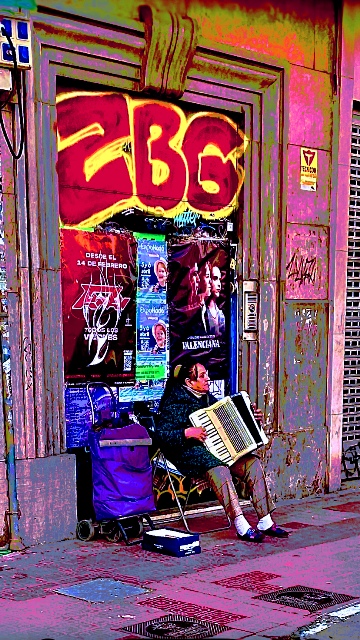
(Photography by Francisco Bravo Cabrera/Streets of Valencia/All Rights Reserved)
DEACON 11
“Riches”
If he was going to talk about riches, this was going to be good. I listened intently and he began…
“Riches… Everyone wants to be rich, and yes, some want to be rich and famous too. But let us say that you strike it rich, then what? If you suddenly won the lottery and were given several million Euros, what would you do? You are obviously not used to having money so you do not know what to do, but you think you know how to spend it, right? But here is what will occur… You will begin spending left and right without thinking of anything else than the next toy you will acquire. A fancy foreign car, a boat, a new house, jewellery, trips abroad, stays in luxury hotels and visits to theatres, bars and parties. And of course you now think you can hang out with the “beautiful” people. Naturally after all this frivolous spending in a few short years, or perhaps even a few short months, depending upon how much you splurge, you’ll have nothing and you will end up more poor than when you started.
“And why? Simple, because life just does not work that way. Statistically what I have described above is a sad reality among lottery winners. The thought, and the mad desire for richness is an addiction, a disease. The brilliance of perceived gold blinds one’s eyes. The weight of actual gold (and I am using gold as a metaphor for money in general terms) in one’s hands makes the soul heavy. It makes the heart hard and cold, makes one selfish, vain, corrupt, and opens one’s spirit to negativity. And please, do not misunderstand me, I am not talking about the finances that we need to live a decent, clean and comfortable life. After all Jesus said that God wants us to life a life of abundance. It is written in St. John 10:10: «The thief does not come except to steal, and to kill, and to destroy.I have come that they may have life, and that they may have it more abundantly.«
“So let me tell you what Jesus taught. Firstly he stressed that we should love one another, “A new command I give you: Love one another”, as it is written in St. John 13:34. And to love our neighbour, and we all know that our neighbour is that person who needs us and who helps us. In St. Luke 10:29–37 Jesus clearly defines anyone around is as “neighbour”. But Jesus also said we should love those who hurt us as well as one can read in St. Luke 6:27-28: “But I say to you who hear, Love your enemies, do good to those who hate you, bless those who curse you, pray for those who abuse you.” This is the root of all of his teachings. If we have no love then we cannot grow as charitable beings. Without love there is no justice or the way towards knowledge.
“Secondly Jesus urged us to search for the Kingdom of God which is not a kingdom of this world, but a spiritual place of justice, brotherhood and eternal peace. To search it one must search for justice through our love.
“Thirdly Jesus said that we should not be looking to clear away the splinter from our brother’s eye without first removing the beam from our own, («Why do you look at the splinter in your brother’s eye and pay no attention to the beam in your own eye?” St. Matthew 7:3-5). We shouldn’t be looking to find faults in our brethren or to criticise their errors. On the contrary, we should attempt to correct our own errors, our own faults, and we’ve many. And should we confront someone about their faults, mistakes, errors, wrongdoings etcetera, we should do it with humility not pride.
“Fourth, Jesus stressed purity of heart which allows us close proximity to the Kingdom of God and to true happiness, (“Blessed are the pure in heart, for they shall see God”, St. Matthew 5:8). And how on earth does someone do this? One way is through silent prayer in a private place without pretentiousness. Keep your heart far from hypocrisy, speak the truth and avoid bad or evil intentions.
“Finally, don’t be attached to riches. Non-attachment is the key to entering the Kingdom of God. Remember that Jesus said, as recorded by Saint Luke 18:25 that, «it is easier for a camel to go through the eye of a needle than for a rich man to enter the kingdom of God«. And he who denies help to a needy one will find the doors to the Kingdom closed, St. Luke 6:29-36, “Give to everyone who begs from you, and from one who takes away your goods do not demand them back. And as you wish that others would do to you, do so to them.”
“So, if you are still dreaming of the lottery, my friend, you are on the wrong track and a freight train is coming your way. I would suggest you, “Seek first the kingdom of Godand his righteousness, and all these things will be added to you.” And now you know how to do it.
C.2025, Francisco Bravo Cabrera – 28/29 MAR 2025 – Valencia, España
(«Water Beetles»/Francisco Bravo Cabrera/Art Digital/All Rights Reserved)
«Ah… look at all the lonely people, where do they all come from, all the lonely people, where do they all belong.»
And so sings Paul McCartney in the phenomenal Beatles song, «Eleanor Rigby«. The song is from the album Revolver, and was launched as a double A side single with «Yellow Submarine» in 1966. Revolver was recorded after The Beatles had enjoyed several years topping the pops with smash hits. They had learned how to be hit-makers and then, beginning with the 1965 Rubber Soul album, they were becoming artist in their own right. Their musical abilities were guiding them towards creating artistic expressions in their song. Their albums became filled with fuller and richer songs. They had moved on from the songs that had catapulted them to their amazing success. Now they had to vindicate themselves as artists. And they certainly did.
Eleanor Rigby is a song about alienation, solitude, and the sadness that often accompanies old age. Mature themes for a young songwriter. But Paul McCartney was a genius at a young age and he mastered it. The song also speaks of the levity and lightness of convictions, rites, duties. Ultimately the song is a masterpiece. It tells a story and the story reflects the life of many around the world.
I love this song. It ranks with me among my favourite Beatles songs like «In My Life«, «Fool On The Hill» and «Nowhere Man«, all masterpieces among masterpieces.
SOME INTERESTING FACTS RELATED TO ELEANOR RIGBY
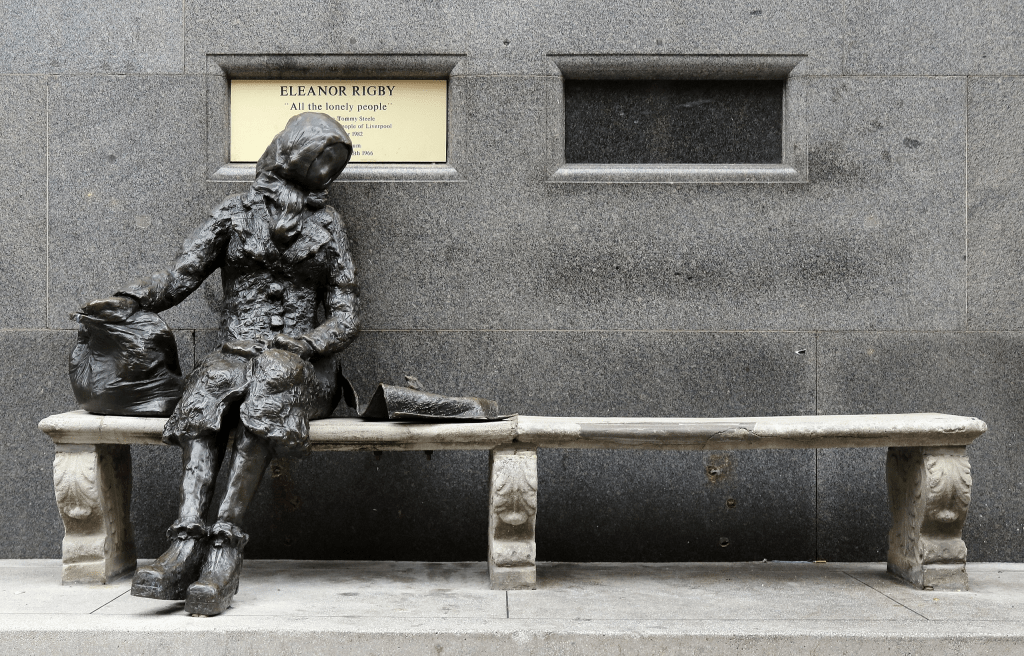
On Stanley Street in Liverpool one can find a statue of a woman seated on a bench, it is the work of Tommy Steele, the entertainer. It says: «Dedicated to All the Lonely People«.
The song is credited to Lennon/McCartney but it was mostly written by Paul. He presented the song to the lads and they all contributed ideas. For example: George Harrison contributed with, «Ah, look at all the lonely people«, the hook. Ringo came up with «writing the words of a sermon that no one will hear» and thought «Father McCartney» (the original name Paul had given the priest in the song) should be darning his socks. And a friend, Pete Shotton, advised Paul to change the name to McKenzie, lest someone should mistake him for Paul’s own father.
The song breaks from the pattern, style, lyrics and music of Paul’s previous songs. It is a social commentary and almost a narrative, like a play or a novel of things that happen in cities and towns to «all the lonely people…«
First I will ask you to listen to this special arrangement by George Martin from this phenomenal album…
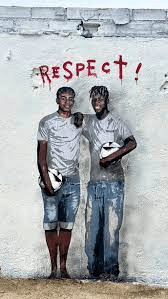
Sus murales representan a personajes de la actualidad, En este caso dos de nuestros grandes futbolistas, Lamine Yamal y Nico WIlliams, ambos de nuestra selección española de futbol. TVBoy nació en Palermo en 1980 y es, como veis, un artista callejero. Muchos de sus murales, incluyendo el de Montserrat Caballé y Pau Donés, están en el distrito de Gracia en la ciudad de Barcelona.
Esperemos que nuestra selección gane la copa en domingo!
+++++
TVBoy’s murals depict current personalities, in this case two great footballers, Lamine Yamal and Nico Williams, both from our Spanish national football team. TVBoy was born in Palermo in 1980, and is, as you can see, a street artist. Many of his murals, including those of Montserrat Caballé and Pau Donés, are in the district of Gracia in the city of Barcelona.
(image property of FBC, Omnia Caelum Studios Valencia. All Rights Reserved)
Rejuvenating an article from 2022…
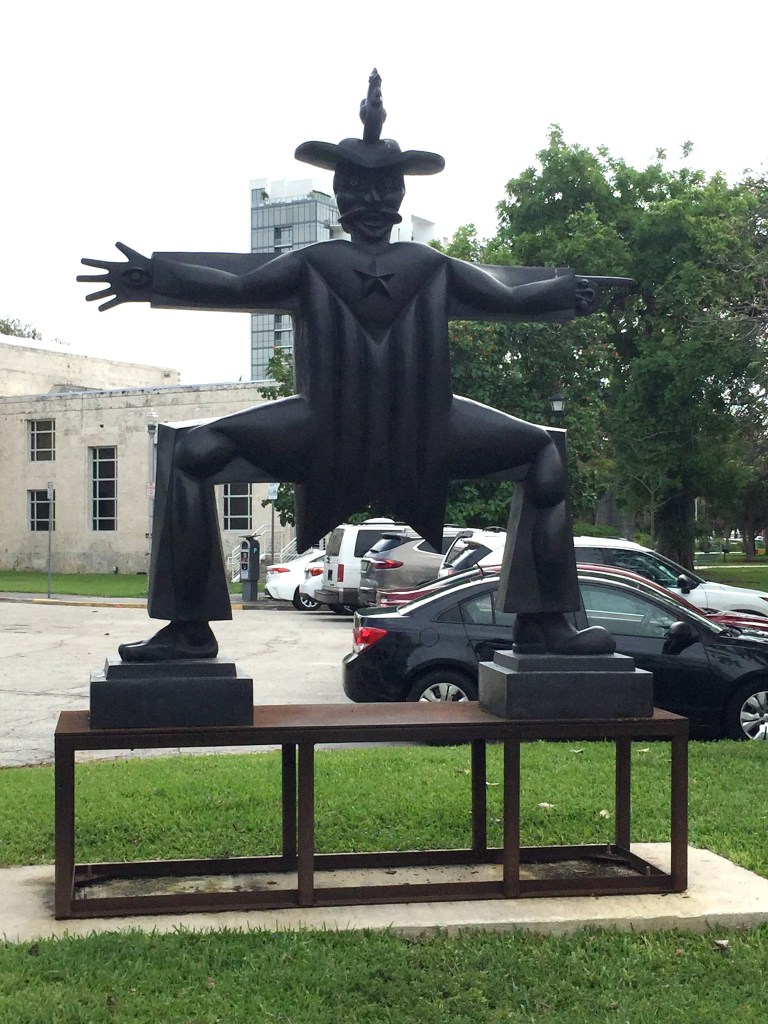
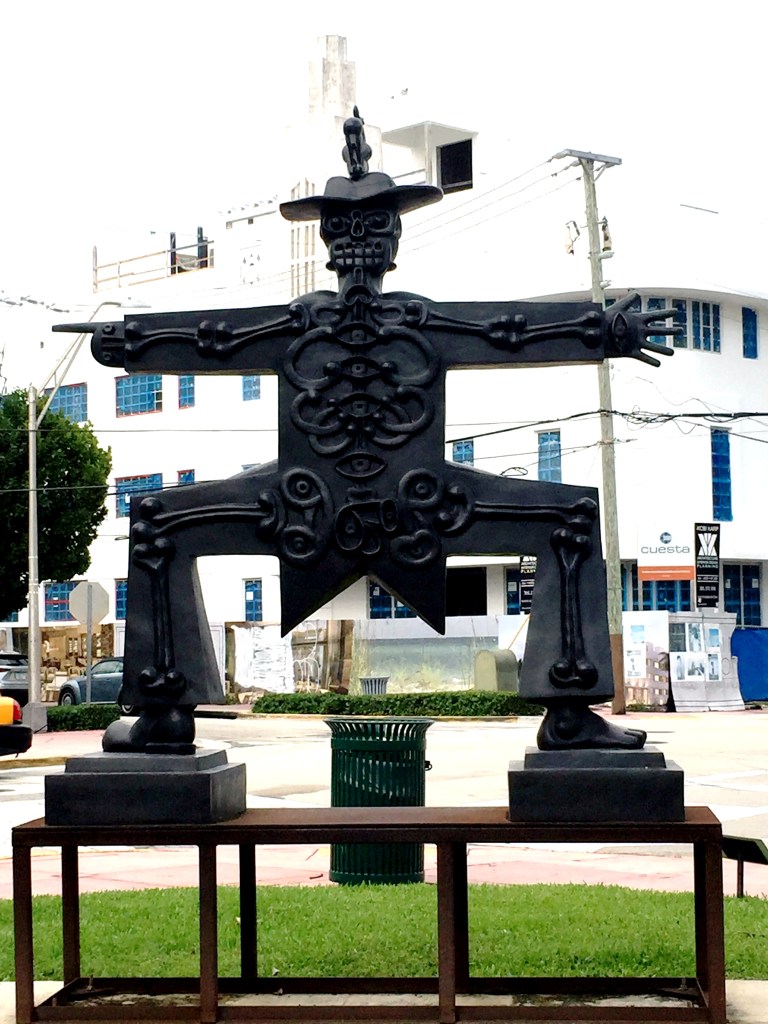
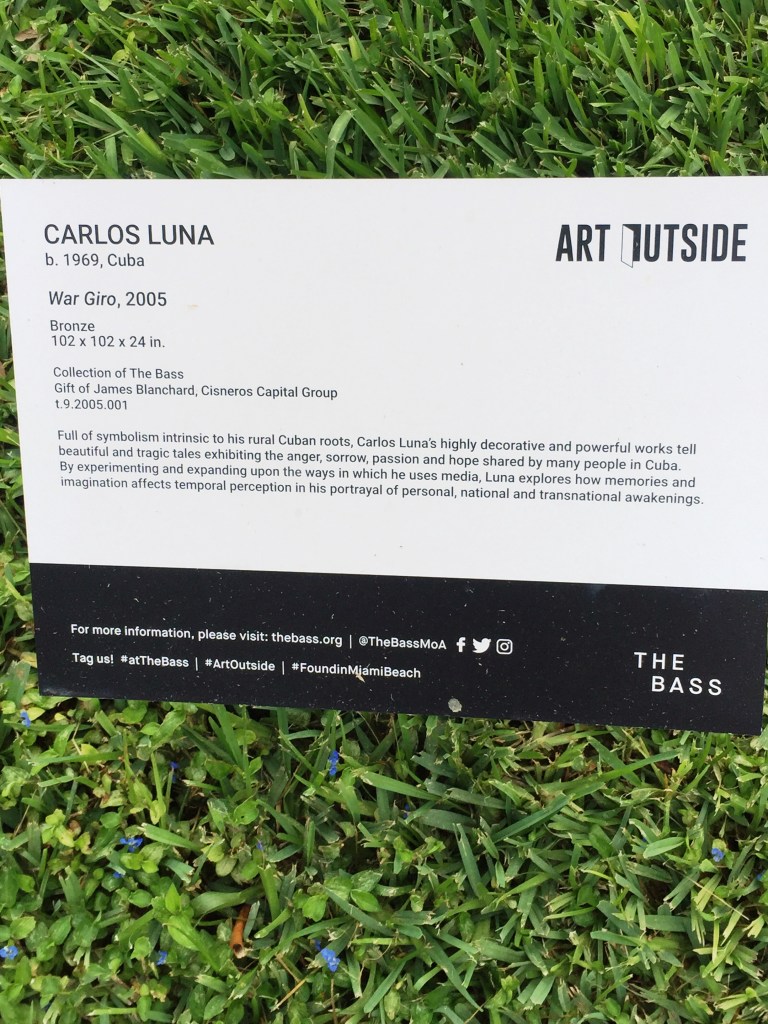
Mientras paseaba por las calles de Miami Beach me encontré con una escultura muy interesante y me detuve a echarle un vistazo. Fue esculpida por un artista cubano llamado Carlos Luna y demuestra la lucha y el sufrimiento del pueblo cubano desde la imposición en Cuba del Castro-comunismo.
Me llamo la atención definitivamente. La foto anterior demuestra el frente de la escultura y esta otra la parte de atrás.
(Image property of FBC, Omnia Caelum Studios Valencia. All Rights Reserved)
Me alegré mucho de ver esculturas así en Miami Beach ya que durante la época mía, cuando viví aquí, lo único que se veía por las calles era arte de la peor categoría. Ahora, veréis (mirad mas abajo) lo que si siempre me ha gustado de Miami Beach.
As I was walking along the streets of Miami Beach, I saw that around the area of the Bass Museum there was an interesting statue and I stopped for a closer look. It was done by a Cuban artist named Carlos Luna and depicts the plight of the Cuban people after the imposition of communism on the island.
(Image property of FBC, Omnia Caelum Studios Valencia. All Rights Reserved)
I found it to be an interesting sculpture with meaning. The front of the statue is the picture above and the back is represented in the second picture.
It was rather refreshing and interesting to find something of art reflected in these programmes that the City of Miami Beach is engaged with. In prior years, the years I lived in Miami Beach, I never saw anything that I could ascribe any real artistic value to.
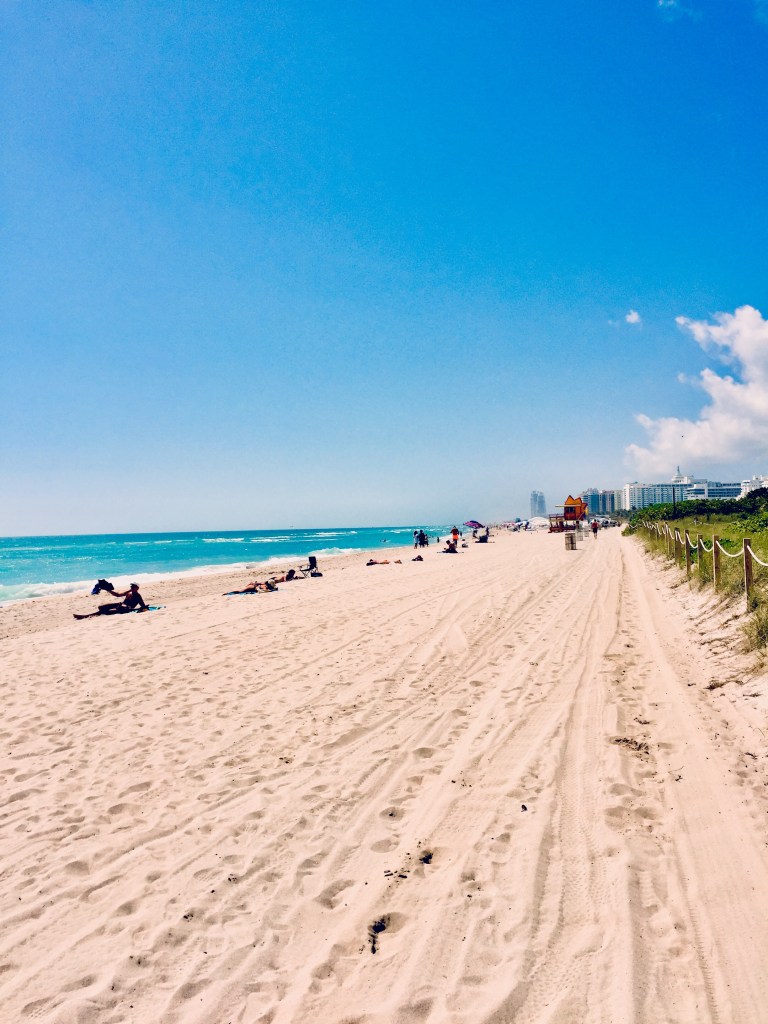
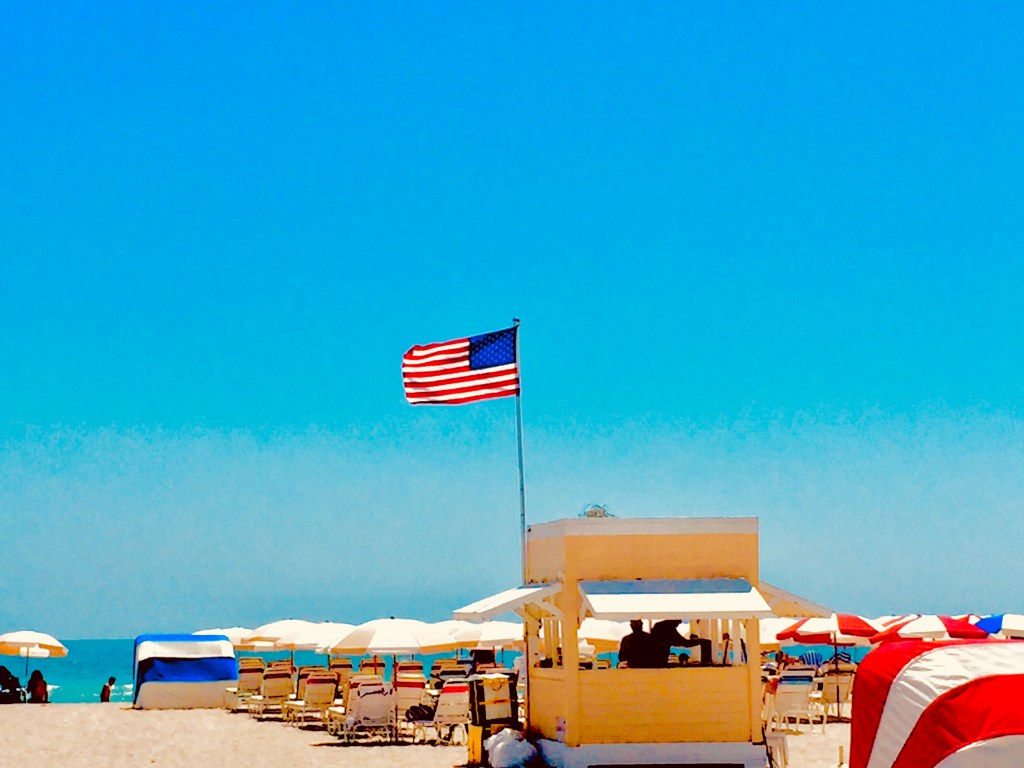
But there is one thing I can ascribe value to here in Miami Beach is this:
(Images property of FBC, Omnia Caelum Studios Valencia. All Rights Reserved)
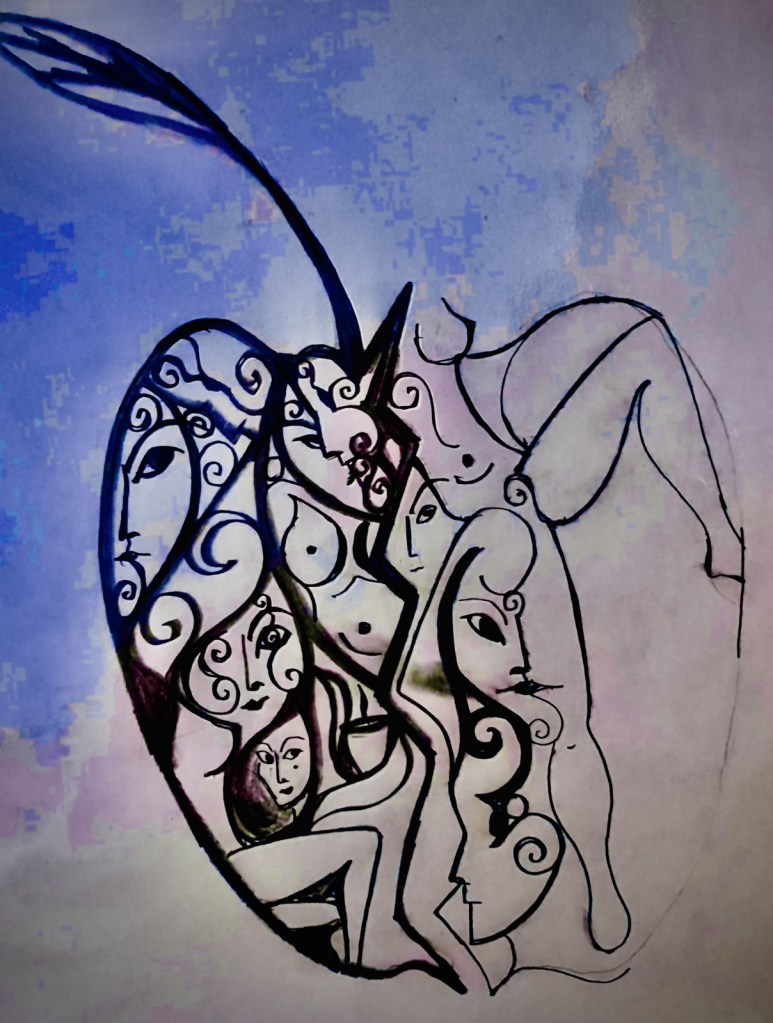
(«Manzana dentro»/Francisco Bravo Cabrera/All Rights Reserved)
Should there be censorship in art? Yes. What!!! Let me explain. I think that there should be no censorship in art at all, except when it comes to illegal acts. If your «art» (conceptual art) is beating up an unfortunate in the street to take his money to buy the wine for your gallery’s vernissage, you have not created «art», you have committed aggravated strong-arm robbery and you should go to jail. If you abuse of animals or any other living thing to «create» art, then you have not the right to do so. It should be censored and you should be punished. But anything else, no matter how tasteless it might be, as long as it is legal, should not be censored.
What do you think?
Is showing a nipple (in a painting or in art photography) on Instagram something wrong? Is it immoral? Or if you post your art (nudes) on YouTube, are you offending the general audience? Classical paintings can be shown as they are, but modern ones that I paint, or you? If we post them on social media they get censored! Incredible!
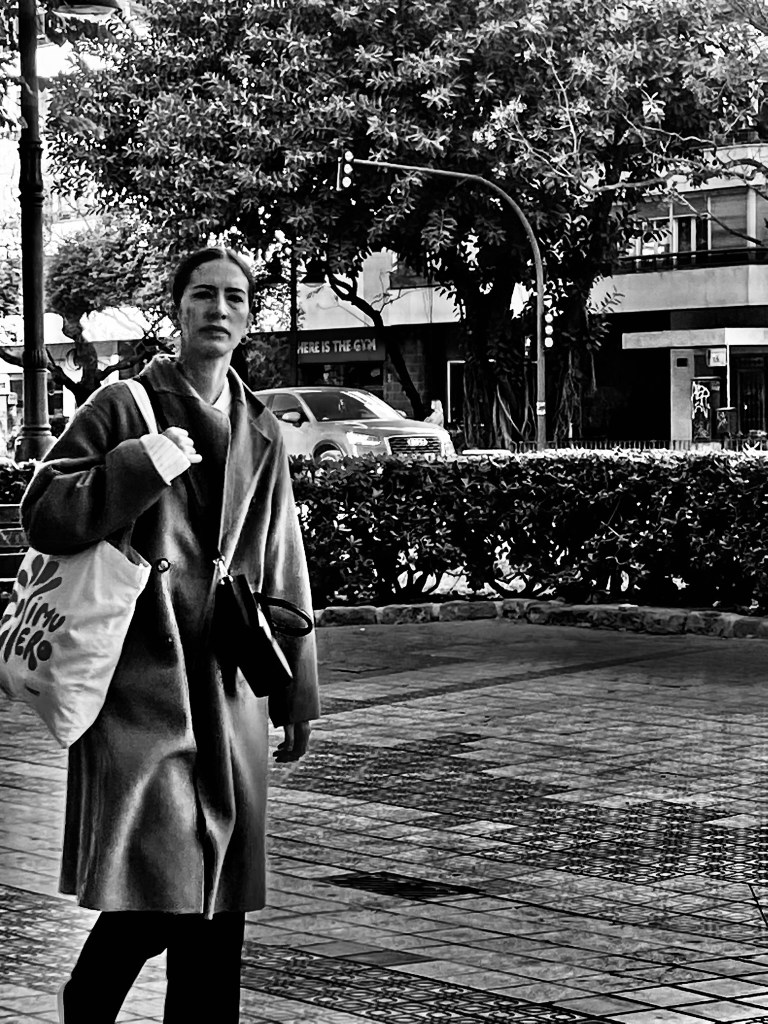
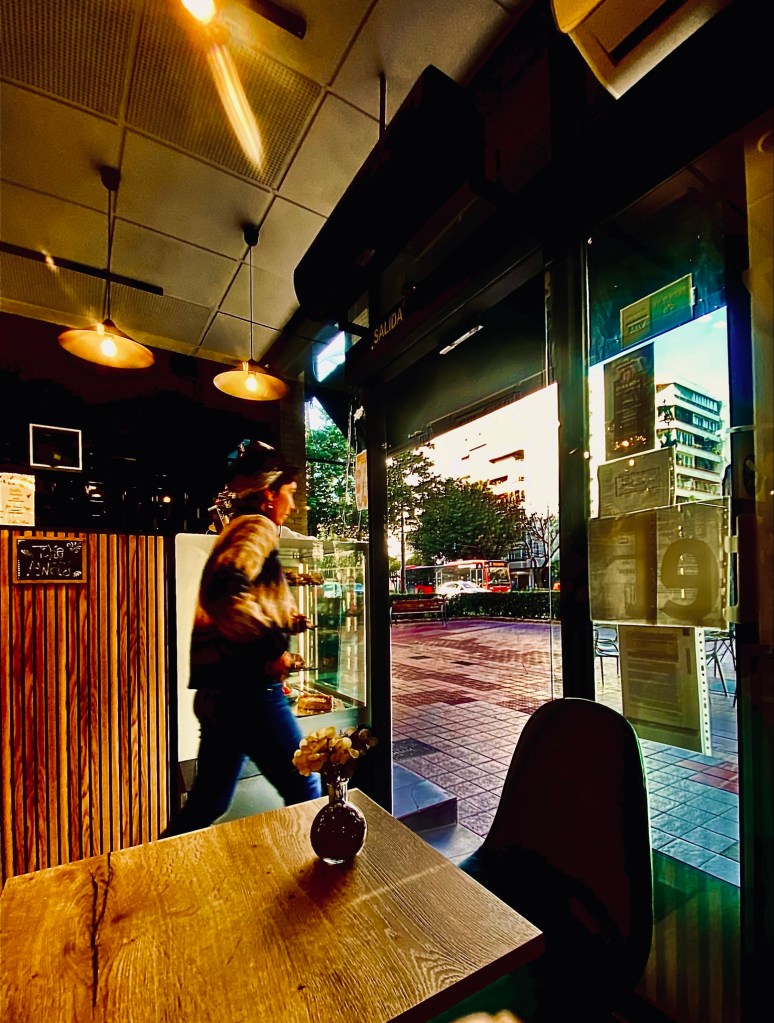
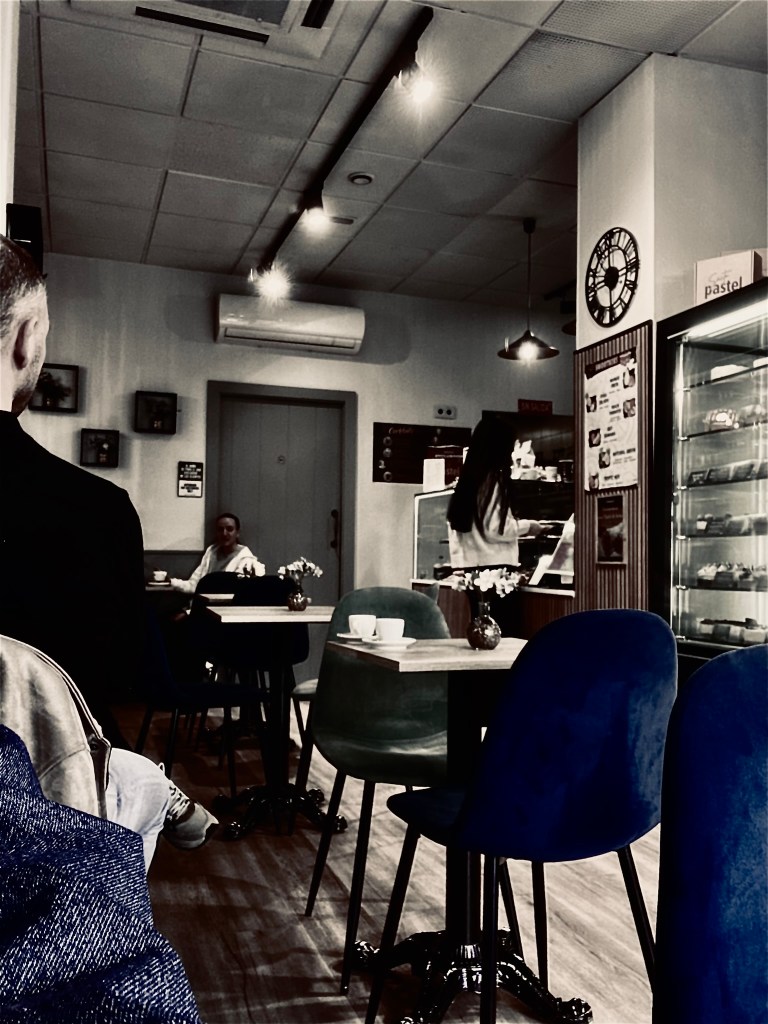
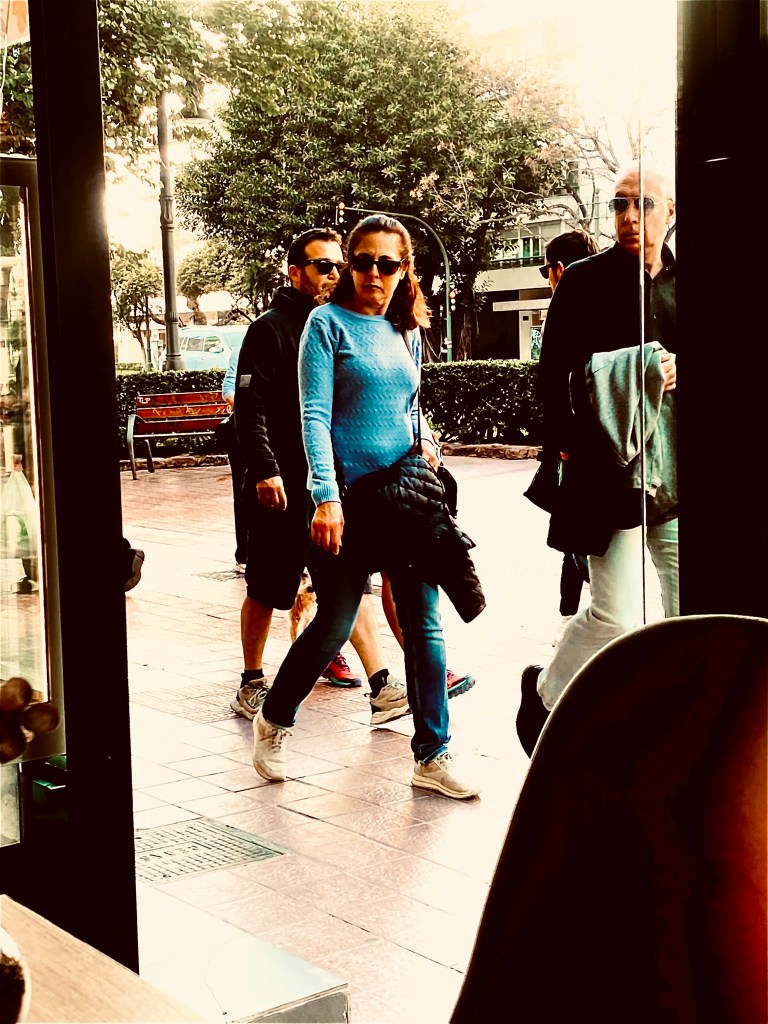
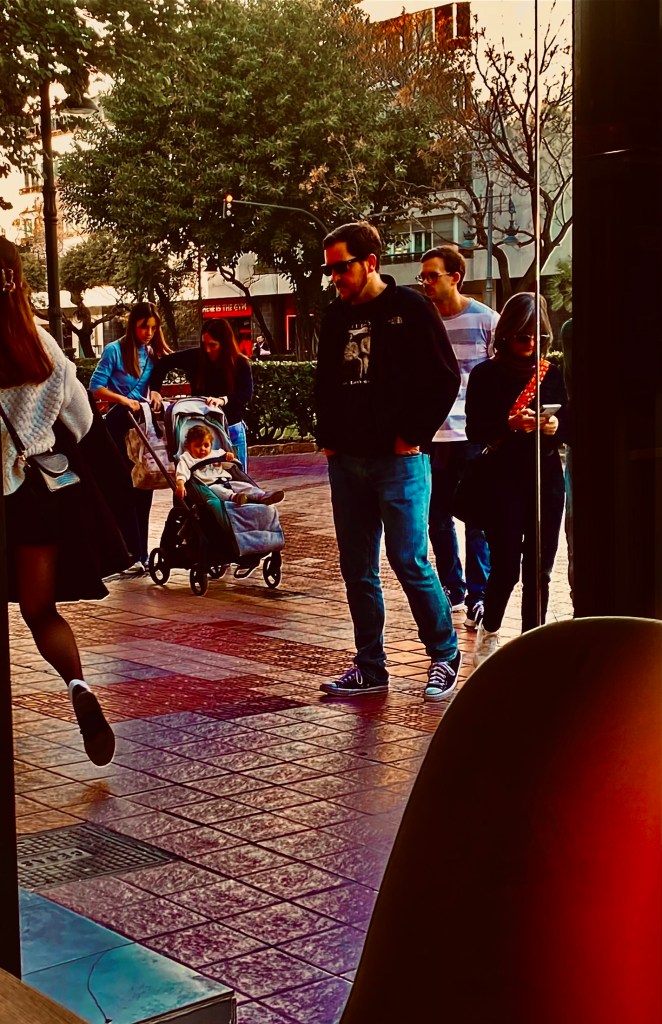
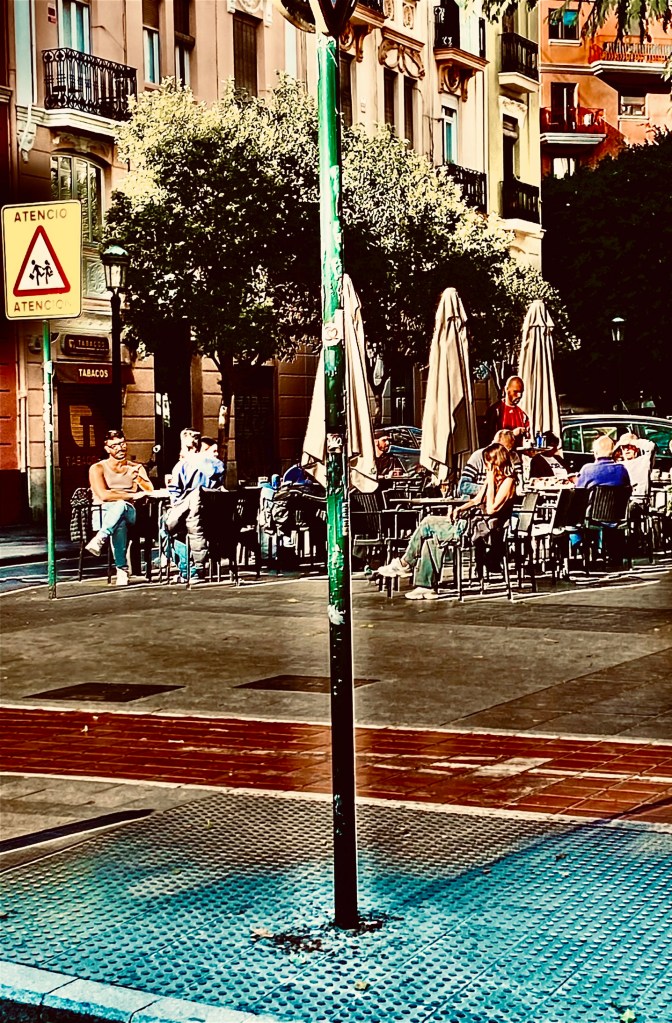
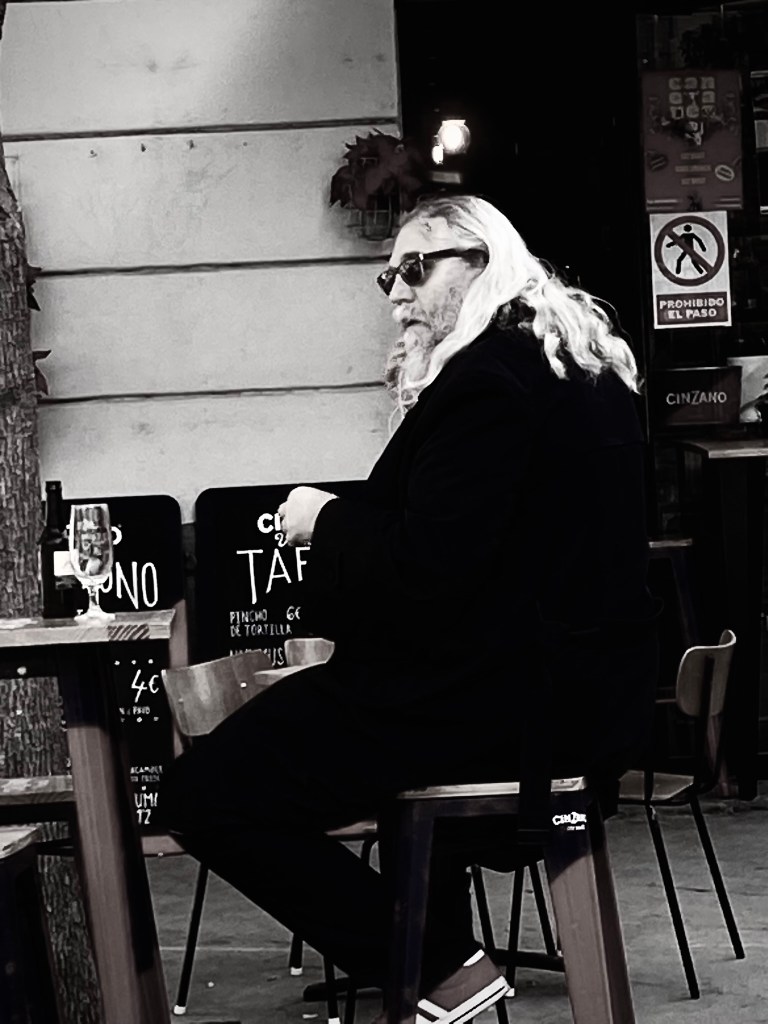
Valencia es una ciudad muy especial. Todos los días hay una energía atractiva que nos carga de creatividad y cosas buenas… Me encanta caminar por las calles, no solo de mi barrio, sino de todo la ciudad. Cada sección tiene su sabor único (como en tu ciudad, supongo) pero aquí somos bendecidos con sol (la mayor parte del año) e inviernos bastante suaves… En cualquier caso, di un paseo hoy (como de costumbre) y aquí está lo que vi después de desayunar en mi lugar favorito…
+++
Valencia is a very special city. Everyday there is some kind of appealing energy that charges us with creativity and with good things… I love to walk through the streets, not only of my neighbourhood, but everywhere in the city. Each section has its unique flavour (like in your city, I reckon) but here we are blessed with sunshine (most of the year) and rather mild winters… In any event, I took a walk today (as usual) and here is what I saw after I had breakfast at my favourite place…
(Photography by and property of Francisco Bravo Cabrera/All Rights Reserved)
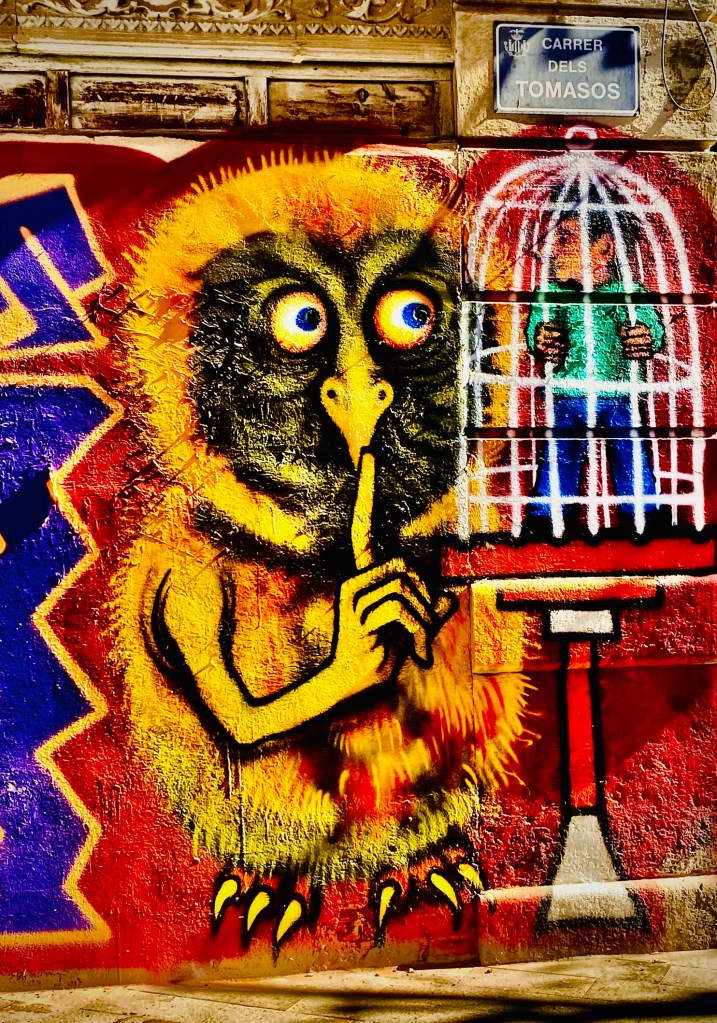
(Photo by and property of Francisco Bravo Cabrera/artist unknown/All Rights Reserved)
This phenomenal piece of street art, on one of the old streets in the Russafa neighbourhood of L’Eixample of Valencia, caught mine eye and I wanted to share it to see if you could figure out what the hell it means!
I walk around this neighbourhood a lot and there is not much street art around. Not like in other sections of Valencia, like Ciutat Vella and El Carmen. But this one on this short, little and not too much transited street, is something of a work of art. I’ve no idea who painted it, but it was painted in the traditional style that one would create a mural. Nos stencils like the ones used by Banksy and his minions…
So, what do you think? What does it mean? Or does it mean nothing? I would like to know.
Here is some other ones (including some fallas) back from 2020…
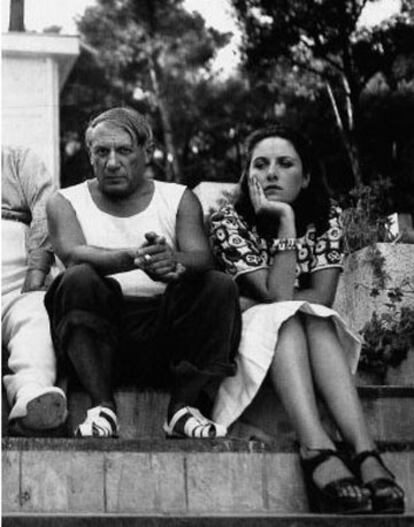
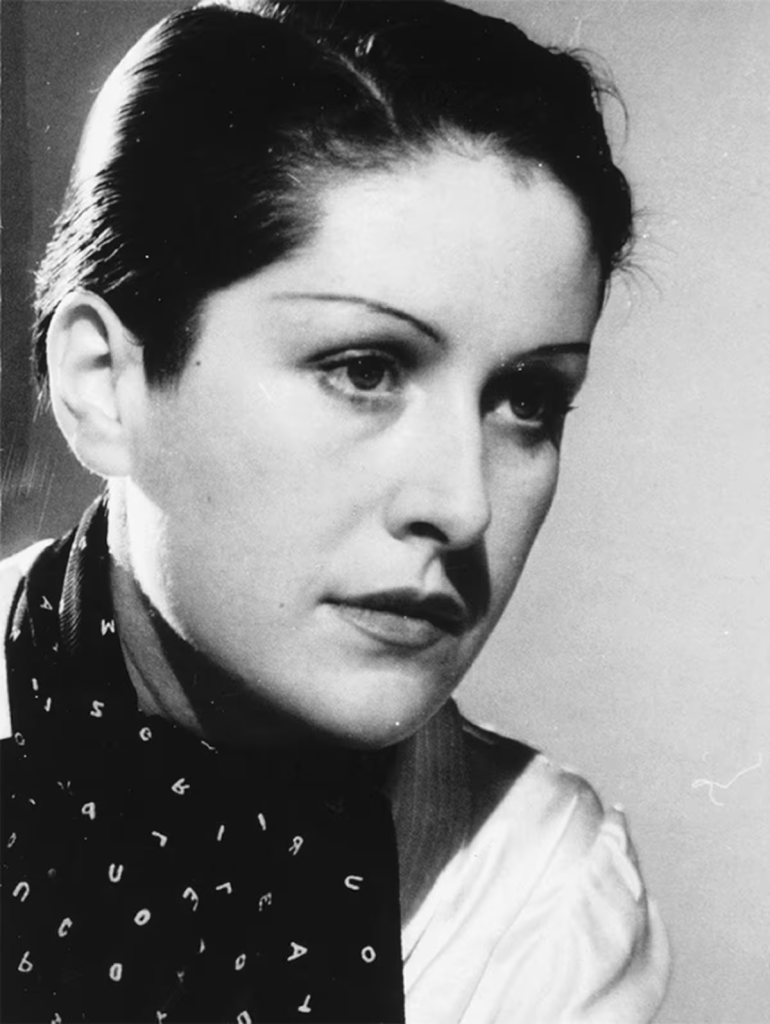
(Photo by Man Ray/1937/Photo Credits: Centre Pompidou, MNAM-CCI/Georges Meguerditchian/Dist. GrandPalaisRmn/detail)
Dora Maar
When we speak about Pablo Picasso and his relationship with women we should keep in mind that he was born in the XIXth Century (1881) and lived 73 years in the XXth. He died in 1973. He was not a man of our times or of our morality and beliefs…
But not surprisingly, in this age of pointing fingers to the past, he is now thought of an abuser, by some. Yet, not a single complaint about him was made by any of the women he supposedly abused. On the contrary, he kept them in the lap of luxury and made sure they were taken care of. And I am not saying that to lessen the impact of abuse, nor does that supplant the fact that it is evident that he mistreated many of the women in his life. But I am trying to explain, or mitigate, the charges by reminding one and all that he was a generous and giving person mostly liked by everyone, and never accused of domestic violence.
And yes, according to our standards, his treatment of women would be frowned upon today. But one cannot judge another time period with one’s own. Francoise Gilot said that to Picasso women were either goddesses or doormats. However, she proved that a woman could walk away from Picasso, should a woman want to. And she did. She did not allow him to bully her around and she left him. She was the only one among many. Did the act of leaving him make her a goddess? In any event, as we will see, the other women in his life adored him to the end.
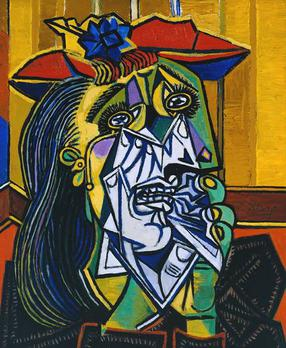
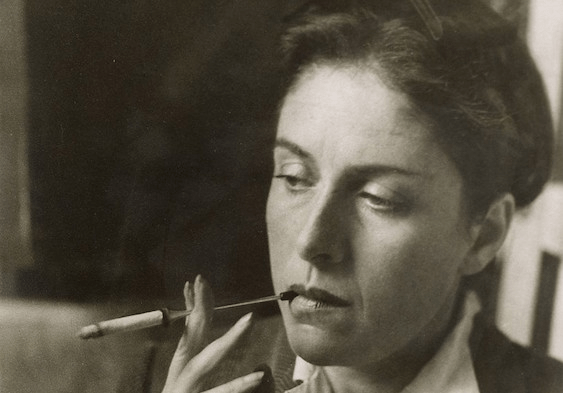
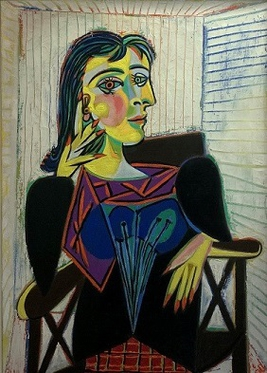
One of the women in his life was Dora Maar. She was an artist, a photographer and a philosopher. Quite a match for Picasso. Being that she had been raised in Argentina, she spoke Spanish and I am sure they must have had brilliant conversations. She became his muse and he began to devour her. She suffered his infidelities and even his cruel treatments. Eventually he proclaimed that she was mad. He called her the crying woman and painted her in tears in many occasions.
(Fair use/Pablo Picasso/Owners of this image are trustees of Picasso’s estate)
Eventually Picasso started painting the portraits of Dora Maar, the crying woman, wearing a hat. In Picasso’s iconography, the hat on the subject is a sign that the subject was crazy. When she saw herself painted in that manner she became greatly agitated and depressed. But to the end she remained absolutely faithful to Picasso, to the point of saying: “After Picasso only God.”
(Dora Maar/Izis/1946)
She was born Henriette Markovitch, on the 22nd of November 1907 in Paris. The Dora came perhaps from Theodora, a middle name? We do not know, but probably she added it later on in life. Her father was a Croatian architect and her mother was from Tours. She grew up in South America because of her father’s businesses. Her mother was strongly opposed to her relationship with Picasso. One day, while both women were in a violent phone discussion about the matter, her mother’s voice became absent. Because it was in Paris during the Nazi occupation Dora could not immediately go see what had happened, but the following morning she did go to her mother’s house and found her dead with the phone in her hand.
(Portrait of Dora Maar/Picasso/1937/Owners of this image are the trustees of Picasso’s estate)
Dora was a brilliant woman and artist. She was proud, elegant, silent and very intelligent. She had a distinct and complex personality that could have been formed by her sense of irony. And although she had impeccable taste in clothes, she liked to dress up in the fashion of past centuries. Was she trying to capture the essence and the spirit of those days?
(Dora Maar circa 1930/Author unknown)
Pablo Picasso came into Dora Maar’s life in Paris, 1936. She was sitting at Les deux Magots, a Left Bank bar frequented by the cream of Paris’s artists and intellectuals. Picasso was there with friends and spotted her sitting alone and doing a most unusual thing. She had placed her gloved hand on the table and was plunging a knife between her fingers with fast motions, which resulted in sometimes cutting herself. Picasso supposedly walked up to her, introduced himself and asked for her blood-stained glove. At the time she was twenty eight years old and he was fifty four, and married to Olga Kocklova the Russian ballerina from the Ballets de Diaghilev, yet the attraction was there and the romance began.
It would be careless to say that their relationship was not explosive. It was passionate, violent, fulfilling, but completely destructive to Dora. Picasso at the time also had another mistress, Marie-Therese Walter, with whom he had a daughter, and by 1945 he had lost interest in Dora Maar. Of course that was when he met Françoise Gilot.
Dora’s mental health deteriorated quickly after that. She became reclusive and paranoid and eventually ended up committed to Saint-Anne’s hospital for the insane. There she was treated with electroshock therapy. It was not until Paul Éluard begged Picasso to take her out of there that she was released. It is no secret that Picasso mistreated and abused her. It was even said that he publicly beat her and that on one incident his driver said that he had placed her in the car unconscious after a beating.
After being released from the mental hospital Dora Maar cloistered herself in her apartment attempting to search for her inner self and the meaning of her life. She became a Catholic mystic, or perhaps even a fanatic. She painted and spent hours in solitary contemplation with only the company of few friends until her death in 1997.
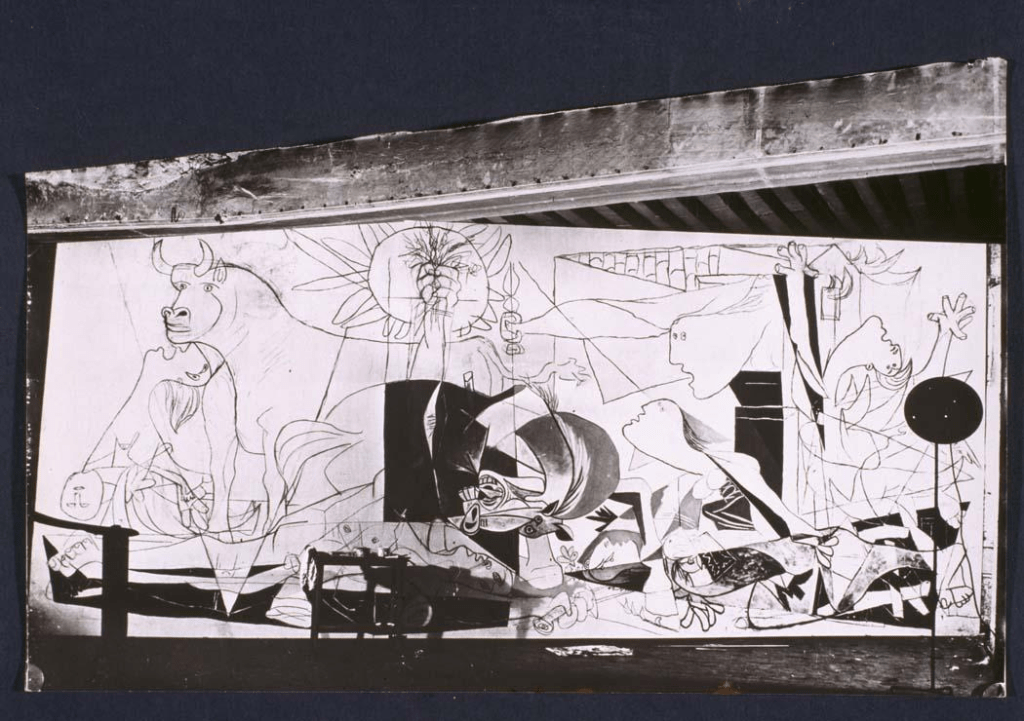
(Museo Nacional Centro de Arte Reina Sofia/photography by Dora Maar)
One of the most important things she ever did for Picasso was to photograph the development of Guernica. Her documentation of that process is a main attraction at the Reina Sofia Museum in Madrid which houses the painting. I would urge one and all to see it. I actually find the photographs of the process of Picasso creating that monumental work much more interesting than the painting itself. Although Guernica, because of its monumental size is amazing.
 JaZzArt en València