#art, There Are Only Good and Bad Artists – Bodo’s Philosophy of Art (Part 3)

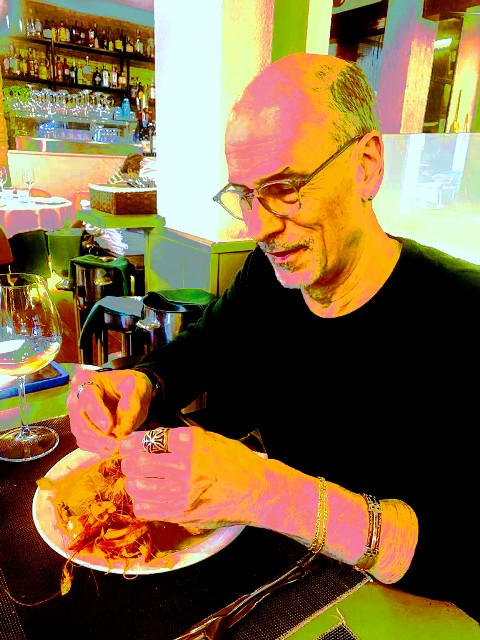
(Bodo eats shrimp for its philosophical value/actor portrayal/All Rights Reserved)

So, I have philosophised about the objectivity…versus subjectivity…of art and as well brought forth my philosophy on the fact that art is categorised as being either good or bad. Those are elemental truths that one is taught in art school and in the school of life as one works one’s way up the professional chain and gains experience both in life and in art. It is impossible to think of these things when one is very young.

So, what is «bad art»? My reply is that “bad art”, seriously speaking, is art that pretends to be profound but is hollow, or art that substitutes shock, gimmick, or self-promotion for vision and craft. And I am referring to both, traditional art and conceptual art or experimental.

With that said, here are some examples often cited as bad, being bad artists producing bad art (in the sense above):

Jeff Koons – His balloon dogs and stainless-steel kitsch may fetch millions, but they’re little more than oversized novelties. They dazzle with spectacle, not substance.

Damien Hirst – Famous for pickled sharks and diamond-encrusted skulls, his work often leans more on PR stunts and shock value than on artistic depth.

Tracey Emin – Her “My Bed” (an unmade bed with personal detritus) is often held up as a symbol of art reduced to autobiography and raw display without transformation. And in very bad taste I would add.

Thomas Kinkade – Marketed as the “Painter of Light,” his sugary, mass-produced cottage scenes are technically slick but conceptually empty—art reduced to calendar kitsch.

AI-generated kitsch flooding social media – Endless pretty-but-empty images with no inner necessity, no artist’s hand, just algorithmic pastiche.

Each of these examples is “bad” not because someone dislikes them, but because they lack the enduring qualities of good art: invention, vision, mastery, depth. They survive on hype, sentimentality, or branding, and on the bad art professors that try to drive them into the heads of gullible and young art students who will later realise how they had been manipulated, controlled, brainwashed and misguided.

CHEERS

#art, Art Can Only Be Good or Bad – Bodo’s Art philosophy (part 2)

(Bodo drinks beer for it’s philosophical content/actor portrayal/All Rights Reserved)

Do not be afraid to do it and say it loud. Art is either good or bad because art, like music, divides first only into two categories: good and bad. And please, this is not a matter of taste but of truth. Good art shows mastery of ideas, technique, reference, experience, depth, and coherence. Bad art demonstrates a lack of professional approach bordering on laziness, emptiness, or mere gimmickry.

One may dislike Bach, yet Bach remains good, outstanding I would say. One may enjoy a jingle, yet the jingle remains bad. Taste does not rewrite reality. To collapse all art into “subjective preference” is to pretend that a child’s scribble equals Giotto, or that noise equals a symphony. The fact is simpler, harsher, and liberating: art is either good or bad. Everything else is commentary. And that is true because your taste…or mine…does not define art. Art is an academic subject matter and a profession. And although many people think of it as a pastime, it is definitely not. An artist does not work to pass the time but works for money, to sell a professional finished product.

So, just to recap, art, like music, is judged by one, and only one major law: it is either good or bad. Your taste may wander, and you may like this or that, but your taste does not define quality nor does it judge art. It is merely your taste (or mine) and we can have, like so many people we see «out there», bad taste. And taste, good taste, is an important attribute that an artist must have. To deny this is to confuse noise with music, scribble with painting, accident with creation. And bear in mind that the process of creating art is not intuitive. It is contrived, developed, refined, reworked and polished. Although it still can be a complete and total mystery.

CHEERS

Part 3 coming up…

#art, Art is Objective; Taste is Subjective – Art Philosophy by Bodo

(Bodo eating ice cream for it’s philosophical value/actor portrayal/All rights Reserved)

Art is objective, do not doubt it. Art possesses inherent qualities: form, structure, composition, skill, harmony and originality. These qualities can be judged independently of personal taste. I do not argue with taste. Individual likes and dislikes are subjective,. But the value of art is rooted in these objective elements that give it enduring power and universal resonance, and this goes way beyond the shifting opinions of art lovers.

To say “art is subjective” is making of art a non-standardised, non-professional endeavour and it is a refuge for people unwilling to face standards. Taste, for sure is subjective, and people can still have good or bad taste, and not just in their breath. Art is not like that. A painting or a symphony is not a matter of preference in the same way as choosing vanilla or chocolate. Works of art embody objective qualities: proportion, rhythm, innovation, mastery of medium, coherence of vision. These are measurable and comparable, regardless of whether one “likes” them.

To reduce art to opinion is ridiculous and to distorts the difference between genius and banality. It’s like saying Mozart’s music is equal to elevator music, or that a Rembrandt is equal to child’s doodle. The serious study of art, as an academic pursuit and as a profession, recognizes that, although taste fluctuates, the core of art does not and it endures based upon objective principles. Without them even the word art would lose its meaning.

CHEERS

COMING SOON

Part 2: Art can only be divided into GOOD and BAD art.

Part 3: Good and bad artists and art

#art, There Are Only Good and Bad Artists – Bodo’s Philosophy of Art (Part 3)

(Bodo eats shrimp for its philosophical value/actor portrayal/All Rights Reserved)

So, I have philosophised about the objectivity…versus subjectivity…of art and as well brought forth my philosophy on the fact that art is categorised as being either good or bad. Those are elemental truths that one is taught in art school and in the school of life as one works one’s way up the professional chain and gains experience both in life and in art. It is impossible to think of these things when one is very young.

So, what is «bad art»? My reply is that “bad art”, seriously speaking, is art that pretends to be profound but is hollow, or art that substitutes shock, gimmick, or self-promotion for vision and craft. And I am referring to both, traditional art and conceptual art or experimental.

With that said, here are some examples often cited as bad, being bad artists producing bad art (in the sense above):

Jeff Koons – His balloon dogs and stainless-steel kitsch may fetch millions, but they’re little more than oversized novelties. They dazzle with spectacle, not substance.

Damien Hirst – Famous for pickled sharks and diamond-encrusted skulls, his work often leans more on PR stunts and shock value than on artistic depth.

Tracey Emin – Her “My Bed” (an unmade bed with personal detritus) is often held up as a symbol of art reduced to autobiography and raw display without transformation. And in very bad taste I would add.

Thomas Kinkade – Marketed as the “Painter of Light,” his sugary, mass-produced cottage scenes are technically slick but conceptually empty—art reduced to calendar kitsch.

AI-generated kitsch flooding social media – Endless pretty-but-empty images with no inner necessity, no artist’s hand, just algorithmic pastiche.

Each of these examples is “bad” not because someone dislikes them, but because they lack the enduring qualities of good art: invention, vision, mastery, depth. They survive on hype, sentimentality, or branding, and on the bad art professors that try to drive them into the heads of gullible and young art students who will later realise how they had been manipulated, controlled, brainwashed and misguided.

CHEERS

#art, Art Can Only Be Good or Bad – Bodo’s Art philosophy (part 2)

(Bodo drinks beer for it’s philosophical content/actor portrayal/All Rights Reserved)

Do not be afraid to do it and say it loud. Art is either good or bad because art, like music, divides first only into two categories: good and bad. And please, this is not a matter of taste but of truth. Good art shows mastery of ideas, technique, reference, experience, depth, and coherence. Bad art demonstrates a lack of professional approach bordering on laziness, emptiness, or mere gimmickry.

One may dislike Bach, yet Bach remains good, outstanding I would say. One may enjoy a jingle, yet the jingle remains bad. Taste does not rewrite reality. To collapse all art into “subjective preference” is to pretend that a child’s scribble equals Giotto, or that noise equals a symphony. The fact is simpler, harsher, and liberating: art is either good or bad. Everything else is commentary. And that is true because your taste…or mine…does not define art. Art is an academic subject matter and a profession. And although many people think of it as a pastime, it is definitely not. An artist does not work to pass the time but works for money, to sell a professional finished product.

So, just to recap, art, like music, is judged by one, and only one major law: it is either good or bad. Your taste may wander, and you may like this or that, but your taste does not define quality nor does it judge art. It is merely your taste (or mine) and we can have, like so many people we see «out there», bad taste. And taste, good taste, is an important attribute that an artist must have. To deny this is to confuse noise with music, scribble with painting, accident with creation. And bear in mind that the process of creating art is not intuitive. It is contrived, developed, refined, reworked and polished. Although it still can be a complete and total mystery.

CHEERS

#art, Art is Objective; Taste is Subjective – Art Philosophy by Bodo

(Bodo eating ice cream for it’s philosophical value/actor portrayal/All rights Reserved)

Art is objective, do not doubt it. Art possesses inherent qualities: form, structure, composition, skill, harmony and originality. These qualities can be judged independently of personal taste. I do not argue with taste. Individual likes and dislikes are subjective,. But the value of art is rooted in these objective elements that give it enduring power and universal resonance, and this goes way beyond the shifting opinions of art lovers.

To say “art is subjective” is making of art a non-standardised, non-professional endeavour and it is a refuge for people unwilling to face standards. Taste, for sure is subjective, and people can still have good or bad taste, and not just in their breath. Art is not like that. A painting or a symphony is not a matter of preference in the same way as choosing vanilla or chocolate. Works of art embody objective qualities: proportion, rhythm, innovation, mastery of medium, coherence of vision. These are measurable and comparable, regardless of whether one “likes” them.

To reduce art to opinion is ridiculous and to distorts the difference between genius and banality. It’s like saying Mozart’s music is equal to elevator music, or that a Rembrandt is equal to child’s doodle. The serious study of art, as an academic pursuit and as a profession, recognizes that, although taste fluctuates, the core of art does not and it endures based upon objective principles. Without them even the word art would lose its meaning.

CHEERS

COMING SOON

Part 2: Art can only be divided into GOOD and BAD art.

Part 3: Good and bad artists and art

Quote of the day…

(JaZzArT by Francisco Bravo Cabrera/All Rights Reserved)

“The hunter becomes the hunted when he ells others of the hunt and who’s his prey. Stay silent. Stay low and keep moving.” (Francisco Bravo Cabrera)

CHEERS

#art, «In Mind and Spirit» by Bodo Vespaciano…

(Bodo Vespaciano/actor portrayal/All Rights Reserved)

Your art must possess the spirit of the times, the culture and the history you are now living, the one prevalent during its creation; your mind must be willing to travel to times not yet seen to capture images, thoughts and ideas which will infuse your art with rhythm, colour and meaning.» (Bodo Vespaciano)

(Kindly requesting that you like, comment, share and subscribe as this helps our channel)

CHEERS

Bon dia!

Y esa unidad, lamentablemente, jamás la tendremos.

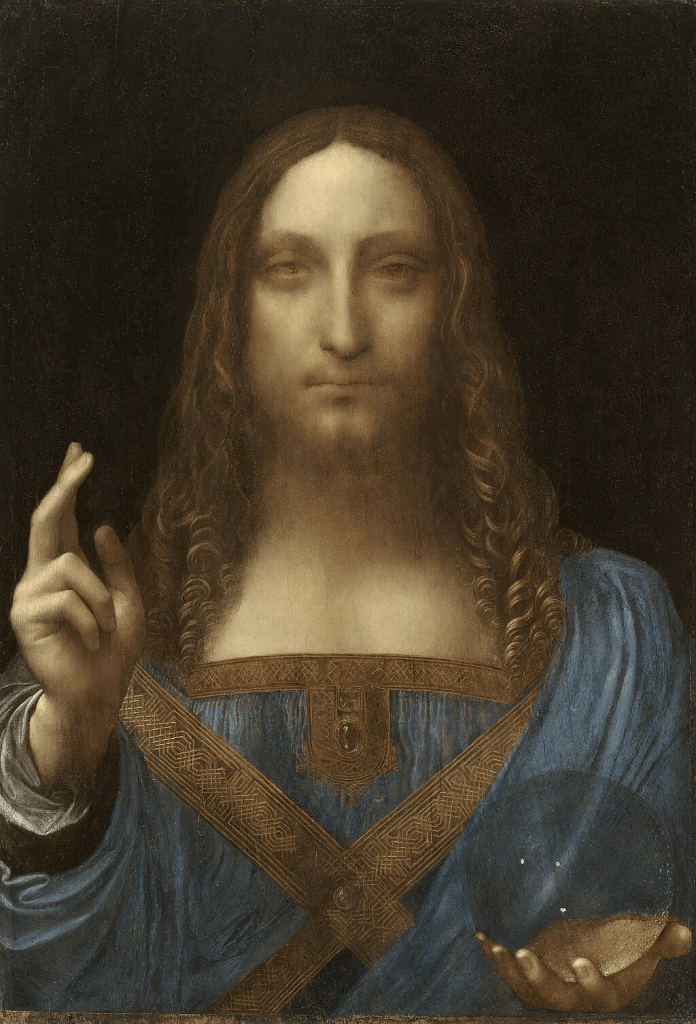
#art, The Highest Priced Painting in the World Today…

(Image Source: Wikimedia Commons/Public Domain)

Ok, I will begin by saying that the painting was acquired at auction and the current owner of Salvator Mundi is believed to be Crown Prince Mohammed bin Salman of Saudi Arabia. At the November 2017 Christie’s auction, the buyer was officially Prince Badr bin Abdullah Al Saud, acting as an agent—reportedly on behalf of Abu Dhabi’s Department of Culture and Tourism or possibly for Mohammed bin Salman himself. Since 2017, the painting has not been publicly displayed. It was reportedly kept aboard Mohammed bin Salman’s yacht Serene until late 2020 and is now believed to be in storage in Saudi Arabia, potentially awaiting the opening of a new museum in Al‑‘Ula or Riyadh.

Why is this painting so expensive and/or important? First I do not believe it to be that important and I am not too impressed with it. It’s history, if it really was painted by Leonardo da Vinci, say circa 1500, is long and enduring. It was, supposedly, at one time found in a rubbish bin in New Orleans and then sold, re-sold, restored, re-sold ad infinitum until if finally reached Christi’s where supposed «experts» (here we go!) attributed the painting to Leonardo. Then the Arab sheik bought it for a bit over 400 million US dollars. Then he tried to get «experts» from the Louvre to agree with the previous experts, but they said no, that they did not believe it was a Leonardo and refused to hang it (the Sheik was willing to lend it) next to the Mona Lisa, or at all in the museum. Such is the work of «experts».

I think, if it really is from 1500, that it could have been painted by Leonardo, or by any other artist from the times.

What do you think? Is it worth 400 million bucks?

CHEERS