(From 1888/90/Image source: Wikimedia Commons/licensed under the Creative Commons Attribution-Share Alike 4.0 International license)
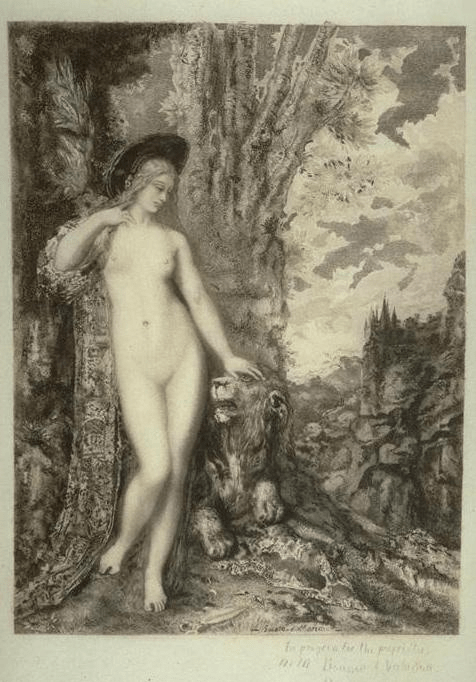
Samuel Jessurun de Mesquita (1868–1944) was born in Amsterdam. He was an artist and printmaker. He is known for his intricate etchings, woodcuts, and lithographs that often featured animals, botanical forms, and fantastical or symbolic imagery. De Mesquita was a Sephardic Jew who was largely self-taught. But he became a prominent figure in Dutch graphic art during the early 20th century. He was a bold and visionary printmaker from whom Escher learned much.
His work is influenced by Art Nouveau and Symbolism, and his prints often explore themes of nature, mortality, and mysticism. He taught at the Rijksnormaalschool voor Teekenonderwijzers (a teacher training school for drawing), where one of his most famous students was M.C. Escher, who credited de Mesquita as a major influence on his artistic development.
Samuel Jessurun de Mesquita were murdered by the Nazis in the Auschwitz concentration camp in 1944. After the war, Escher and others helped preserve and promote de Mesquita’s artistic legacy. Today, he is recognized as a master printmaker whose work bridges naturalism and the fantastical, and whose influence extends well beyond his lifetime.
(Image source: Instagram of ngadc)
The above image «Evil Speaking Little Women» contains the Nazi boot print. Escher saved this etching, along with many of his teacher’s works, from the hands of the Nazi destructors.
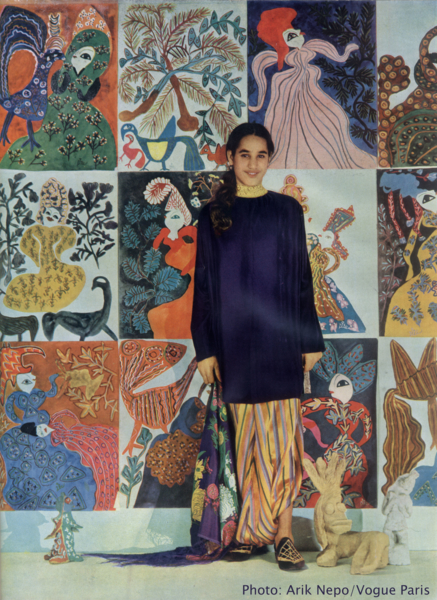
(Image source: The OPEC Fund for International Development)
Baya Mahieddine, known in the art world as Baya, was born in Bordj El Kiffan, Algiers in 1931. She was an artist celebrated for her quite vibrant, dreamlike paintings that blend elements of folk art, fantasy, and North African culture. She began painting as a teenager and gained international recognition at just 16 years old when she held her first solo exhibition in Paris in 1947, curated by the influential French art dealer Aimé Maeght.
André Breton, the «Father of Surrealism» was a bit captivated by Baya’s paintings and thought that she was truly creating a pure form of Surrealism. Yet she did not become formally associated with the Surrealists or with any other art movement. Her compositions are very colourful and depict women in lush, decorative environments, surrounded by birds, plants, and musical instruments. Her paintings then evoke themes of femininity, freedom, and joy. Despite their apparent innocence, her works carry an undercurrent of resilience and cultural identity, reflecting her experiences growing up in French-colonized Algeria.
During her marriage to the musician El Hadj Mahfoud Mahieddine, Baya took a break from art and painting. She returned to her art in the 1960s and continued to exhibit her work in Algeria and abroad until her death.
Today, although not in most art schools at uni, Baya is recognized as a pioneering figure in modern North African art. Her legacy continues to inspire generations of artists, especially women working within postcolonial and diasporic contexts. She is a female artist, successful and recognised that we all must come to know better and appreciate more. Baya died in Algeria in 1998.
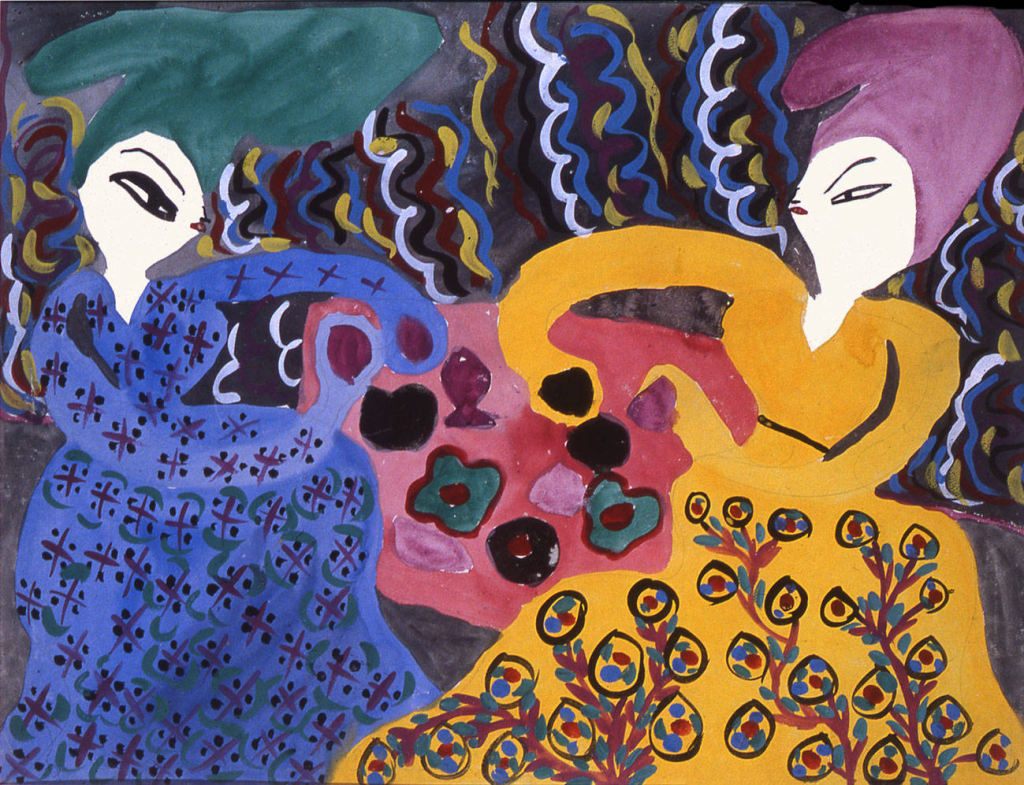
(«Two Women with Vase and Yellow Background»/1997/Photo: Mansour Dib; courtesy of Ramzi and Saeda Dalloul Art Foundation/Image source: The Art Newspaper)
(«Grande viole entre deux bouquets»/1966/Courtesy: Musée Cantini, Musées de Marseille/RMN Grand Palais/David Giancatarina/Image source: Kunstkritikk Nordic Art Review)
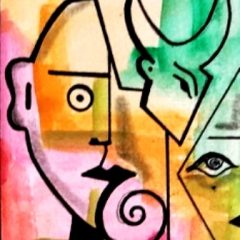
(Obra original de Francisco Bravo Cabrera/Derechos Reservados/All Rights Reserved)
SOME SPEAK OF GENOCIDE (25 SEP 2025 – while listening to the jazz of Thelonious Monk)
On the 7th of October of 2023 Palestinian terrorists belonging to Hamas attacked the state of Israel. During the attack they assasinated over 1,200 people and took 250 hostages. While many of the kidnapped died during the attack, many others died in captivity. At the moment it is believed that of the 50 remaining hostages only 20 are still alive. It was this massive and cruel attack that started the war between the legitimate state of Israel and the illegitimate state of Hamas. And by this time all should know that the reason for the existence of the terrorist group Hamas is the destruction of the state of Israel. This is their motto and their belief and how they train and indoctrinate the youth in Gaza.
Now some of the presidents of European countries have started to say that Israel is committing genocide against the people of Gaza. I, imagining that these presidents are men of knowledge, was quite surprised because what is going on between Israel and Hamas is a war. And a just war to eliminate a terrorist threat. Hamas is trying to destroy the only democratic, advanced and western-friendly country in the region and an ally. There has been no legally confirmed genocide committed. There are accusations that are not too credible and perhaps motivated by other reasons. But until this moment no one with credibility has accused Israel of genocide.
Israel has responded to the terrorist attack by Hamas.
Israel is intending to liberate the hostages.
Israel is carrying out a military operation to destroy a terrorist organization.
Israel is trying to guarantee the security and stability of their people.
Israel is not carrying out a war against the Palestinian people (if such a people actually exist). It is a war against terrorists. Hamas is considered a terrorist organization internationally and by the US and the European Union.
+++
ALGUNOS HABLAN DE GENOCIDIO (25 de septiembre de 2025 – escuchando la música de Thelonious Monk)
El 7 de octubre de 2023 los terroristas palestinos de Hamás atacaron al estado de Israel, y asesinaron a mas de 1.200 personas; tomaron 250 rehenes y muchos de estos murieron durante el secuestro, mientras que muchos otros más murieron durante el cautiverio. Aún quedan posiblemente 50 rehenes en manos terroristas pero se estima que la mayoría ya ha muerto. Este ataque masivo y cruel desató la guerra entre el estado (legitimo) de Israel y los que componen el estado (ilegitimo) de Hamás. Y creo que todos ya sabemos que Hamás existe solo para acabar con Israel, pues la destrucción del estado judío es su lema y así entrenan a los niños en el territorio de Gaza.
Ahora se han puesto a decir, especialmente algunos gobernantes europeos, que Israel está llevando a cabo un genocidio. Imaginándome que estos presidentes sean personas con cierta educación y algo de cultura y conocimiento general, no puedo creer lo que oigo. Entre Israel y Hamas hay una guerra y una guerra justa para acabar con un estado terrorista que quiere destruir al único país aliado y democrático de la zona. Nada de lo que está ocurriendo en Gaza es legalmente confirmado como genocidio. Hay acusaciones, que no considero muy creíbles y procedimientos internacionales en curso para determinarlo, pero en estos momentos nadie con gran credibilidad ha acusado a Israel de cometer genocidio.
Israel ha respondido al ataque terrorista de Hamás.
Israel está intentando liberar a los rehenes.
Israel está llevando a cabo una operación militar para destruir a Hamás.
Israel busca garantizar la seguridad de su pueblo.
Israel no ha hecho una guerra contra el pueblo palestino, (si es que semejante pueblo existe), es una guerra contra los terroristas de Hamás considerados terroristas internacionalmente por muchos países incluyendo EEUU y la Unión Europea.
(Image property of Francisco Bravo Cabrera/All Rights Reserved)
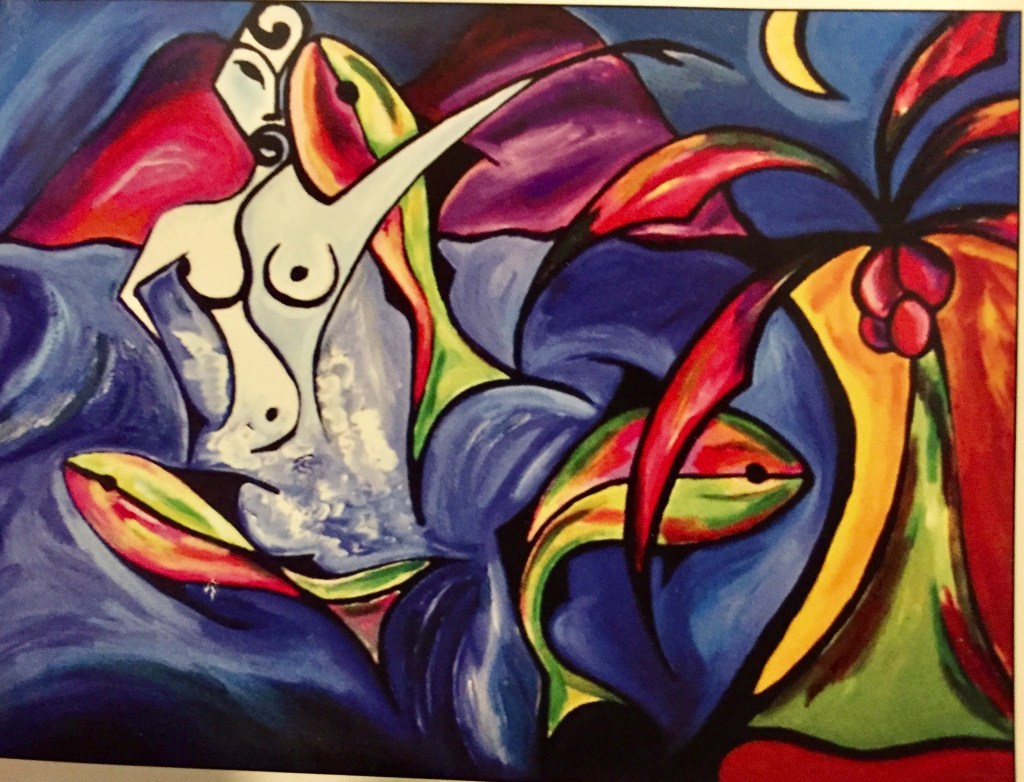
«Let the Sun Shine In» (canvas version) available only through my gallery at Fine Art America. Fine Art America reproduces and offers my images as high quality prints, which is an affordable way to own original art, and they handle the entire transaction and ship promptly once the order is ready.
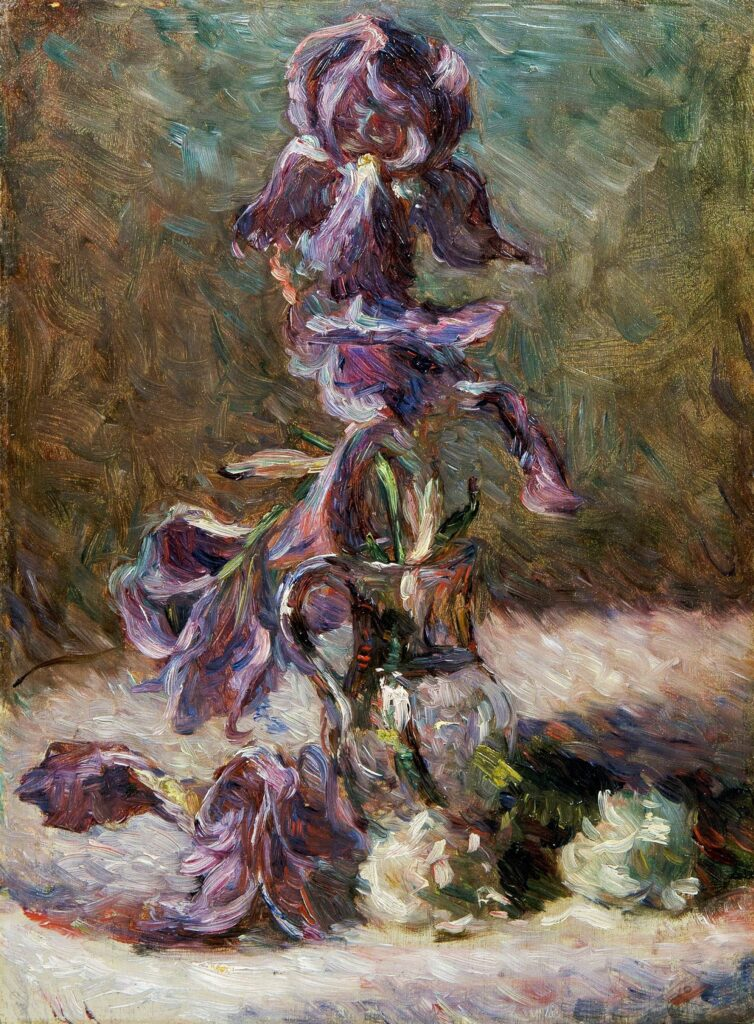
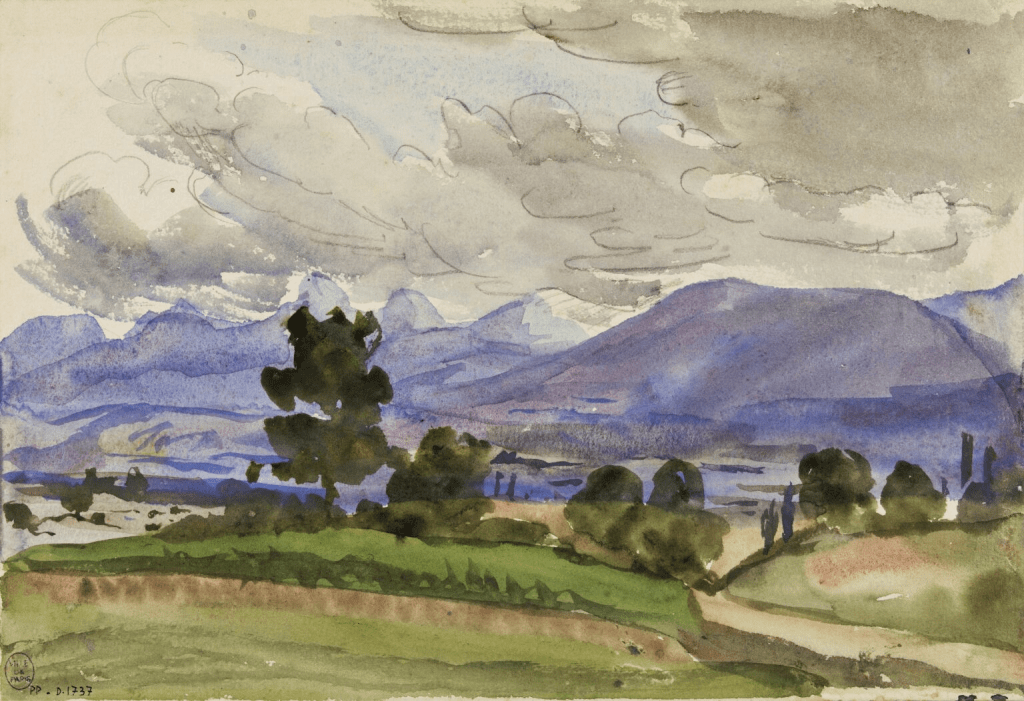
Marie Bracquemond, born in Landunvez, Finisterre, France, was an Impressionist painter whose work was long overshadowed, and ignored by her male contemporaries, as was usual in the art world. She was a trained artist, however, her training was informal but good enough to be exhibited at the Paris Salon in the 1860s. She later became influenced by Impressionist painters like Monet and Degas and adopted their emphasis on light and color in her own work. Her paintings often featured domestic scenes, portraits, and outdoor settings with rich color and delicate brushwork.
Marie had to struggle against the society and her husband, Félix Bracquemond, who did not support her involvement with Impressionism. Because of these injustices her work was totally forgotten but has, as of lately, begun to receive the recognition it deserves, positioning her as a significant—if underappreciated—figure among the Impressionists.
(«Three Ladies with Unbrellas»/c.1880/Image source: Impressionism)
(«Iris in the Vase»/c.1886/Image source: Impressionism)
(«Landscape of Divonne»/1890/Image source: Impressionism)
Félix Bracquemond was born in Paris. He was a painter, etcher, and ceramic designer. He is best recognised for his contributions to the Etching Revival in 19th-century France and for his role in introducing Japanese art (Japonisme) into European decorative arts. He was a prolific printmaker and collaborated with many well-known artists of his time, including Manet and Degas. Félix was also artistic director at the Haviland porcelain factory, where he helped popularize Japanese motifs in French ceramics.
Though Félix was a phenomenal artist and sought fame and recognition, he did not think his wife, Marie, deserved the same so he undermined her art and artistic ambitions. But yet we must not ignore that his influence on the decorative arts and his championing of etching and Japanese aesthetics mark him as a key figure in 19th-century French art.
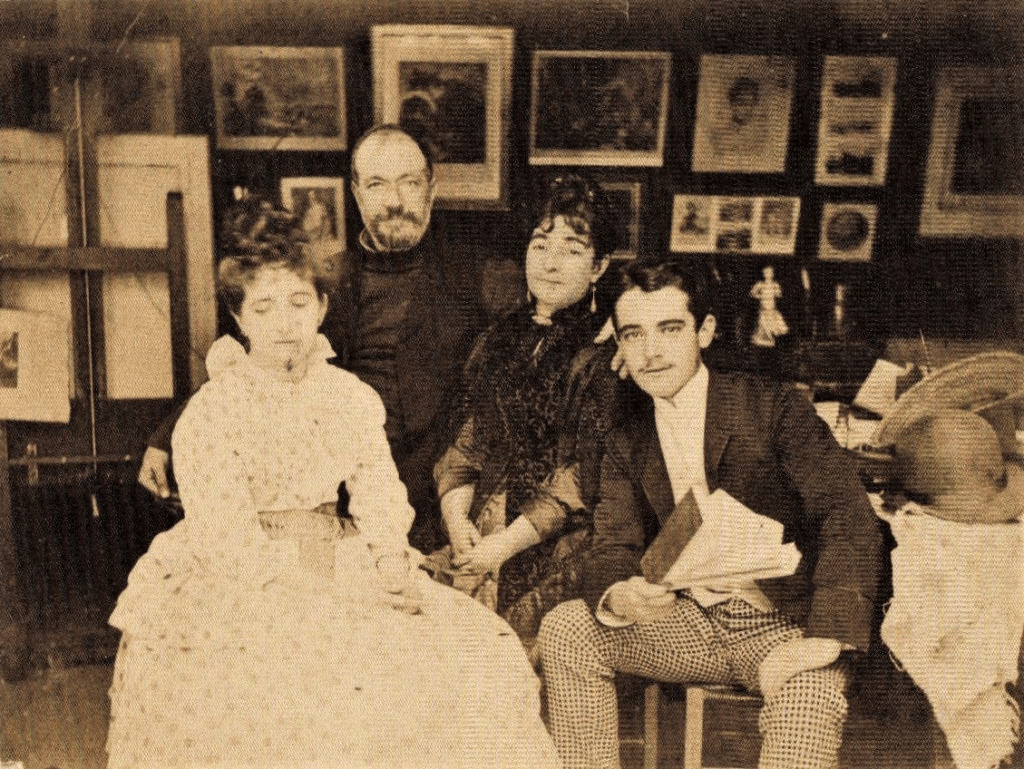
(Terrace of the Villa Brancas in Sèvres, near Paris). Marie Bracquemond is seated on the right, her sister on the left/1876/Image source: Wikimedia Commons/Public Domain)
French sculptor, painter and art critic Zacharie Astruc/1835-1907/from 1865/Image source: Wikimedia Commons/Public Domain)
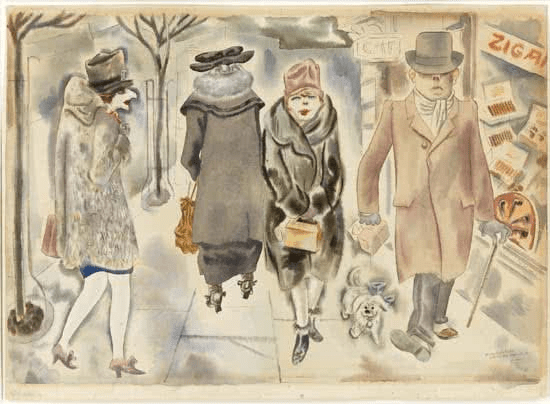
George Grosz, Berlin (1893–1959): Painter, caricaturist, and key figure of the Berlin Dada and New Objectivity movements. He studied at the Dresden Academy of Fine Arts and later in Berlin. Grosz became known for his biting, satirical depictions of German society during the Weimar Republic, often exposing the corruption, decadence, and brutality of the bourgeoisie, military, and ruling classes. His sharp line drawings and grotesque caricatures conveyed both anger and dark humor, making him one of the fiercest social critics of his time.
In 1932, as the Nazis gained power, Grosz emigrated to the United States, where he taught at the Art Students League in New York. His later work moved away from biting satire toward more romantic and expressive styles, though he remained deeply engaged with political and humanist themes. Grosz died in 1959 in West Berlin, leaving behind a legacy as one of the most incisive visual chroniclers of modern German history.
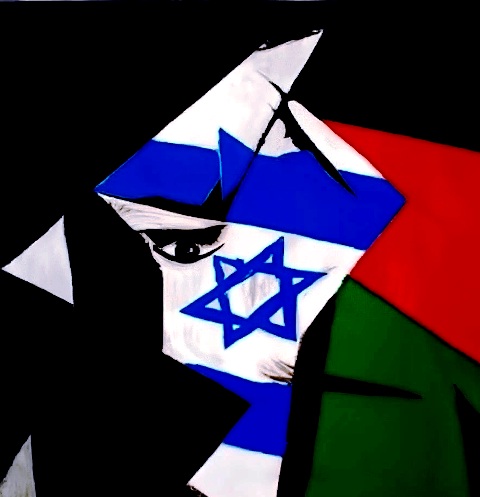
(Obra original de Francisco Bravo Cabrera/Derechos Reservados/All Rights Reserved)
SOME SPEAK OF GENOCIDE (25 SEP 2025 – while listening to the jazz of Thelonious Monk)
On the 7th of October of 2023 Palestinian terrorists belonging to Hamas attacked the state of Israel. During the attack they assasinated over 1,200 people and took 250 hostages. While many of the kidnapped died during the attack, many others died in captivity. At the moment it is believed that of the 50 remaining hostages only 20 are still alive. It was this massive and cruel attack that started the war between the legitimate state of Israel and the illegitimate state of Hamas. And by this time all should know that the reason for the existence of the terrorist group Hamas is the destruction of the state of Israel. This is their motto and their belief and how they train and indoctrinate the youth in Gaza.
Now some of the presidents of European countries have started to say that Israel is committing genocide against the people of Gaza. I, imagining that these presidents are men of knowledge, was quite surprised because what is going on between Israel and Hamas is a war. And a just war to eliminate a terrorist threat. Hamas is trying to destroy the only democratic, advanced and western-friendly country in the region and an ally. There has been no legally confirmed genocide committed. There are accusations that are not too credible and perhaps motivated by other reasons. But until this moment no one with credibility has accused Israel of genocide.
Israel has responded to the terrorist attack by Hamas.
Israel is intending to liberate the hostages.
Israel is carrying out a military operation to destroy a terrorist organization.
Israel is trying to guarantee the security and stability of their people.
Israel is not carrying out a war against the Palestinian people (if such a people actually exist). It is a war against terrorists. Hamas is considered a terrorist organization internationally and by the US and the European Union.
+++
ALGUNOS HABLAN DE GENOCIDIO (25 de septiembre de 2025 – escuchando la música de Thelonious Monk)
El 7 de octubre de 2023 los terroristas palestinos de Hamás atacaron al estado de Israel, y asesinaron a mas de 1.200 personas; tomaron 250 rehenes y muchos de estos murieron durante el secuestro, mientras que muchos otros más murieron durante el cautiverio. Aún quedan posiblemente 50 rehenes en manos terroristas pero se estima que la mayoría ya ha muerto. Este ataque masivo y cruel desató la guerra entre el estado (legitimo) de Israel y los que componen el estado (ilegitimo) de Hamás. Y creo que todos ya sabemos que Hamás existe solo para acabar con Israel, pues la destrucción del estado judío es su lema y así entrenan a los niños en el territorio de Gaza.
Ahora se han puesto a decir, especialmente algunos gobernantes europeos, que Israel está llevando a cabo un genocidio. Imaginándome que estos presidentes sean personas con cierta educación y algo de cultura y conocimiento general, no puedo creer lo que oigo. Entre Israel y Hamas hay una guerra y una guerra justa para acabar con un estado terrorista que quiere destruir al único país aliado y democrático de la zona. Nada de lo que está ocurriendo en Gaza es legalmente confirmado como genocidio. Hay acusaciones, que no considero muy creíbles y procedimientos internacionales en curso para determinarlo, pero en estos momentos nadie con gran credibilidad ha acusado a Israel de cometer genocidio.
Israel ha respondido al ataque terrorista de Hamás.
Israel está intentando liberar a los rehenes.
Israel está llevando a cabo una operación militar para destruir a Hamás.
Israel busca garantizar la seguridad de su pueblo.
Israel no ha hecho una guerra contra el pueblo palestino, (si es que semejante pueblo existe), es una guerra contra los terroristas de Hamás considerados terroristas internacionalmente por muchos países incluyendo EEUU y la Unión Europea.
(«Qué»/Francisco Bravo Cabrera/All Rights Reserved)
When I started uni as a Fine Arts major conceptual art, in other words, performance art, was pretty strong. We had the performances of Marina Abramović and Ulai as well as of others. And of course we all knew about the conceptual «art» of Yoko Ono. But in our art school we had no classes, nor where we ever led towards that branch of «art.» And even when I switched to the Theatre Arts Department, the university did not consider teaching classes on how to be a performance artist. And I think they had the right approach. To me, in my opinion, performance art is more akin to theatre than to art, and conceptual art is more akin to nothing. I’ve no use for it. It is simply a way for talentless «artists» to «create» art that no one understands and that says nothing important. And do not forget, these are my personal feelings and opinions. Yours might be different and I will respect them.
So, here is a comparison:
Aspect
Traditional Art
Conceptual Art
Primary Focus
Skill, technique, and aesthetics (form, color, composition, craftsmanship)
Idea, concept, or social statement; the concept is often more important than the execution
Yoko Ono, Fluxus artists, Duchamp, Sol LeWitt, Abramović
Criticism
Can be conservative or formulaic; sometimes prioritizes aesthetics over ideas
Can appear pretentious, naive, or inaccessible; sometimes “idea-heavy” and lacking sensory impact
* I strongly disagree as I think it is pretentious, naive, meaningless and a useless experiment in elitism displayed as mediocrity. It might be interesting for the performer or the conceptual «artist» but pure rubbish to the rest of us.
What they teach at uni (nowadays) is that traditional art emphasises skill, execution and sensory impact (and I agree). And that conceptual art emphasises ideas and provocation, often at the cost of immediate clarity or beauty. Well, only very few of them bring forth ideas or provocation, some are just self-indulging machinations by talent-less «artists» having us all on.












 JaZzArt en València