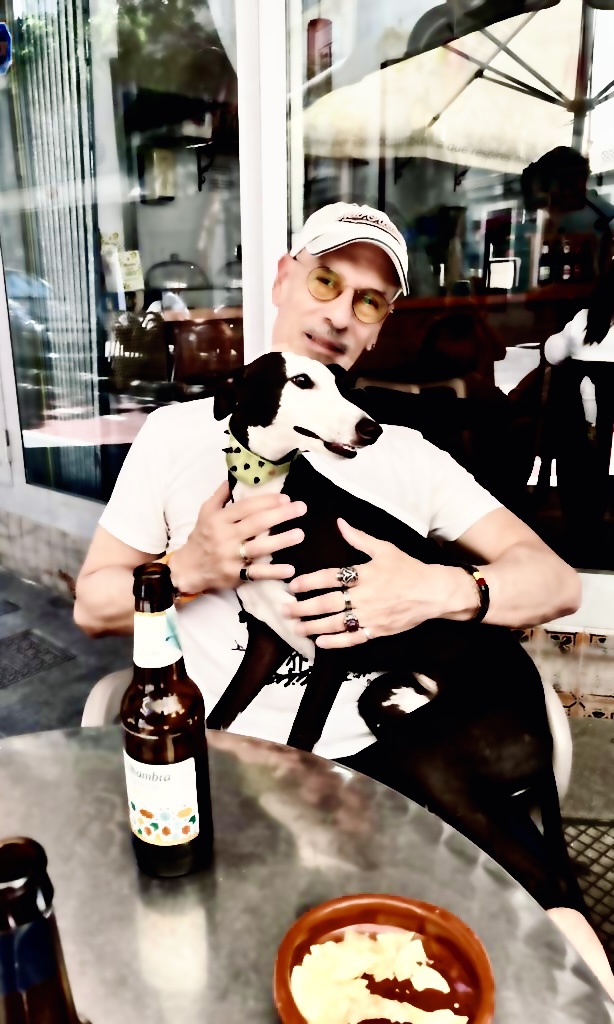
Y un buen finde a todos…
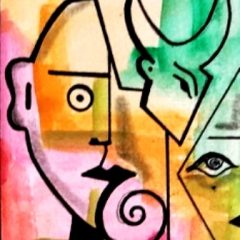
Faith saved us from the savages that we were, losing faith makes us savages again
Y un buen finde a todos…
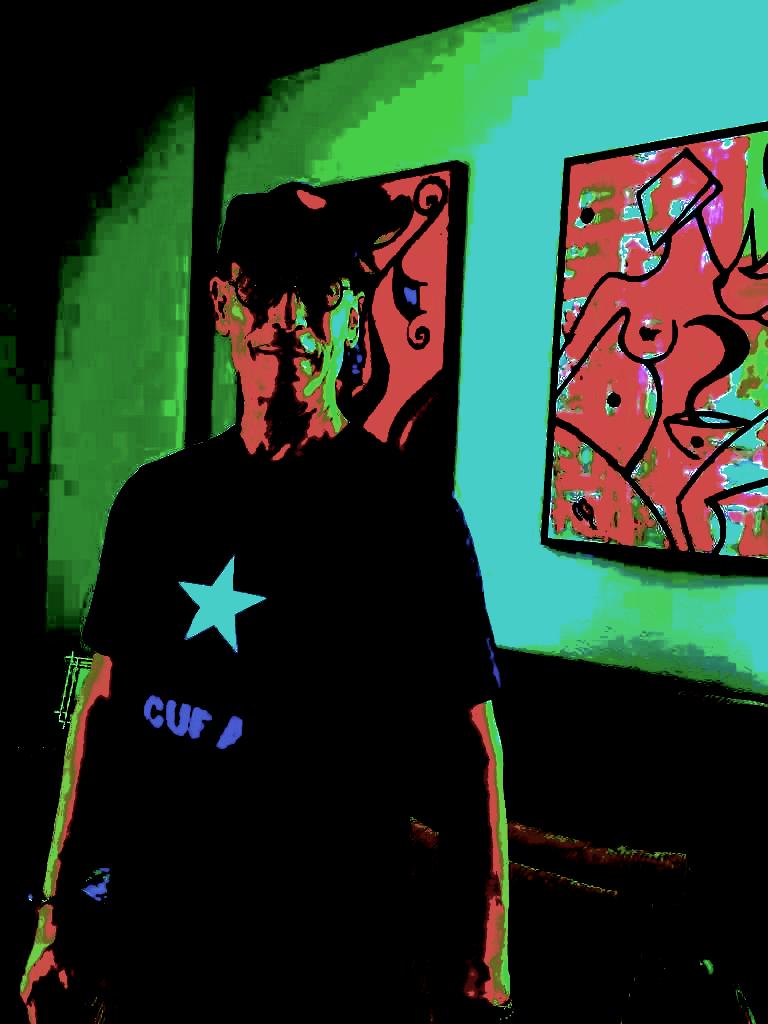
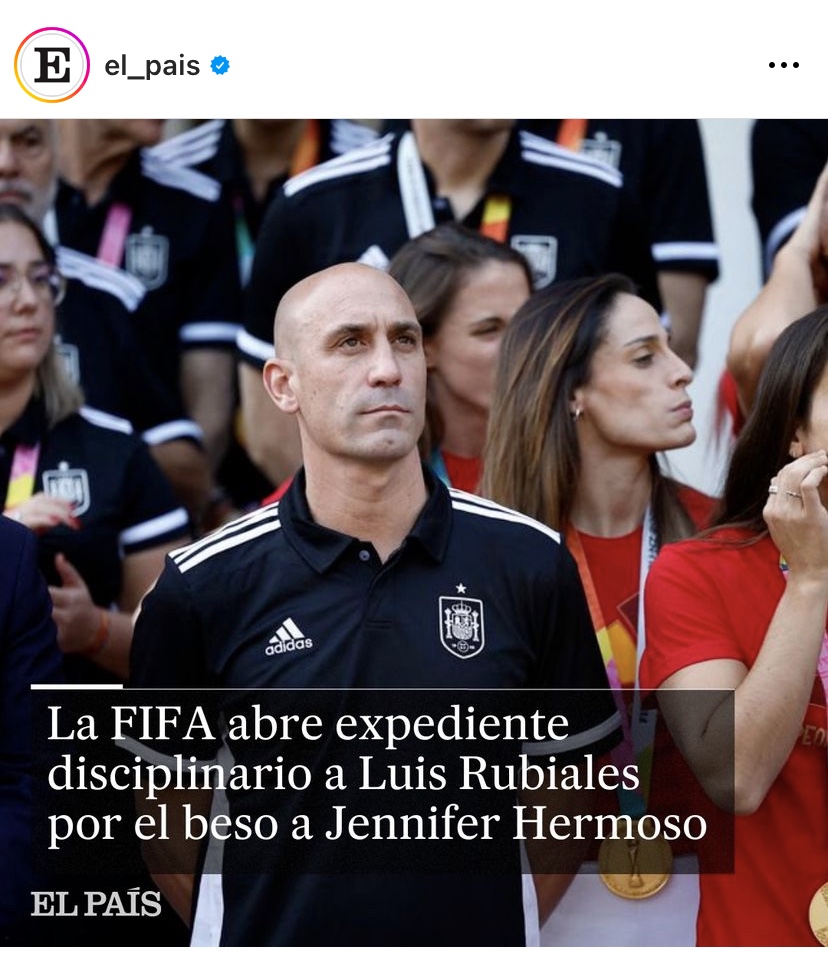
¿Pero es que en España nunca se ha visto un beso? ¡increíble el pollo que han montado estos “progresistas” por una cosa tan normal y natural! He visto en toda Europa cosas, o digamos reacciones como esa, en EEUU y en el Reino Unido también y a nadie le ha quitado el sueño ni nadie ha pestañeado… Pero parece que aquí el odio hacia los hombres las carcome… ¡Vamos! Dejar el infantilismo y actuar como lo grandecitas que sois…
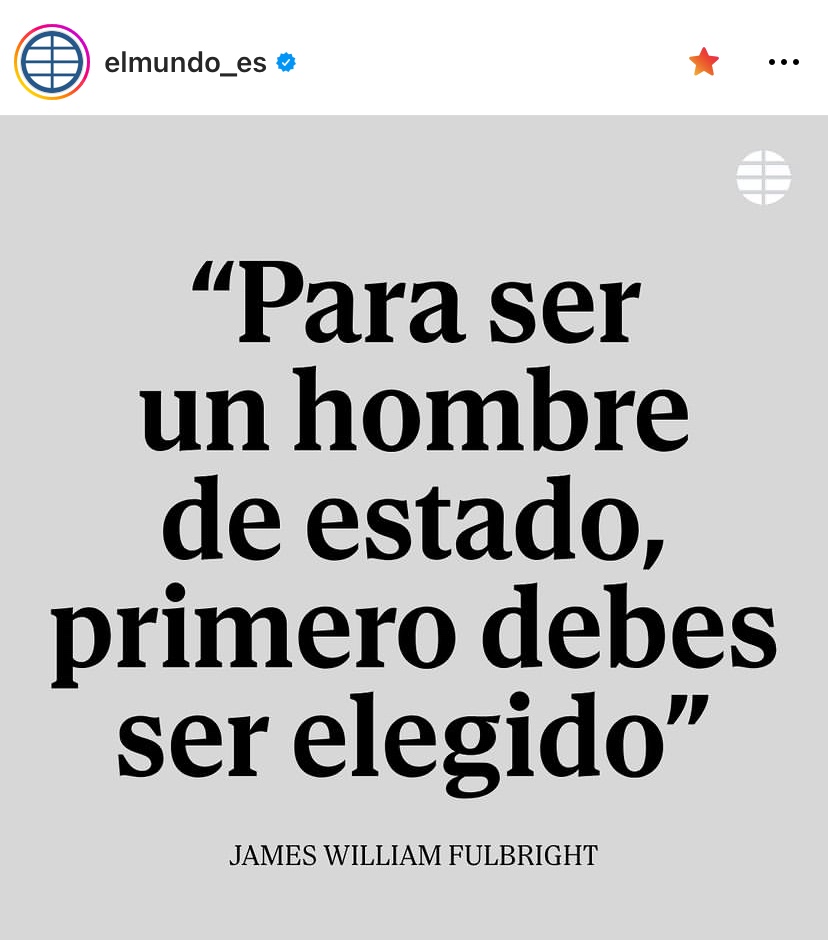
Estoy de acuerdo al 100 por cien… Que sufran aquellos que piensan en los dictadores…
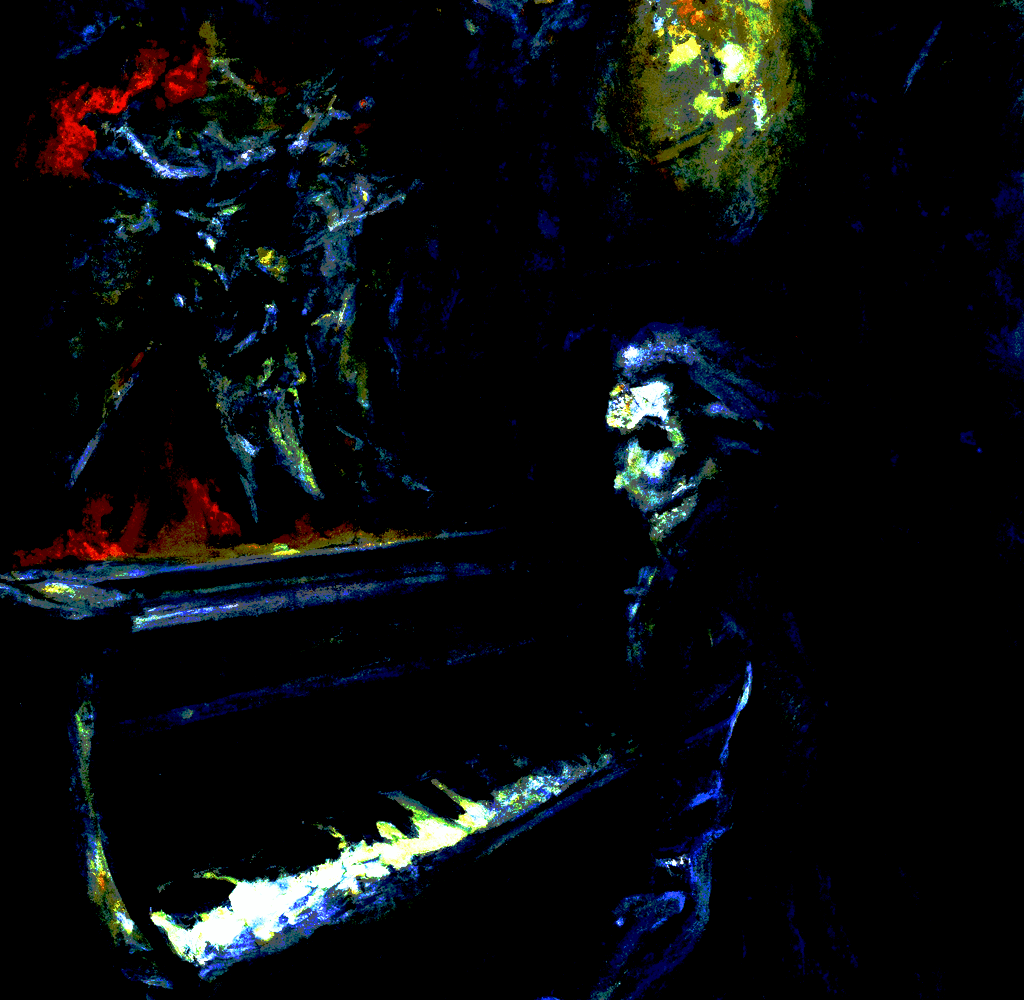
Aquí os presento a mi pianista preferido de todos los tiempos, (aunque quiero a muchísimos otros, contemporáneos, del jazz, del rock, hasta del pop como a tantos otros clásicos), Ludovico van Beethoven, genio de la música que comparte la posición cimera con mis otros dos compositores favoritos de la música culta, Mozart y Wagner. Como se que de Beethoven se ha hablado mucho y hasta varias pelis han salido y como también se que tu eres un tío o una tía de puta madre que estas bien empapado/a en la cultura, no te voy a agobiar con detalles, al fin y al cabo, para apañarse esta Wikipedia…
+++
Here I introduce to you my favourite pianist of all time, (although I love many others, contemporary, jazz, rock, even pop like many other classics), Ludovico van Beethoven, a musical genius who shares the top position with my other two favourite classical composers, Mozart and Wagner. Since Beethoven has been extensively discussed and there have even been several movies about him, and since I know you’re a cool person who is well-versed in culture, I won’t overwhelm you with details. After all, there’s always Wikipedia to rely on…
Gracias…
Cheers…
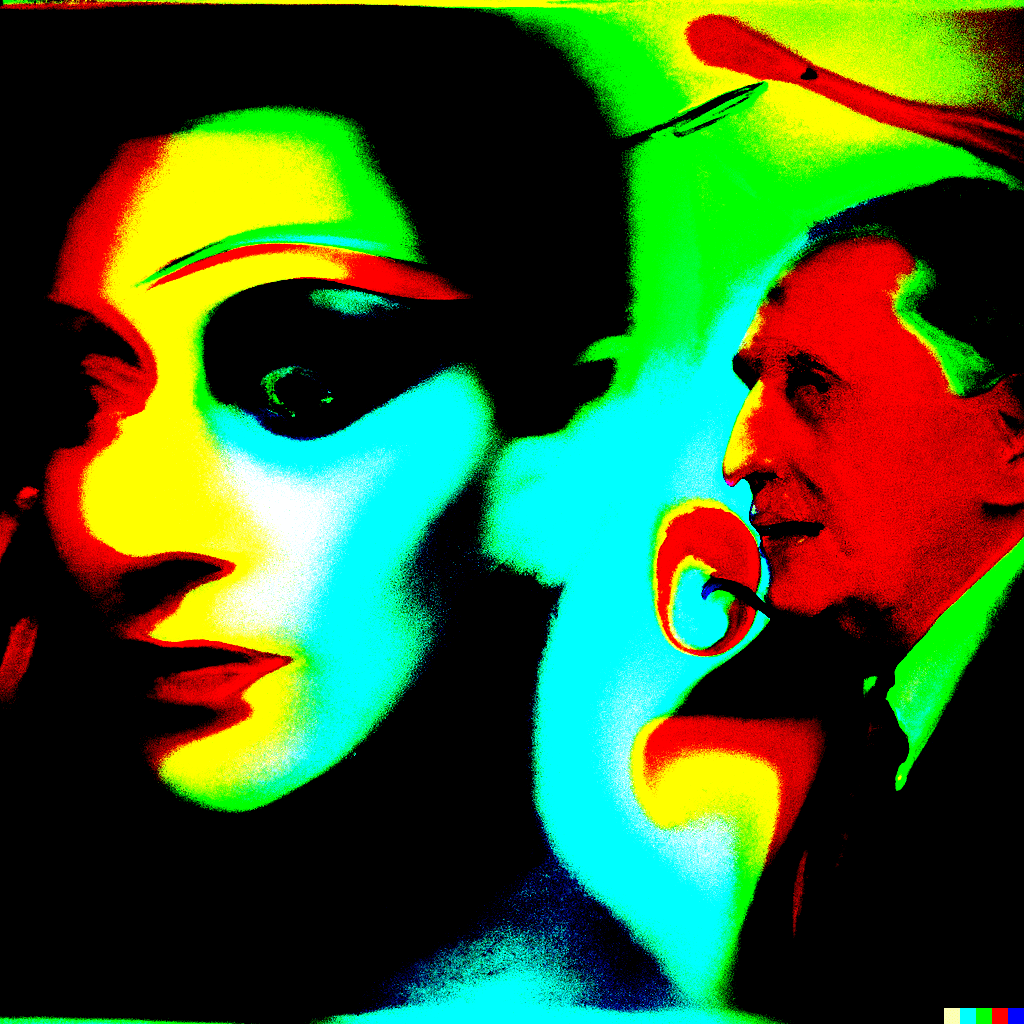
Presumptuous bits of subliminal fatuousness that while climbing a ladder to the moon,
manage to escape, like worms from rotting flesh do when the rain comes to flush out all indignities,
and become the words of love that wistful whispers transfers to the burning sun and far from the cool light of the ghostly moon.
C.2023, Francisco Bravo Cabrera, 27 JUN 2023, Valencia, Spain
SO WHAT THE HELL IS A «EURO-KU?»
It is a way for a Westerner to create a poem in a style created by Easterners and still make it spiritual, interesting and meaningful. It is impossible for me to write like a Japanese poet. I have not experienced his history nor have been raised in his culture, therefore his thought process is unknown to me. But the simplicity, ephemeral nature and spirituality of the Haiku impress me.
So I invented on 02/02/2022 the Euro-Ku to solve that problem. I would use the structure of the traditional Haiku, but change a few things to make it fit into my idiosyncrasy. Here are the rules:
In the Americas I launched the Ameri-Ku, the exact same thing but written by those whose history, culture and background are from across the pond. And by the «Americas» I mean the entire continent, North, Central and Southern portions…
Cheers…
Un dibujo es un cuadro con menos elementos y a veces menos colores, pero sigue siendo un cuadro y sigue teniendo el poder de miles de años de historia de arte…
Yo pinto porque encuentro y porque el arte es la búsqueda, pero no una búsqueda estática sino una búsqueda para encontrar y pintar…
Y como hay que buscar…y encontrar…he buscado y he encontrado que el arte digital («Art Digital en Omnia Caelum Studios Valencia») mola…
Espero que os guste el vídeo y que lo compartáis con vuestros amigos…
+++
A drawing is a painting with fewer elements and sometimes fewer colors, but it is still a painting and still holds the power of thousands of years of art history…
I paint because I seek and because art is the search, but not a static search, rather a search to find and paint…
And as one must seek…and find…I have searched and I have found that digital art («Digital Art at Omnia Caelum Studios Valencia») is cool…
I hope you like this video and that you share it with your friends…
Gracias…
Cheers…
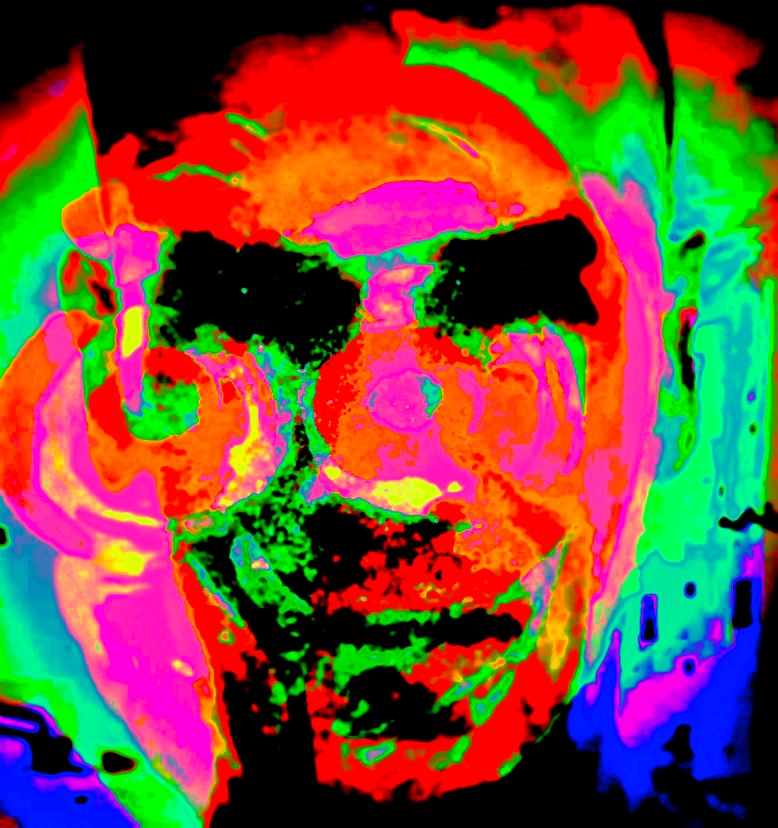
La luz es el elemento esencial que nos permite ver todo en el universo, el movimiento es señal de vida, de crecimiento, y la intención la pongo yo cuando estoy pintando, guiando y desarrollando una idea a través de un cuadro. Ese es mi trabajo aquí en Omnia Caelum Studios Valencia…
+++
Light is the essential element that allows us to see everything in the universe. Movement is a sign of life, a definite indication of growth. And I put intention into it when I am painting, guiding and developing an idea through a painting. That is my job here at Omnia Caelum Studios Valencia…
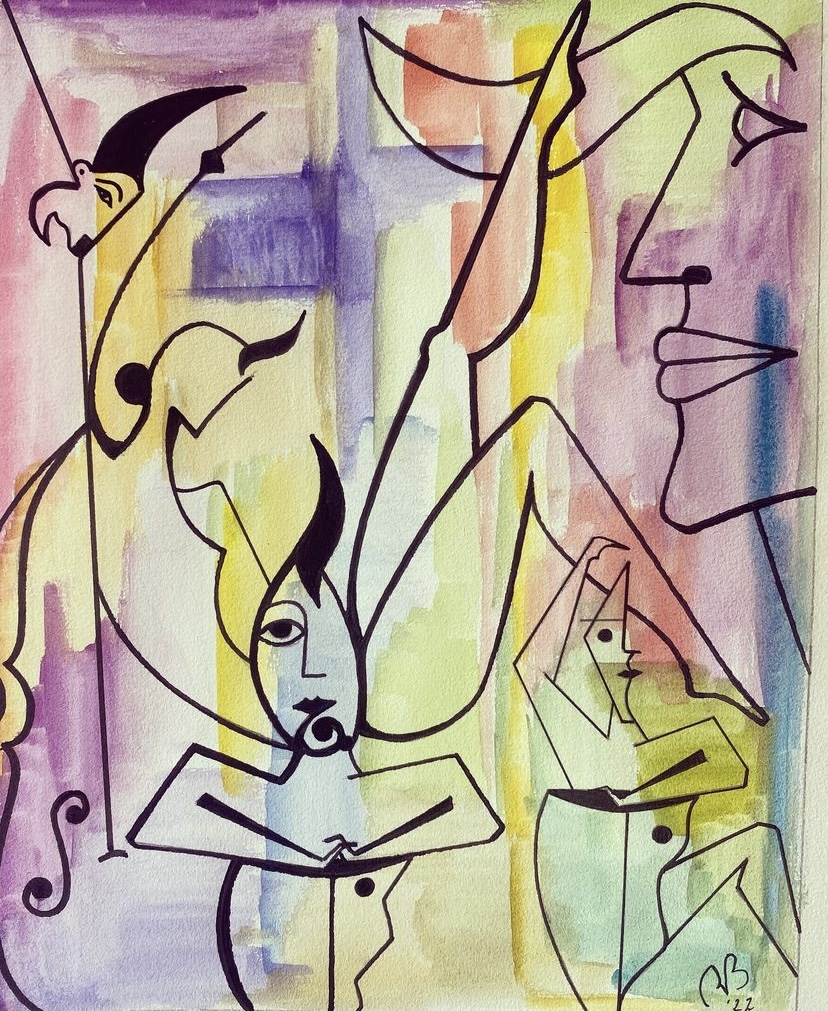
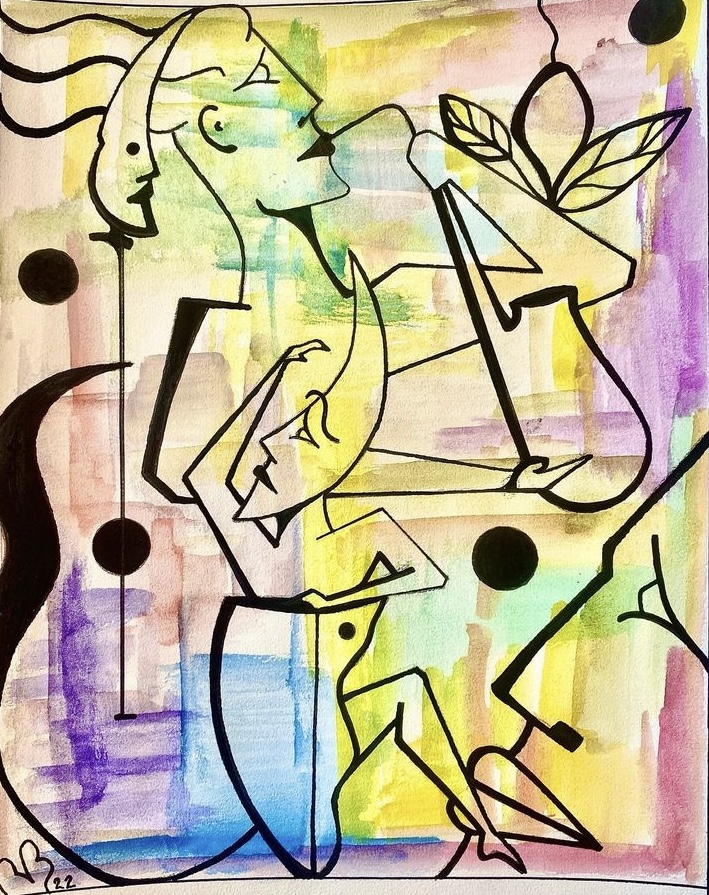
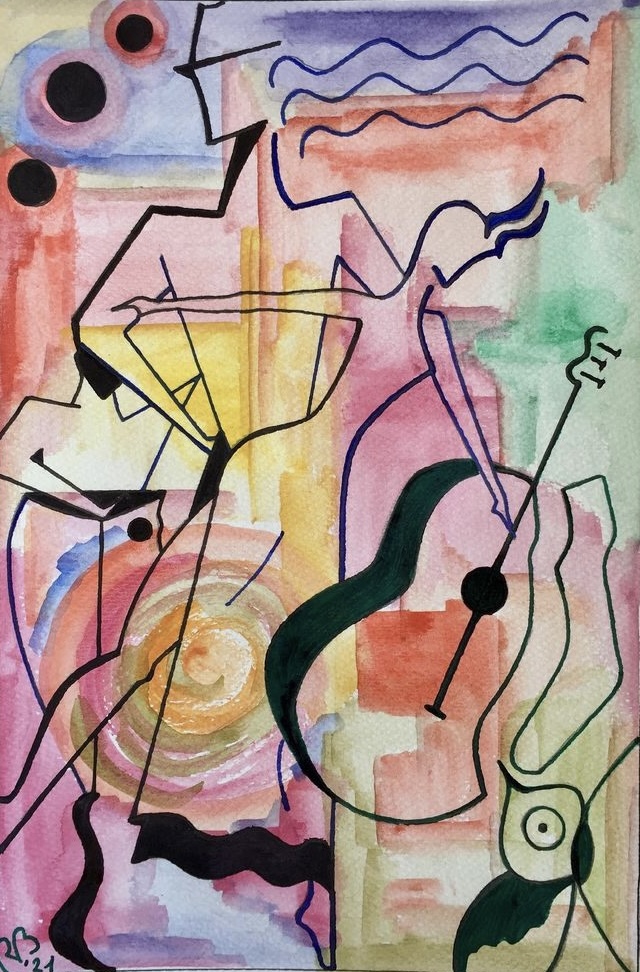
Gracias…
Cheers…
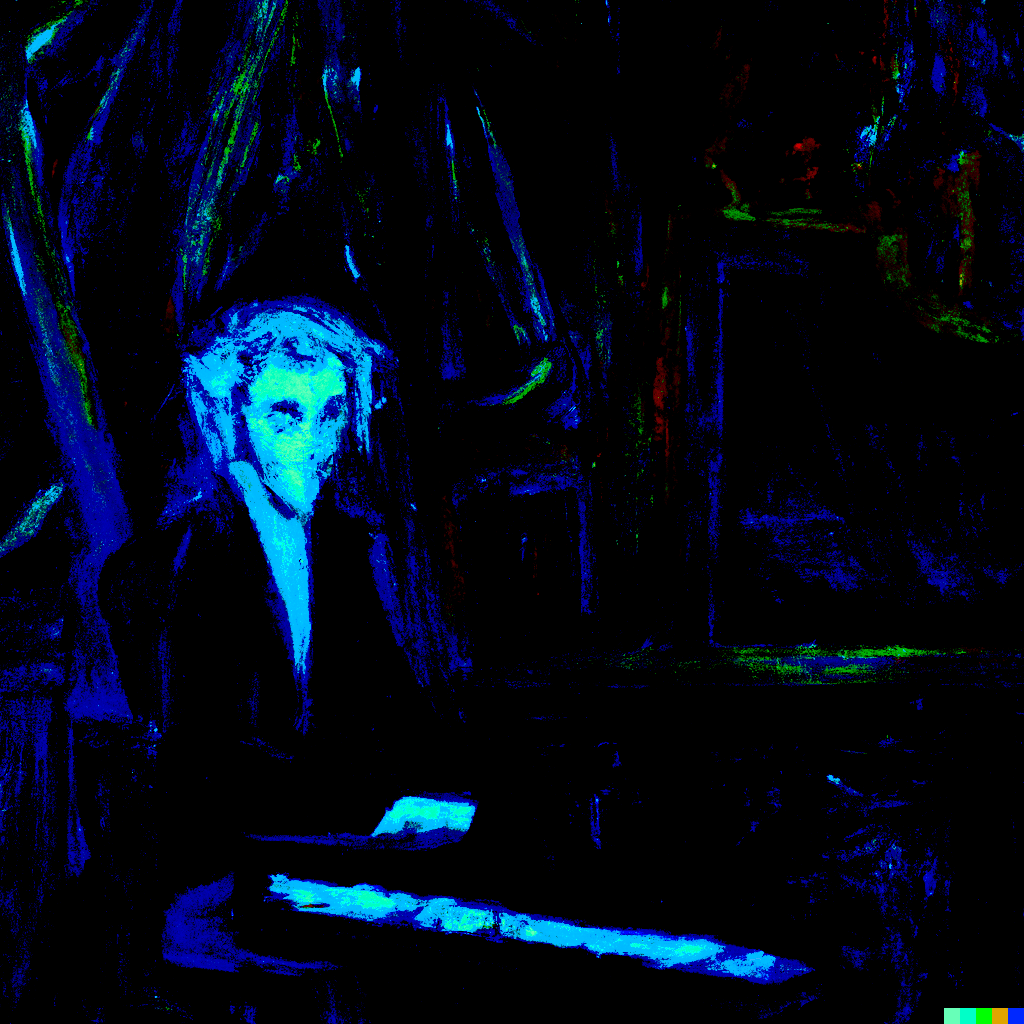
Voy a decir que es Handel… Georg Friedrich Händel, o Jorge/Jordi digamos… Este tio era la leche, fijaos: 42 operas, 25 oratorios, más de 120 cantatas, trios and duos, un montón de arias, odas y serenatas, sonatas, 18 concerti grossi, and 12 conciertos de órgano. Su pieza mas famosa es el oratorio titulado Messiah que contiene el famoso «Aleluya» y es una de las piezas de coral preferidas durante la época navideña. No se como seria el tío, no creo que nadie sepa, por eso lo pienso como me lo imagino, en la oscuridad de una catedral gótica componiendo a piano lo que luego tocaría con el órgano enorme que todas esas catedrales tienen…
+++
I’m going to say it’s Handel… Georg Friedrich Händel, or George, let’s say… This guy was amazing. He wrote: 42 operas, 25 oratorios, over 120 cantatas, trios and duos, a bunch of arias, odes and serenades, sonatas, 18 concerti grossi, and 12 organ concertos. His most famous piece is the oratorio called Messiah, which features the renowned «Hallelujah» chorus and is often performed during the Christmas season. I don’t know what the guy was like, I don’t think anyone does, so I imagine him in the darkness of a Gothic cathedral, composing on the piano what he would later play on the enormous organ that all those cathedrals have…
Gracias…
Cheers…
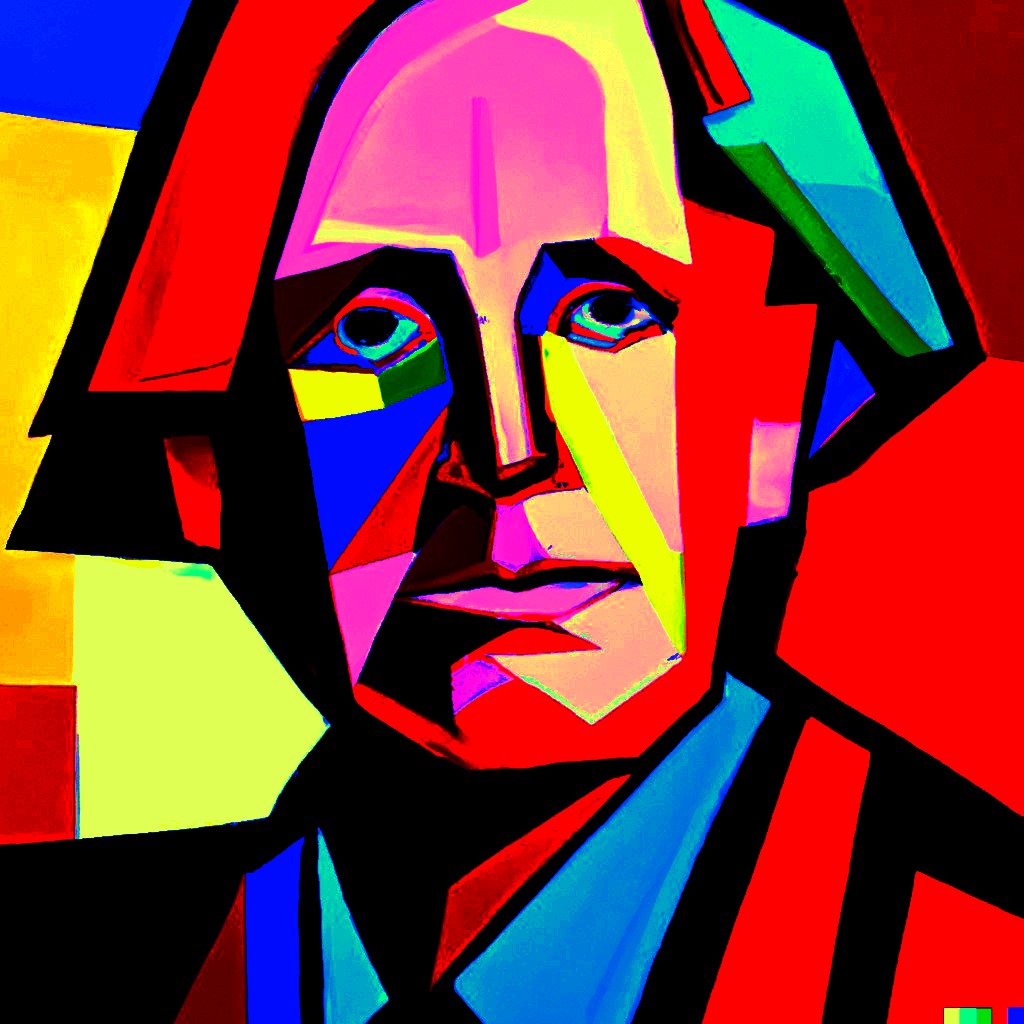
Pop Art es un tipo de pinturas que se hicieron popular en EEUU y en el Reino Unido precisamente por que se basaban en temas populares, los pintores pintaban más o menos cosas de la vida cotidiana. Las pintaban con colores primarios, principalmente y con una forma casi caricaturesca para enfatizar que no era filosofía lo que transmitía el cuadro sino la aburrida cotidianidad. El padre de este estilo es Andy Warahol y le siguen Peter Max (el que más me gusta), Roy Lichtenstein, Claes Oldenburg, y David Hockney, entre otros miles. Claro los nombres de estos artistas no los he puesto particularmente en ningún orden. En Japón tenemos también a estos artistas «pop» como la «gran» Yayoi Kusama, que yo creo, de todas todas, que ella y Yoko Ono son la misma, pero bueno…
+++
Pop Art is a type of painting that became popular in the US and in the UK (later in almost all countries) precisely because it was based on popular themes. The painters depicted various aspects of everyday life using primary colours and a caricature-like style to emphasize that they were not conveying deep philosophy, but rather the mundane nature of reality. The father of this style is Andy Warhol, followed by Peter Max (my personal favourite), Roy Lichtenstein, Claes Oldenburg, and David Hockney, among many others. Please note that the names of these artists are not listed in any particular order. In Japan, we also have «pop» artists like the «great» Yayoi Kusama, who, I think is also Yoko Ono, but what the hell…
Have a WordPress.com account? Log in now.

