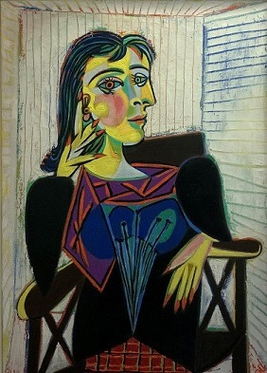
Picasso le puso la mujer que llora y la pinto muchísimas veces. Este es «Retrato de Dora Maar» de 1937… Ella murió en su casa de Paris en 1997. Pero hay que recordarla y reconocerla por lo que era, una gran artista, fotógrafa y pintora. El vídeo te lo dirá todo…
(De/By Pablo Picasso/La Femme qui pleure/The Weeping Woman)
Picasso called her the weeping woman and painted her many times. On top is the «Portrait of Dora Maar» from 1937. Below, from 1937 as well, is «The Weeping Woman.» She died in her Paris home in 1997. But we must remember her and recognise that she was a great artist, a photographer as well as a painter. The video will lend you a hand in getting started…
(Si te ha gustado, por favor dale el «like» y gracias/If you liked it please give it a «like» and thanks)
Compartimos las lecturas del fin de semana, que el equipo de Masticadores ha preparado. En Viajes J re crivello nos invita a visitar el mítico café de la Rambla de Barcelona: “Casi a la mitad del largo paseo que lleva al final de La Rambla, se encuentra este estrecho y particular café. Rodeado de espejos, en […]
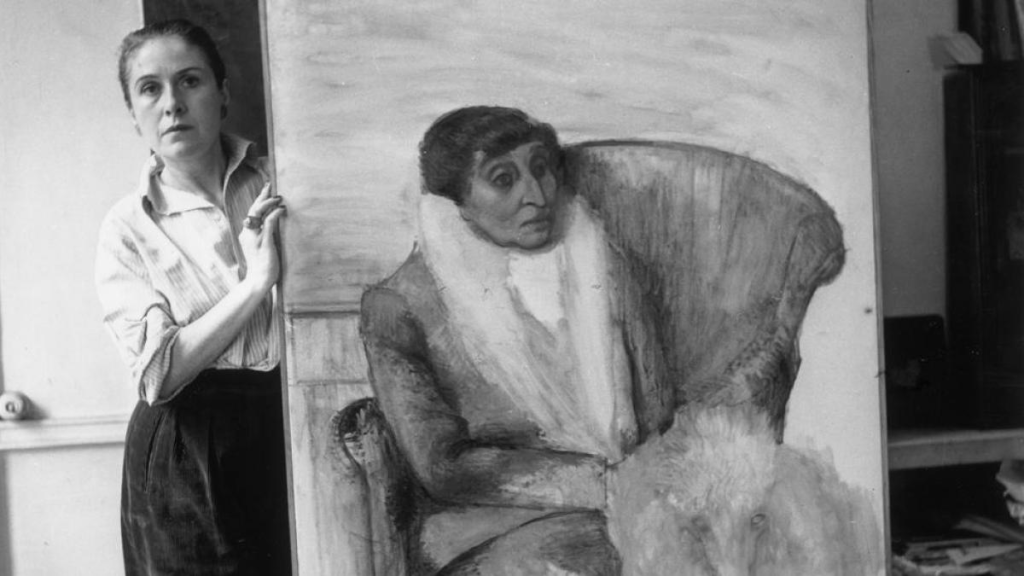
Ahí la vemos, asomada a su ventana y vislumbrando las calles de Manhattan. Ruth Orkin, artista, cineasta, fotógrafa y cronista de la época que le tocó vivir. Una gran fotógrafa y una mujer artista que hay que conocer y valorar, ya lo verás en el vídeo. Míralo, disfrútalo
+++
There she is at her window glimpsing at the streets of Manhattan far below. Ruth Orkin, artist, photographer, filmmaker and chronicler of her times. A great photographer I would say and a woman artist that must be talked about and valued. In any event, you will see it all in the video. Watch, enjoy!
(Si te ha gustado por favor dale el «like» gracias/If you liked it please give it a «like» thank you)
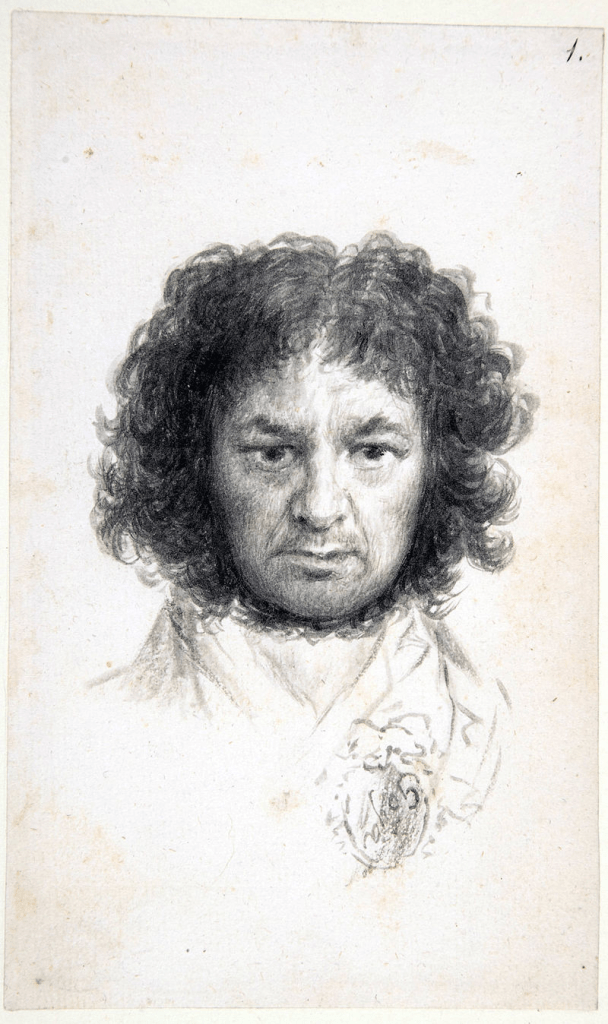
(De Francisco de Goya – Metropolitan Museum of Art, online collection (accession number 35.103.1), Dominio público/Public Domain)
Interesantísimas y las tienes que conocer, pues son partes integrales de la historia del arte, y de este gran aragonés que, prácticamente se puede decir, fue realmente el primer pintor moderno. El vídeo te lo explicará todo.
+++
Extremely interesting and you have to get to know them. They are an integral part of art history and of the history of this great Spanish (Aragonese) painter. It could almost be said that Goya was the first truly modern artist. In any event, this video will explain it all to you.
(Si te ha gustado por favor dale «like»/If you liked it please give it a «like»)
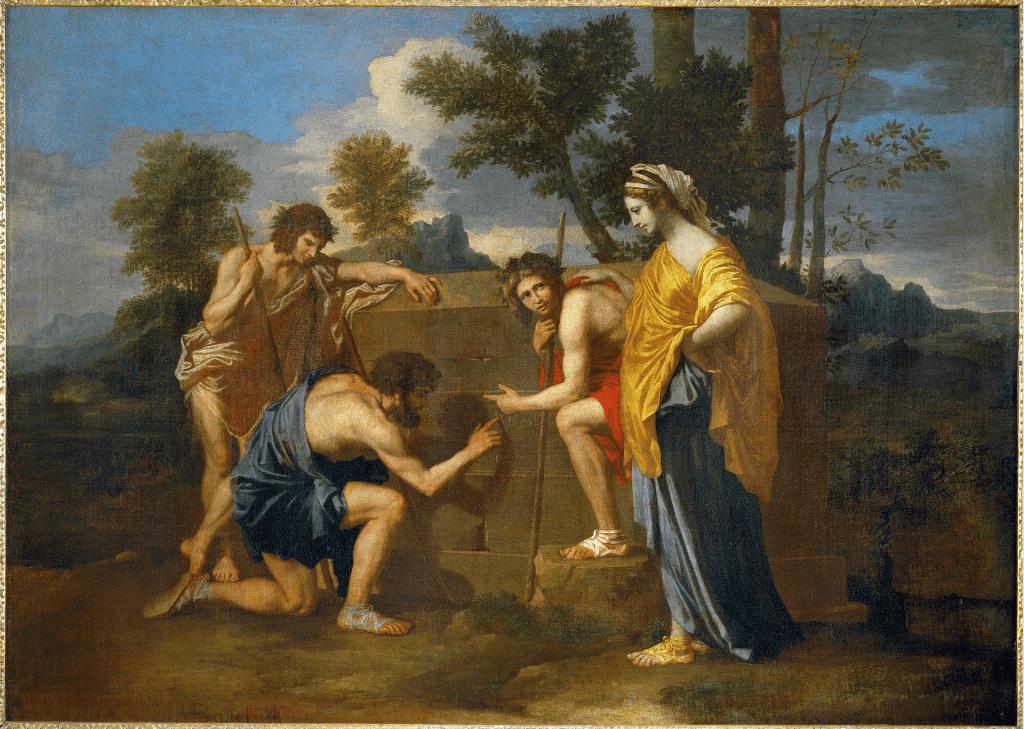
(De/By Nicolas Poussin – Foto/Photo Dominio publico/Public Domain)
Este cuadro maravilloso, «Et in Arcadia Ego: Les Bergers d’Arcadie,» del artista del barroco francés (tardío), Nicolas Poussin, (Normandía, 1594- Roma 1665), pintado circa 1630 y pico, que está en el museo de Louvre, en París, no solo muestra su maestría, técnica y conocimientos artísticos, pero guarda ciertos misterios debido a esa extraña frase inscrita en la tumba: «Et in Arcadia ego.»
La frase latina significa «Hasta en Arcadia estoy». Arcadia se refiere a lo idílico, a lo pastoral y también a una provincia griega de la antigüedad en el peloponesio, supuestamente el habitat de Pan, el dios de los bosques y las ninfas. Se ha especulado que intenta proclamar que hasta en Arcadia está, aunque agazapada, la muerte. Esto según Giovan Pietro Bellori, biógrafo de Poussin, que dijo que el «ego» era la muerte y que la muerte vagaba hasta por lugares utópicos como Arcadia.
Quizá la frase se refiere al que ocupa la tumba. O quizá Poussin, sin tratar de avisar la inevitabilidad de la muerte, quiso solo rememorar, haciéndole, con la frase y con la tumba, un guiño a la nostalgia. Quien sabe, pero los autores del libro «The Holy Blood and the Holy Grail» de1982, pensaron que Poussin era un miembro de la sociedad secreta Prioridad de Sion y que este cuadro guardaba grandes secretos esotéricos. Pero no dijeron mas.
A mi no se me ocurre nada sobre este supuesto misterio. Pero si lei que en un vallecillo, de la tierra de la lengua de las ocas en el sur de Francia, apareció una vez una tumba como la del paisaje de Poussin. Lamentablemente ya no esta por esos Deus lares…
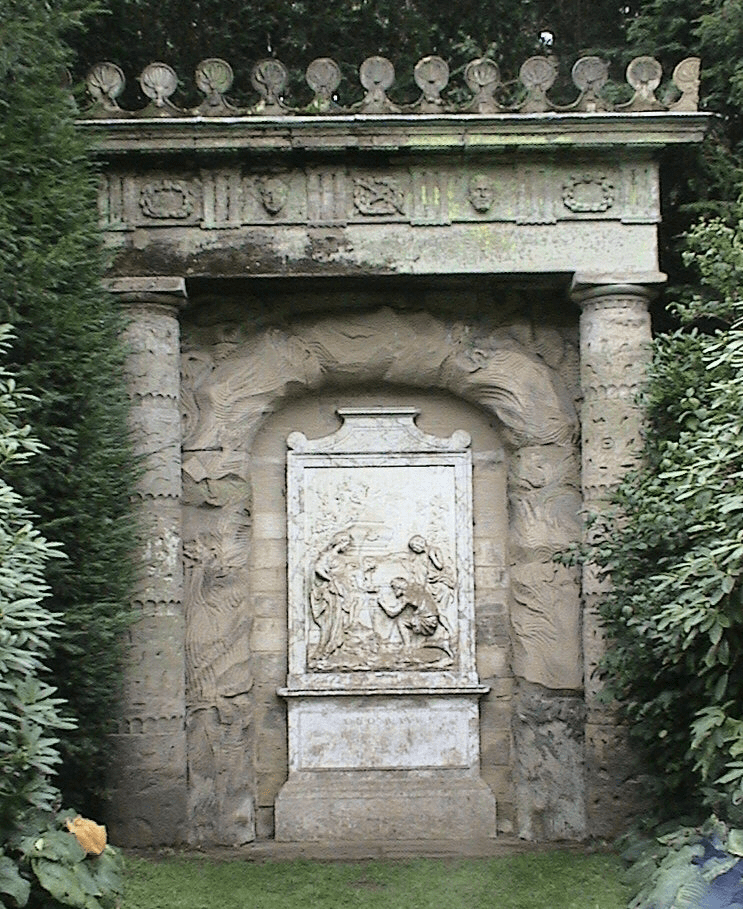
El cuadro de Poussin aparece en el llamado «Monumento a los pastores» (del Siglo XVIII) que está en Shugborough Hall, en la localidad de Staffordshire, Inglaterra. En el monumento vemos la imagen de espejo de la pintura de Poussin pero con algunos elementos agregados. Por ejemplo, encima del sarcófago del cuadro hay otro y debajo hay una piedra con una misteriosa inscripción compuesta de las siguientes letras: O U O S V A V V, esculpidas en la piedra entre las letras D M en un plano inferior. Hasta la fecha nadie ha podido descifrar este enigma, aunque las teorías abundan.
+++
This beautiful masterpiece, «Et in Arcadia Ego: Les Bergers d’Arcadie,» by the French Baroque painter Nicolas Poussin, (Normandy, 1594- Rome 1665), painted circa 1630, hangs in the Louvre museum. It not only demonstrates the artists’ mastery of technique and knowledge of art history, but it seems to hide certain mysteries. One can say that all of it is due to the cryptic inscription on the tomb: «Et in Arcadia ego.»
The Latin phrase can be interpreted as meaning «Even in Arcadia I am.» Arcadia refers to the idyllic, to the pastoral. But it was an ancient Greek province in the Peloponnesus, idealised for its peaceful nature and beloved for its tranquillity. This was the domain of Pan, god of the woods and of the nymphs. It has been speculated that it proclaims that even in such a place as Arcadia, death lurks, perhaps hidden. This became «truth» thanks to Poussin’s biographer Giovan Pietro Bellori, who stated that «ego» referred to death and that death «is» even in utopias like Arcadia.
But it is also possible that the phrase is indicative and pertains to whoever lies in the tomb. Or maybe that Poussin, without intending to warn about the inevitability of death, wanted simply to reminisce, giving such reminiscence a memorable phrase. In other words a nod to nostalgia. I don’t know. However, the authors of the book «The Holy Blood and the Holy Grail» (1982), thought that Poussin was a member of a secret organization called the Priory of Sion, and that this painting held secrets of great esoteric significance. But they do not go beyond that.
I truly wouldn’t even venture a guess. But in a small valley in the land of the language of geese, in the south of France, a lonely tomb like this was found. The same landscape that Poussin painted centuries before. Lamentably it no longer exists in those lands.
Below is the 18th Century «Shepherd’s Monument» in Shugborough Hall, Staffordshire, England. It bears a mirror image of Poussin’s painting, with a few added features. The bas relief has a second sarcophagus placed on top of the one in the painting and beneath a stone bearing the following inscription: O U O S V A V V, between the letters D M beneath them. No one so far has been able to crack what the letters mean. Theories abound…
Compartimos las lecturas del fin de semana, que el equipo de Masticadores ha preparado. En Viajes J re crivello nos invita a visitar el mítico café de la Rambla de Barcelona: “Casi a la mitad del largo paseo que lleva al final de La Rambla, se encuentra este estrecho y particular café. Rodeado de espejos, en […]
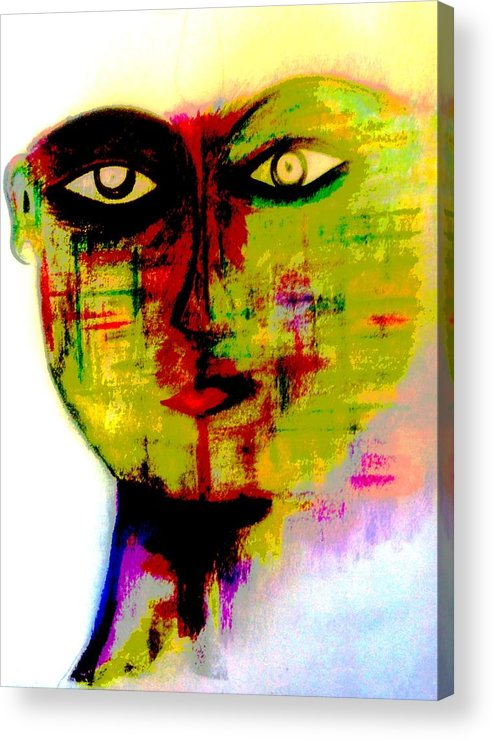
(«Dunia» image property of FBC/Omnia Caelum Studios Valencia/All Rights Reserved)
As you know I am also known by the artistic name of Francisco Bravo Cabrera…
Here is the «acrylic print» of «Dunia.» But at Fine Art America, the company that I have chosen to make prints of some of my selected images, (images of paintings and drawings, some of them hanging in private collections throughout the world), you can also choose other types of prints.
Look through my gallery at Fine Art America. You can order and they will create for you the print of your choice and ship it to you promptly. There are also other items available for these selected images. All high quality and professionally treated.
For originals, contact our Sales Representative, «By Guloshka» either through email: Guloshka404@gmail.com or Instagram (where you can actually see the paintings/drawings available) @Guloshka.
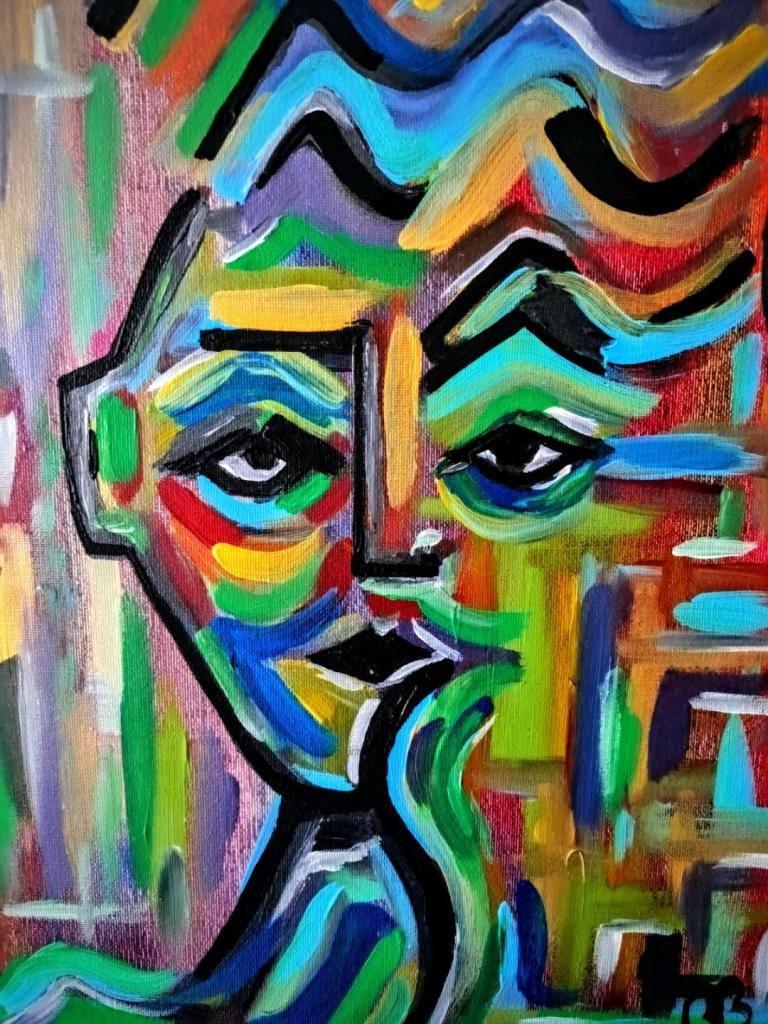
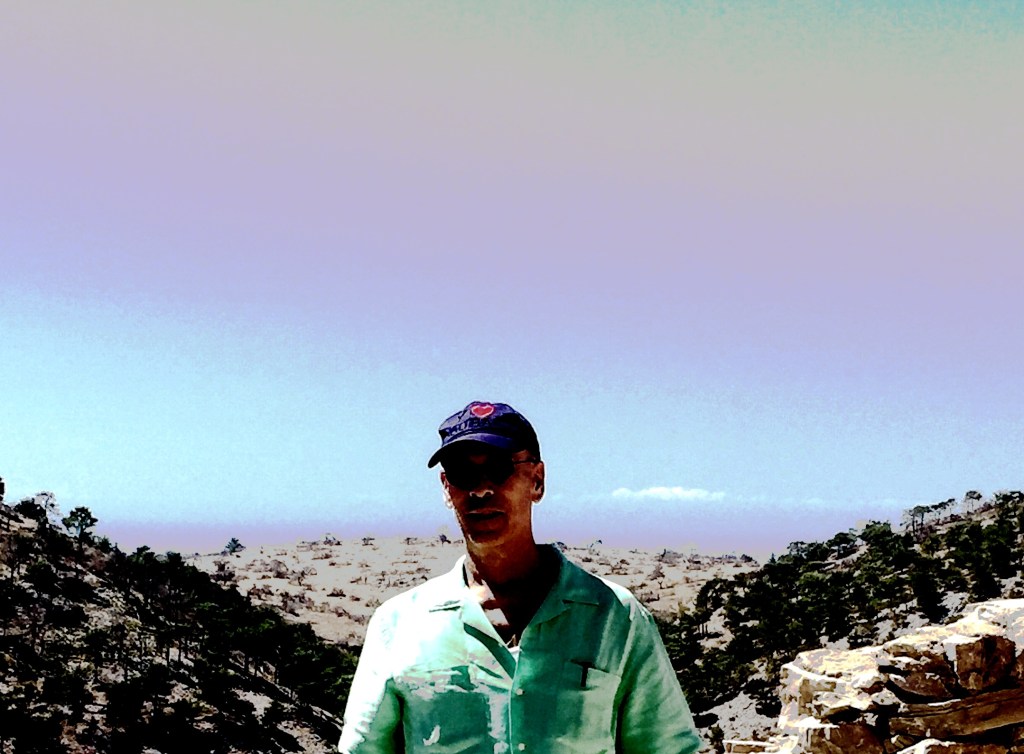
(FBC climbing mountains in Greece/All Rights Reserved)(«Quintus» an original acrylic on canvas painting by Francisco Bravo Cabrera, also known as Bodo Vespaciano/All Rights Reserved)
Francisco created her in 2023. Available for purchase for those interested parties. 🤓 “Quintus” – H100cm W70cm – Acrylic on Canvas by Francisco Bravo Cabrera aka Bodo Vespaciano





 JaZzArt en València