Maravillosa…
gracias – cheers
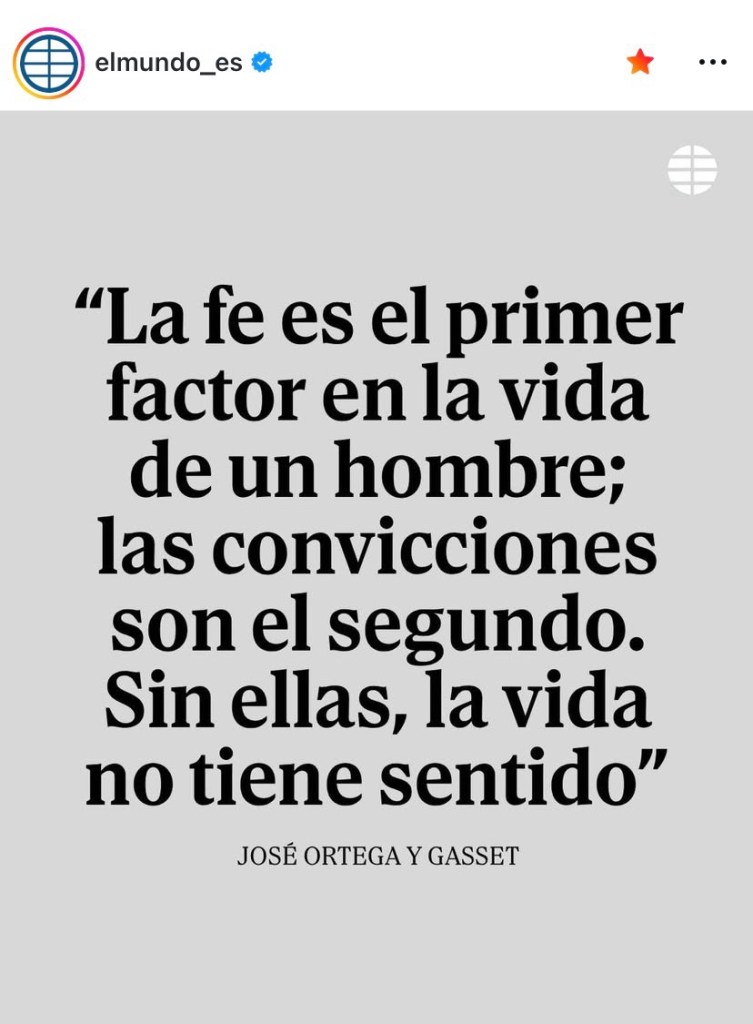
Faith saved us from the savages that we were, losing faith makes us savages again
Maravillosa…
gracias – cheers
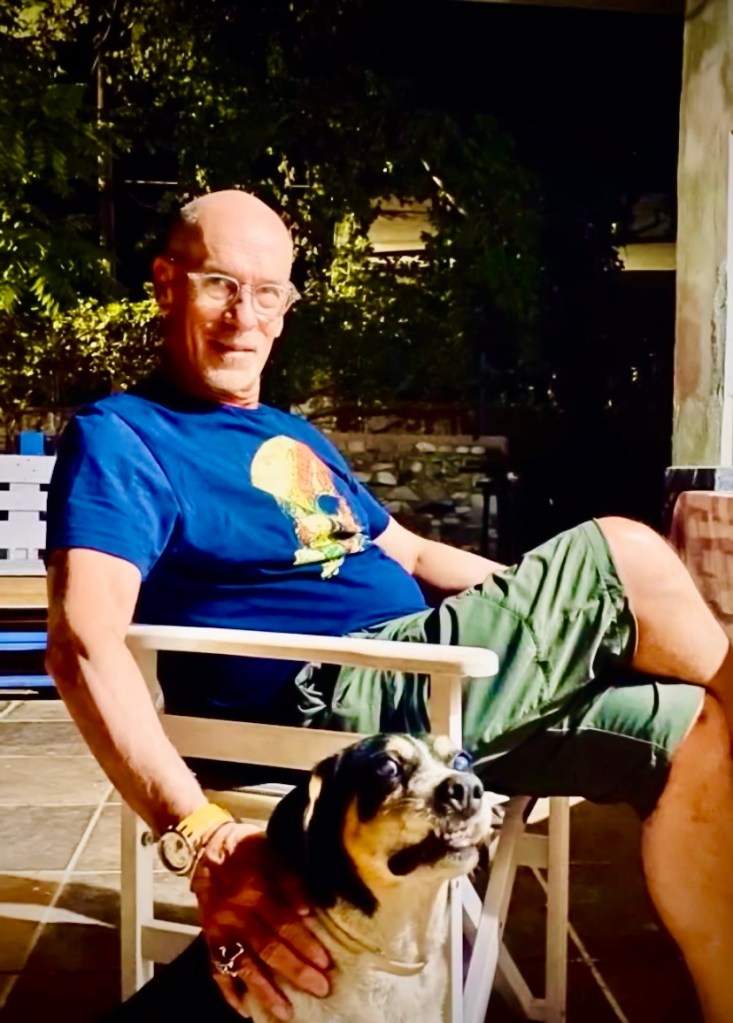
I am on location and will not be present daily on VALENCIARTIST, although there will be daily posts. I appreciate and I am grateful to those that still read and comment although I cannot reply or read yours. It’s a pleasure sublime to know my true blogger friends!
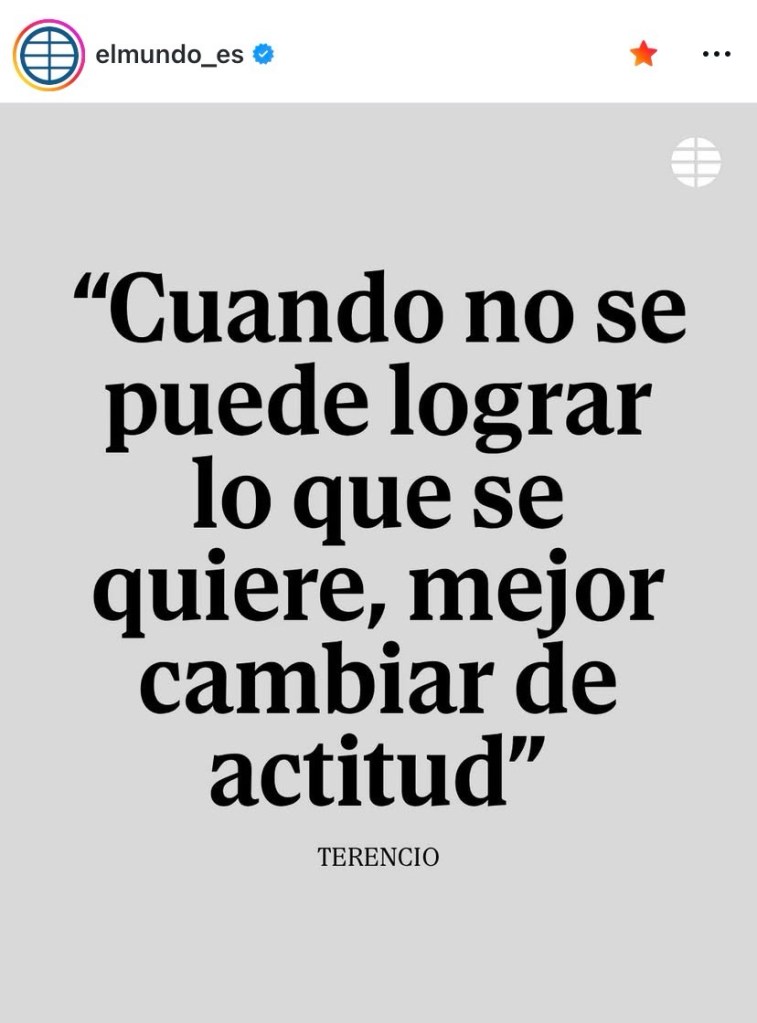

Digamos que la apatheia (Απάθεια) se puede definir como la paz interior que se logra entrenando la mente a que no reaccione impulsivamente ante cosas que no se pueden controlar, y así acepta la realidad con serenidad. Es no dejarse arrastrar por emociones impulsivas. Era el ideal de los Estoicos, la meta de lo que ellos consideraban sabiduría, pues permitía actuar con virtud y razón sin que las «pasiones» (consideradas enfermedades del alma) nublaran el juicio. No vayas a confundirla con la apatía. Apatía es pereza o desinterés, mientras que la apatheia implica un compromiso activo y una fortaleza mental superior. En conclusion: La apatheia, concepto estoico griego, significa «ausencia de pasiones» o imperturbabilidad del ánimo, no indiferencia. En ese estado de libertad emocional el sabio se libera de emociones perturbadoras como el miedo, la ira, o la tristeza, y se mantiene en un estado idóneo de serenidad, para dominar así su mente cuando se enfrenta a eventos externos (incontrolables), sin separarse de los sentimientos.
+++
Let’s say that apatheia (Απάθεια) can be defined as the inner peace achieved by training the mind not to react impulsively to things that cannot be controlled, thus accepting reality with serenity. It is about not being swept away by impulsive emotions. It was the ideal of the Stoics, the goal of what they considered wisdom, as it allowed one to act with virtue and reason without the «passions» (considered illnesses of the soul) clouding judgment. Do not confuse it with apathy. Apathy is laziness or disinterest, while apatheia implies an active commitment and a higher mental strength. In conclusion: Apatheia, a Stoic Greek concept, means «absence of passions» or emotional imperturbability, not indifference. In that state of emotional freedom, the wise person frees themselves from perturbing emotions such as fear, anger, or sadness, maintaining an ideal state of serenity to thus dominate their mind when faced with external (uncontrollable) events, without separating from their feelings.
GRACIAS – CHEERS
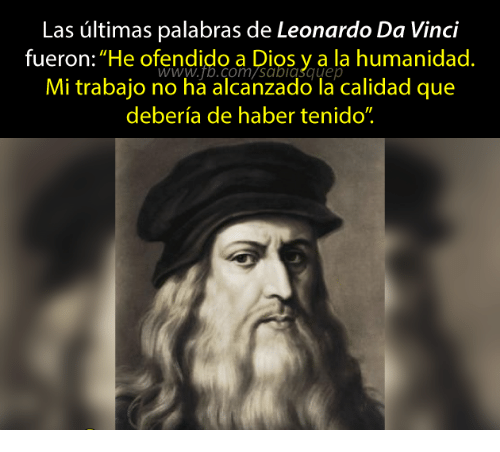
Se dice que era un genio, un verdadero hombre del renacimiento, que era pintor, escultor, arquitecto, ingeniero, poeta, filosofo, vamos, un verdadero semi-dios entre los meros mortales, pero…
¿Te lo crees? ¿No será que toda esa fama viene por el marketing?
Que fue un gran dibujante, venga, sin duda estoy de acuerdo, pero…
Era un pijo. Su padre, un bourgeois ricachón le compro un puesto de aprendiz con uno de los maestros mas reconocidos de Florencia, el gran Verrocchio. Quien sabe cuantos otros chicos de la época, y alumnos también de Verrocchio, no eran también grandes dibujantes y posiblemente serian grandes pintores. La verdad es que aunque Leonardo pintaba con mucha arte, no estaba por encima de sus contemporáneos.
Para que lo sepáis…especialmente si sois grandes fans de Leonardo…el maestro era flojo ad infinitum. Lo dejaba todo sin terminar. Y lo que intentaba, si veía que había que currarselo mucho, lo abandonaba. Asi abandono el mural que le pidieron de la batalla de Anghiari para el Palazzo Vecchio del Cinquecento. Estos bocetos fue lo único que hizo:
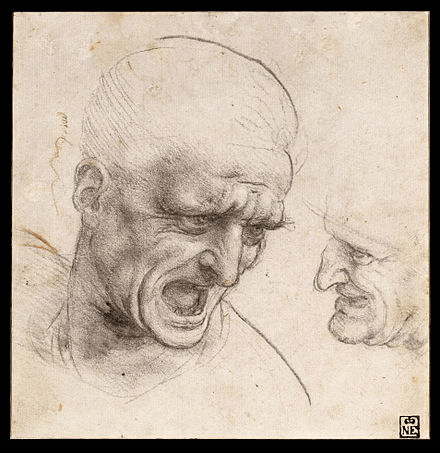
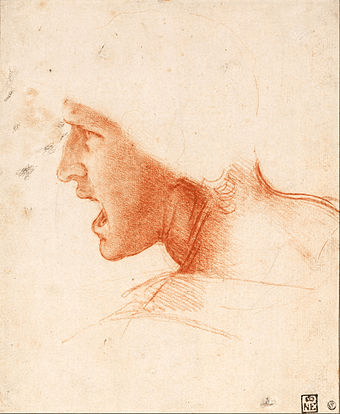
Además su famoso fresco de la ultima cena lo hizo tan mal que se empezó a caer inmediatamente. Hasta la fecha ha tenido que sufrir tantas restauraciones que se estima que ya queda muy poco de lo que pintó da Vinci…
Ahora llegamos a la «famosa» Gioconda, o la Mona Lisa. Digo famosa porque se la robaron, la secuestraron y mientras estuvo perdida, le hicieron una propaganda como nunca se había visto. Y luego que cogieran al ladrón y recuperaran el cuadrito, lo pasearon por todos los mas grandes museos del mundo, de EEUU a Rusia y después a Japón.
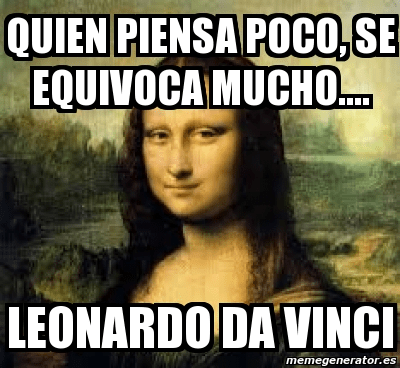
Se supone que el cuadro no está terminado y mas, fue mal pintado. El horizonte no es igual, a un lado de la Gioconda se ve mas alto que al otro. Además, si uno se fija en otros retratos que pintó da Vinci, uno se da cuenta que la Mona Lisa es un retrato de a segunda.
Bueno, ¿Y los inventos del gran florentino?
Fracasos sobre fracasos. Ninguno sirvió para nada. La mayoría de ellos jamás se construyeron porque se notaba que no funcionarían. Eran piruetas en el espacio, nada mas. El duque Sforza lo había contratado para que creara cosas lindas y para decorar sus jardines. Pero también le pidió una escultura ecuestre y Leonardo dijo que la haría, pero nunca siquiera la comenzó, esto fue lo único que hizo del encargo del duque:
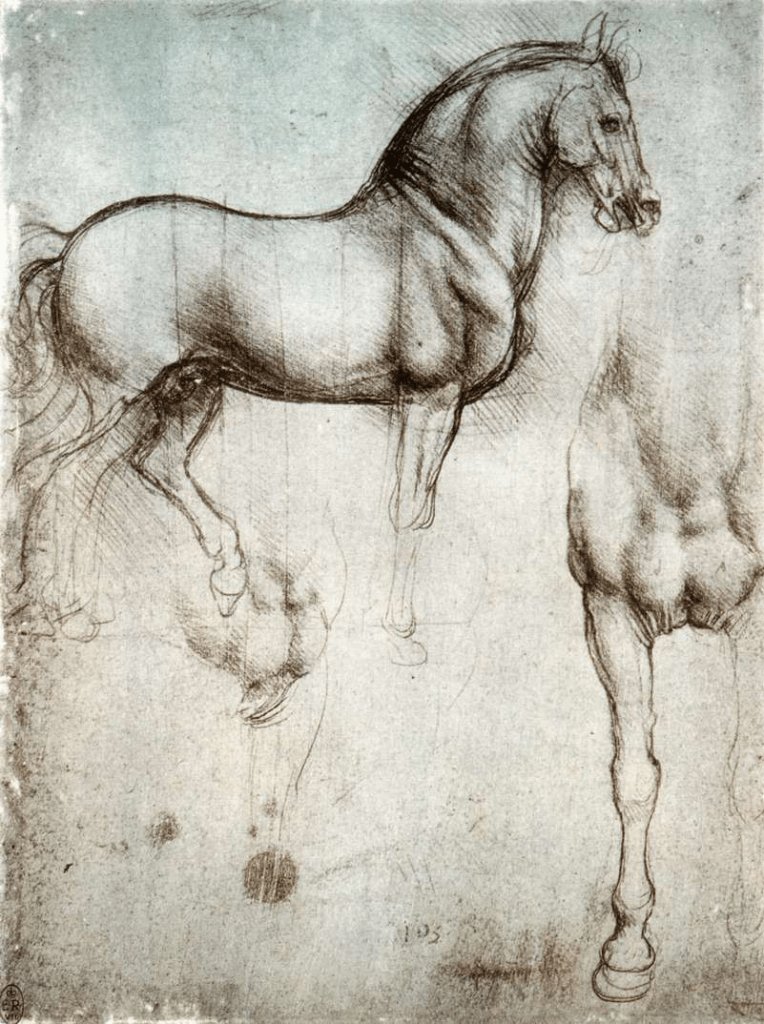
Quiza si Dan Brown no le hubiera dado tanta fama con su libro El código da Vinci (2003) no estuviéramos hablando ahora de este pintor del renacimiento italiano.
Gracias…
I am on location and will not be present daily on VALENCIARTIST, although there will be daily posts. I appreciate and I am grateful to those that still read and comment although I cannot reply or read yours. It’s a pleasure sublime to know my true blogger friends!
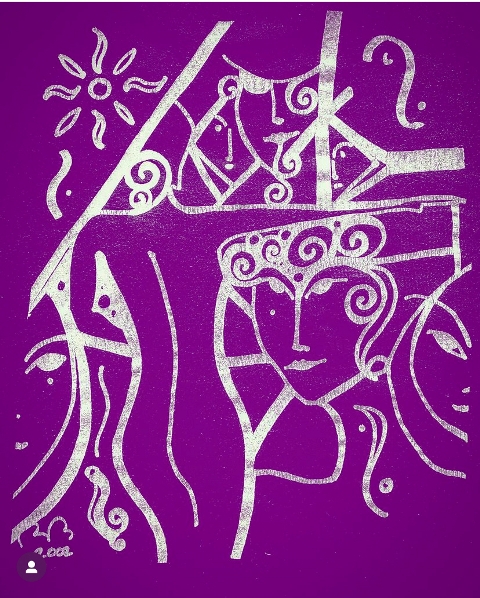
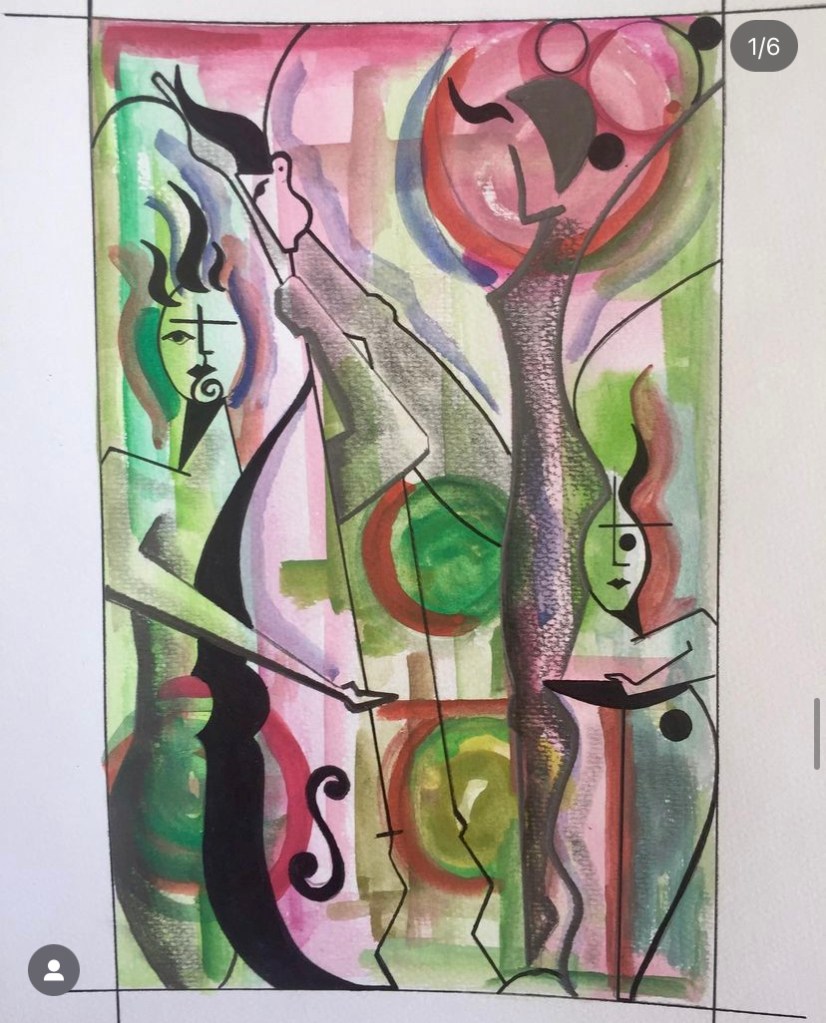
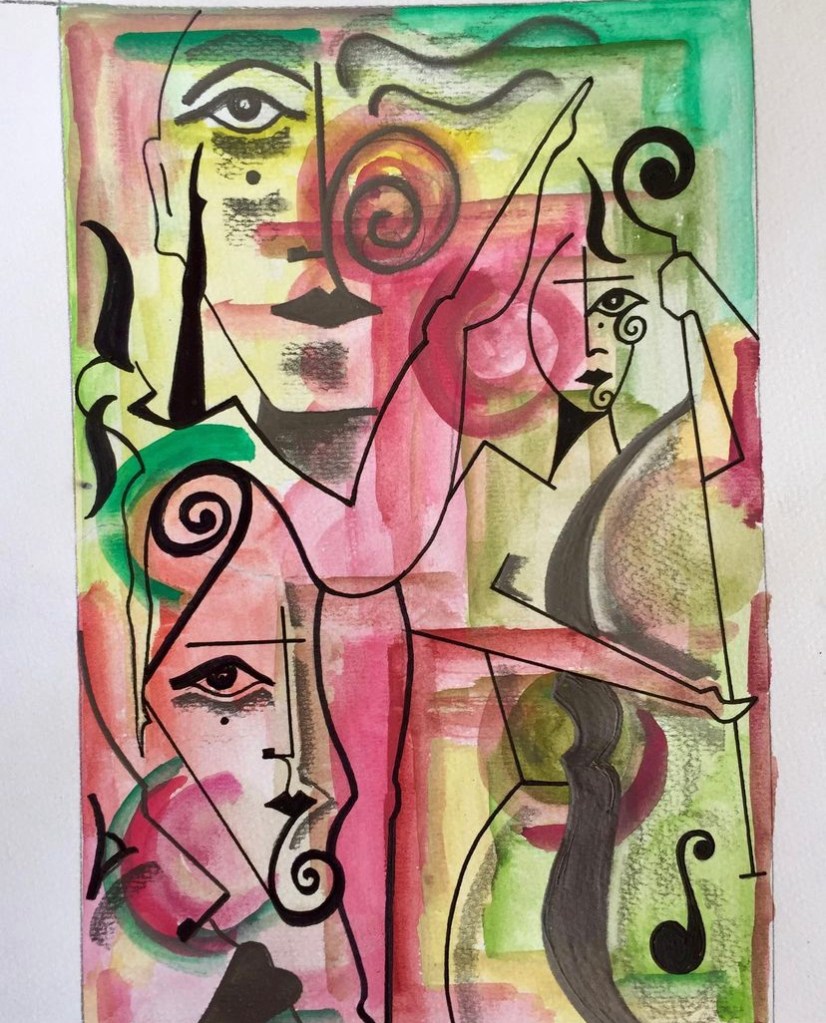
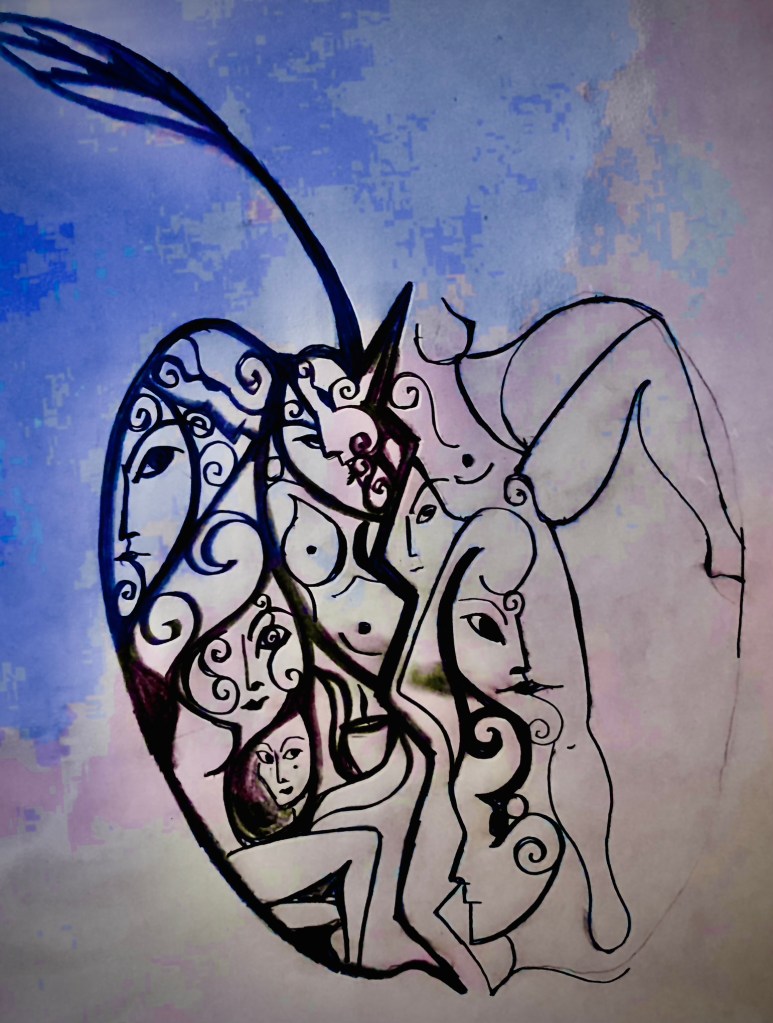
And colours set the mood and conquer space…
Y los colores te ilusionan y conquistan el espacio…
CHEERS – GRACIAS
I am on location and will not be present daily on VALENCIARTIST, although there will be daily posts. I appreciate and I am grateful to those that still read and comment although I cannot reply or read yours. It’s a pleasure sublime to know my true blogger friends!


 JaZzArt en València