Artist Series, Page 3: Kandinsky pt. 3 (Finale)

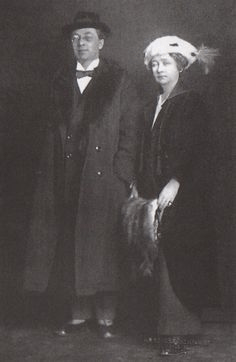
(Kandinsky and Gabriele Münter, the phtographer and painter/Photo Pinterest)

Welcome to the final episode (pt.3) of Kandinsky. The reason why I stretched Kandinsky out so much is because he is one of the most important artists in art history. Not only because of his development of abstract art (yes, we all know that Hilma af Klint* and Anna Cassel and Georgiana Houghton painted some abstracts before him), but because he was an art philospher and theoriser as well. And he might not have the title of the inventor of abstract art any more, but he certainly was the one who brought it to the vanguard and made it popular. Af Klint did nothing with her work, whereas Kandinsky created a movement in art that is still quite vigorous and healthy to this day.

* Let’s take a look at the work of Hilma af Klint and you tell me if it qualifies as an art form to defy and dethrone Kandinsky…

(2022)

«The impulse towards abstraction finds its joy in inorganic beauty, in that which is governed by abstract laws and necessities.» Wilhelm Worringer (1881-1965) German art theorist and historian.

Kandinsky’s justification of abstract art, as well as his move towards abstraction, is justified in Worringer’s book «Abstraction and Empathy: Essay in the Psychology of Style» (1908). Kandinsky, as well as Worringer, thought that artists must create from their own reality and that conjures a certain abstract impulse being that European artists exist in a non-materialist world (except for communists). He was also interested in Theosophy, the belief in a hidden, but essential reality, that lies behind appearances. This opens the way to rationalise and to develop abstract art.

In 1911 Kandinsky published his book «Concerning the Spiritual in Art«. This is a must for all art students and self-taught artists. Kansdinsky really puts all the previous notions of art upside down. This book truly describes the foundations of the abstract art movement in their theoretical form. He talks about a coming spiritual age and the participation of art within it. His main argument is that colour should be the basis of the new art form and the spirituality of each colour and how they are received by the soul. Kandinsky does not bother to expound on the previously accepted colour theories but instead of the soul’s response to the colours used.

Kndinsky painted (between 1926 and 1933) 159 oil on canvas paintings and 300 watercolours. The Nazis, of course, declared his paintings to be decadent and degenerate art and many of his paintings were lost. In 1939 he became a nationalised French citizen.

(2022)

Of course there is much, much more to Kandinsky, but the rest I am sure you will enjoy researching on your own. The most important thing to take away from this series is that art history is very important to all artists, especially students, and that art has a philosophical, theoretical aspect to it which is very important. Kandinsky proves both as he was a phenomenal visual artist as well as a phenomenal writer, philosopher (of art) and theoriser. That is why he is my second pillar fo art (my first being Picasso).

Here is a post from the past you might find interesting concerning the good and the bad in abstract art…

CHEERS…
#poem, Good Morning King Balthasar…

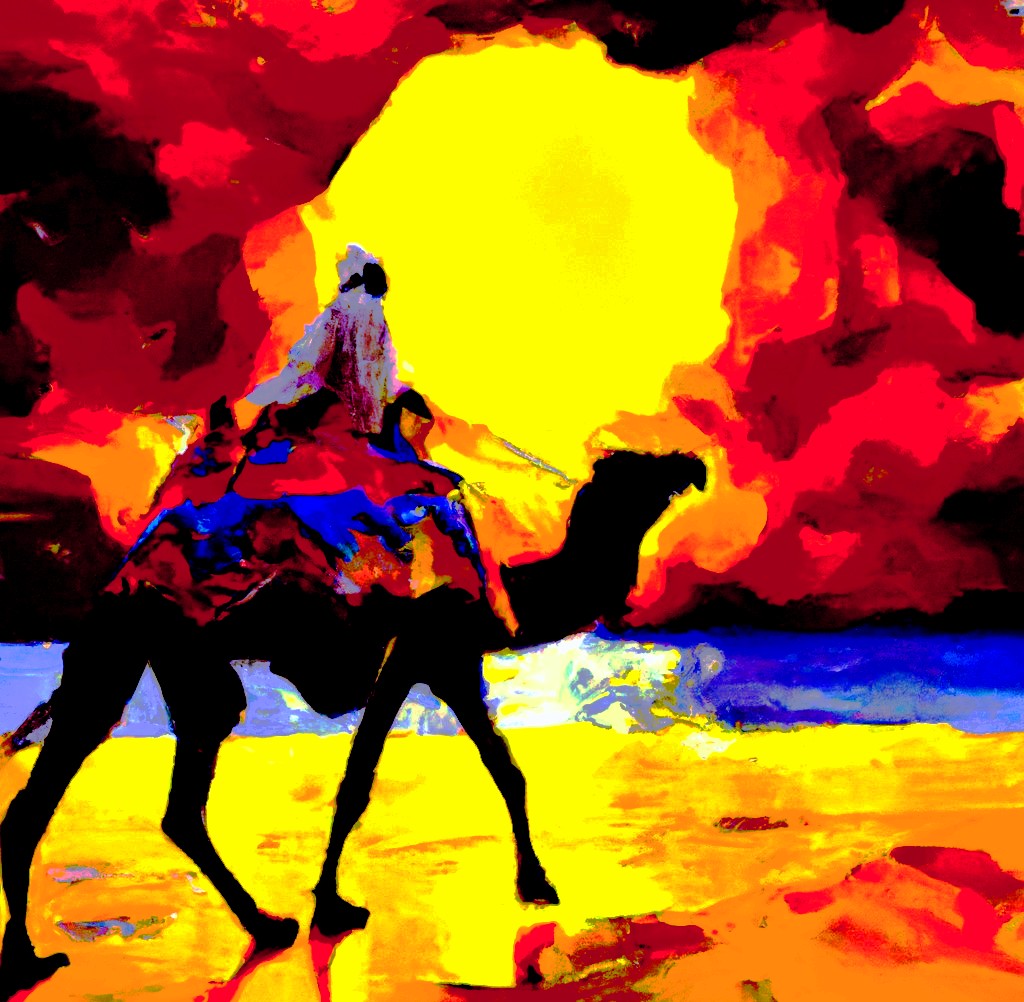
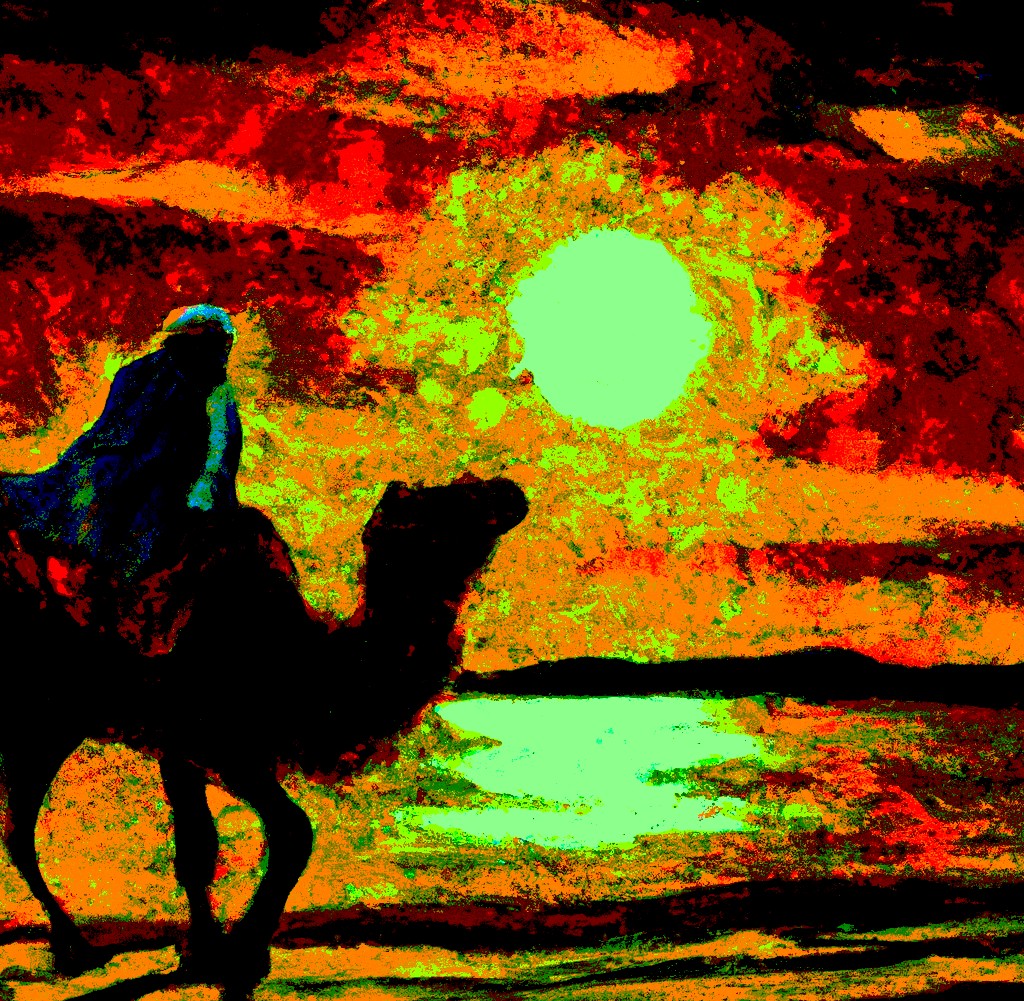
(Art Digital by Francisco Bravo Cabrera/All Rights Reserved)

Good morning King Balthasar,

I know that you’re far by now,

but I look under my tree and I see

you left, no doubt,

a bag of chocolate cookies,

and a box with a green ribbon

that I should delight in opening

for I know I’ve been forgiven.

I know you know I’ve been naughty,

I’ve been bad, no euphemisms,

but you really understood

that to forgive is your mission.

Thank you so much, oh Black King

of the most magical lands  

for arriving in your camel

with your White friends

close at hand,

to delight all of us children

on this morning, oh so grand!

C.2024, Francisco Bravo Cabrera, 05 JAN 2024, Valencia, Spain

NOTA BENE

In Spain, as in other European countries, our Christmas traditions are quite different than those of the US. One main difference is that here the children write letters to the Three Wise (Magic) Kings asking for their presents. Their gifts they will…hopefully…receive on the morning of the 6th of January. This is the Catholic Feast of the Epiphany. The Three Kings are Melchior, Gaspar and Balthasar. Balthasar is the Black King and he has always been my favourite. In Spain we have a big parade called The King’s Day Parade and actors portraying the Three Kings arrive into town in many ways. Some do it the traditional way, on camels, others arrive by boat or by helicopter and even by limousine!

#art, «The Muse» Is a Fine Art Print…

(Image property of FBC/OCS Valencia/All Rights Reserved)

Fine art prints are high quality reproductions of original works. My work is only made into fine art prints by Fine Art America. There are many ways to make fine art prints, the one you see above is «The Muse» as an art print, but there are other types as well, check them out. And also check out my gallery at Fine Art America where I have selected several of my work to be made available, quite affordably. Fine Art America handles the entire transaction and they ship quickly to you.

(Image featured is property of FBC/OCS Valencia/All Rights Reserved)

CHEERS…

#poem, Querido Baltasar…

(Art Digital de Francisco Bravo Cabrera/Derechos Reservados)

Siempre te he querido mucho,

Baltasar, mi preferido,

entre reyes magos blancos

eras el negro elegido,

por mi,

y por tantos chavales

de mi niñez y mis sueños,

que esperamos un detalle

por la manana risueños…

Francisco Bravo Cabrera, 05 de enero de 2024, Valencia, España

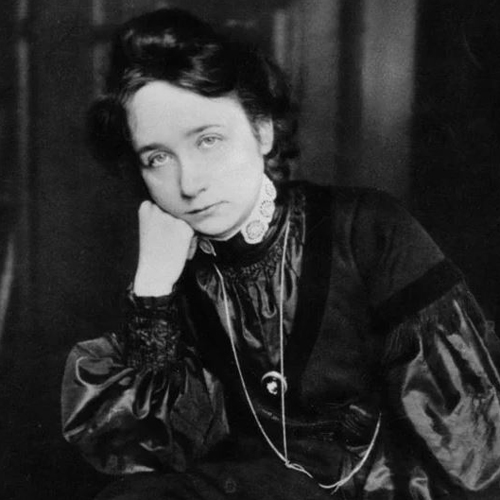
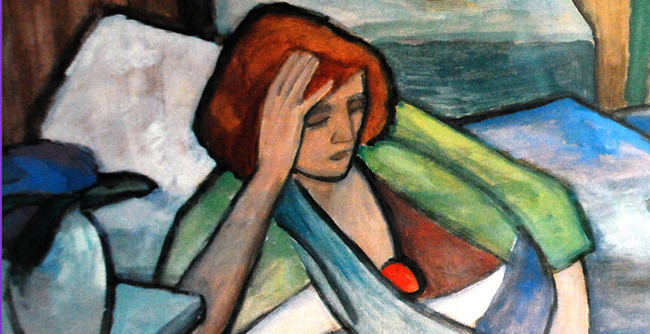
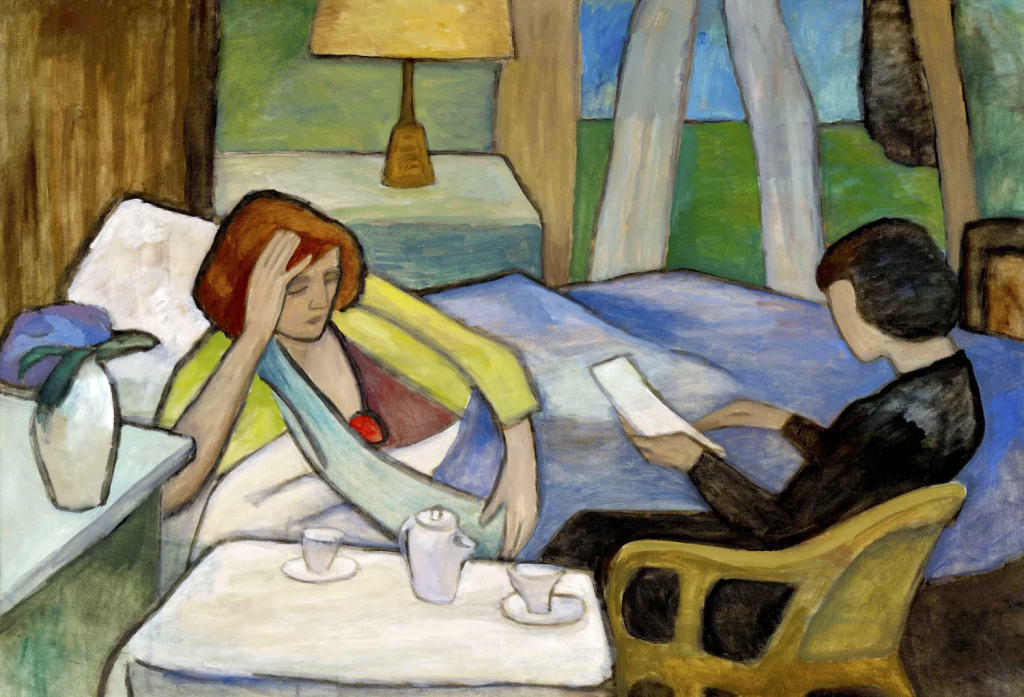
Gabriele Münter in The Women Artists Series,

(Photo National Museum of Women Artists NMWA)

Como de costumbre, destacando a mujeres artistas que a mi no me presentaron en la facultad y debieron de haberlo hecho. Tantas mujeres artistas que han contribuido, y mucho, a la historia del arte y han sido pintoras importantes y famosas (en ciertos circulos), no pueden quedarse en el olvido.

Hoy os hablo de Gabriele Münter, la que fue, entre unas pocas féminas, importante en el desarrollo del expresionismo alemán. Pero quizá la quieran meter en la historia solo por haber sido la amante de Wassily Kandinsky. Participó en muchos de los movimientos artísticos de Munich y también en el grupo Der Blaue Reiter (El jinete azul).

Gabriele nació en Berlin en 1877 y a los 20 años comenzó a dar clases de arte en Dusseldorf. Se trasladó a Munich en 1901 y cuando intentó ingresar en la Academia de Bellas Artes de Múnich se encontró con la realidad de que no admitían mujeres. Pero entonces, aburrida de las escuelitas para mujeres, buscó su camino, y su futuro, en el grupo y escuela de Kandinsky, Phalanx.

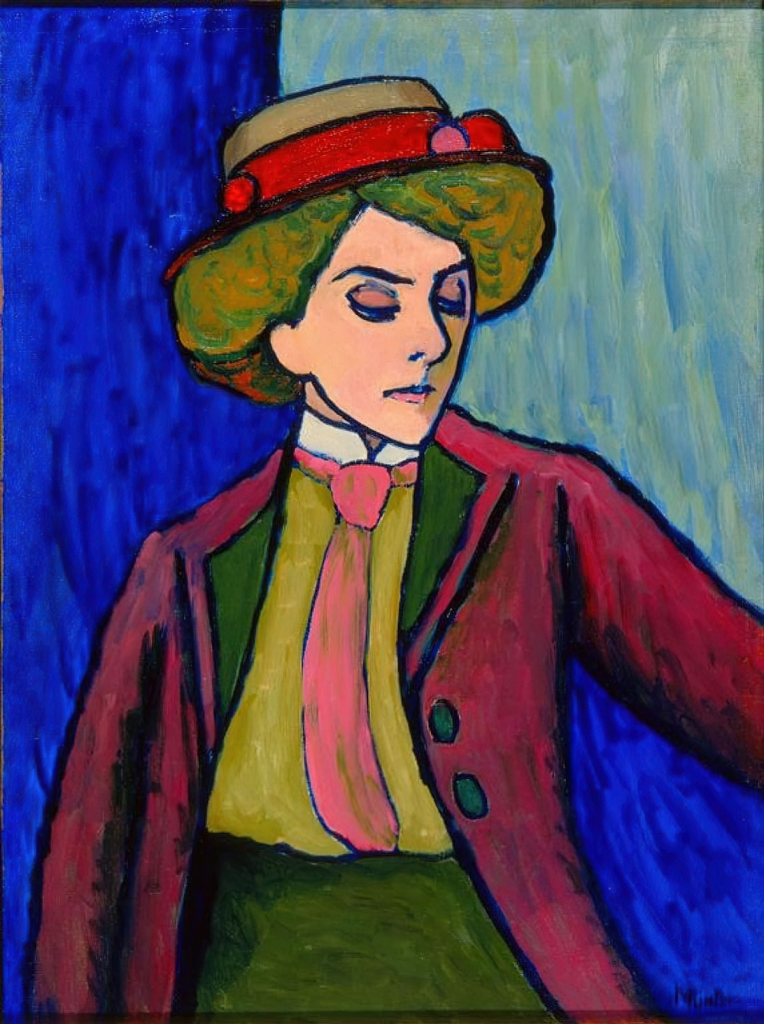
Münter creo su propio lenguaje en el arte. No unía los colores, si no que los iba separando con…el poder de…la linea negra. Fue miembro fundadora de la Neue Künstlervereinigung München (La Nueva Unión de Artistas de Múnich), grupo que había iniciado Kandinsky y que incluía a los mas importantes artistas del Der Blaue Reiter.

Como siempre os digo, hay mas, mucho, mucho mas, así que tenéis tela marinera. Gabriele Münter murió en 1962.

+++

As usual, I am highlighting women artists who were not introduced to me at university and should have been. So many women artists who have contributed significantly to art history and have been important and famous painters (in certain circles) cannot be forgotten.

Today I’m talking about Gabriele Münter, who was, among a few other women, important in the development of German expressionism. But maybe some want to put her in history just for having been the lover of Wassily Kandinsky. She participated in many of the artistic movements in Munich and also in the Der Blaue Reiter (The Blue Rider) group.

«Münter created her own language in art and an interesting style. She didn’t blend the colours, but rather separated them with…the power of…the black line. She was a founding member of the Neue Künstlervereinigung München (The New Association of Artists in Munich), a group that had been initiated by Kandinsky and included the most important artists of the Der Blaue Reiter.«

Like I always say, there is more, much, much more, so I leave you to your research! Gabriele Münter died in 1962.

(Foto/Photo El ojo del arte)
(Foto/Photo Xataka)
(Foto/Photo Historia Arte)

Take a look at other women in art…

(2022)

GRACIAS CHEERS GRACIAS CHEERS GRACIAS  CHEERS

Artists Series, page 3: Kandinsky, part 2

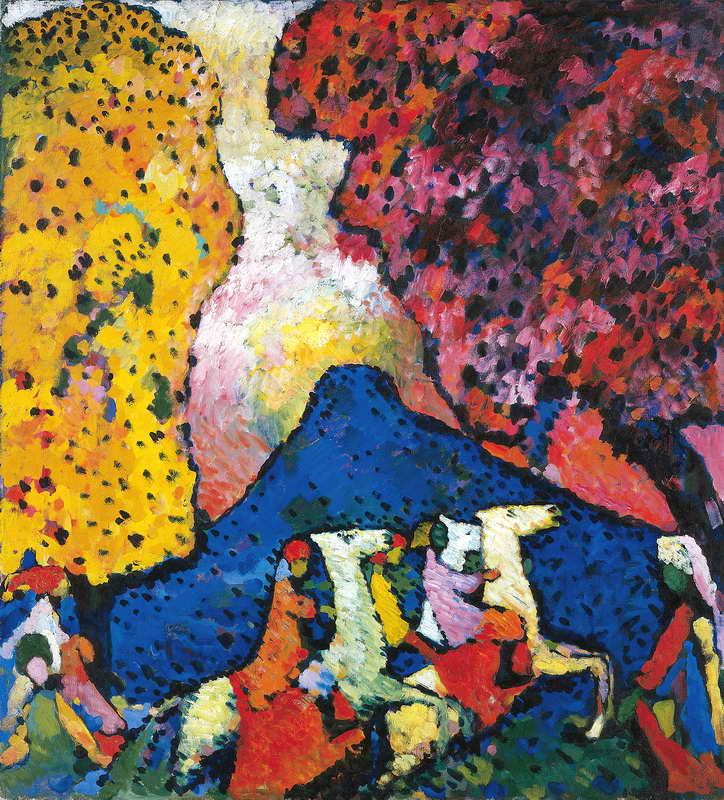
(«The Blue Mountain» a bucolic painting from 1908/Wassily Kandinsky/image cuadrosfamosos.es)

As I showed you yesterday, Kandinsky did not start off as a painter and when he did he did not start as an abstract painter. He started by painting fauve style landscapes. But little by little the power of the colour began to replace the need to be so figurative. «The Blue Mountain» begins to demonstrate that transition, if you will, from figurative to abstraction…

Wassily’s grandmother was from the aristocracy and Mongolian and his mother was from Moscow. His childhood was spent between Moscow and Odessa and in that city, where the moved to in 1871, he studied piano and cello…

In 1901, having moved to Munich, he founded the group Phalanx. This was basically a group of artists that had joined together to bring to Munich the vanguards of art from Paris. In 1902 he exhibits for the first time in Berlin. Then in 1904 he exhibited in the Salon d’Automne (an exhibition celebrated yearly in Paris since 1903).

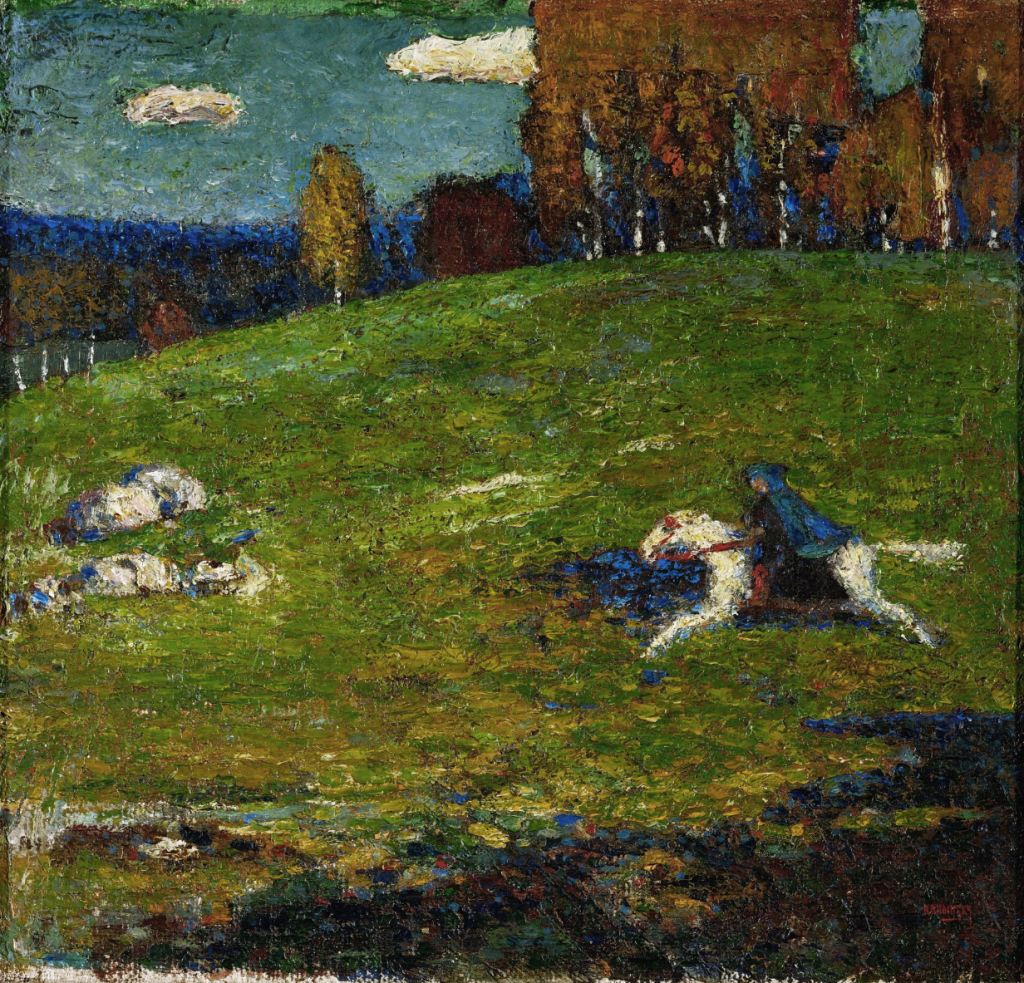
(«Der Blaue Reiter»/»The Blue Rider»/1903).

«The Blue Rider» was one of his most important paintings of the early part of the XXth Century. It is believed by some art historians that there is a second figure, perhaps a child, that the rider is holding tight. Or it could only be a shadow. But this intentional ambiguity, allowing the observer to actually complete the work, became something Kandinsky used in other works subsequently and which reached its peak in the abstract period of 1911-1914. As you might notice, the rider is nothing more than splotches of colour and lacks any specific details. This painting indicates the route Kandinsky would take with his art soon enough.

In 1911, together with Franz Marc and other artists, Kandinsky founded an expressionist/expressionism movement in Munich and called it Der Blau Reiter (The Blue Rider). This movement transformed German expressionism.

This is one of the fundamental parts of his career as a thinker and as a painter. For me it is one of the things that make him a reference as I consider myself an expressionist artist. The other is abstract art, which I love and which I am practicing to develop. In other words, Kandinsky is still teaching me to reach out and become a fuller, more complete artist. So his influence for me is dual, on the one side the study of colour and forms in the creation of abstract art and the other is the philosophical/spiritual aspects of art which to me are implacable and most needed.

PART THREE IS COMING IN THE NEXT EDITION OF ARTISTS SERIES

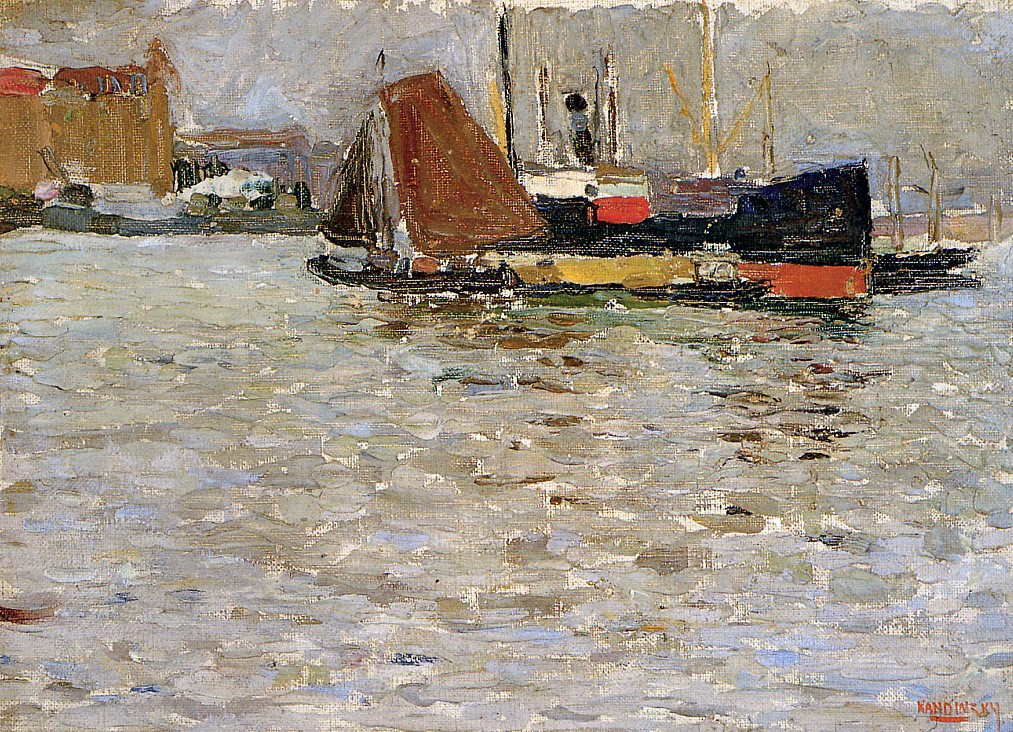
(«Rotterdam Sun» 1906)

CHEERS…

#art, «Mirror Moon» As a Fine Art Print…

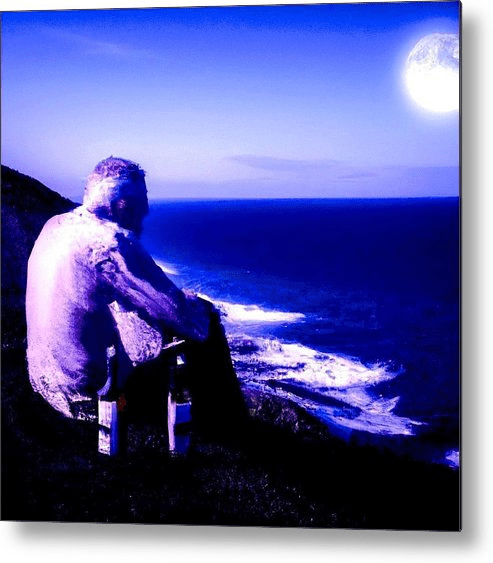
(Image property of FBC/OCS Valencia/All Rights Reserved)

Fine art prints are high quality reproductions of original works. My work is only made into fine art prints by Fine Art America. There are many ways to make fine art prints, the one you see above is «Mirror Moon» as a «metal» print, but there are other types as well, check them out. And also check out my gallery at Fine Art America where I have selected several of my work to be made available, quite affordably. Fine Art America handles the entire transaction and they ship quickly to you.

(Image featured is property of FBC/OCS Valencia/All Rights Reserved)

CHEERS…