Too hot to hang around town, I’m off sailing!
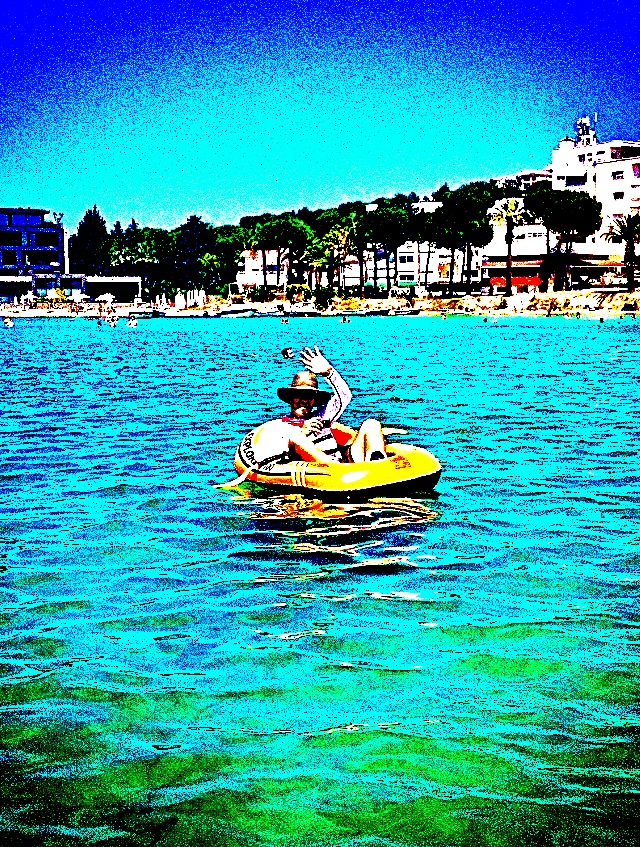
Or rowing… Who cares, it’s SUMMER!!!
Cheers…
#art, ABSTRACT ART…OCS Valencia & Francisco Bravo Cabrera…
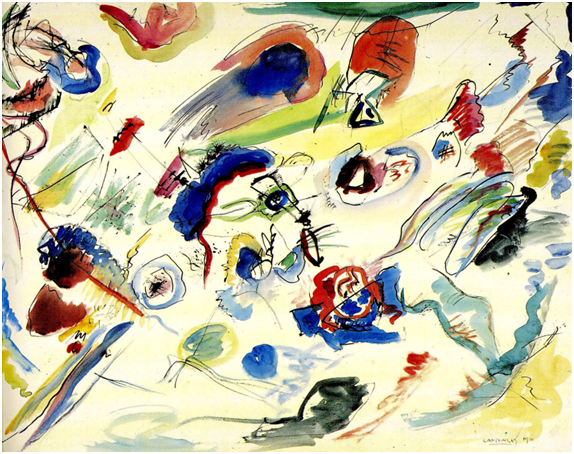
For many years, it was believed that abstract art was invented by Wassily Kandinsky, a Russian painter born in Moscow in 1866. It was also said that his «Abstract Watercolour» painted between 1910 and 1913 was the first abstract work in the history of art. But that wasn’t the case…
It turns out that it was Hilma Af Klint, a woman, who was the first to paint an abstract painting…
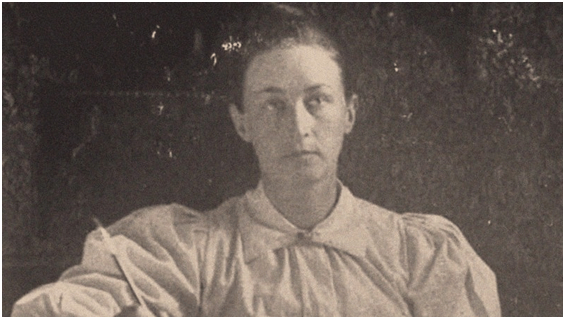
I was very happy to hear the news because women artists have been given so little credit in the history of art, and this fact sort of vindicates them. Hilma Af Klint was born in Sweden in 1862 and died in 1944. But most importantly, it has been recognized that all her abstract paintings were made before those of Malevich, Kandinsky, or Mondrian.
Perhaps due to her beliefs, she did not want her paintings to be known until fifty years after her death, and so it was. Klint belonged to an esoteric group called «The Five.» They were women who followed, or were inspired by Theosophy. They communicated with their ascended masters through seances, and their paintings contained the symbols they used to explain or represent their spiritual beliefs and ideas.
Hilma was very interested in botany and mathematics, but because she showed skills in drawing, her parents sent her to Tekniska, now called Konstfack, in Stockholm, where she studied art, specializing in portraits and landscapes. In 1882, she was admitted to the Royal Academy of Fine Arts, where she completed her studies and graduated in 1887. It was during those years at the academy that she met Anna Cassel and the other female artists who would form the group known as The Five.
Klint and the other members of The Five all joined the Edelweiss Society, a society that believed in the teachings of Helena Blavatsky, the founder of Theosophy and spiritualism. It was then that Hilma began to create her paintings, asserting that a spiritual force was painting through her hand. She did not create sketches or prior drawings. In 1906, Klint painted her first series of abstractions.
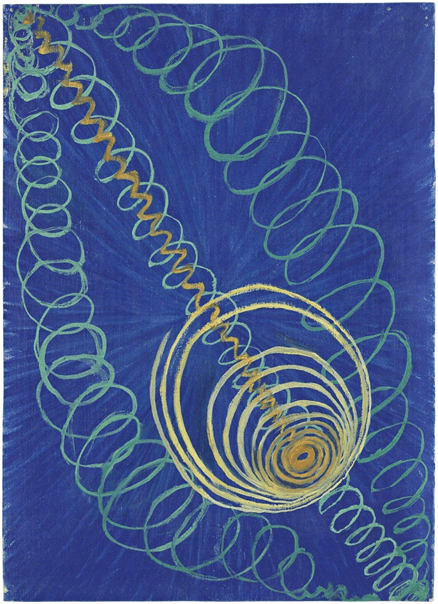
Art tends to confuse many people because they are not clear about all the changes, advancements, and vanguards that the history of art has gone through. And, truly I do believe that the history of art is organic. We are making history at this very moment. But what I think confuses people the most is abstract art, although I promise you, it is the simplest thing in the world.
I will give you a brief lecture on art (painting, photography, and sculpture). Art is divided into only two types: Figurative and Abstract. Abstract art can be defined as a painting, sculpture or drawing, with an internal reference, that does not have anything in its composition that resembles anything in real life. Figurative art is everything else. I hope I have cleared up any doubts you may have.
In my blog, VALENCIARTIST (www.paintinginvalencia.com), I have published a series dedicated to the women artists who have indeed existed and have painted extensively throughout the centuries. But they have not been properly recognized.
Also, on my YouTube channel (www.YouTube.com/@FranciscoBravoCabrera) I have many videos dedicated to introducing many of these great artists that need to be known, and among them is this one, dedicated to abstraction: https://youtu.be/GAWWG7do-cY.»
Francisco Bravo Cabrera, 05 JUL 2023, Valencia, España
#art, Potencial de abstracción – Abstract Potential
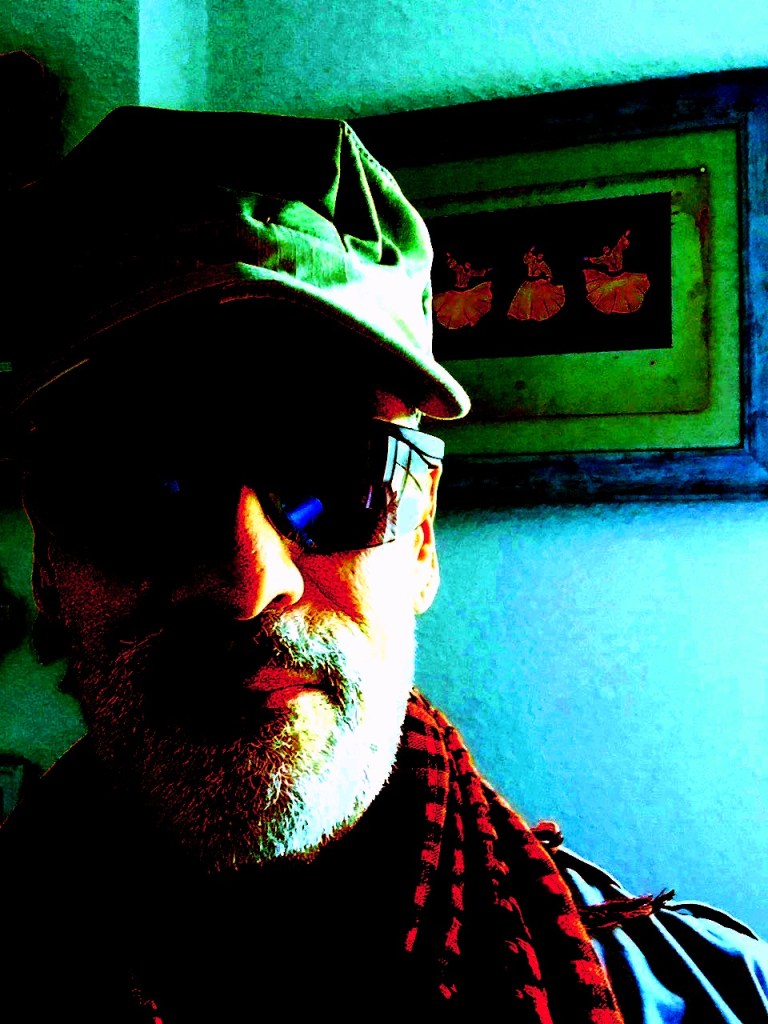
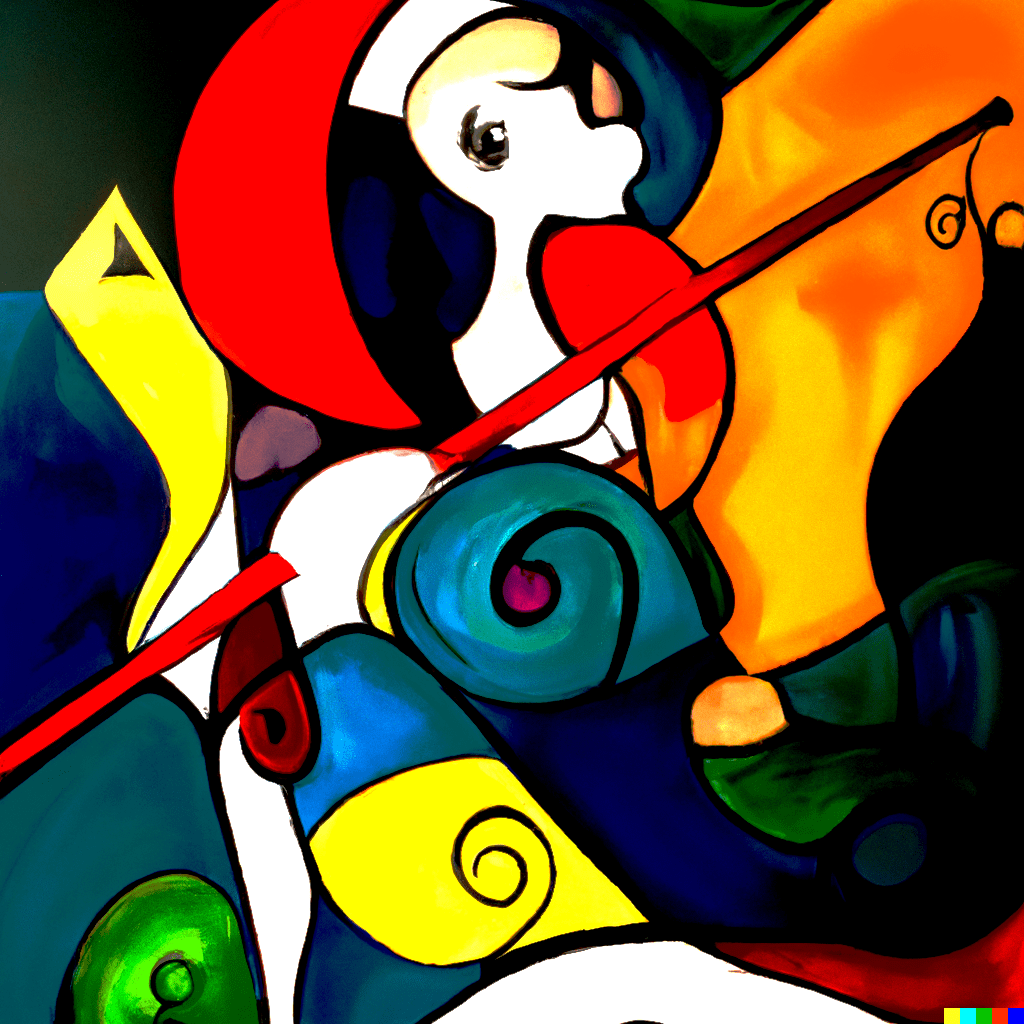
En el arte hay solo dos estilos, aunque hay muchas formas de pintar, dibujar y esculpir, pero la obra cae en una de dos columnas: La figuración o la abstracción. No existen términos medios, si la pintura, et al, tiene figuras o cosas claramente reconocibles, es FIGURATIVA. Si no tiene nada que corresponda al mundo donde vivimos o a las cosas que estamos acostumbrados a ver, es ABSTRACTA.
+++
In art there are only two styles, although there are many ways to paint something, draw or sculpt, but things have to end up in one of two columns: Figurative or abstract. There is no middle of the road. If the painting, et al, has any recognisable features of our common daily, earthly, existence, or figures, it is FIGURATIVE. If it does not, and contains nothing easily recognisable, then it is ABSTRACT.
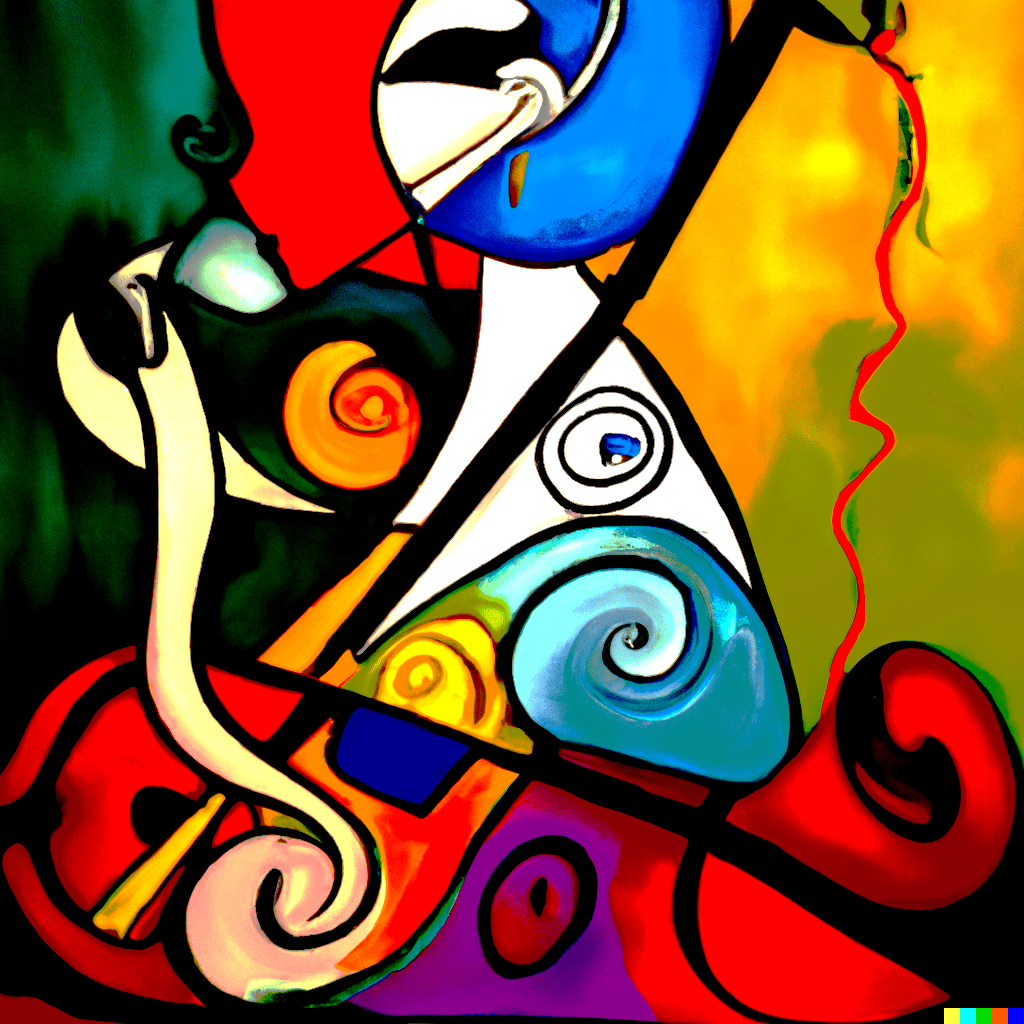
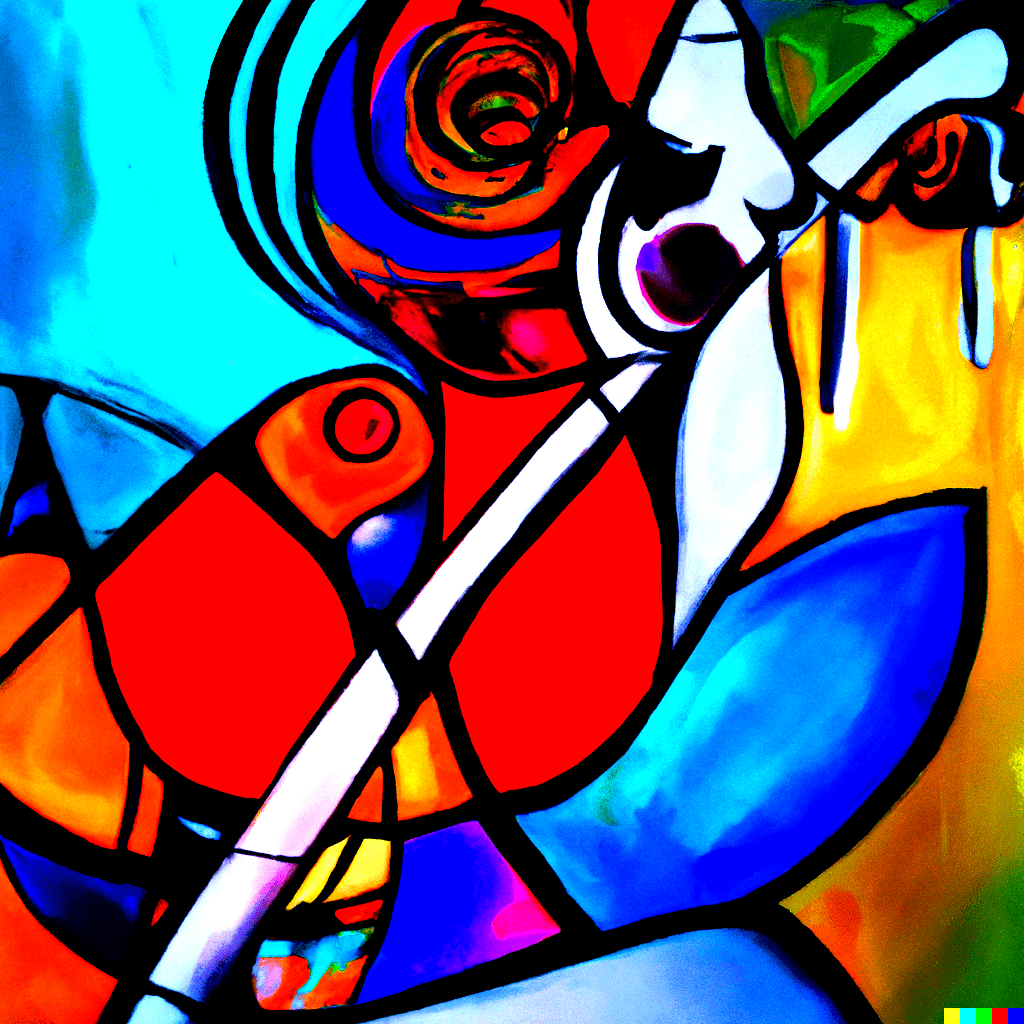
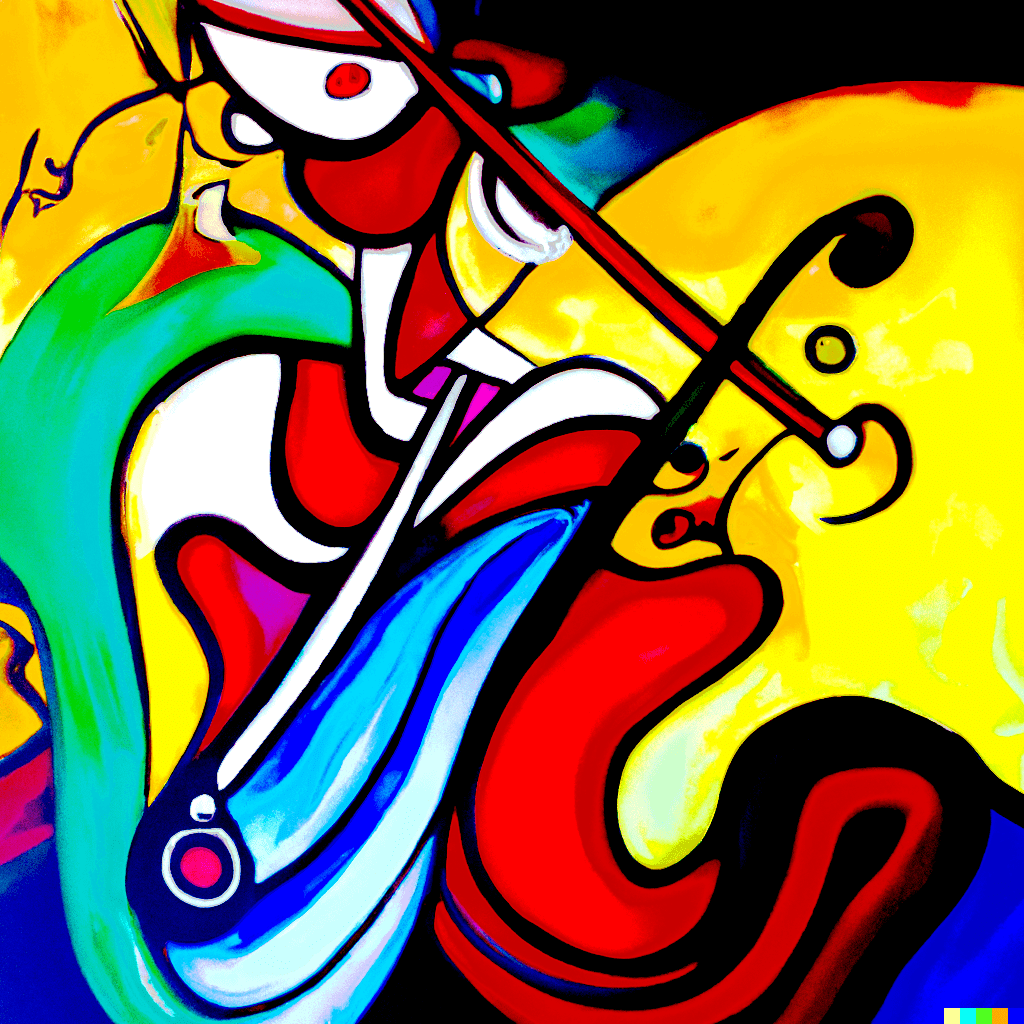
Gracias…
Cheers…
Good Morning – صباح الخير – Egun on
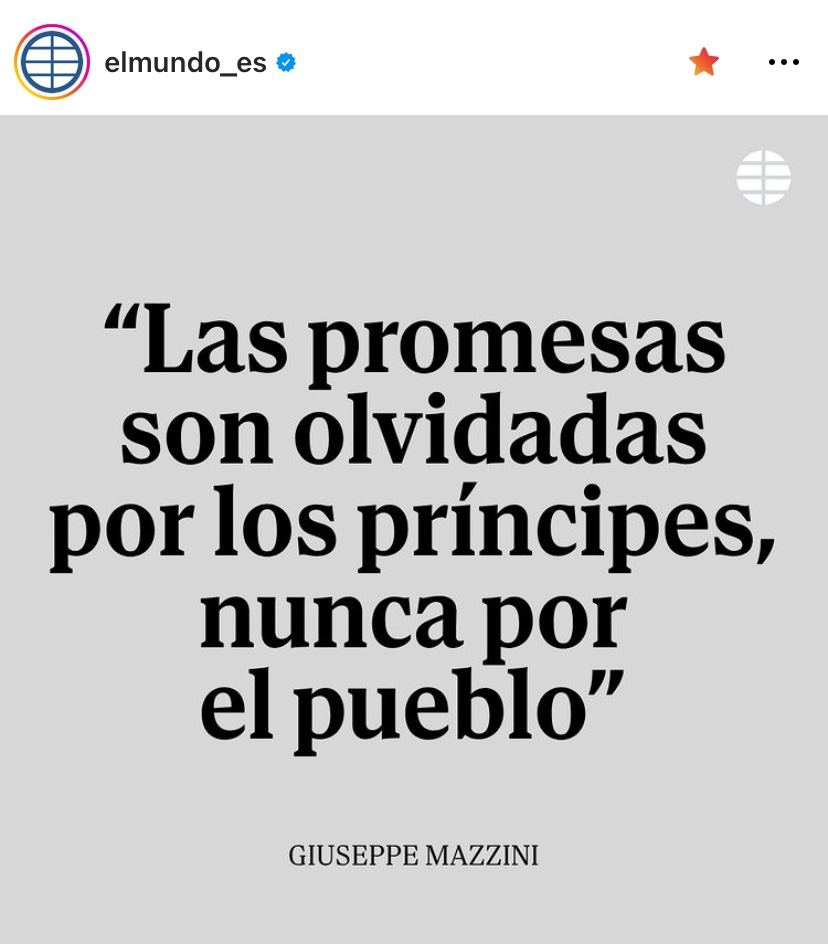
“PROMISES ARE FORGOTTEN BY PRINCES, BUT NOT BY THE PEOPLE”
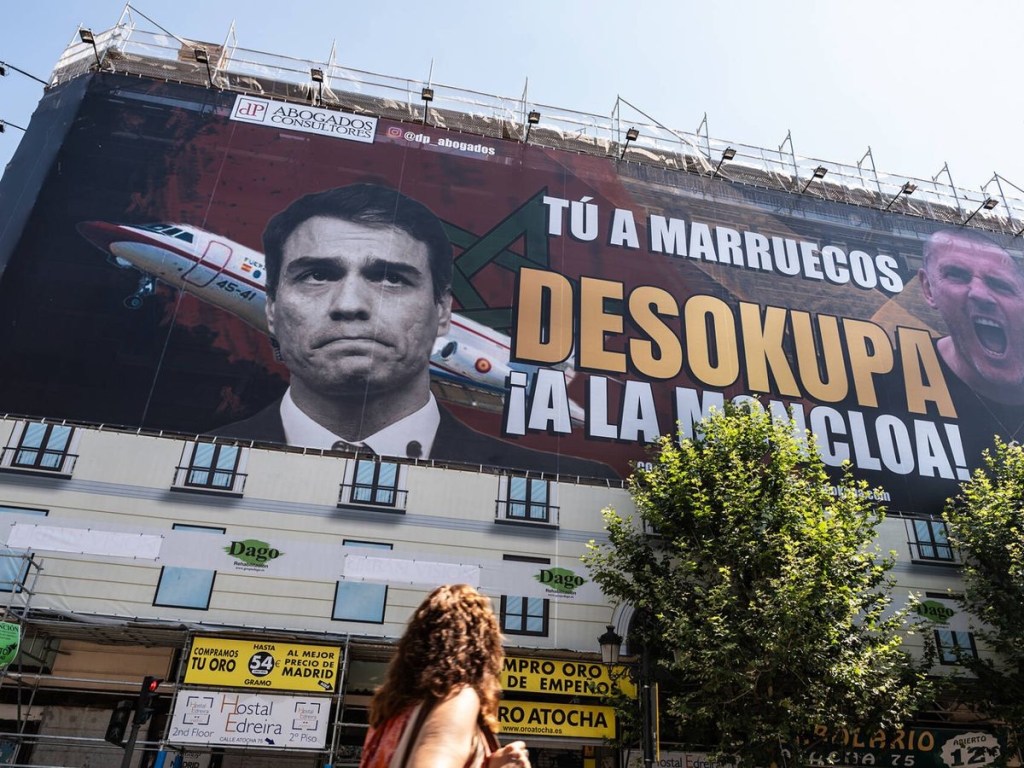
Hay que acordarse siempre de las falsas promesas y las mentiras, no de los príncipes pero de los que aspiran a gobernar o a continuar su mandato. Ya bastante nos ha mentido el que okupa ahora la Moncloa… No hay derechas ni izquierdas, hay honestidad o corrupción.
+++
We cannot forget the false promises and the lies, not of the Prince but of those who govern us or hope to be elected to do so. We’ve been lied to enough… There is no right wing or left wing, there is only honesty or corruption.
#art, JaZzArt en/in Valencia…
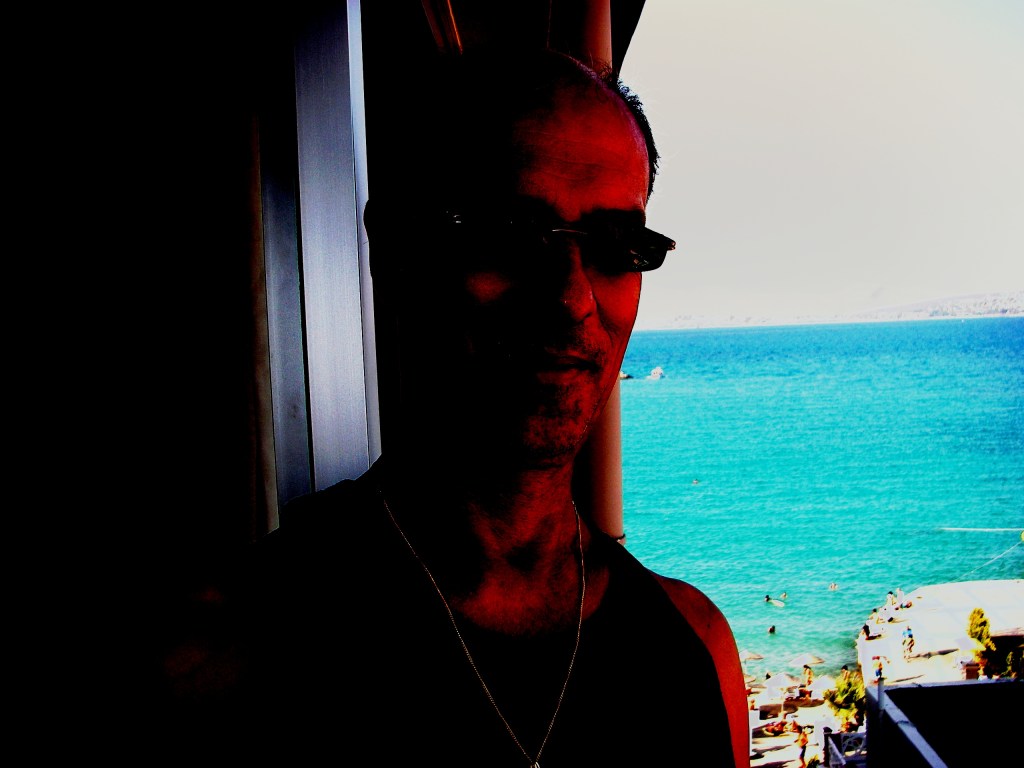
Jazzart en Valencia
Vamos a ver, ¿Qué rayos es Jazzart? Ale, sabemos que el Jazz es la música clásica Norte Americana y el invento más grande musical del S. XX, pero no entiendo eso de mezclar el Jazz con el arte. ¿Puede hacerse?
Tranquilo che que sí se puede y yo lo he logrado. Bueno, no seré el único, habrán otros que igual lo han logrado, pero lo mío es muy, pero muy particular…
Te explico: El Jazz surgió del ragtime allá en Nueva Orleans al principio del S. XX. Fue música bailable desde esos inicios hasta ya entrada la década de los años 1940, cuando se empezó a bifurcar en diferentes ramas. Primero el Bebop, después el Cool, seguido de varios estilos que juntos componían el Free Jazz, el Jazz experimental, el Fusion y hasta el Jazz abstracto. Esa música ya no era bailable. La estructura dejó de ser melódica y se hizo más compleja, pero lo que permitía que siguiera llamándose Jazz era que cumplía con los tres requisitos. Estos son: La improvisación, la maestría del músico que toca y compone simultáneamente, y el swing, o sea, el ritmo.
Pero de los tres el más importante siempre fue…y sigue siendo…la improvisación. Además, que el Jazz tiene la característica, exclusiva, de ser la única forma artística donde el arte se hace sobre la marcha. El intérprete es intérprete y compositor simultáneamente.
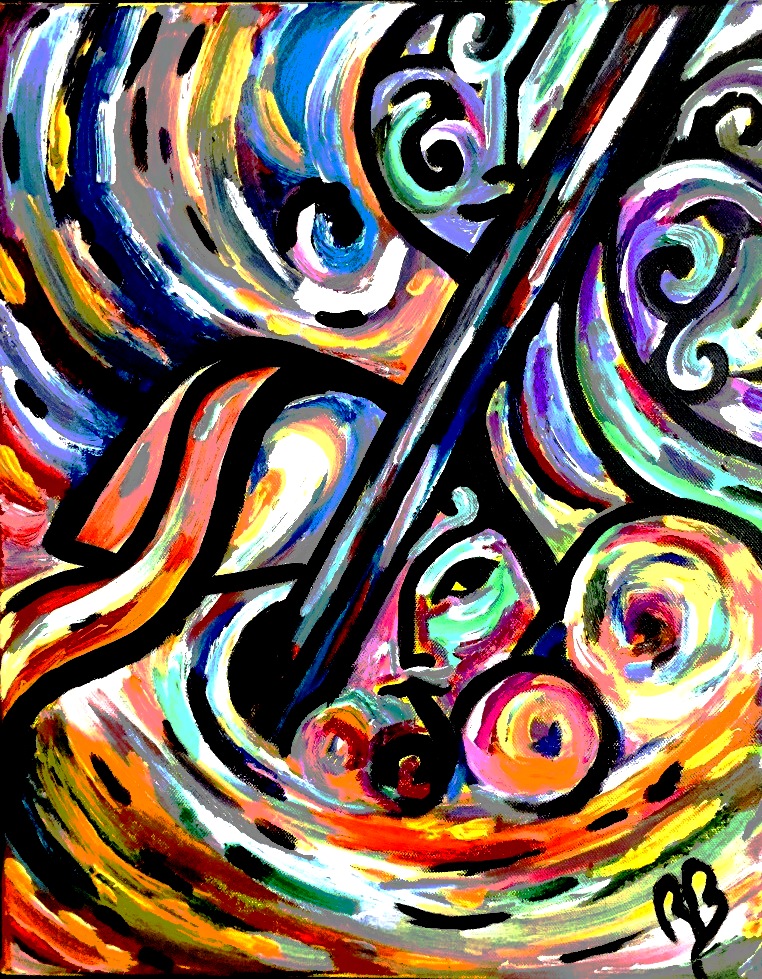
Esos son los tres pilares del Jazz y yo los aplico a mis pinturas, a mis cuadros, dibujos, a mi arte. Venga, también, hasta cierto punto a mis poesías…
Ahora, ¿Cómo lo hago? No es fácil pero lo logro llevándome esos principios, o normas, al atelier para luego ponerlos sobre la tela. Primero la improvisación que me lleva, prácticamente de la mano, a crear una composición que fluye, que vibra con energía, y que luce su clara espontaneidad y fuerza y dinámica. La improvisación no es intuición, sino que es un proceso artístico que surge de ideas muy bien curradas que uno luego deja sueltas para que fluyan. La improvisación no se saca de la manga, tiene su faena. Segundo dejo que los “personajes” que pueblan mis composiciones se definan y que me “digan” cómo debo representarlos, por ejemplo, en lo que están haciendo y lo que quieren hacer. Son músicos creando y tocando y todo esta hilvanado con el swing, el ritmo que identifica la obra y le da su identidad.
Pero la mejor manera de explicar el “Jazzart” es enseñándotelo. Aquí te dejo con el JaZzArt, pues así le he puesto…
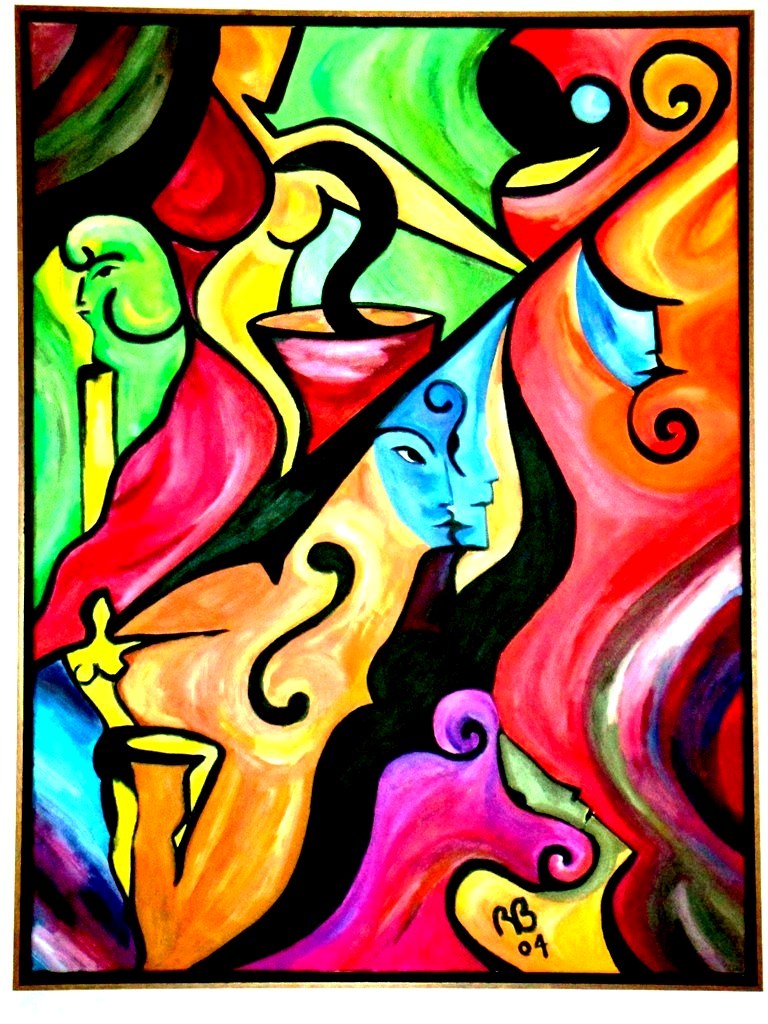
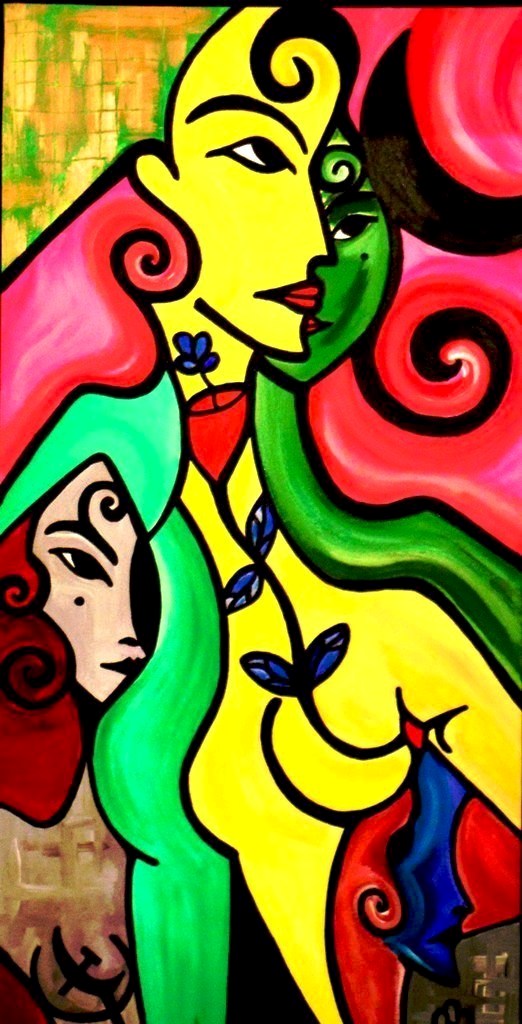
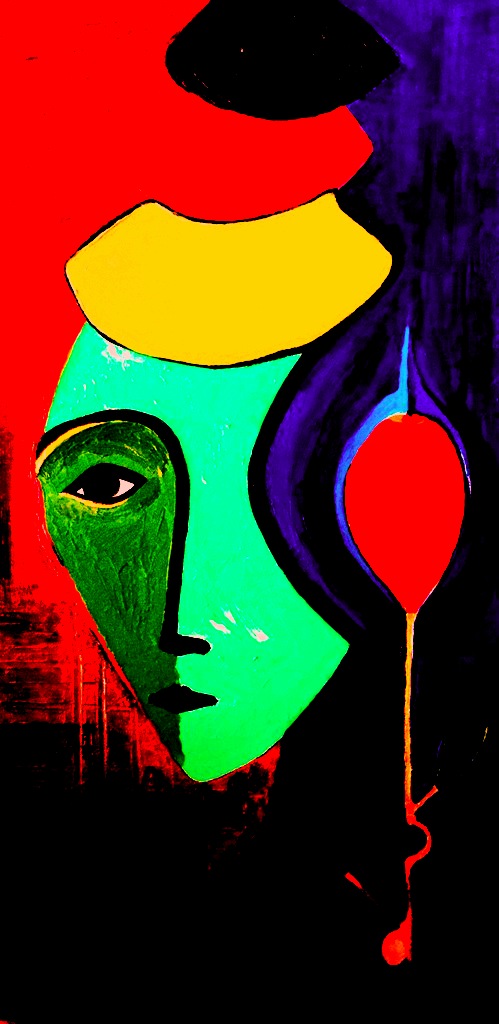
Tambien te invito a mi canal de YouTube (https://www.YouTube.com/@FranciscoBravoCabrera) donde tengo muchos vídeos de arte y sobre el arte y a que visites mi galería online: https://www.fbcart.wixsite.com/jazzart al igual que mi galería de reproducciones (Fine Art Prints).
Gracias…
#art, Here’s One You Probably Didn’t Know About…Women Artists Series
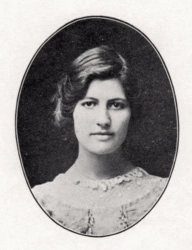
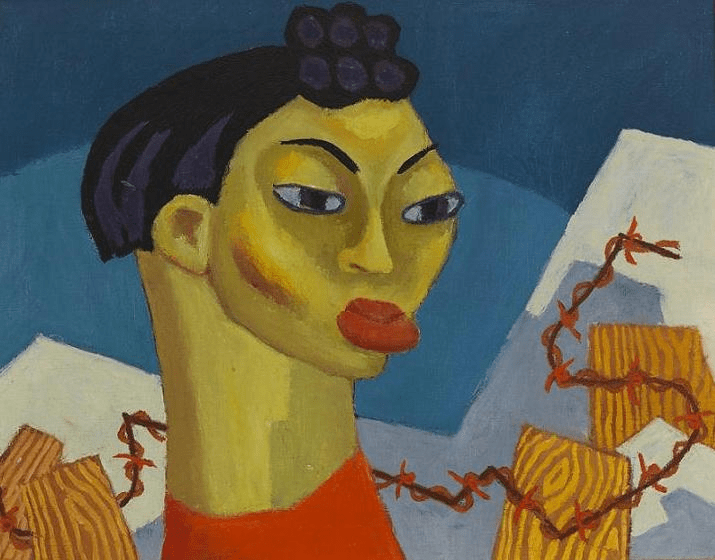
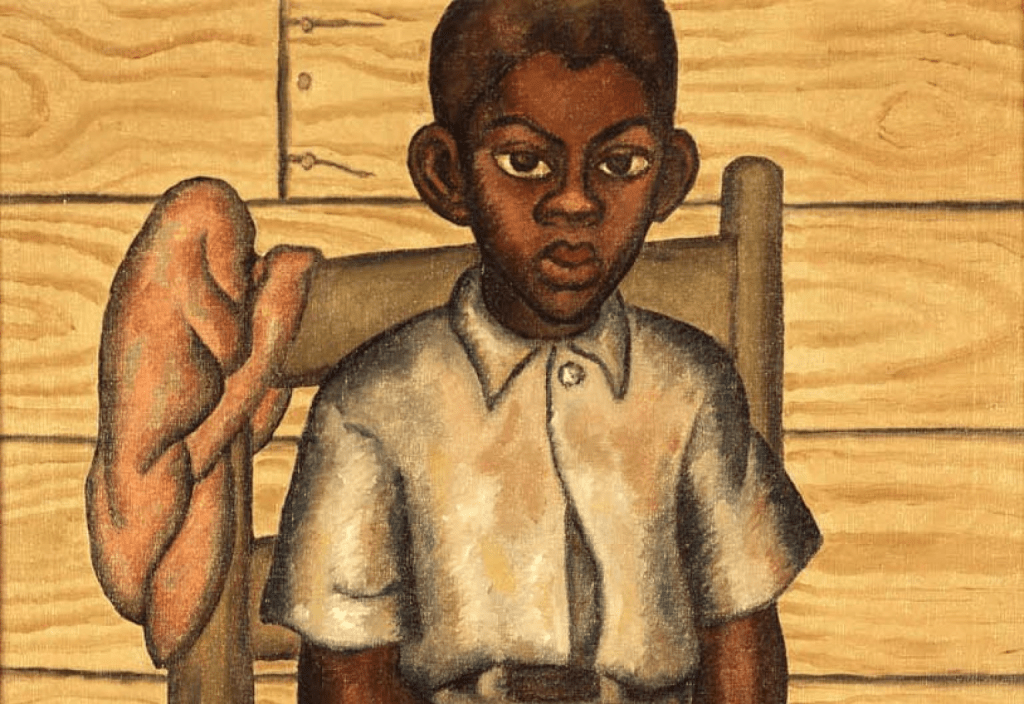
Kathleen Blackshear was a North American Modernist artist who painted mostly the Black folk of her country. She was born on June 6, 1897 in Navasota, Texas, (US). She did emigrate to New York where she studied at the Arts Students League on West 57th Street, Manhattan, a school known to professional as well as amateur artists. In 1924 she attended the School of the Art Institute of Chicago. Her most active years were from 1924 to 1940 when she painted mostly the Negroes of North America.
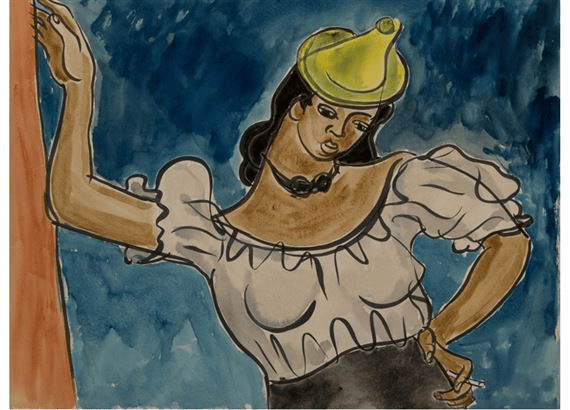
Cheers…
Buongiorno – bonjour – Καλημέρα
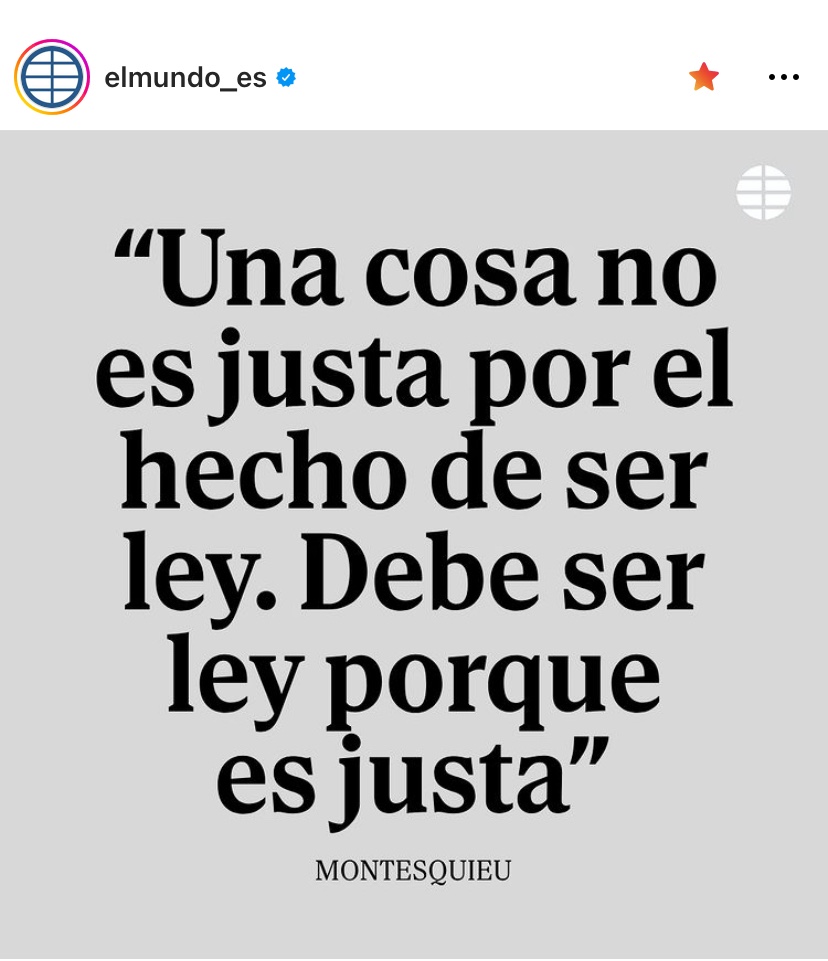
Este consejo lo entienden los expertos que hacen leyes, pero no lo conocen aquellos que no tienen ni puta idea y se meten a hacer leyes…
Bon dia – Buenos días – Good Morning
¡Genial!
#art, Pleasure to Meet You, I am Francisco, please, call me Francis…
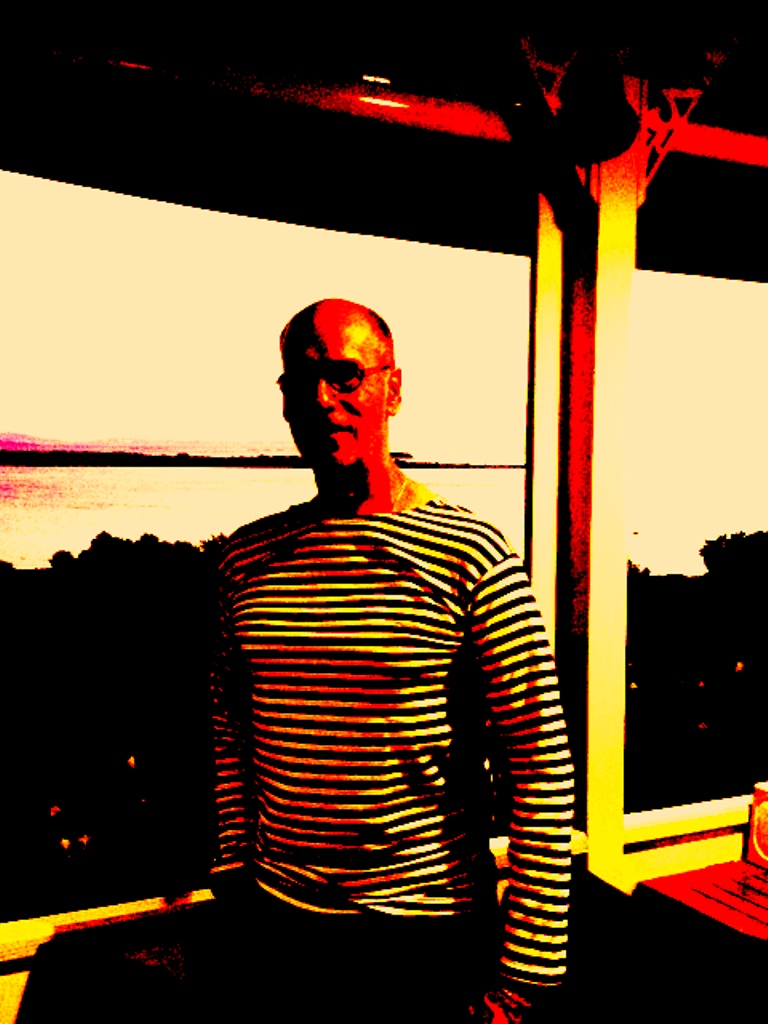
Francisco Bravo Cabrera, a.k.a. Bodo Vespaciano
I am a graduate of Florida International University (Miami, Florida). And I have been engaged in the art world since 1998 when I began painting and selling my watercolours which I titled “Jazz-Art”, (later they became «JaZzArt»). The name comes from my love of Jazz, and of course it relates to the themes and compositions of my drawings and paintings. I developed my studio, Omnia Caelum in Miami where I lived at the time. Presently I live and work in Europe, Spain to be precise.
My first professional exhibition was in 2003 at the PG Gallery in Istanbul, Turkey. Following the success of my first show, I returned to Miami and began exhibiting in galleries in Sarasota and Bradenton, Florida. In Miami as well, where I was named “Artist of the Month” several times when I participated in Miami’s “Cultural Fridays” programme.
I have exhibited in Sarasota and Bradenton, two Gulf Coast cities in upstate Florida; New York, (SoHo, Manhattan and Brooklyn); Zaragoza, Fuendetodos, Barcelona, Valencia, Palma de Mallorca, Spain and again in Turkey, this time in Izmir. Then in Ireland. My paintings hang in many private collections throughout Europe, the United States, India and Turkey.
My preferred style, a style which I developed, is Surreal-Expressionism. But I don’t limit his work, or perspective, to just one style or approach. I base most of my paintings on musical themes and I use instruments as well as bodies to represent players and dancers which exist in the world of jazz and fantasy I am creating. I use colours boldly to express feelings and emotions. Many times I paint an abstract background to my mostly figurative paintings.
However, being that I believe that «art is the search” I continuously experiment and investigate new and different approaches to create paintings that truly communicate and transmit the message that I wish to share.
Besides my figurative work, I have developed a way to approach abstract art thinking it as something spiritual, almost a meditation.
Another big aspect of my work are my drawings. I do them using various types of graphite and ink. These I have done in different seriases titled “JaZzArt” and the seriases are separated into phases. And although most are in black and white, some are of the phases are drawn with ink upon a colourful abstract background of watercolour.
My present work seek the expansion of colour, as well as a desire to explore other styles. This would allow me the use of more symbols and abstract forms. I also looks to continuously delve deeper into expressionism. My “search” is to discover the true essence of this historical art movement and to try to more clearly and effectively reach out and communicate with its audience. And of course to continue drawing JaZzArt because for me the black line is the clearest and most visual manner with which to bring forth the spirituality of art.
My upcoming projects are in my home base of València, Spain. In October of this year, 2023, I will be exhibiting in the Cultural Centre of Ciutat Vella, one of the museums of the city. Next year, God willing, Germany…
 JaZzArt en València