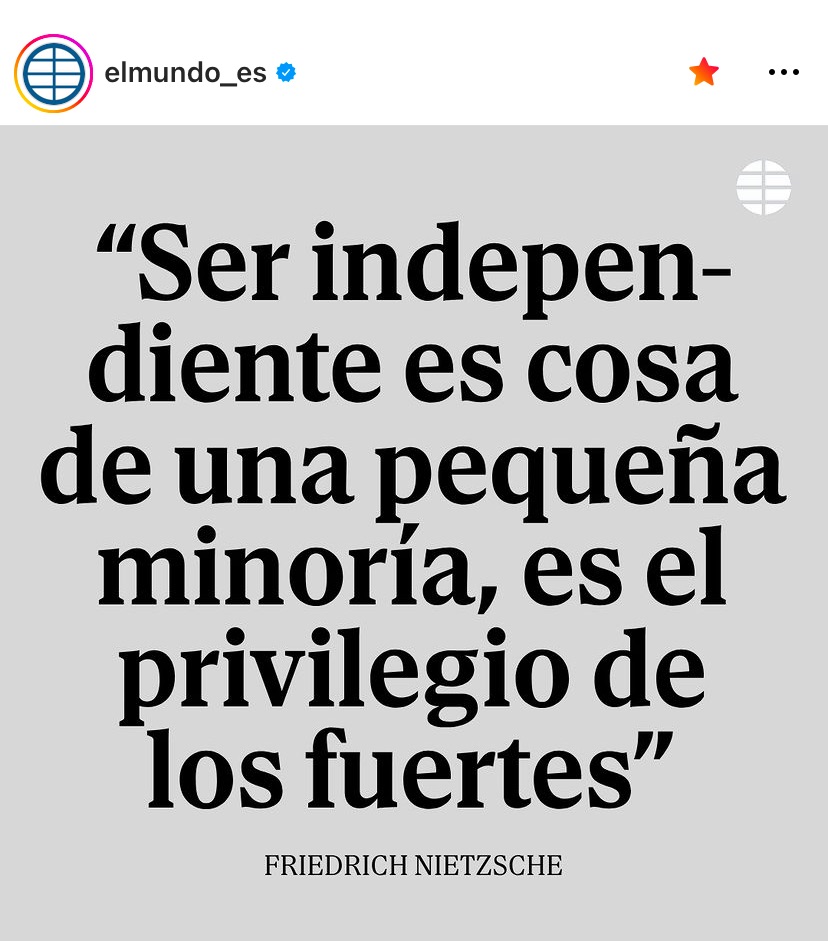
Y nosotros seguimos siendo esclavos…
Faith saved us from the savages that we were, losing faith makes us savages again
Y nosotros seguimos siendo esclavos…
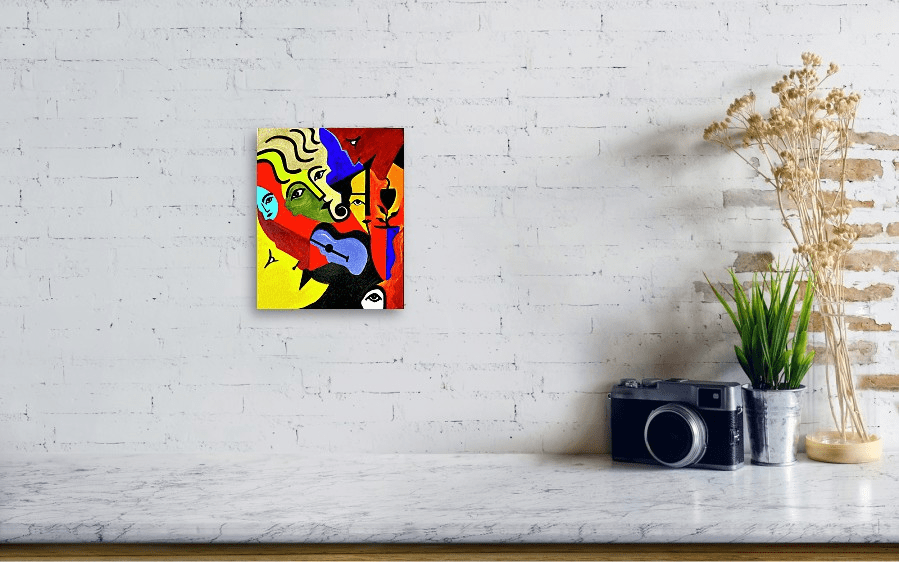
What is a fine art print? A fine art print is a reproduction of an original work of art on quality paper, canvas, wood, metal or placed on another object, like a t-shirt, a pillow and many other surfaces. The only company I use to create fine art prints of my artwork is Fine Art America and Pixels (both part of the same company). When you order they handle the entire transaction and ship to you as soon as your order is ready. They use only the best materials and that is why I trust them. I know and am happy with their track record.
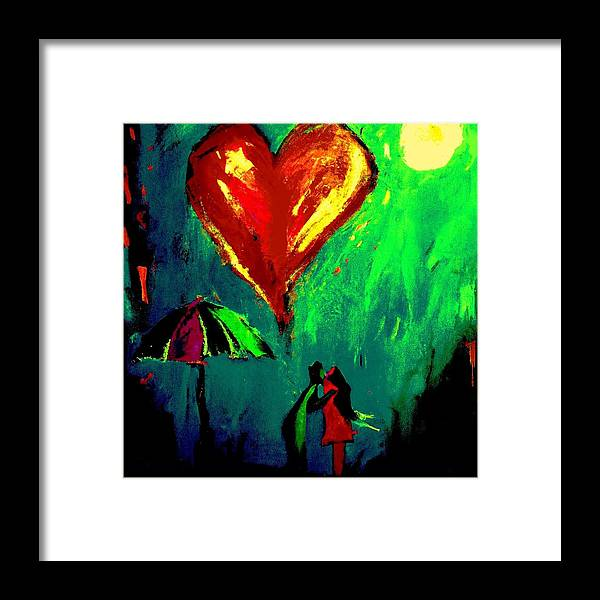
Here you see «Love In The Air» as a framed fine art print. There are many styles of prints to choose from. I invite you to visit my online gallery at Pixels and choose from the various images I have placed on there. They can be made into fine art prints or placed upon your choice of lifestyle, technology or clothing choices. Also, visit the gallery often as I often change the images I place there. This keeps them exclusive. After all a fine art print is a very affordable alternative and it is still original art created by working artists.
CHEERS
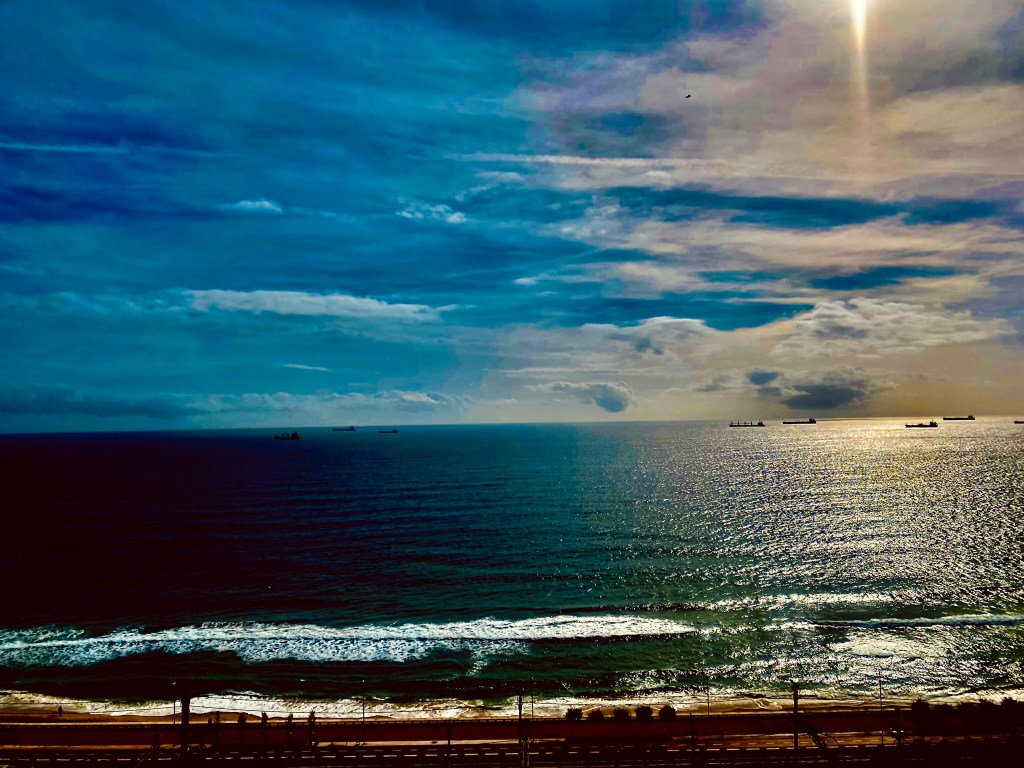
This is a very beautiful city, rich in history, delicious food and beautiful sceneries right on the Mediterranean Sea… Truly worth a visit and a short drive from Barcelona.
CHEERS
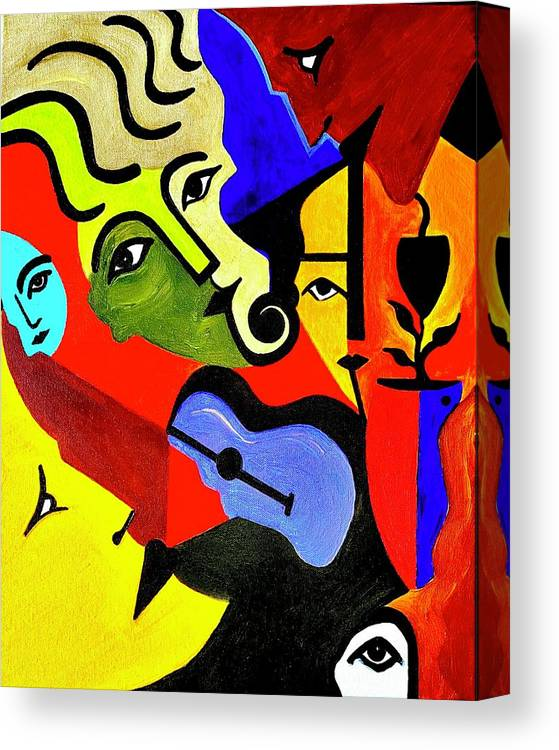
What is a fine art print? A fine art print is a reproduction of an original work of art on quality paper, canvas, wood, metal or placed on another object, like a t-shirt, a pillow and many other surfaces. The only company I use to create fine art prints of my artwork is Fine Art America and Pixels (both part of the same company). When you order they handle the entire transaction and ship to you as soon as your order is ready. They use only the best materials and that is why I trust them. I know and am happy with their track record.
Here you see «The Blue Guitar» as a canvas fine art print. There are many styles of prints to choose from. I invite you to visit my online gallery at Pixels and choose from the various images I have placed on there. They can be made into fine art prints or placed upon your choice of lifestyle, technology or clothing choices. Also, visit the gallery often as I often change the images I place there. This keeps them exclusive. After all a fine art print is a very affordable alternative and it is still original art created by working artists.
AND PLEASE DON’T FORGET THAT FRANCISCO BRAVO CABRERA IS BODO VESPACIANO
CHEERS
El arte no evoluciona. El concepto de la evolución, en otras palabras, la teoría que dice que los animales (y hasta el ser humano) se han desarrollado a través de un extraño proceso llamado «selección natural», basura en mi opinión, se ha aplicado a muchas cosas inorgánicas, una de ellas, la pintura. Bueno, amigos míos, estoy aquí para deciros que el arte/pintura/escultura, etc., no evoluciona. El arte simplemente es. Todo el arte fue contemporáneo en un momento y lo que era en ese momento reflejaba, y llevaba en su interior, el espíritu de su época. El arte contemporáneo presente no «evolucionó» a partir del arte de generaciones pasadas. Es el arte de los pintores contemporáneos quienes pintan con el espíritu de nuestro tiempo. Aquellos que no lo hacen, bueno, su arte significará ni representará nada…
+++
Art does not evolve. The concept of evolution, in other words the theory that says that animals have developed through some strange process called «natural selection», rubbish in my book, has been applied to many non-organic things, one is painting. Well my friends, I am here to tell you that art/painting/sculpture et al, does not evolve. Art is. All art was contemporary at one point and what it was at the time reflected and carried within it the spirit of the times. Present contemporary art did not «evolve» from the art of past generations. It is the art of the presente contemporary painters who paint with the spirit of our times. Those who do not, well, their art will mean and represent nothing…
+++
Aquí va la pregunta del día: ¿Crees que el arte evoluciona?
+
Here’s today’s question: Do you believe art evolves?
GRACIAS – CHEERS
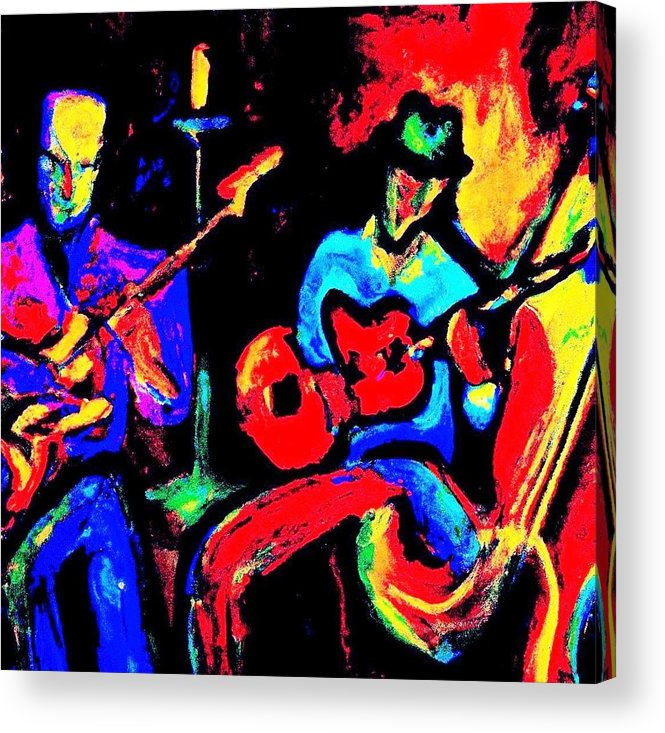
«The Jam» as an acrylic print, there are more styles and things to choose from… Check out my gallery at Fine Art America, the only company that does my fine art prints and other items. They handle the entire operation and ship quickly to you. This is a phenomenal way to support original art at very, but very affordable prices!
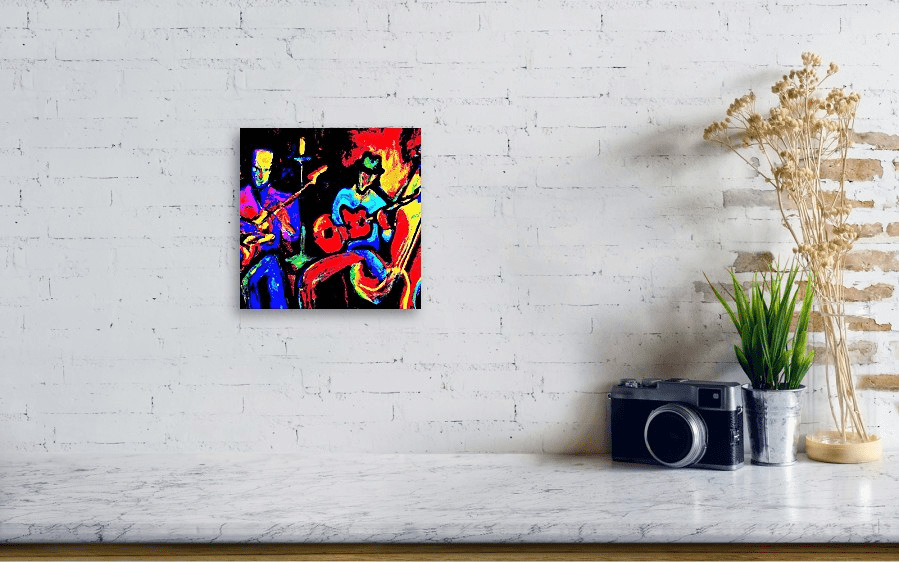
CHEERS…
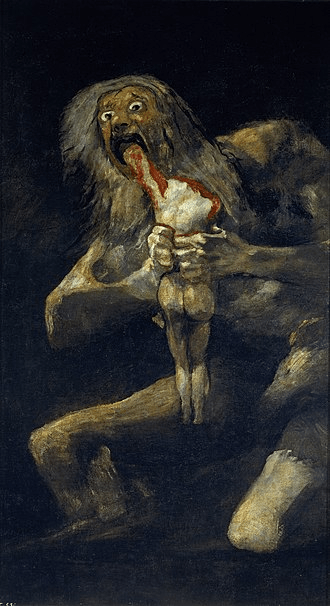
No debemos pensar que el arte tiene que ser siempre algo bonito, elegante, decorativo y digno de nuestro salon porque el arte es un dialogo, e igual que los diálogos en la vida real, algunos son agradables otros inquietantes…
+++
We should not think that art always has to be something beautiful, elegant, decorative, and worthy of our salon, because art is dialogue, and just like real-life conversations, some are pleasant while others are unsettling or disturbing…
GRACIAS
CHEERS
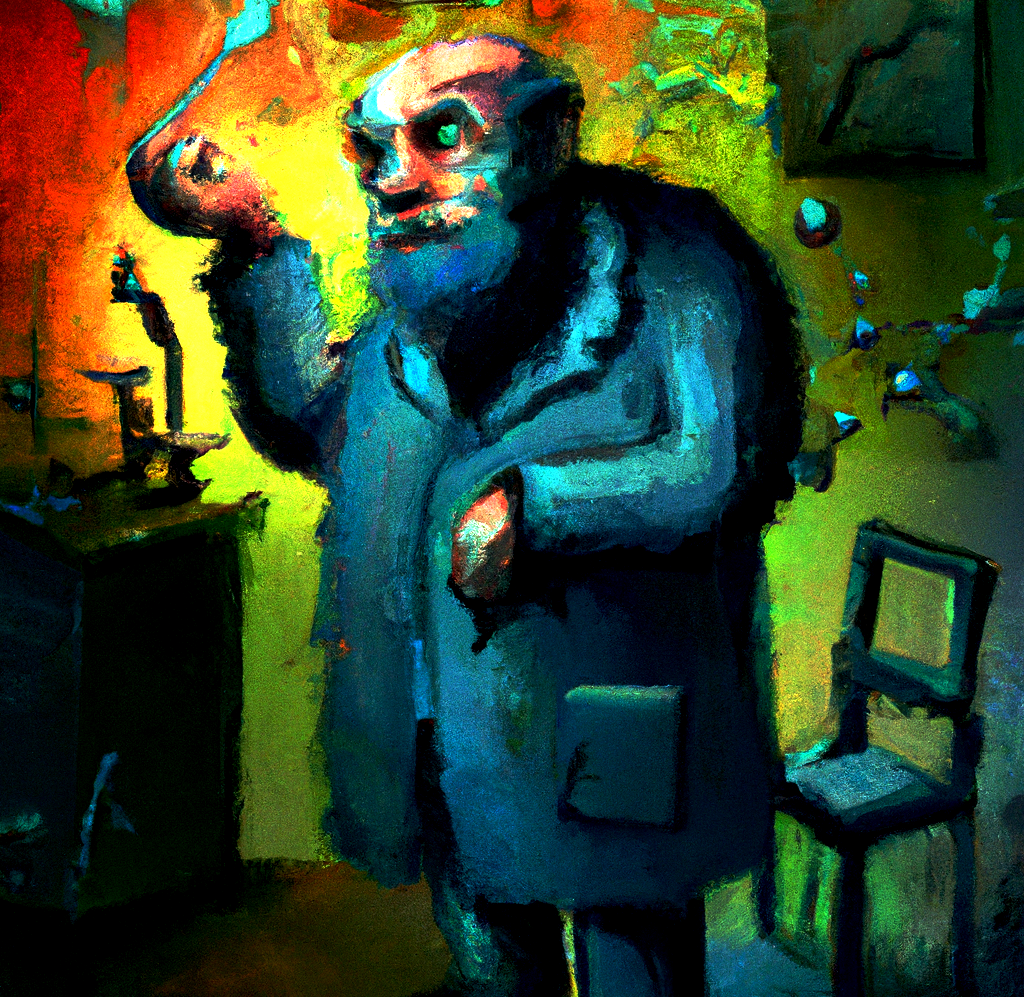
According to the «experts»… oh my, those «experts»… there are proofs and evidence to declare that the «theory» of evolution is a reality, but… I am not convinced by either Darwin or Alfred Russel Wallace… Man, like art, is not a product of evolution.
«How? But what are you saying? Well, I’m going to tell you…»
First, I will tell you about humans, I mean, those who’ve not descended primates (only a lunatic would believe that). If someone wants to have simian ancestors, well, they can enjoy them and go visit them at the zoo. But it is absurd to think that we descend from monkeys. If that were the case, there would no longer be any monkeys because they would have all evolved into men and women. Yes, I know, it’s a somewhat frivolous argument, but it remains valid. Sometimes the simplest things are the truest. That we resemble each other in certain aspects or that we have similar organs that serve the same function, well, dogs, cats, ferrets, otters, lizards, and even fish also have them.
And what of art?
Art does not evolve because it has always been. From the first sketches, drawings, and paintings made in caves to the graffiti done by vandals on the walls of our cities, art is, has been, and will always be a fait accompli, let’s say a done deal.
That times and styles have changed, yes, no doubt. But that is not evolution, that is development. Until the era of the Impressionists, artists only painted what they were asked for. That is why many of the oldest artists did not consider themselves «artists» but rather artisan painters who fulfilled the commissions they were given.
Art changed according to the success of the searches/experiments/trial and errors made by artists who became pioneers and avant-gardists. But until that precise moment in history arrived, it couldn’t be. After the liberty that art achieved in the 19th century, the vanguards of the 20th century came and art completely changed. But it was all due to the search and what they found, as Picasso said, «I do not seek, I find…»
So let us stop thinking about these pseudo-scientists, half mad, half crazy that have put these fireflies in our heads. Let us instead look with a critical eye at the life that surrounds us, at the people too and at art. Art shines, surges, and embraces us with unquenchable strength, the power of truth. Man, like art, did not evolve, but was created perfect.
CHEERS
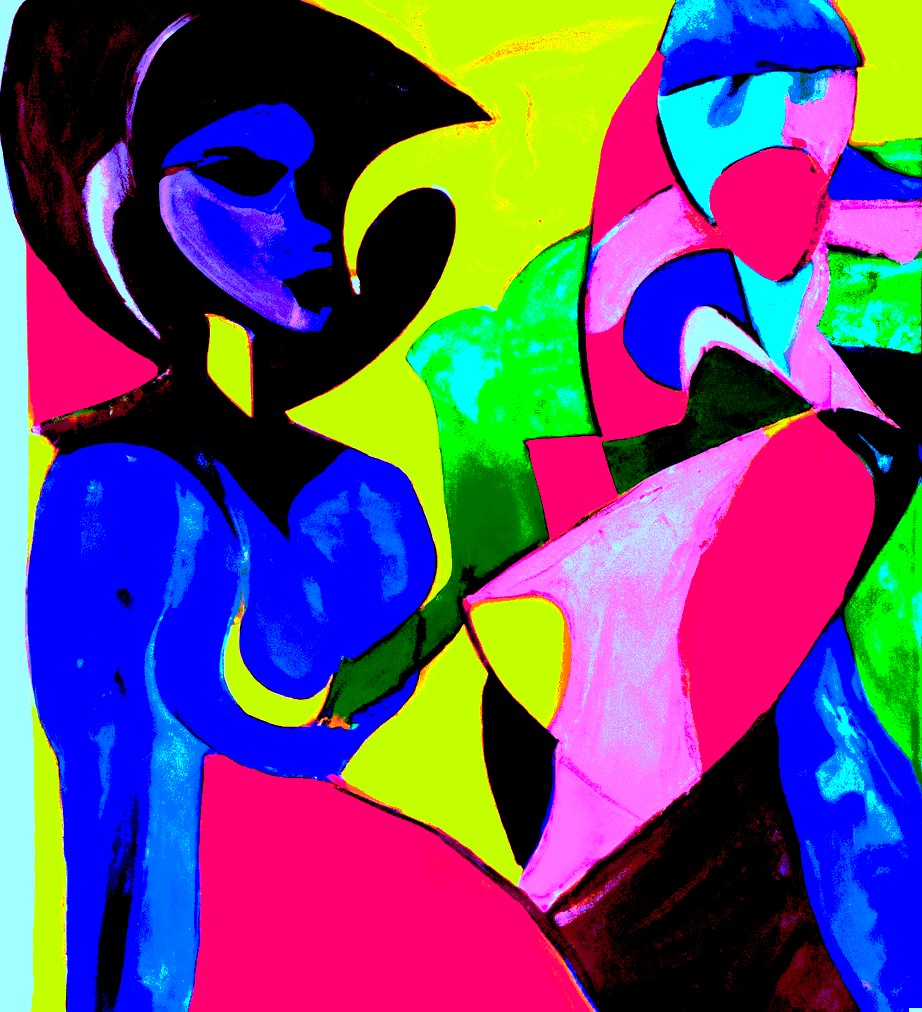
El arte abstracto…y vamos otra vez con la abstracción…es una de las vanguardias del Siglo 20, y yo diría que la más importante. Y ¿Por qué? Porque sigue vigente…demasiado…y porque abrió muchos trillos en la pintura. Aumento el campo del expresionismo, del surrealismo y del simbolismo y nos dio la oportunidad…a los pintores…de, claramente y contundentemente, añadir temas de la abstracción a la pintura figurativa.
Añadiría que la abstracción no es fácil ni es algo intuitivo. Es una forma de pintar que le presenta al pintor los mismos problemas que la pintura figurativa y que el tiene que resolver en cada cuadro. No es cuestión de tirar pintura sobre el lienzo. Es buscar la filosofía, el significado, la referencia y el mensaje de cada cuadro y transmitirlo de forma totalmente abstracta. Esto quiere decir que nada sobre la tela puede parecerse, en lo más mínimo, a lo que encontramos y vemos en nuestra realidad…
+++
Abstract art…and here we go again with abstraction…is one of the art vanguards of the 20th century, and I would say the most important. And why? Because it remains relevant…I would even say perhaps too much…and because it opened many technical and compositional paths to painters. It expanded the field of expressionism, surrealism, and symbolism, and gave us the opportunity to clearly and forcefully add themes of abstraction to figurative painting.
I would add that abstraction is not easy or intuitive. It is a way of painting that presents the same problems to the painter as figurative painting, and that have to be solved in each painting. It’s not a matter of throwing paint on the canvas; it’s about seeking the philosophy, the meaning, the reference, and the message, and conveying it in a completely abstract way. This means that nothing on the canvas can resemble, even in the slightest, anything found in our reality…
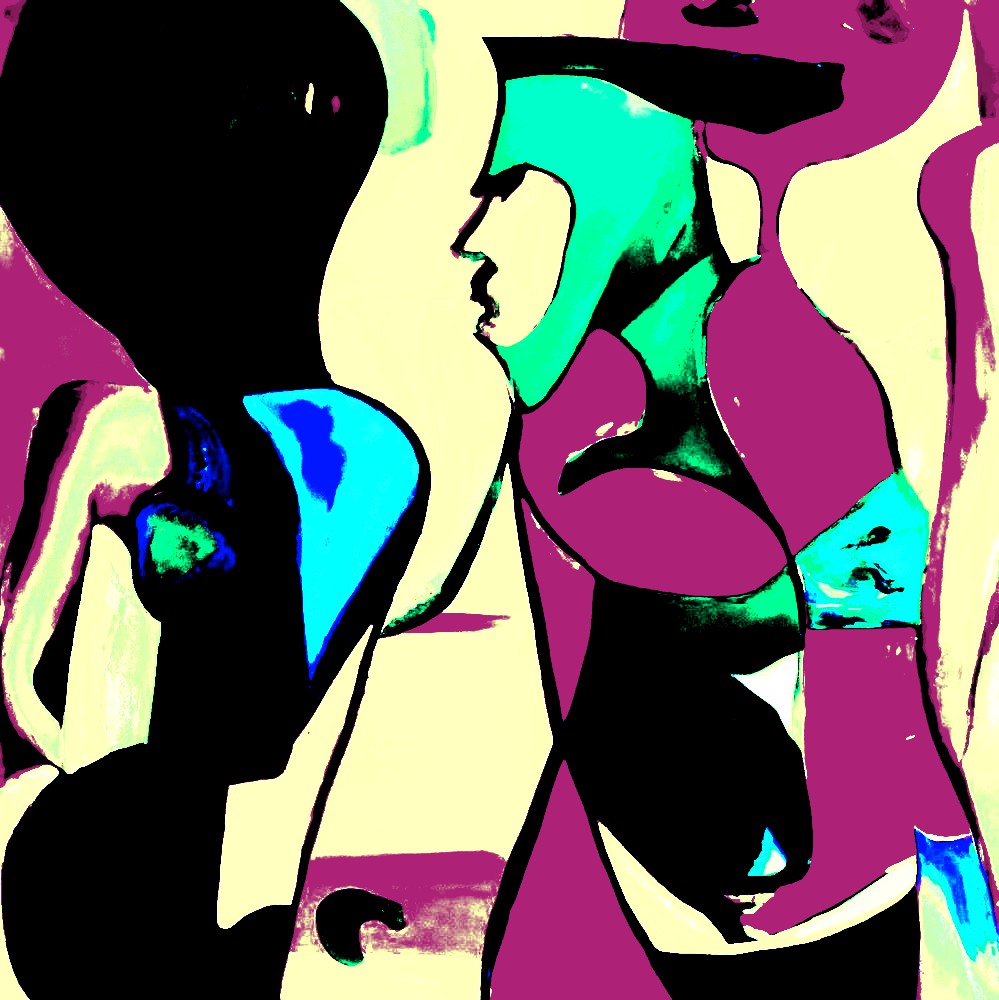
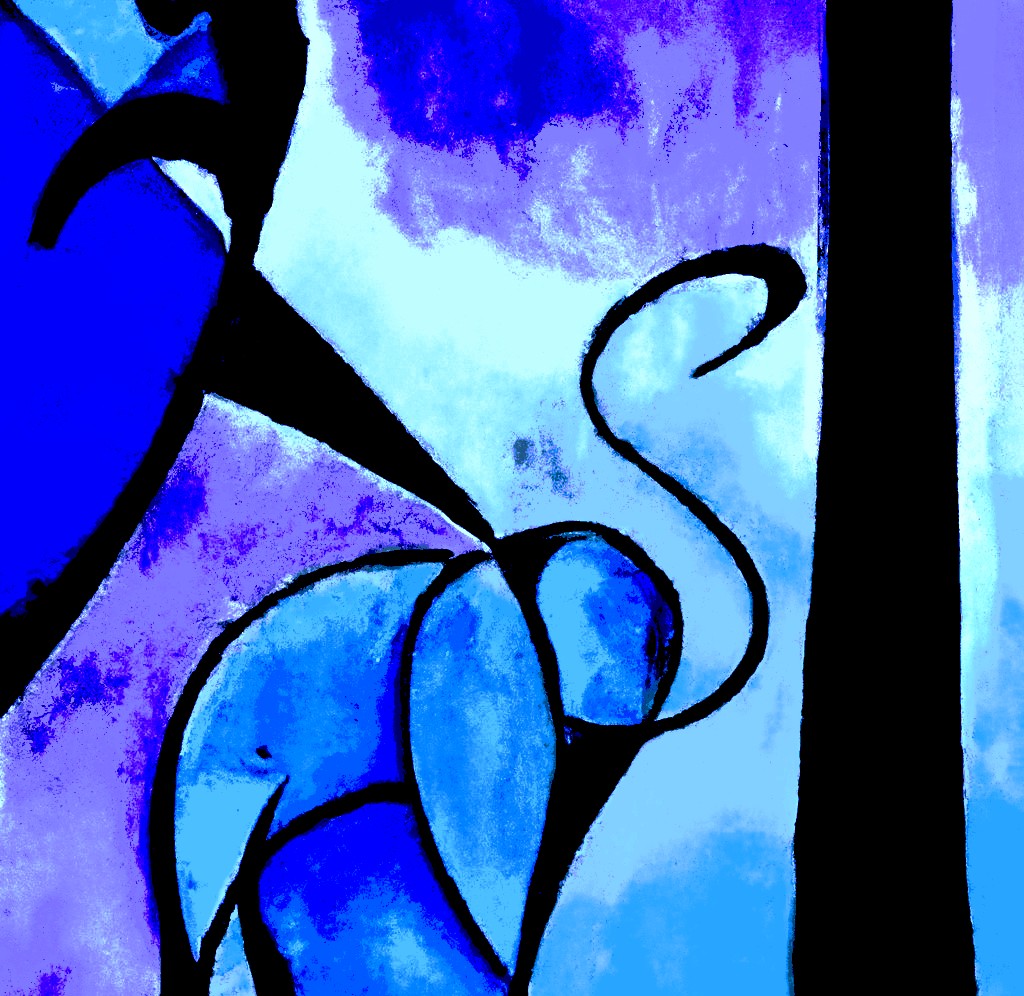
PREGUNTA: Estos dos cuadros, ¿Son figurativos o abstractos?
+
QUESTION: Are these two paintings figurative or abstract?
GRACIAS – CHEERS
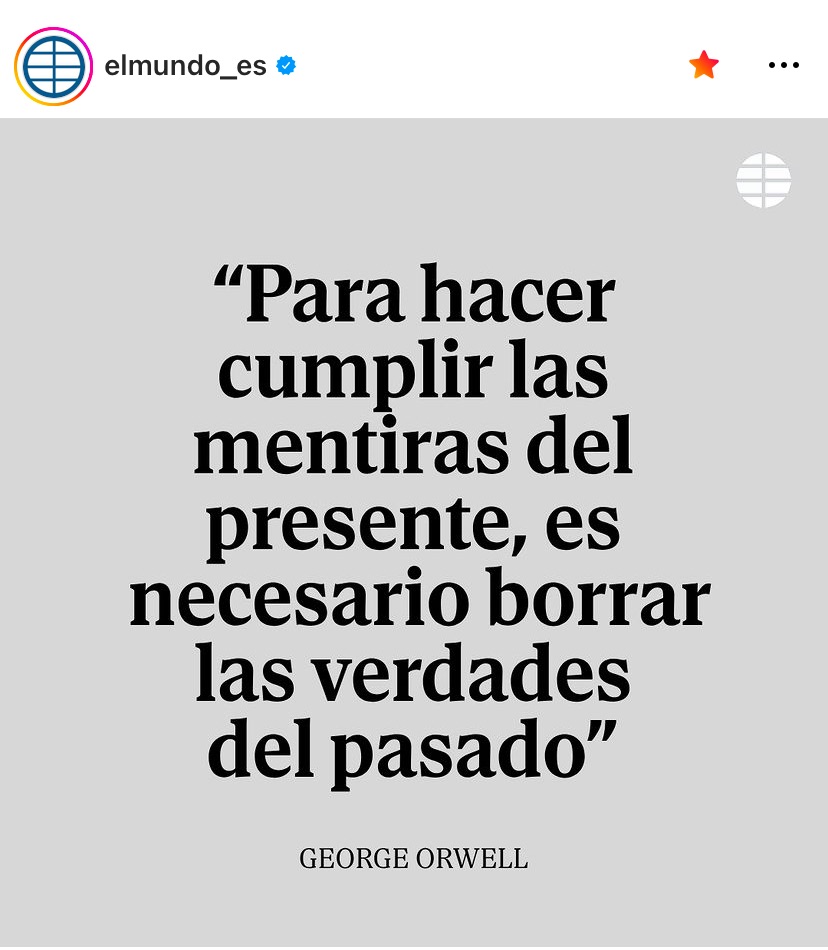
Esta realidad la vemos cumplirse casi todos los días, ¿No?
Have a WordPress.com account? Log in now.