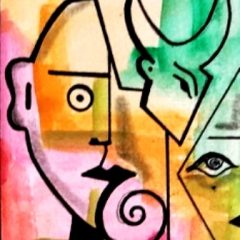
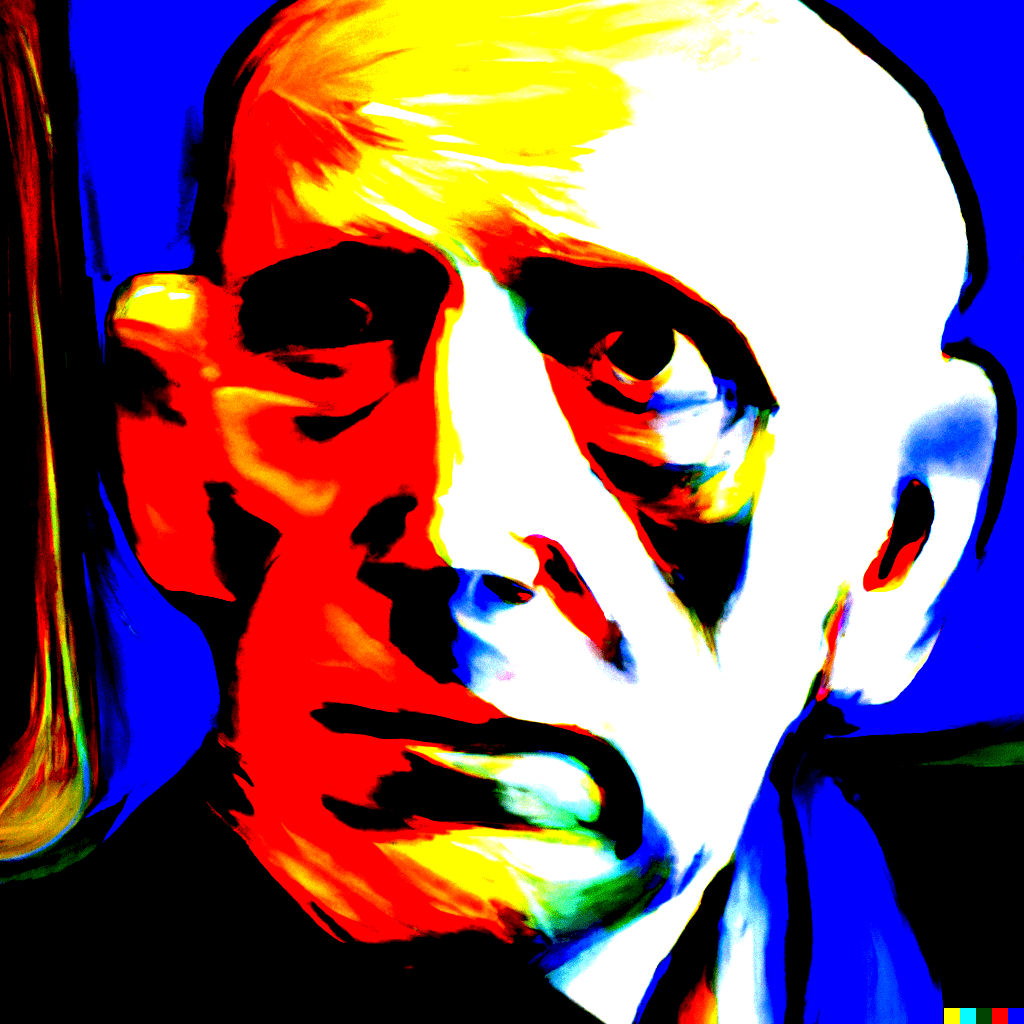
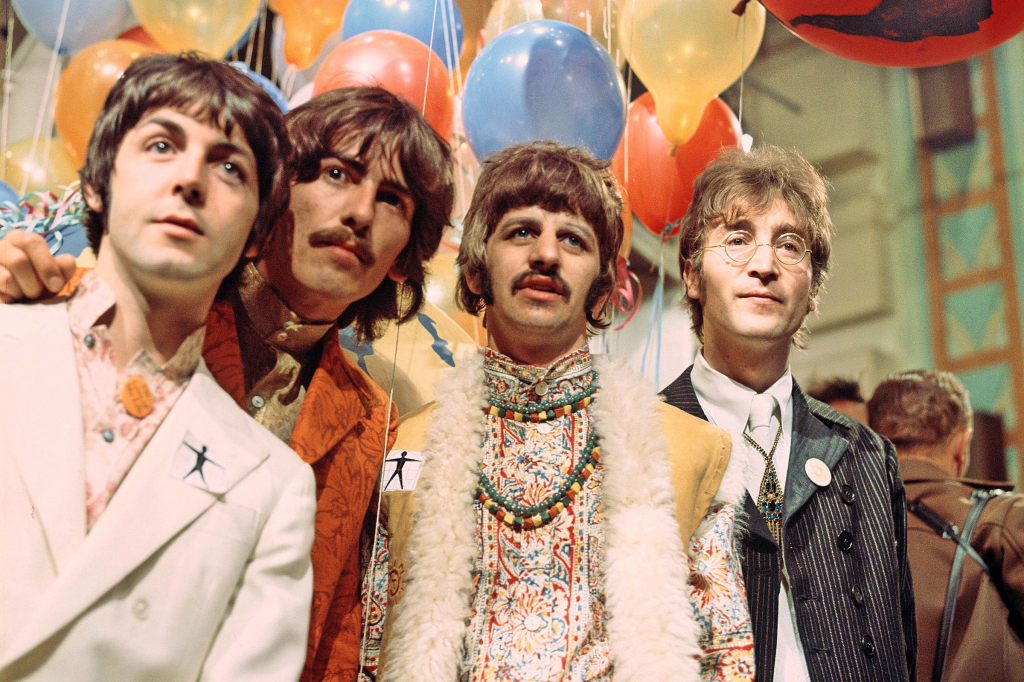
Paul McCartney, the maestro himself, penned a delightful little ditty called «Picasso’s Last Words.» And in this whimsical tune, he regales us with a tale of the great painter’s demise, claiming that he took his final breath precisely at the ungodly hour of three o’clock in the morning. Oh, but that’s not all! The song asserts that Picasso’s parting words were, and I quote, «Drink to me, drink to my health, you know I can’t drink anymore.» Now, this gem of a track was actually recorded back in the groovy year of 1973, smack dab in the heart of Nigeria. And let me tell you, my friend, it found a forever home in what I personally consider Paul’s finest album, the one and only Band on the Run. Trust me, it’s pure gold!
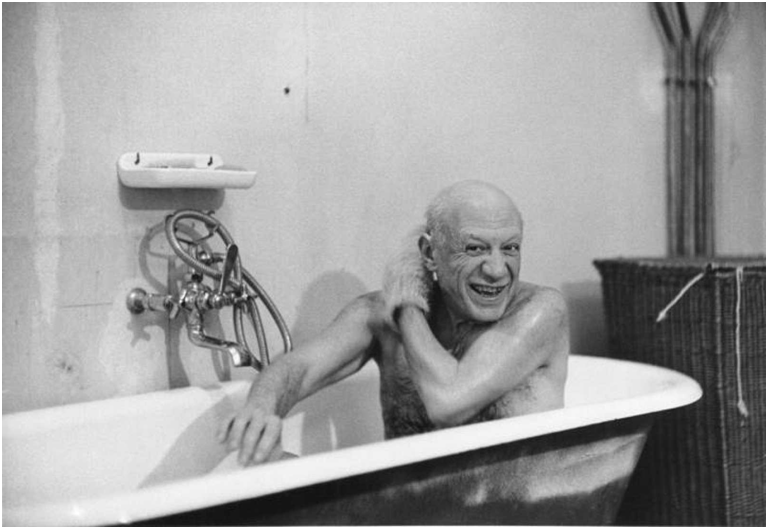
It’s amazing to think that fifty years have passed since Picasso’s passing and the birth of that extraordinary song! Time truly flies, doesn’t it? Picasso remains an unparalleled titan in the art world. His remarkable paintings continue to fetch millions of euros or dollars*, and his profound influence on the art scene is still vibrant and unmistakable. Even though Picasso was a man of the XIX Century, his philosophy, aesthetics, and artistry seamlessly transcend into the XXI Century, leaving an indelible mark.
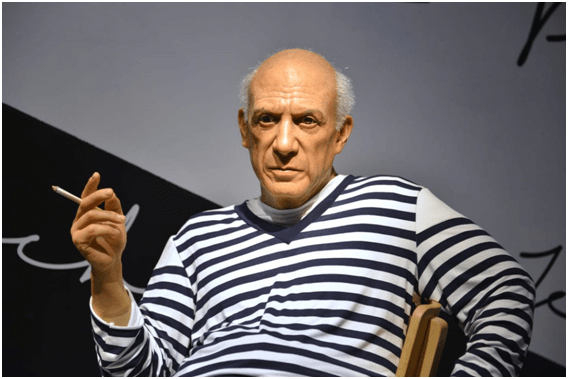
There is no other artist in art history who can boast as many museums dedicated to his name and his art. Surprisingly, I have had the opportunity to visit some of them, including the Picasso museums in Barcelona, Madrid, Málaga, Paris, Antibes, and the Kunstmuseum of Munster. Excitingly, a new museum is on its way to Aix-en-provence. Picasso once remarked that if given a museum, he would fill it with his artworks. True to his word, he has already filled six museums, and soon, there will be a seventh.
Frankly, I am not surprised by the sheer dedication that Picasso, a remarkably industrious artist, possessed. It is difficult to establish an exact measure of his artistic output. Consider the multitude of mediums he ventured into: ceramics, sculpture, book illustration, theatre design, ballet design, lithographs, and countless other works. If we counted those we would undoubtedly encounter astonishing figures.
According to various sources, it is said that Picasso created approximately 13,500 paintings and designs, over 100,000 engravings or lithographs, and roughly 34,000 illustrations for books. Moreover, his masterful hands gave life to around 300 sculptures or ceramics. However, these numbers, as impressive as they may be, remain approximate, leaving room for more or fewer works yet to be discovered.
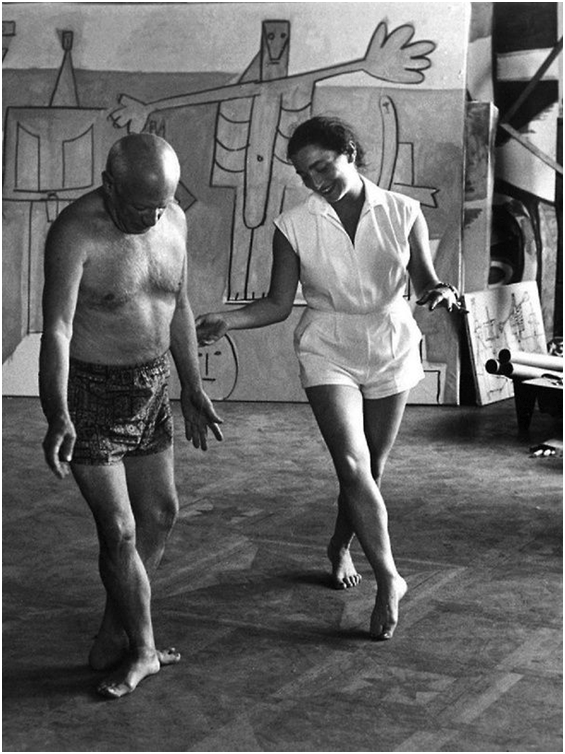
Now, when the art world decided to take a journey down various twisted paths, let’s say around the time of Pollock’s Action Painting and other movements, Picasso had the opportunity to experience them all. But he gave them all a big, resounding thumbs down. He embraced his inner rebel and became the ultimate «outsider», watching as the new wave of art evolved without him.
But fear not, dear readers, for Picasso was not one to fade away quietly into the shadows. Instead, he decided to reinvent himself as the one and only «buffoon». Picture this: Picasso gracing the cover of TIME and LOOK magazines, on multiple occasions, with flowers adorning his ears. And that’s not all! He would often go incognito, dressing up as a bullfighter or even daring to bare it all in his skivvies. The man knew how to make a spectacle of himself, captivating the media and the masses alike, even at the ripe old age of seventy-five. It’s safe to say that Picasso was truly a master of artistic reinvention and self-expression, in more ways than one.
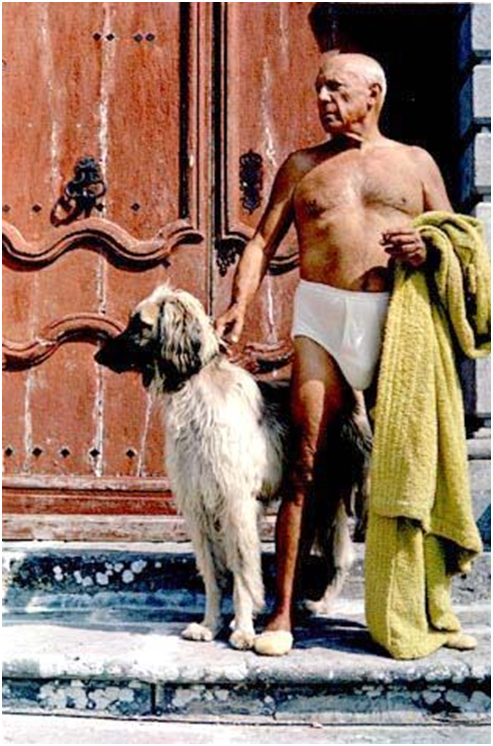
I believe that despite all efforts made, it was impossible to restrain the influence of the eminent artist. Only death had the power to hinder him. He witnessed, accepted, and captured death in his paintings. Thus, it is unsurprising that he concluded his artistic journey with this eloquent and poignant statement: «Drink to me, drink to my health, you know I can’t drink anymore.» I express my sincere gratitude to Paul McCartney for transforming these words into a remarkable song.

Regarding those books that are being published now, claiming that Picasso was simply a person who abused his wife and committed acts of «gender violence,» and suggesting that his artworks should be discarded and forgotten, my response is simple: Mind your own business! It is unfair to judge individuals from the past based on contemporary beliefs and values.
 JaZzArt en València