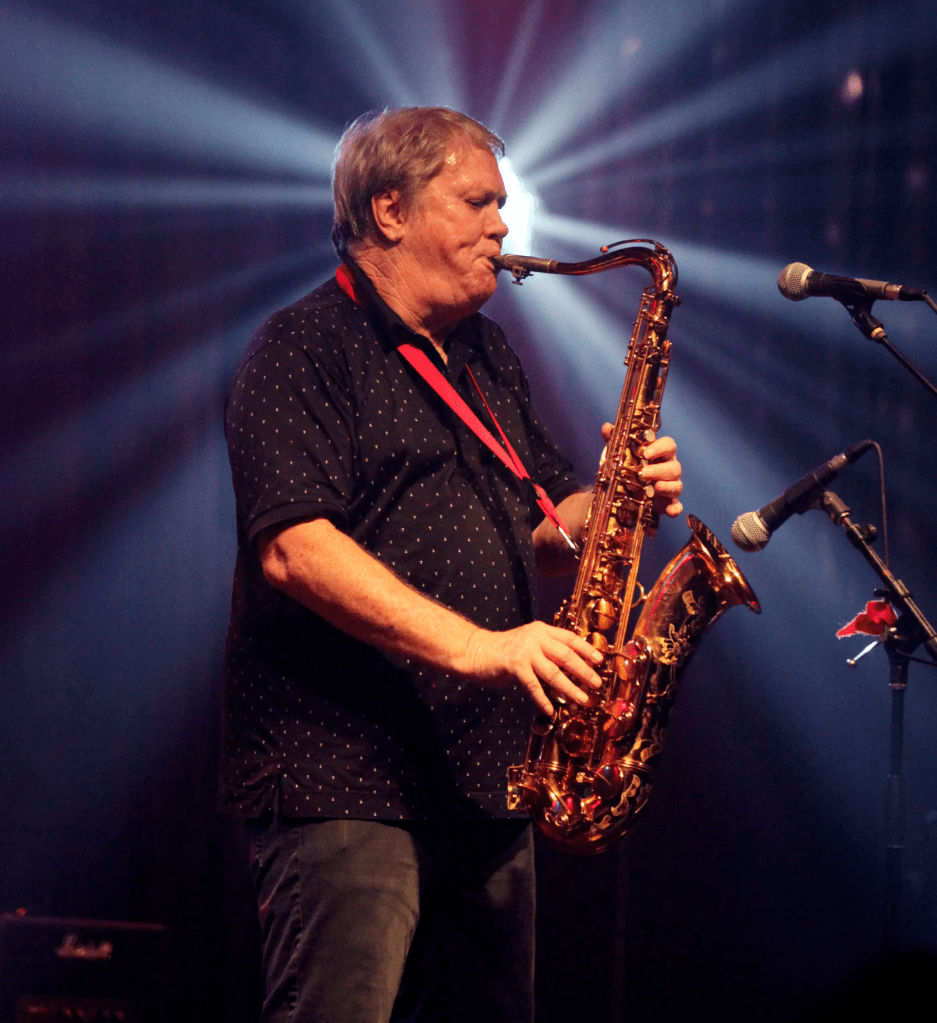
#music, #rock, Grandes Saxofonistas, p. 4 – Great Saxophonists, p. 4

(Bobby Keys con/with The Rolling Stones/foto/photo Radio Futuro)
(Bobby Keys/foto/photo Rolling Stone)

¿No lo conocías? Pues yo te lo voy a presentar. Venga, te presento a Bobby Keys… Este saxofonista fenomenal, durante la década de los años 1970, tocó con muchos de los mas grandes grupos de rock incluyendo a los Rolling Stones,[1] Lynyrd Skynyrd, Harry Nilsson, Delaney & Bonnie and Friends, George Harrison, John Lennon, Eric Clapton, Joe Cocker y, bueno que más quieres… Keys nació en Texas en 1943 y a los 15 años comenzó a tocar profesionalmente con el cantante Buddy Knox (conocido por su hit de 1957 «Party Doll«)… Y aquí viene lo bueno pues mientras tocaba con la banda del cantante norteamericano Bobby Vee, conoció a Keith Richards y se hicieron buenos amigos. Esta amistad lo llevó a que los chicos lo incluyeran en la banda y Keys debutó con The Rolling Stones en el disco Let It Bleed tocando en la canción «Live with Me» en 1969. Pero para mi, lo más importante fue que también tocó en mi canción preferida de la banda, «Brown Sugar,» y también en otras como «Can’t You Hear Me Knocking,» «Rip This Joint» and «Sweet Virginia.» (todas estas las vas a oír hoy aquí)… Y esto sigue bueno pues de 1973 a 1975, Keys tocó con John Lennon en Los Angeles junto a Ringo Starr, Harry Nilsson y Keith Moon, además en dos discos de Lennon: Walls and Bridges, fíjate en la canción «Whatever Gets You thru the Night» y en Rock ‘n’ Roll… Bobby Keys murió de cancer del hígado en Tennessee, diciembre de 2014.

+++

You don’t know him? Well, allow me to introduce you to Bobby Keys… This phenomenal saxophonist played with many of the greatest rock bands during the 1970s, including the Rolling Stones,[1] Lynyrd Skynyrd, Harry Nilsson, Delaney & Bonnie and Friends, George Harrison, John Lennon, Eric Clapton, Joe Cocker, and many more… Keys was born in Texas in 1943 and started playing professionally at the age of 15 with the singer Buddy Knox (known for his 1957 hit «Party Doll«)… And here’s the good part, while playing with the band of American singer Bobby Vee, he met Keith Richards and they became good friends. This friendship led to him being included in the band. So Keys made his debut with The Rolling Stones on the album Let It Bleed, playing on the song «Live with Me«, in 1969. Now for me, the most important thing was that he also played on my favourite song by the band, «Brown Sugar,» as well as others like «Can’t You Hear Me Knocking,» «Rip This Joint,» and «Sweet Virginia» (you’re going to hear all of these today)… And it gets even better, from 1973 to 1975, Keys played with John Lennon in Los Angeles, along with Ringo Starr, Harry Nilsson, and Keith Moon. He was part of two of Lennon’s albums: Walls and Bridges (check out the song «Whatever Gets You thru the Night«) and Rock ‘n’ Roll… Bobby Keys passed away from liver cancer in Tennessee in December 2014.

GRACIAS

CHEERS
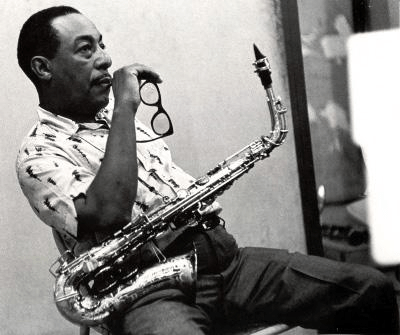
#jazz, #music, Musica para el juevernes musical – Music For a Musical Thurfriday

(Foto/Photo The Saxophone Corner)

Venga, seguimos con algunos de los grandes del saxofón y ahora te quiero presentar a Johnny Hodges. Ya lo has oído tocar con Gerry Mulligan en el primer capitulo de este dia, juevernes musical, mitad de la semana… Pues si no lo conocías te dire que Johnny Hodges nació el 25 de julio de 1907 en Cambridge, Massachusetts, (EEUU) y que tocó extensivamente con la banda de Duke Ellington. Fue solista con el saxofón alto y también con el saxofón soprano… Durante sus años mozos Hodges viajaba frecuentemente a Nueva York para tocar con los grandes del momento incluyendo a Sidney Bechet, Luckey Roberts y Chick Webb. En 1928 se unió a la orquesta de Ellington y del 1951 al 1955 dirigió su propio grupo, pero regresó con Ellington para tocar en la participación histórica de la orquesta en el Newport Jazz Festival de 1956… Aunque algunos han dicho que Hodges era un autodidacta, no lo fue. Durante toda su juventud estuvo rodeado de grandes músicos, especialmente saxofonistas y además su madre era pianista y lo fue enseñando, no solo a tocar el piano pero también la batería. El propio Sidney Bechet le dio clases de saxofón a Hodges así que cuando se trasladó a Nueva York ya Hodges era bueno y conocido… Johnny Hodges murió muy joven, de 62 años el 11 de mayo de 1970 cuando sufrió un ataque al corazón… Bueno creo que aquí tienes una buena introducción para que conozcas, no solo su música, pero al interprete, un gran saxofonista. Ahora a escuchar…

+++

Let’s continue with one of the greats of the saxophone. Allow me to introduce you to Johnny Hodges. You’ve already heard him play with Gerry Mulligan in the first chapter of this musical Thur-Friday, the middle of the week… Well, if you didn’t know him, I’ll tell you that Johnny Hodges was born on July 25, 1907, in Cambridge, Massachusetts, (US), and he played extensively with the Duke Ellington Orchestra. He was a soloist on the alto saxophone and also on the soprano saxophone… During his younger years, Hodges frequently travelled to New York City to play with the greats of the time, including Sidney Bechet, Luckey Roberts, and Chick Webb. In 1928, he joined Ellington’s orchestra. Then from 1951 to 1955, he led his own group, but he did return to Ellington’s orchestra to perform in their historic participation at the Newport Jazz Festival in 1956… Although some have said that Hodges was self-taught, he wasn’t. Throughout his youth, he was surrounded by great musicians, especially saxophonists, and his mother, who was a professional pianist taught him not only to play the piano but also the drums. Sidney Bechet himself gave Hodges saxophone lessons. So when he moved to New York City, Hodges was already a good musician and rather well-known… Johnny Hodges died very young, 62 years old, on May 11, 1970, when he suffered a heart attack… Well, I think you have a good introduction here to get to know not only his music but also the performer, a great saxophonist. Now, let’s listen…

GRACIAS

CHEERS

#music, #jazz, Gran saxofonistas del Jazz, p. 2 – Great Jazz Saxophonists, p. 2

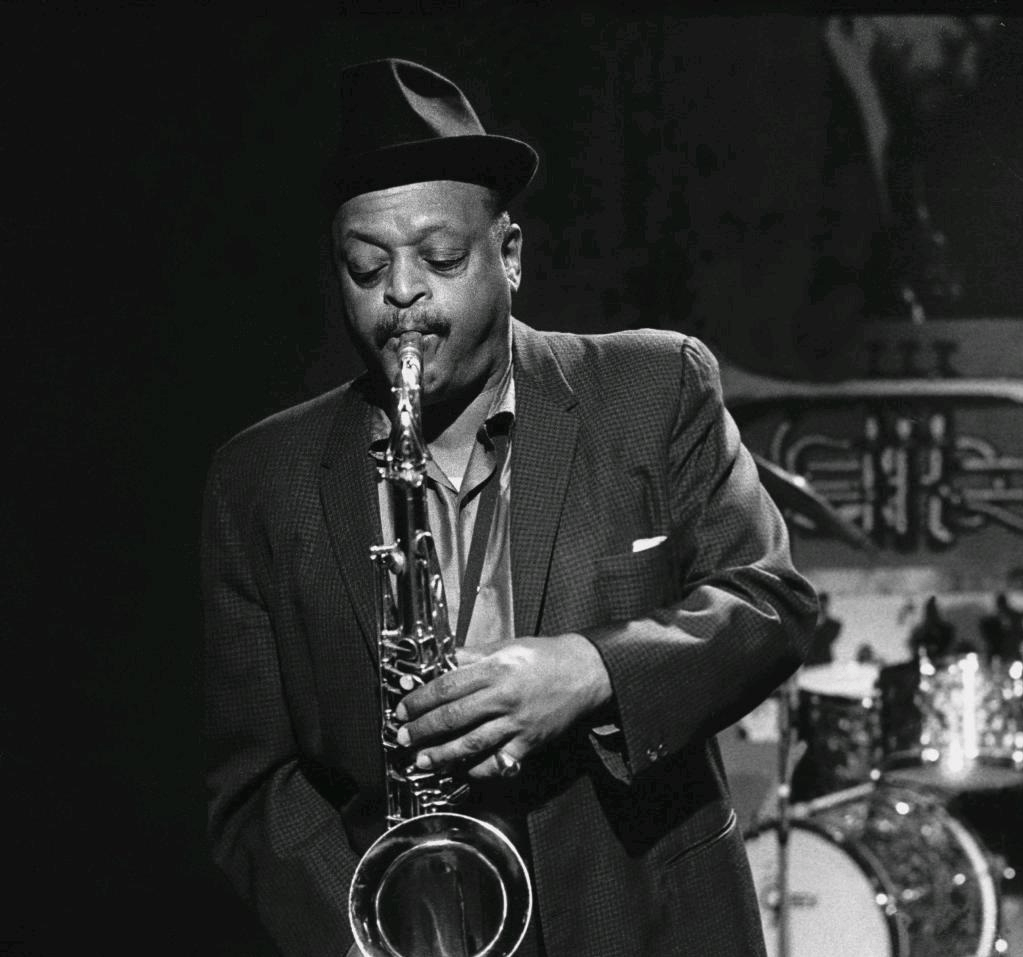
(Foto/Photo Ben Webster Foundation)

Bienvenidos a la segunda pagina de este jueves, mitad de la semana y dia dedicado a la música y a los músicos… Ahora te presento a Ben Webster, que nació en Kansas City, Missouri (EEUU) en 1909 y que murió en Amsterdam en 1973. Este tío, que aprendió a tocar el piano con Pete Johnson y el saxo con Budd Johnson, una vez que se dio a conocer llegó a tocar con todos los grandes del Jazz de su época. En 1940 se hizo solista en la orquesta de nada menos que de Duke Ellington y se hizo muy amigo del gran arreglista de la banda Billy Strayhorn. En 1964 se mudó para Europa donde vivió en varios países, el ultimo siendo Holanda donde, en septiembre de 1973 sufrió un ictus mientras tocaba y murió el 20 de ese mismo mes… Ben Webster tocó con el mismo saxofón de 1938 hasta que murió y dejo instrucciones de que nadie lo volviera a tocar. El instrumento está hoy en el Institute of Jazz Studies de Rutgers University en Newark, New Jersey, (EEUU). Además en el sur de Copenhague tiene una calle a su memoria, «Ben Websters Vej«.

+++

Welcome to the second page of this Thursday, the middle of the week and a day dedicated to music and musicians… Now let me introduce you to Ben Webster, who was born in Kansas City, Missouri (USA) in 1909 and died in Amsterdam in 1973. This guy, who learned to play the piano from Pete Johnson and the saxophone from Budd Johnson, once he became known, played with all the greats of Jazz of his time. In 1940, he was made soloist in the orchestra of none other than Duke Ellington and became very good friends with the band’s great arranger, Billy Strayhorn. In 1964, he moved to Europe where he lived in several countries, the last being the Netherlands where, in September 1973, he suffered a stroke while playing and died on the 20th of that same month… Ben Webster played with the same saxophone from 1938 until he died and left instructions that no one should play it again. The instrument is now at the Institute of Jazz Studies at Rutgers University in Newark, New Jersey, USA. Additionally, in the southern part of Copenhagen, there is a street named «Ben Websters Vej» in his memory.

Aquí te dejo una grabación fenomenal con Johnny Hodges que será el próximo de quien te hablaré…

+++

Here is a fantastic recording with Johnny Hodges, whom I will talk about next…

#music, #jazz, El saxofón – The Saxophone – Primera parte/Part One

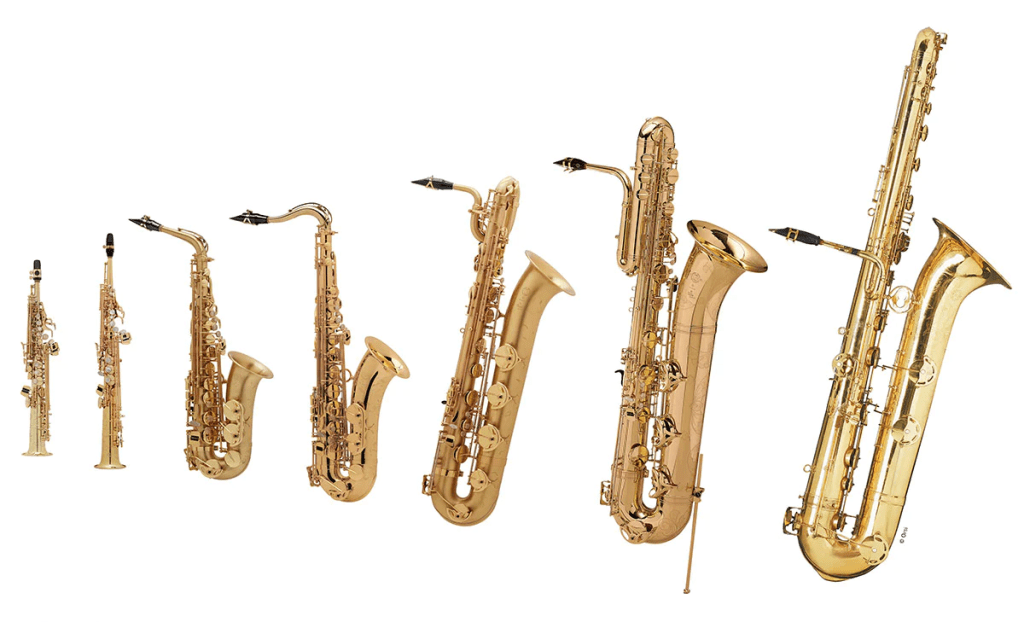
(Foto/Photo Henri SELMER Paris)

Uno de mis instrumentos preferidos es el saxofón. Hace unos años intenté aprender a tocarlo y hasta cogí classes, pero enseguida me di cuenta que jamás iba poder tocar como estos que te voy a presentar hoy. El saxofón o simplemente el saxo es un instrumento de viento-madera, y la mayoría de ellos están hechos de latón. Lo inventó Adolphe Sax, (Belga, 1814-1894), al principio de la década de los años 1840. Aquí, en este primer capitulo de la jornada te presento a Gerry Mulligan, (Norteamericano, 1927-1996), gran exponente de lo que se le llama el «West Coast Jazz» que fue saxofonista, clarinetista, compositor y arreglista del jazz y otros géneros.

+++

One of my favourite instruments is the saxophone. A few years ago, I tried to learn to play it and even took classes, but I quickly realized that I would never be able to play like the ones I’m going to introduce you to today. The saxophone, or simply the sax, is a woodwind instrument, and most of them are made of brass. It was invented by Adolphe Sax, (Belgian, 1814-1894), at the beginning of the 1840s. Here, in this first chapter of today’s journey, I present to you Gerry Mulligan, (North American, 1927-1996), a great exponent of what is called «West Coast Jazz.» He was a saxophonist, clarinettist, composer, and arranger of jazz and other genres.

En los siguientes capítulos te hablaré más de este instrumento y de los músicos que lo han hecho sonar de maravillas…

+++

In the following chapters I will talk to you more about this instrument and of the musicians that make it sound phenomenally…

GRACIAS

CHEERS

#poem, «A veces…»

(Francisco/Bodo Vespaciano/representado por un actor)

A veces la cara en el espejo que me devuelve la mirada es otra y no la misma que me imaginaba,

parece que así la vida me va enseñando que las cosas no son como creía que eran o como me las imaginaba.

Así, con estas enseñanzas, voy subiendo la cuesta, midiendo mis pasos, chupando la caña de azúcar que me ha ofrecido un duende cuando entraba en el jardín de olivos, árboles centenarios pues en ellos también hay mucha sabiduría…

La sabiduría, para serme útil me va llevando a chocar manos con el cambio pues todo cambia, la vida ciertamente cambia…

Esa ciencia que yo creía que era implacable, con sus leyes inmutables y estáticas, han resultado ser teorías y las teorías cambian…

No hay nada como despertarse y saber que las células que vivían en el cuerpo anoche ya no son las mismas hoy por la manana…

A veces la cara en el espejo en vez de mirarme a mi mira por la ventana, sonríe y…

C.2023, Francisco Bravo Cabrera, 22 de noviembre de 2023, Valencia, España

#poem, «Sometimes»

(Francisco Bravo Cabrera/Bodo Vespaciano/actor portrayal)

Sometimes I look in the mirror and the face that looks back at me is not mine…

It’s not the face I expected…

Life’s the same…

Things are not what we believe they are,

that’s the lesson I received from life…

A lesson, to be useful, must take us towards the knowledge of change,

for all things change…

The body I fell asleep in last night is not the same body I woke up in this morning, the cells have changed names, address and motivation and now I am new again as is the day, as is the morning as is the light that shines upon my garden from the sun…

All things have changed as each morning comes…

C.2023, Francisco Bravo Cabrera, 20 NOV 2023, Valencia, Spain

#art, Picasso: ¿Genio o Canalla? –

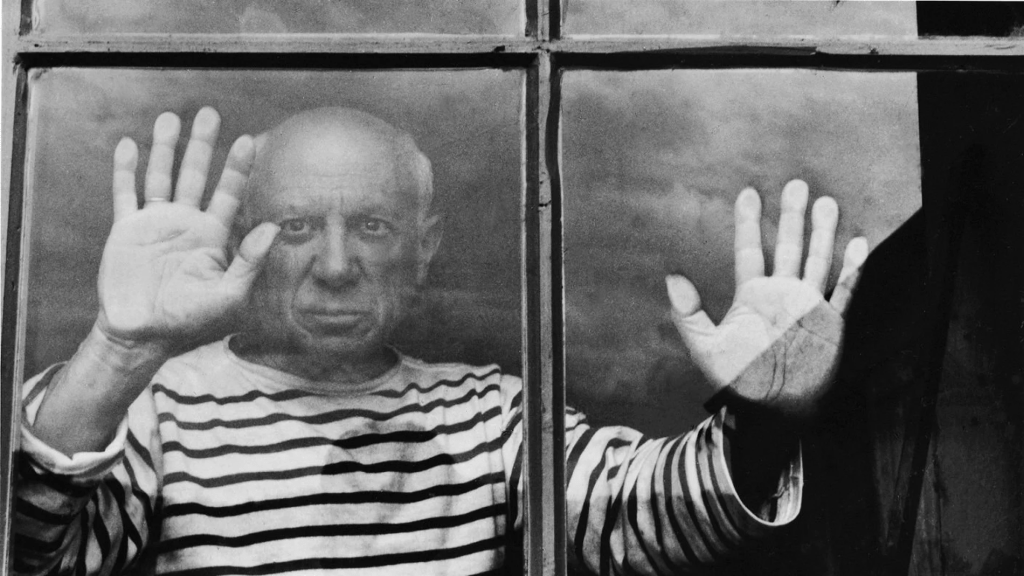
(Foto/Photo La Razón)

Me parece absolutamente ridículo esa persecución de brujas que han desatado algunas que quieren acusar a Pablo Picasso de maltratador… Parece ser que la obsesión por acusar a los hombres, por decir que el genero masculino está genéticamente predispuesto a maltratar al femenino, las lleva ahora a rebuscar el pasado y a acusar a los muertos. Bueno, pues que lo sepan todas aquellas que quieren acusar a hombres del pasado con delitos del presente, hay que tener pruebas y el acusado tiene que estar presente para defenderse. Si estas condiciones no existen entonces no se puede acusar a nadie. Usted no puede acusar a un muerto…

Dicen que Pablo Picasso dijo que las mujeres eran «diosas o felpudos.» No lo se, quizá lo dijo, quizá no, o si lo dijo no conozco el contexto del cual han extraído estas palabras las que ahora quieren arrancarlo de la historia. Y ahi esta el crux de la cosa, el querer quitar de la historia lo que desagrada. Y me pregunto, ¿Lo que desagrada a quien? Mejor busquen la manera de hacer historia, la que les está pasando por encima en estos momentos y conduzcan mejor el coche del feminismo porque el feminismo, el verdadero feminismo, se nutre de la acción ya que es la lucha por hacer valer a la mujer y colocarla en su debido puesto, no destruir al hombre.

(2020)

GRACIAS