
Cierto.
Pregúntaselo a los cubanos, venezolanos, brasileños, argentinos, nicaragüenses y a todos los que vivieron el horror de la URSS y el COMECON, y ahora España…
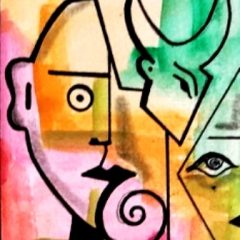
Faith saved us from the savages that we were, losing faith makes us savages again
Cierto.
Pregúntaselo a los cubanos, venezolanos, brasileños, argentinos, nicaragüenses y a todos los que vivieron el horror de la URSS y el COMECON, y ahora España…

I thought this was a fabulous song to celebrate the spirit of The United States of America! We are heroes of the homeland! Hoping you all have a smashing good holiday! Thank you America for being such a gracious host for me!
THANK YOU!
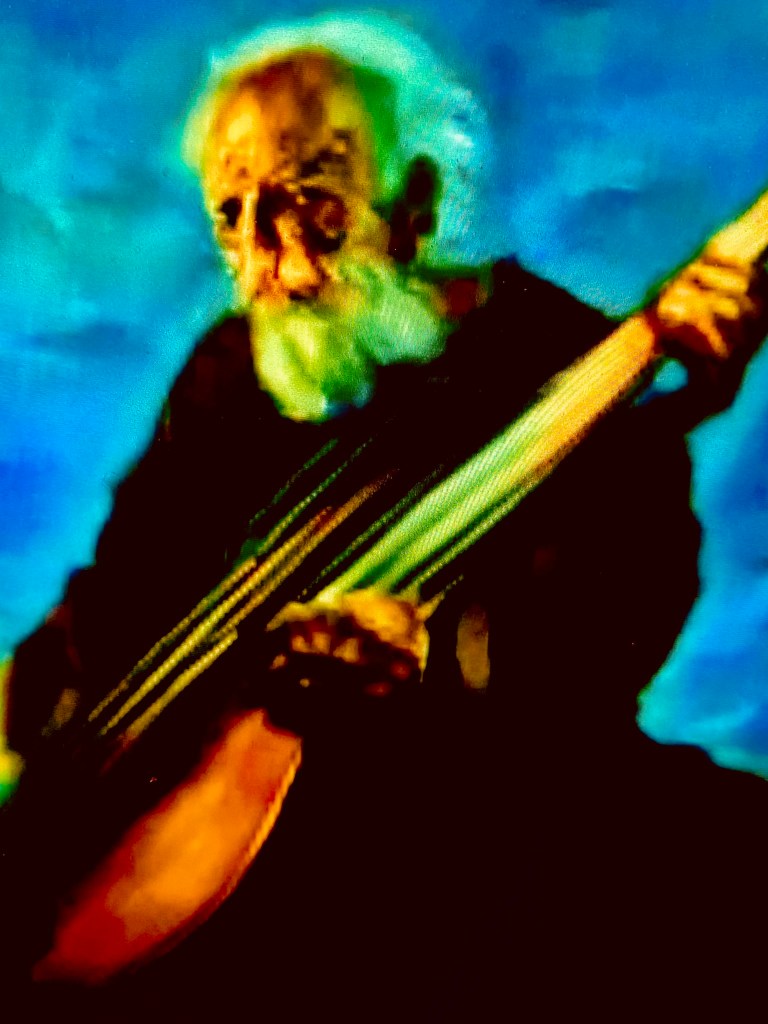
ME ESTOY PONIENDO VIEJO
Ya voy cambiando mi vestir,
mi paso es lento ya al andar,
ya no trasnocho como ayer,
me siento solo aquí en el bar,
Ya van mis días menguando en paz,
voy olvidando lo que fue,
mi voz ya no vibra al cantar,
mis ojos poco pueden ver,
Me voy despacio,
miro al espejo,
me estoy poniendo
viejo…
Me he acostumbrado a este sillón,
en el salón con vista al mar,
ya no navego como ayer,
ya he dado lo que pude dar.
Voy dormitando al caminar,
sueño con todo lo que ayer,
me seducía con ambición,
ya queda poco por hacer,
Me voy despacio,
ya no voy lejos,
me voy poniendo
viejo…
Me cuido del invierno gris,
y de la lluvia de mi hogar,
prefiero olvidar lo que fui,
prefiero no poder pensar.
Ya pocos conozco en el bar,
ya hay otras caras, juventud,
ya mis amigos ya no están,
ya he dominado mi inquietud.
Me voy despacio,
faltan reflejos,
Me estoy poniendo viejo…
Me voy tranquilo a recostar,
mis huesos contra la pared,
viejos fantasmas conjurar,
un vino calma ya mi sed,
Me voy hablando
con mi cortejo,
me voy poniendo
viejo…
NOTA BENE
Quizá no lo aceptes tu, pero yo digo que la vejez es solitaria. No importa cuantos amigos, cuantos hijos, nietos, mujer o hermanos tengas a tu lado, vas a envejecer solo. No importa si vives con la familia, en una residencia o en tu piso, como siempre, envejecerás solo y en silencio. Tus años irán aumentando y así tu soledad. Mientras más viejo te pongas más pensarás en el pasado y más detalles del mismo olvidaras, o quieras olvidar. Como la vejez, esas cosas no se pueden evitar. Acostúmbrate, vetusto soñador, a todo esto. Y una cosa más te digo, no te asustes de los fantasmas que, al caer la noche, se acomodan en las butacas de tu salón. Son tus viejos amigos son los únicos que te harán compañía. Quizá en esas noches no te sentirás tan solo.
Francisco Bravo Cabrera – 03 de julio de 2024 – Valencia, España
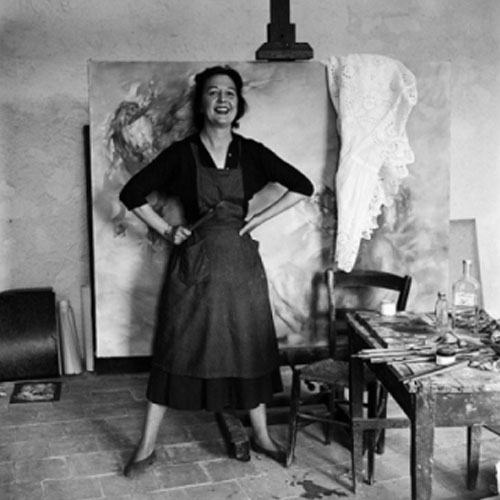
Definitely one of the great women artists of the XX Century and forever!
Cheers…
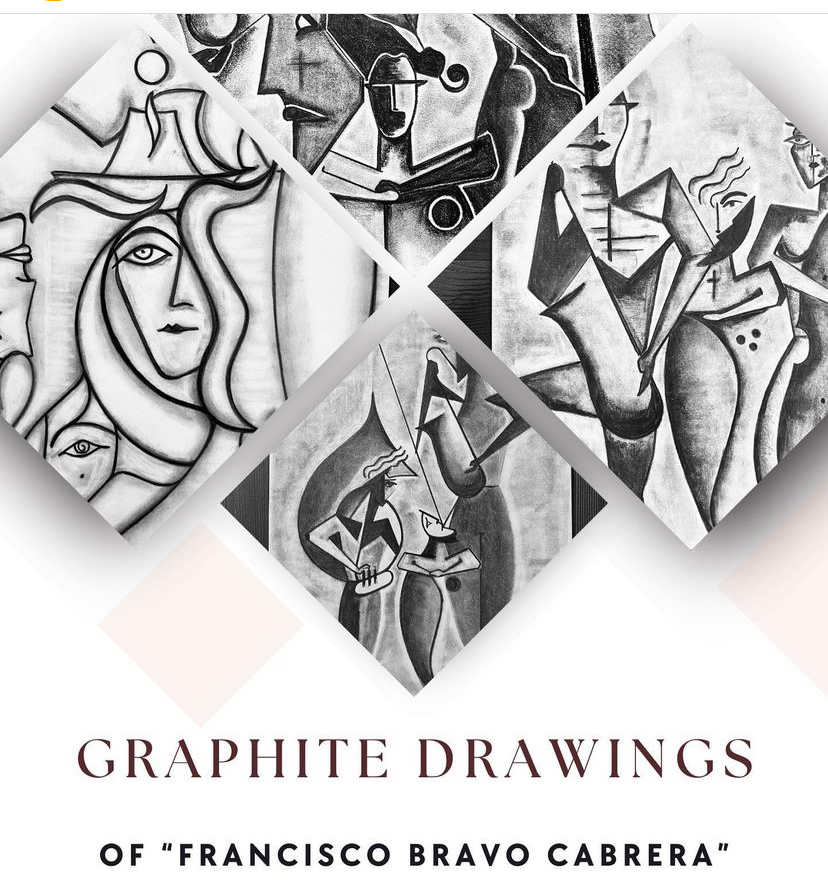
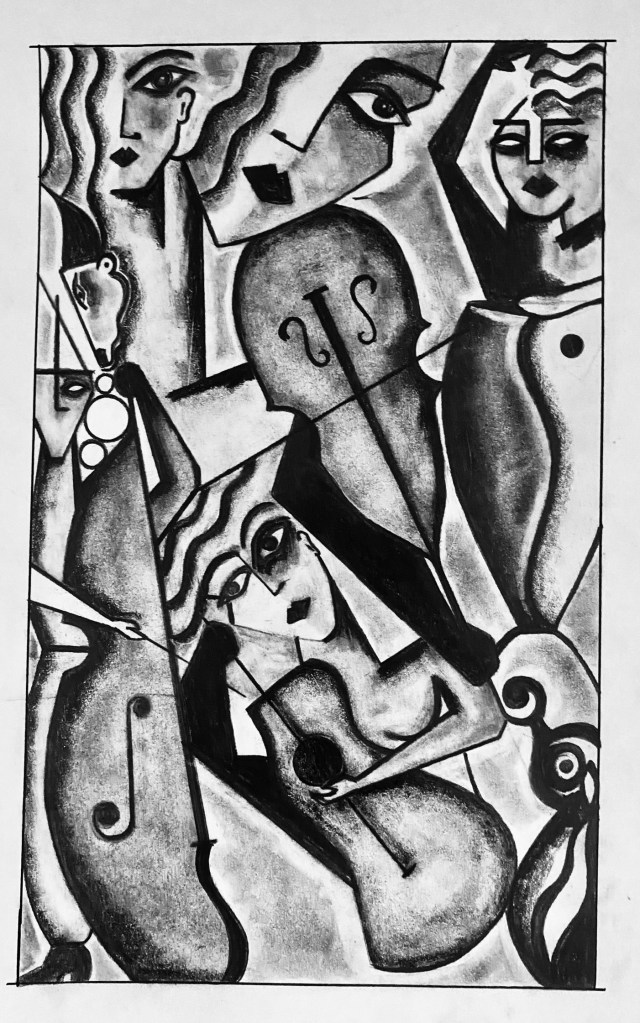
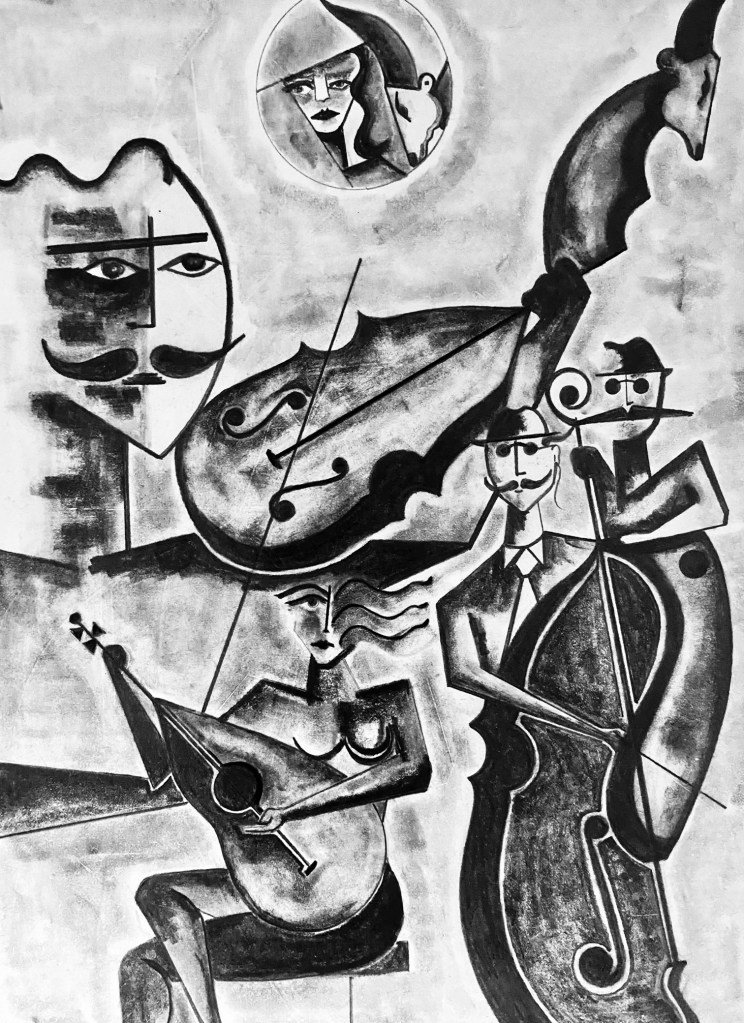
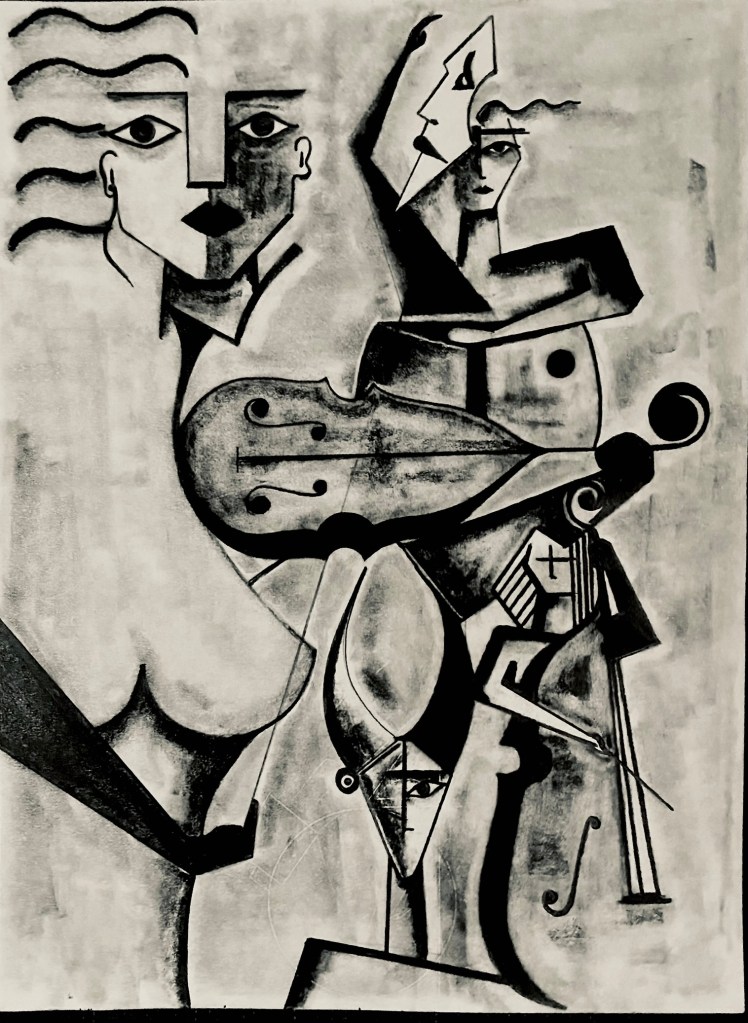
La linea negra guía, guarda, dirige, busca, y da vida a los diseños y a los dibujos. Sin ella, nada…
+++
The black line guides, protects and guards, directs, searches and gives life to designs and drawings. Without her, there is nothing…
GRACIAS – CHEERS
ME ESTOY PONIENDO VIEJO
Ya voy cambiando mi vestir,
mi paso es lento ya al andar,
ya no trasnocho como ayer,
me siento solo aquí en el bar,
Ya van mis días menguando en paz,
voy olvidando lo que fue,
mi voz ya no vibra al cantar,
mis ojos poco pueden ver,
Me voy despacio,
miro al espejo,
me estoy poniendo
viejo…
Me he acostumbrado a este sillón,
en el salón con vista al mar,
ya no navego como ayer,
ya he dado lo que pude dar.
Voy dormitando al caminar,
sueño con todo lo que ayer,
me seducía con ambición,
ya queda poco por hacer,
Me voy despacio,
ya no voy lejos,
me voy poniendo
viejo…
Me cuido del invierno gris,
y de la lluvia de mi hogar,
prefiero olvidar lo que fui,
prefiero no poder pensar.
Ya pocos conozco en el bar,
ya hay otras caras, juventud,
ya mis amigos ya no están,
ya he dominado mi inquietud.
Me voy despacio,
faltan reflejos,
Me estoy poniendo viejo…
Me voy tranquilo a recostar,
mis huesos contra la pared,
viejos fantasmas conjurar,
un vino calma ya mi sed,
Me voy hablando
con mi cortejo,
me voy poniendo
viejo…
NOTA BENE
Quizá no lo aceptes tu, pero yo digo que la vejez es solitaria. No importa cuantos amigos, cuantos hijos, nietos, mujer o hermanos tengas a tu lado, vas a envejecer solo. No importa si vives con la familia, en una residencia o en tu piso, como siempre, envejecerás solo y en silencio. Tus años irán aumentando y así tu soledad. Mientras más viejo te pongas más pensarás en el pasado y más detalles del mismo olvidaras, o quieras olvidar. Como la vejez, esas cosas no se pueden evitar. Acostúmbrate, vetusto soñador, a todo esto. Y una cosa más te digo, no te asustes de los fantasmas que, al caer la noche, se acomodan en las butacas de tu salón. Son tus viejos amigos son los únicos que te harán compañía. Quizá en esas noches no te sentirás tan solo.
Francisco Bravo Cabrera – 03 de julio de 2024 – Valencia, España
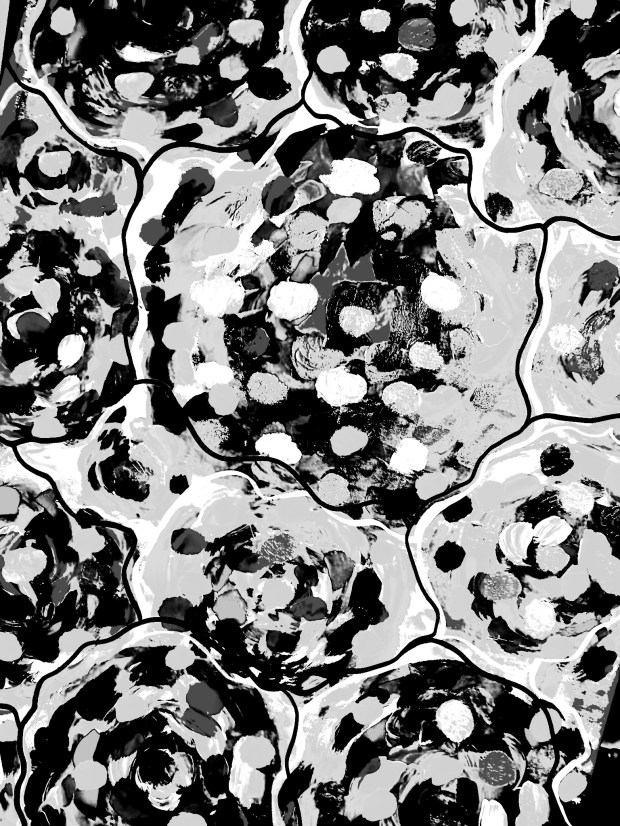
JaZzArT enters another phase, this time exploring another of the art vanguards of the XXth Century, abstract expressionism. Having already delved into surrealism and expressionism (properly speaking) now engages the «search» in this new style. But here I have found a path full of ideas, philosophy, psychology and ample room for advanced creativity. A genuine treasure trove of artistic ideas…
Abstract expressionism developed early in the 20th century, but it did not gain momentum until the late 1940s. Its main proponent was Jackson Pollock, along with Lee Krasner, his wife, and others. The movement is definitely part of abstract art, informalism (meaning abstract expressionism in Europe), and matterism (the same in France). All these styles emerged in Europe after the Second World War. The term was first used in Germany in 1919 in an article published in the magazine Der Sturm about German expressionism. Ten years later (1929), Alfred Barr, the first director of the MoMA Museum of Modern Art in New York, referred to Wassily Kandinsky’s works as abstract expressionism.
Features of the movement, sometimes known as the New York School: Large sizes; although they are abstract, that is, without figuration, there are exceptions and many contain traces of figuration; the canvases contain a lot of geometry; the coverage of the entire surface of the canvas (all over) without hierarchy between the different parts of the canvas; chromaticism, often limited to black and white but many are also done with primary colours; one can also find canvases with a single color (minimalism); the strokes of color are violently made, representing anguish and emotions.
+++++
I was always confused because abstraction is, well, abstract art. And for expressionism to make visual and visceral sense, it has to have figuration. So I wondered, if it’s an abstract painting, how can it also be expressionist? Why not just call it abstract art and be done with it?
Since I couldn’t make heads or tails of it, I did what I should have done from the beginning, paint one. When I painted my first abstract expressionist canvas, I searched for the difference and I found it; I learned. The revelation is that the difference between painting an abstract (properly speaking) and painting an expressionist abstraction is experienced and discovered while painting it.
Pure abstraction is relatively passive, while abstract expressionism is active and requires much more physical involvement from the painter. Even when making strokes of color, creating geometric shapes, and other purely abstract aspects on the canvas, you are filling it with emotion, movement, and action. In addition, hints of figuration are allowed, and this already changes the whole panorama and clearly shows the difference between pure abstraction and abstract expressionism.
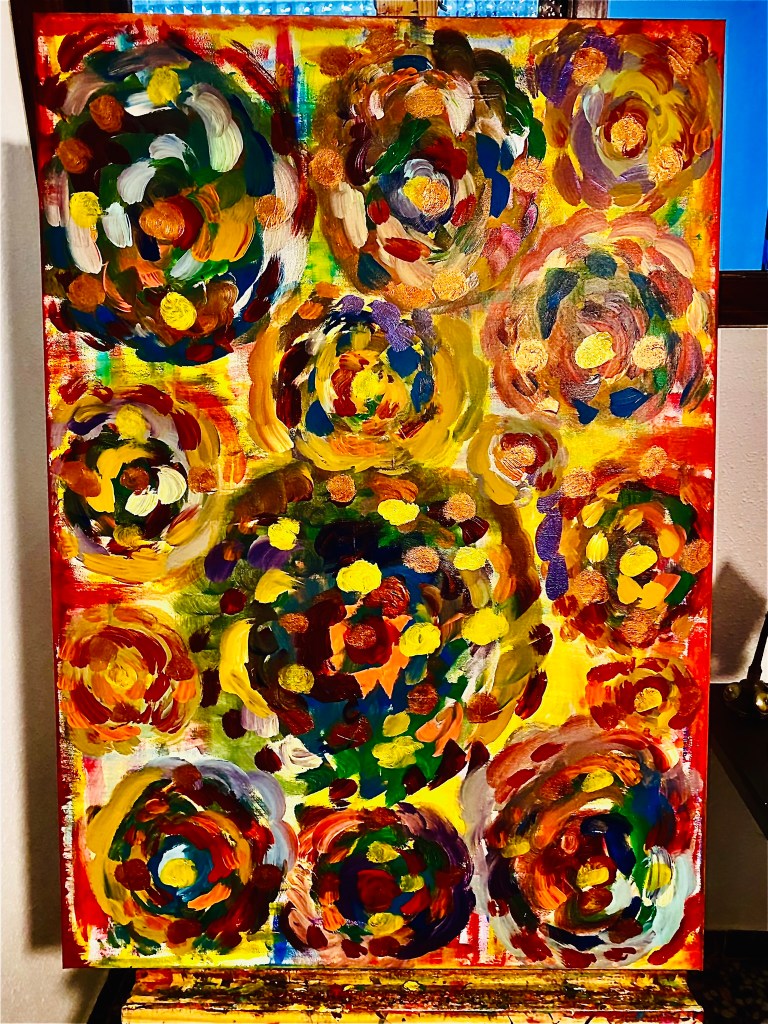
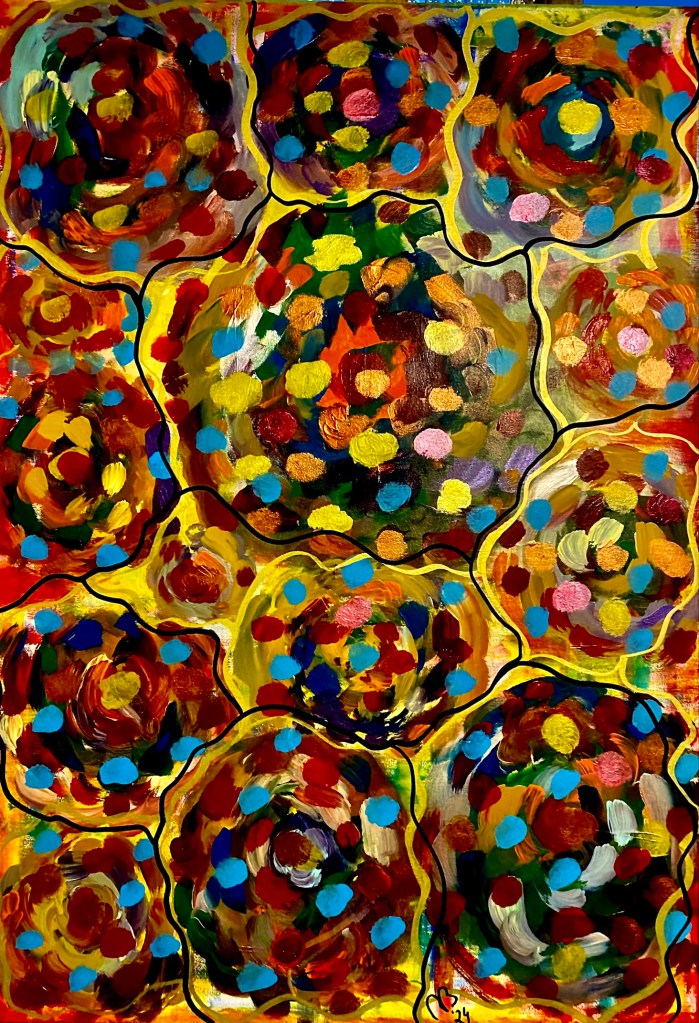
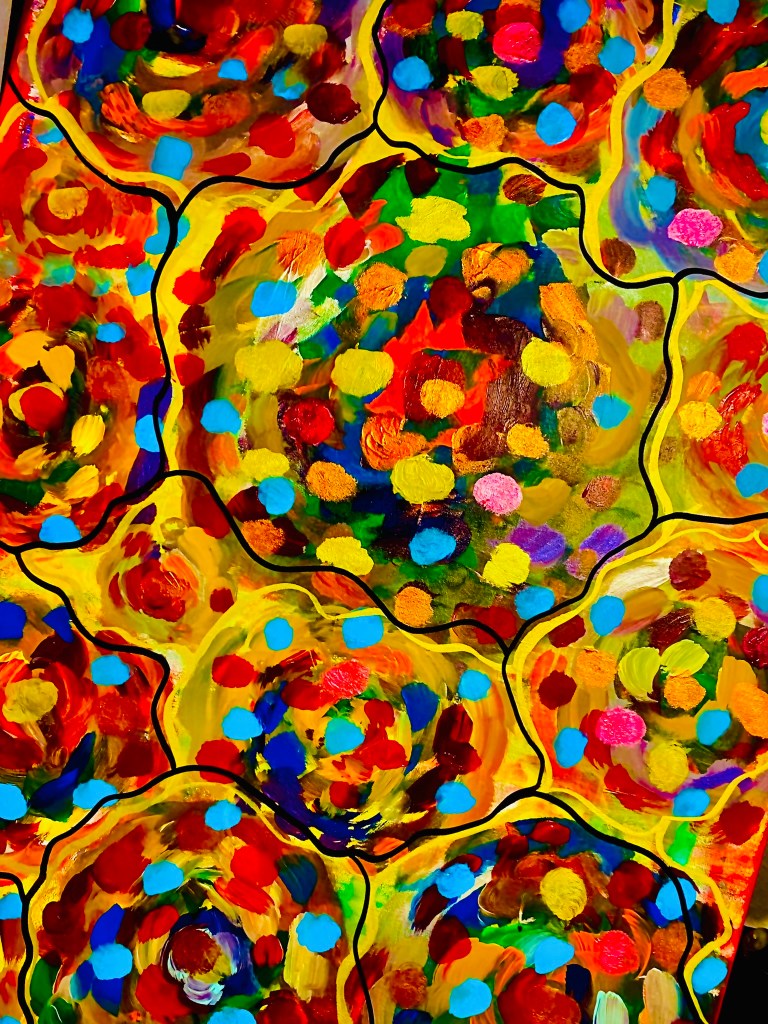
«Here, in its three stages of development, is my first painting of the genre:»
«Flors«
CHEERS
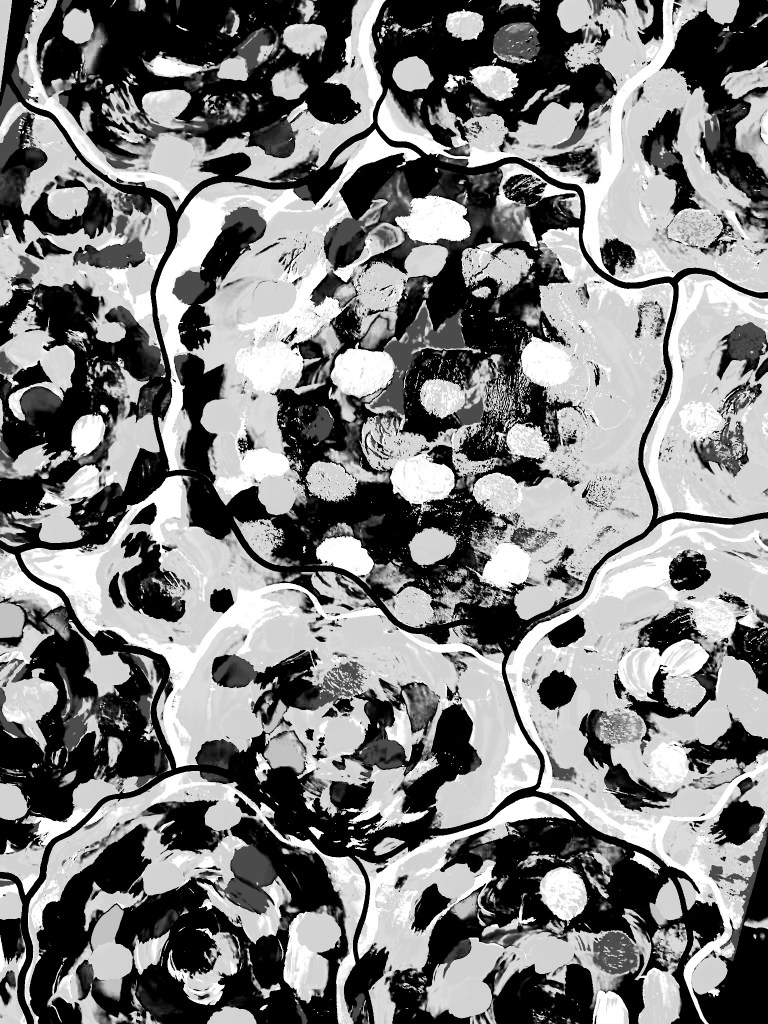
El JaZzArT entra en otra de las vanguardias del siglo pasado, el expresionismo abstracto. Ya había incursionado en el surrealismo y en el expresionismo (propiamente dicho) y ahora en esta nueva etapa, en este nuevo estilo, he encontrado un camino colmado de ideas, filosofía y creatividad, tela marinera para crear…
El expresionismo abstracto se desarrollo temprano en el Siglo 20, pero no cogió auge hasta fines de la década de los años 1940. Su mayor proponente fue Jackson Pollock y Lee Krasner, su mujer, entre otros. Definitivamente el movimiento forma parte de la abstracción, las tendencias informalistas (o sea el expresionismo abstracto en Europa) y en las pinturas matéricas. Todos estos estilos surgieron en Europa después de la Segunda Guerra Mundial. El término se utilizo, por primera vez, en Alemania en 1919 en un articulo publicado en la revista Der Sturm acerca del expresionismo alemán. Diez años después, (1929), Alfred Barr, (el primer director del MoMA Museo de arte moderna de Nueva York), le llamo expresionismo abstracto a las obras de Wassily Kandinsky.
Características del movimiento, conocido como la Escuela de Nueva York: Grandes tamaños; aunque son abstractos, o sea sin figuración, hay excepciones y en muchos hay trazos de figuración; las telas contienen mucha geometría; la cobertura de toda la superficie de la tela (all over) sin jerarquía entre las distintas partes del lienzo; el cromatismo es a veces limitado al blanco y el negro pero también se usan colores primarios; pueden encontrarse telas con un solo color (minimalismo); los trazos de color se pintan violentamente (action painting) representando la angustia, la alegría, en fin, las emociones.
+++++
A mi siempre me confundió el termino porque la abstracción es, bueno, la abstracción y el expresionismo, para que tenga sentido visual y visceral, tiene que tener figuración. Entonces yo me preguntaba, ¿Si es un cuadro abstracto, como va ser también expresionista? ¿Por qué no se le llama abstracción y basta?
Como no le encontraba pies ni cabeza, hice lo que tenía que haber hecho desde el principio, pintar uno. Al pintar mi primer lienzo expresionista abstracto me di cuenta de la diferencia. Aprendí. La gran diferencia entre pintar una abstracción (propiamente dicha) y pintar una abstracción expresionista se vive, y solo se descubre al pintarlo.
La abstracción pura es relativamente pasiva, mientras que el expresionismo abstracto es activo y requiere mucha más participación física por parte del pintor. Pues aún haciendo trazos de colores, creando formas geométricas y otros aspectos puramente abstractos sobre la tela, la estás llenando de emoción, de movimiento, de acción. Además se permiten rasgos de figuración y esto ya hace que cambie todo el panorama y se vea, claramente, la diferencia entre la abstracción pura y el expresionismo abstracto.
Aqui, en sus tres etapas de desarrollo, mi primer cuadro del genero:
«Flors«
GRACIAS
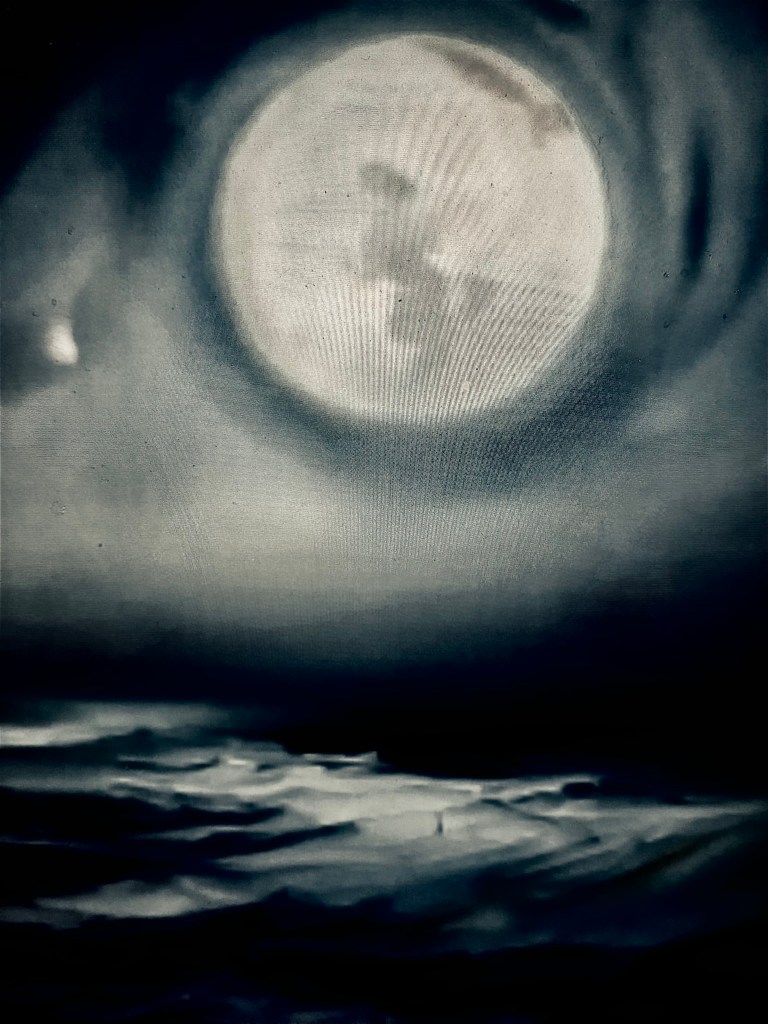
De dos siempre queda uno,
de dos amigos,
de dos amantes,
de dos compinches,
de dos vaqueros,
de dos macarras,
de dos brujos,
de dos viajeros,.
yel que queda, ese, hace el cuento.
Uno muere,
el otro sigue,
se lamenta, quizá,
o quizá olvide…
Pero este cuento lo hago yo,
el fantasma que quedó,
el difunto,
el enterrado,
el otro, el malogrado…
Si no conoces el cuento
de los espíritus que dentro
de rincones se esconden,
léeme esto cinco veces
y veras como asi crecen,
con carne y huesos presentes
delante de ti convergen.
2024, Francisco Bravo Cabrera – 01/07/2024 – Valencia, España
Have a WordPress.com account? Log in now.

