(«Domenikos» obra original de FBC/Derechos Reservados – Original work by FBC/All Rights Reserved)
Domḗnikos Theotokópoulos, mejor conocido como «El Greco» fue un gran maestro del renacimiento español. Este pintor del S. XVI nació en la isla de Creta. Hay que conocerlo bien y el vídeo te lo dirá todo. Disfrútalo…
+++
Domḗnikos Theotokópoulos, better known as «El Greco» was a great master of the Spanish Renaissance. This XVI Century painter was born on the island of Crete. You have to get to know him well and this video will guide you. Enjoy…
(«Art Digital-Castellfollit de la Roca» de/by Francisco Bravo Cabrera)
Oigo por aquí y por allá las voces que me repiten…ad nauseam…que el arte es subjetivo y que todo el mundo lo define a su manera; que cada quien tiene derecho a juzgar las obras de arte según sus gustos; que todos somos artistas etcetera etcetera etcetera.
Vale, que piensen lo que quieran, pero si el arte fuera subjetivo entonces ¿Cómo vamos a determinar si una pieza, digamos hecha sobre un lienzo, es una obra de arte o no? Lo subjetivo no tiene substancia asi que no, el arte no es subjetivo. Los gustos sí lo son.
El arte es totalmente objetivo. Se denominan objetos de arte porque tienen substancia, forma, color, intención y función. El objeto de arte existe, es parte de la realidad, y hecho para cumplir con el deseo del artista…
Si todos fuéramos artistas, como dicen algunos, entonces ninguno lo seriamos ya que no se sabría distinguir entre el arte y todo lo demás que nos rodea. Todos no somos artistas, pero todos sí todos somos creativos ya que la creatividad nos permite hacer muchísimas cosas, necesarias o frívolas, en nuestra vida…
Y finalmente lo que es arte y lo que no, no lo determinas tu ni yo. El «mundillo del arte», digamos, los «expertos», han decidido que las «verdades», la mayoría establecidas durante el auge de las vanguardias del Siglo XX, propusieron una solución, si un artista dice que esto, cualquier cosa, es arte, lo es y por ad infinitum lo será… Así que ponte al día y no repitáis las chorradas de esos que andan por ahí diciendo que tu, el espectador, la gente, el hampa, decide lo que es arte… Entonces reconoce que el urinal de Duchamp, «Fuente», la mierda de Piero Manzoni, «Merda d’Artista», y las «creaciones conceptuales» de Yoko Ono, (y de tantos otros «artistas conceptuales»), todas son obras de arte porque están hechas por artistas…
+++
I hear voices here and there repeating to me…ad nauseam…that art is subjective and that everyone defines it in their own way; that everyone has the right to judge works of art according to their tastes; that we are all artists, etcetera, etcetera, etcetera.
Fine, they can think whatever they want, but if art were subjective, then how would we determine whether a piece, let’s say made on a canvas, is a work of art or not? The subjective has no substance, therefore art is not subjective. Tastes are.
Art is completely objective. They are called art objects because they have substance, form, color, intention, and function. The art object exists, it is part of reality, and is made to fulfil the artist’s desire…
If we were all artists, as some people say, then none of us would be, because we wouldn’t know how to distinguish what is art from everything else that surrounds us. Not everyone is an artist, but everyone is creative since creativity allows us to do many things, necessary or frivolous, in our lives…
And finally, what is art or not is not determined by you or me. The «art world,» let’s say, the «experts,» have decided that the «truths,» mostly established during the heyday of the art vanguards of the 20th Century, taught us that if an artist says that this, anything, is art, it is and will be so ad infinitum… So get with the programme and don’t repeat the nonsense of those who go around saying that they decide what is and what is not art, because that is not determined by you, the viewer, the people, the mob… So Duchamp’s urinal, «Fountain», Piero Manzoni’s shit, «Merda d’Artista», and Yoko Ono’s «conceptual creations», (as well as the work of so many other «conceptual artists»), are all works art because they said so, and they are «artists»…
I moved to Miami Beach in 1985 and it was totally a third world city, until the 90’s came and started turning it into «little SoHo» and later «SoBe» and those days I’ve captured in some interesting photographs…
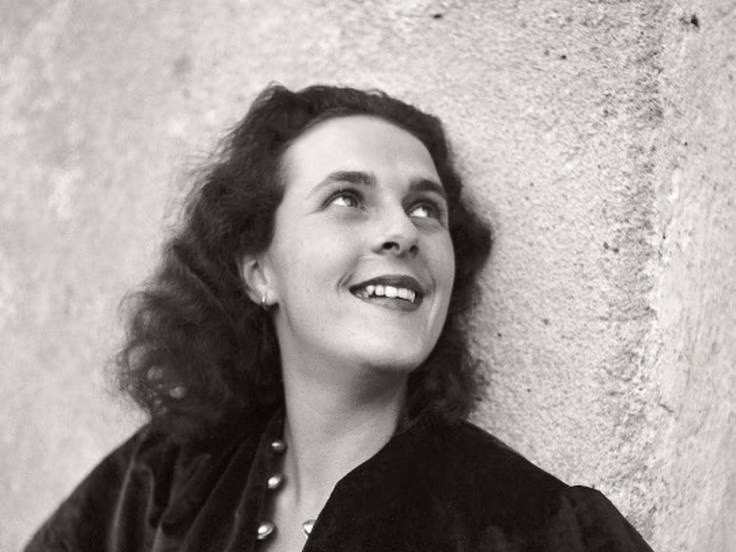
I often wondered why they never spoke to me about Leonora Carrington in art school… And now I know why… I think you will discover the reason while watching… If not, let’s talk about it…
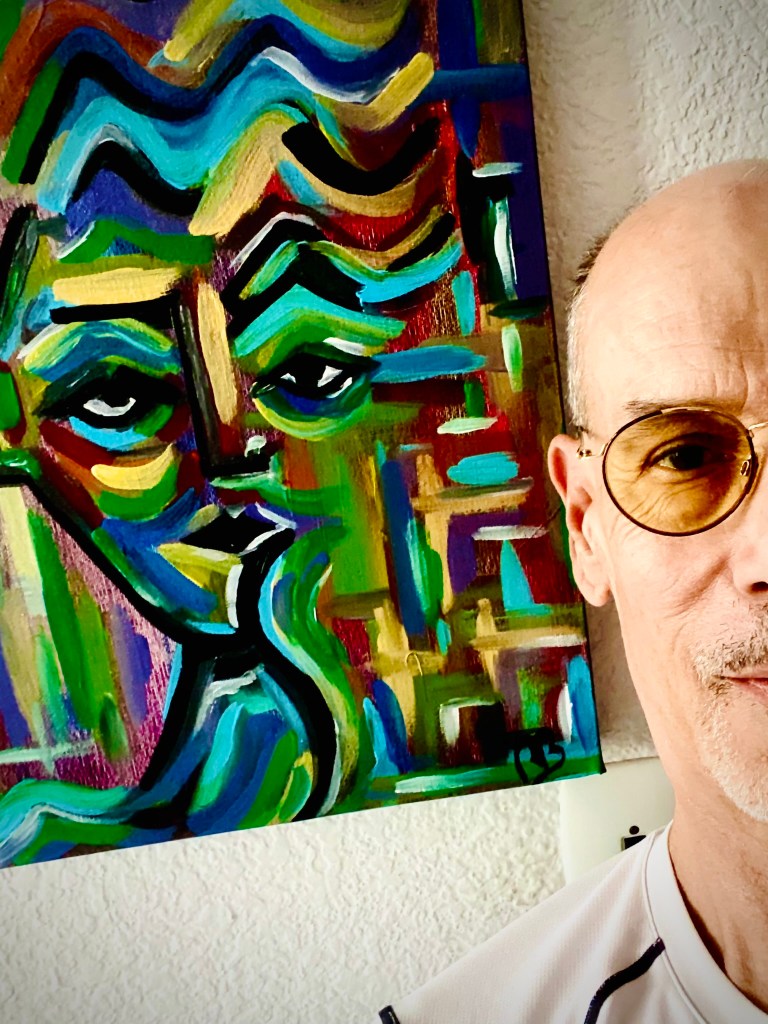
[With «Danny-Boy» and Francisco (actor portrayal)/All Rights Reserved]
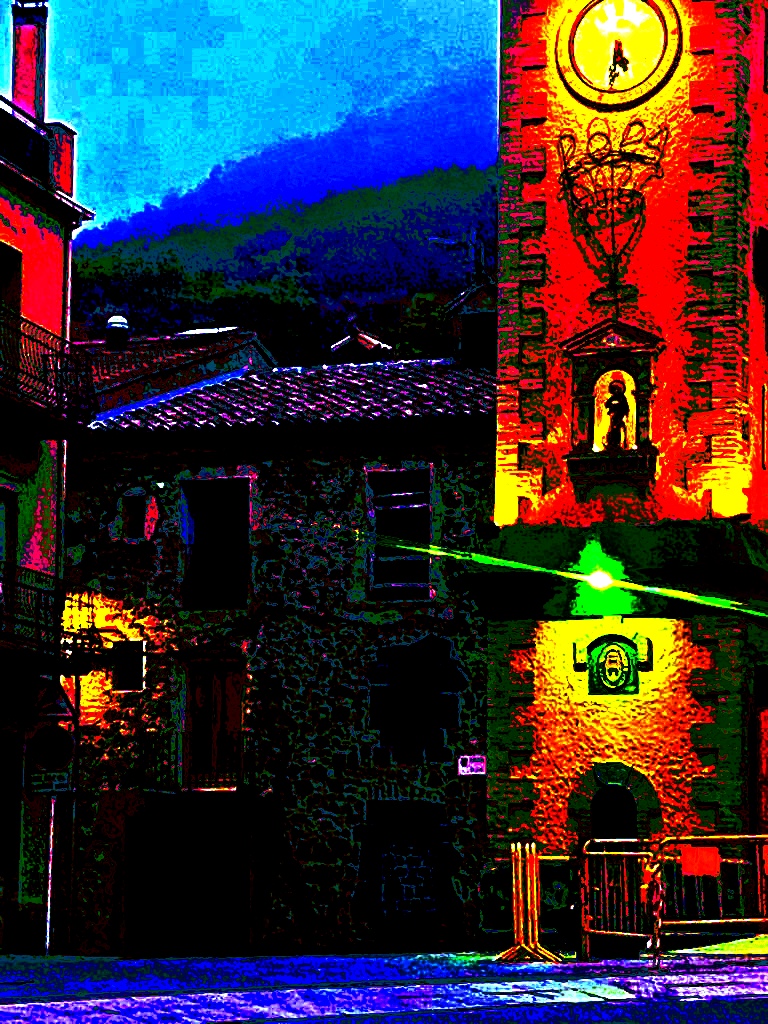
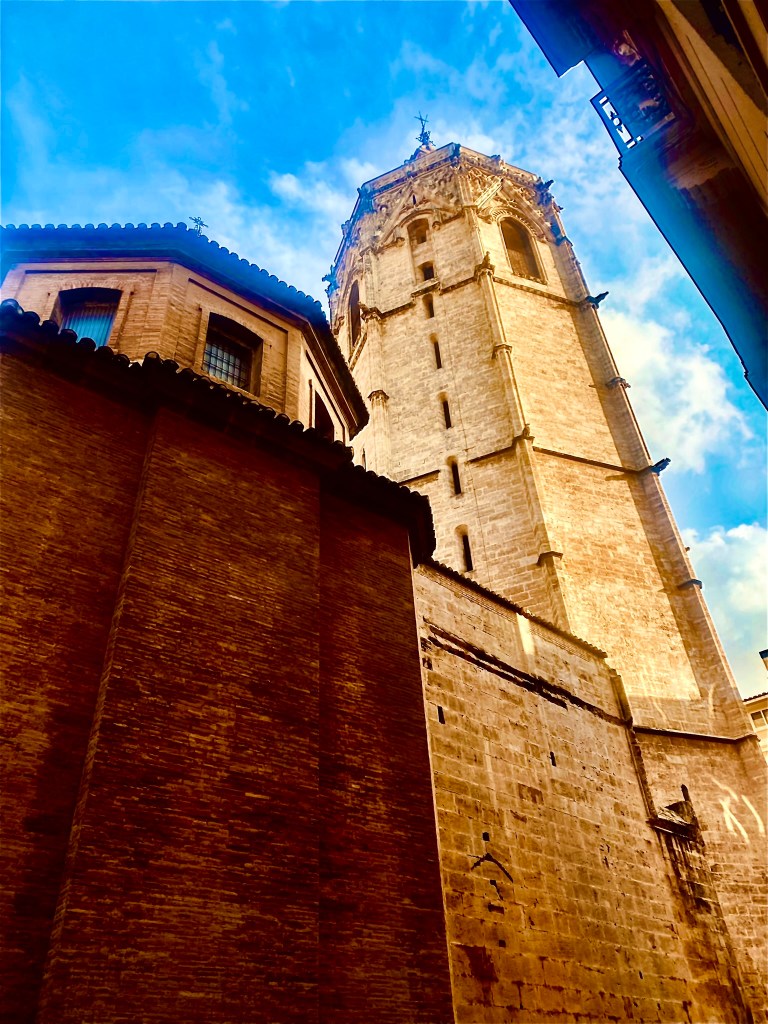
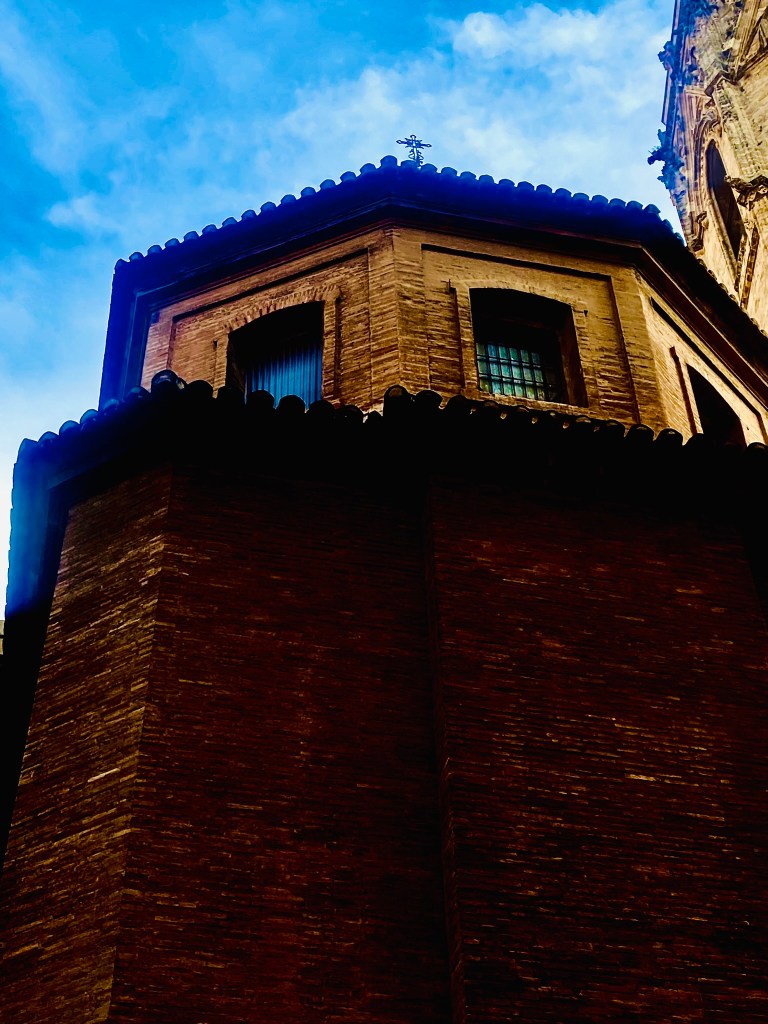
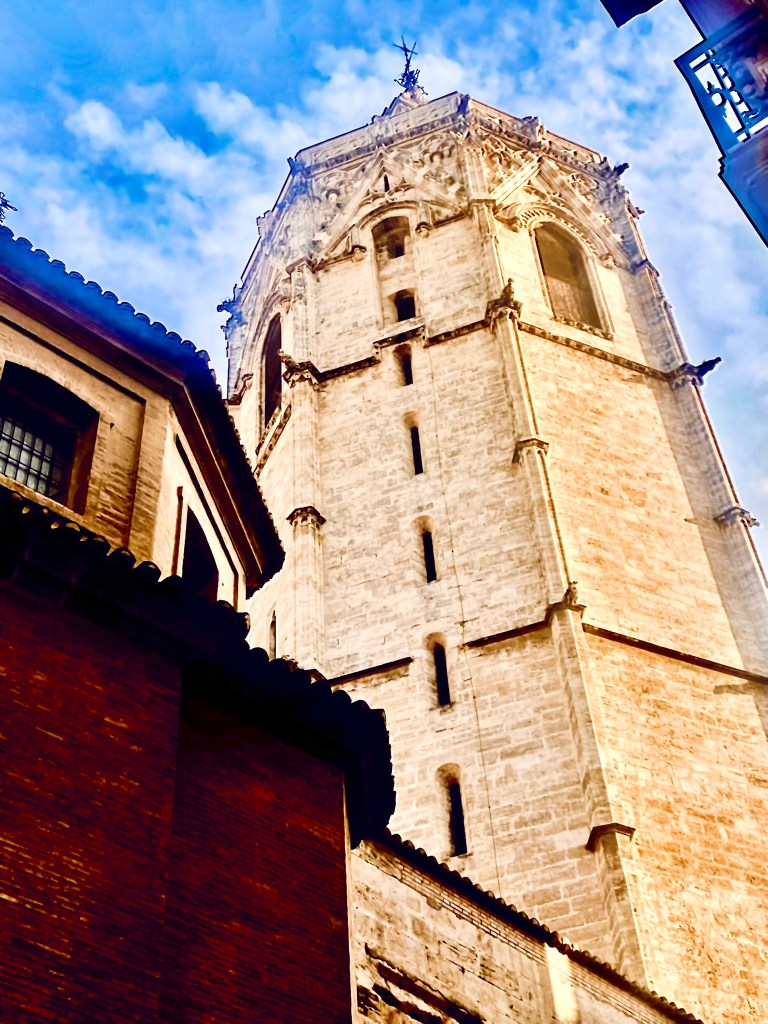
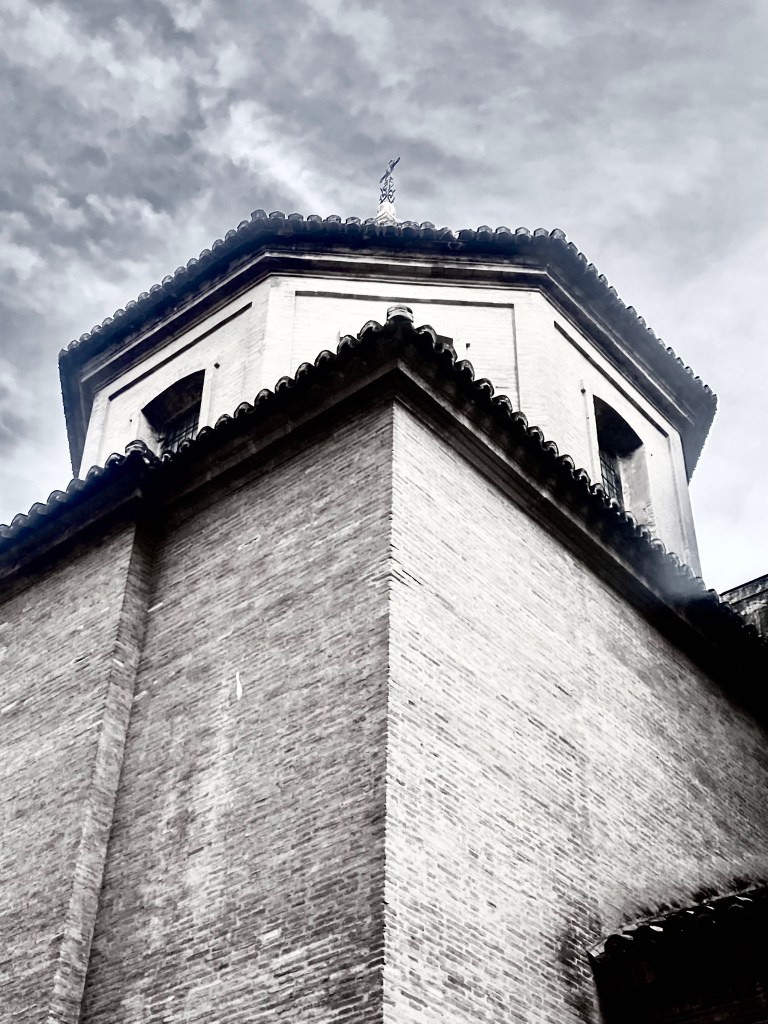
People talk about «inspiration» when they think of the process of creating art. I never think of such a thing. Perspiration is more likely to provide insight and ideas for a work of art than some superstitious belief in muses or such other elements designed to, supposedly, inspire. So I live in a very ancient city, actually it was built in the days of the Roman Empire. Here I find «inspiration» in many things, but mostly the gothic buildings…
(photos by Francisco Bravo Cabrera/All Rights Reserved)
Here is just one angle of the Micalet, the bell tower of the Cathedral of Valencia… It is truly amazing and inspiring…
(photo property of Francisco Bravo Cabrera/All Rights Reserved)
Although I am not a landscape painter, I do learn and find many elements in architecture and in the natural world. Everything comes from the natural world that surrounds us. Even my abstract art takes root there and there hides its references. There is no such thing as an abstract, everything proceeds from something. Earth, life, the Universe, the «everything,» is a product of creativity, it is creation, not evolution. In art there is no such thing as evolution. There is always creation, development and spirit…
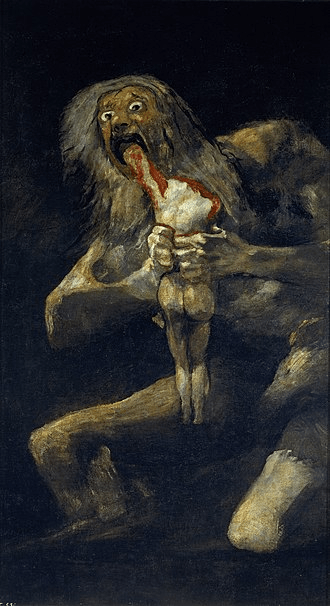
No debemos pensar que el arte tiene que ser siempre algo bonito, elegante, decorativo y digno de nuestro salon porque el arte es un dialogo, e igual que los diálogos en la vida real, algunos son agradables otros inquietantes…
+++
We should not think that art always has to be something beautiful, elegant, decorative, and worthy of our salon, because art is dialogue, and just like real-life conversations, some are pleasant while others are unsettling or disturbing…
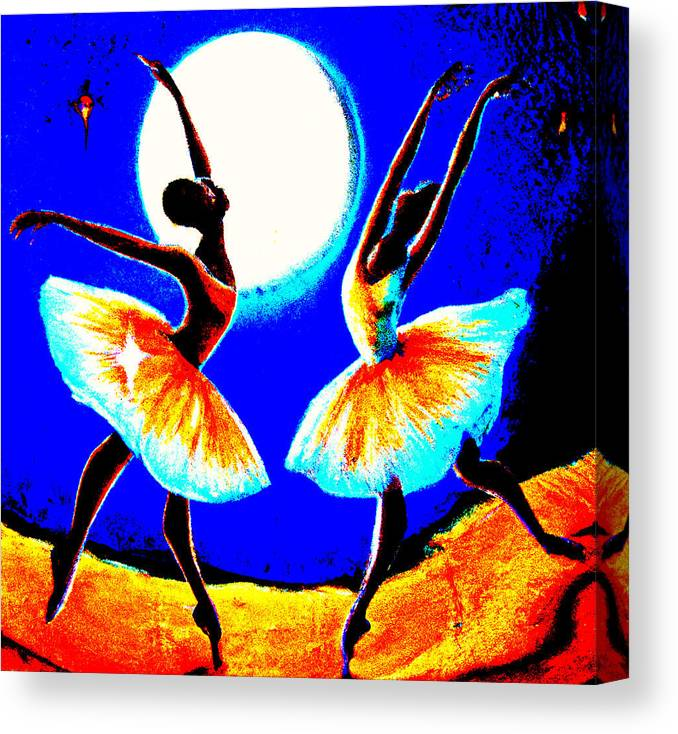
The image you see is original art and available as a fine art print only through Fine Art America. This is the canvas print version, but there are more to choose from. Check out my galleries at Fine Art America and do it often as I change images often as well. Support original art…
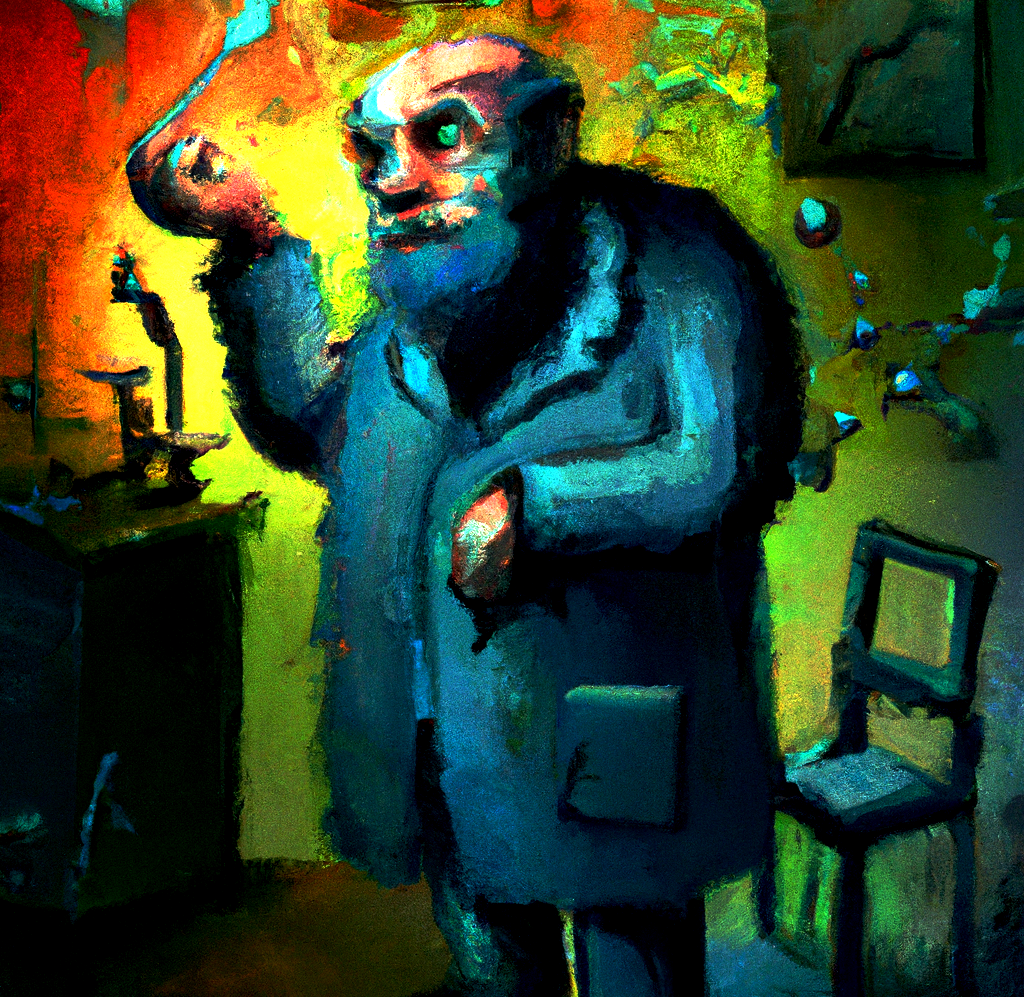
(«The Mad, Mad Evolutionist» by Francisco Bravo Cabrera/All Rights Reserved)
According to the «experts»… oh my, those «experts»… there are proofs and evidence to declare that the «theory» of evolution is a reality, but… I am not convinced by either Darwin or Alfred Russel Wallace… Man, like art, is not a product of evolution.
«How? But what are you saying? Well, I’m going to tell you…»
First, I will tell you about humans, I mean, those who’ve not descended primates (only a lunatic would believe that). If someone wants to have simian ancestors, well, they can enjoy them and go visit them at the zoo. But it is absurd to think that we descend from monkeys. If that were the case, there would no longer be any monkeys because they would have all evolved into men and women. Yes, I know, it’s a somewhat frivolous argument, but it remains valid. Sometimes the simplest things are the truest. That we resemble each other in certain aspects or that we have similar organs that serve the same function, well, dogs, cats, ferrets, otters, lizards, and even fish also have them.
And what of art?
Art does not evolve because it has always been. From the first sketches, drawings, and paintings made in caves to the graffiti done by vandals on the walls of our cities, art is, has been, and will always be a fait accompli, let’s say a done deal.
That times and styles have changed, yes, no doubt. But that is not evolution, that is development. Until the era of the Impressionists, artists only painted what they were asked for. That is why many of the oldest artists did not consider themselves «artists» but rather artisan painters who fulfilled the commissions they were given.
Art changed according to the success of the searches/experiments/trial and errors made by artists who became pioneers and avant-gardists. But until that precise moment in history arrived, it couldn’t be. After the liberty that art achieved in the 19th century, the vanguards of the 20th century came and art completely changed. But it was all due to the search and what they found, as Picasso said, «I do not seek, I find…»
So let us stop thinking about these pseudo-scientists, half mad, half crazy that have put these fireflies in our heads. Let us instead look with a critical eye at the life that surrounds us, at the people too and at art. Art shines, surges, and embraces us with unquenchable strength, the power of truth. Man, like art, did not evolve, but was created perfect.
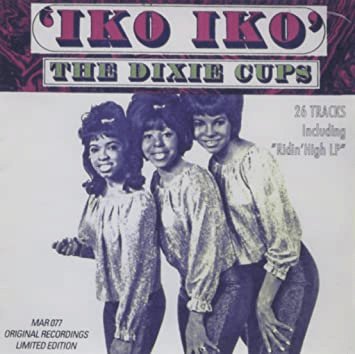
Esta canción «Iko Iko» habla del enfrentamiento de dos tribus de indios del Mardi Gras (Mardi Gras Indians) en Nueva Orleans. Bueno, no me voy a liar, hay que ser de Nueva Orleans para entender esto. Pero no para gozarlo, bailarlo, cantarlo y gritarlo por las azoteas. La otra letra jock-a-mo es un grito de guerra de los indios, bueno, al menos eso he leído…
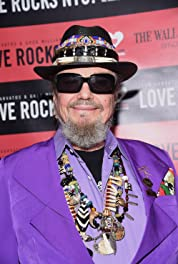
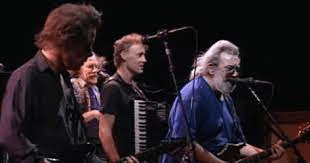
Hay muchas versiones, comenzando por la del propio autor, James «Sugar Boy» Crawford and his Cane Cutters, (1953), The Dixie Cups (1965), el legendario Dr. John (1972), The Grateful Dead (1977), y en 2021, la adaptación del artista Justin Wellington de Papua Nueva Guinea, que la tituló «Iko Iko (My Bestie)», se convirtió en un hit internacional debido a un desafío en Tik Tok.
(Dr. John, 1977)
Y no me preguntéis que significa la letra, cantadla y disfrutadla…
«Iko Iko» is a song about two tribes of Mardi Gras Indians who confront each other in New Orleans. But, hey, I don’t want to get caught up in the confusion, so just enjoy the song and dance to it! The phrase jock-a-mo is a war cry of the Indians, I guess…
(The Greatful Dead 1991, photo JamBase
There are many versions of this song beginning in 1953 with the one by its composer James «Sugar Boy» Crawford and his Cane Cutters, (1953), The Dixie Cups (1965), the legendary Dr. John (1972), The Grateful Dead (1977), and in 2021, Justin Wellington, a singer of Papua Nueva Guinea, recorded a version he titled «Iko Iko (My Bestie)», which became an international hit after a Tik Tok challenge.
(2021)
Well, don’t ask me what the words mean, just dance and sing it on the rooftops!



 JaZzArt en València