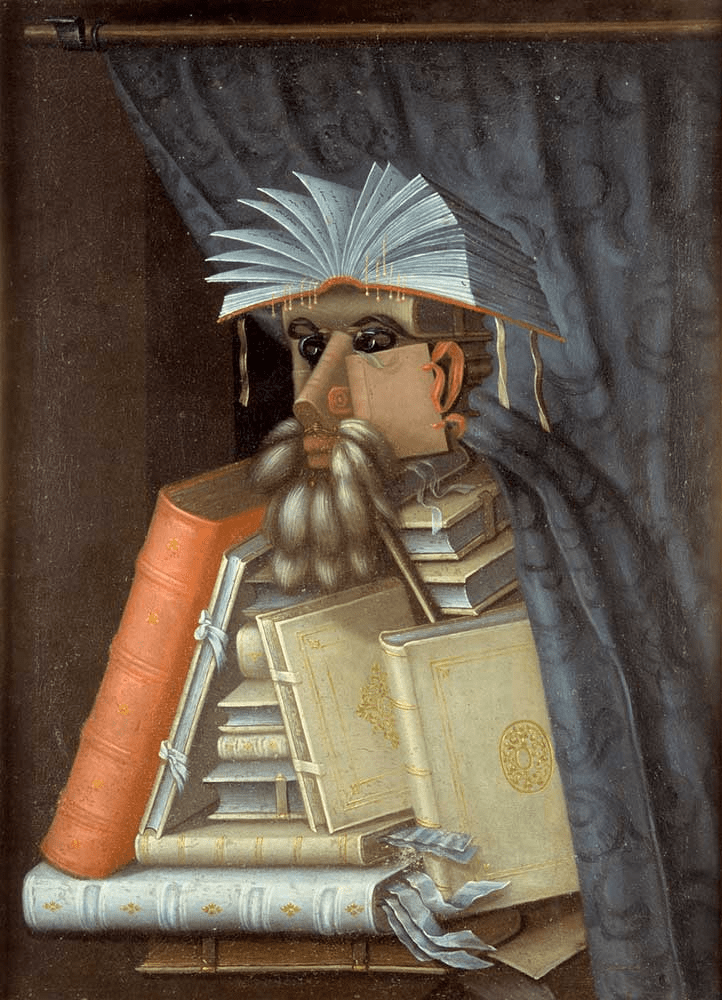
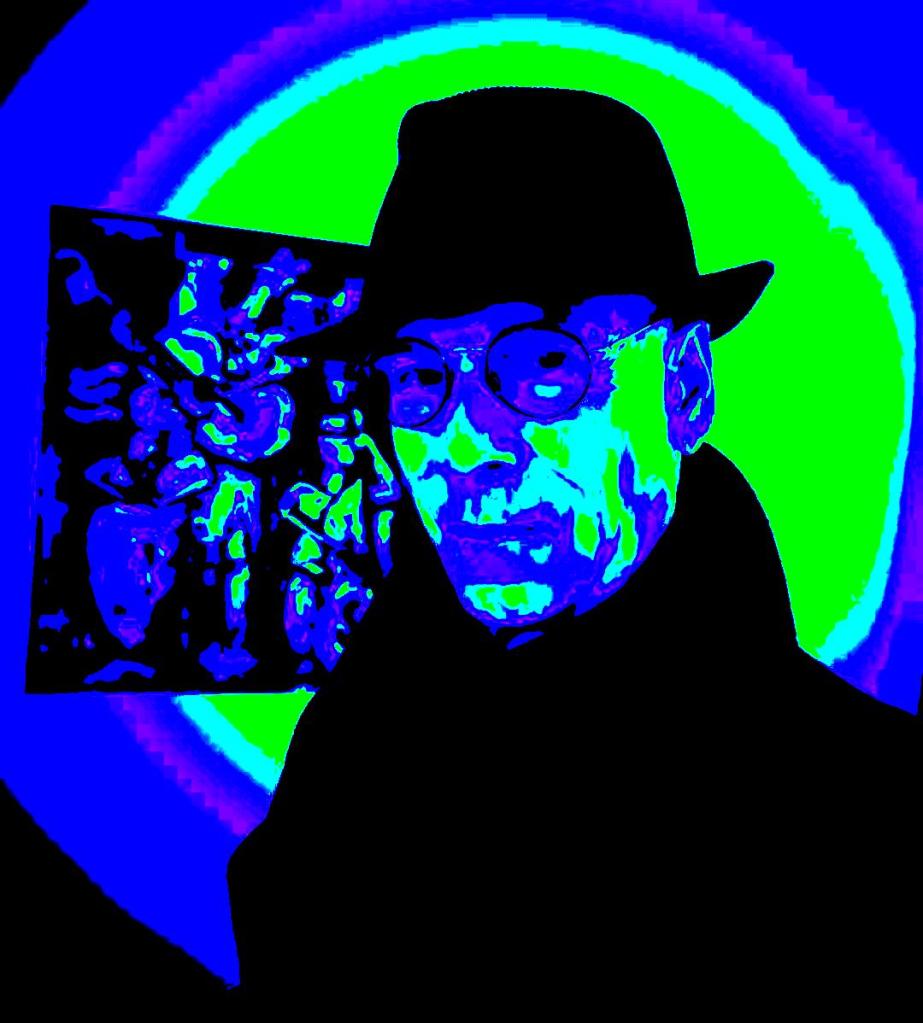
(«El trompetista» de/by Francisco Bravo Cabrera/Derechos Reservados/All Rights Reserved)
Si, la trompeta anuncia una nueva sección de nuestro blog/revista de arte VALENCIARTIST. Vamos a presentaros a los poetas, escritores y artistas que hemos conocido a través de nuestros años en WordPress. Comenzamos el lunes 27 de mayo 2024 a las 0600 horas (en Europa occidental).
Si quieres unirte a este grupo, te haremos una breve entrevista y publicaremos una muestra de tu obra y daremos el nombre y el link de tu blog. Avísanos con tu correo electrónico y te mandaremos la información completa.
Comenzaremos con escritores (y poetas) primero y después todos los demás…
+++ +++ +++
Yes, the trumpet announces a new section of our art blog/magazine VALENCIARTIST. We’re going to introduce you to the poets, writers, and artists we’ve met through our years on WordPress. We start on Monday, May 27, 2024, at 0600 hours (Western Europe time zone).
If you want to join this group, we will conduct a brief interview with you and publish a sample of your work, as well as provide the name and link to your blog. Send us your email and we will reply with the complete information.
We will start the series with the writers (and poets) and later every one else…
Creo que no me equivoco al decir que Norman Rockwell es uno de los artistas más famosos y más reconocidos de Estados Unidos, porque lo es… Rockwell, se puede decir que pintaba la cultura de esa gran nación, plasmaba la cotidianeidad de ese pueblo en sus telas o ilustraciones con esmero y con gran sentido del humor. La revista estadounidense The Saturday Evening Post está llena de portadas ilustradas por este pintor e ilustrador norteamericano… Rockwell también hizo portadas para la revista de los Boy Scouts of America y fue un pintor prolífico con mas de cuatro mil obras terminadas… Fue un pedazo de pintor el tío. Ilustró más de 40 libros, clásicos como Tom Sawyer y Huckleberry Finn, e hizo retratos de los presidentes estadounidenses Eisenhower, Kennedy, Johnson y Nixon, y de otros famosos como Judy Garland y el Coronel Sanders (1973) y como si fuera poco también creó obras de arte para anuncios de Coca-Cola, Jell-O, y General Motors… Pero Rockwell no es considerado un artista serio, sino uno kitsch y muchos para rebajarlo de categoría decían que no era un artista, que lo que lo calaba bien era el título de ilustrador. Esto no le molestaba a Norman pues eso mismo se consideraba el… pero más adelante en su carrera Rockwell si pintó cuadros con temas serios como el racismo de muchos en EEUU y la falta de derechos civiles por los cuales lucharon los negros al comienzo de la década de 1960. Cuadros como «El problema con que vivimos» (1964) ejemplifica esa seriedad en sus pinturas… Norman Rockwell nació en Nueva York en 1894 y murió a los 84 años en Stockbridge, Massachusetts en 1978.
+ + +
I think I am not wrong in saying that Norman Rockwell is one of the most famous and recognized artists of the United States, because he is… Rockwell, can be said to have painted the culture of that great nation, capturing the everyday life of that people in his canvases and illustrations with care and a great sense of humor. The North American magazine The Saturday Evening Post is full of covers illustrated by this North American painter and illustrator… Rockwell also made covers for the Boy Scouts of America magazine. He was a prolific painter with over four thousand completed works… He was quite a painter, indeed. He illustrated more than 40 books, including classics like Tom Sawyer and Huckleberry Finn, and made portraits of American presidents like Eisenhower, Kennedy, Johnson and Nixon, and of other celebrities like Judy Garland and Colonel Sanders (1973) and, as if that weren’t enough, he also created artworks for advertisements of Coca-Cola, Jell-O, and General Motors… But Rockwell is not considered a serious artist, but rather a kitsch one, and many tried to downgrade him by saying that he was not an artist, that he was better defined by the title of illustrator. This did not bother Norman as he considered himself just that… but later in his career, Rockwell did paint serious subjects such as the racism of many in the U.S. and the lack of civil rights fought for by African Americans at the beginning of the 1960s. Paintings like «The Problem We All Live With» (1964) exemplify that seriousness in his artwork… Norman Rockwell was born in New York in 1894 and died at the age of 84 in Stockbridge, Massachusetts in 1978.
(«The Problem We All Live With»/1964/Dominio Público/Public Domain)
Este cuadro fue expuesto en la casa blanca del Presidente Barack Obama (2011)… El cuadro pone de relieve a la niña Ruby Bridges de 6 años camino a la escuela primaria William Franz, que era solo para niños blancos, el 14 de noviembre de 1960, en Nueva Orleans. Por las amenazas de violencia contra ella, Ruby va escoltada por cuatro agentes federales y en la pared, detrás de ella, se ven los insultos de nigger y las siglas KKK junto a un tomate aplastado y salpicado que algún racista lanzó contra la pared.
+++
This painting was exhibited in President Barack Obama’s White House (2011)… The painting highlights 6-year-old Ruby Bridges on her way to William Franz Elementary School, which was for white children only, on November 14, 1960, in New Orleans. Due to threats of violence against her, Ruby is escorted by four federal marshals, and on the wall behind her, the insults of nigger and the KKK initials can be seen alongside a squashed and splattered tomato that some racist threw against the wall.
El cuadro Abaporu (1928) de Tarsila do Amaral dio pie al Movimiento Antropofágico para los pintores de Brasil… Estudio arte y pintura con grandes pintores en Brasil y luego en París… Tarsila nació en São Paulo, Brasil en 1886 y murió en la misma ciudad 86 años después… Se le reconoce como una artista modernista… Ha expuesto su obra en Europa y en las bienales de São Paulo y el MoMA expuso su obra siendo Tarsila la primera mujer artista latinoamericana y la octava retrospectiva a nivel latinoamericano después de Diego Rivera, Cándido Portinari, Roberto Matta, Manuel Álvarez Bravo, Armando Reverón, José Clemente Orozco y Joaquín Torres García.
+ + + + +
The painting Abaporu (1928) by Tarsila do Amaral gave rise to the Anthropophagic Movement for Brazilian painters… She studied art and painting with great artists in Brazil and later in Paris… Tarsila was born in São Paulo, Brazil in 1886 and passed away in the same city 86 years later… She is recognized as a modernist artist… She exhibited her work in Europe and in the São Paulo biennials, and her work was displayed at MoMA, making Tarsila the first Latin American woman artist to have a retrospective at that level, following Diego Rivera, Cândido Portinari, Roberto Matta, Manuel Álvarez Bravo, Armando Reverón, José Clemente Orozco, and Joaquín Torres García.
Este artista, que apuesto que no lo conocéis, nació en Van (1904) y es armenio. De hecho nació en la Armenia otomana y en realidad no se sabe la fecha exacta de su nacimiento. Pero si sabemos que adquirió nacionalidad estadounidense (1920) y trabajo extensivamente el arte abstracto. A los 31 años y para encajar bien en su entorno norteamericano, se puso el nombre Arshile Gorky. Gorky estudio en el New School of Design de Boston (1922), ya que vivía con su hermana en Watertown, Massachusetts… Fue profesor de pintura y uno de sus alumnos fue Mark Rothko. Fue influenciado grandemente por Paul Cézanne. De ese periodo se destacan cuadros como «Paisaje al estilo de Cézanne» (1927) y «Paisaje, Staten Island» (1927-1928). Luego, después de atravesar por una época cubista, se decantó por el surrealismo. El fin de Gorky es triste y trágico. Sufrió de cáncer y de un accidente que lo dejó lisiado de tal manera que ya no podía pintar. Su mujer lo abandonó y se llevó consigo sus hijos. Finalmente, en 1948, Gorky se ahorcó. Tenía 44 años al morir en Connecticut.
+ + + + +
This artist, whom I bet you don’t know, was born in Van (1904) and is Armenian. In fact, he was born in Ottoman Armenia and the exact date of his birth is not known. Presently Van is a Turkish city. But we do know that he acquired American citizenship (1920) and extensively worked his art. At the age of 31, in order to fit in well with his American environment, he took the name Arshile Gorky. Gorky studied at the New School of Design in Boston (1922), since he lived with his sister in Watertown, Massachusetts… He was a painting teacher and one of his students was Mark Rothko. He was greatly influenced by Paul Cézanne. Notable works from that period include paintings such as «Landscape in the Style of Cézanne» (1927) and «Landscape, Staten Island» (1927-1928). Later, after going through a cubist period, he leaned towards surrealism. Gorky’s end is sad and tragic. He suffered from cancer and an accident that left him so disabled that he could no longer paint. His wife left him and took their children with her. Finally, in 1948, Gorky hanged himself. He was 44 years old when he died in Connecticut.
(«El artista con su madre»/»The Artist With His Mother»/1936/Dominio Público/Public Domain)
(«Jardín en Sochi»/»Garden in Sochi«/1941/Dominio Público/Public Domain)
This amazing portrait of Gina Rinehart (the richest women in Australia) was painted by Vincent Namatjira, an aboriginal Australian painter from Alice Springs, Northern Territory. The 40 year old Namatjira is well recognised in his native land, having won the Archibald Prize several times. He is also the great-grandson of watercolourist Albert Namatjira. He began painting in 2012 and was taught art by his wife Natasha. His foray into portrait painting began the following year and his first portrait was of his great-grandfather Albert. Since he began painting his work has been exhibited… When asked about his style or of comparisons with his great-grandfather, this is what Namatjira had to say: «…I paint the way I paint, with acrylic, and he paints with watercolour. And I paint bold portraiture figuratives and modern, and he paints watercolour. He paints about the land; I paint about the people and the Country.»
Reference the portrait of Gina Rinehart, well she has responded rather angrily and approached the National Gallery of Australia (NGA) to request that her portrait be taken down, according to local media… Aboriginal artist Vincent Namatjira has replied, «We are all equal in Australia… No matter what heritage you are, or where you come from… We are all Australian.» Apparently there have been other complaints about the portraits that hang in the gallery, but the artists replies simply that he paints the world as he sees it… Although it is good to have public discussions on art and on what hangs in public galleries, removing the portrait (or portraits) would be tantamount to censorship and it cannot happen. The paintings must stay whether the subjects like them or hate them.
OTHER PORTRAITS BY NAMATJIRA:
(National Gallery of Australia)
(«Elizabeth on Country»/2021/Artsy)
(«Vincent and Donald – Happy Birthday»/2018/Art Basel)
Leonora Carrington, os he hablado de ella, una de las grandes y de las que no se hablaba mucho hasta hace poco y por supuesto la nunca mencionada en las facultades de Bellas Artes, hace historia pues el pasado miércoles, 15 de mayo, cuando su cuadro «Les Distractions de Dagobert» se vendió en subasta de Sotheby’s (Nueva York) por 28,5 millones de dólares (26.219,459 Euros). Este record la coloca por encima de pintores como Salvador Dalí y Max Ernst. Su tela surrealista de 1945 fue adquirida por el billonario argentino Eduardo F. Costantini, fundador del Museo de Arte Latinoamericano de Buenos Aires. El senor Costantini ha dicho que el cuadro es «una pintura icónica».
+++++++
Leonora Carrington, I have told you about her. For me she is one of the greats and one who wasn’t talked about much until recently. Certainly never mentioned in Art School at uni. Well she made history last Wednesday, May 15, when her painting «Les Distractions de Dagobert» was sold at Sotheby’s auction (New York) for 28.5 million dollars (26,219,459 Euros). This is a record and places her above painters like Salvador Dalí and Max Ernst. Her surrealist canvas from 1945 was acquired by Argentine billionaire Eduardo F. Costantini, founder of the Museum of Latin American Art of Buenos Aires. Mr. Costantini has said that «Les Distractions de Dagobert» is «an iconic painting.»
This amazing portrait of Gina Rinehart (the richest women in Australia) was painted by Vincent Namatjira, an aboriginal Australian painter from Alice Springs, Northern Territory. The 40 year old Namatjira is well recognised in his native land, having won the Archibald Prize several times. He is also the great-grandson of watercolourist Albert Namatjira. He began painting in 2012 and was taught art by his wife Natasha. His foray into portrait painting began the following year and his first portrait was of his great-grandfather Albert. Since he began painting his work has been exhibited… When asked about his style or of comparisons with his great-grandfather, this is what Namatjira had to say: «…I paint the way I paint, with acrylic, and he paints with watercolour. And I paint bold portraiture figuratives and modern, and he paints watercolour. He paints about the land; I paint about the people and the Country.»
Reference the portrait of Gina Rinehart, well she has responded rather angrily and approached the National Gallery of Australia (NGA) to request that her portrait be taken down, according to local media… Aboriginal artist Vincent Namatjira has replied, «We are all equal in Australia… No matter what heritage you are, or where you come from… We are all Australian.» Apparently there have been other complaints about the portraits that hang in the gallery, but the artists replies simply that he paints the world as he sees it… Although it is good to have public discussions on art and on what hangs in public galleries, removing the portrait (or portraits) would be tantamount to censorship and it cannot happen. The paintings must stay whether the subjects like them or hate them.
OTHER PORTRAITS BY NAMATJIRA:
(National Gallery of Australia)
(«Elizabeth on Country»/2021/Artsy)
(«Vincent and Donald – Happy Birthday»/2018/Art Basel)
Este artista, que apuesto que no lo conocéis, nació en Van (1904) y es armenio. De hecho nació en la Armenia otomana y en realidad no se sabe la fecha exacta de su nacimiento. Pero si sabemos que adquirió nacionalidad estadounidense (1920) y trabajo extensivamente el arte abstracto. A los 31 años y para encajar bien en su entorno norteamericano, se puso el nombre Arshile Gorky. Gorky estudio en el New School of Design de Boston (1922), ya que vivía con su hermana en Watertown, Massachusetts… Fue profesor de pintura y uno de sus alumnos fue Mark Rothko. Fue influenciado grandemente por Paul Cézanne. De ese periodo se destacan cuadros como «Paisaje al estilo de Cézanne» (1927) y «Paisaje, Staten Island» (1927-1928). Luego, después de atravesar por una época cubista, se decantó por el surrealismo. El fin de Gorky es triste y trágico. Sufrió de cáncer y de un accidente que lo dejó lisiado de tal manera que ya no podía pintar. Su mujer lo abandonó y se llevó consigo sus hijos. Finalmente, en 1948, Gorky se ahorcó. Tenía 44 años al morir en Connecticut.
+ + + + +
This artist, whom I bet you don’t know, was born in Van (1904) and is Armenian. In fact, he was born in Ottoman Armenia and the exact date of his birth is not known. Presently Van is a Turkish city. But we do know that he acquired American citizenship (1920) and extensively worked his art. At the age of 31, in order to fit in well with his American environment, he took the name Arshile Gorky. Gorky studied at the New School of Design in Boston (1922), since he lived with his sister in Watertown, Massachusetts… He was a painting teacher and one of his students was Mark Rothko. He was greatly influenced by Paul Cézanne. Notable works from that period include paintings such as «Landscape in the Style of Cézanne» (1927) and «Landscape, Staten Island» (1927-1928). Later, after going through a cubist period, he leaned towards surrealism. Gorky’s end is sad and tragic. He suffered from cancer and an accident that left him so disabled that he could no longer paint. His wife left him and took their children with her. Finally, in 1948, Gorky hanged himself. He was 44 years old when he died in Connecticut.
(«El artista con su madre»/»The Artist With His Mother»/1936/Dominio Público/Public Domain)
(«Jardín en Sochi»/»Garden in Sochi«/1941/Dominio Público/Public Domain)