#poem, Kaushal Kishore on FEATURES by VALENCIARTIST!

(Kaushal Kishore)

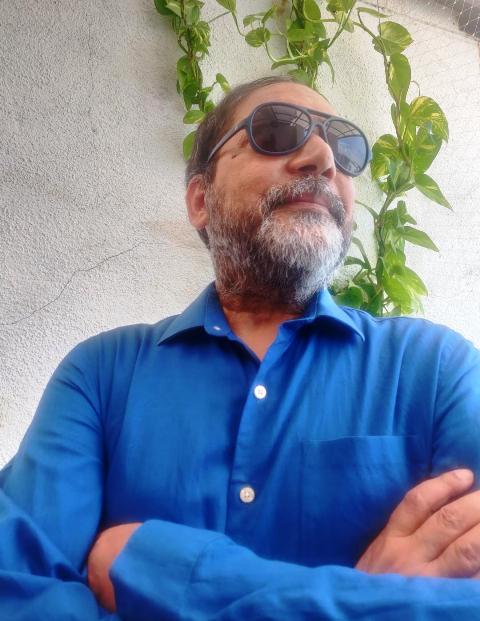
Today’s very special protagonist on FEATURES by VALENCIARTIST is our very good friend and fellow poet, Kaushal Kishore, a phenomenal writer whom we have followed and read for quite some time and that we know you will greatly enjoy.

FEATURES by VALENCIARTIST is an ongoing series that seeks poets, writers, artists and all those engaged in the fine arts and we will «feature» you in an interview and article just like this one you are about to read. If you would like to be one of our featured protagonists all you have to do is reply to this post with your email address so that we can send you the information.

+++

A LITTLE MORE ABOUT KAUSHAL KISHORE

Kaushal Kishore (KK) is an MBA, MA, LLB (Hons), Dip TD, DHRM and CAIIB with over 35 years of experience in the Banking sector. He had also a stint as a Preventive Officer in Customs and Central Excise. His leadership spans technical and commercial teams, steering successful project management solutions.

Beyond his corporate prowess, KK taps into the expressive realm of poetry to navigate emotions, explore thoughts, and share a spectrum of life experiences, both sweet and sour. This artistic outlet not only serves as a means of self-reflection but also fosters connections with individuals from diverse walks of life. 

+++++

KAUSHAL IN HIS OWN WORDS

1) Who are your major literary/artistic references?

I enjoy reading anything that captures my interest, be it poetry, stories, or essays. My favourite Hindi writers include Pant, Nirala, Premchand, and Jai Shankar Prasad, while in English, I admire Shakespeare, Wordsworth, Ruskin Bond, and John Milton. During my student years, I made use of libraries rather than purchasing books, but now I have a small collection in my reading room.

2) What makes you a writer? What do you like to write about? What is your plan for the next five years?

I began writing pieces for my school magazines and local newspapers, but the real impetus came after I wrote a project report on «HRM in Banks» as part of a scholarship scheme. When I sent a synopsis of this report to a newspaper, it was very well received, and the newspaper started publishing my articles on banking and finance every week in its supplement.

I enjoy writing in any format on any topic that appeals to me. Poetry comes naturally to me, and my debut poetry book titled «Love: My Heart Squeals» hit the bookshelves in March 2024. In the next five years, I aim to publish one or two more poetry books and a book of memoirs based on real-life experiences.

3) Why do you write? And do you write about yourself?

I often write about my life and my feelings, whether they’re related to my friends, mother, school, or profession. This is my favourite topic because I believe everyone is unique, and their lives differ from one another. What I’ve faced in life may not be experienced by others, so my perspective could be interesting to them. That’s why I plan to write a book compiling these life anecdotes.

+++++++

THE POETRY OF KAUSHAL KISHORE

Bioscope 

As I lie on my bed, and close my eyes tight,

An invisible hand turns the bioscope’s light…

All episodes with you, youthful and bright,

In shades and silhouettes, a wondrous night…

Lovelier and livelier, all the scenes come alive,

Multichromatic shades and shadows randomly arrive…

Exotic glimpses of moments I once longed to explore,

Luscious fruits and fragrant petals, a treasure to adore…

A sweet cinematic treat, both sublime and grand,

Strewn all around, engages my senses, in the dreamland…

The transition from hustle, the day’s noisy clatter,

Guiding me into serene slumber that’s all that matters…

I drift along this bioscope’s visual stream,

A voyage through memories, like a vivid dream…

The bioscope fades, as I softly surrender,

To the tranquil world of dreams, so tender…

+++++++++

Today we were honoured with the presence of Kaushal Kishore and we greatly appreciate his candor, his life’s work and his beautiful poetry.

CHEERS KAUSHAL!
#Serie de mujeres fotógrafas en la historia del arte – Women Photographers in Art History (Series)

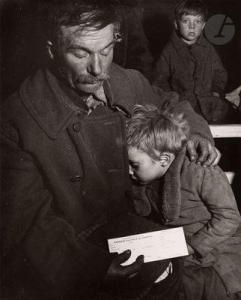
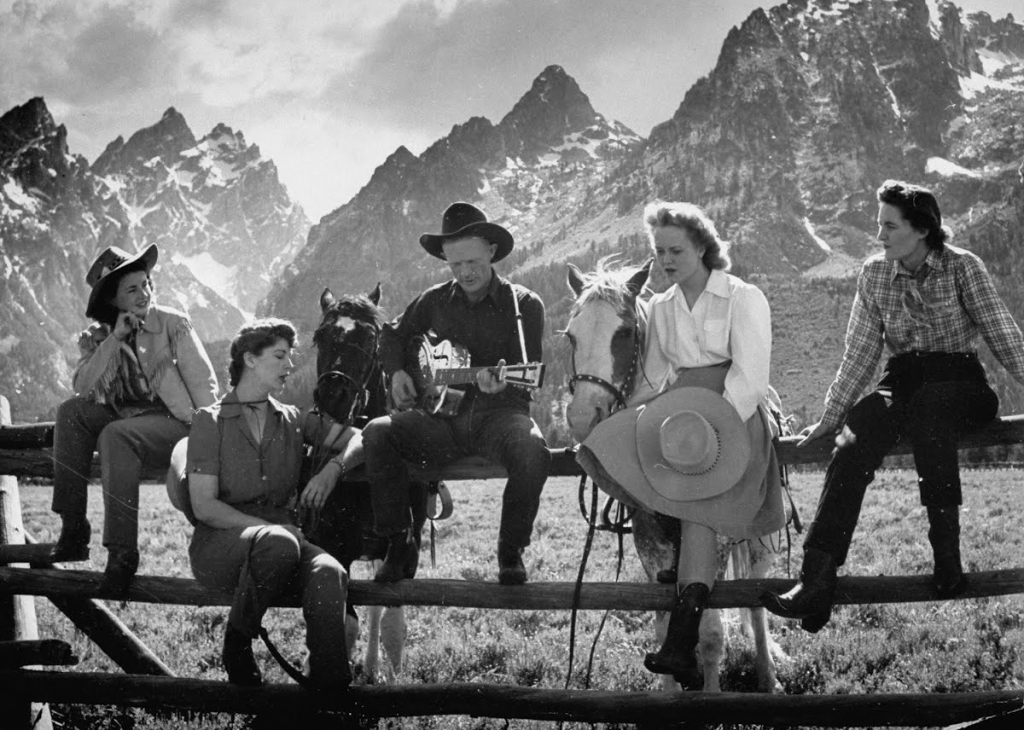
(Hansel Mieth/Life Magazine)

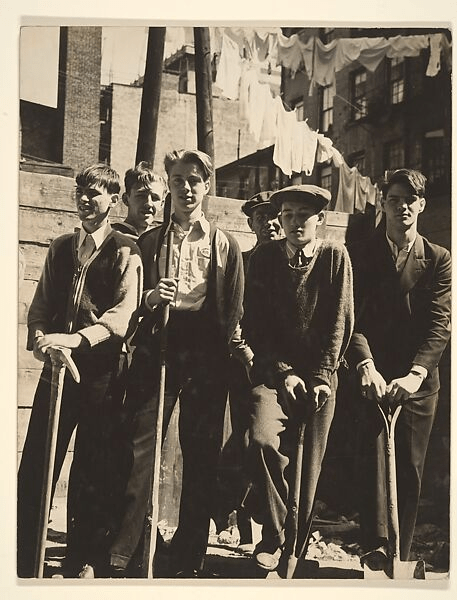
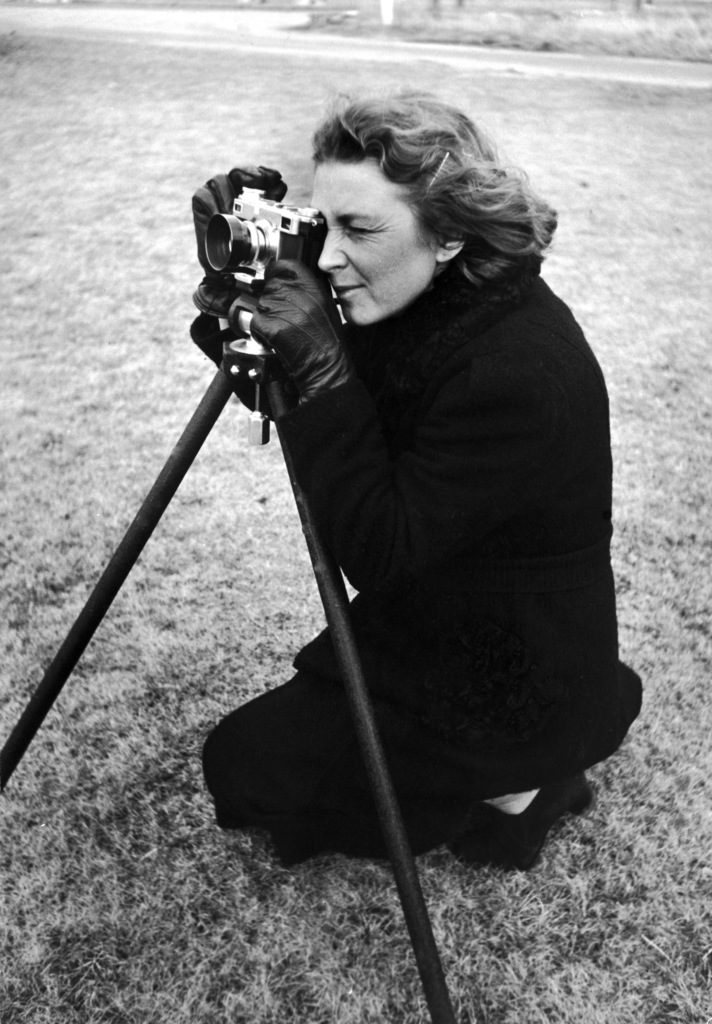
Venga, aquí dándoos a conocer más mujeres artistas, en este caso un fotógrafa, que no es que hayan quedado ignoradas por la historia de la fotografía o del arte, pero es que no se les ha dado el mismo reconocimiento que a los fotógrafos… Hansel (o Johanna) Mieth, fue una fotógrafa alemana que trabajó para la revista norteamericana Life, revista que se hizo famosa por sus fotógrafos y fotografías… A Mieth se le conoce por sus retratos de gente común y corriente, el proletariado norteamericano, durante las décadas de los años 1930 y 1940… En 1930, durante la gran depresión financiera, Hansel Mieth y su pareja, el fotógrafo Otto Hagel (1909-1973), comenzaron a documentar las pésimas condiciones laborales de los obreros migrantes que faenaban en las granjas de EEUU. Hicieron una crónica fotográfica de las malísimas condiciones y del sufrimiento de estas personas. En San Francisco, Sacramento, y en areas rurales documentaron las huelgas y a los campamentos donde estaban obligados a vivir los obreros sin techo durante esas décadas. Así comenzó Mieth a vender sus fotos a varias revistas norteamericanas… En 1937 Hansel Mieth se unió al colectivo de la revista Life, (siendo ella la segunda mujer fotógrafa en ser contratada por dicha revista), se casó con Otto Hagel y ambos se trasladaron a Nueva York… Mieth, que había nacido en Berglen, Alemania en 1909, murió en Santa Rosa, California en 1988…

+++

Ok, so let me introduce you to more female artists, in this case a photographer, who, although they haven’t been totally ignored by the history of photography or art, they haven’t received the same recognition as male photographers… Hansel (or Johanna) Mieth, was a German photographer who worked for the North American magazine Life, a magazine that became famous for its photographers and photographs… Mieth is known for her portraits of ordinary people, the North American proletariat, during the 1930s and 1940s… In 1930, during the Great Depression, Hansel Mieth and her partner, the photographer Otto Hagel (1909-1973), began documenting the terrible working conditions of migrant workers toiling on US farms. They created a photographic chronicle of the terrible conditions and suffering of these people. In San Francisco, Sacramento, and in rural areas, they documented strikes and the camps where homeless workers were forced to live during those decades. This is how Mieth began selling her photos to various North American magazines… In 1937, Hansel Mieth joined the staff of Life magazine (being the second female photographer to be hired by the magazine), married Otto Hagel, and both moved to New York… Mieth, who was born in Berglen, Germany in 1909, died in Santa Rosa, California in 1988…

(Arcadja.com)
(FF2 Media)
(The Metropolitan Museum of Art)

GRACIAS – CHEERS

#art, Esto es Surreal-Expresionismo en el arte

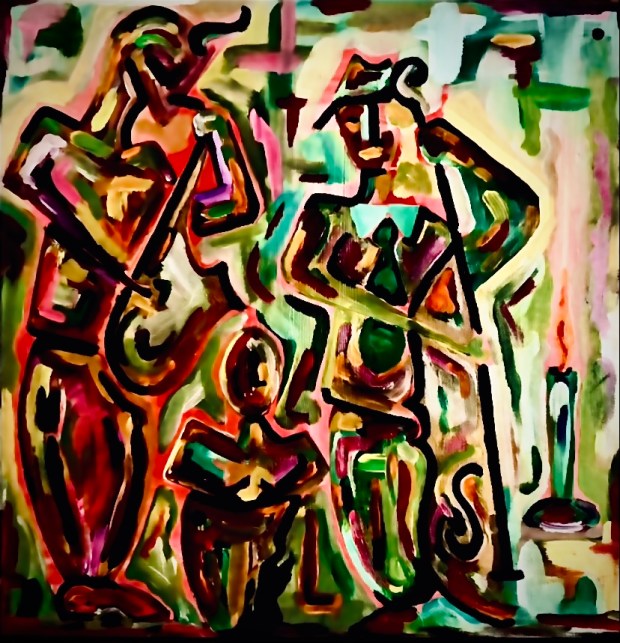
(«Los Chulos»/Francisco Bravo Cabrera/Derechos Reservados)

El surreal-expresionismo es mi estilo único y personal de crear arte. Puede sonar como si se derivara de dos de las grandes vanguardias del siglo XX, el Expresionismo y el Surrealismo, pero no precisamente. La combinación de ambos produce resultados artísticos más grandes, con más expresividad e intensidad visual. Algo así como la síntesis obtenida de la unión de tesis y antítesis que siempre es mayor que las partes que la componen.

Entonces debo decir que el surreal-expresionismo es también mi filosofía muy particular del arte. Une, pero a la vez desvincula pensamientos, suscita emociones y me permite crear una forma sui géneris de comunicarme a través de mis cuadros. Al hacerlo, creo que puedo llegar a lo profundo del alma del observador, ya que no está viendo lo que esperaría ver, si mis composiciones existieran en la vida cotidiana. Sin embargo, lo percibe como tal y, como tal, lo comprende. Estas pinturas son muy admiradas y buscadas por coleccionistas de todo el mundo, ya que contienen el espíritu de su contemporaneidad.

Surreal-expresionismo difiere del expresionismo puro debido a sus orígenes y procedimiento. Aunque presenta contexto, figuras, paisajes e incluso abstracciones, al estilo de los expresionistas del siglo pasado. Quizá la similitud más cercana sea que no pinto lo que las figuras ni las cosas como aparecen, sino cómo las veo. Yo abordo mis pinturas con paz, felicidad y una fe perdurable que parecía faltarle a los grandes expresionistas de principios del siglo XX. Pintores como Munch, Kokoschka y Dix pintaron la tristeza, la melancolía y el dolor de su existencia. Yo pinto la belleza con la que soy bendecido. Y pinto lo que el siglo XXI me enseña y refleja en mí. Ellos pintaron su realidad, yo pinto la mía.

Surreal-expresionismo difiere del surrealismo de maneras similares a cómo difiere del expresionismo. La primera y más significativa es que no estoy repitiendo el proceso ni la filosofía de los surrealistas del siglo XX. Soy, y debo ser, fiel a mi tiempo para traer espiritualidad duradera a mi trabajo. Por lo tanto, no busco las mismas fantasías oníricas de pintores como Dalí, Magritte o Max Ernst. Como mencioné anteriormente, pinto de acuerdo con mi tiempo y cultura. Utilizo la historia del arte…en su totalidad…como referencia, pero no intento, de ninguna manera, emular o copiar lo que los artistas habían hecho en épocas anteriores a la mía.

(«Escarabajo»/Francisco Bravo Cabrera/Derechos Reservados)

GRACIAS

#art, I Ask You…

(Artwork by and property of Francisco Bravo Cabrera/All Rights Reserved)

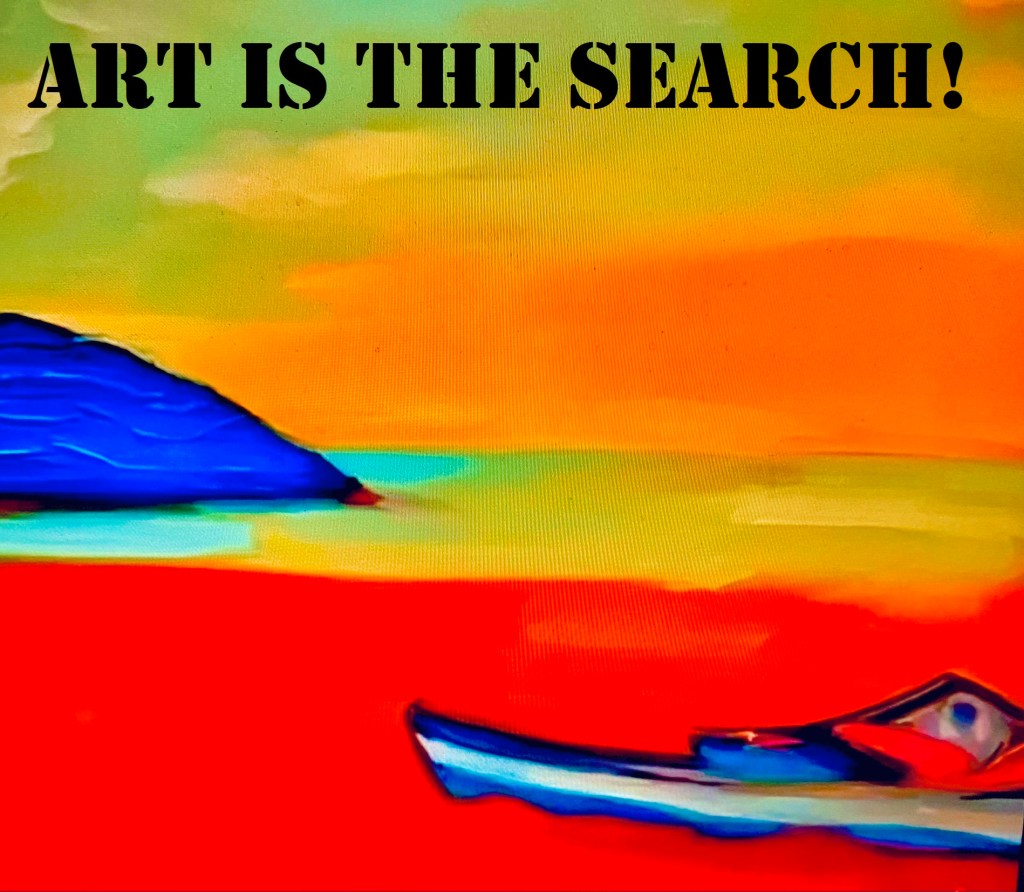
Okay, so I always say, and have always said, that art is the search. And I believe I have mentioned that I am always searching and always finding. If you agree with me, and you also think that art is the search, tell me, what are you looking for?

(Francisco/Bodo/representado por un actor)

I am looking for spirituality…

CHEERS

Buenas tardes

(Obra original y propiedad de Francisco Bravo Cabrera/Derechos Reservados)

El movimiento, unido a la dirección, logra que llegues, siempre y cuando hayas decidido donde ir.

C.2024, Francisco Bravo Cabrera

#art, Os pregunto…

(Hecho por Francisco Bravo Cabrera/Derechos Reservados)

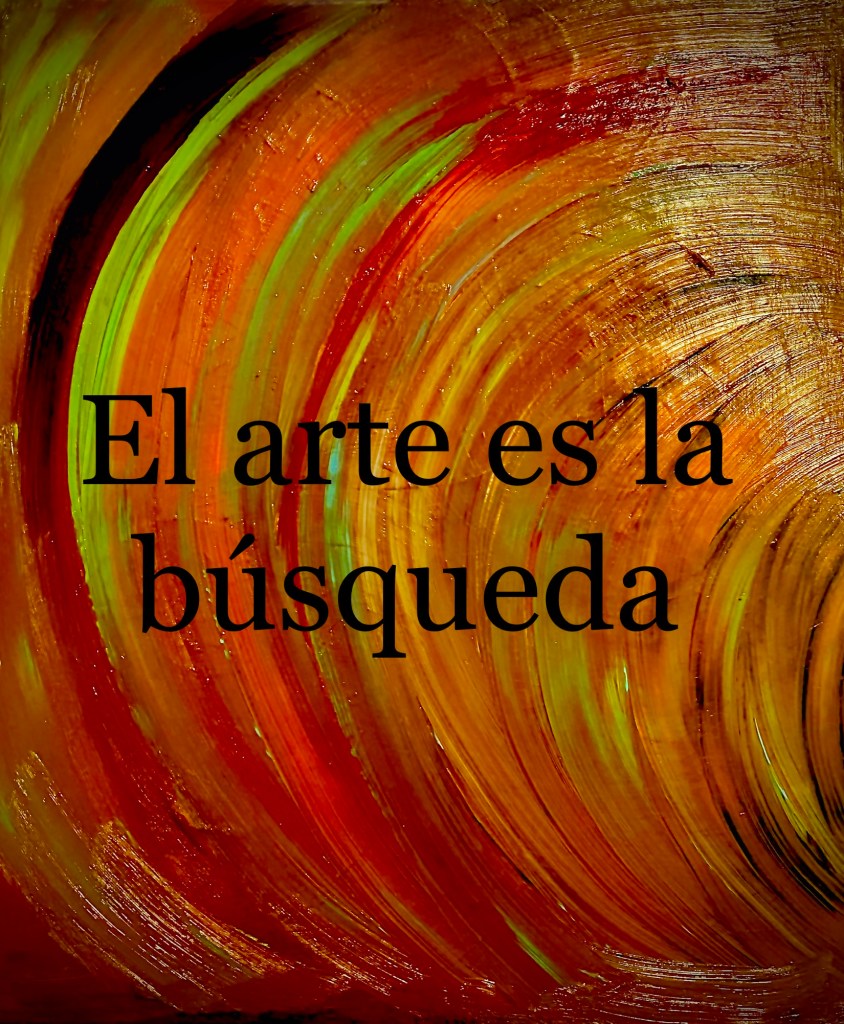
Venga, yo digo, y siempre he dicho que el arte es la búsqueda y creo que por ahí he dejado caer que busco. Pero si tu estas de acuerdo conmigo, y también piensas que el arte es la búsqueda, dime ¿Qué buscas tú?

(Francisco/Bodo/representado por un actor)

Yo busco la espiritualidad…

GRACIAS

#poem, #prose, «Yes Sir!»

(Original artwork by Francisco Bravo Cabrera/All Rights Reserved)

Time, for most people, is something that is measured by a clock; the days by a calendar; the weeks by the comings and goings to work; and the years by the greying of their hair. Time has become our boss, observed, respected, and completely indispensable…even if it is implacable…for everything depends on it. We assert that we live only because we have, or rather, because time has passed by and through and we have had a life. Furthermore, we are convinced that time moves in a straight line, always forward, towards what we call the future, and that what is left behind, the past, no longer exists.

But what if I told you that all of that is malarkey? What would you think if I told you that time does not exist? Did you know that the concept of time that we have is wrong, corrupted, and misunderstood? Oh, you didn’t know? Well, I’m going to tell you. Pay close attention to the following example.

A few years ago, I had a repeating dream. Every night I would dream the same thing, but each time the dream became longer and with more and more details. This was the dream that started it all.

The first night I saw myself as a boy of about seven years old, and my mother entrusted me to the captain of a ship with huge sails. We crossed the ocean and arrived at a port where people, who looked very different from those I was accustomed to seeing, were waiting for us. They took me gently by the hand and led me to a great city. And so ended the first dream, but as I have said, every night I dreamed the same thing again, with more details, until finally I dreamed the whole story.

Finally I realised that the story that was being shown to me in these dreams was a revelation. This is the complete dream with its interpretation: I was a child from an Egyptian family born in Israel during the reign of its fifth king, Zimri, (885 B.C.). My mother was the High Priestess of a temple dedicated to Isis located at the top of Mount Hermon, in the Golan Heights in the northern part of the Kingdom of Israel. One day a ship arrived and my mother, after a long conversation with the captain… I don’t know what they talked about… took me to the pier and told me that I would find my destiny in far away shores. She said the ship would take me there and that I would grow strong and wise and there my wisdom would be useful, and where my power would flourish.

The ship transported me to the shores of the Mayan empire, in what is now Yucatán (Mexico). I was taken to the city of Uxmal, to an altar inside a small temple located at the top of a pyramid of polished stones that shimmered in the light of the intense tropical sun of those lands. There, I was shown about the extent of the great empire, which I was to rule one day.

That was the story revealed to me in dreams as interpreted by a Peruvian shaman I knew. He said that I was the reincarnation of the wise foreign white man who had lived among the Maya. That I would first rule with strength as a great general who won great battles, conquered the enemies of the Maya, and subjugated the northern tribes, most likely the Toltecs or Aztecs. Later, I would rule with wisdom and achieved peace, along with friendship treaties and coexistence with former enemies. This led to the establishment of trade routes, which allowed both empires to prosper and grow. Peace allowed for the growth of artistic projects, scientific discoveries, and the development of mathematics, astrology, and architecture. In short, everything recognized today as the great achievements of the Maya, the Toltec and the Aztec.

Years later I decided, not because of the dream but for other reasons, to go to the city of Mérida, Yucatán. I had the opportunity to visit the historic Mayan archaeological complex called Chichén Itzá, and also Uxmal. Upon entering Chichén Itzá, the first thing one sees is the great step pyramid that dominates the entire complex with its enormity. I immediately felt something strange. Although we arrived early in the morning, my eyes saw everything in darkness and in the light of a faintly waning moon. The monuments were gray or black and covered by ivy and by the vegetation of a jungle that threatened to engulf and hide them so that they would never see the sun.

But there was neither ivy nor jungle. The complex was very well-maintained and very clean. Thank God that in a few short seconds that image dissipated and I could clearly see how things were. But that wasn’t the only strange thing that happened to me there. After touring the complex, my friends and I arrived at an area that had been cordoned off so that visitors could not enter. I asked the guide why we couldn’t enter, as I wanted to see the cave where they had excavated and discovered an altar and many wonderful gold and silver artefacts.

The guide, very surprised by what I had just said, asked me if I had already been there when they excavated the hidden temple. At that moment, I realized what I had told him and I was left speechless.

«Is that what’s behind the wall?»

«Yes Sir!»

With those two words the guide confirmed that yes, archaeologists had discovered a hidden temple beneath that same stone wall. He demanded to be told how I knew. But I don’t know how I knew that. The words came out of me as if someone else were saying them.

Upon returning to Spain, I went and told the shaman who had interpreted my dream what had happened to me. He explained that time does not pass for souls, that we reincarnate, and that sometimes, when certain conditions come together, the universe reveals the truth to us and we remember portions of other lives. He made me see that time passes, but not like trains that pass us by moving forward and forward until they reach the city of their destination. For us, time passes in circles that spin into the void of space but sometimes these circles, or bubbles of time, collide with each other, and the spiritual energy they release allows us to see images of other lives, as if they were scenes from a movie, and other things we have never imagined.

(Original artwork by Francisco Bravo Cabrera/All Rights Reserved)

«There are more things in heaven and earth, Horatio, than are dreamt of in your philosophy.»

(William Shakespeare/»Hamlet»)

CHEERS

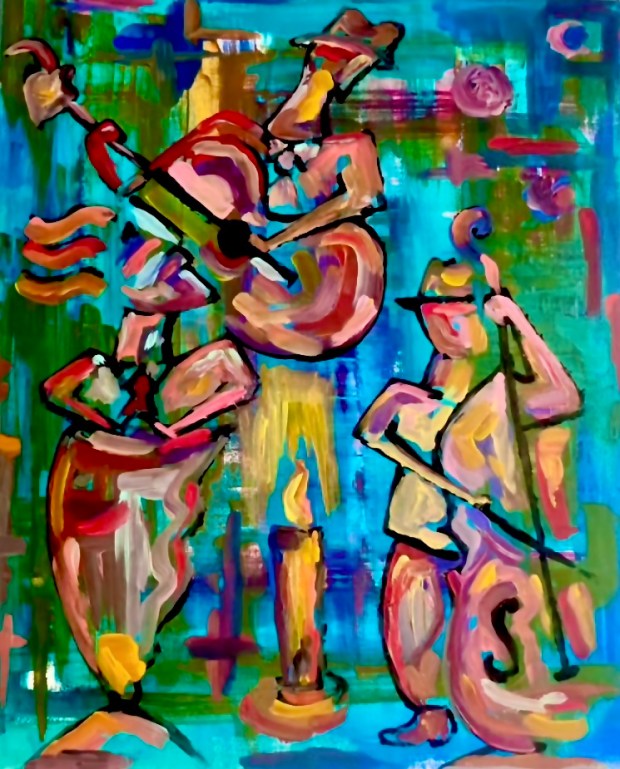
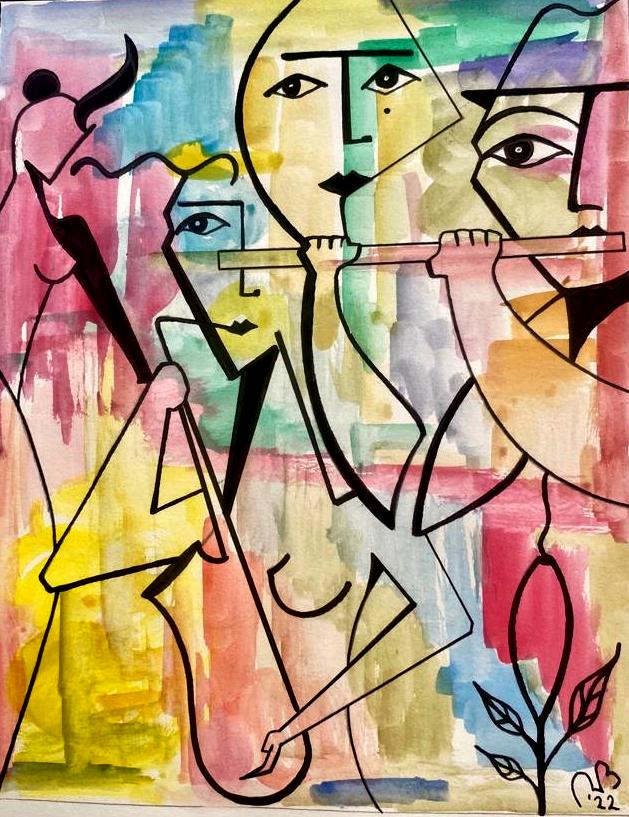
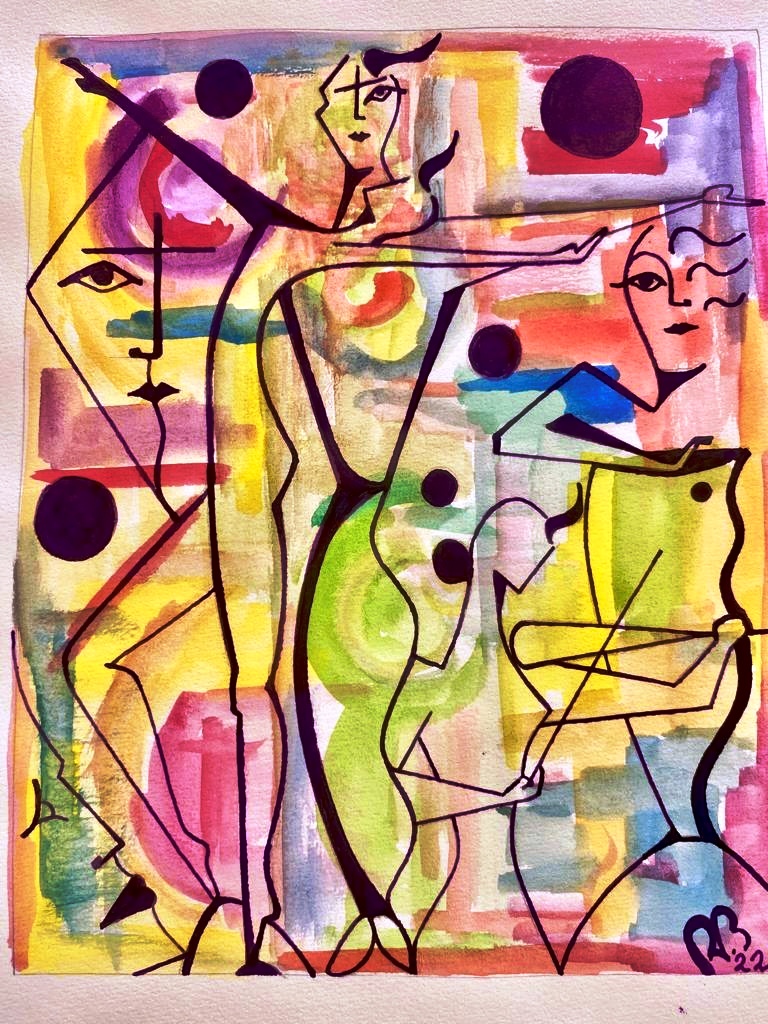
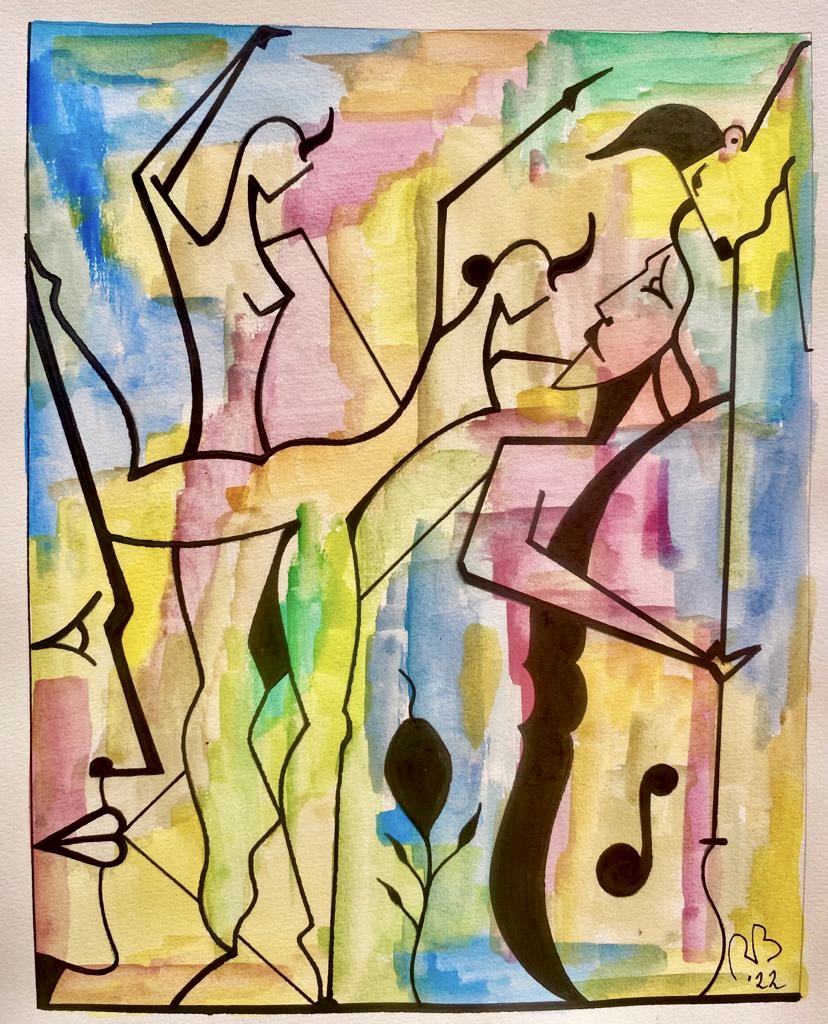
#art, JaZzArt en/in VALENCIARTIST

(«Tin Three»/Francisco Bravo Cabrera/Derechos Reservados/All Rights Reserved)

“JaZzArt”
¿Qué cosa es JaZzArt?
Ritmo – Improvisación – Espíritu

El Jazz es la música clásica norteamericana, según el músico norteamericano el Dr. Billy Taylor, que así describió la música Jazz en 1972. A mí me fascina y me dedique a buscar como se logra la mágica del jazz, y habiéndola descubierto, he utilizado la misma fórmula para muchos de mis dibujos y también pinturas. Las reglas del jazz son simples y en principio son solo tres: La improvisación; la independencia musical del solista, o sea que el músico es libre para tocar y componer simultáneamente y el ritmo, o sea, el swing. Eso tres elementos, si te fijas bien, los encontrarás en muchos de mis dibujos y pinturas. Es muy posible que siempre haya utilizado esa fórmula para crear mis pinturas, pero no las definí de esa manera, ni les puse JaZzArT hasta el 2008.

+++++

Back in 1972 Dr. Billy Taylor, a very prominent North American Jazz musician and educator, said that Jazz was America’s classical music. And I love it! So I set out to discover the magic of jazz. Once I discovered its secrets I have used the same formula to create many of my drawings and paintings. The rules of jazz are simple and in principle only three: Improvisation; the musician as composer and rhythm, or swing. These three elements, if you look carefully, you will find them in many of my paintings and drawings. I reckon I had been following that formula since the beginning of my professional career in art, but I did not define it as such, or call them JaZzArT until 2008. It is still going strong.

GRACIAS – CHEERS

#poem, #prose, «Yes Sir!»

(Original artwork by Francisco Bravo Cabrera/All Rights Reserved)

Time, for most people, is something that is measured by a clock; the days by a calendar; the weeks by the comings and goings to work; and the years by the greying of their hair. Time has become our boss, observed, respected, and completely indispensable…even if it is implacable…for everything depends on it. We assert that we live only because we have, or rather, because time has passed by and through and we have had a life. Furthermore, we are convinced that time moves in a straight line, always forward, towards what we call the future, and that what is left behind, the past, no longer exists.

But what if I told you that all of that is malarkey? What would you think if I told you that time does not exist? Did you know that the concept of time that we have is wrong, corrupted, and misunderstood? Oh, you didn’t know? Well, I’m going to tell you. Pay close attention to the following example.

A few years ago, I had a repeating dream. Every night I would dream the same thing, but each time the dream became longer and with more and more details. This was the dream that started it all.

The first night I saw myself as a boy of about seven years old, and my mother entrusted me to the captain of a ship with huge sails. We crossed the ocean and arrived at a port where people, who looked very different from those I was accustomed to seeing, were waiting for us. They took me gently by the hand and led me to a great city. And so ended the first dream, but as I have said, every night I dreamed the same thing again, with more details, until finally I dreamed the whole story.

Finally I realised that the story that was being shown to me in these dreams was a revelation. This is the complete dream with its interpretation: I was a child from an Egyptian family born in Israel during the reign of its fifth king, Zimri, (885 B.C.). My mother was the High Priestess of a temple dedicated to Isis located at the top of Mount Hermon, in the Golan Heights in the northern part of the Kingdom of Israel. One day a ship arrived and my mother, after a long conversation with the captain… I don’t know what they talked about… took me to the pier and told me that I would find my destiny in far away shores. She said the ship would take me there and that I would grow strong and wise and there my wisdom would be useful, and where my power would flourish.

The ship transported me to the shores of the Mayan empire, in what is now Yucatán (Mexico). I was taken to the city of Uxmal, to an altar inside a small temple located at the top of a pyramid of polished stones that shimmered in the light of the intense tropical sun of those lands. There, I was shown about the extent of the great empire, which I was to rule one day.

That was the story revealed to me in dreams as interpreted by a Peruvian shaman I knew. He said that I was the reincarnation of the wise foreign white man who had lived among the Maya. That I would first rule with strength as a great general who won great battles, conquered the enemies of the Maya, and subjugated the northern tribes, most likely the Toltecs or Aztecs. Later, I would rule with wisdom and achieved peace, along with friendship treaties and coexistence with former enemies. This led to the establishment of trade routes, which allowed both empires to prosper and grow. Peace allowed for the growth of artistic projects, scientific discoveries, and the development of mathematics, astrology, and architecture. In short, everything recognized today as the great achievements of the Maya, the Toltec and the Aztec.

Years later I decided, not because of the dream but for other reasons, to go to the city of Mérida, Yucatán. I had the opportunity to visit the historic Mayan archaeological complex called Chichén Itzá, and also Uxmal. Upon entering Chichén Itzá, the first thing one sees is the great step pyramid that dominates the entire complex with its enormity. I immediately felt something strange. Although we arrived early in the morning, my eyes saw everything in darkness and in the light of a faintly waning moon. The monuments were gray or black and covered by ivy and by the vegetation of a jungle that threatened to engulf and hide them so that they would never see the sun.

But there was neither ivy nor jungle. The complex was very well-maintained and very clean. Thank God that in a few short seconds that image dissipated and I could clearly see how things were. But that wasn’t the only strange thing that happened to me there. After touring the complex, my friends and I arrived at an area that had been cordoned off so that visitors could not enter. I asked the guide why we couldn’t enter, as I wanted to see the cave where they had excavated and discovered an altar and many wonderful gold and silver artefacts.

The guide, very surprised by what I had just said, asked me if I had already been there when they excavated the hidden temple. At that moment, I realized what I had told him and I was left speechless.

«Is that what’s behind the wall?»

«Yes Sir!»

With those two words the guide confirmed that yes, archaeologists had discovered a hidden temple beneath that same stone wall. He demanded to be told how I knew. But I don’t know how I knew that. The words came out of me as if someone else were saying them.

Upon returning to Spain, I went and told the shaman who had interpreted my dream what had happened to me. He explained that time does not pass for souls, that we reincarnate, and that sometimes, when certain conditions come together, the universe reveals the truth to us and we remember portions of other lives. He made me see that time passes, but not like trains that pass us by moving forward and forward until they reach the city of their destination. For us, time passes in circles that spin into the void of space but sometimes these circles, or bubbles of time, collide with each other, and the spiritual energy they release allows us to see images of other lives, as if they were scenes from a movie, and other things we have never imagined.

(Original artwork by Francisco Bravo Cabrera/All Rights Reserved)

«There are more things in heaven and earth, Horatio, than are dreamt of in your philosophy.»

(William Shakespeare/»Hamlet»)

CHEERS

#art, Os pregunto…

(Hecho por Francisco Bravo Cabrera/Derechos Reservados)

Venga, yo digo, y siempre he dicho que el arte es la búsqueda y creo que por ahí he dejado caer que busco. Pero si tu estas de acuerdo conmigo, y también piensas que el arte es la búsqueda, dime ¿Qué buscas tú?

(Francisco/Bodo/representado por un actor)

Yo busco la espiritualidad…

GRACIAS