#art, «I Hear You Want to Be an Artist?

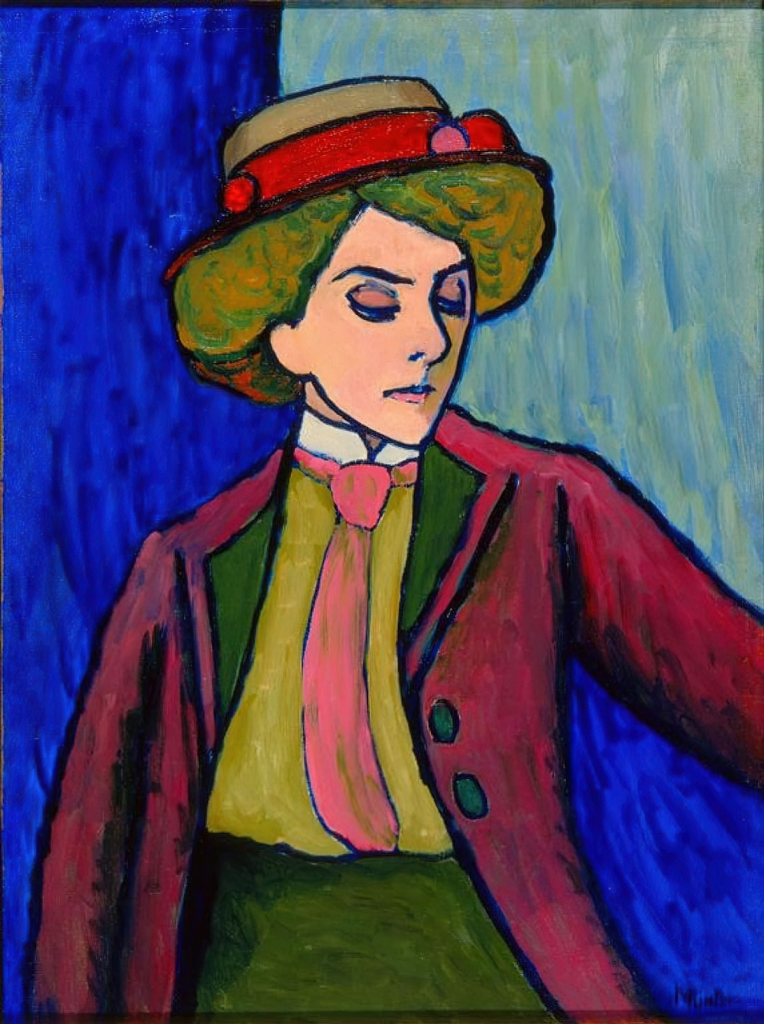
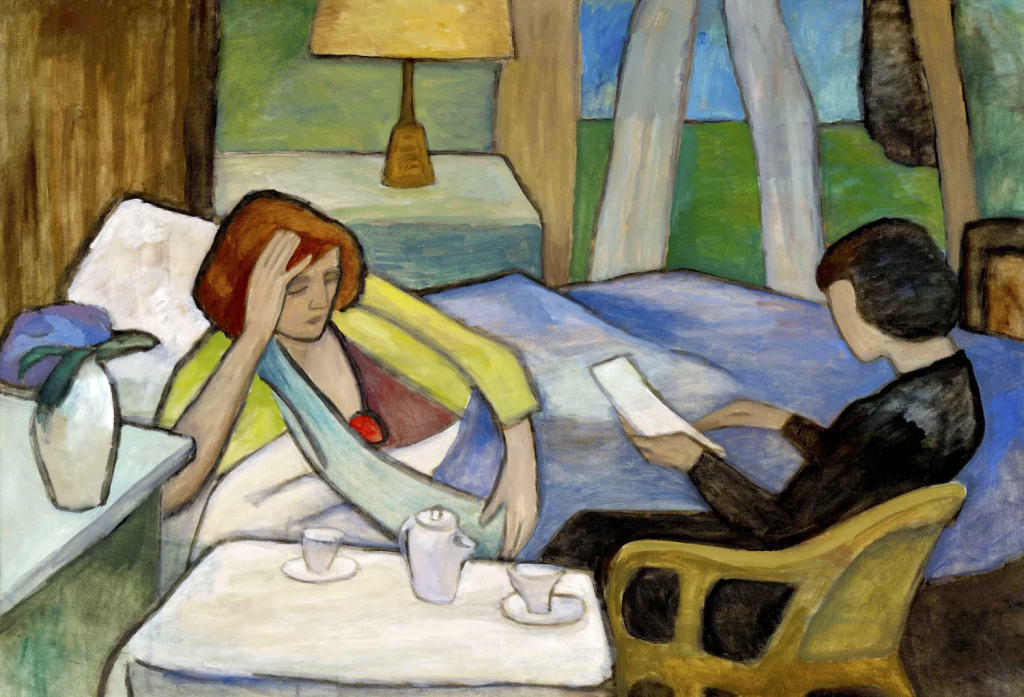
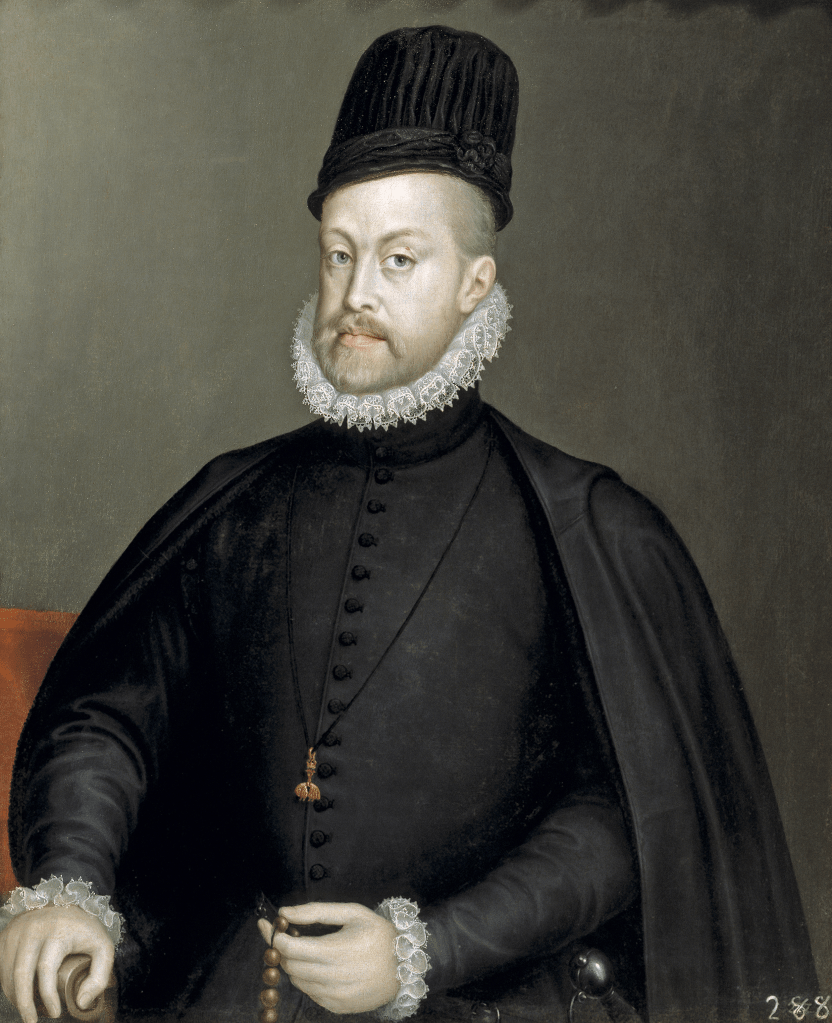
(Henri Rousseau)

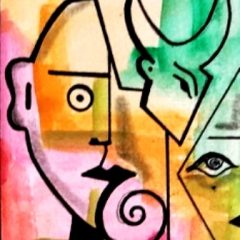
If it is true and you want to be an artist, I would suggest that you become educated in the techniques, art history and the colour theory. Art is not a pastime, although we do pass the time painting. To be a serious, professional artist requires formal education. Yes, I know that now many are saying that we are all artists, that there are no rules in art, that we don’t need to learn anything, but all I can say to that is bullocks!

Art is an academic subject. Art is a profession. Art has rules (definitely!). Art has a language and if you want to be an artist you must learn it. And one of the most important subjects that you cannot ignore at all is Art History.

So, since I am not your teacher, I will only give you a brief introduction at some of the things you should know if you want to paint. The theory of colour.

The PRIMARY COLOURS are: Red, green, and blue

The SECONDARY COLOURS are: Yellow, cian, and magenta

The TERCIARY COLOURS are: Orange, lime (yellow/green), violet, fucsia, and blue cian.

Hope it helps. Go to an academy if the uni is not your thing. Learn from videos, books, other artists. Read about Art History. Actually any book you see about art, buy it, borrow it, nick it, and read it! And after you have learned all there is to know about ART, you can then, ignore the rules and CREATE. 😊

CHEERS

#poem, #prose, #opinion, «So That You Can Be Happy!»

(Bodo Vespaciano/Actor portrayal)

I don’t usually proffer advise. Mainly because I don’t like to receive it, but…

I will just suggest these few little things that I think will help you to become a happy person. If you are already happy, have a brief nap and ignore.

First, I think we can all do with a little more introspection and reflexion. Thinking about things, but in a creative and productive manner, not worrying about them. We should look at our bodies and our minds from the inside out. Now you might want to ask me, «how the hell am I supposed to do that?» But you can, it just takes practice and visualisation, as well as taking an analytical, and precise look back at what you have done, what you have thought about and what you are doing. That is introspection.

Reflexion, to reflect upon one’s life, activities and plans, is like meditation. We can all be a little happier if we reflected before acting. Knowing yourself, and what you do, better is a way to maintain balance in life and balance is good. You will see it leads to greater happiness.

Second: Engage in a sports activity. Keep the body and the mind active. It does not matter how old/young you are. You need it although you might think you can do without it.

Third: Don’t pamper or baby yourself. Allow yourself some dosis of discomfort. For example, take cold baths, or suffer the heat. Of course this is not meant for you to torture yourself. Do it in small increments. Your body will thank you in ways you have never imagined.

Fourth: Take micro dosis of pain. It’s ok, I don’t mean for you to pull your teeth out or to cut your skin, but supporting a little pain can go a long way in strengthening your mind/spirit and making you a much happier person.

Fifth: Learn to be water and flow. Flow through your activities, your work, your engagements, your life. Water always finds its position, you can too.

And no, I am not a guru, a yogi, an ascended master or a life coach. I’m just a guy who saw you down and out too many times and thought I could lend a hand. 😊

CHEERS

#prose, #opinion, «Raising Children or Spoiling Them?»

(«Children’s Moon»/Francisco Bravo Cabrera/All Rights Reserved)

So you have children, well this is for you…

I remember that my mother only had to say, «because I’m your mother, that’s why» and all my questions and demands would come to an end.

Also, if I misbehaved, or rather, behaved in an unacceptable manner, and kept pestering, she would look at me and simply say, «don’t, don’t make me, wait for it!» and that’s it, I would back off because I knew a good slap would be coming soon.

And when my mother was tired of hearing me defending myself and arguing nonsense ad nauseam with buts and more buts, she would reply, «no buts or buts, that’s it!» And that was the end of it.

But many of you let children do whatever they want. This excess, this permissiveness, is not good for them, I warn you. Children want you, their parents, to guide them, set limits, educate them, and steer them in the right direction. You shouldn’t let them be the one’s to decide what to do or what they want. They will mature and then they will, but not as children, especially the very young ones. Do parents have the responsibility for the behaviour of their children? Of course. That’s been the rule throughout history, and now you, the so-called modern parents, are not fulfilling it.

Furthermore, one of the reasons why you have to control your kids is so that they don’t bother or drive others crazy. Especially in public places, on terraces, in bars, in shops, and on city sidewalks. In restaurants, you shouldn’t let them run around the tables as if they were in a playground. I’m not saying you should tie them to the chair, but teach them that it’s not okay to do that in a restaurant. And if they get bored and act silly, it’s your fault. Stop the afternoon drinks and extra beers, pay the bill, and take them to a park to play and burn energy. Oh, you don’t feel like it? Well, you should not have had children. Now deal with them.

Another very important thing is that you are not teaching them to be good future members of society. To be good citizens, you have to teach them good manners, to acquire and appreciate good taste, to know how to greet and say goodbye, and to treat elders respectfully and properly. In short, they have to learn to behave like civilized beings and not like little puppies. And respect is of the utmost important. They have to learn to respect others, respect you, (because no one loves who one does not respect), nature, and animals. That’s the key to peace and justice and the rightful way for them to become honest, honorable men and women. That’s how we will all enjoy a better world.

Children cannot be allowed to behave badly and have whims. On the contrary, they have to learn the value of things and appreciate their parents’ sacrifices. They have to learn to recognise the efforts made on their behalf. And that way they will be supportive and not arrogant or haughty. And for God’s sake, don’t try to turn them into unbearable snobs like those who think they are better than everyone else, because you are dooming them to failure, and no one will tolerate or love them.

We want to love your children as we love our own, and that’s why we ask you to educate them. After all that is your responsibility. And if you have to give them a spanking or a good scolding, okay, that’s never killed anybody. But be careful, don’t abuse or mistreat them. But if you need to change their behaviour immediately, perhaps because of sudden danger, a good swift spanking will do it. But do it with love.

And no, I’m not a paediatrician or child psychologist. I’m just one of those whom your spoiled brats have driven crazy too many times. Yes, you, you and you… 😊

Bon dia

¿Qué pensáis vosotros?

#poem, #prose, ¡Arriba con la filosofía! – Up With Philosophy!

(Image from unknown author: «The essence of philosophy is that man should live in a way that his happiness does not depend highly on external things» Epictetus)

HAY QUE BUSCAR LA FILOSOFÍA DEL ARTE EN LA VIDA

Si vives simplemente porque respiras te estás perdiendo la mitad de la vida, y digo la mitad, pero puede ser mucho más. Ciertamente te perderás la mejor parte. Si eres artista, digamos pintor, escultor, poeta, bailarín, coreógrafo, músico, compositor, actor, escritor o practicas cualquier combinación de estas, las bellas artes, eres un ser espectacular. Diría yo, un autentico fenómeno porque haces lo que otros ni sueñan. Pero el artista sabe, instintivamente, que el arte no es solo para decorar o para recrear la vista. El artista reconoce que una obra de arte tiene que ir acompañada de una filosofía que le de valor, trascendencia y espíritu. Entonces podemos decir que el artista es una especie de filosofo que transmite sus ideas visualmente, como los compositores y los músicos lo hacen con la música que componen y que tocan. El artista entonces se nutre de lo que tiene dentro, lo que cultiva con pensamientos y aprendizajes y no en lo que le rodea, o sea lo externo. Epícteto tiene razón.

+++++++++++

ONE MUST HAVE A PHILOSOPHY OF ART IN LIFE

If you live simply because you are breathing, you are missing half of life. I say half, but it probably is much more and I guarantee you will miss the best parts. If you are an artist, let’s say a painter, sculptor, poet, dancer, choreographer, musician, composer, actor, or practice any combination of these, the fine arts, you are a spectacular being. I would say, a true phenomenon because you do what others don’t even dream of. But the artist knows, instinctively, that art is not just for decoration or to create a pretty picture to please the eye. The artist recognizes that a work of art has to be accompanied by a philosophy that gives it value, transcendence, and spirit. So we can say that the artist is a kind of philosopher who visually transmits his ideas, like composers and musicians do with the music they compose and play. The artist, in so doing, nourishes himself with what he has cultivated inside, what his thoughts and learning have provided. Not with what surrounds him, possessions and other things external. Epictetus is right one hundred percent.

GRACIAS – CHEERS

#prose, #opinion, ¿Criando o malcriando?

(«Diablillos» de/by Francisco Bravo Cabrera/Derechos Reservados/All Rights Reserved)

Asi que tenéis críos, venga, pues a vosotros os escribo…

Recuerdo que madre solo tenia que decirme «porque soy tu madre y punto» y se acababan todas mis preguntas y exigencias.

Tambien si me portaba indebidamente, mejor dicho, mal, y seguía jodiendo, me miraba y solo decía, «no me, no me! Que te, mira que te!» y ya, me echaba para atrás pues sabia que próximamente vendría el sopapo.

Y cuando madre estaba harta de oírme defenderme y argumentar sandeces ad nauseam con peros y más peros, me contestaba, «ni pero ni pera, ya!» y se acabó.

Pero muchos de vosotros a los críos les permitís todo. Este exceso, este permisivismo, no les viene bien, os advierto. Los críos, aunque no me creáis, quieren que vosotros, sus padres, los guieis, les pongáis limites, los eduquéis y los encaminéis. No debéis dejar que ellos decidan ni que hagan todo lo que les de la gana. ¿Que los padres tenéis la responsabilidad del comportamiento de vuestros críos? Claro que sí. Eso ha sido asi toda la vida y ahora vosotros, los supuestos padres modernos, no lo estais cumpliendo.

Además una de las razones por las cuales tenéis que controlar a vuestros críos es para que no molesten ni vuelvan locos a los demás. Especialmente en los lugares públicos, en las terrazas, en los bares, en las tiendas y en las aceras de la ciudad. En los restaurantes no debéis dejar que corran por entre las mesas como si estuviesen en un ludo parque. Vamos, no digo que los amarréis a la silla, pero si enseñadles que en un restaurante no se hace eso. Y si se aburren y se ponen majaderos es vuestra culpa. Dejad el tardeo y las cervecitas de más, pagad la cuenta, y llevadlos a un parque a que jueguen y gasten energía. ¿Ah, eso no os va? Pues para que tuvisteis hijos, ahora hay que joderse.

Otra cosa muy importante es que no les estais enseñando a ser futuros miembros de la sociedad. Pues para que sean buenos ciudadanos tenéis que enseñarles buenos modales, adquirir y valorar el buen gusto, saber saludar y despedirse, y tratar correctamente a los mayores, en fin, comportarse como seres civilizados y no como animalitos. Y lo inexorable, que sepan respetar. Tienen que respetar a los demás, a vosotros mismos, a la naturaleza y a los animales. Esa es la clave que conlleva a la paz y a la justicia y para que sean hombres y mujeres honrados y honorables. Asi gozaremos todos de un mundo mejor.

A los hijos no se les cría permitiéndoles malacrianzas y caprichos. Al contrario, tienen que aprender el valor de las cosas y los sacrificios de sus padres etcétera. Tienen que aprender a valorar los esfuerzos y asi serán solidarios y no arrogantes ni altaneros. Y por Dios no tratéis de convertirlos en pijos insoportables, esos que se tiran el pedo mas alto que el culo, porque los destinareis al fracaso y nadie los va ni a soportar ni a querer.

Queremos querer a vuestros hijos como queremos a los nuestros, y por eso os pedimos que los eduquéis. Esa es vuestra responsabilidad. Y si tenéis que darles una nalgada o una buena tunda, vale, nadie se ha muerto por eso. Pero ojo, no abuséis de ellos ni los maltratéis, pero si tenéis que cambiarle el comportamiento súbitamente, una buena nalgada lo logra.

Y no, no soy un pediatra ni psicólogo infantil, soy solo uno de esos a quienes vuestros chiquillos malcriados ha vuelto loco ya demasiadas veces. Hombre, mira que, mira que, que te, que te… 😊

GRACIAS

#poem, #prose, FEATURES Today Features Malc Wright

(Photo property of Malc Wright)

Ok, so you all know him as «Easymalc«. And we all have enjoyed his writings and learned a lot from the very thorough information he provides in his blog about the places he has travelled to. Well today is a very special day for FEATURES by VALENCIARTIST because our special, special guest is going to tell us a lot more about himself and his writings.

But before we delve into Malc’s interview and bio, I just want to remind you, yes you, the writer, the poet, the artist, the actor, the dancer etcetera, that you too can be on FEATURES by VALENCIARTIST. All you have to do is reply to this post with your email address so that I can send you the requisite information. Cheers.

+++++++++++++++++++++++++++++++++

These were the three questions asked:

1) Travelling is your passion, when did you realise you would write about places you’ve seen and visited?

2) What parts of the world intrigued you most and how did you define and describe them?

3) What advice would you proffer to others who would venture to also write about their travels?

I’m not sure that I deserve inclusion in Francesc’s list of notable artists, writers and poets, but in response to his request for willing participants, I added my name to the list primarily for anyone who knows me and would like to find out a bit more – and for those who have never heard of me, you can now find out why you haven’t.

In response to the first question, I started writing about walks I covered when I was young, fit and healthy. I added them to a scrap book which I think I’ve still got, but they’ve never really seen the light of day since. It was when the low-cost flights took off that I really got interested in writing about my travels. I made notes along the way with a view to writing travelogues as a sort of diary about the things I did and places I saw.

As we all know, when we’ve got the money we haven’t got the time, and when we’ve got the time we haven’t got the money, and so thinking ahead to when I retired, I kept my notes stashed away until it was time to start writing. That time came when I took early retirement in 2009. In 2012, I joined an online travel group called Virtual Tourist who offered tips to other would-be travellers, but when it was taken over and closed down by Trip Advisor, I decided to do my own thing and start blogging, and that’s when my writing really started. 

The second question may suggest that I’m a world-wide traveller, but financial restraints have confined me mainly to the UK and Europe, but if the opportunity had presented itself, I would have loved to have seen more of the world’s great natural spectacles. Seeing wild animals in their own environment in Kenya was one thing that I did manage to witness, and I’ve never been able to look at zoos in the same way since.

Travel broadens the mind in so many ways though and history is another one of my passions. Fortunately there’s no shortage of  places of historical interest here in the UK or Europe in general, and current affairs also interest me because today’s news is tomorrow’s history. Growing up in the second half of the 20th century has given me an appetite to find out why Europe was the catalyst for two world wars and what came after, and it was for that reason that I chose to visit a fair number of places associated with those events. Like anyone else, I have opinions about places that have been under the spotlight for all the wrong reasons, but I try to keep my articles on places like Northern Ireland for example as impartial as possible so that people can form their own opinions.

Not all my travels have been to trouble spots by any means, far from it. I love culture and beautiful scenery as much as anybody, but I don’t overlook the less obvious or my own backyard either. There’s something of interest everywhere if you know where to look.

The third and final question is an interesting one and I had to look at it twice. It’s not asking me to offer advice to other travellers, but to those who want to write about their experiences.

The first thing to say is that everyone should write in a way that suits them. I’m English, and I’ve been criticized for my English grammar by people who aren’t, but do I care? Of course not: Authors such as Robert Burns and R.D. Blackmore who wrote in the vernacular have got away with it, so why shouldn’t we?

Personally, I write different articles for different reasons. Some are an extension of my VT days when I offered practical advice, and some are personal accounts of my experience and more akin to a short story. I think a writer needs to focus on why he or she is writing the article in the first place. The length of it will obviously depend on the subject matter, but it’s not a good idea to ramble on for too long – like I probably am now, but it is a good idea to include humour where appropriate to stop your reader falling asleep.

That last comment now leads me to write a short bio of myself, which it has to be said, may be the most boring part of all. I was born and bred in a working class area of Bristol in England and was lucky to be brought up in a loving, but relatively poor household.

As far as education was concerned, I wasn’t bright enough to go to university, as in those days you needed to pass ‘A’ Levels to even be considered. I did manage to pass the tests needed to become an apprentice printer though, and after 5 years of training, qualified as a journeyman. I spent my whole working life in the printing trade but not in the same place, although always in the West Country. We’ve lived in cities, towns, villages, countryside and on the coast during the process.

I’ve only ever been married once – and still am. We have one grown-up daughter called Nadine, but my wife Kay is shy when it comes to having her picture in my blogs, but trust me when I say that she’s still an attractive lady. You won’t see me featured too often either – but for reasons that you’ll understand when you look at the picture below (which was taken in Rotterdam in 2012)

I’d like to thank Francesc for giving me the opportunity to let people know a little more about me and just hope that I’ve still got a few followers left after this. 😊

+++

Malc, I certainly do appreciate and greatly value your participation. I am sure there will be so many blogger friends out there that will enjoy it. Cheers my friend.

#poem, #prose, FEATURES Today Features Malc Wright

(Photo property of Malc Wright)

Ok, so you all know him as «Easymalc«. And we all have enjoyed his writings and learned a lot from the very thorough information he provides in his blog about the places he has travelled to. Well today is a very special day for FEATURES by VALENCIARTIST because our special, special guest is going to tell us a lot more about himself and his writings.

But before we delve into Malc’s interview and bio, I just want to remind you, yes you, the writer, the poet, the artist, the actor, the dancer etcetera, that you too can be on FEATURES by VALENCIARTIST. All you have to do is reply to this post with your email address so that I can send you the requisite information. Cheers.

+++++++++++++++++++++++++++++++++

These were the three questions asked:

1) Travelling is your passion, when did you realise you would write about places you’ve seen and visited?

2) What parts of the world intrigued you most and how did you define and describe them?

3) What advice would you proffer to others who would venture to also write about their travels?

I’m not sure that I deserve inclusion in Francesc’s list of notable artists, writers and poets, but in response to his request for willing participants, I added my name to the list primarily for anyone who knows me and would like to find out a bit more – and for those who have never heard of me, you can now find out why you haven’t.

In response to the first question, I started writing about walks I covered when I was young, fit and healthy. I added them to a scrap book which I think I’ve still got, but they’ve never really seen the light of day since. It was when the low-cost flights took off that I really got interested in writing about my travels. I made notes along the way with a view to writing travelogues as a sort of diary about the things I did and places I saw.

As we all know, when we’ve got the money we haven’t got the time, and when we’ve got the time we haven’t got the money, and so thinking ahead to when I retired, I kept my notes stashed away until it was time to start writing. That time came when I took early retirement in 2009. In 2012, I joined an online travel group called Virtual Tourist who offered tips to other would-be travellers, but when it was taken over and closed down by Trip Advisor, I decided to do my own thing and start blogging, and that’s when my writing really started. 

The second question may suggest that I’m a world-wide traveller, but financial restraints have confined me mainly to the UK and Europe, but if the opportunity had presented itself, I would have loved to have seen more of the world’s great natural spectacles. Seeing wild animals in their own environment in Kenya was one thing that I did manage to witness, and I’ve never been able to look at zoos in the same way since.

Travel broadens the mind in so many ways though and history is another one of my passions. Fortunately there’s no shortage of  places of historical interest here in the UK or Europe in general, and current affairs also interest me because today’s news is tomorrow’s history. Growing up in the second half of the 20th century has given me an appetite to find out why Europe was the catalyst for two world wars and what came after, and it was for that reason that I chose to visit a fair number of places associated with those events. Like anyone else, I have opinions about places that have been under the spotlight for all the wrong reasons, but I try to keep my articles on places like Northern Ireland for example as impartial as possible so that people can form their own opinions.

Not all my travels have been to trouble spots by any means, far from it. I love culture and beautiful scenery as much as anybody, but I don’t overlook the less obvious or my own backyard either. There’s something of interest everywhere if you know where to look.

The third and final question is an interesting one and I had to look at it twice. It’s not asking me to offer advice to other travellers, but to those who want to write about their experiences.

The first thing to say is that everyone should write in a way that suits them. I’m English, and I’ve been criticized for my English grammar by people who aren’t, but do I care? Of course not: Authors such as Robert Burns and R.D. Blackmore who wrote in the vernacular have got away with it, so why shouldn’t we?

Personally, I write different articles for different reasons. Some are an extension of my VT days when I offered practical advice, and some are personal accounts of my experience and more akin to a short story. I think a writer needs to focus on why he or she is writing the article in the first place. The length of it will obviously depend on the subject matter, but it’s not a good idea to ramble on for too long – like I probably am now, but it is a good idea to include humour where appropriate to stop your reader falling asleep.

That last comment now leads me to write a short bio of myself, which it has to be said, may be the most boring part of all. I was born and bred in a working class area of Bristol in England and was lucky to be brought up in a loving, but relatively poor household.

As far as education was concerned, I wasn’t bright enough to go to university, as in those days you needed to pass ‘A’ Levels to even be considered. I did manage to pass the tests needed to become an apprentice printer though, and after 5 years of training, qualified as a journeyman. I spent my whole working life in the printing trade but not in the same place, although always in the West Country. We’ve lived in cities, towns, villages, countryside and on the coast during the process.

I’ve only ever been married once – and still am. We have one grown-up daughter called Nadine, but my wife Kay is shy when it comes to having her picture in my blogs, but trust me when I say that she’s still an attractive lady. You won’t see me featured too often either – but for reasons that you’ll understand when you look at the picture below (which was taken in Rotterdam in 2012)

I’d like to thank Francesc for giving me the opportunity to let people know a little more about me and just hope that I’ve still got a few followers left after this. 😊

+++

Malc, I certainly do appreciate and greatly value your participation. I am sure there will be so many blogger friends out there that will enjoy it. Cheers my friend.

#poem, #prose, FEATURES Today Features Malc Wright

(Photo property of Malc Wright)

Ok, so you all know him as «Easymalc«. And we all have enjoyed his writings and learned a lot from the very thorough information he provides in his blog about the places he has travelled to. Well today is a very special day for FEATURES by VALENCIARTIST because our special, special guest is going to tell us a lot more about himself and his writings.

But before we delve into Malc’s interview and bio, I just want to remind you, yes you, the writer, the poet, the artist, the actor, the dancer etcetera, that you too can be on FEATURES by VALENCIARTIST. All you have to do is reply to this post with your email address so that I can send you the requisite information. Cheers.

+++++++++++++++++++++++++++++++++

These were the three questions asked:

1) Travelling is your passion, when did you realise you would write about places you’ve seen and visited?

2) What parts of the world intrigued you most and how did you define and describe them?

3) What advice would you proffer to others who would venture to also write about their travels?

I’m not sure that I deserve inclusion in Francesc’s list of notable artists, writers and poets, but in response to his request for willing participants, I added my name to the list primarily for anyone who knows me and would like to find out a bit more – and for those who have never heard of me, you can now find out why you haven’t.

In response to the first question, I started writing about walks I covered when I was young, fit and healthy. I added them to a scrap book which I think I’ve still got, but they’ve never really seen the light of day since. It was when the low-cost flights took off that I really got interested in writing about my travels. I made notes along the way with a view to writing travelogues as a sort of diary about the things I did and places I saw.

As we all know, when we’ve got the money we haven’t got the time, and when we’ve got the time we haven’t got the money, and so thinking ahead to when I retired, I kept my notes stashed away until it was time to start writing. That time came when I took early retirement in 2009. In 2012, I joined an online travel group called Virtual Tourist who offered tips to other would-be travellers, but when it was taken over and closed down by Trip Advisor, I decided to do my own thing and start blogging, and that’s when my writing really started. 

The second question may suggest that I’m a world-wide traveller, but financial restraints have confined me mainly to the UK and Europe, but if the opportunity had presented itself, I would have loved to have seen more of the world’s great natural spectacles. Seeing wild animals in their own environment in Kenya was one thing that I did manage to witness, and I’ve never been able to look at zoos in the same way since.

Travel broadens the mind in so many ways though and history is another one of my passions. Fortunately there’s no shortage of  places of historical interest here in the UK or Europe in general, and current affairs also interest me because today’s news is tomorrow’s history. Growing up in the second half of the 20th century has given me an appetite to find out why Europe was the catalyst for two world wars and what came after, and it was for that reason that I chose to visit a fair number of places associated with those events. Like anyone else, I have opinions about places that have been under the spotlight for all the wrong reasons, but I try to keep my articles on places like Northern Ireland for example as impartial as possible so that people can form their own opinions.

Not all my travels have been to trouble spots by any means, far from it. I love culture and beautiful scenery as much as anybody, but I don’t overlook the less obvious or my own backyard either. There’s something of interest everywhere if you know where to look.

The third and final question is an interesting one and I had to look at it twice. It’s not asking me to offer advice to other travellers, but to those who want to write about their experiences.

The first thing to say is that everyone should write in a way that suits them. I’m English, and I’ve been criticized for my English grammar by people who aren’t, but do I care? Of course not: Authors such as Robert Burns and R.D. Blackmore who wrote in the vernacular have got away with it, so why shouldn’t we?

Personally, I write different articles for different reasons. Some are an extension of my VT days when I offered practical advice, and some are personal accounts of my experience and more akin to a short story. I think a writer needs to focus on why he or she is writing the article in the first place. The length of it will obviously depend on the subject matter, but it’s not a good idea to ramble on for too long – like I probably am now, but it is a good idea to include humour where appropriate to stop your reader falling asleep.

That last comment now leads me to write a short bio of myself, which it has to be said, may be the most boring part of all. I was born and bred in a working class area of Bristol in England and was lucky to be brought up in a loving, but relatively poor household.

As far as education was concerned, I wasn’t bright enough to go to university, as in those days you needed to pass ‘A’ Levels to even be considered. I did manage to pass the tests needed to become an apprentice printer though, and after 5 years of training, qualified as a journeyman. I spent my whole working life in the printing trade but not in the same place, although always in the West Country. We’ve lived in cities, towns, villages, countryside and on the coast during the process.

I’ve only ever been married once – and still am. We have one grown-up daughter called Nadine, but my wife Kay is shy when it comes to having her picture in my blogs, but trust me when I say that she’s still an attractive lady. You won’t see me featured too often either – but for reasons that you’ll understand when you look at the picture below (which was taken in Rotterdam in 2012)

I’d like to thank Francesc for giving me the opportunity to let people know a little more about me and just hope that I’ve still got a few followers left after this. 😊

+++

Malc, I certainly do appreciate and greatly value your participation. I am sure there will be so many blogger friends out there that will enjoy it. Cheers my friend.