#art, My Useless Artists Ranking Top Ten: Part 1

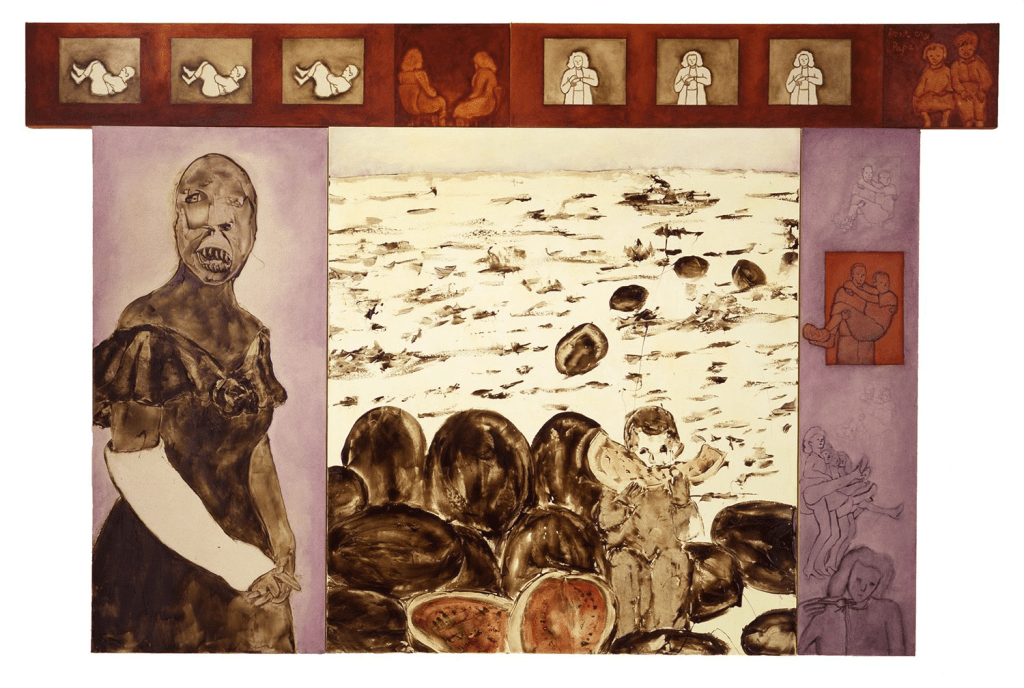
(Vogue Mexico)

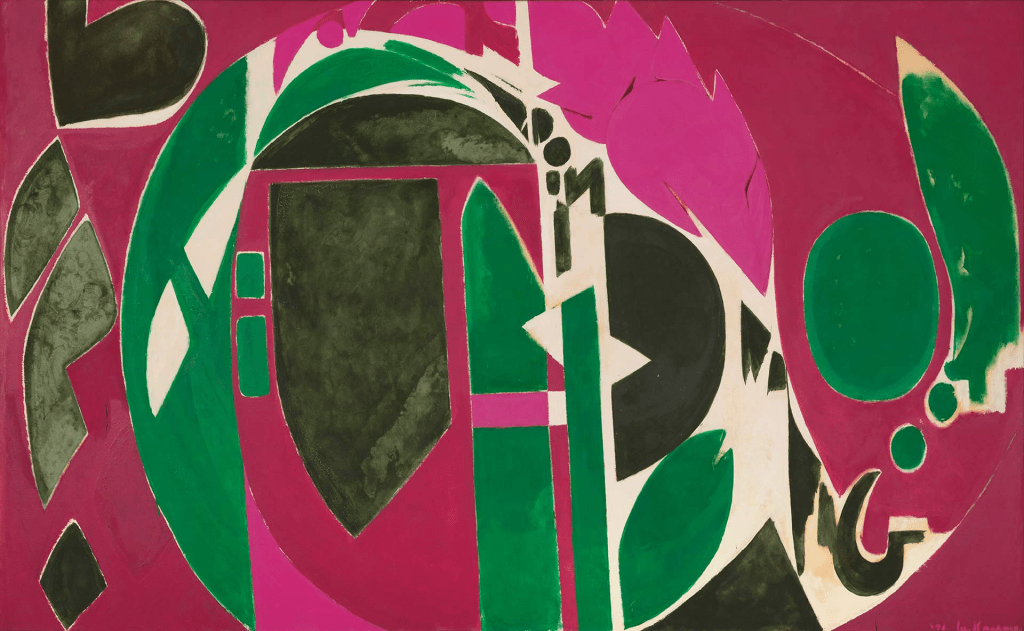
1) Frida Kahlo. Mediocre, did not know how to draw or paint. At best a naïve artist, but hardly even there. It is hard for me to even call her a bad artist, because I tremble to use the word «artist» when referring to her. However, since her death they have converted her into the «queen of merchandising».

(Frida Kahlo Halloween costumes for girls and dogs/photo Jolly Green)

Need I say more about this supposed artist that never added anything to art history? (Sorry if you are a fan. I am hot here to discourage you. This is simply my opinion).

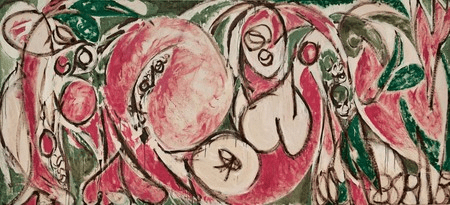
2) Joan Miró. Boring to the extreme. He never experimented, he never searched. He did not even mix colours. What for? Buy the tubes, they already come mixed and then «create» a series of paintings using simply the colours (primary ones) as they come out of the tube. Finish series in ten minutes. If his family had not opened the Joan Miró foundation where would all those canvases be? I suspect collecting dust in some attic or basement. However, I do believe he was a smashing good sort of chap.

(The incredibly «creative» Blue Immersion paintings by Joan Miró/image CAB WordPress)

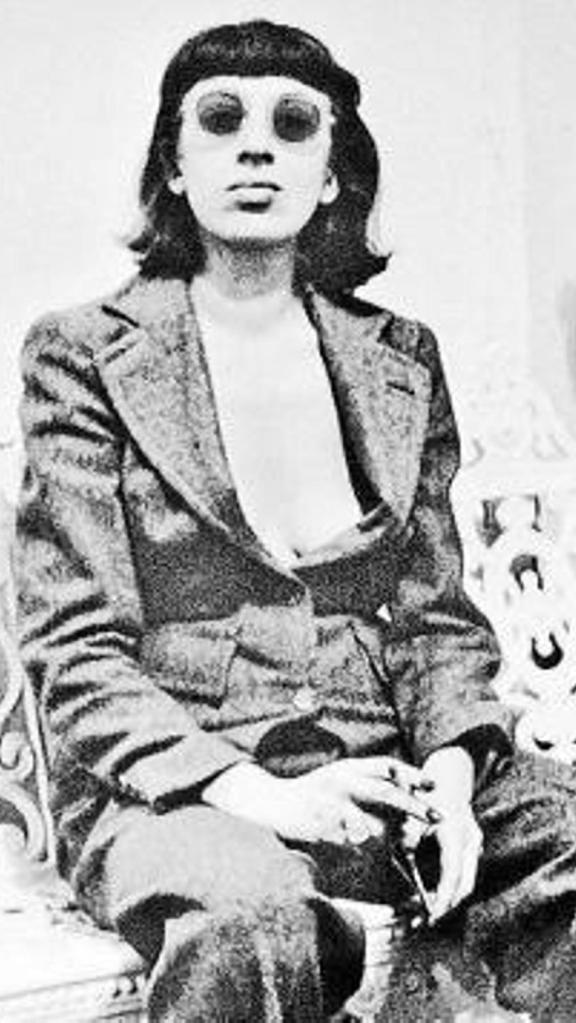
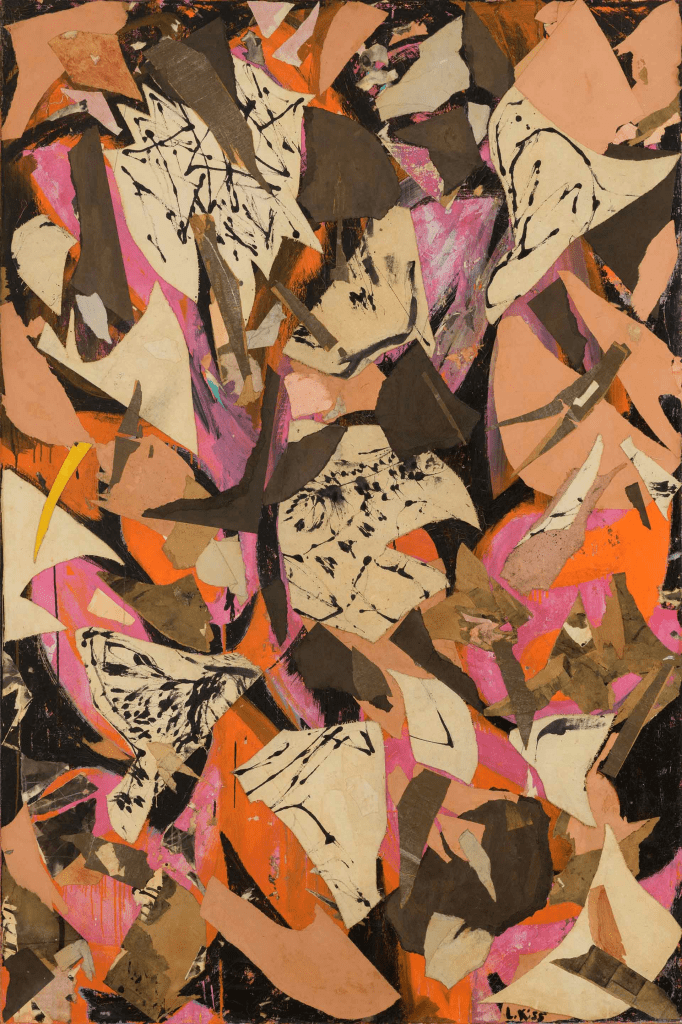
3 A + B) (A)Yoko Ono. If she had not married John Lennon (who she did her best to seduce back in the late 1960’s), nobody would have ever heard of her. And that would have been hunky dory. The only thing she does worse than art is singing, composing and performing. Cannot say anything else about this woman, except that she may actually also be Yayoi Kusama, there is a likeness, no? That allows me to segway to #3 (B), Yayoi Kusama. Great curtain designs for the home of a blind man…

(Yoko Ono/Gala)
(Yayoi Kusama/The Washington Post)

Let me be clear on this very important point. I am judging only the art that these artists have brought to the world. I do not know these people personally therefore I make no judgements on their personality, lifestyle or anything like that. It is nothing personal. If you are a fan of any of these or of any of the ones in the forthcoming part 2, I am so sorry, but this is my opinion based upon a lifetime of study in art and art history. And I also base these opinions on common sense and good taste.

(2022)

CHEERS

#music, #poem, «Lisztomania»

(«Liszt»/Francisco Bravo Cabrera/All Rights Reserved)

Liszt fever! This is how they described the madness of his followers, and how they related to Liszt during his performances. Does «Beatlemania» sound familiar? Well, the mania started back in the XIXth Century with this phenomenal pianist, Franz Liszt. The fist time this mania occurred was during a concert he gave in Berlin (1841). Then a few years later (1844) Heinrich Heine* coined the phrase after analysing Liszt’s concert season in Paris. Lisztomania was characterised by the intense levels of histeria demonstrated by his followers.

MANIA + MUSIC = MUSICMANIA

Music is a blissful angel that flies through particles of air

on tiny beads of sweat,

and rests upon the echoes of your laughter,

or upon the blinking of your large green eyes.

Music roars in harmony with the loudest thunder,

keeps rhythm with the tiny drops of rain,

that accumulate on rooftops,

discordant with uncontrolled

wild movements…

Music stares but does not look,

and bends until you break.

Breathing starts and breathing stops,

while blood,

that rushes madly to the brain,

contemplates sanity but quickly gives up

as I throw logic out the window

with the white keys of my piano

and the E string of my

Fender bass.

C.2024, Francisco Bravo Cabrera, 23 JUL 2024, Izmir, Turkey

* Christian Johann Heinrich Heine, one of the most famous and recognised German poet and essayist of the XIXth Century. He is considered the last of the poets of Romanticism, and the poet who ended the style. He would conjure up the full spectrum of romanticism only to destroy it.

#poem, #prose, #art, FEATURES by VALENCIARTIST Wants You!

(Seagulls over the island of Tabarca, Comunitat Valenciana, Spain/Francisco Bravo Cabrera/All Rights Reserved)

FEATURES by VALENCIARTIST is cordially inviting you, yes you, to be one of our protagonists in this ongoing series. If you are a writer, poet, artist, or in any way engaged in the fine arts, you are welcome and we would love to have you participate. This is a way of getting to know our friends and creative folk that populate our blogging world and beyond.

But you might be asking yourself, «but how?» I will tell you. All you have to do is reply with your email address and we will email to you the requirements and info. Easy, right?

So, do you like the idea? We would love to hear from you.

CHEERS

#music, #poem, «Lisztomania»

(«Liszt»/Francisco Bravo Cabrera/All Rights Reserved)

Liszt fever! This is how they described the madness of his followers, and how they related to Liszt during his performances. Does «Beatlemania» sound familiar? Well, the mania started back in the XIXth Century with this phenomenal pianist, Franz Liszt. The fist time this mania occurred was during a concert he gave in Berlin (1841). Then a few years later (1844) Heinrich Heine* coined the phrase after analysing Liszt’s concert season in Paris. Lisztomania was characterised by the intense levels of histeria demonstrated by his followers.

MANIA + MUSIC = MUSICMANIA

Music is a blissful angel that flies through particles of air

on tiny beads of sweat,

and rests upon the echoes of your laughter,

or upon the blinking of your large green eyes.

Music roars in harmony with the loudest thunder,

keeps rhythm with the tiny drops of rain,

that accumulate on rooftops,

discordant with uncontrolled

wild movements…

Music stares but does not look,

and bends until you break.

Breathing starts and breathing stops,

while blood,

that rushes madly to the brain,

contemplates sanity but quickly gives up

as I throw logic out the window

with the white keys of my piano

and the E string of my

Fender bass.

C.2024, Francisco Bravo Cabrera, 23 JUL 2024, Izmir, Turkey

* Christian Johann Heinrich Heine, one of the most famous and recognised German poet and essayist of the XIXth Century. He is considered the last of the poets of Romanticism, and the poet who ended the style. He would conjure up the full spectrum of romanticism only to destroy it.

#art, My Useless Artists Ranking Top Ten: Part 1

(Vogue Mexico)

1) Frida Kahlo. Mediocre, did not know how to draw or paint. At best a naïve artist, but hardly even there. It is hard for me to even call her a bad artist, because I tremble to use the word «artist» when referring to her. However, since her death they have converted her into the «queen of merchandising».

(Frida Kahlo Halloween costumes for girls and dogs/photo Jolly Green)

Need I say more about this supposed artist that never added anything to art history? (Sorry if you are a fan. I am hot here to discourage you. This is simply my opinion).

2) Joan Miró. Boring to the extreme. He never experimented, he never searched. He did not even mix colours. What for? Buy the tubes, they already come mixed and then «create» a series of paintings using simply the colours (primary ones) as they come out of the tube. Finish series in ten minutes. If his family had not opened the Joan Miró foundation where would all those canvases be? I suspect collecting dust in some attic or basement. However, I do believe he was a smashing good sort of chap.

(The incredibly «creative» Blue Immersion paintings by Joan Miró/image CAB WordPress)

3 A + B) (A)Yoko Ono. If she had not married John Lennon (who she did her best to seduce back in the late 1960’s), nobody would have ever heard of her. And that would have been hunky dory. The only thing she does worse than art is singing, composing and performing. Cannot say anything else about this woman, except that she may actually also be Yayoi Kusama, there is a likeness, no? That allows me to segway to #3 (B), Yayoi Kusama. Great curtain designs for the home of a blind man…

(Yoko Ono/Gala)
(Yayoi Kusama/The Washington Post)

Let me be clear on this very important point. I am judging only the art that these artists have brought to the world. I do not know these people personally therefore I make no judgements on their personality, lifestyle or anything like that. It is nothing personal. If you are a fan of any of these or of any of the ones in the forthcoming part 2, I am so sorry, but this is my opinion based upon a lifetime of study in art and art history. And I also base these opinions on common sense and good taste.

(2022)

CHEERS

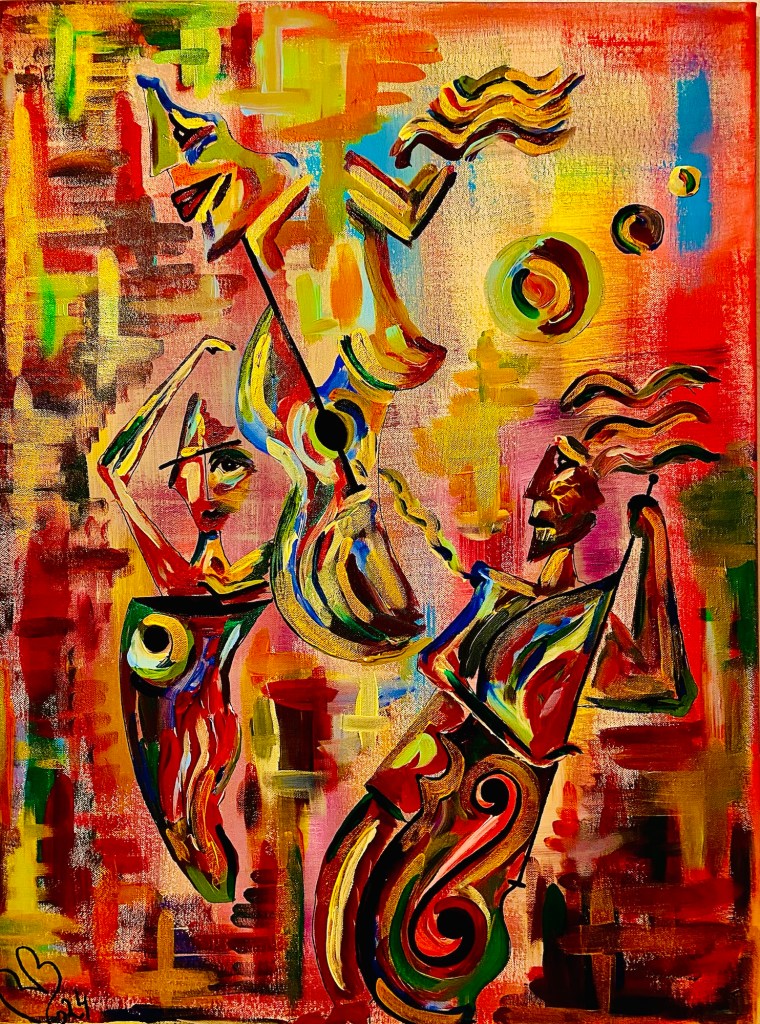
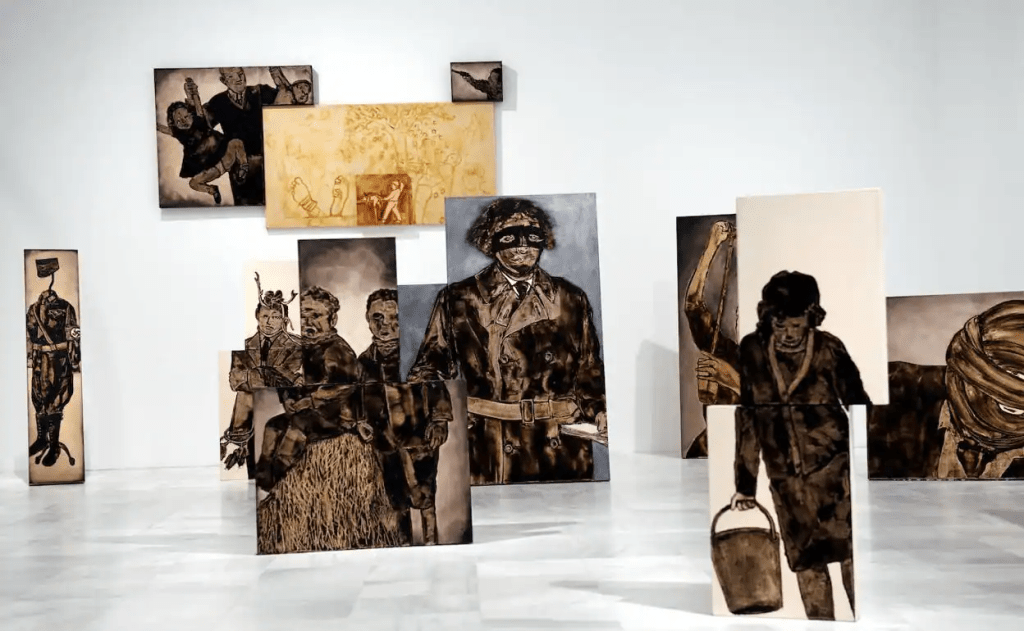
#art, #paintings, BODO: El arte es poesía visual – BODO: Art is Visual Poetry

(Bodo en su atelier de verano/representado por un actor/Bodo in his summer studio/actor portrayal)

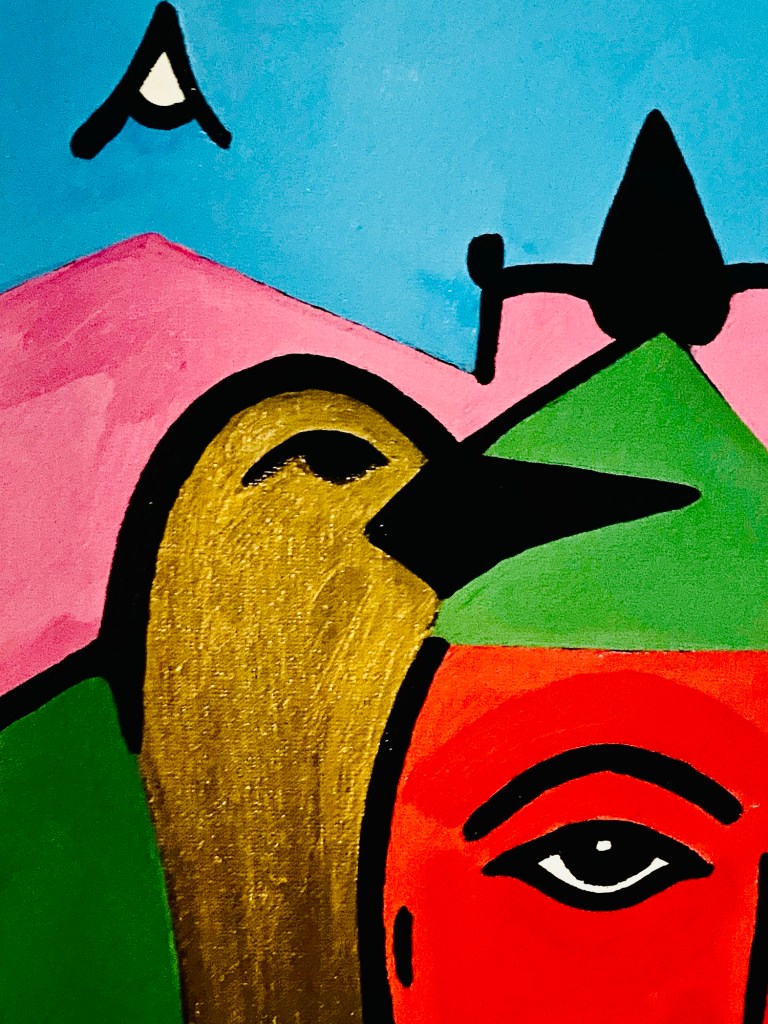
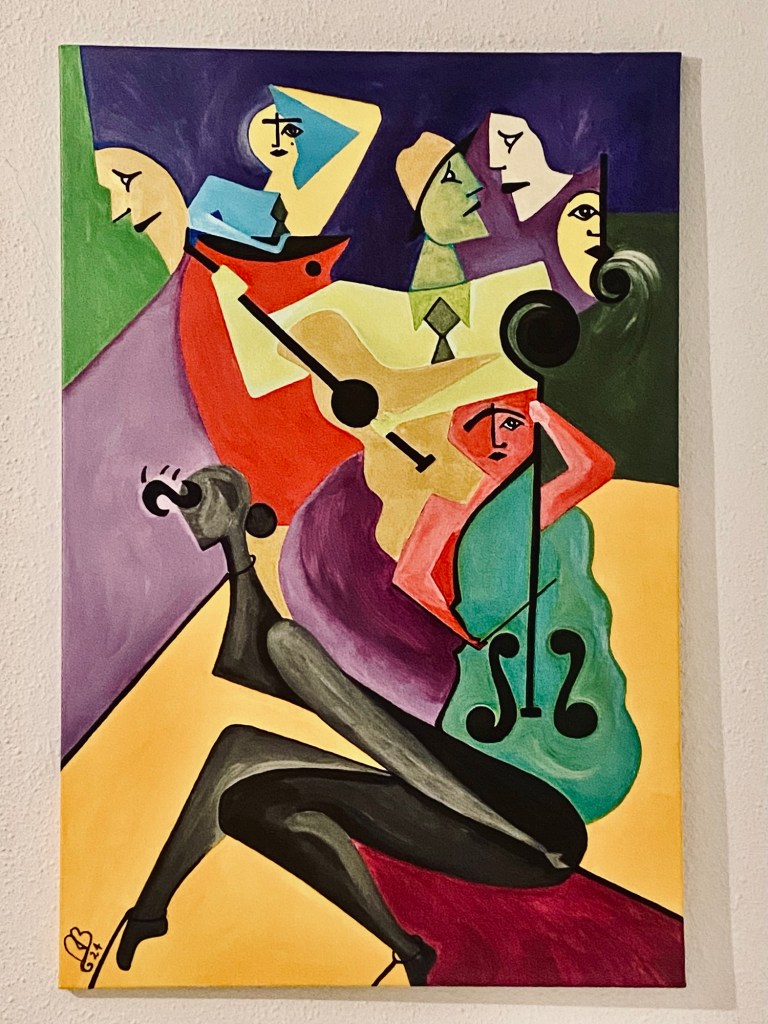
Este es el mas nuevo de mis trabajos de este verano en Turquía. Y como lo veis no está del todo terminado pues le faltan los toques magistrales que le tengo que dar. Lo comencé aquí mismo durante el verano del 2022 y como en el 2023 no vine a mi estudio de verano en Turquía, el cuadro, ya bien comenzado, se quedó esperándome. Ahora, durante el mes de julio de 2024, lo he terminado. El cuadro os contará la historia del grupo musical que ancla la composición a la poesía surrealista, mientras que sus colores y formas ejemplifican los postulados del expresionismo. Por ende el cuadro es surreal-expresionista. Naturalmente su poema y su filosofía reflejan no lo que he visto si no lo que me imagine. No la supuesta «realidad» del momento, la realidad interna después de yo haber deglutido la presentación de este grupo jazz que un dia llegue a ver aquí en Turquía. Así es es expresionismo y el surrealismo es simplemente las andanzas de mi imaginación.

+++++++

This is the newest of my works from this summer in Turkey. As you can see, it’s not entirely finished as it lacks the masterful touches I still need to give it. I started it right here during the summer of 2022, and since I didn’t come to my summer studio in Turkey in 2023, the painting, already well underway, stayed waiting for me. Now, during the month of July 2024, I have finished it. The painting will tell you the story of the musical group that anchors the composition to surrealist poetry, while its colours and forms exemplify the postulates of expressionism. Therefore, the painting is surreal-expressionist. Naturally, its poem and philosophy reflect, not what I have seen but, what I have imagined. Not the supposed «reality» of the moment, but the inner reality I envisioned after I had digested the concert of this jazz group that I once saw here in Turkey. That is what expressionism is, the inner view, and surrealism is simply the wanderings of my imagination.

GRACIAS – CHEERS
#music, #poem, «Lisztomania»

(«Liszt»/Francisco Bravo Cabrera/All Rights Reserved)

Liszt fever! This is how they described the madness of his followers, and how they related to Liszt during his performances. Does «Beatlemania» sound familiar? Well, the mania started back in the XIXth Century with this phenomenal pianist, Franz Liszt. The fist time this mania occurred was during a concert he gave in Berlin (1841). Then a few years later (1844) Heinrich Heine* coined the phrase after analysing Liszt’s concert season in Paris. Lisztomania was characterised by the intense levels of histeria demonstrated by his followers.

MANIA + MUSIC = MUSICMANIA

Music is a blissful angel that flies through particles of air

on tiny beads of sweat,

and rests upon the echoes of your laughter,

or upon the blinking of your large green eyes.

Music roars in harmony with the loudest thunder,

keeps rhythm with the tiny drops of rain,

that accumulate on rooftops,

discordant with uncontrolled

wild movements…

Music stares but does not look,

and bends until you break.

Breathing starts and breathing stops,

while blood,

that rushes madly to the brain,

contemplates sanity but quickly gives up

as I throw logic out the window

with the white keys of my piano

and the E string of my

Fender bass.

C.2024, Francisco Bravo Cabrera, 23 JUL 2024, Izmir, Turkey

* Christian Johann Heinrich Heine, one of the most famous and recognised German poet and essayist of the XIXth Century. He is considered the last of the poets of Romanticism, and the poet who ended the style. He would conjure up the full spectrum of romanticism only to destroy it.

#poem, FEATURES by VALENCIARTIST Presents Gary Gautier

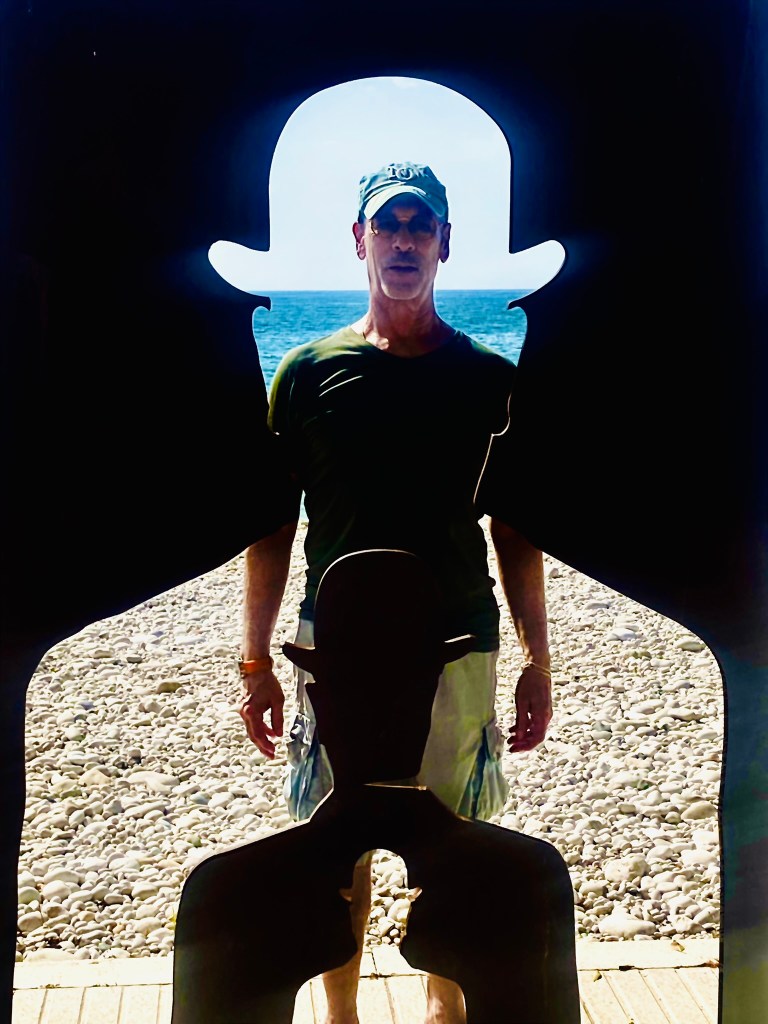
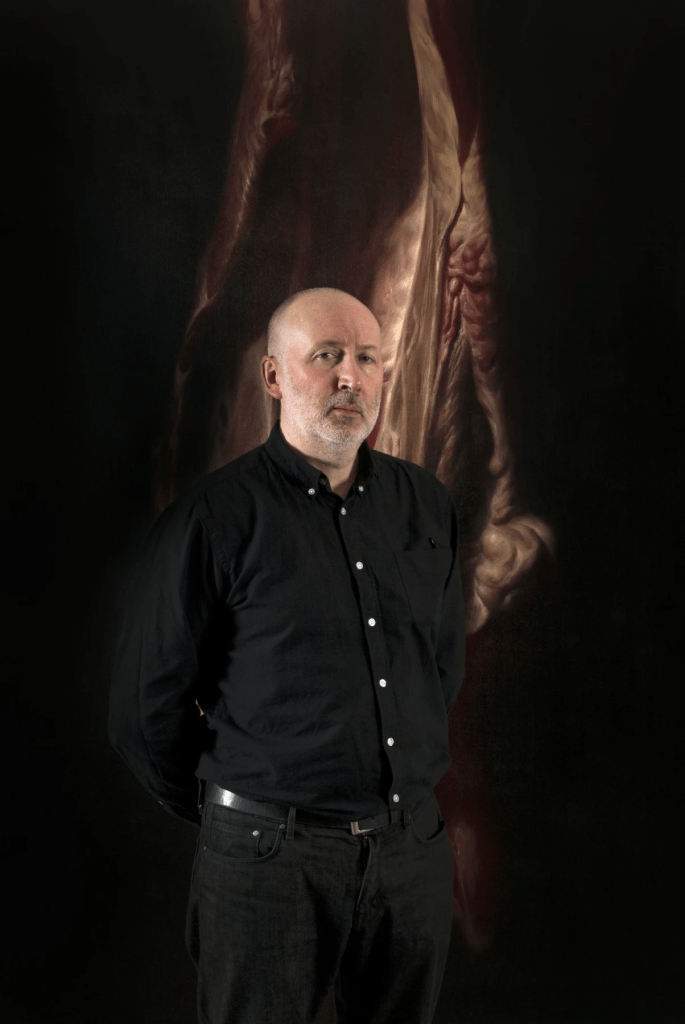
(Gary Gautier/photo by GG)

Welcome! Today on FEATURES by VALENCIARTIST we are so very proud to present to you the words and the work of Gary Gautier. Gary is a writer, a poet and an educator and we are absolutely sure you will greatly enjoy this interview and post.

And, if you, yes you, if you are a writer or somehow involved in the fine arts, would like to be a protagonist of FEATURES by VALENCIARTIST, all you have to do is to reply to this post with your email address so that we can send you the information.

Here is Gary, whom you may know from his WP blog Shakemyheadhollow and perhaps from many other sources, in his own words:

1) How do you define the art of the writer, or the poet or the painter or of anyone involved in the creative process of the fine arts?

The cultural anarchist in me resists rules and definitions, but since you are pushing me, Francisco, I’ll use poetry as my representative art, and I’ll tiptoe around a definition with two images: a garden and a toolbox. Novels and poems are essentially suggestive, not propositional. Propositional language looks for fixed answers. Literary language avoids fixed answers in order to open a range of possibilities. Immersion is more important than meaning. A novel or poem is a garden made of words. You just enjoy the beauty, the smells, the contrasts and surprises as you turn down a path. The artist has planted a garden; now you are free to get lost in it.

 Some literature, of course, does rely on meaning, but it’s usually not a fixed meaning. It’s more like a cloud of meaning that condenses around the words, the history of words and phrases, the lines, the sounds. A well-written poem is layered with possible meanings, many of which the poet knew nothing about. Each reader brings the poem to life and imbues it with meaning from their own orientation point on life.

This brings me to the toolbox image. A poem or novel is a toolbox readers can use to create beauty and/or meaning. Don’t worry too much over what the poet intended. What really counts is what you can do with it. Has the poet arranged for you a rich set of materials – images, sounds, ideas, emotional triggers – for reflection? If so, run with it. If you really want to, you can go back later and revisit those building blocks, the tools in the toolbox, to see how they fit together and carry possible meanings and values. But you don’t have to 😊


2) Do you think writers/poets/artists et al, should proffer political opinions publicly?

No rules. It’s up to them. They have as much right to do so as lawyers, clerks, or fry cooks. Some may want to do so; some may not. They both have their own good reasons. The only thing they should not do is reduce their own art to a fixed politics. Sure, some art has strong political components, but once you go public, it’s not yours to say. The world decides how to mine significance from those political components. At that point, the artist’s opinion is just one of the many opinions. If the artist is lucky, the range of significance is much more complicated than the artist had intended.


3) How do you see the current state of affairs with regards to literature and poetry?

I’m totally incompetent here. I read mostly classics from Greeks through maybe the 1980s, then I’m very hit and miss. I’d rather read Woolf’s To the Lighthouse 5 times and find 5 completely different geological strata of imagery and meaning and symbolism than read widely among my contemporaries. Two negatives do occur to me, but I’m only guessing. In the age of self-publishing platforms and Twitter marketing, it seems writing books in series has become a marketing strategy of choice – where someone might write a 3-book series every 6 months. This is good for entertainment but probably a net negative for art. Good books can be written in series, but great books are usually standalones. The other negative – and here I’m looking at the traditional publishers and academics – is the full-on politicization of literature, where crops of newly empowered young editors and liberal arts curricula people screen out books that don’t have the same cookie-cutter politics as themselves in the honest belief that they are doing the world a favor. Again, I am not very qualified to answer this question, and could be wrong about both of my points, but I offer them as starting points for discussion. I defer to your more knowledgeable readers to carry that discussion forward.

+++++++

And here is an excerpt from his book Alice

In my own writing. I try to hone to the standard of art above in my own poems and novels, with what success your readers can tell. Because that standard is not genre-specific, my novels can probably be lumped together as “literary fiction” while touching on other genres – “Hippies” might cross-categorize as historical, “Goodbye Maggie” as Southern regional, and so on. I’ll save my poetry books for another day. For my sample, I’ll link to the opening scene of my post-apocalyptic adult hippie fairy tale, Alice.

ALICE, page 1

Alice sat by the pond cupping her hand in the water, as if searching for an undersea plant or animal. The sun was going down. She stripped off her gown and dove in to do something but she could not remember what. When she came up, something was in her hand and the stars were above. They were the same stars as ever, but the constellations were different. Virgo and Scorpio and all the others were gone, and some new arrangement had begun. Something moved in the woods beside the pond. Not really in the woods. In a juniper bush. It was too big to be a fairy. Alice did not know what it was that moved in the juniper bush.

As Alice approached the shack, she could hear in the dark the whispering of the forest. She saw the lovely silhouette of Evelyn through the window, sleeping in bed. She entered, and Evelyn opened her eyes.

“I was at the pond,” Alice said.

“Was the rain king there?” asked Evelyn.

“No. Not today. But something happened. I dove in and the whole cosmos changed. The stars are still there but all the old constellations are gone. Virgo and Scorpio are gone now.”

Evelyn sat up. She was taller than average, with a nobility of stature that contrasted with the petite Alice.

“So then it’s a new age,” said Evelyn.

“Yes.”

Alice sat on the bed. Evelyn leaned toward her, pushed a brown curl from the brown eye of Alice, and kissed her twice. Once on her favorite birthmark in the whole world, the pink crescent moon on Alice’s neck just above the collarbone. And once on the mouth.

“We can hope,” she whispered.

“Yes,” said Alice. “And when we can’t hope, we can love.”

And they lay down together in the wood frame bed in the wood frame house in the woods.

The next day, John Wilson came over to the shack. No one ever called him “John.” They always said, “John Wilson.”

“Something happened with the fairies last night,” said John Wilson.

“I knew it,” said Alice . . .

A post-apocalyptic adult hippie fairy tale by two-time Faulkner-Wisdom Prize finalist, Gary Gautier

And to keep in touch with Gary and his current writing projects please visit:

web: http://www.garygautier.weebly.com
blog: http://www.shakemyheadhollow.com
facebook: https://www.facebook.com/gary.gautier.3
instagram: https://www.instagram.com/drggautier/

BIOGRAPHICAL INFORMATION

Gary Gautier has taught university writing and literature and given numerous radio interviews. Both his poetry and fiction have been shortlisted for the Faulkner-Wisdom Prize, and his novels have earned a #1 Amazon bestseller rank in two categories. His latest novel, Alice, was selected for the Innovative Fiction Book Club, and a screenplay version of his novel, Mr. Robert’s Bones, made the second round (top 10%) at the Austin Film Festival. Gary has hitchhiked through 35 states and 18 countries, and he will soon leave his current quarters in Tokyo for the pueblos mágicos of central México.

CHEERS

#poem, #prose, #art, FEATURES by VALENCIARTIST Wants You!

(Seagulls over the island of Tabarca, Comunitat Valenciana, Spain/Francisco Bravo Cabrera/All Rights Reserved)

FEATURES by VALENCIARTIST is cordially inviting you, yes you, to be one of our protagonists in this ongoing series. If you are a writer, poet, artist, or in any way engaged in the fine arts, you are welcome and we would love to have you participate. This is a way of getting to know our friends and creative folk that populate our blogging world and beyond.

But you might be asking yourself, «but how?» I will tell you. All you have to do is reply with your email address and we will email to you the requirements and info. Easy, right?

So, do you like the idea? We would love to hear from you.

CHEERS

#poem, FEATURES by VALENCIARTIST Presents Gary Gautier

(Gary Gautier/photo by GG)

Welcome! Today on FEATURES by VALENCIARTIST we are so very proud to present to you the words and the work of Gary Gautier. Gary is a writer, a poet and an educator and we are absolutely sure you will greatly enjoy this interview and post.

And, if you, yes you, if you are a writer or somehow involved in the fine arts, would like to be a protagonist of FEATURES by VALENCIARTIST, all you have to do is to reply to this post with your email address so that we can send you the information.

Here is Gary, whom you may know from his WP blog Shakemyheadhollow and perhaps from many other sources, in his own words:

1) How do you define the art of the writer, or the poet or the painter or of anyone involved in the creative process of the fine arts?

The cultural anarchist in me resists rules and definitions, but since you are pushing me, Francisco, I’ll use poetry as my representative art, and I’ll tiptoe around a definition with two images: a garden and a toolbox. Novels and poems are essentially suggestive, not propositional. Propositional language looks for fixed answers. Literary language avoids fixed answers in order to open a range of possibilities. Immersion is more important than meaning. A novel or poem is a garden made of words. You just enjoy the beauty, the smells, the contrasts and surprises as you turn down a path. The artist has planted a garden; now you are free to get lost in it.

 Some literature, of course, does rely on meaning, but it’s usually not a fixed meaning. It’s more like a cloud of meaning that condenses around the words, the history of words and phrases, the lines, the sounds. A well-written poem is layered with possible meanings, many of which the poet knew nothing about. Each reader brings the poem to life and imbues it with meaning from their own orientation point on life.

This brings me to the toolbox image. A poem or novel is a toolbox readers can use to create beauty and/or meaning. Don’t worry too much over what the poet intended. What really counts is what you can do with it. Has the poet arranged for you a rich set of materials – images, sounds, ideas, emotional triggers – for reflection? If so, run with it. If you really want to, you can go back later and revisit those building blocks, the tools in the toolbox, to see how they fit together and carry possible meanings and values. But you don’t have to 😊


2) Do you think writers/poets/artists et al, should proffer political opinions publicly?

No rules. It’s up to them. They have as much right to do so as lawyers, clerks, or fry cooks. Some may want to do so; some may not. They both have their own good reasons. The only thing they should not do is reduce their own art to a fixed politics. Sure, some art has strong political components, but once you go public, it’s not yours to say. The world decides how to mine significance from those political components. At that point, the artist’s opinion is just one of the many opinions. If the artist is lucky, the range of significance is much more complicated than the artist had intended.


3) How do you see the current state of affairs with regards to literature and poetry?

I’m totally incompetent here. I read mostly classics from Greeks through maybe the 1980s, then I’m very hit and miss. I’d rather read Woolf’s To the Lighthouse 5 times and find 5 completely different geological strata of imagery and meaning and symbolism than read widely among my contemporaries. Two negatives do occur to me, but I’m only guessing. In the age of self-publishing platforms and Twitter marketing, it seems writing books in series has become a marketing strategy of choice – where someone might write a 3-book series every 6 months. This is good for entertainment but probably a net negative for art. Good books can be written in series, but great books are usually standalones. The other negative – and here I’m looking at the traditional publishers and academics – is the full-on politicization of literature, where crops of newly empowered young editors and liberal arts curricula people screen out books that don’t have the same cookie-cutter politics as themselves in the honest belief that they are doing the world a favor. Again, I am not very qualified to answer this question, and could be wrong about both of my points, but I offer them as starting points for discussion. I defer to your more knowledgeable readers to carry that discussion forward.

+++++++

And here is an excerpt from his book Alice

In my own writing. I try to hone to the standard of art above in my own poems and novels, with what success your readers can tell. Because that standard is not genre-specific, my novels can probably be lumped together as “literary fiction” while touching on other genres – “Hippies” might cross-categorize as historical, “Goodbye Maggie” as Southern regional, and so on. I’ll save my poetry books for another day. For my sample, I’ll link to the opening scene of my post-apocalyptic adult hippie fairy tale, Alice.

ALICE, page 1

Alice sat by the pond cupping her hand in the water, as if searching for an undersea plant or animal. The sun was going down. She stripped off her gown and dove in to do something but she could not remember what. When she came up, something was in her hand and the stars were above. They were the same stars as ever, but the constellations were different. Virgo and Scorpio and all the others were gone, and some new arrangement had begun. Something moved in the woods beside the pond. Not really in the woods. In a juniper bush. It was too big to be a fairy. Alice did not know what it was that moved in the juniper bush.

As Alice approached the shack, she could hear in the dark the whispering of the forest. She saw the lovely silhouette of Evelyn through the window, sleeping in bed. She entered, and Evelyn opened her eyes.

“I was at the pond,” Alice said.

“Was the rain king there?” asked Evelyn.

“No. Not today. But something happened. I dove in and the whole cosmos changed. The stars are still there but all the old constellations are gone. Virgo and Scorpio are gone now.”

Evelyn sat up. She was taller than average, with a nobility of stature that contrasted with the petite Alice.

“So then it’s a new age,” said Evelyn.

“Yes.”

Alice sat on the bed. Evelyn leaned toward her, pushed a brown curl from the brown eye of Alice, and kissed her twice. Once on her favorite birthmark in the whole world, the pink crescent moon on Alice’s neck just above the collarbone. And once on the mouth.

“We can hope,” she whispered.

“Yes,” said Alice. “And when we can’t hope, we can love.”

And they lay down together in the wood frame bed in the wood frame house in the woods.

The next day, John Wilson came over to the shack. No one ever called him “John.” They always said, “John Wilson.”

“Something happened with the fairies last night,” said John Wilson.

“I knew it,” said Alice . . .

A post-apocalyptic adult hippie fairy tale by two-time Faulkner-Wisdom Prize finalist, Gary Gautier

And to keep in touch with Gary and his current writing projects please visit:

web: http://www.garygautier.weebly.com
blog: http://www.shakemyheadhollow.com
facebook: https://www.facebook.com/gary.gautier.3
instagram: https://www.instagram.com/drggautier/

BIOGRAPHICAL INFORMATION

Gary Gautier has taught university writing and literature and given numerous radio interviews. Both his poetry and fiction have been shortlisted for the Faulkner-Wisdom Prize, and his novels have earned a #1 Amazon bestseller rank in two categories. His latest novel, Alice, was selected for the Innovative Fiction Book Club, and a screenplay version of his novel, Mr. Robert’s Bones, made the second round (top 10%) at the Austin Film Festival. Gary has hitchhiked through 35 states and 18 countries, and he will soon leave his current quarters in Tokyo for the pueblos mágicos of central México.

CHEERS