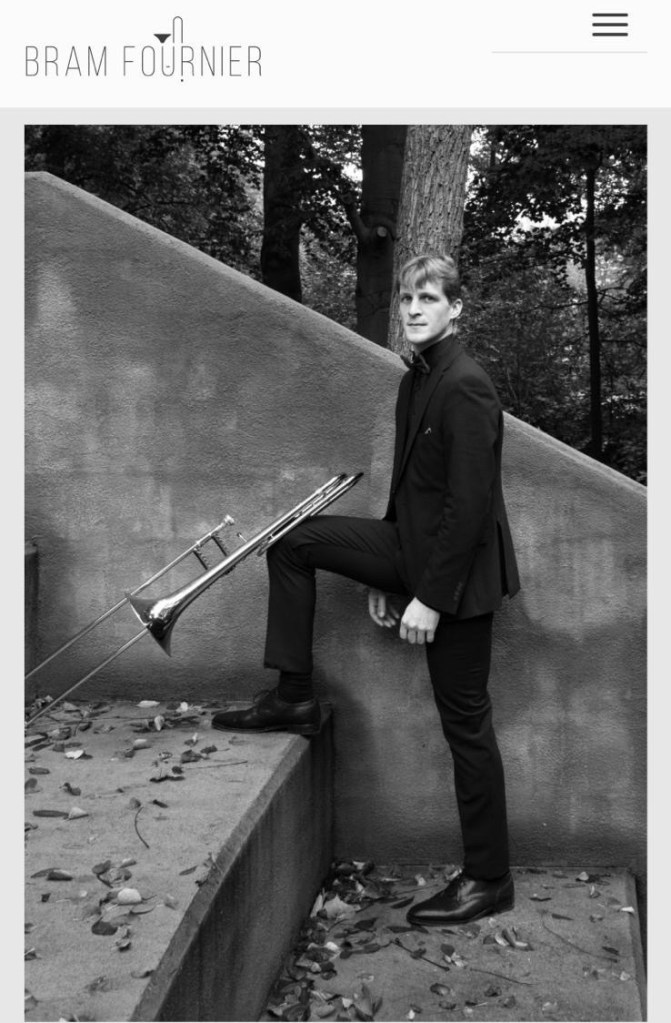
#music, The Phenomenal Music of Bram Fournier
Faith saved us from the savages that we were, losing faith makes us savages again

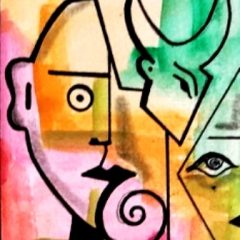
4) Romero Britto. Well Britto should take up a lot, if not most, of the slots in my ranking of my worst ten artists (my opinion). Really I should not even include him as an artist, because he is not. He is a mystery. I cannot understand why or who would purchase one of his atrocities. He stands next to the great bad ones like Miró and Kahlo. Yet those were simply bad artists, Britto is not an artist. And if you search, you find nothing about hi, He says he never studied art, and that is quite evident when you see his «works» which resemble a kindergartner’s colouring book. I will let you be the judge.

There really is no reason to put any more as they are all the same.
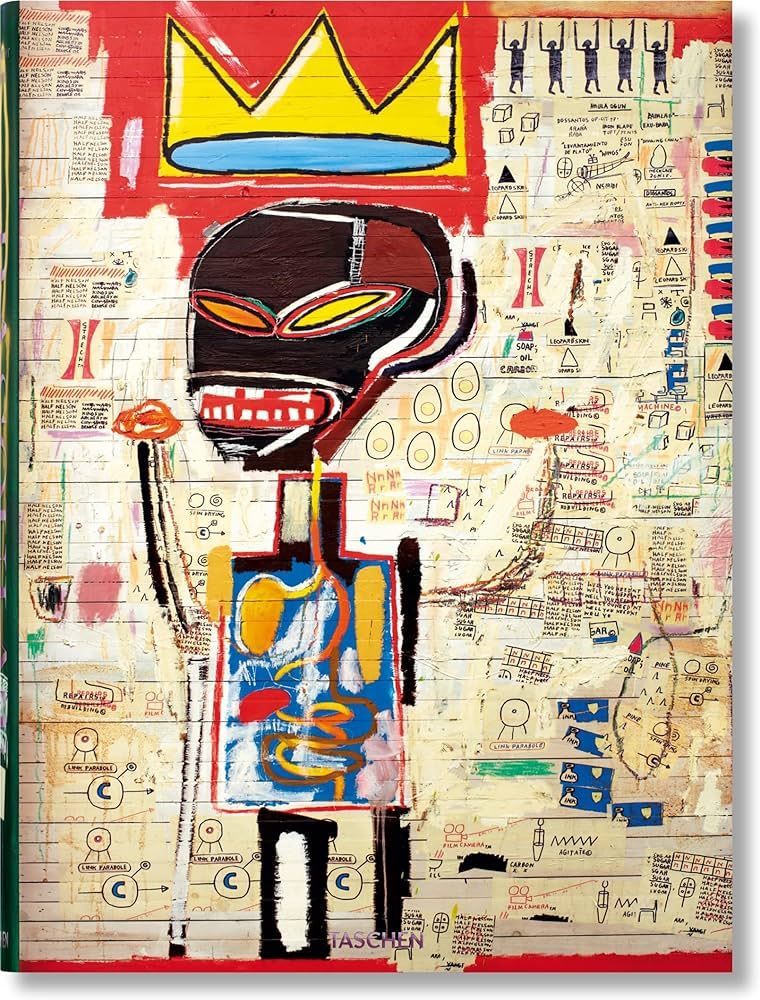
5) Jean-Michel Basquiat. The «enfant terrible» of the 1980’s. The boy-man who wanted to become famous and rich, and who managed it. I must say that I do respect him a bit more than most of the others, but I still consider him a terrible artist. His mother trained him in the arts and he profited from it, to a certain extent. He was a «graffiti artist» for a while, an abstract musician, a painter, a bohemian, a bum on the streets, and a spoiled brat who did not know how to live and ended up the way he did. Suicide by overdose of drugs. His works are uninspiring and quite cliché, boring to the max and do not, nor have they ever proffered anything to art history. The fact that he was always around the «greats» of his time contributed to his posthumous success. As to the value of his works, well, that is a mystery just like with Britto.
6) Damien Hirst. If anyone can be called a non-artist (besides the ones I have already mentioned) is Mr. Hirst. He thought he had invented the circles of colour, he put a shark in formaldehyde (which he did not mix well and the shark began to rot and had to be replaced) and he made a skull with diamonds who no one bought and who was secretly purchased by a group which included himself… He does not know anything about painting, drawing, well, nothing about art at all. Well, if I could put all the «artists» I have mentioned as number one on my list, I would.

CHEERS
I always thought that artists (painters and sculptors) only had to display their works and with that they said it all. However, as you can see, here we are talking away, theorising and explaining. Art History (as an academic course) has become too long and too coarse. It collects, like a rubbish bag, everything that they throw into it. Styles of art are mostly defined by critics, «professors,» and journalists supposedly specialised in writing about art. I will tell you what I think of each of those groups.
First the art critics. To this group I give very little value and very little time. I can do without them and I wipe my nose with their critiques. We all know how to judge and how to determine what we like or don’t like, so we do not need a parrot to tell us what is good or not or to guide us. Second, the supposed teachers or professors. Well, this group is seemingly very important because they are to teach art students and guide them towards becoming artists. But they lose all their value when, in place of teaching the fundamentals, they serve as advocates for their own favourite style or artists. This creates students that really do not know much about making art, losing sight of the fundamentals of painting, sculpture, lithography or ceramics.
The art journalists, or those who write about art. Being those that tell us about openings, dates, times, the artist or artists involved. They are good for that, to help us fill in dates in our calendars to go see an exhibition, or not. But they go further, they promote those they like, or those that seem to be in the present «vanguard» and ignore the rest like the plague. Most of these «journalists» are frustrated or failed artists themselves. They probably failed because they did not work hard enough or dedicate enough time. Art requires hard work, and talent is only developed through sweat, effort and time. One is not born with talent, one develops it if one is interested in what they are doing. So I really do not have many good things to say about those who only write about those in the current mix (or those who pay them). Great journalism I’d say!
OMNIA CAELUM STUDIOS VALENCIA PRESENTS:
Cheers…
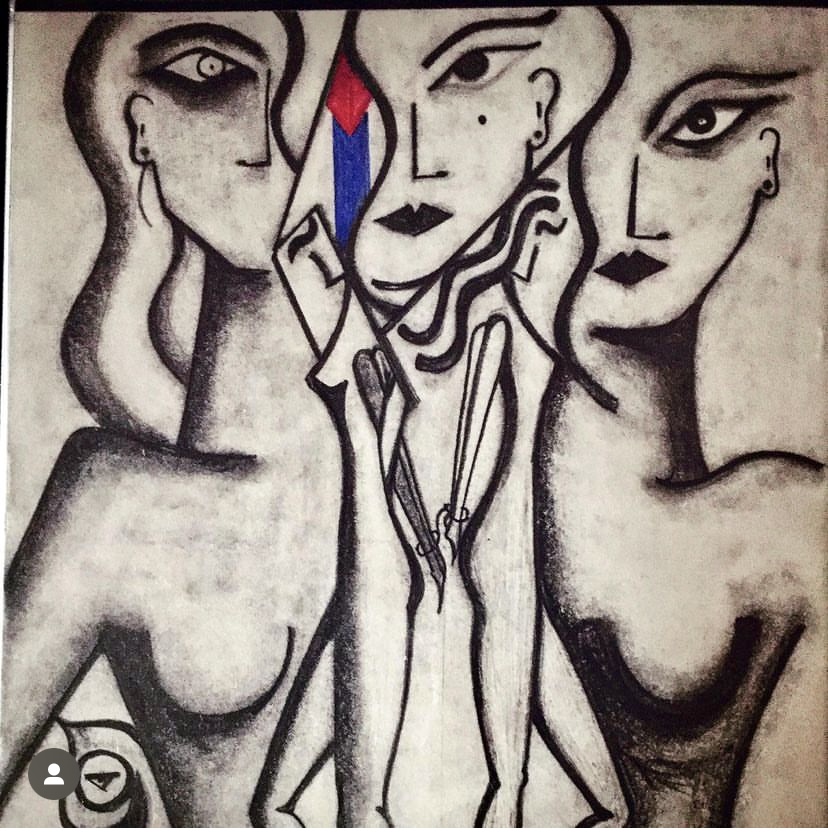
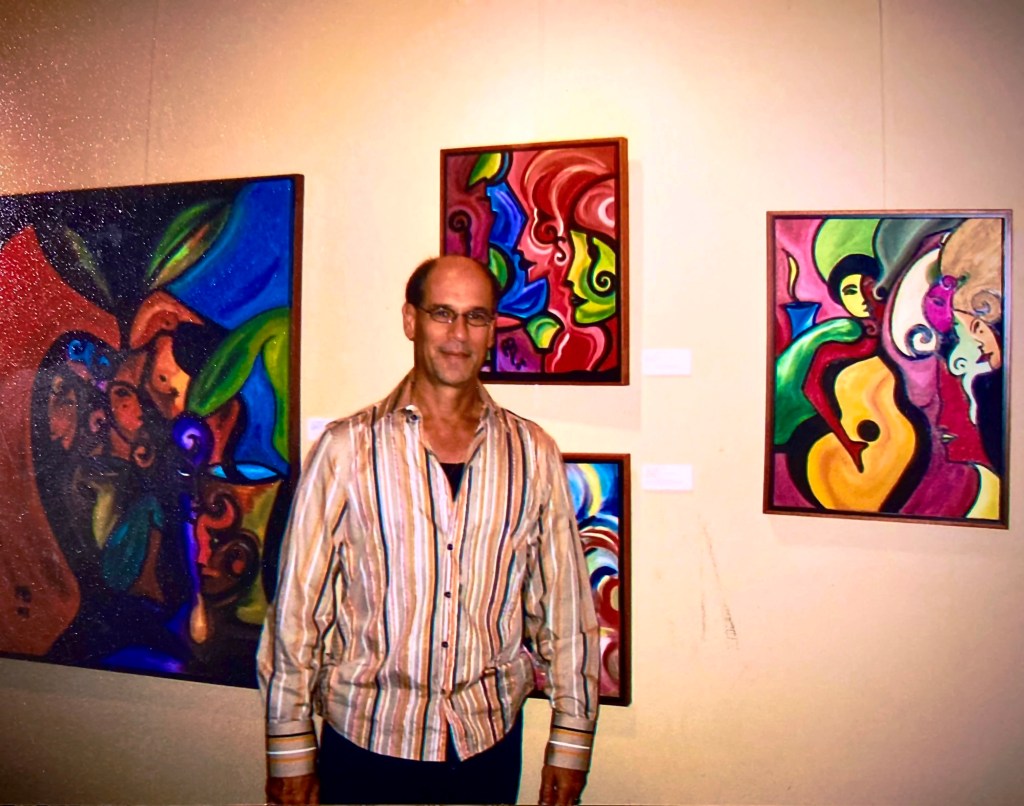
ART is something abstract, it has to be because of its nature, although it is a creative act. That being, it is still simply the creation of an artist, and the artist has taken that with which he will create art from the complete and perfect creation of God. The artist takes the forms and ideas, turns them into designs, and makes works of art with them, creating new worlds which he puts on canvas with paint, graphite on paper, or sculpts them in rock, bronze, or wood. So all the artists’ works are abstracts, extracted from the great creation of God.
To triumph in art, an artist must be able to harmonize with nature and, most importantly, become devoted to humility. And for a painting to triumph…especially over time…requires spirituality and that depends on how the artist has painted it. If the artist is faithful to his era and to his history, the painting will possess great spirituality and be forever fresh. So, if the artist is working faithfully within the history that is passing him by and the one he is creating, he can approach the purity of art. And he will create either by seeing, perceiving, or feeling the reality…and the truths…that surround him. Conscious of that, the artist will represent his theme, subject, composition and message just as it appears to him (Impressionism) or as he feels it should be deep within himself (Expressionism). The artist’s work is slow but maintains itself in constant motion, imitating the Universe, which, like God, always moves but never hurries.
Now…
I see worlds merging in the gaze of the artist who seeks…not to beautify what is already perfect and beautiful…to delve into the Great Work that is Nature. He understands that Nature does not concern herself with fitting, matching, or planning. No, because Nature simply exists, God created her complete and perfect. And although she manifests herself in myriad ways, growing, changing shapes and colours, never repeats herself…although it may seem she does to us…Nature always stays the same. Nature, like art, does not evolve, it is.
«I have come to realize that memories…and memory itself…are fragile, very fragile, and we take very poor care of them. I want to work and create, artistically, to honor Mother Earth, God, and their great work, and all those whom God has given me to care for and love.»
In my flat on Carrer de Casanova in Sant Gervasi, I enjoyed the magic of of one of the most phenomenal cities I’ve ever known, Barcelona. It was the year 2016, and while there I managed to develop many ideas, which I captured well with pencil and India ink in several sketchbooks. I drew in the living room, on the balcony, and later in the studio that I set up in one of the empty rooms of the flat.
But the year 2016, although one of great creativity, was a year of much movement. I travelled to several cities. The first one I visited was Cienfuegos (Cuba), where I spent the month of March. In September it was Athens, in October, Turkey and finally Miami, Florida (USA) in November. In all of them, I took the opportunity to add more and more pages to my sketchbooks and to fill my head with ideas that I later managed to turn into drawings, poems, and memories in Barcelona.
Most of the drawings were part of a collection… already sold… titled «Islands of Jazz,» and others were part of another called «Cuba Song.»
That’s why I conclude as I began, asserting that art, even figurative art, is abstract. As the figurative artist that I am, I’ve extracted the shapes, the colours, the movement…the jazz…from the God’s creation and painted it, as it was created and «seen» by my «mind’s eye», but on a smaller scale. That’s all. That is art.
(Francisco Bravo Cabrera – 7/10/2016, Barcelona, Catalonia/Listening to Stan Getz)
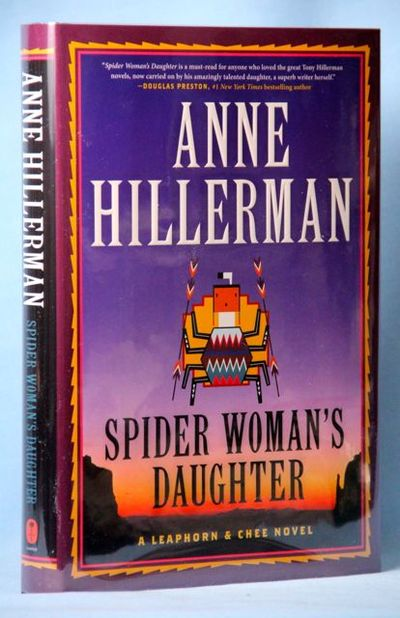
This was the first book which incorporated the characters that Anne Hillerman’s father, Tony Hillerman developed back (1970) when he wrote his first novel of the Navajo Nation Police, «The Blessing Way.»
Okay, I am not a book reviewer, so be patient with me. I bought «Spiderwoman’s Daughter» at the Miami International Airport…in 2014…while I waited for a flight to New York, en route to Istanbul. I began reading it on the plane and continued reading it after I made my connection, JFK to Istanbul. Once I got to my summer Turkish destination, on the southern Mediterranean coast, I must have read a few chapters. But sailing and the beach were too engaging, and I left the book.
Fast forward to 2024. I was looking through the things I had left here and I found the book. It was still marked at the place where I had left it ten years ago. Funny how all those other years that I had come here I had not even thought of looking for it. But I am glad this summer i did. And I just finished reading it, and I loved it. Plus it got me back to one of my old favourite pastimes, reading. I’ve already started on her second novel «Rock With Wings» which I had not realised I had purchased and was in my e-book library.
Tony Hillerman’s books focused on two principal characters, and many others that appeared, re-appeared, or disappeared according to the needs of the plot. The books were all mysteries that took place on the area of the Navajo Nation and the surrounding US states, like New Mexico, Arizona, Utah and Colorado. His descriptions of that area were incredible to me and I would imagine them as I had never been to the US Southwest. The main characters were Lieutenant Leaphorn (The Legendary Lieutenant) and a few books later, Jim Chee, both officers of the Navajo Nation Tribal Police.
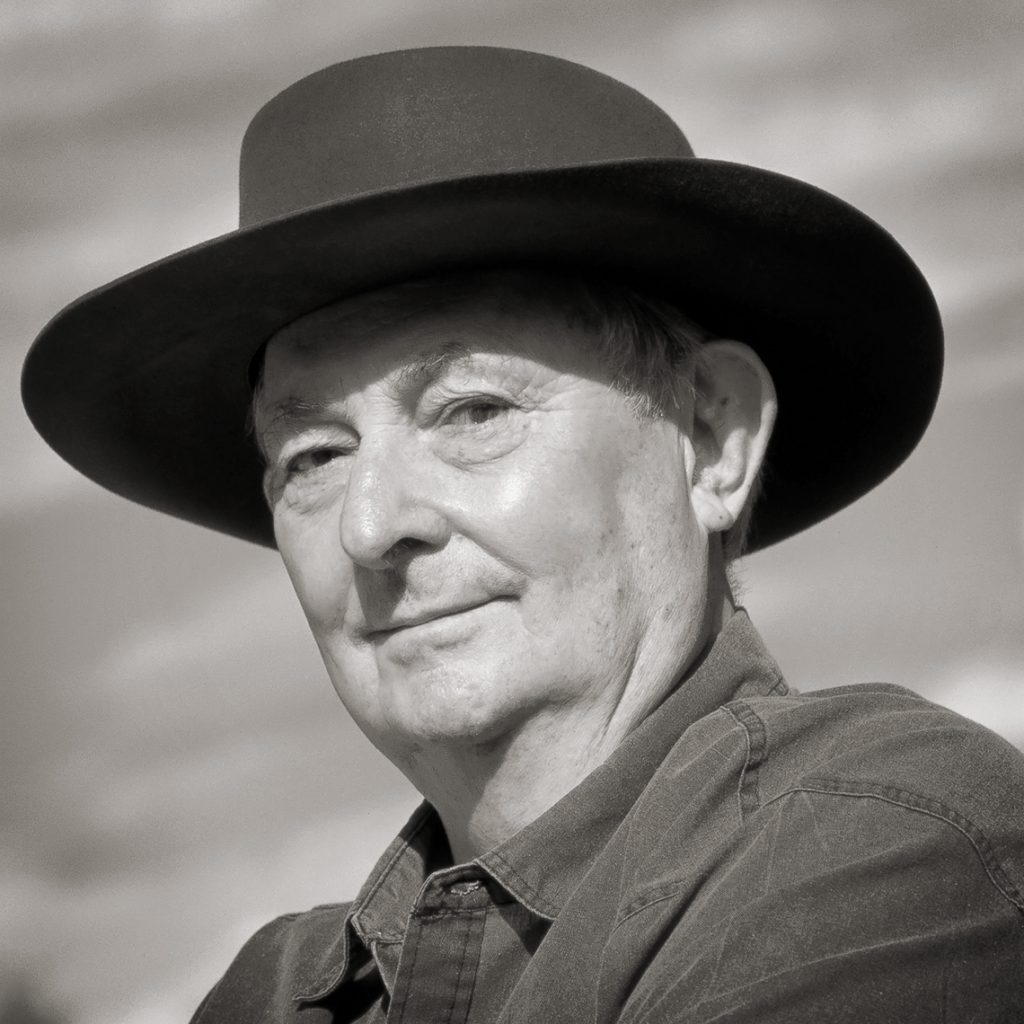
Tony Hillerman, who was born in Oklahoma (1925), sadly passed away in 2008. He was a prolific author…New York Times bestseller always…with a phenomenal ability to create believable, and memorable characters. From 1970 to 2006, he wrote 18 novels about the detective work, lives, loves and hardships of Jim Chee and Lt. Leaphorn. And towards the end he added a new protagonist, Bernadette Manuelito, also a police officer of the Navajo Nation.
I had read all his books. I was totally hooked on these characters and the descriptions of the life and geography of that mysterious region that I had only seen in the old cowboy movies. Then when he passed away I thought it was all over. But it wasn’t.
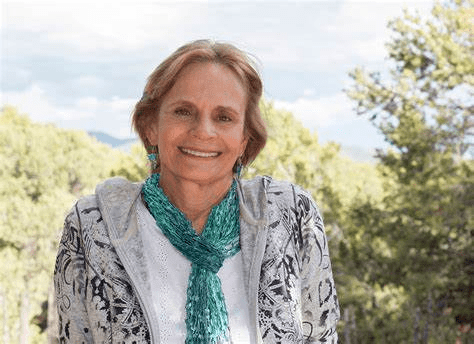
Thankfully his daughter, Anne, also a fabulous writer…New York Times bestseller…continued the saga of these incredible characters her father had developed. «Spiderwoman’s Daughter«, her first book, is a sort of like a bridge from her father’s books to her own. She goes back to many of the mysteries solved in his novels and shows us another part of the plot. But she has developed Officer Bernadette Manuelito (Bernie) to perfection.
Needless to say, I am thrilled with her series of Jim Chee/Bernie/Leaphorn books. If you like adventure stories with incredibly well developed characters that confront mysteries and difficulties like «real» people, and not like characters in a video game (or modern movies), then you will love the series.
And happily, I can tell you that I will be busy, very busy reading, Here is my reading list for the rest of the year as these are the books that Ms. Hillerman has written since 2013. I hope she writes many, many more…
2013 Spider Woman’s Daughter ISBN 978-0-06-227048-1.
2015 Rock With Wings ISBN 978-0-06-227051-1.
2017 Song of the Lion ISBN 978-0-06-239190-2.
2018 Cave of Bones ISBN 978-0-06-239192-6.
2019 The Tale Teller ISBN 978-0-06-239195-7.
2021 Stargazer ISBN 978-0-06-290833-9.
2022 The Sacred Bridge ISBN 978-0-06-290836-0.
2023 The Way of the Bear ISBN 978-0-06-290839-1.
2024 Lost Birds ISBN 978-0-06-334478-5.
So, sorry if this was not a proper book review, it’s my version of one and you know as an Expressionist painter, I paint what I see inside, as a book reviewer I do the same.
CHEERS
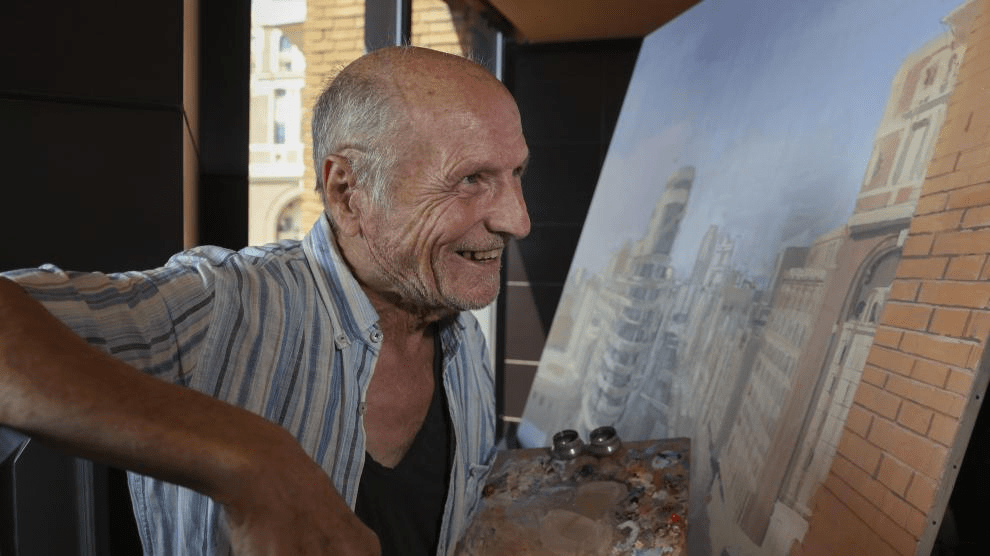
El gran pintor manchego es, en mi opinion, el mas grande de España de estos tiempos. Dicen que es hiper-realista, pero yo lo veo como un artista figurativo completo. Un artista que sabe crear un halo de filosofía, erudición, misticismo y emociones en sus cuadros. Sabe respetar la historia del arte, a los artistas, a las grandes obras. Sabe reconocer la grandeza de aquellos artistas extranjeros que han trabajado con gran libertad, como Lucian Freud y Francis Bacon. Estos dos grandes del arte universal, pero muy británicos (aunque ninguno de los dos nació en el seno del Reino Unido), son dos de mis preferidos por sus grandes obras y también por el pueblo, la cultura y la idiosincrasia que siempre los apoyó.
Antonio López nació en la municipalidad de Tomelloso, Castilla La Mancha en 1936. Estudió en la Academia de Bellas Artes de San Fernando habiéndose trasladado a Madrid en 1949. Allí estuvo compartiendo faena estudiantil con una gran artista española, Amalia Avia Peña (a quien vamos a presentar en un próximo capitulo de la serie de mujeres artistas de este blog). Antonio formó parte de la llamada «Escuela Madrileña,» y en 1955 recibe una beca para viajar a Italia para empaparse bien de la pintura del renacimiento italiano y conocer de cerca las obras clásicas.
Antonio goza de una larga vida colmada de éxitos en la pintura y muchos reconocimientos. No voy a hacer un recuento extensivo, pero creo importante mencionar estos últimos:
Os dejo estas dos imágenes porque me interesaría que la búsqueda os lleve a encontrar mas y mas de este gran pintor español y por supuesto, si tenéis la oportunidad de visitar una exposición, no os la pierdan…
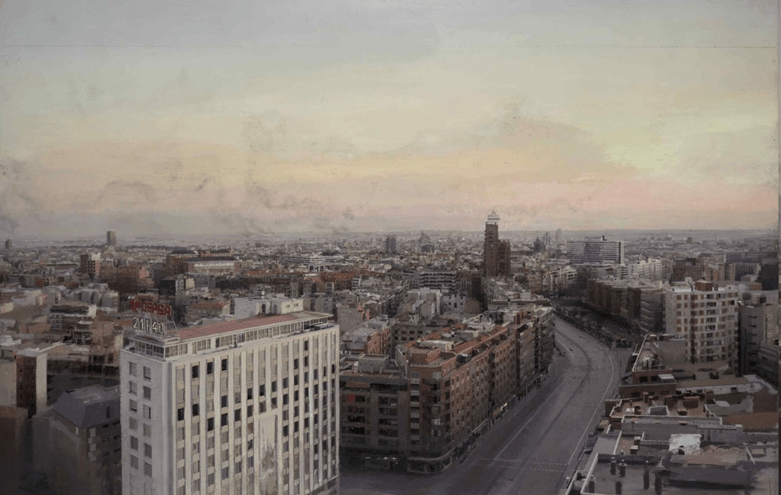
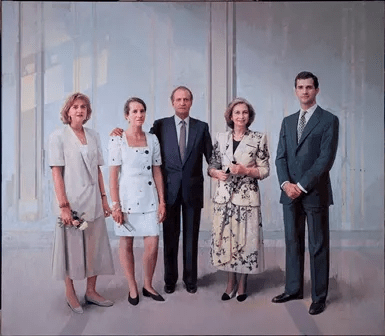
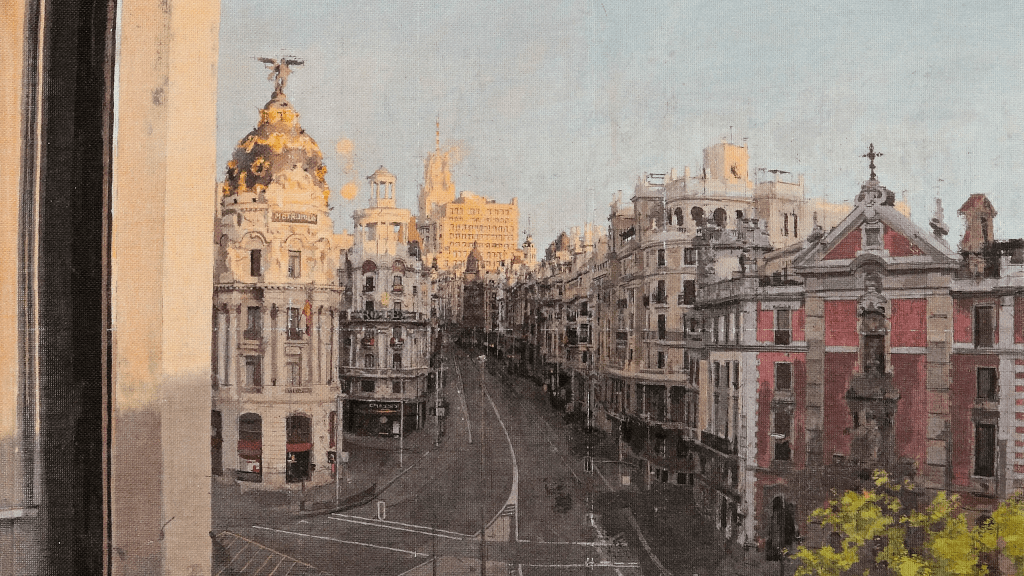
Gracias y espero vuestros comentarios…
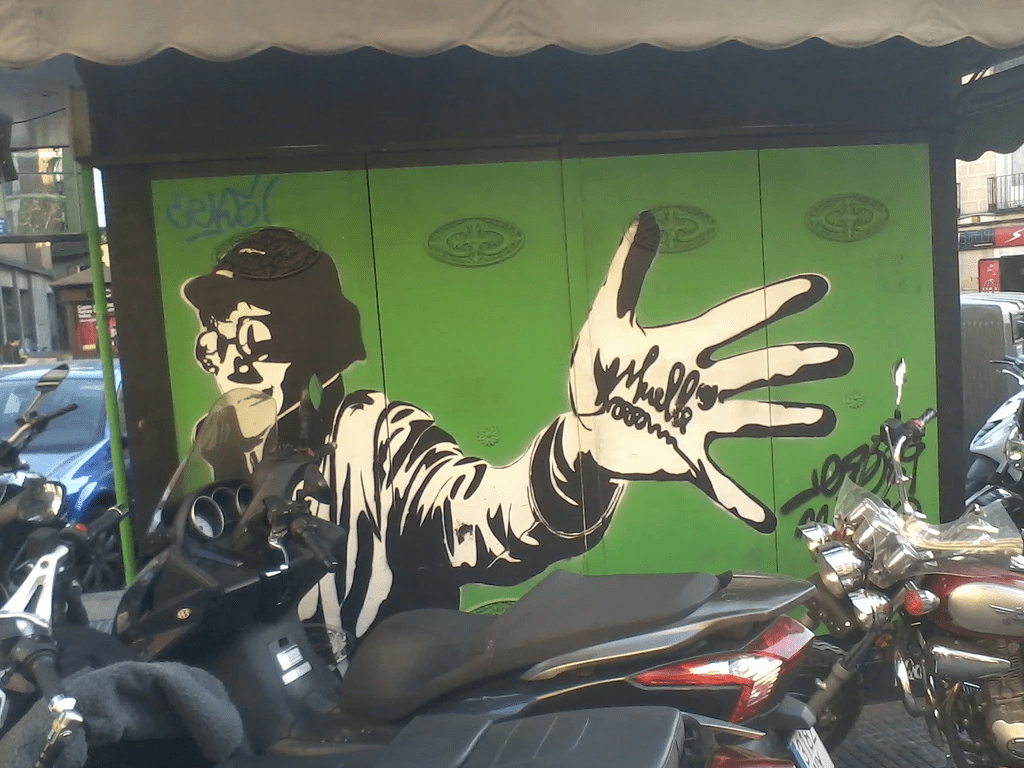
Hay pocos que han hecho historia y Muelle fue uno de ellos… Su firma se hizo famosa por todo Madrid durante la época de la «Movida madrileña» cuando el país se empezaba a mover en direcciones contrarias a las de la dictadura franquista.
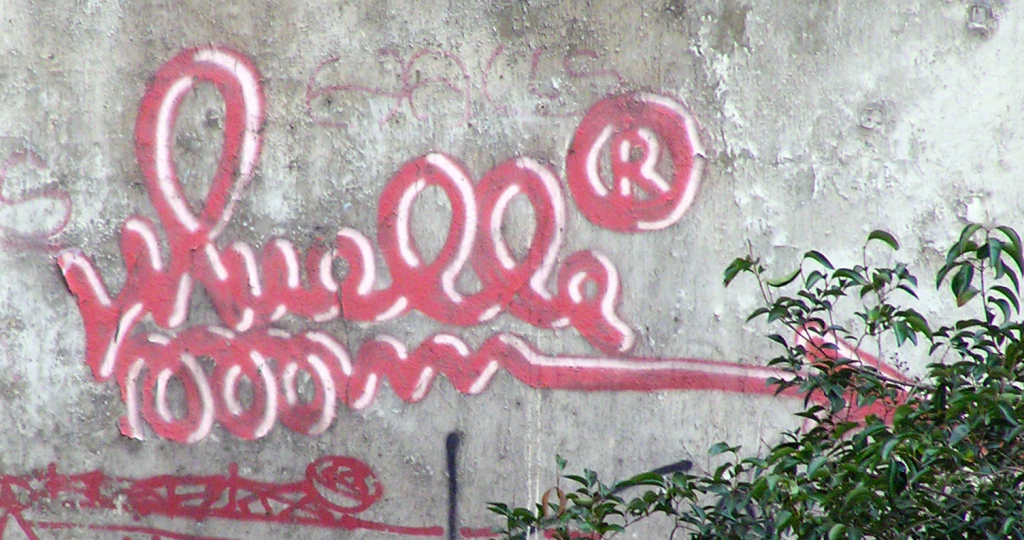
Todo lo que antes estaba prohibido empezó a verse, como el grafitero callejero, artista, soñador , creador de fantasias, activista por un mundo mejor…
Muelle, cuyo nombre era Juan Carlos Argüello Garzo, nació en 1965 y murió de cancer hepático en 1995. Todavía se recuerda la famosa firma de Muelle… Y Madrid, en octubre 19 de 2016, inauguró un jardín a Muelle en el barrio de Campamento donde vivió el grafitero artista.
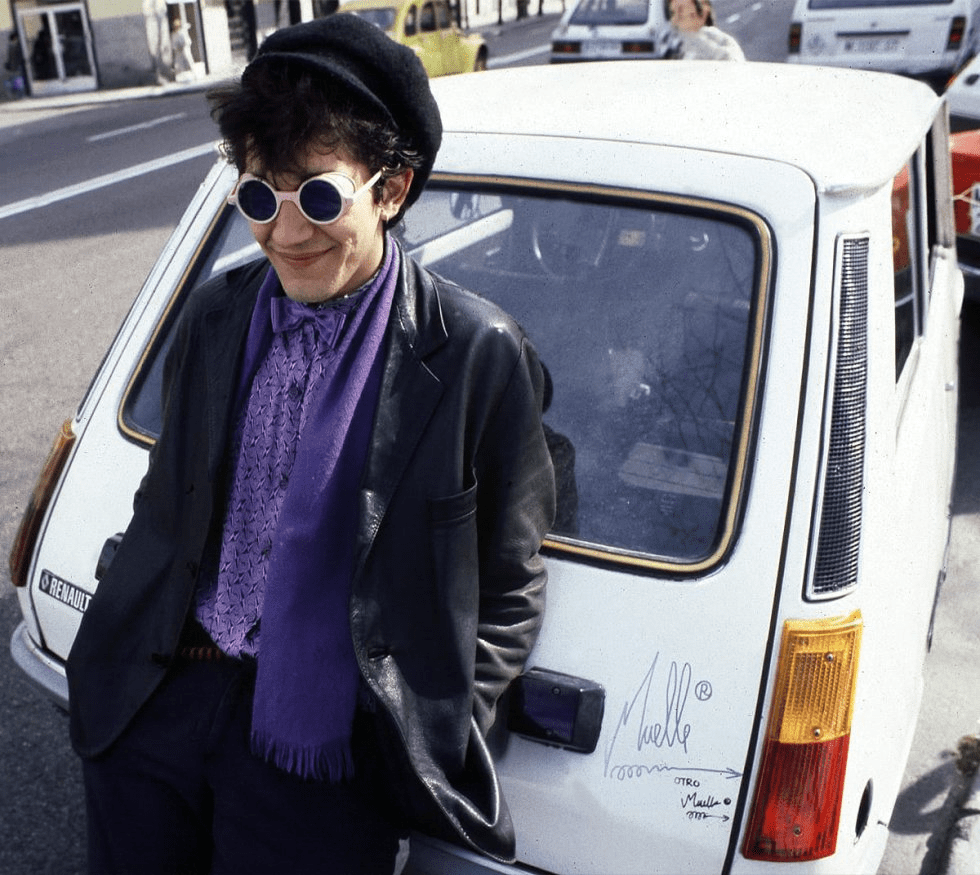
Y digo que hubiera querido Banksy ser Muelle porque a Muelle lo recordamos y lo admiramos porque vivió lo que sentía e hizo lo que quería sin querer hacerse millonario…
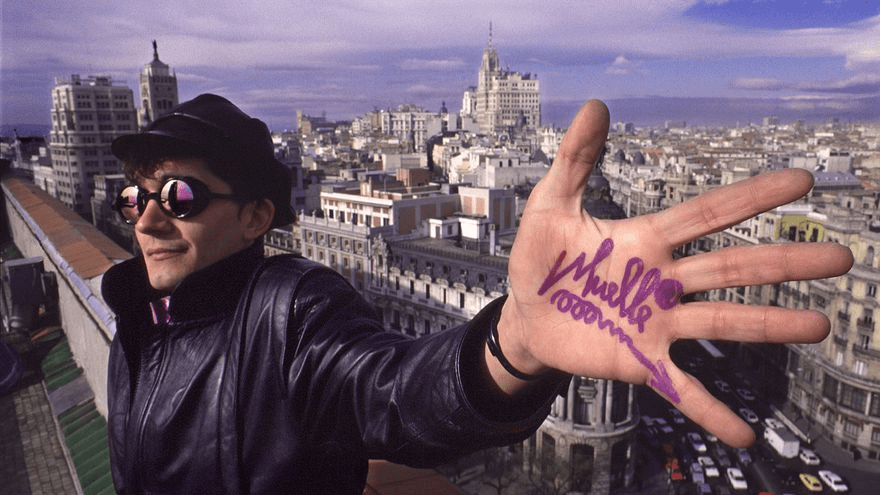
Gracias…
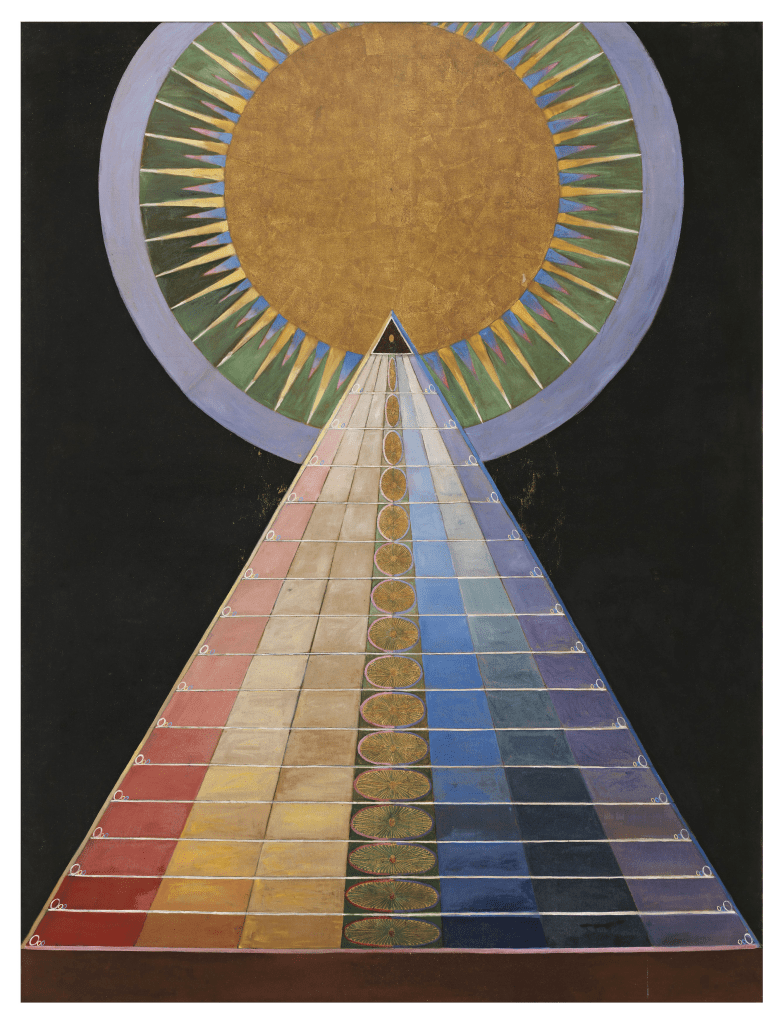
Como ya sabemos…o creemos…la abstracción no la inventó Kandinsky, sino ahora hemos descubierto que una pintora, Hilma af Klint, es la verdadera merecedora del titulo de haber sido la inventora…o descubridora…del arte abstracto. Pero claro, Kandinsky era un artista muy conocido, profesor, incluso, del Bauhaus y escribió un libro. Ya con eso se consagró. Su famosa «Acuarela abstracta» de 1910 fue considerada la primera obra abstracta, pero ya vemos que no lo fue.
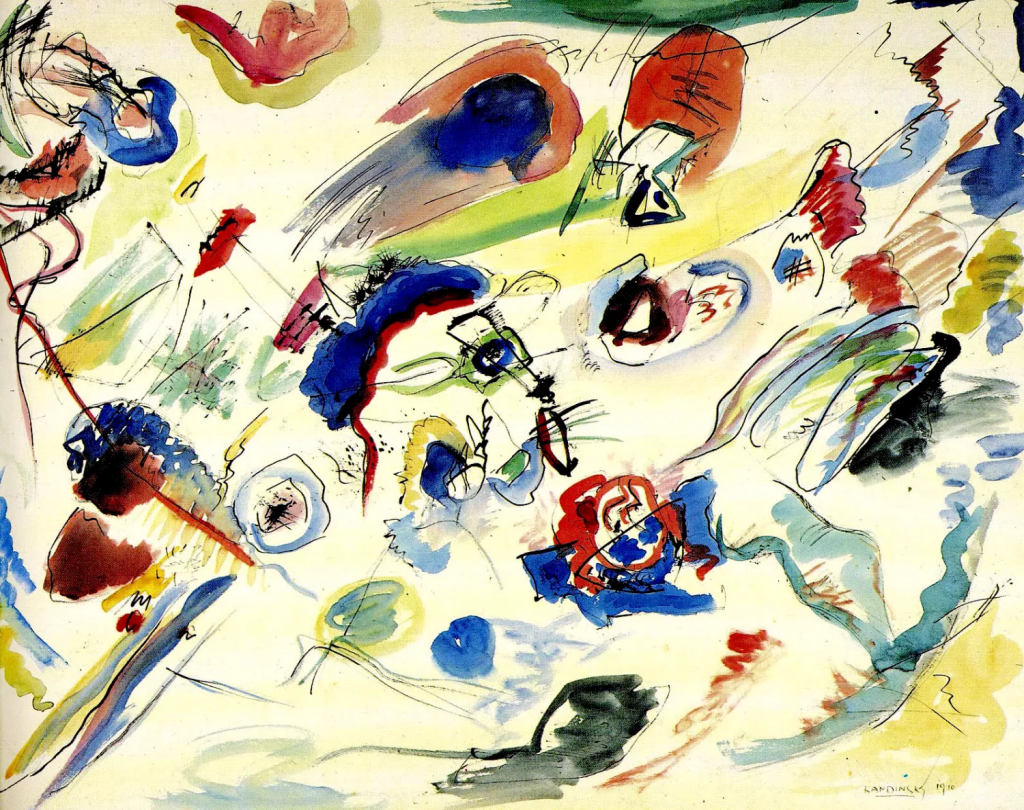
Pero bueno, desde aquellos principios, la abstracción se adueñó de la pintura vanguardista. Sabemos que Kandinsky y Picasso eran contemporáneos pero no se entendían. Picasso abogaba por el cubismo y Kandinsky por la abstracción. La historia nos demuestra que Kandinsky ganó pues vemos la abstracción…buena o mala…por todas partes y muy poco cubismo.
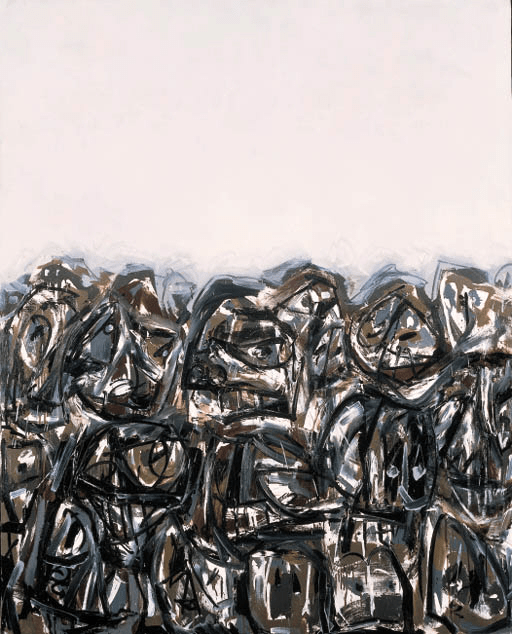
Aun así, digo yo, que la abstracción, como estilo, es un poco aburrida. Los primeros cuadros de Kandinsky, aunque de cierto modo interesantes, ahí se me quedan y no me entran del todo. No me dicen nada y me parecen, mas que otra cosa, un ejercicio, una búsqueda, para seguir hacia delante, no para parar ahí. Lamentablemente Kandinsky se quedó ahí, y los demás artistas abstractos de la historia del arte se han quedado en el intento y no han podido lanzar la abstracción hacia algo mas interesante. Claro, generalizo porque si he visto algunas abstracciones interesantes e inteligentes. Pongo a Antonio Saura como ejemplo.
Pero para mi lo mas importante es que si uno revisa la historia del arte, uno nota que la abstracción ha estado presente, en muchos de los cuadros mas famosos, especialmente del renacimiento. El Greco, por ejemplo, se valió mucho de la abstracción para crear sus fondos apocalípticos y misteriosos. También la usó para darle formas a las telas y a los trajes de las figuras de sus muchas de sus composiciones.
Y así, si revisamos, encontraremos mas y mas ejemplos de como los pintores clásicos también conocían el valor de la abstracción pero que en lugar de llenar un lienzo de líneas y colores la utilizaron para darle un aspecto diferente a las figuraciones que hacían. De esa manera le agregaban a sus composiciones algo nuevo, algo diferente que quizá evocara grandes emociones en el observador. A lo mejor por eso nos gusta tanto…a mi definitivamente…el arte de El Greco.
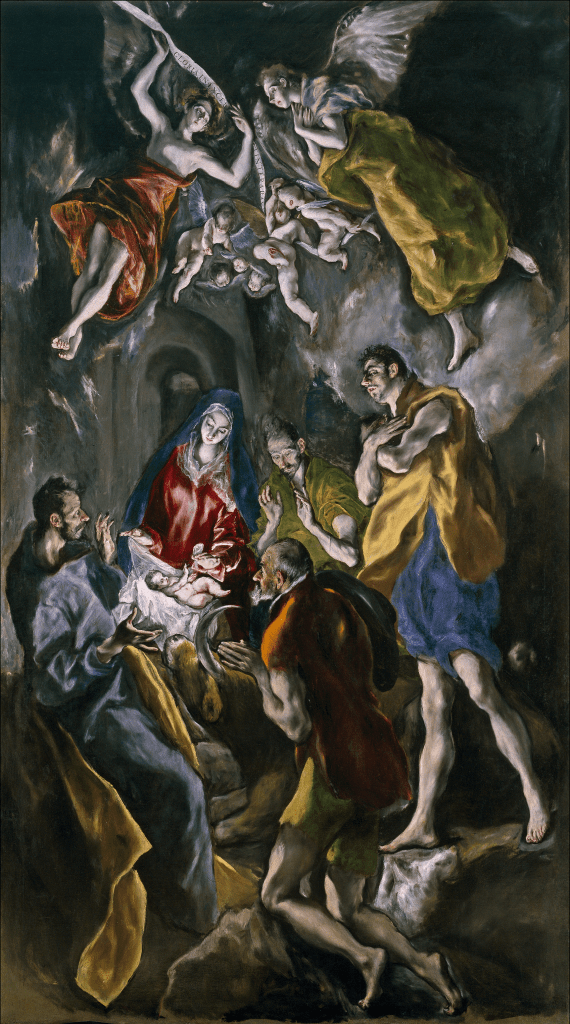
Será la abstracción, como parte de la pintura figurativa, el famoso je ne sais quoi que tiene la pintura renacentista y la clásica? Quizá, el arte, como la música et al, es algo muy subjetivo y cada quien ve lo que cada quien quiere ver en cada cuadro que mira.
Yo, como pintor, no he tenido mucho que ver con la abstracción, pero si la he estudiado y también he pintado cuadros abstractos. Uno de ellos «Campo Estela» formó parte de una exposición en el MoMA (Museo de arte moderna) de Nueva York en 2017.

Concluyendo diría que la abstracción no debe quedarse en manchas de pintura sobre una tela, sino que debe tener una referencia. Por eso es que no es nada fácil lograr una buena abstracción, porque la referencia es interna y además el pintor tiene que resolver los mismos problemas que presentan los cuadros figurativos. Por eso prefiero utilizar la abstracción como una herramienta que me ayude a terminar un cuadro, que me ayude a ponerle al fondo algo enigmático y diferente, ya que lo mío es el expresionismo surrealista. Yo mezclo los estilos y les pongo mucha abstracción a mis cuadros figurativos.
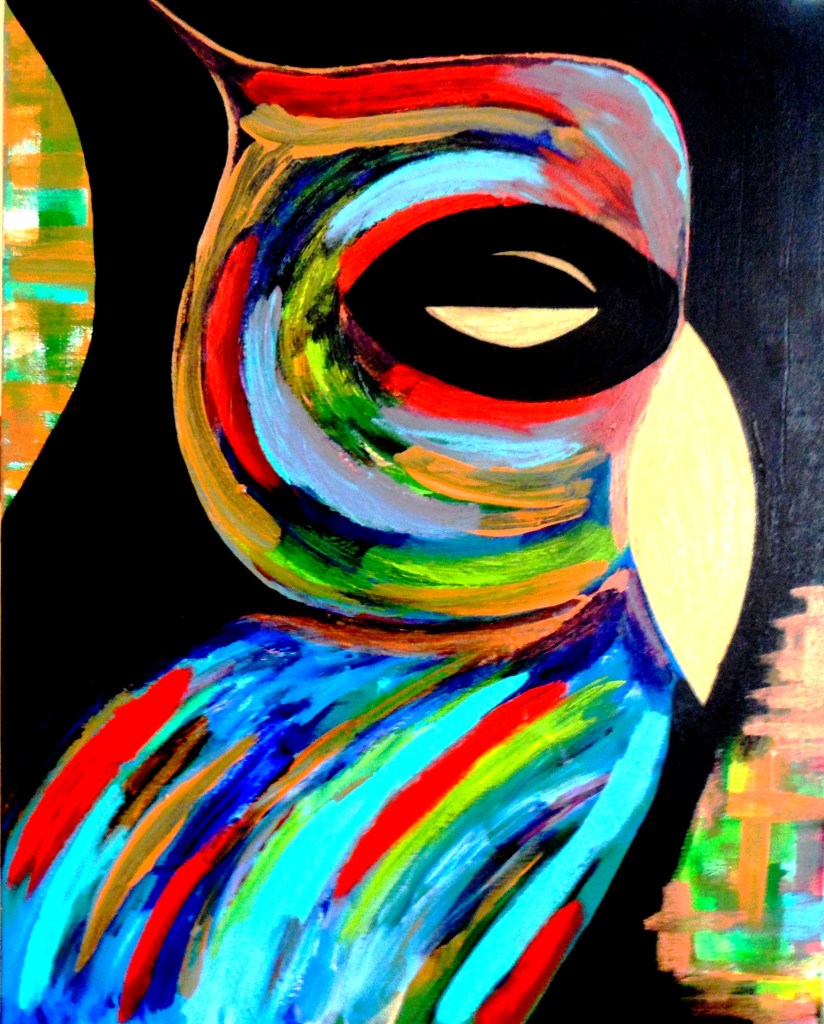
Aquí os dejo algunos de mis trabajos abstractos…son muy pocos…y otros donde utilizo la abstracción como un recurso para añadirle algo mas, algo diferente a mis composiciones.
Gracias…

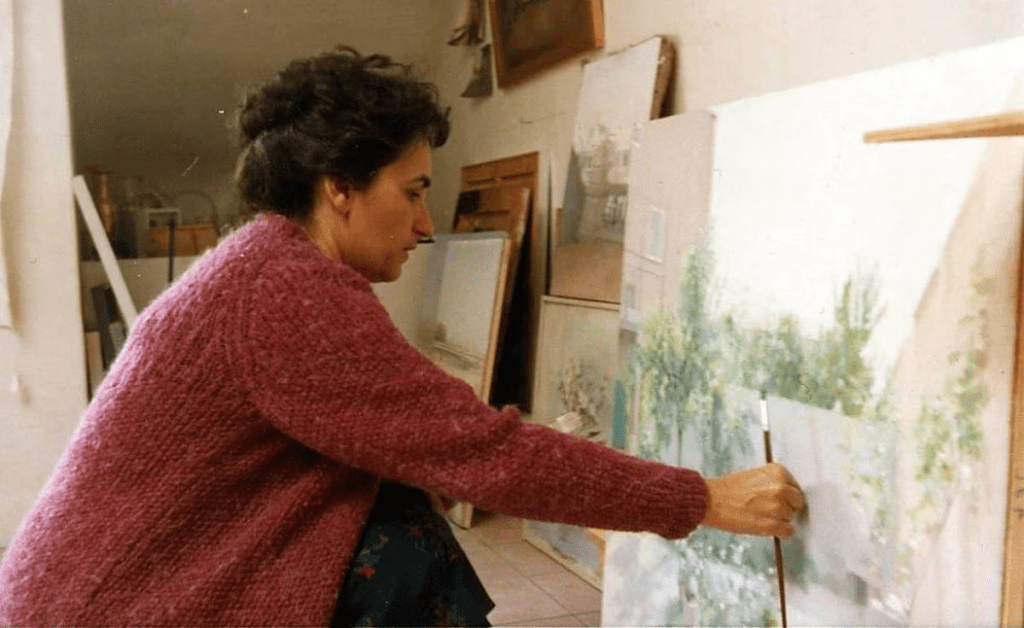
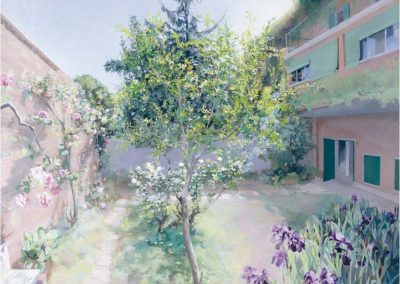
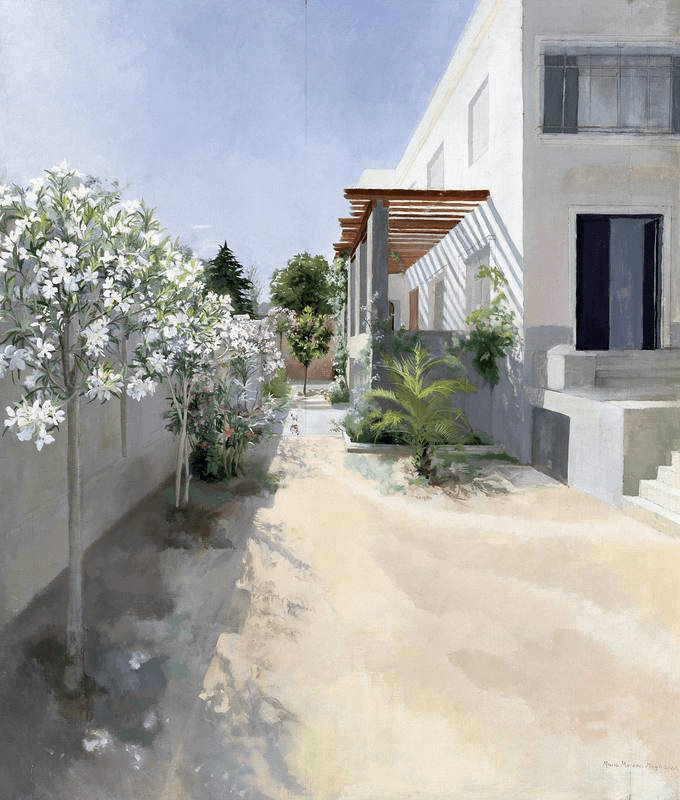
Se llamaba María del Pilar Moreno Blasco, pero la conocemos como María Moreno. Nació en 1933 en Madrid y formó parte de los pintores realistas madrileños como su marido, Antonio López Garcia, el gran artista hiper-realista…y fenomenal…español. Estudió en la Escuela de Bellas Artes de San Fernando de Madrid, iniciándose en 1954. Siguió la escuela de los pintores realistas españoles. Se dedicó a la perfección de la técnica y de aprender de la naturaleza pare representar de una forma autentica las cosas que escogía de modelos para sus composiciones. Sus temas eran bodegones, escenas de interiores, figuración humana y claro, paisajes. Su trazo era mas bien delicado.
Moreno enseñó dibujo en el Instituto Filial de Isabel la Católica de Madrid del 1958 al 1960. En 1961 se casa con Antonio López. En 1966 comienza a exponer en las galerías de Madrid.
La obra de Moreno se encuentra en muchas colecciones privadas y públicas tambien, como la Fundació Sorigué (Lérida); ARTIUM, (Vitoria); Museo de Arte Contemporáneo de Toledo; Colección Iberdrola, (Bilbao), y el Kunsthalle de Hamburgo.
Os invito a conocer mas de las nuestras…
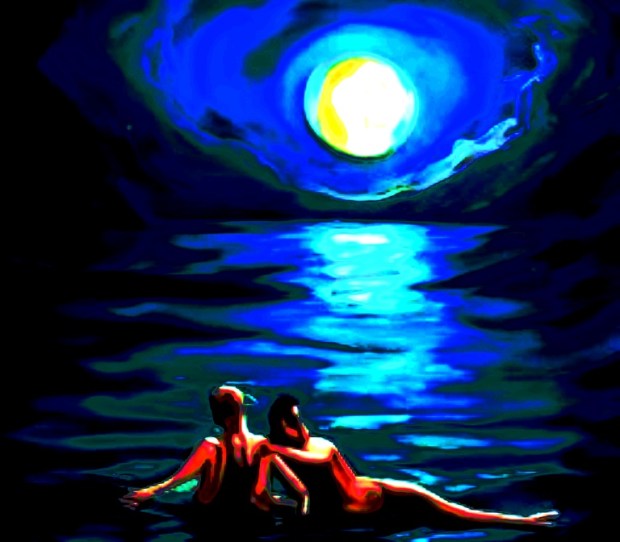
«Art Digital» is my designation for all my works done digitally… Here, take a look…
CHEERS

 JaZzArt en València