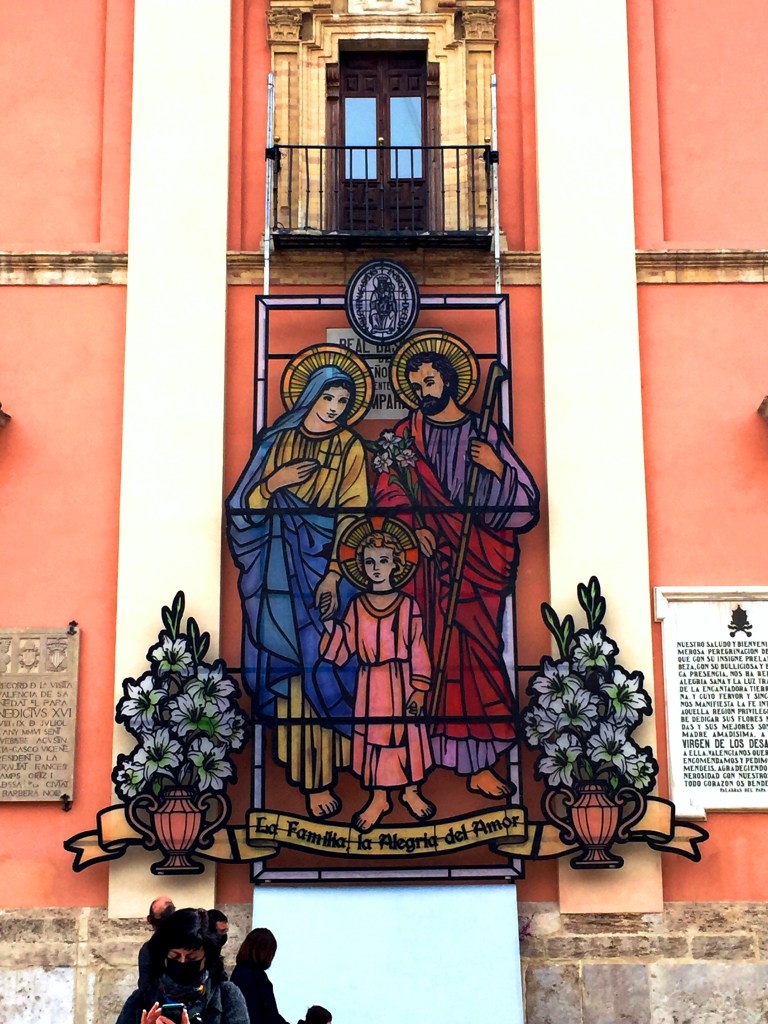
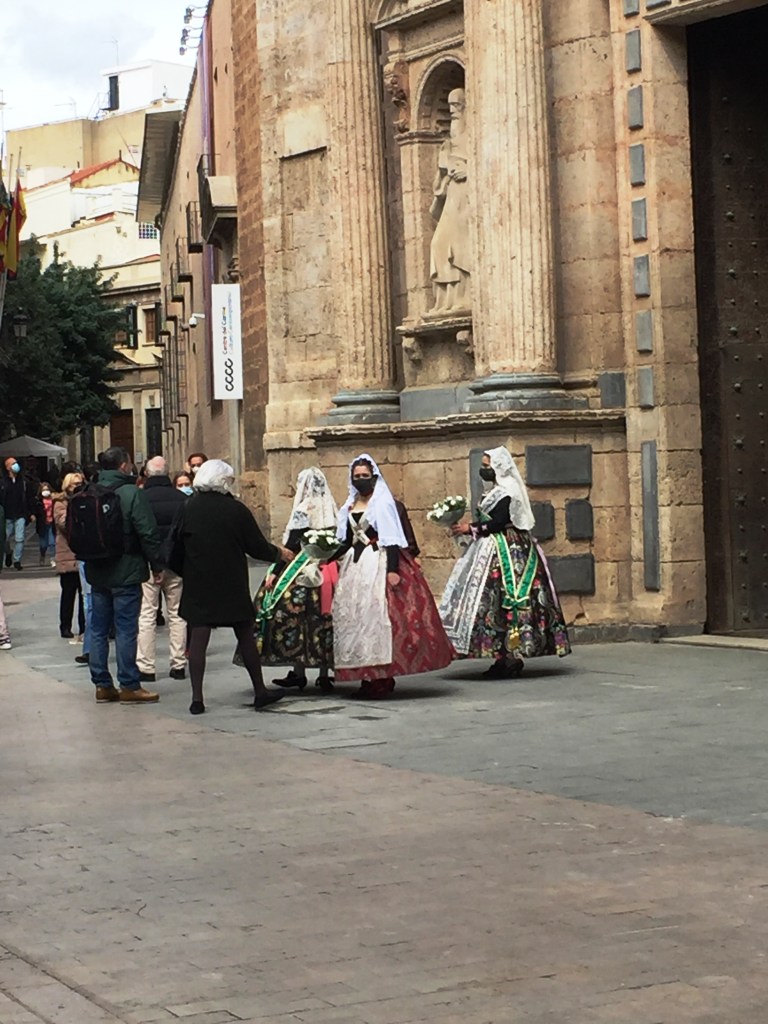
(Falleras de València/foto de/photo by Francisco Bravo Cabrera/Derechos Reservados/All Rights Reserved)
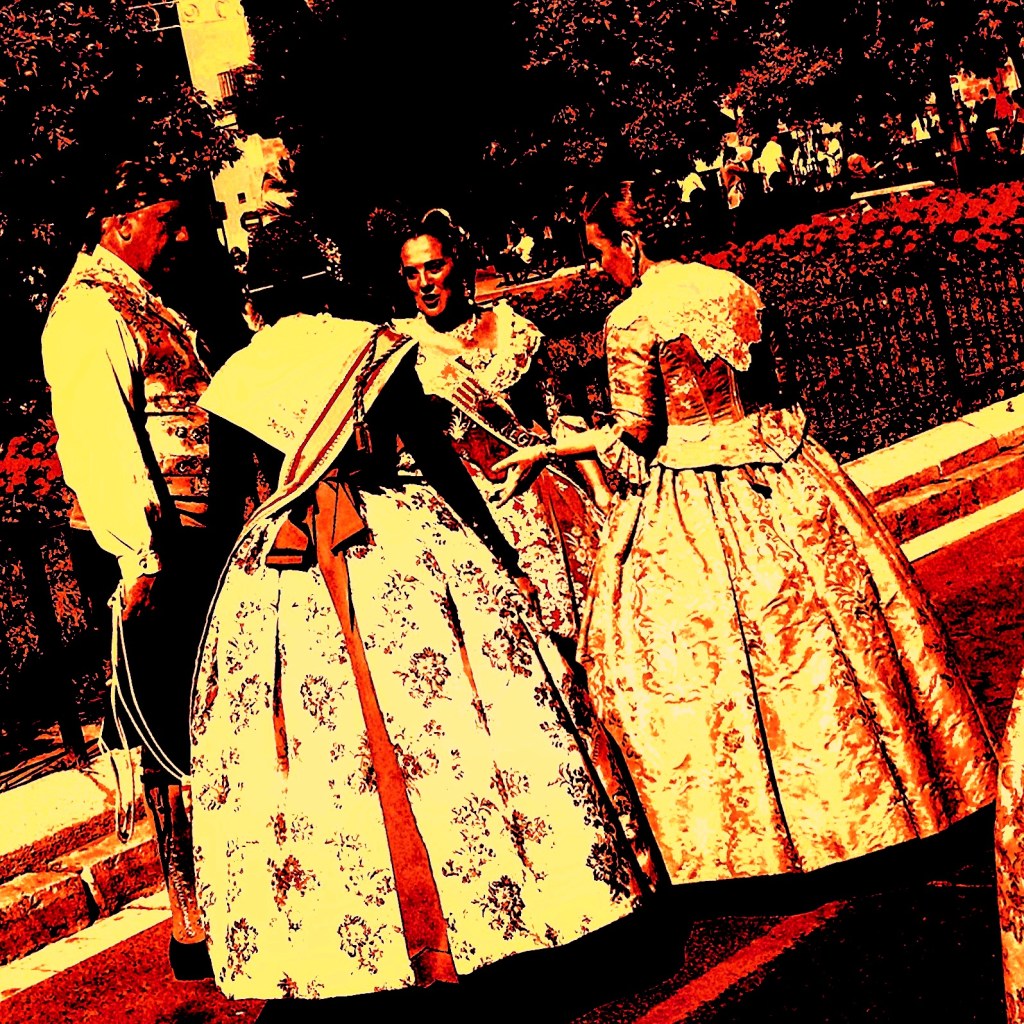
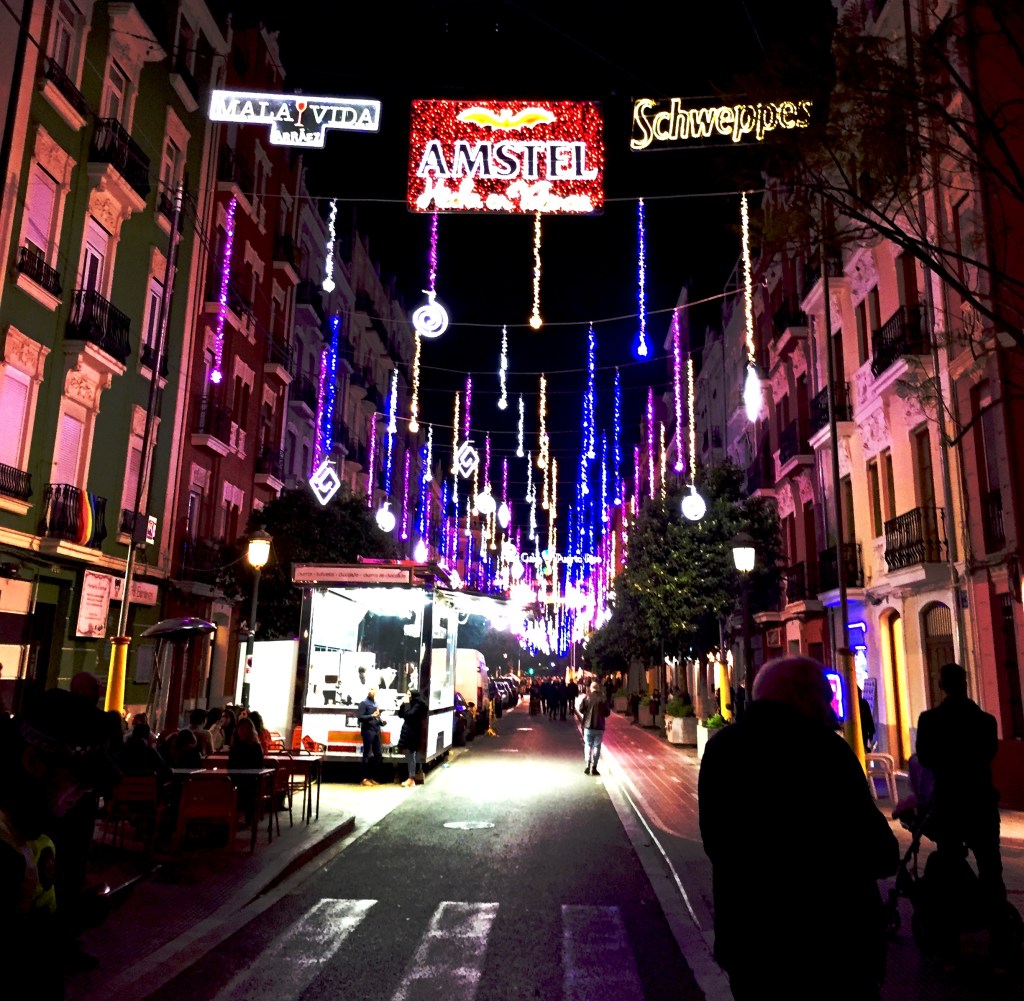
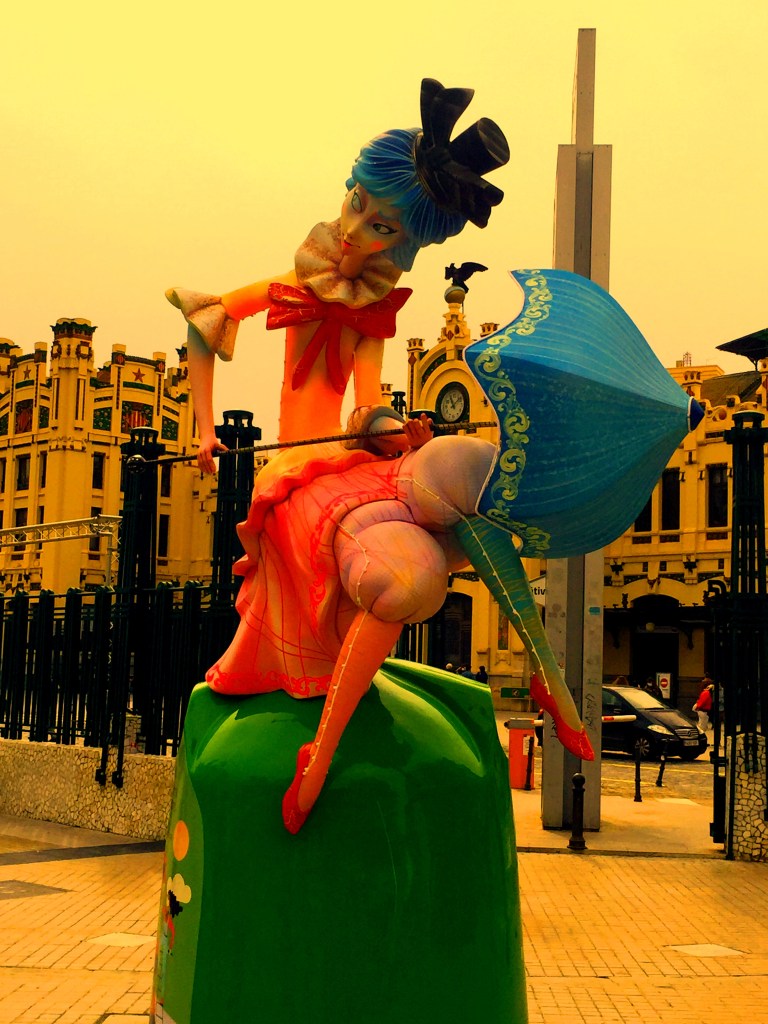
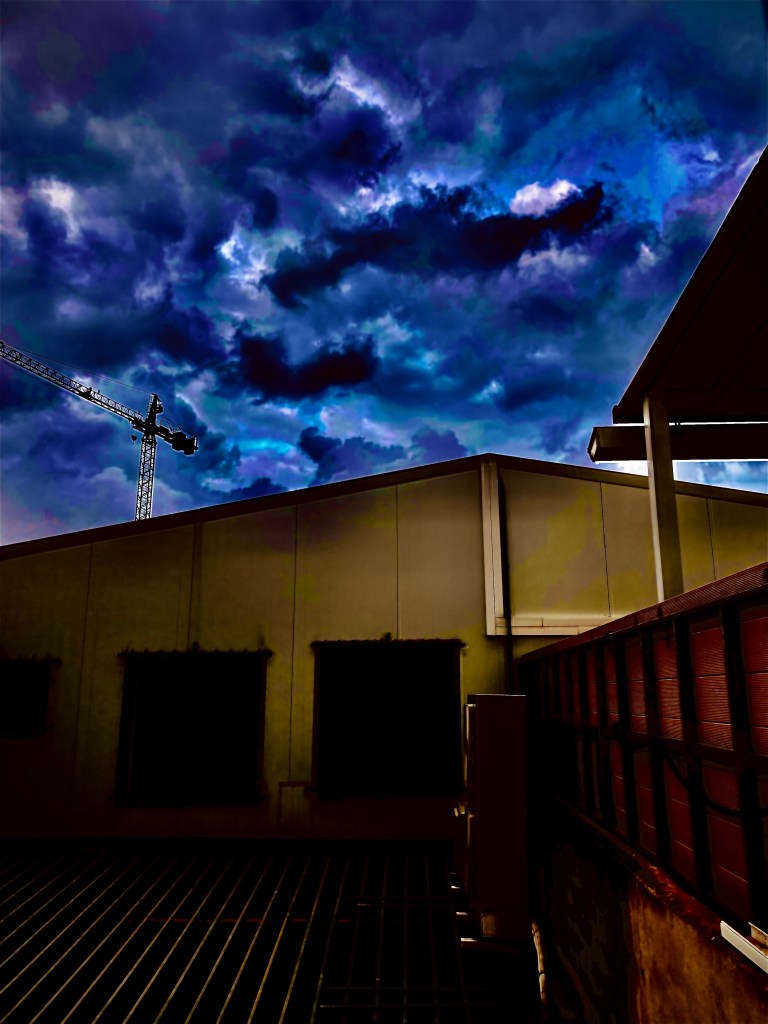
Ya comenzó la temporada de Les Falles de la nostra València y todo lo que se escuchan son petardos, cohetes y bombitas, mare meua…
+++
The Fallas season has started in València and all one can hear are the firecrackers all over all the time, good grief…
(Carrer de Cuba de Russafa de nit/foto de/photo by Francisco Bravo Cabrera/Derechos Reservados/All RIghts Reserved)
(FBC/Derechos Reservados/All Rights Reserved)(FBC/Derechos Reservados/All Rights Reserved)(FBC/Derechos Reservados/All Rights Reserved)
Os traeré más fotos, ahora se están llevando a cabo las primeras preparaciones, acordaos que esto se termina el día de San José, el 19 de marzo…
+++
I will post more photos as the scenes become available. These are just the first preparations. Remember…although you might not have ever even known…that the party ends on Saint Joseph’s Day, the 19th of March…
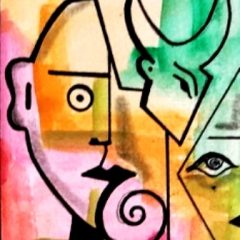
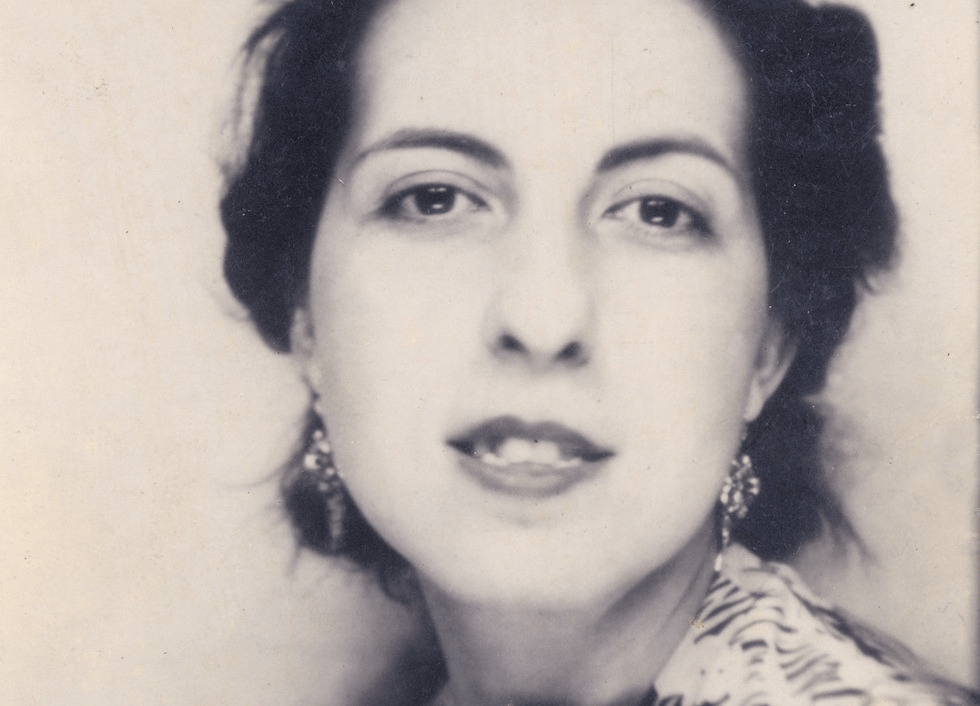
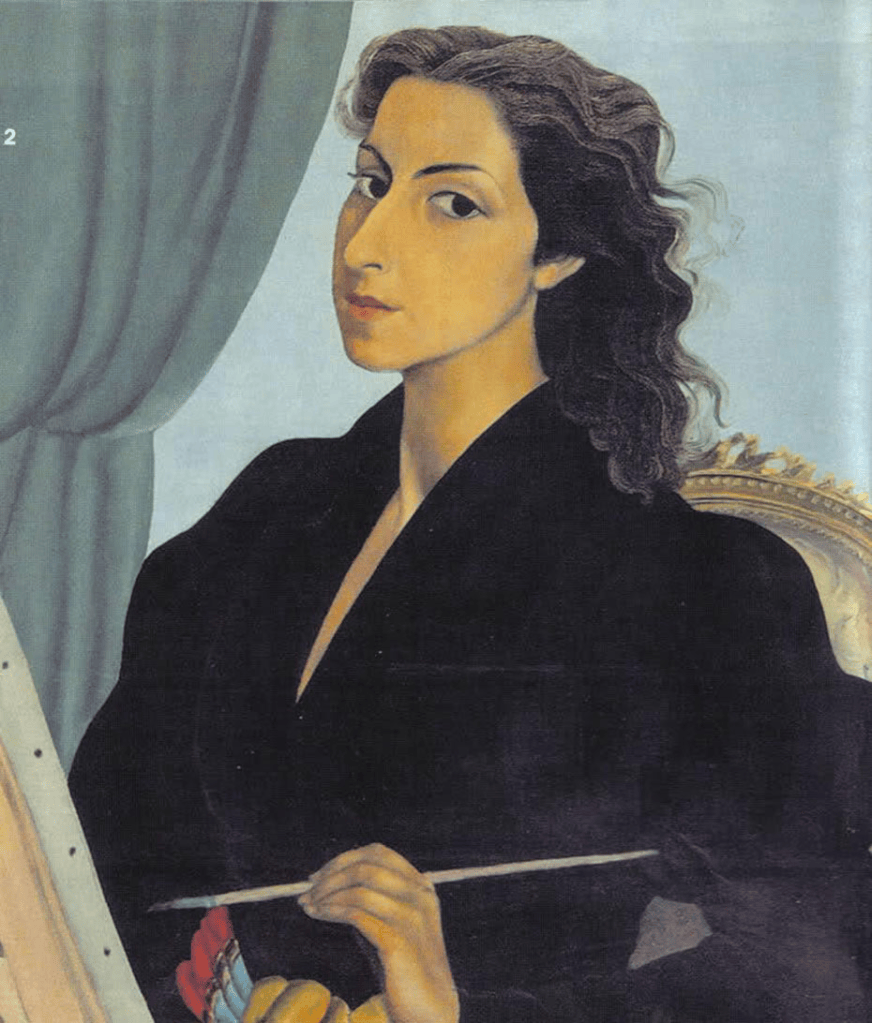
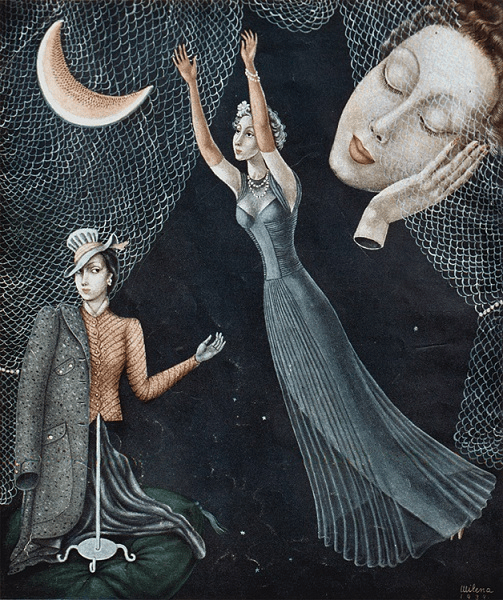
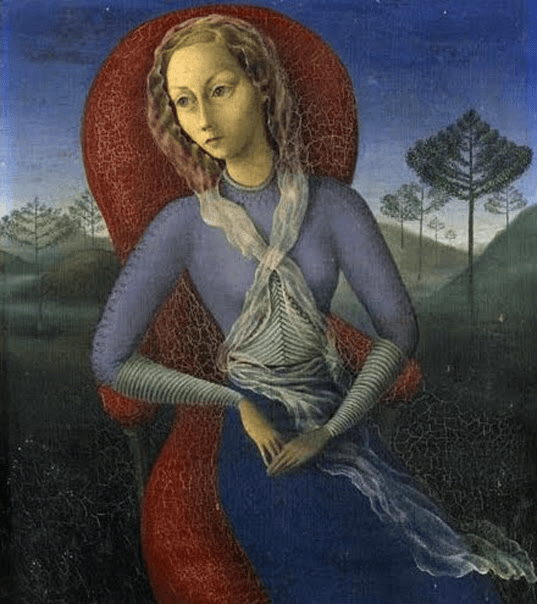
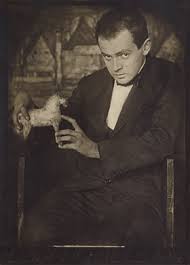
Esta artista, de quien a mi nadie me hablo en la uni, nació en Serbia en 1909. Su padre fue un compositor italiano de bastante renombre, Bruno Barili, y su madre, Danica Pavlovic, descendiente de la dinastía Karađorđević, aristócratas que dieron muchos reyes y príncipes a Yugoslavia y Serbia. Milena estudió en la Escuela Real de artes de Belgrado, Serbia del 1922 al 1926 y del 1926 al 1928 continuó sus estudios en Múnich… Hay que decir que Milena, artista y poetisa, es la artista mas famosa y reconocida de Serbia… Pero bueno, en 1930 se marchó de Serbia y regresó solo de visita. Estuvo por España, Roma, París y Londres. Conoció a Jean Cocteau y a André Breton, nutriéndose de sus influencias y de las escuelas occidentales. Uno de los que mas le influyó fue el surrealista Giorgio de Chirico. Entonces, parece habiéndose cansado de Europa, viajó a Nueva York, (1939) y allí vivió hasta su muerte (1945)… Participó (1943) en The Exhibition by 31 Women, organizada por Peggy Guggenheim y realizada en su galería, Art of this Century, en Nueva York… Sus cuadros estan en Roma, Nueva York, en el Museo de Arte Contemporáneo (Belgrado), y en Požarevac, donde nació y donde su casa ha sido convertida en un museo en su honor.
+++
This artist, about whom no one spoke to me at uni, was born in Serbia in 1909. Her father was a well-known Italian composer, Bruno Barili, and her mother, Danica Pavlovic, was a descendant of the Karađorđević dynasty, aristocrats who provided many kings and princes to Yugoslavia and Serbia. Milena studied at the Royal School of Arts in Belgrade, Serbia, from 1922 to 1926, and continued her studies in Munich from 1926 to 1928… It should be noted that Milena, an artist and poet, is the most famous Serbian artist… However, in 1930 she left Serbia and returned only for a visit. She travelled to Spain, Rome, Paris, and London. She met Jean Cocteau and André Breton, drawing from their influences and from the Western schools of thought and art. One of her greatest influences was the surrealist Giorgio de Chirico. Then, seeming to tire of Europe, she travelled to New York (1939) and lived there until her death (1945)… She participated (1943) in The Exhibition by 31 Women, organized by Peggy Guggenheim and held in her gallery, Art of this Century, in New York… Her paintings are in Rome, New York, at the Museum of Contemporary Art (Belgrade), and in Požarevac, where she was born, and where her house has been converted into a museum in her honor.
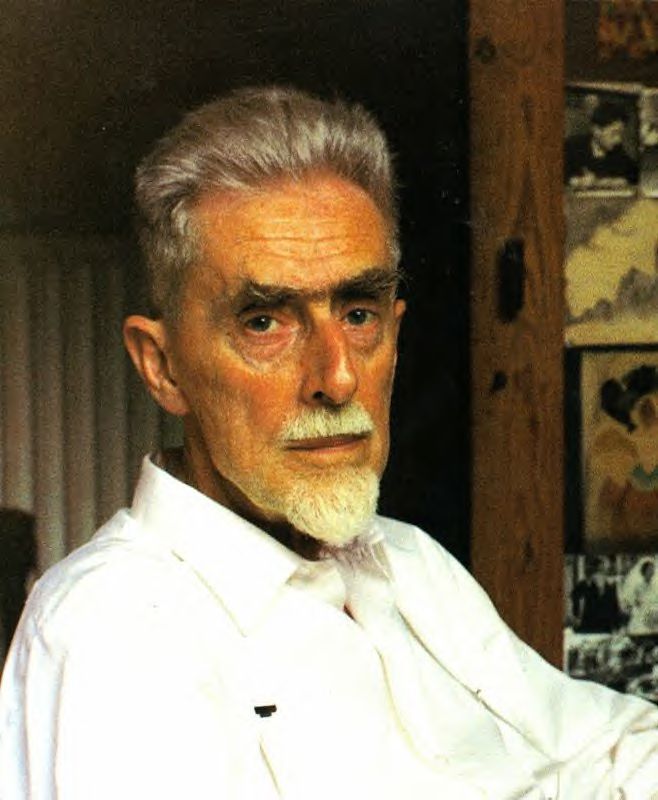
Aquí van dos mas de los grandes que impusieron e hicieron avanzar las vanguardias artísticas del S. XX y que además influyeron mucho sobre muchos pintores e ilustradores posteriores.
Here are two more of the great painters that formed and advanced the art vanguards of the XX C. who also influenced artists and illustrators to come.
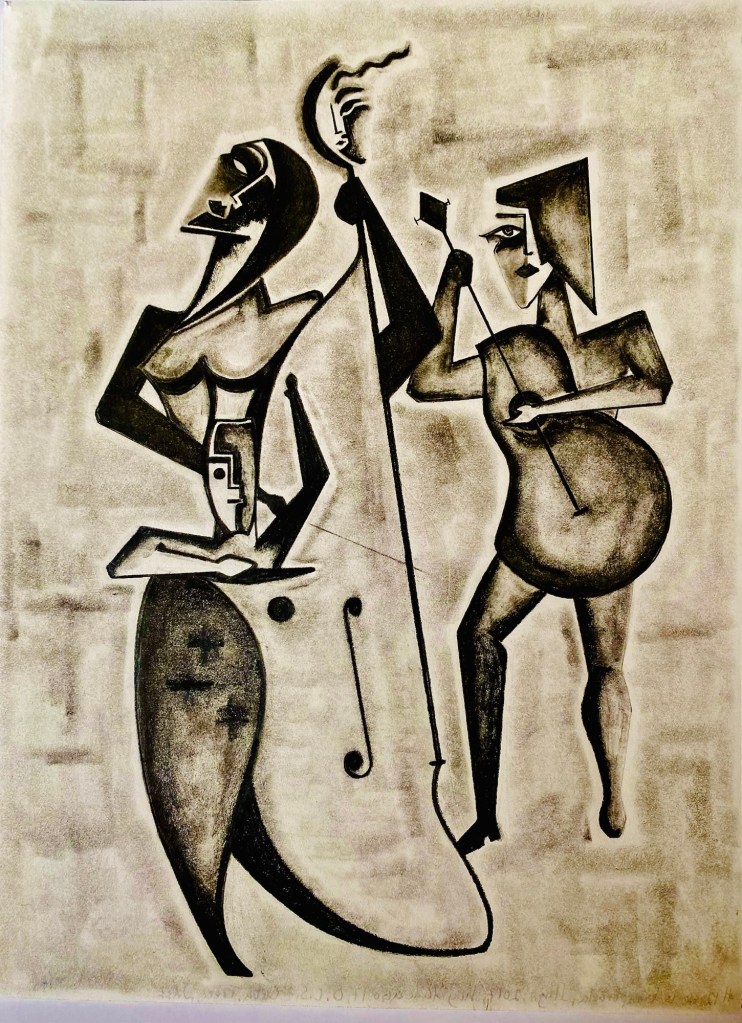
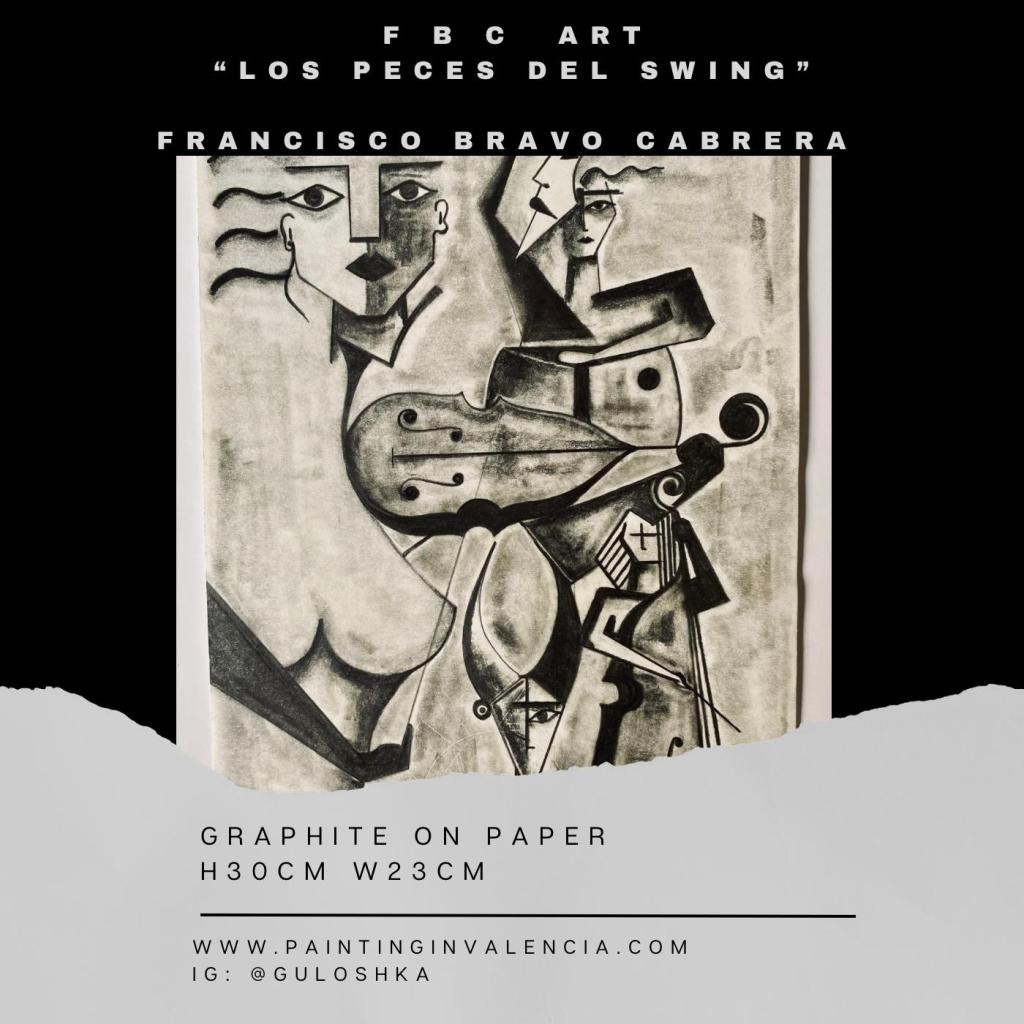
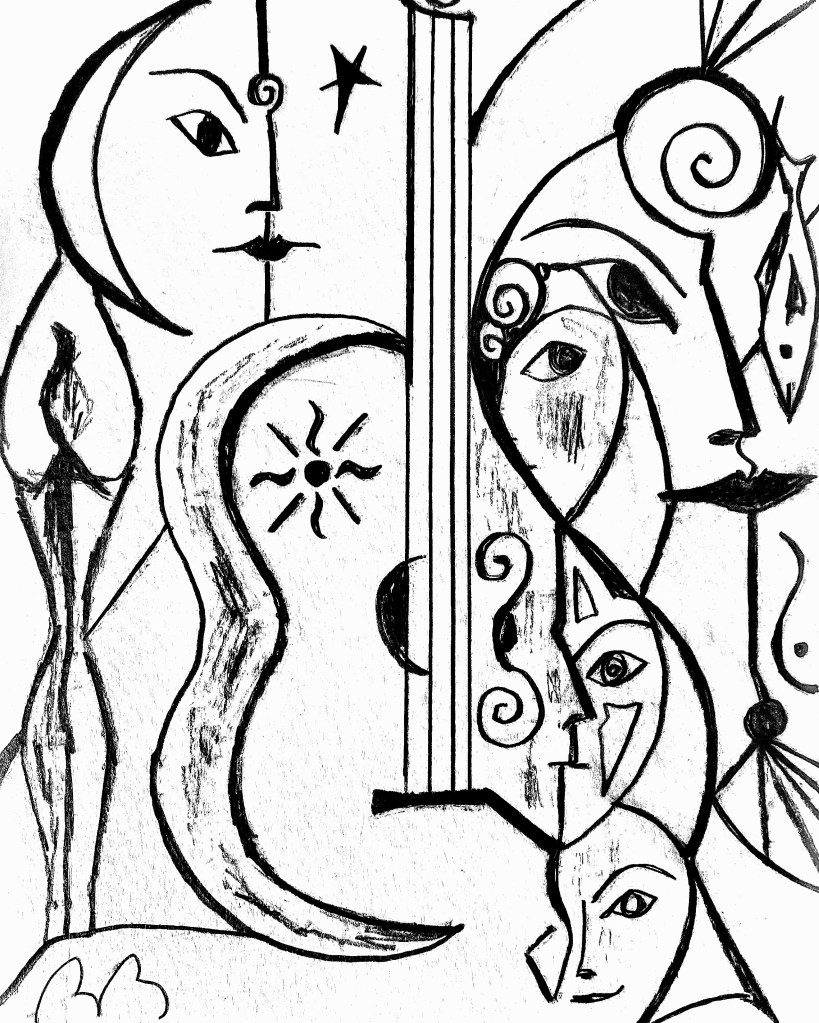
(Ora original de Francisco Bravo Cabrera/Derechos Reservados/Original artwork by Francisco Bravo Cabrera/All Rights Reserved)
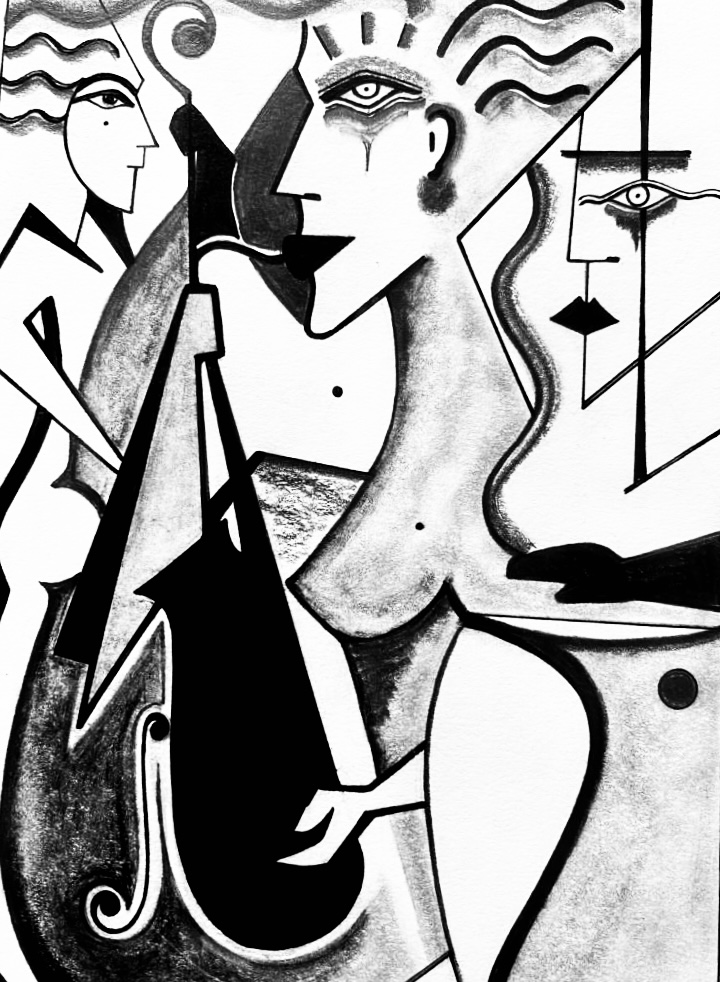
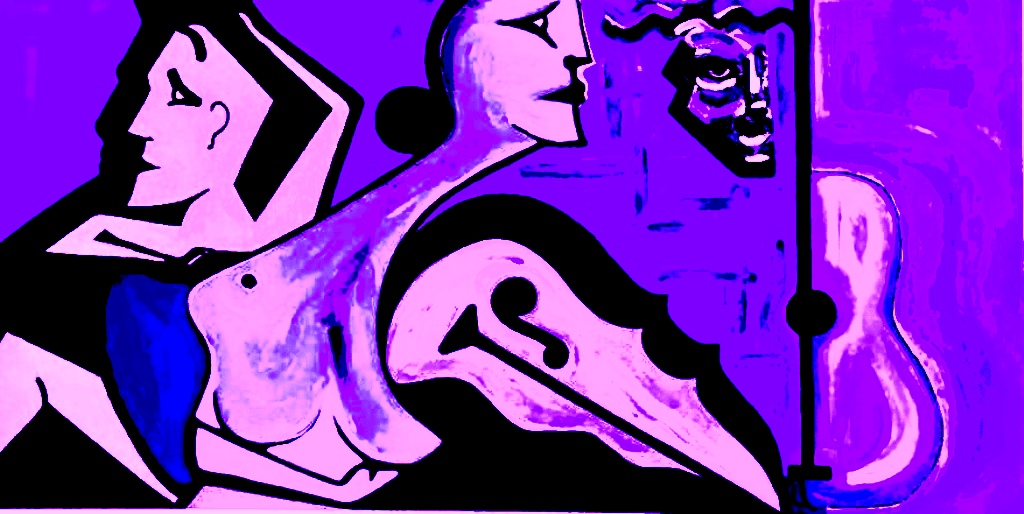
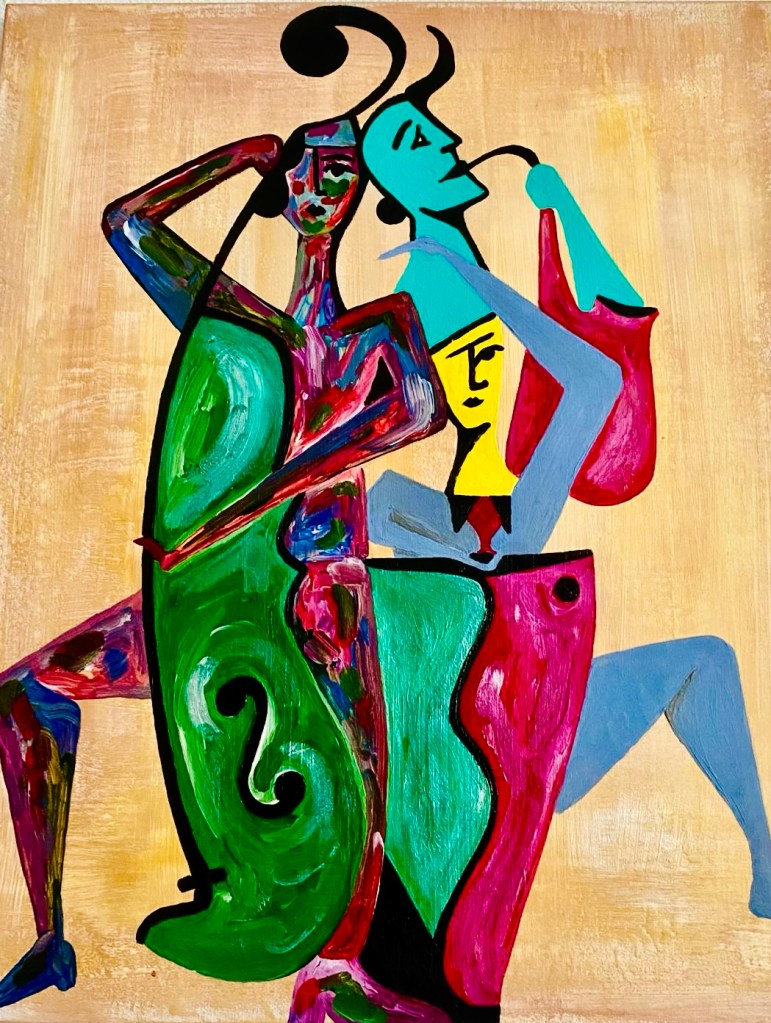
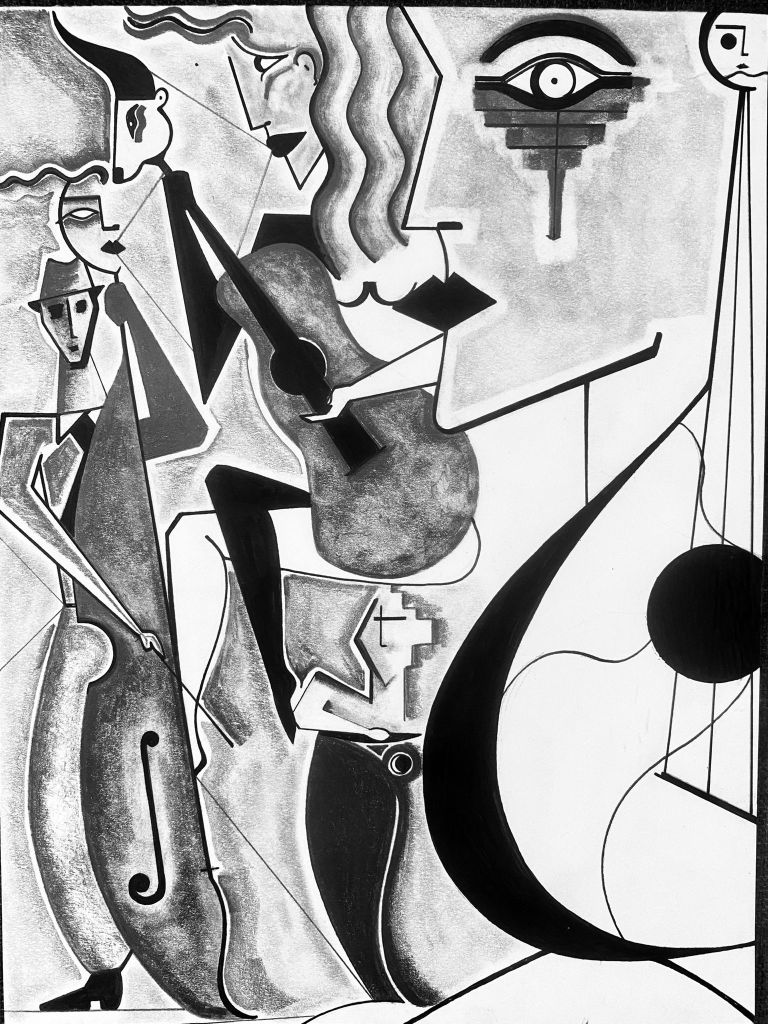
El jazz a mi me encanta… bueno la música me fascina, bien sea la clásica, el jazz, el rock, el funk, el soul, el techno-pop, el punk, new wave y el country-western… baladas, canciones, operas, sonatas, sinfonias, cantatas, venga, que todas las escucho. Siempre llevo un cuadro en la cabeza por hacer y una música por tocar, o por componer. Por eso es que mi obra artística la considero obra jazz-art (JaZzArT), nada tios, soy un pintor jazz. Aunque mis cuadros los hago en mi estilo propio, surreal-expresionismo, estan motivados por el jazz. Además, como vosotros habéis notado, el baile también me mola. Si uno no baila no disfruta al tope de la vida…
+++
I love jazz… well, all music fascinates me, whether it’s classical, jazz, rock, funk, soul, techno-pop, punk, new wave, or country-western… ballads, songs, operas, sonatas, symphonies, cantatas, mates, I listen to them all. I always have a picture in my head that I want to create and a piece of music to play or compose. That’s why I consider my artistic work to be jazz-art (JaZzArT), I tell you, I’m a jazz painter. Although I create my paintings in my own style, surreal-expressionism, they are all inspired by jazz. Also, as you all have noticed, I really enjoy dancing. If one doesn’t dance, they don’t fully enjoy life…
(FBC/D.R./All Rights Reserved)(FBC/D.R./All Rights Reserved)(FBC/D.R./All Rights Reserved)(FBC/D.R./All Rights Reserved)(FBC/D.R./All Rights Reserved)(Obras originales de Francisco Bravo Cabrera/Derechos Reservados/Original Artwork by Francisco Bravo Cabrera/All Rights Reserved)
+++++
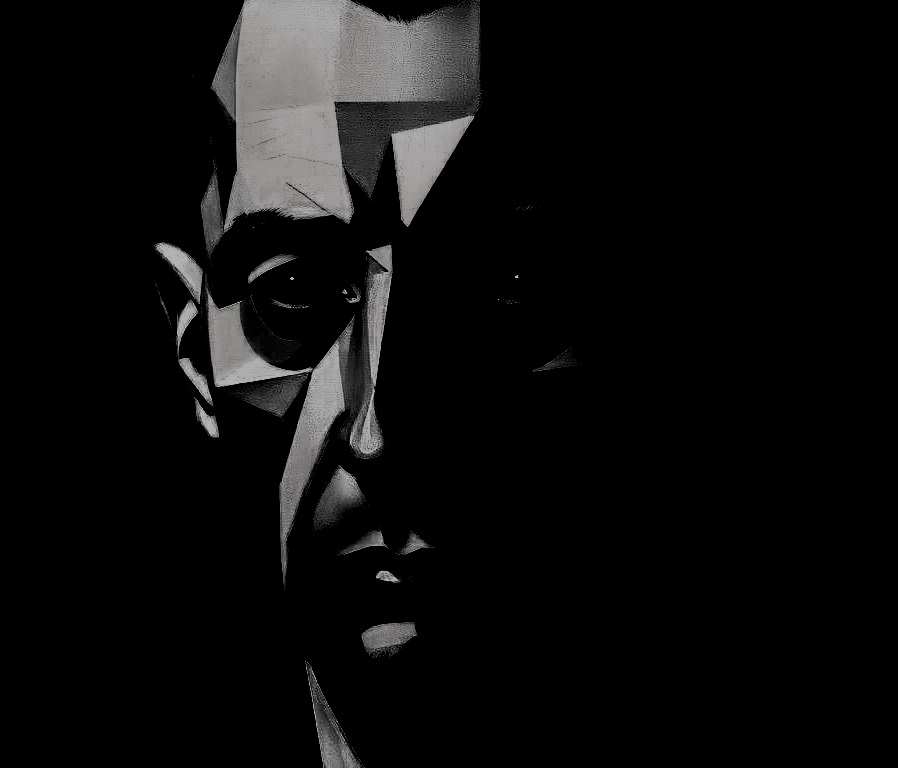
(Autorretrato/Self-Portrait/Francisco Bravo Cabrera/Derechos Reservados/All Rights Reserved)
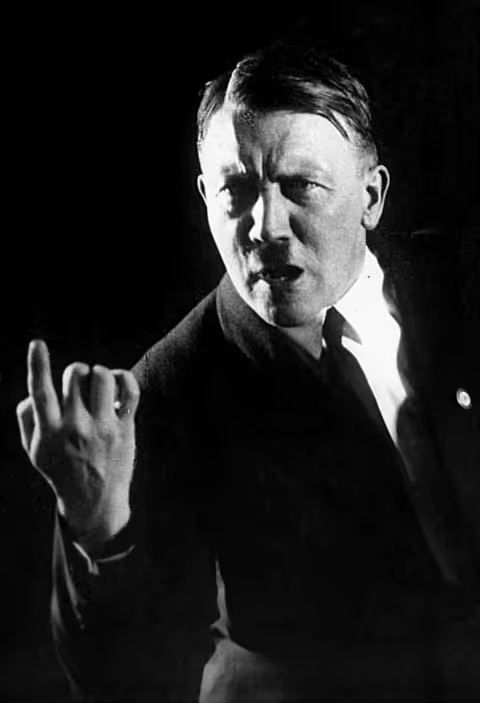
What would have happened if Adolf Hitler would have been accepted to the Academy of Fine Arts Vienna? Because in his 1925 autobiography, Mein Kompf, he stated he wanted to be an artist but he failed the admissions test at the afore mentioned art school. Would Europe, and the world, be any different? Would he have been just a mediocre artist and never have aspired to becoming the Führer? I do not know…
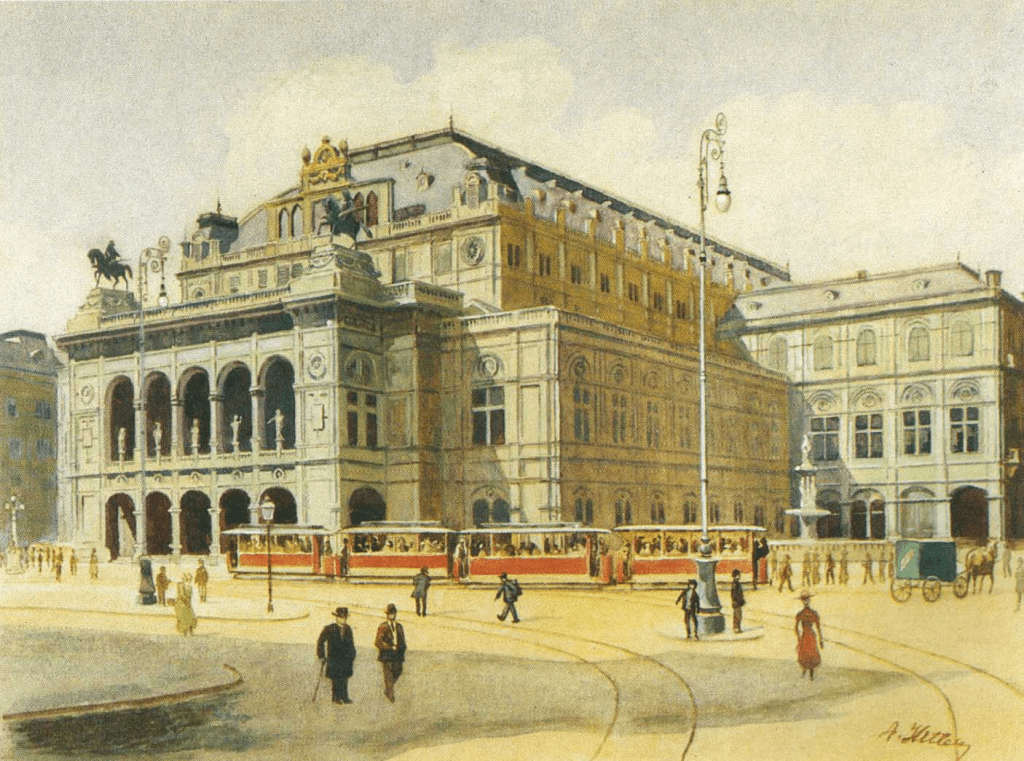
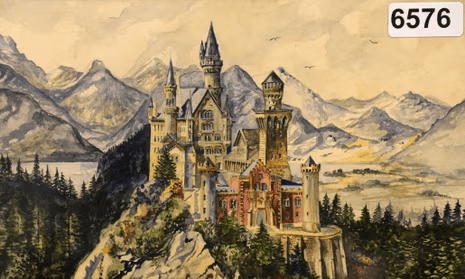
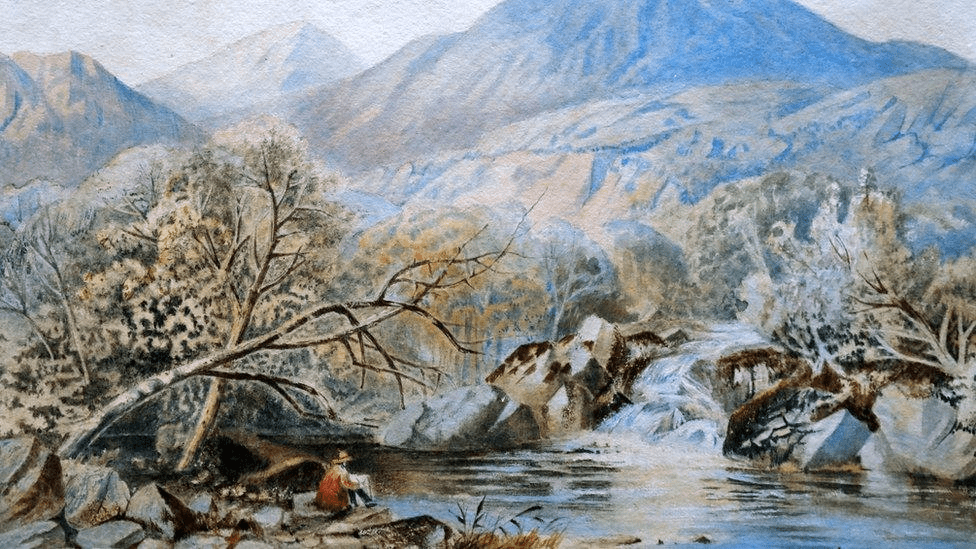
But, as you will see, he was a rather uninteresting artist at best. He liked to fancy himself an architectural draftsman or painter. And as well he liked to paint little landscapes, mostly in watercolour.
Adolf Hitler, born in Austria-Hungary, Braunau am Inn, (1889), fought as a German soldier in WWI and was decorated with the Iron Cross. In Vienna he did odd jobs and sold his watercolour landscapes. But he aspired to being an artist and applied to the Academy. He failed to impress and was turned away. Little did those academicians know what would happen…
Actually many of the hundreds of painting he did have been sold at auctions for thousands of US Dollars. Many remain in the hands of the United States government. Why the US government wants them, I’ve no clue. One thing for certain we can deduce from the paintings that are available for us to see is that he was a poor painter. No wonder he was rejected not once, but twice from the Vienna Academy (1907 and 1908). He was advised to register in the Architectural college but to do that he would have had to go back and finish secondary school, which he never did and was not willing to go back to.
And what about his style? Well, apparently he was a big fan of Greco-Roman classicism, and the Italian Renaissance. He might have also fancied himself a Neo-Classicist painter, I don’t know. But it does seem like he was impressed with his own technique and his inclusion of symbolism.
However, the Hitler paintings in the hands of private collectors have been selling at auctions since the 2000’s. Mullock’s of Shropshire sold 15 in 2009, bringing in £97,672 (US $102,239). Ludlow Racecourse of Shropshire auctioned off 13 works for over €100,000. In Slovakia (2012) a mixed-media painting got sold for €32,000. But in 2014, a watercolour that had hung in the old registry office in Munich (Standesamt München) was auctioned and sold for €130,000 in Nuremberg. This painting included a bill of sales and a letter by Albert Bormann.
But the sales have continued and have increased in value for in 2015, at the Weidler auction house, (Nuremberg), 14 paintings, painted and dated from 1904 to 1922, sold for €391,000. A Chinese collector bought a watercolour of Neuschwanstein Castle for €100,000. And a collector from the Middle East paid €152,000 for a Hitler painting. In 2017 two oil paintings, very rare in the Hitler inventory were sold at auction for an unknown amount at Mullock’s Auctions. They were landscape paintings, one showing a house on a lake.
So you be the judge. Would you buy a Hitler original?
(By Adolf Hitler/Opera de Vienne/Public Domain)
(Image: The Guardian/this painting sold for £280.000 at auction)
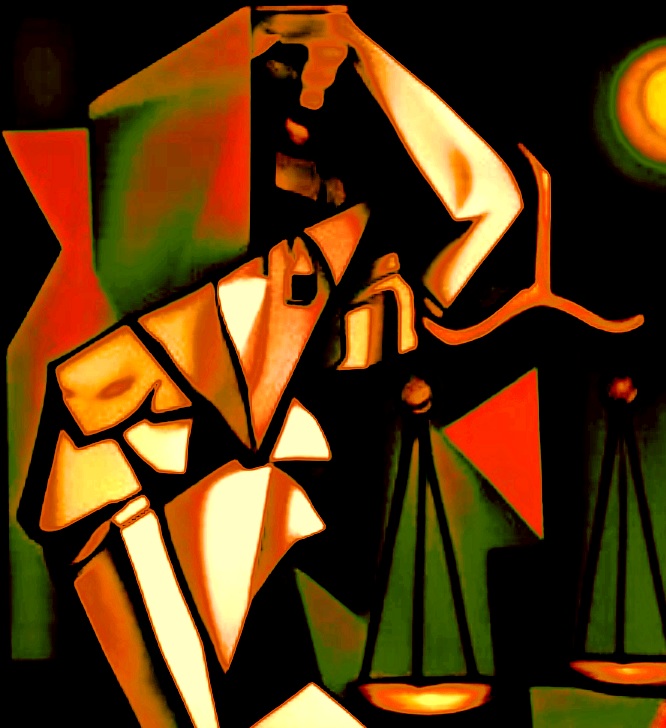
(«Scales of Justice»/Francisco Bravo Cabrera/All Rights Resesrved)
And the question always is, «What is justice?», and it is hard to define. Is justice done if you (in the countries where you are allowed to have personal firearms) shoot someone that has trespassed on your private property? Is justice done if you cheat your way into a perfect position at work, knowing that you really did not deserved it and that you have denied the real candidate the opportunity? Is justice done if you, being the biggest and the most powerful, manipulate and bully the weaker and smaller ones?
Do you know the answer to these questions? I don’t claim to know them but I wish someone did because they are not rhetorical questions. These questions refer to real situations that happen all the time. And I want to know if the subject, or the object, considers that justice was done or if an unjust and undignified act had been committed.
Is justice found in the Justice System of your country? We all find arbitrary decisions there, such as favouritism, nepotism, cronyism, racism, bigotry, prejudice, hatred, fear and God knows what else. These negative ingredients can and do form part in the decision making process of judges, juries, police, and prosecutors. How come the poor, the minorities and the alienated ones (gays, lesbians, transsexuals, migrants, freaks, the homeless), always lose when they have to confront the rich and the powerful in the supposed justice system? Where is the respect that must be paid to every human being?
And if there is no widespread, universal respect, can there be justice? And without justice, can there be peace? Again, these are not rhetorical questions. Disrespect, strife, war, unrest and injustice all happen all the time everywhere. Supposed First World countries think they are above all of that. However, there is much of the Third World lurking within First World countries. We are seeing that right now in a country that has always boasted of being the number one, the trend-setter and the powerhouse of the world.
Is justice done when a man, a child, or an entire family is deemed “illegal” because they have chosen to make their way to a different country than their own? Perhaps they are fleeing war, tyranny, abject poverty. It is not the position of the host country to question, but to open their arms and accept refugees as God commands. It is written in Leviticus 19:33-34: “When a stranger sojourns with you in your land, you shall not do him wrong. You shall treat the stranger who sojourns with you as the native among you, and you shall love him as yourself, for you were strangers in the land of Egypt: I am the Lord your God.”
When that country’s political system traces its roots to the theft of land from its natural, original and rightful owners, simply because they had superior power, does that power make their acquisition just? If you do not respect the little ones, are you still conducting yourself within the parameters of justice? How can a human being on this earth be considered an “illegal alien?”, especially by a country who stole the land from its aboriginal inhabitants and later placed them on reservations? Is this justice? Is “sending them back” justice?
Absolutely not! It is an aberration and an abuse of power. Perhaps power that the perpetrators do not legitimately have. And perhaps power, that if they do have, they should not use as it is indecent and immoral. So, is the use of absolute power the best way to procure justice?
I leave it here as there are too many questions to answer and answers are needed, especially by those who study, learn, think and act. Not by those motivated by hatred who do not think, do not study and only employ the power they have gained by accumulating richness. The latter only think of themselves and there is no justice in selfishness and Narcissism.
What has been said by wise men, Saints and Prophets about Justice
St. Thomas Aquinas said that justice was the virtue that consists of a constant and firm will to give God and neighbour what they rightfully deserve.
Jesus said justice was intimately tied to faith and that one should keep asking and seeking it until one receives it. He gave the example of the wicked judge who was being pestered by a widow asking him for justice for her. The judge, who did not care about men, nor feared God finally did justice for her simply to get her off his hair. Persistence pays.
Nietzsche thought that equality was the most important aspect of justice: he says that “Justice is repayment and exchange on the assumption of an approximately equal power position,” and that “revenge originally belongs to the domain of justice”.
The Romans valued justice highly, and thus thought that justice looks for no prize and no price; it is sought for itself, and is at once the cause and the meaning of all the virtues.
And I will close this chat with a quote from the Prophet Isaiah (1:17): “Learn to do right; seek justice. Defend the oppressed. Take up the cause of the fatherless; plead the case of the widow.”