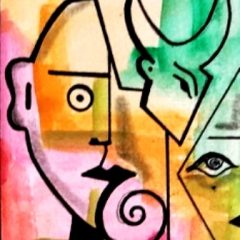
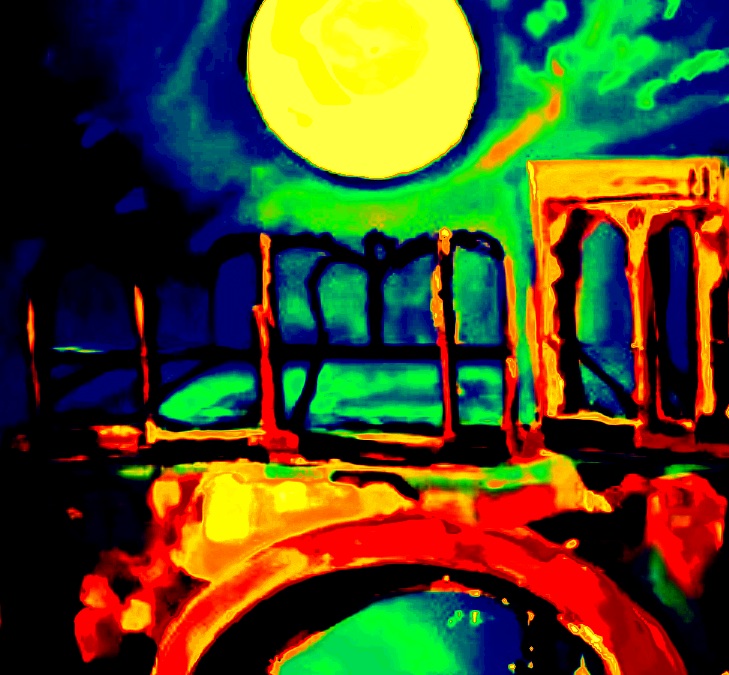
#poem, #art, La luna de València (The Moon Over València)…

(«La luna de València»/Francisco Bravo Cabrera/All Rights Reserved)

The city of València can boast of one of the biggest urban green areas of Europe, which is the Jardines del Turia, or what we, valencianos, call «the river». And because I know that you are going to ask me why do we call a city park the river. Well I will tell you…

The River Turia ran through our city until 1957 when the river overflowed and flooded a large part of the city causing chaos. So the city decided to change the course of the river, which empties into the Mediterranean Sea, and leave the old river bed to become the great park that we now enjoy. That is why we still call the Jardines del Turia (official name of the park) the river.

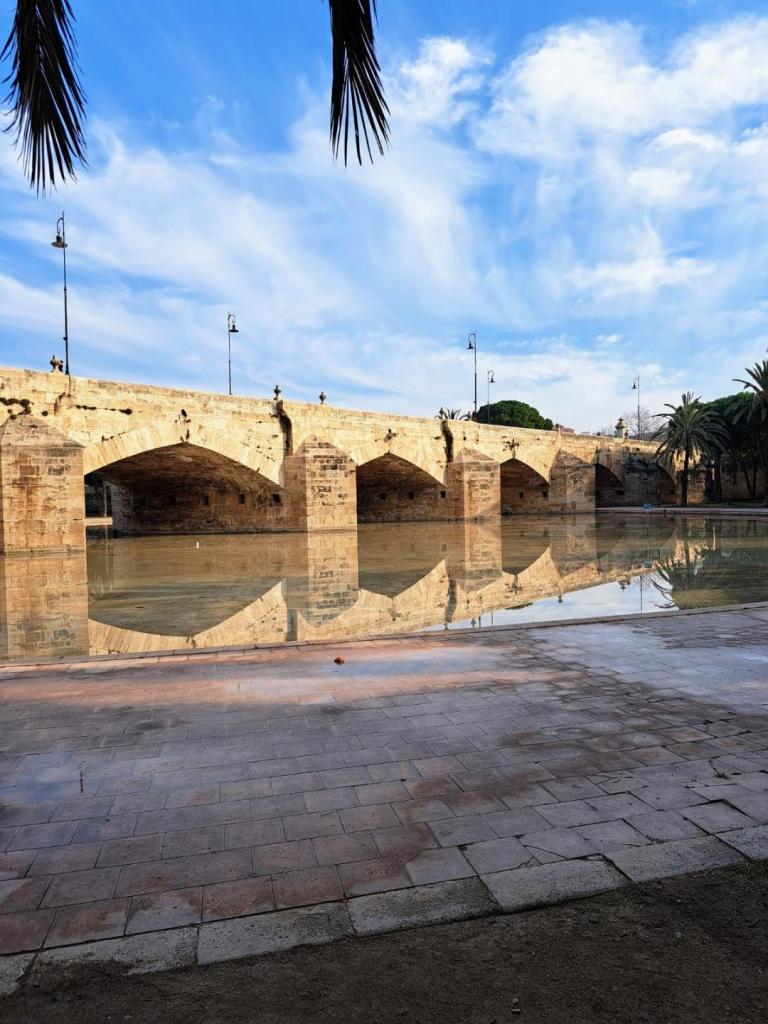
Anyways, there are many bridges that cross this river, and one of them, back in medieval times, was the main entrance to the then walled in city. You crossed this XIIIth Century bridge, you asked permission of the gate guards and you entered València. But at night the city gates were closed, locked and secured. If you missed the last hour of entry you stayed on the other side of the river. This meant that you were now alone and exposed to thieves, bandits and who knows what else because on the other side of the river, in those days, was the wilderness.
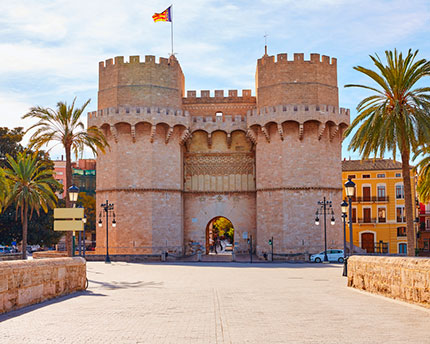
(The Torres de Serranos, the original entrance to the medieval city of València/photo Barcelo.com

So we say to those who are just lollygagging around and miss things like punchlines, information, questions, mealtimes, their meds, etc. that they are in the «luna de València», or watching the Valencian moon, like those who had to stay on the other side of the bridge because they missed the closing of the gates! So do not be just watching the Moon of València! Get on the ball!

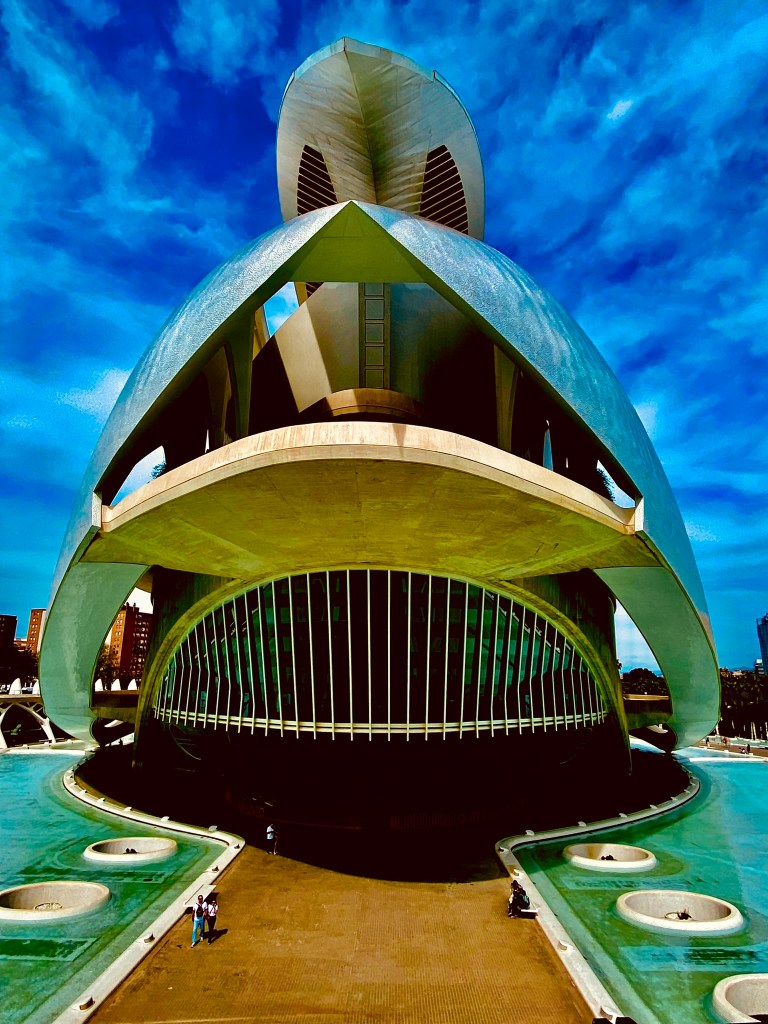
Now I invite you to take a look at our beautiful river/Jardines del Turia. There is one area that is called The City of Arts and Sciences, designed by architect/engineer Santiago Calatrava (a native son of València), which has an opera house, two museums and other incredibly modern and beautiful buildings, gardens and large fountains.
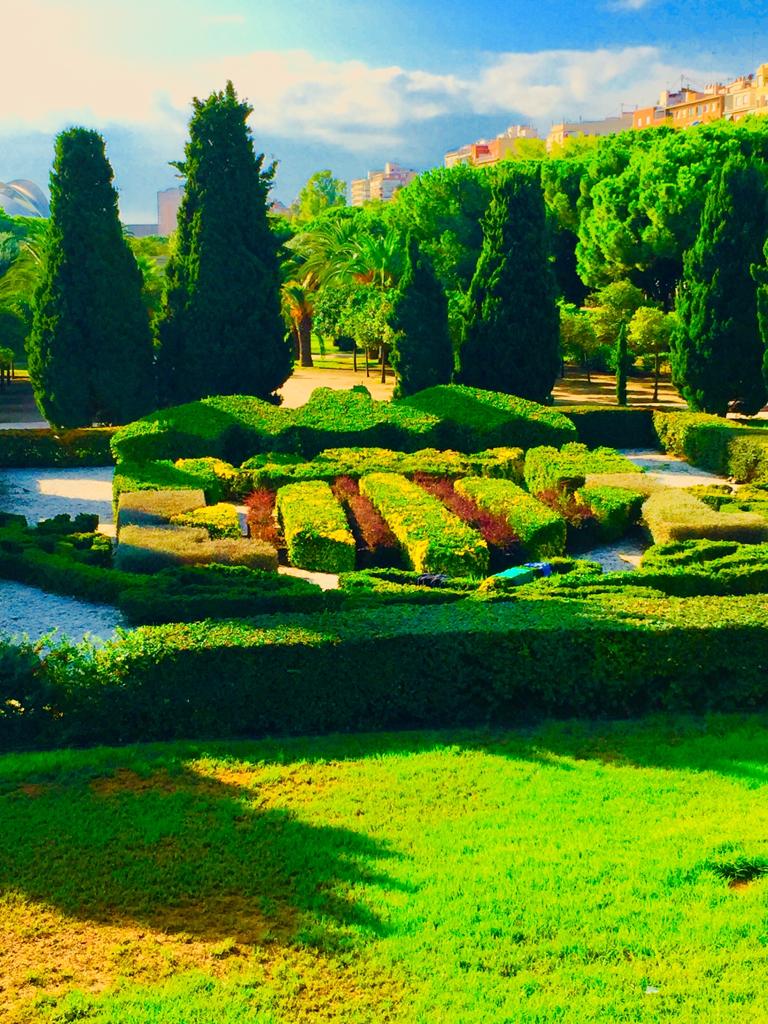
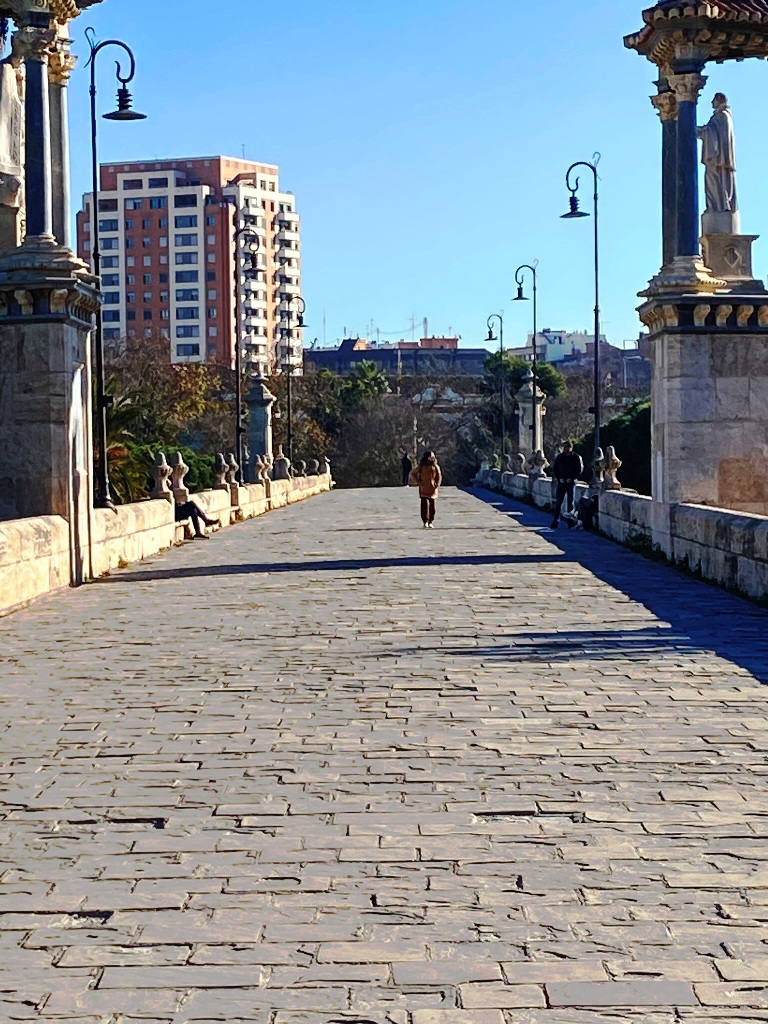
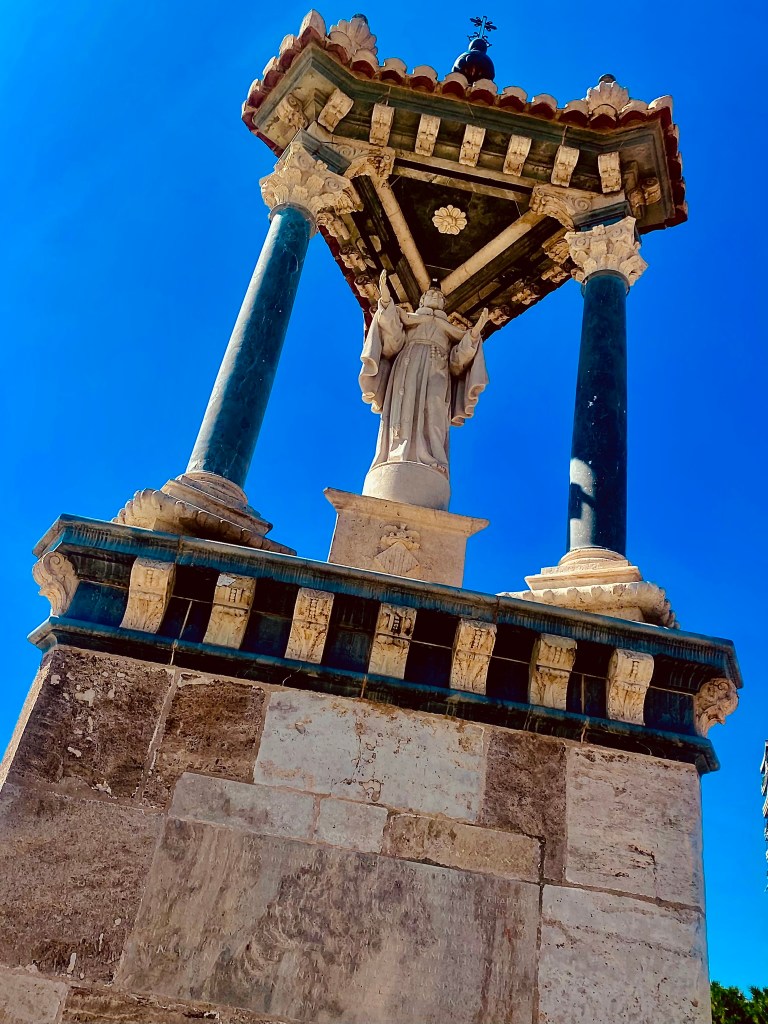
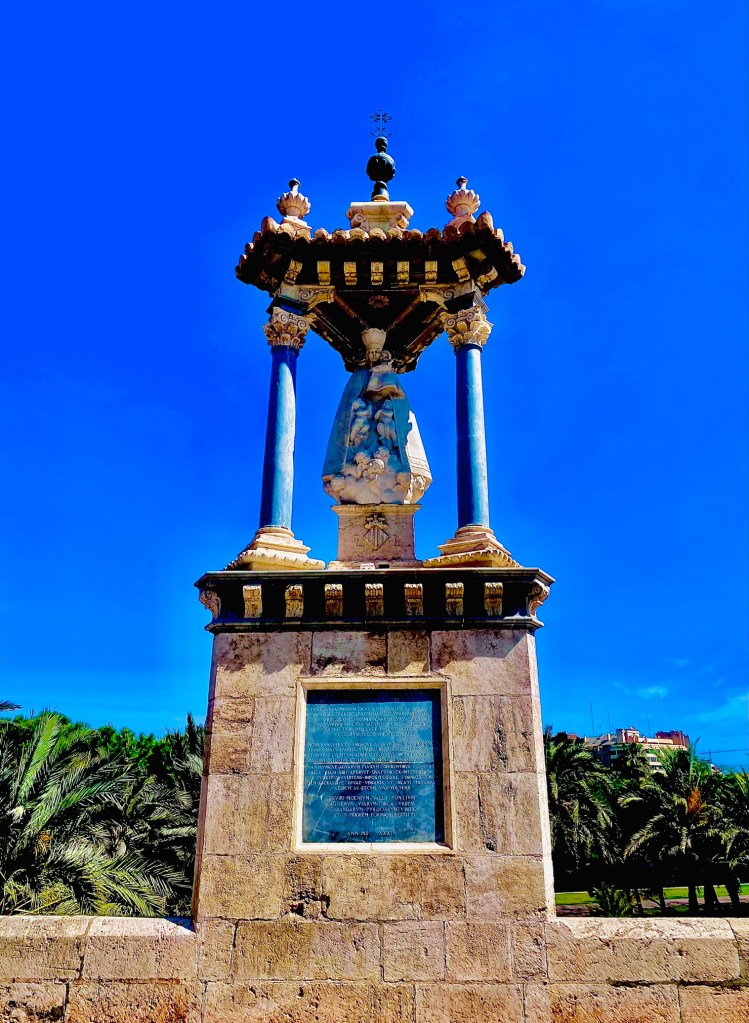
The above photographs show some of the bridges that cross the Jardines del Turia as well as the museums, and opera house which were built upon the original river bed.

#artist, I Think You Missed This One: Clara Peeters

(Check out the reflections/Photo El País)

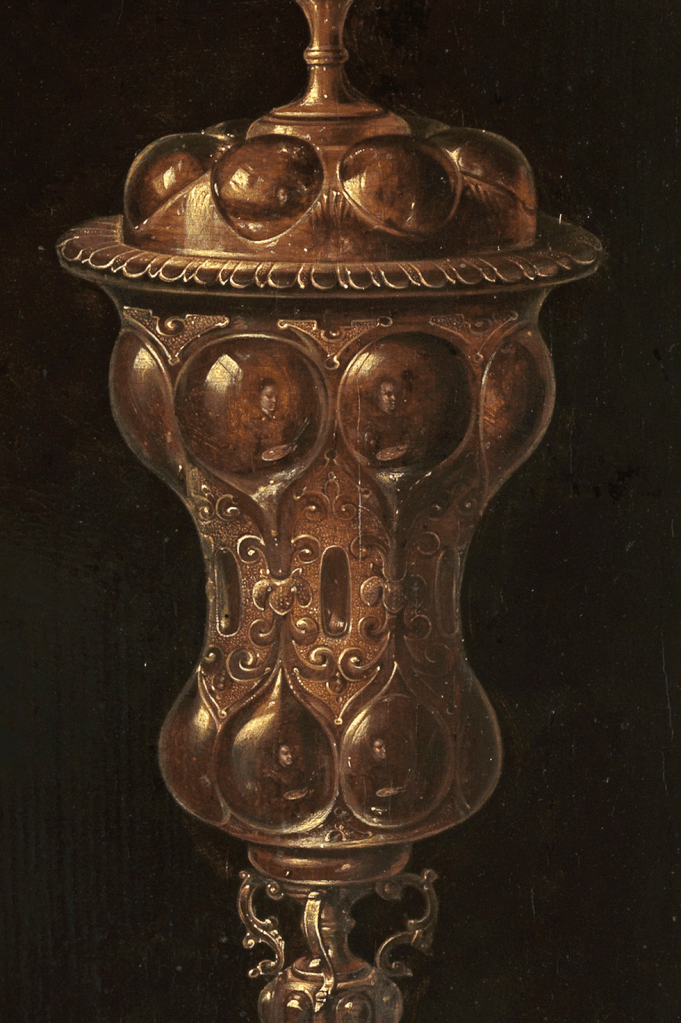
A master of the still life paintings, but she secretly hid something within the reflections of some of the objects that formed her unique compositions…

(2024)

CHEERS

#art, Street Art Valencia…Fallas 2020

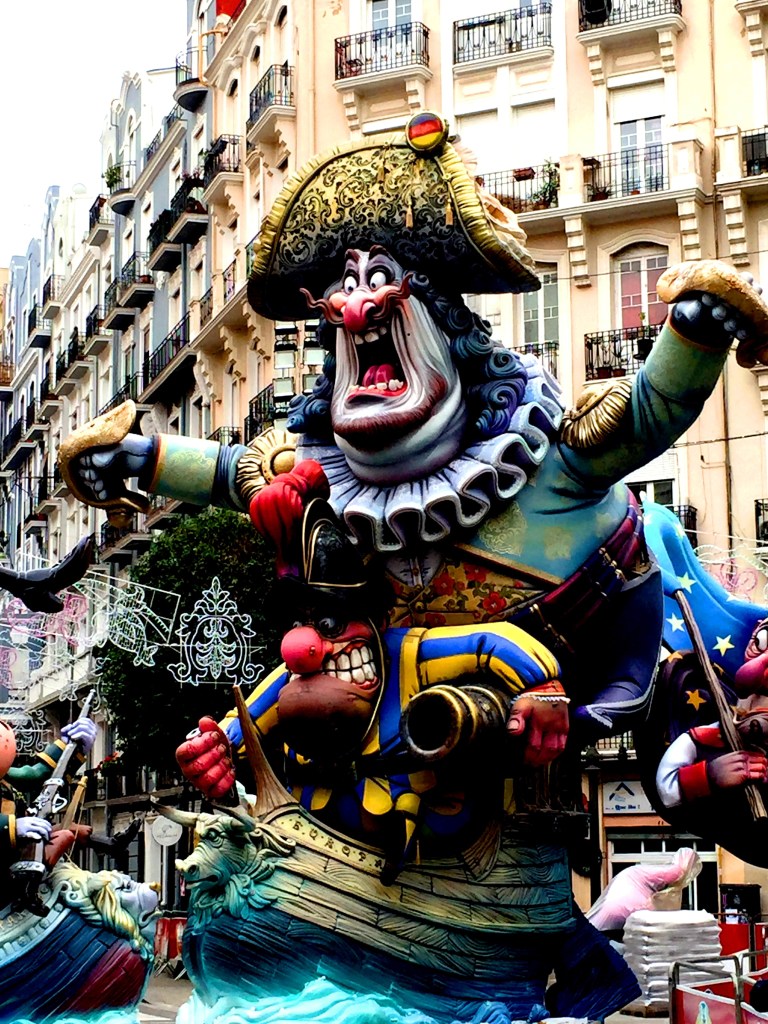
(From Les Falles 2022/photo by and property of Francisco Bravo Cabrera/All Rights Reserved)

Here is some art we can see just by strolling around…

(2020)

CHEERS

If You Do Not Know My City… It is called València…

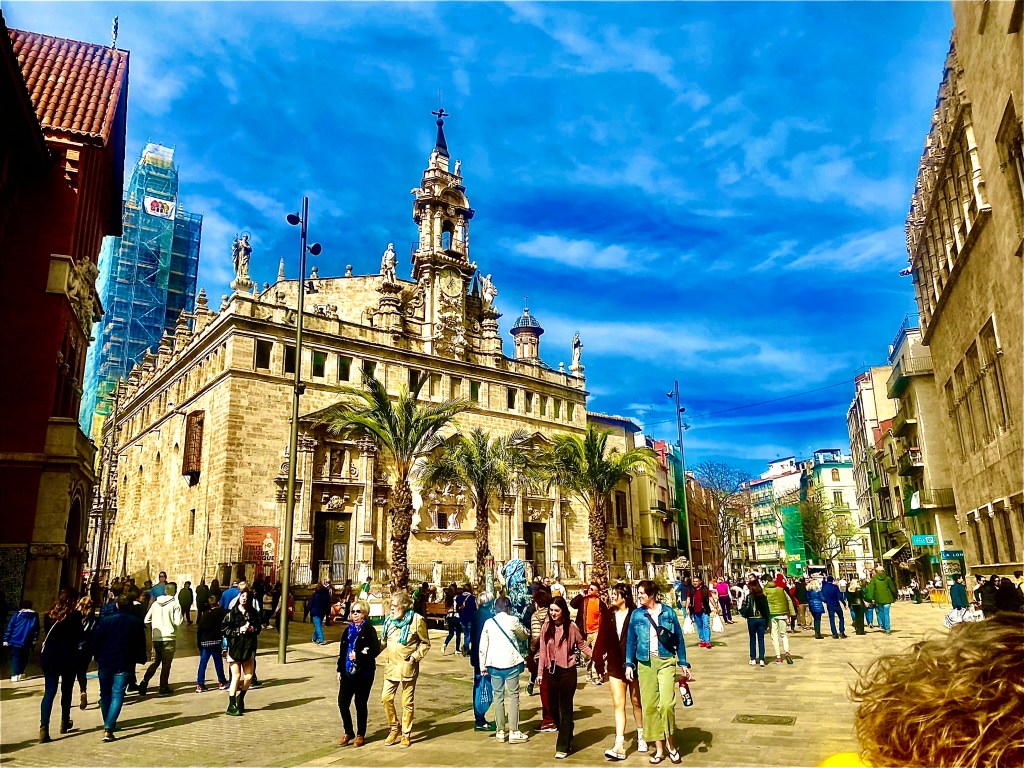
(On the streets of Valencia/photo by and property of Francisco Bravo Cabrera)

València is the third largest city of Spain. The city was founded in 183 B.C. by the Romans. We are on the Levantine (eastern) coast of the Iberian peninsula right where the Mediterranean Sea kisses our beaches. València is the capital of the Comunitat Valenciana which has three provinces: Castelló, Valencia and Alacant. We were a kingdom and we know it…

(2020)

CHEERS

#poem, #art, La luna de València (The Moon Over València)…

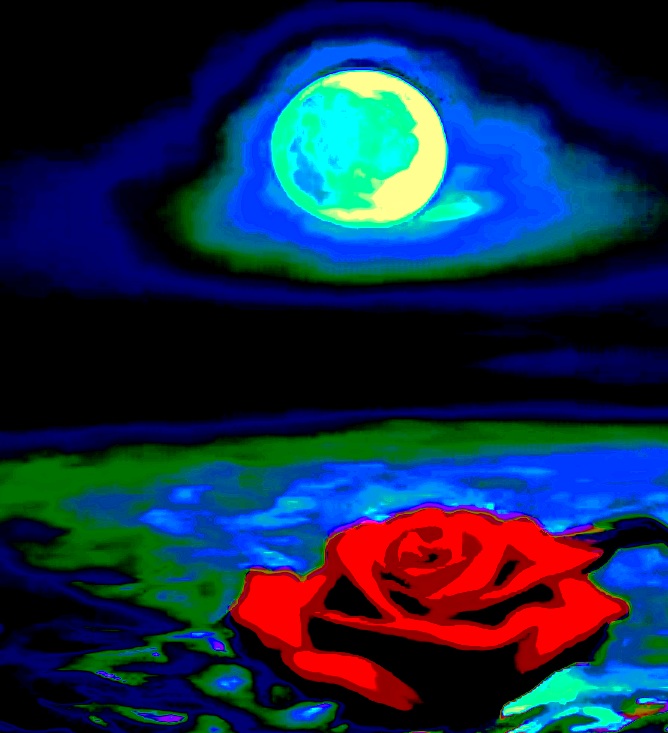
(«La luna de València»/Francisco Bravo Cabrera/All Rights Reserved)

The city of València can boast of one of the biggest urban green areas of Europe, which is the Jardines del Turia, or what we, valencianos, call «the river». And because I know that you are going to ask me why do we call a city park the river. Well I will tell you…

The River Turia ran through our city until 1957 when the river overflowed and flooded a large part of the city causing chaos. So the city decided to change the course of the river, which empties into the Mediterranean Sea, and leave the old river bed to become the great park that we now enjoy. That is why we still call the Jardines del Turia (official name of the park) the river.

Anyways, there are many bridges that cross this river, and one of them, back in medieval times, was the main entrance to the then walled in city. You crossed this XIIIth Century bridge, you asked permission of the gate guards and you entered València. But at night the city gates were closed, locked and secured. If you missed the last hour of entry you stayed on the other side of the river. This meant that you were now alone and exposed to thieves, bandits and who knows what else because on the other side of the river, in those days, was the wilderness.

(The Torres de Serranos, the original entrance to the medieval city of València/photo Barcelo.com

So we say to those who are just lollygagging around and miss things like punchlines, information, questions, mealtimes, their meds, etc. that they are in the «luna de València», or watching the Valencian moon, like those who had to stay on the other side of the bridge because they missed the closing of the gates! So do not be just watching the Moon of València! Get on the ball!

Now I invite you to take a look at our beautiful river/Jardines del Turia. There is one area that is called The City of Arts and Sciences, designed by architect/engineer Santiago Calatrava (a native son of València), which has an opera house, two museums and other incredibly modern and beautiful buildings, gardens and large fountains.
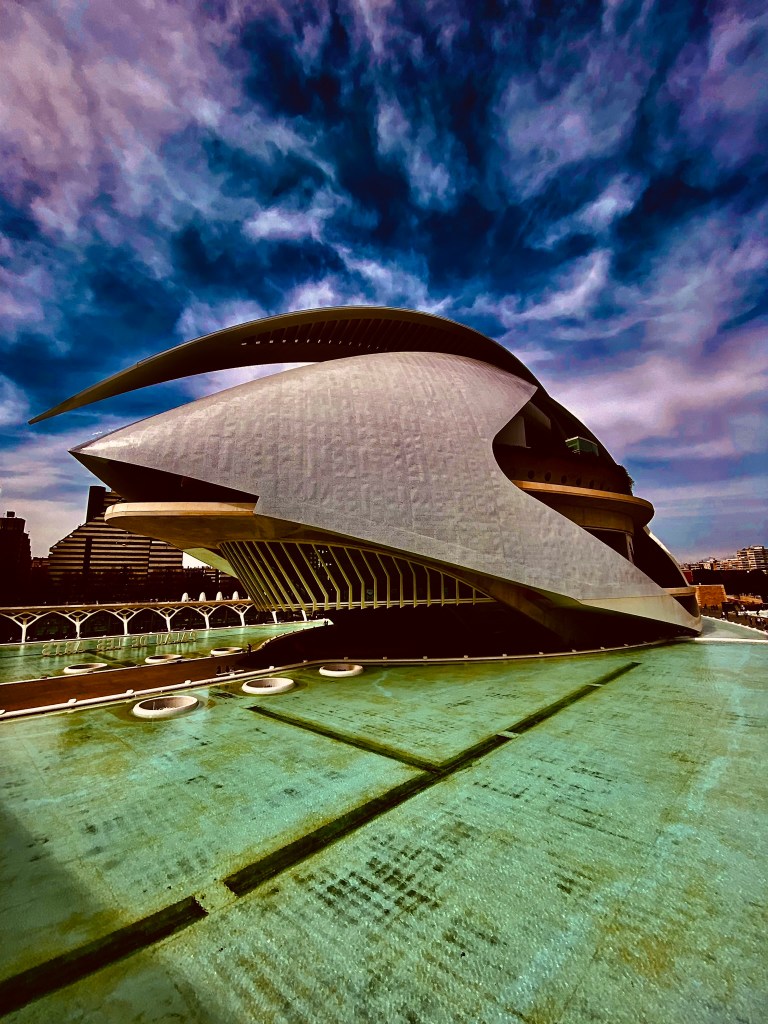
The above photographs show some of the bridges that cross the Jardines del Turia as well as the museums, and opera house which were built upon the original river bed.
#poem, «A Song to Life»

(«Rosa Luna»/»Moon Rose«/Francisco Bravo Cabrera/Derechos Reservados/All Rights Reserved)

They say there is no God…

They say morality has nothing to do with saintliness, with faith, with the rules of a superior deity…

They say that one can love without God’s influence and guiding light…

They say that there is light because the sun provides it…

They say that peace on earth is made by man’s ability to negotiate as only man can find the road to peace…

They say that justice is handed out by man’s ability to judge, impartially and fairly, without any divine intervention…

They say that there is beauty because nature has evolved to provide it…

They say we are not created but merely the result of evolution and we came from a one celled organism…

They may be right…

But I do not subscribe to their precepts.

I believe that there is nothing on this earth that resembles Him who created Heaven and Earth.

He who fears nothing,

He who rejects those filled with pride…

He who rules with compassion.

There is no love if the one who is love had not put in our hearts that concept.

There is no morality without the knowledge of right and wrong as He has taught us.

There is no justice without love…

There is no peace without justice…

There is no life without God.

There are no atheists. They know there is a God and that’s why they deny…

God is the king of all including those prideful who seek to place themselves in His throne.

Life has not evolved, life was willed by Him who ordered it to exist.

I sing a song to life because I am thankful…

I sing a song to life because it is a song of praise…

I sing a song to life because I know who has given it to me…

C.2024, Francisco Bravo Cabrera/07 AUG 2024/Izmir, Turkey

#art, Alma Thomas, FEATURED ARTIST

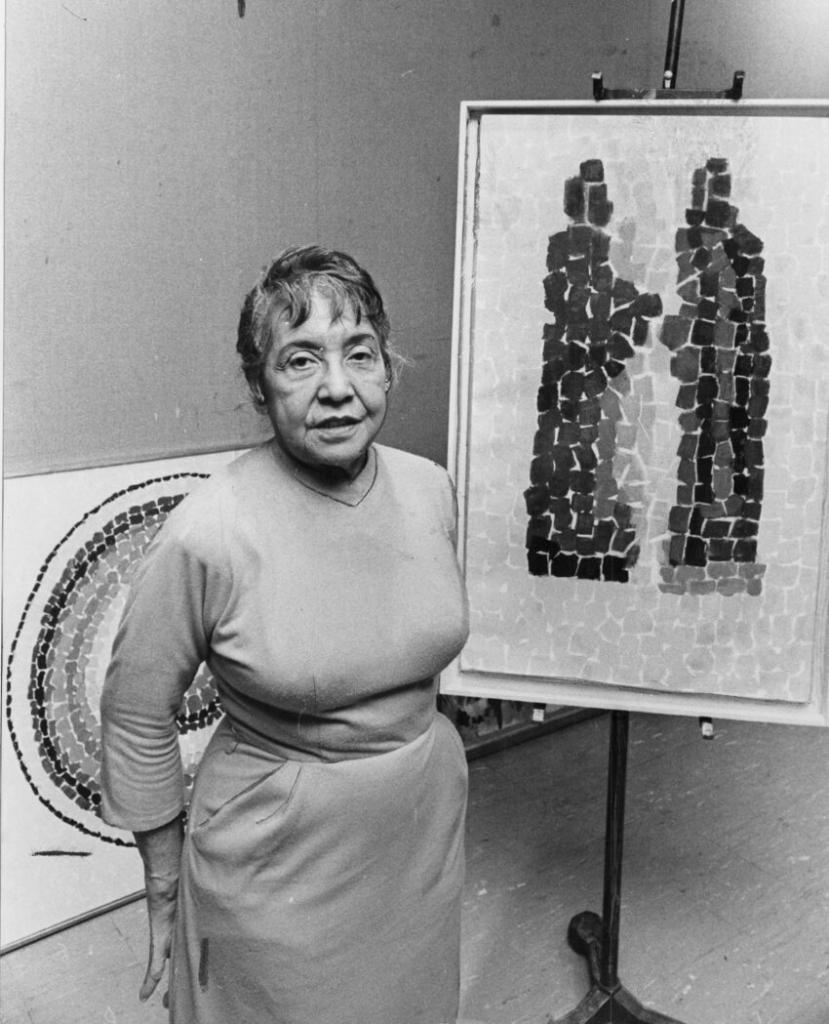
(Alma Thomas/foto/photo The Yale Review)

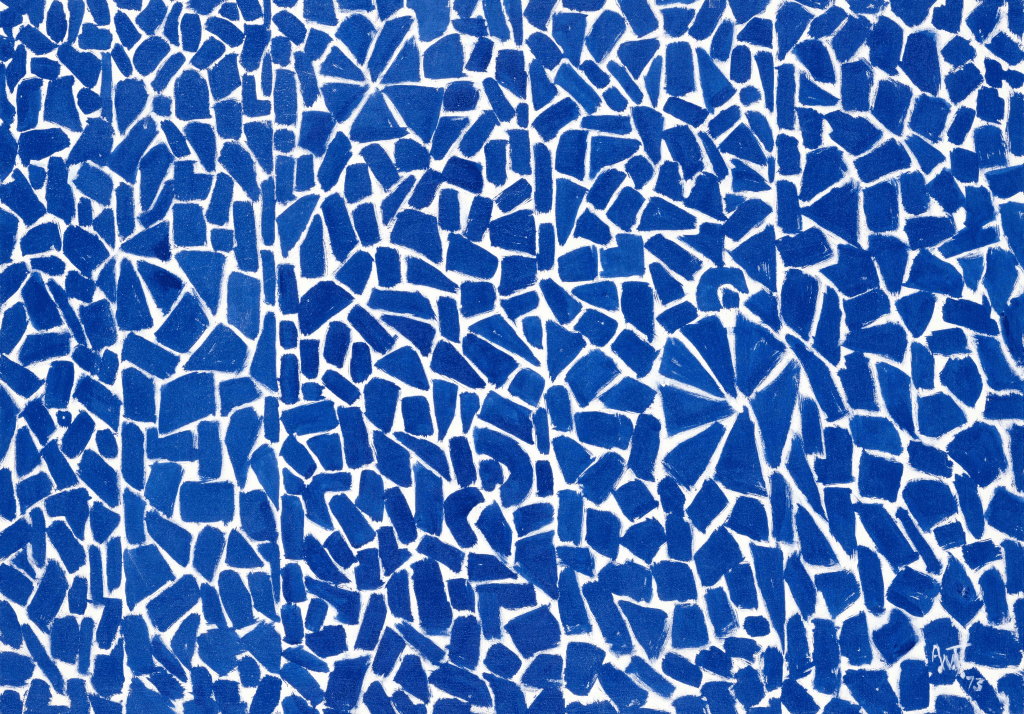
Alma Thomas started painting after a 35 year career teaching at Shaw Junior High in Washington, D.C. … She was an an expressionist painter considered part of the Washington Colour School, an art movement of abstract expressionists mostly existing from the 1950’s through the 1970’s.

She was born in Columbus, Georgia in 1891… She lived most of her life in Washington, D.C. as her family moved there in 1906 to escape the violence against Black people in Georgia… Although she did take art classes in High School, she chose to study at Miner Normal School and earned her teaching degree at University of the District of Columbia.

Despite suffering racist segregation and prejudice, Alma Thomas gained recognition as an African-American* female artist… In 1921 she started studying fine arts at Howard University (mostly sculpture) and gained her Bachelors of Science in Fine Arts in 1924. She could possibly have been the first woman in the US to gain a bachelor’s degree in art…

«Creative art is for all time and is therefore independent of time. It is of all ages, of every land, and if by this we mean the creative spirit in man which produces a picture or a statue is common to the whole civilized world, independent of age, race and nationality; the statement may stand unchallenged.»
-Alma Thomas, 1970

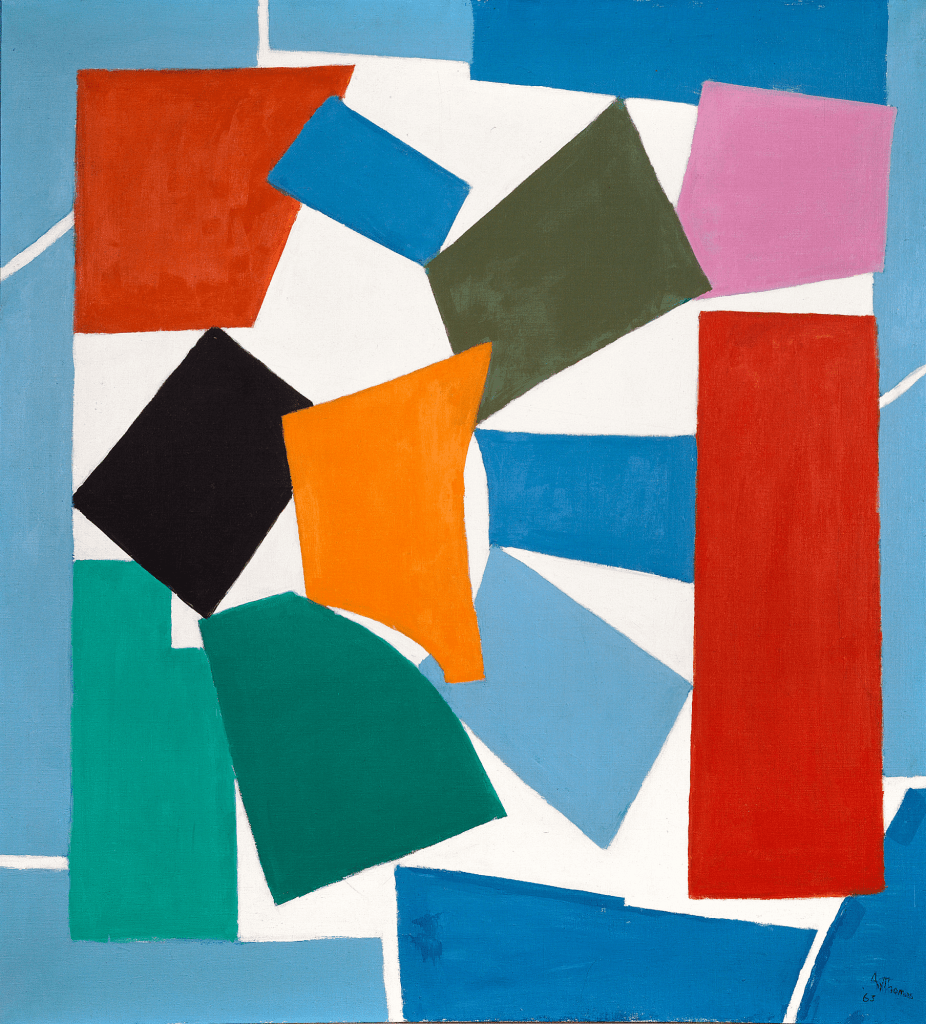
In 1960, upon retiring from teaching, and at the age of 68/69, Alma Thomas became a full-time artist. Influenced by the abstract expressionists, she began to create colour field paintings… In 1963 she created «Watusi» based upon «The Snail«, a Matisse cut-out, but changing the order and the colours…

(Photo Smithsonian Institute)

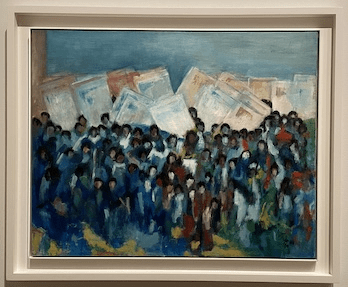
She was criticised for not following the trend of younger Black artists of the time who were creating protest art. Her reply was: «The use of color in my paintings is of paramount importance to me. Through color I have sought to concentrate on beauty and happiness in my painting rather than on man’s inhumanity to man.»… She walked on the March on Washington of 1963 and created a painting in 1964 titled «March on Washington» that hangs in the National Gallery of Art.

(photo by Laura Wheeler Waring/Public Domain/commons.wikimedia.org)

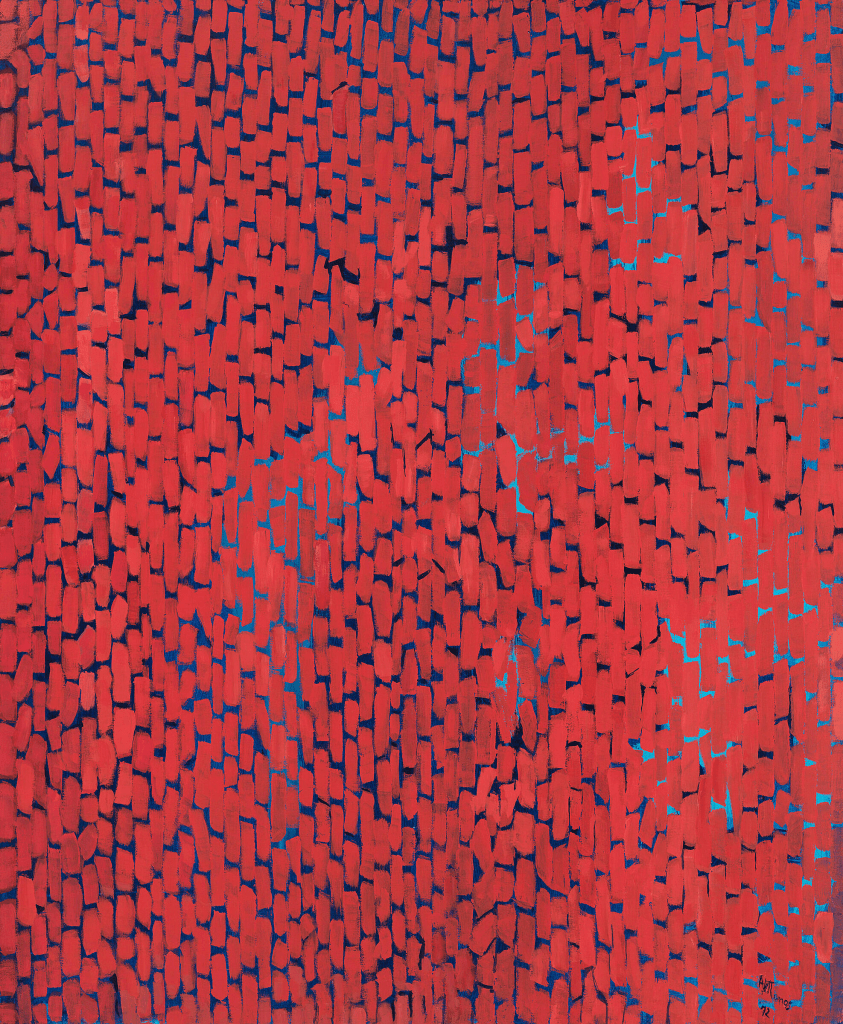
In 1966 she had her first exhibit at Howard University’s gallery of art… At age 81, in 1972, Alma Thomas became the first African-American female painter to have a solo exhibition at the Whitney Museum of American Art… She was labelled as an African-American artist, however, she denied labels placed on her as an artist or her identity as a black woman…

I am truly an admirer of this phenomenal woman and artist. I love to read about artists that in Art School they never mention, and it makes me despise formal art education even more. Although I do advocate technical education and art history for students of art, but students must choose wisely who they study and learn from. Alma Thomas painted in the salon of her home, or in her kitchen. She propped the canvases on her lap or against a coffee table. This resonated greatly with me for that is exactly what I used to do when I started and I still do that now when I paint «on location» in my summer place, away from my home studio in Spain.

Thomas lived all her life in her family’s home at 1530 15th Street, NW, Washington, D.C. She never married, declaring she was married to her art, and died in 1978.

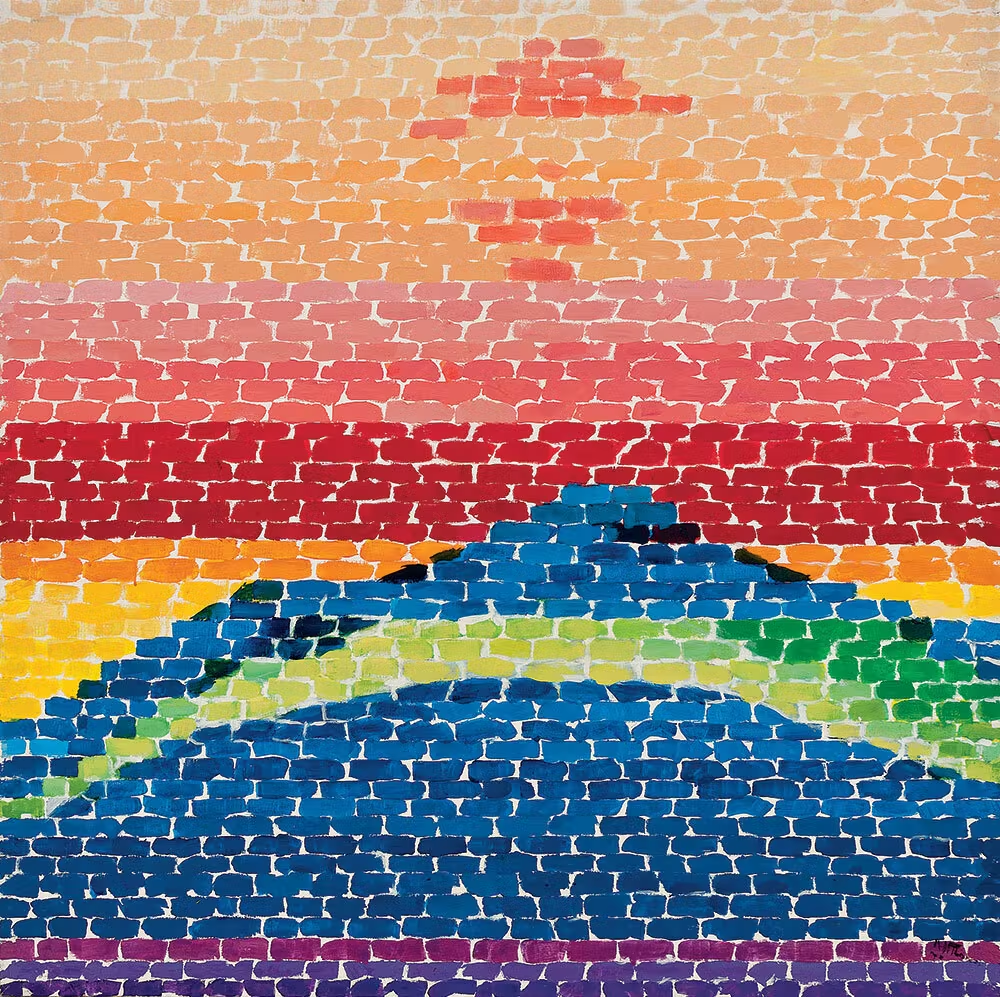
Here are some of her works:

(Photo Studio Museum in Harlem)
(Photo Whitney Museum of American Art)
(Denver Art Museum)

* NOTA BENE: Although I lived in the US many, many years, I could never understand this practice of categorising their citizens…and others…as either white, black, and now coloured. I thought it was offensive to call black people of the US «coloured folk»? Now they are using the term again. Why cannot they simply recognise human beings as human beings? Why create all these differences? Lamentably, something that had never been this way in Europe, many Europeans are imitating this ridiculous practice that can only lead to discrimination and prejudice. Just my thoughts…

CHEERS

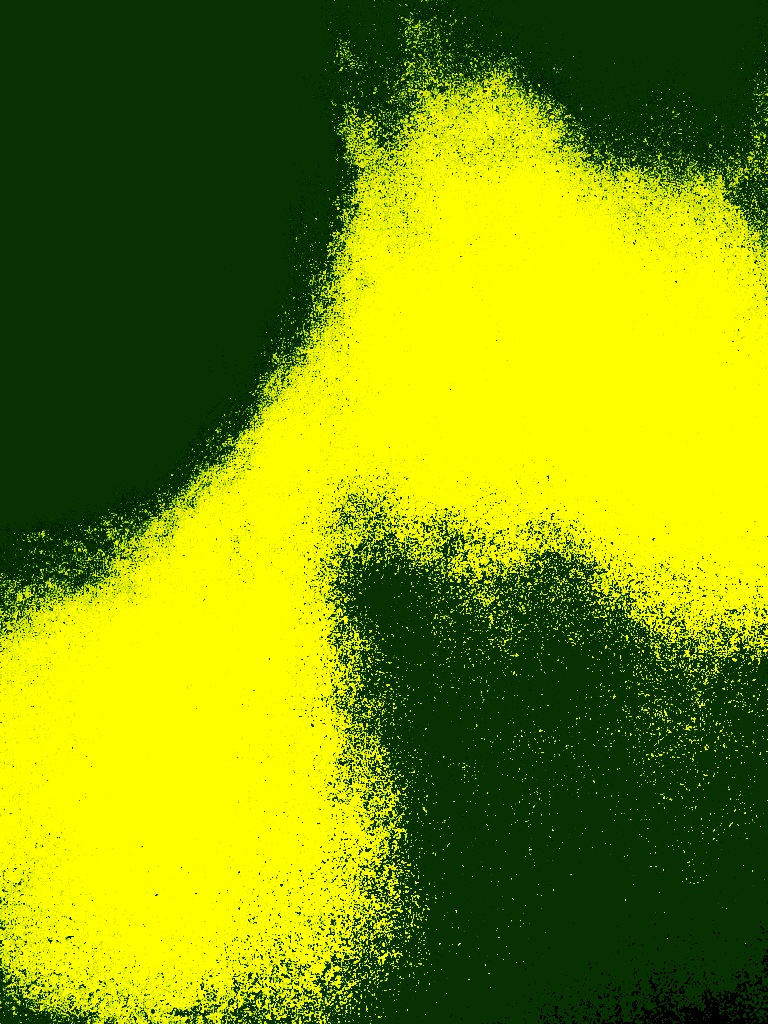
#art, La abstracción en el arte – Abstract Art

(«YelloAbstrak»/Francisco Bravo Cabrera/Derechos Reservados/All Rights Reserved)

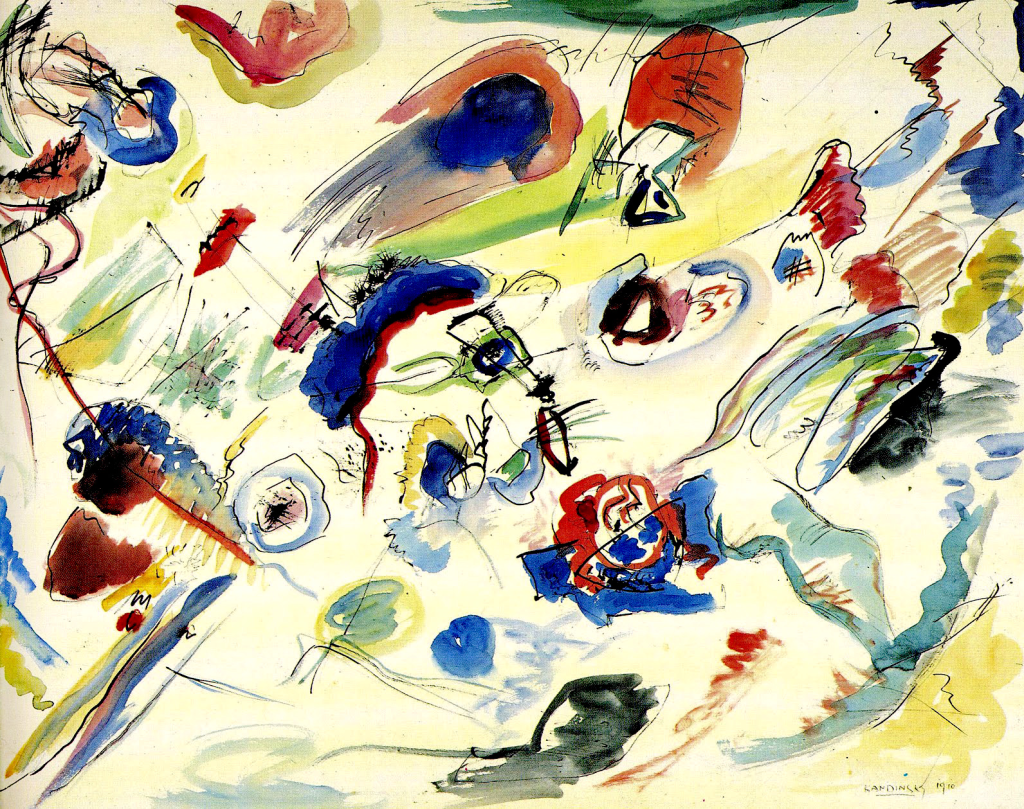
La abstracción es una de las vanguardias artísticas del Siglo XX. Segun la historia del arte Vassily Kandinsky había inventado el arte abstracto con su acuarela abstracta de 1910…

+++

Abstract art is one of the art vanguards of the XXth Century. According to art history, Vassily Kandinsky invented it when he created his 1910 watercolour…

(Kandinsky acuarela abstracta 1910/Abstract Watercolour 1910)

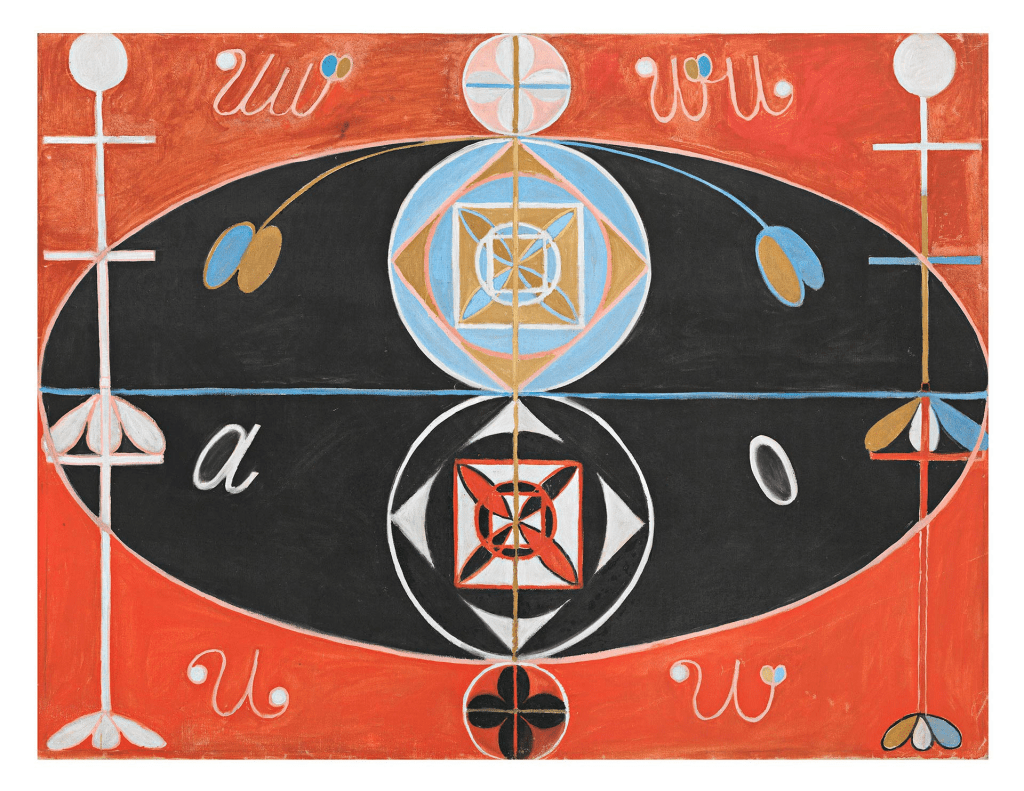
Ahora algunos dicen que no fue asi que la pintora…una mujer…Hilma af Klint fue la primera en pintar un cuadro abstracto, digamos, uno como este…

+++++

Now some say that it was not like that, that Hilma af Klint…a woman painter…had already been making abstract paintings, like this one:

(Abstraccion de Hilma af Klint/Abstract by Hilma af Klint)

Para estar claro, en el arte hay muchos diferentes estilos, muchas escuelas y muchas vanguardias, pero básicamente hay dos tipos de arte, el arte figurativo y el arte abstracto. ¿Como sabemos cual es cual? Yo te lo voy a decir y es simple. Si un cuadro, una pintura o un dibujo contiene elementos que fácilmente se identifican con cosas/personas de la vida real, el cuadro es figurativo, no importa lo distorsionado que estén las figuras ni lo surreal, ni lo cubista, ni expresionista que puedan ser. Si no tiene nada, ningún elemento de la vida real y esta compuesto por formas geométricas o por colores etcétera, el cuadro es abstracto. Simple, ¿No? Venga, no os vayáis a confundir porque por ahí, en algunos catálogos, ponen a Picasso como un artista abstracto y el tío jamás pinto una sola abstracción en su larga vida.

+++++++

To be clear, in art there are many different styles, many schools, and many vanguards, but basically there are only two types of art, figurative art and abstract art. How do we know which is which? I’m going to tell you, and it’s simple. If a painting or a drawing contains elements that are easily identified with things/human forms from real life the painting is figurative, no matter how distorted the figures may be, or how surreal, cubist, or expressionist they may be. If it has nothing, no element of real life, and is composed of geometric shapes or colours, etc., the painting is abstract. Simple, right? Come on, don’t get confused because some catalogues even place Picasso as an «abstract artist» and he never painted an abstract in his long, and very fruitful, life.

(2022)

GRACIAS – CHEERS