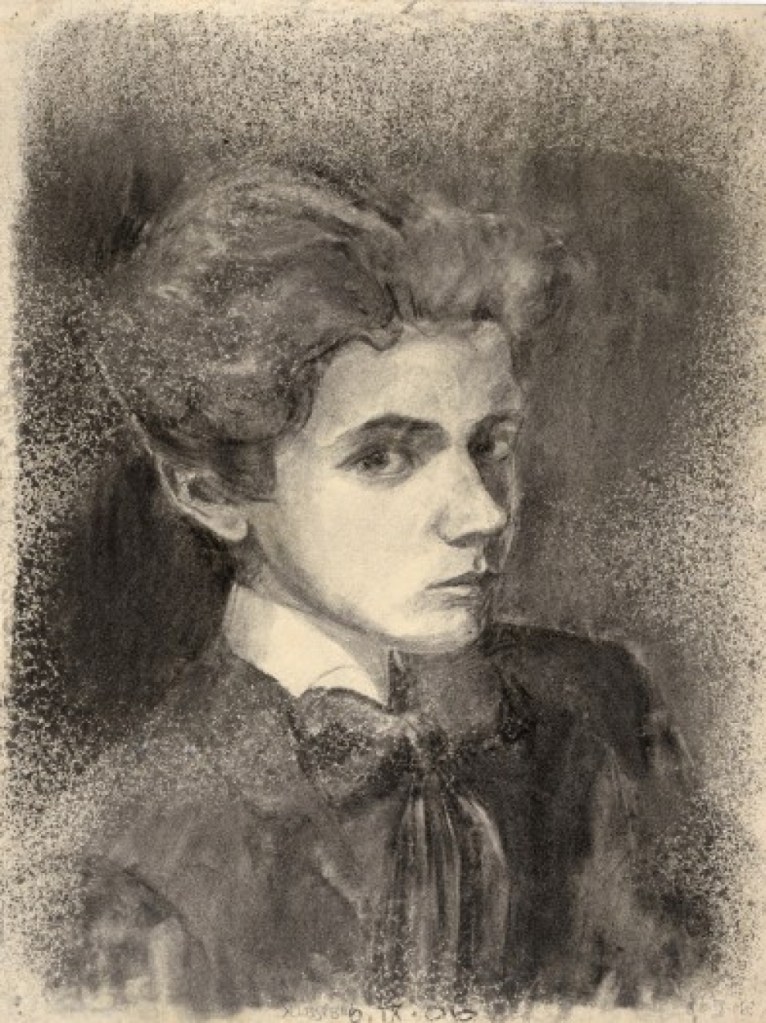
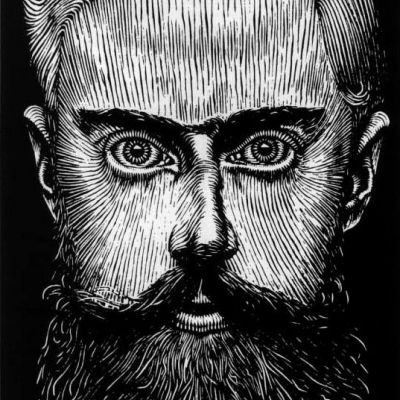
Estos dos grandes artistas, Schiele austriaco y Escher neerlandés, (anteriormente se decía holandés), marcaron pautas en el dibujo y creo que sus respectivas obras son parte muy importante de la historia del arte. Hay que conocerlos. Os urjo a que sigáis buscando mas de ellos.
+++
These two great artists, Schiele from Austria and Escher from The Netherlands (previously known as Holland), created great advancements in illustration and drawing. I do believe that their respective works are very important to art history. We must get to know them and I urge you to seek out more of their work.
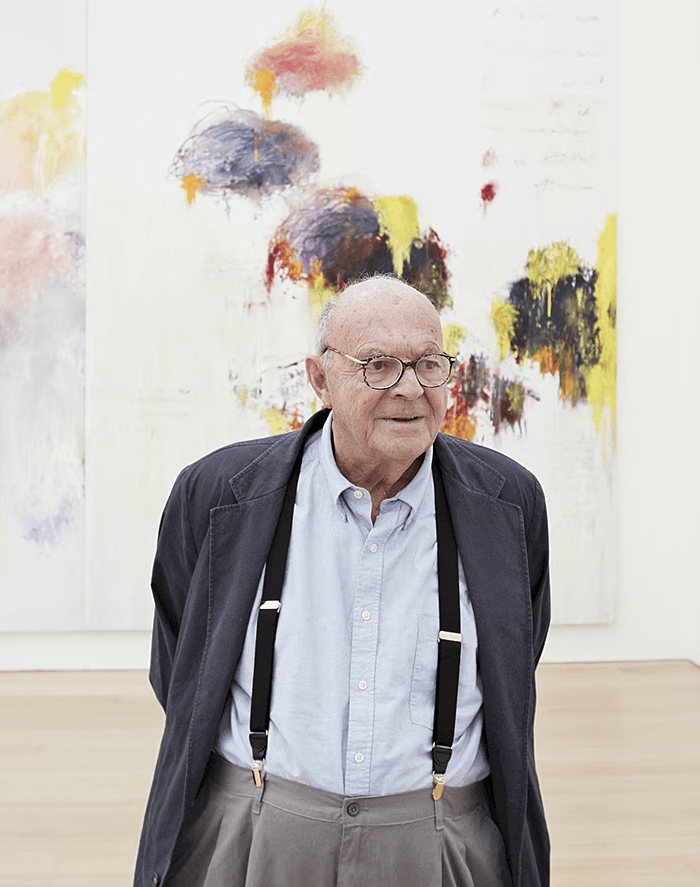
I must confess that I really do not know anything about this painter, but I am ready to find out and I will advise if I like him or if he goes into the list of non-favourites where he will be in the company of Frida Kahlo, Joan Miró, Banksy, Keith Haring, Basquiat, Warhol et al, (why name them all).
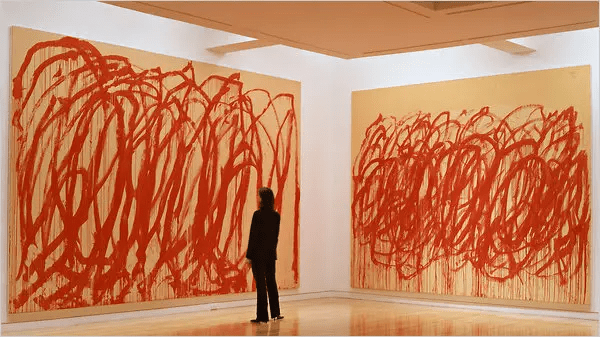
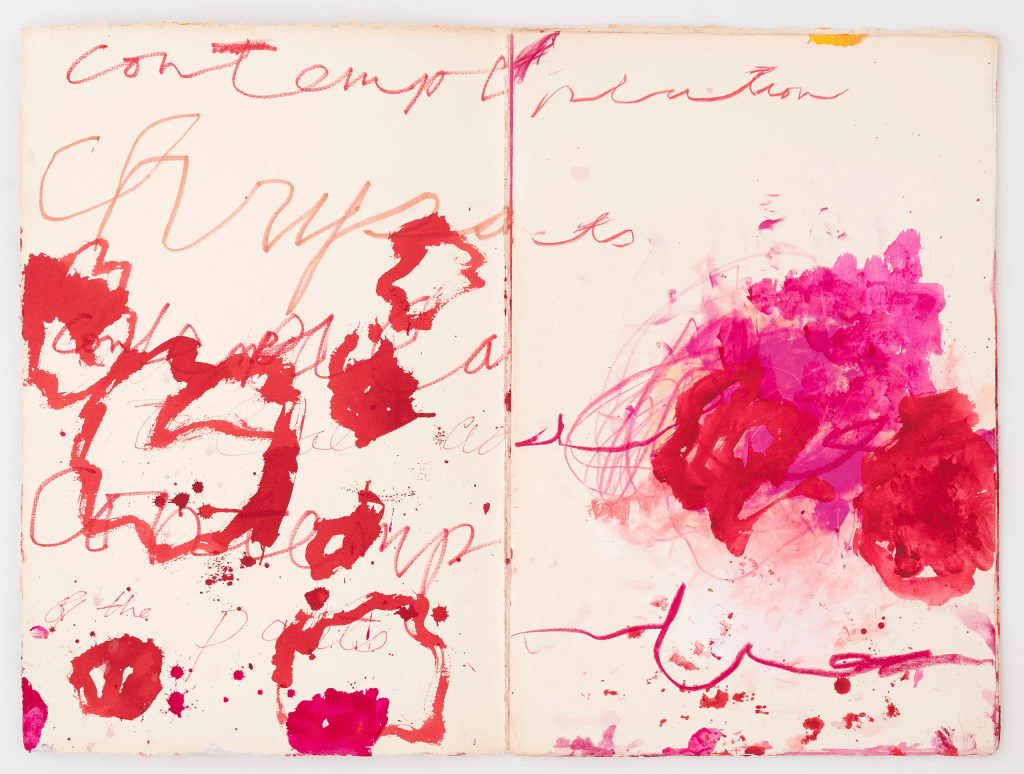
Cy Twombly was a United States artist born in Lexington, Virginia in 1928. He died in 2011 in Rome, Italy. His style was to use big canvases and spread paint on them in a seemingly random manner. I am already not liking him. The fact that his works hang in the MoMA and in Le Louvre really puzzles me and makes me realise that we must make room in museums for good artists and remove the mediocre ones.
Twombly studied art and was influenced greatly by Robert Rauschenberg and many of the other US abstract expressionists… In the 1950’s in New York he worked with many other abstract expressionists and with Jasper Johns. I would say that with all these references, his art can be classified as simplified abstractions.
Twombly’s 1964 exhibition at the Leo Castelli Gallery in New York, composed of nine panels titled Discourses on Commodus, from 1963, was described by artist/critic Donald Judd with these words: «There is nothing to see in these paintings.»
And that is quite enough for me. I agree one hundred percent with Donald Judd. Twombly definitely is on the list of artists I truly and completely do not like. Now it is your turn to tell me what you think of this «art».
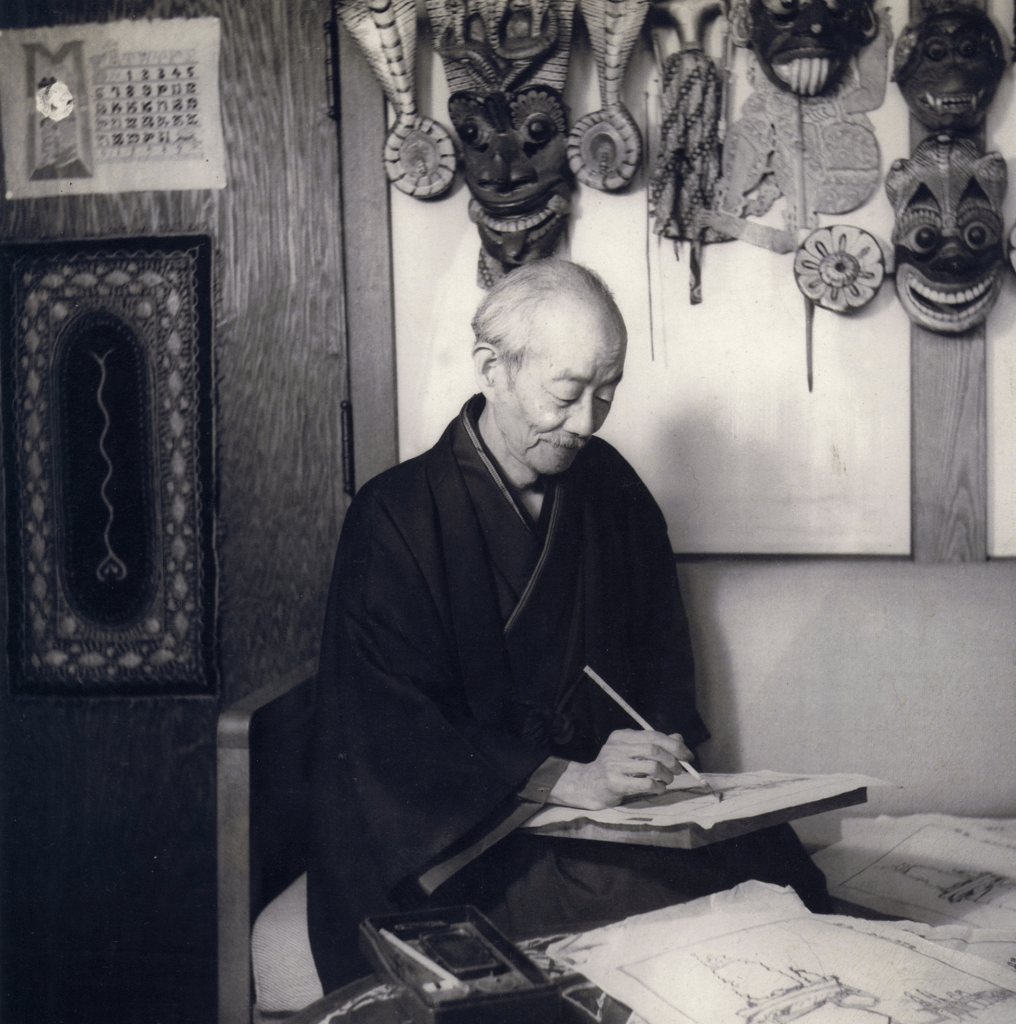
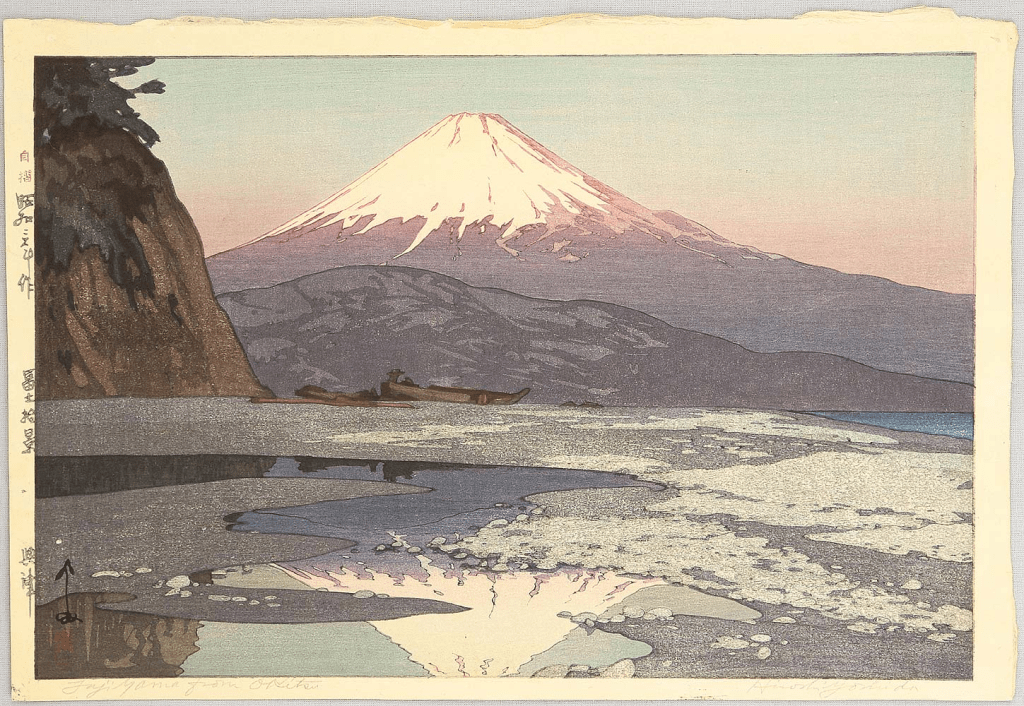
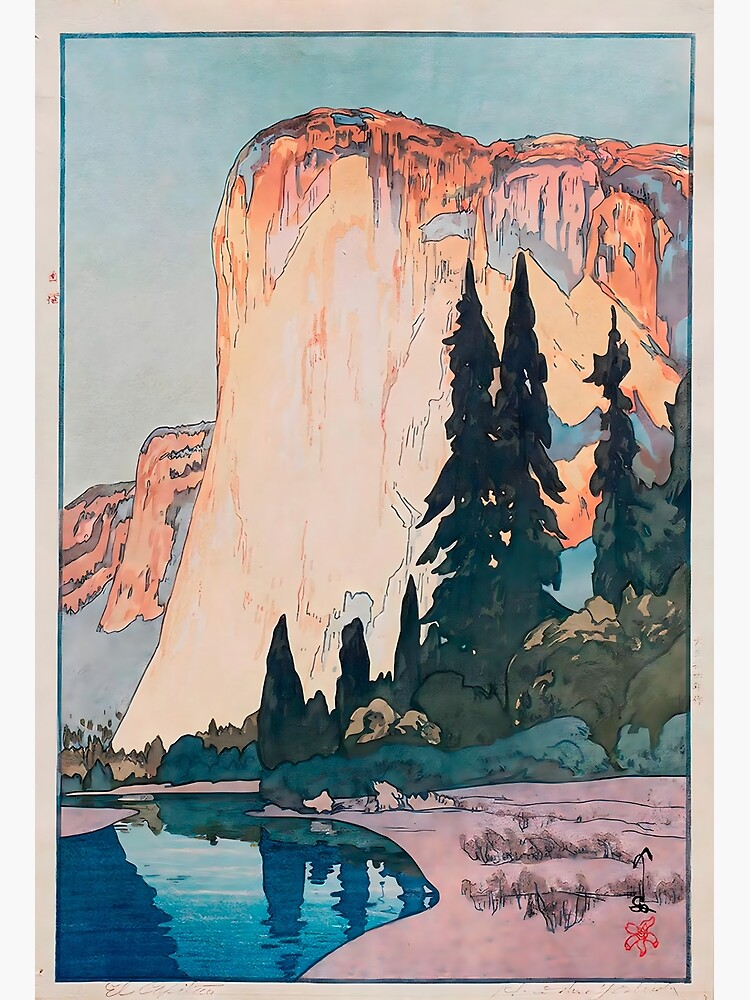
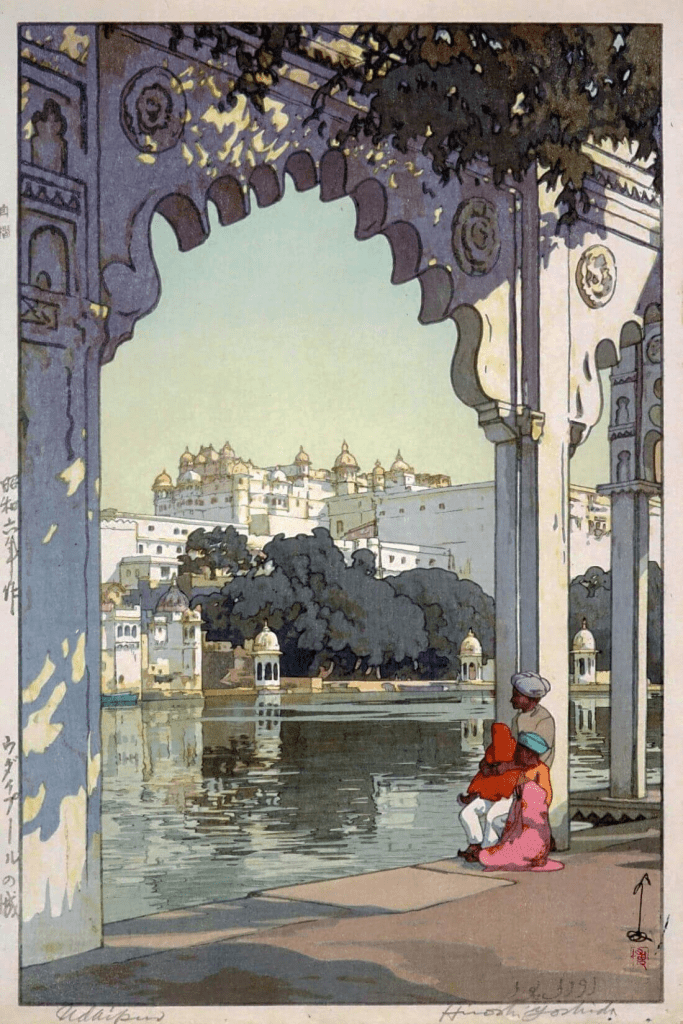
Uno de los artistas japoneses que debes conocer, al menos un poquito. Hiroshi Yoshida fue artista pintor y xilógrafo. Nacio en 1876 y murio el 5 de abril de 1950. Se le considera uno de los grandes del estilo Shin-hanga. Y Qué es eso de Shin-hanga tu me preguntaras, y bueno, tranquilo que te lo voy a explicar y es muy simple. Significa «nuevas impresiones» y fueron grabados en madera. Este movimiento artistico japones comenzo a principios Siglo XX y busco revitalizar el arte tradicional de los periodos Edo y Meji que duro del Sigo XVII al XIX. Simple, ¿No? Venga, si eso hasta lo entiende el gato de tu vecina…
+++
This is definitely one of the Japanese artists that you should know about, at least a little bit. Hiroshi Yoshida was a painter and woodblock printmaker. He was born in 1876 and passed away on April 5, 1950. He is considered one of the greats of the Shin-hanga style. And what’s that about, Shin-hanga, you might ask, and well, don’t worry, I’ll explain it to you and it’s very simple. It means «new impressions» and they were woodblock prints. This Japanese artistic movement began in the early 20th century and sought to revitalize the traditional art of the Edo and Meiji periods that lasted from the 17th to the 19th century. Simple, isn’t it? Come on, even your neighbour’s cat could understand that…
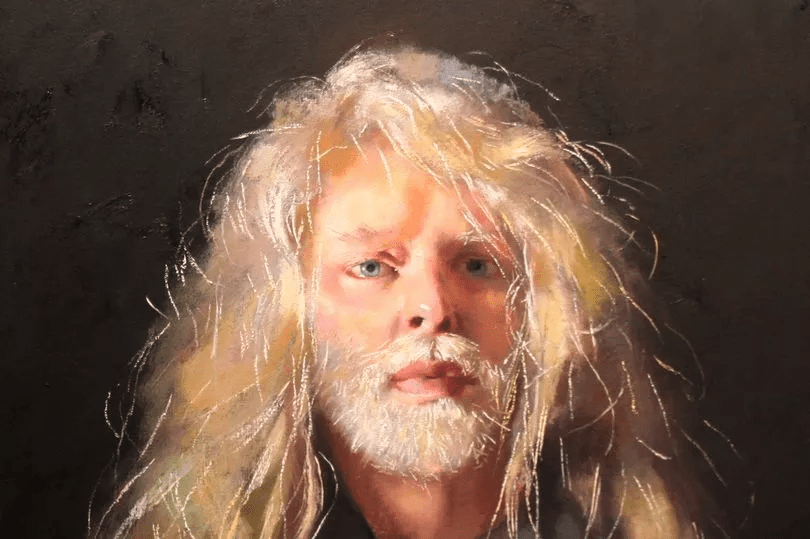
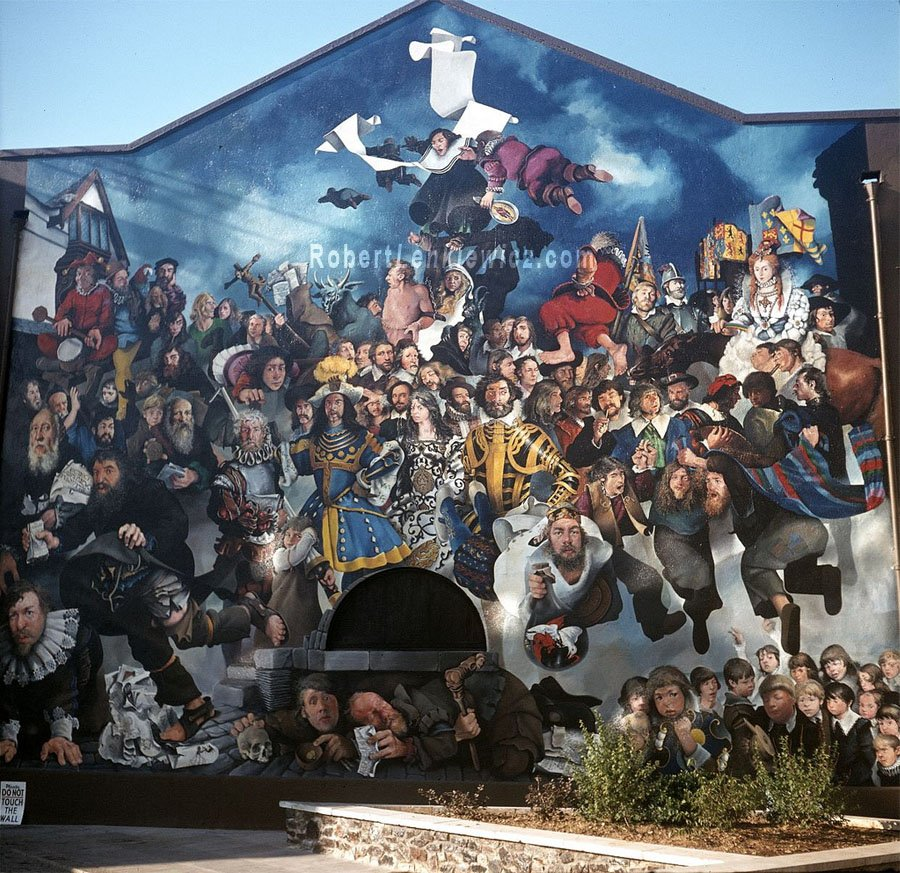
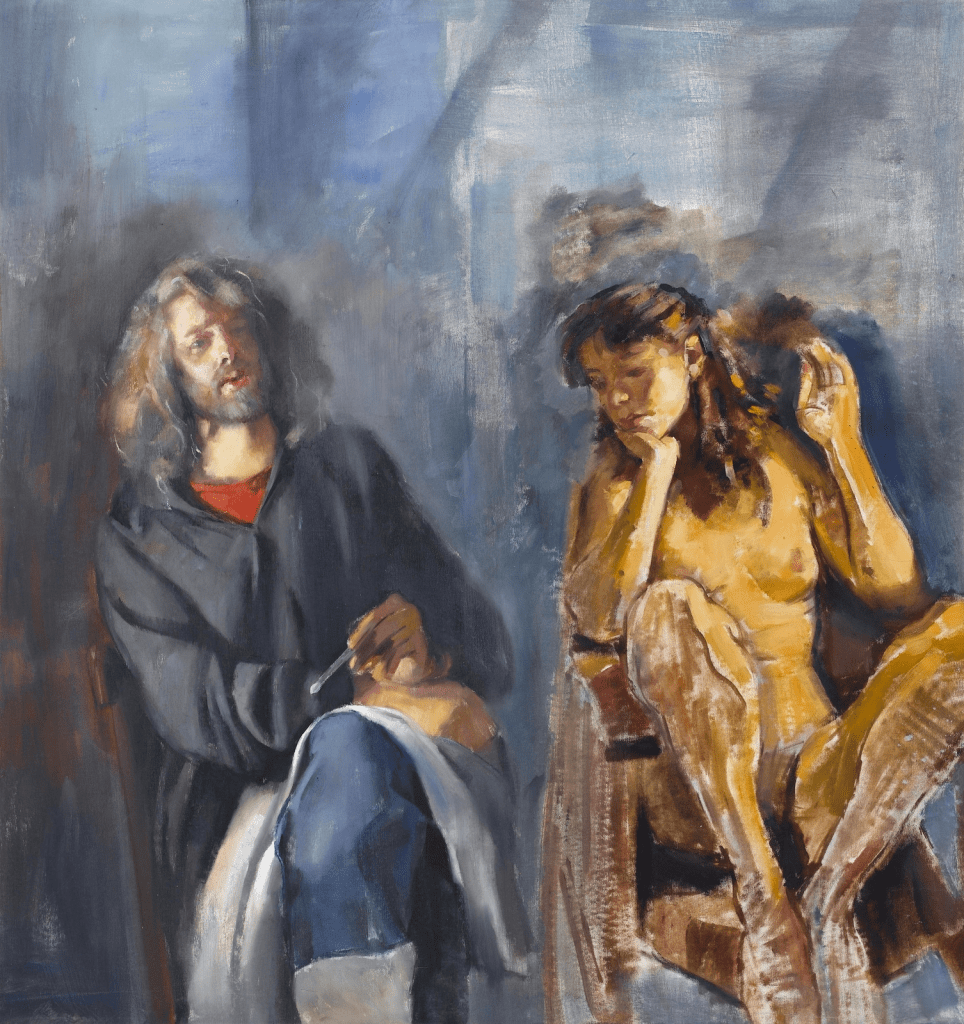
Robert Lenkiewicz was born in London in 1941, son of Jewish refugees that fled from Nazi Germany… At 16 years of age he was accepted at Saint Martin’s School of Art and later attended the Royal Academy of Art… He relocated to Plymouth after his neighbours in London complained that he allowed drug addicts, derelicts, and who knows who else to shelter in his studio… He gained recognition with his giant mural on Plymouth’s Barbican (1970’s)…
(Image RobertLenkiewicz.com)
In the 1990’s he began to get more and more recognition… 42.000 of his countrymen attended a retrospective of his art in 1997 at Plymouth City Museum and Art Gallery… He died in 2002 of a heart attack with only £12 and a huge debt… Some media reports placed Lenkiewicz’s estate somewhere around £6.5 million. Maybe because of his library of antique books on witchcraft, the occult, metaphysics and medieval philosophy. Yet when Sotheby’s auctioned the entire estate in 2003 it raised less than £1 million.
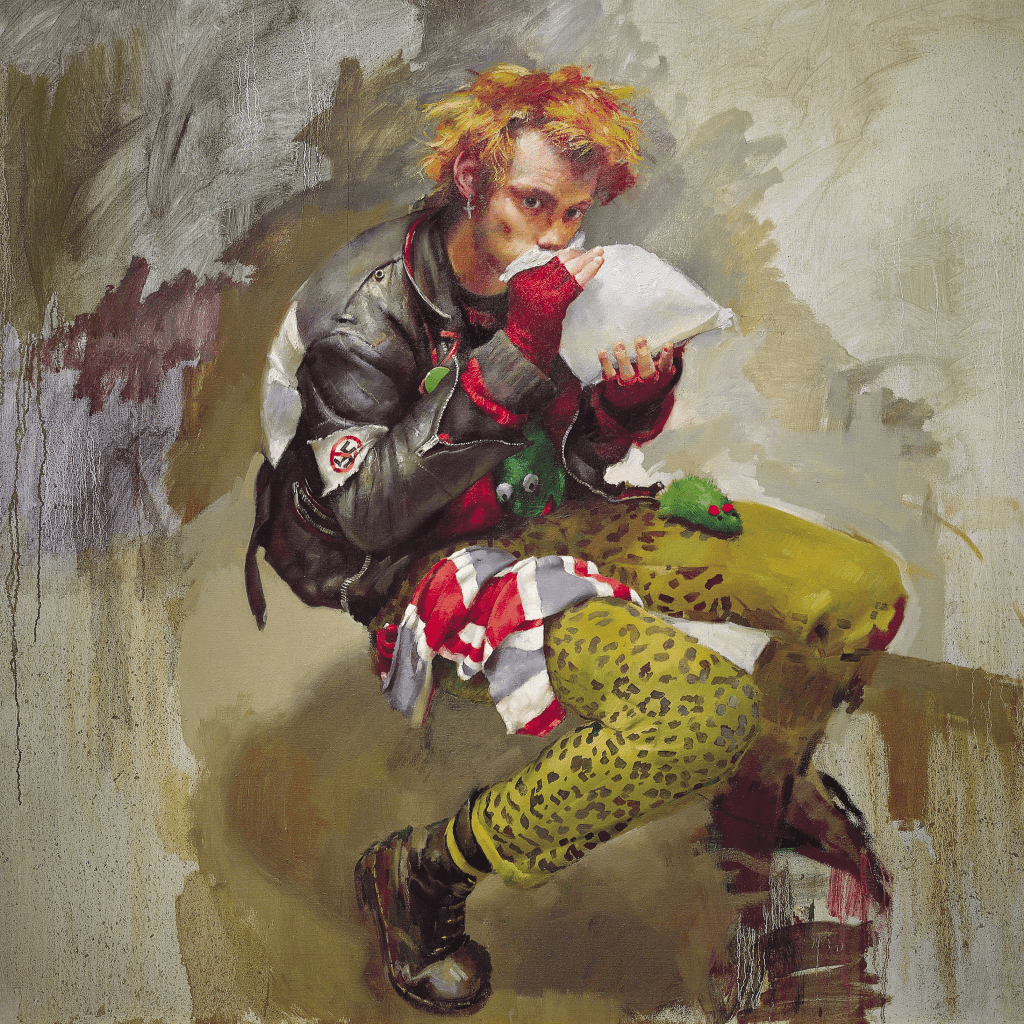
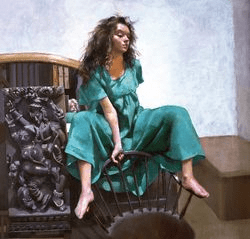
SOME OF THE WORK OF ROBERT LENKIEWICZ
(image Pinterest)
(image Por amor al arte)
(Image robertlenkiewicz.com)
He never cared about courting the London art crowd or acceptance from anyone who would not accept him on his own terms. A true artist.
(Sorry but I could not find the dates of any of the work, except for the mural and even that was just in the 1970’s)
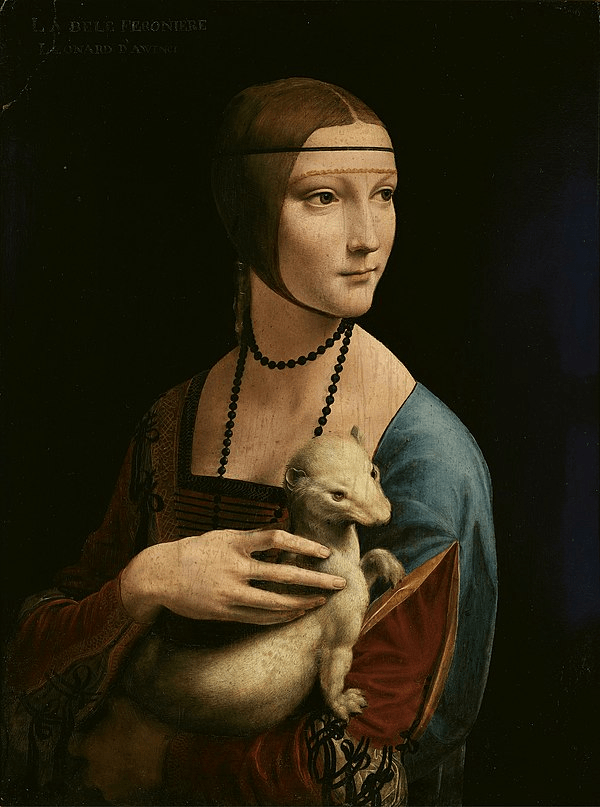
En italiano se titula «La dama con l’ermellino». La dama es Cecilia Gallerani, amante de Ludovico Sforza, duque de Milán. Leonardo, cuando pintó el cuadro estaba al servicio del duque. Cecilia nació en 1473 y no era de familia perteneciente a la nobleza. Llegó a la corte con 15 años e inmediatamente se convirtió en la amante de Ludovico…bueno, una de ellas…y permaneció la preferida hasta que el duque se casó, en 1491 con Beatriz de Este. La chica era tan guapa que la llamaban «Musa» y «Donna docta», además de ser comparada con las bellas clásicas como Aspasia de Mileto, esposa de Pericles, o Axiotea de Fliunte, filosofa y alumna de Platón.
El cuadro está en el Museo Czartoryski y es propiedad del gobierno de Polonia.
Simbología: El armiño era un animal que identificaba la aristocracia y se asociaba con ella, quizá entonces era una alusión a la relación de Cecilia con el duque. Lo blanco puede ser símbolo de pureza. En los bestiarios medievales, el armiño iba asociado a virtudes tales como el equilibrio y la tranquilidad. Quizá esta fue la forma de Leonardo para describir a Cecilia Gallerani y darle las mismas características que el armiño. También tenemos que en el emblema de Ludovico estaba «L’Ermellino», o sea, un pequeño armiño. Igualmente podríamos decir que Leonardo igual estaba haciendo alusión al apellido de Cecilia (Gallerani) ya que en griego es galé.
Bueno, aparte de todos estos datos históricos…importantes e interesantes…pienso que el cuadro es muy superior al de «La Gioconda». En primer lugar tiene mas puntos de referencia. La modelo tiene una mirada clara, pero misteriosa. Mira hacia un lado mientras acaricia al animalito, el armiño (o puede haber sido un hurón). Como ya hemos visto, el armiño, ya que aparece en el escudo de Ludovico Sforza, representa la casa ducal milanesa y ella, la amante niña, lo acaricia, pero con una mano que casi parece una garra…
Para mi estas cosas hacen del cuadro una delicia. Es uno de los que menos daños tenia, aunque si sufrió algunos durante las guerras. Bueno, esa es mi opinion, y ahora quiero saber la vuestra. Yo se que hay por doquier muchos amantes de Leonardo y de la «Mona Lisa» y que van a defender sus criterios y eso yo lo respeto, siempre que sea con argumentos solidos, validos y bien expuestos. Decidme, ¿que pensáis?
Uno de los artistas japoneses que debes conocer, al menos un poquito. Hiroshi Yoshida fue artista pintor y xilógrafo. Nacio en 1876 y murio el 5 de abril de 1950. Se le considera uno de los grandes del estilo Shin-hanga. Y Qué es eso de Shin-hanga tu me preguntaras, y bueno, tranquilo que te lo voy a explicar y es muy simple. Significa «nuevas impresiones» y fueron grabados en madera. Este movimiento artistico japones comenzo a principios Siglo XX y busco revitalizar el arte tradicional de los periodos Edo y Meji que duro del Sigo XVII al XIX. Simple, ¿No? Venga, si eso hasta lo entiende el gato de tu vecina…
+++
This is definitely one of the Japanese artists that you should know about, at least a little bit. Hiroshi Yoshida was a painter and woodblock printmaker. He was born in 1876 and passed away on April 5, 1950. He is considered one of the greats of the Shin-hanga style. And what’s that about, Shin-hanga, you might ask, and well, don’t worry, I’ll explain it to you and it’s very simple. It means «new impressions» and they were woodblock prints. This Japanese artistic movement began in the early 20th century and sought to revitalize the traditional art of the Edo and Meiji periods that lasted from the 17th to the 19th century. Simple, isn’t it? Come on, even your neighbour’s cat could understand that…


 JaZzArt en València