#music, An Oldie but Goodie for a Saturday Evening…

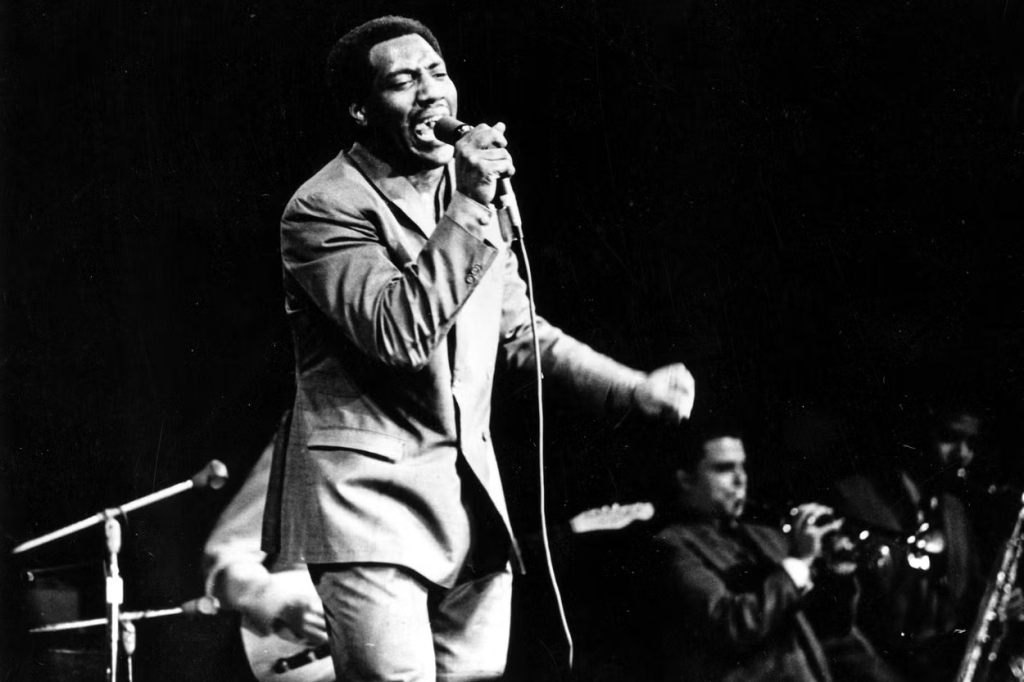
(Photo from The Independent Redding on stage at the 1967 Monterey Pop Festival/Rex)

«(Sittin’On) The Dock of the Bay«

What can I say about a song that I heard when I was just a wee lad and that I have loved all my life. Well, one thing I can say is that I really miss soul music! During my childhood that was one of the great genres of music and, lamentably, now it does not exist. But I am so glad that in those years Black musicians, and whites too, made some phenomenal soul to last forever.

«(Sittin’On) The Dock of the Bay» was co-written by Otis Redding and guitarist Steve Cropper (guitarist for Booker T and the MG’s). As it turned out Redding recorded the song just three days before his death. He died in a plane crash on the 10th of December of 1967. Stax Records’ Volt label released the tune in 1968, and it became the first posthumous #1 single in the US. It also reached #3 in the UK… Otis Redding began writing the tune on a rented houseboat in Sausalito, California, and finished it in Memphis, at Stax Records where he went to record it.

In an interview with Terry Gross (Fresh Air/NPR), Cropper, said:

Otis was one of those [guys] who had 100 ideas. […] He had been in San Francisco doing The Fillmore. And the story that I got, he was renting a boathouse, or stayed at a boathouse or something, and that’s where he got the idea of the ships coming in the bay there. And that’s about all he had: «I watch the ships come in and I watch them roll away again.» I just took that… and I finished the lyrics. If you listen to the songs I collaborated on with Otis, most of the lyrics are about him. […] Otis didn’t really write about himself but I did. Songs like «Mr. Pitiful,» «Fa-Fa-Fa-Fa-Fa (Sad Song)»; they were about Otis and Otis’ life. «Dock of the Bay» was exactly that: «I left my home in Georgia, headed for the Frisco Bay» was all about him going out to San Francisco to perform.

For sure «(Sittin’On) The Dock of the Bay» is one of the most performed songs in history. It has been covered by so many artists, including Glenn Campbell and Sergio Mendes and Brasil 66. It is a phenomenal song that I love and that I think you do too. I am including a cover by The Reddings (1982) a soul/funk group with two of Otis Redding’s sons. What do you think?

CHEERS
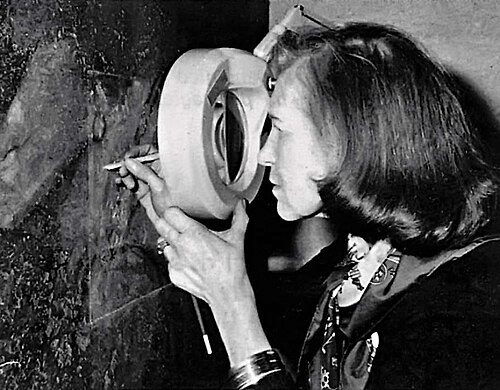
#art, Pinin Brambilla Barcilon – Gran restauradora – Art Conservator and Restorer

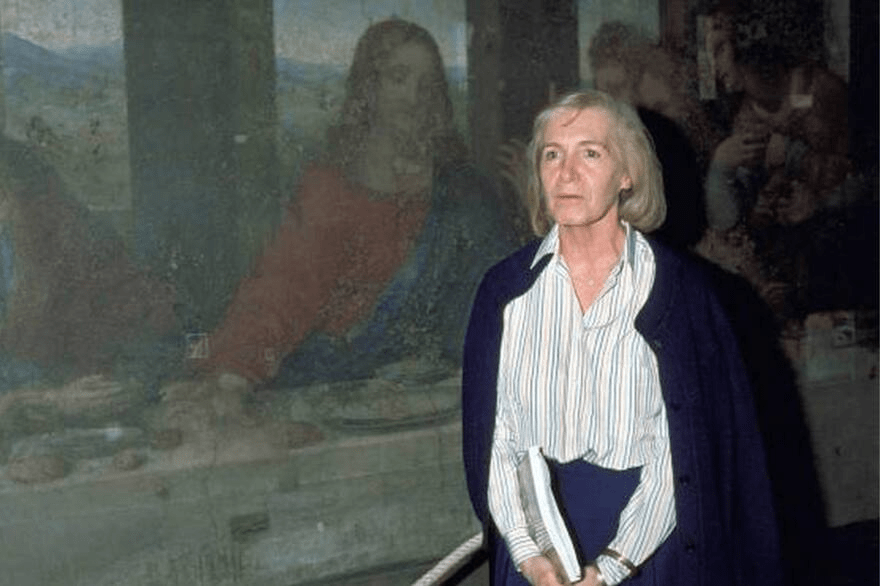
(Foto/Photo La Nación)

Giuseppina Brambilla Barcilon, mejor conocida como Pinin Brambilla, restauradora de grandes obras de arte, nacida en Monza en 1925, murió a los 95 años en 2020. Fue la restauradora de La Última Cena de Leonardo da Vinci. Obra en la cual trabajo veinte años… Brambilla, italiana, es considerada una de las restauradoras más importantes del Siglo XX. Obras de Piero della Francesca, Caravaggio, entre otras han sido restauradas por su mano experta. Pinin ha sido también consultora para grandes museos, como el Louvre de París y el Museo Nacional de Arte de Cataluña… Su gran obra fue, sin dudas la restauración de La Última Cena de Leonardo da Vinci. La comenzó en 1978 y no la terminó hasta 1999. Dado a que la obra estaba en tan mal estado, esta labor de Pinin fue considerada la «restauración del siglo»… Sin duda una gran artista y mujer muy importante en la historia del arte que debemos conocer.

Giuseppina Brambilla Barcilon, better known as Pinin Brambilla, conservationist and restorer of great works of art, was born in Monza in 1925 and passed away at the age of 95 in 2020. She was the restorer of The Last Supper by Leonardo da Vinci, a project she worked on for twenty years… Brambilla, an Italian, is considered one of the most important art restorers of the XXth Century. Works by Piero della Francesca, Caravaggio, among others, have been restored by her expert hand. Pinin has also been a consultant for major museums, such as the Louvre in Paris and the National Art Museum of Catalunya… Her greatest work was undoubtedly the restoration of The Last Supper by Leonardo da Vinci, which she began in 1978 and didn’t finish until 1999. Given that the piece was in such poor condition, Pinin’s work was considered the «restoration of the century»… Without a doubt, she was a great artist and a very important woman in the history of art that we should know, recognise and remember.

GRACIAS – CHEERS

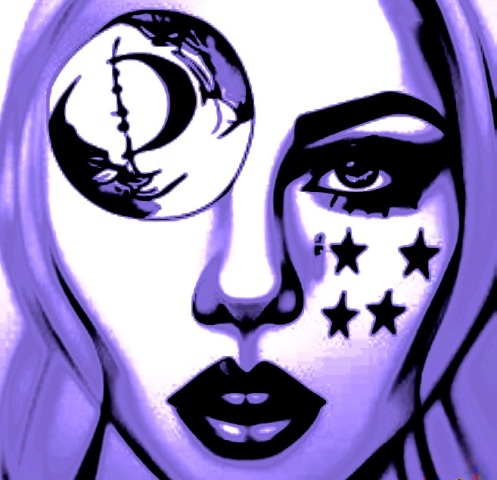
#poem, «The Moon Your Mirror»

(«Luna No.11″/Francisco Bravo Cabrera/All Rights Reserved)

THE MOON YOUR MIRROR

Your reflection on the moon, your mirror, adorns heaven
You lie between the green of the mountains
Your touch makes the earth vibrate softly
Skin to skin magnificent
You sooth my thirst with the morning dew,
and lift the fragrance of the cold from my hands

The soft silver light, of four bright stars, illuminates your face
from where brilliant rays of beauty flow

You shelter me, caress me and comfort me
in this valley of endless dreams

The breeze sings ancient melodies
as it wonders through the forests

And I search for you at nightfall
Is that a shadow that I see?
Or is it your silhouette against the light of the moon?

A pirouette in outer space
A voice proposing love eternal
No promises
No plans

The fire in the valley burns when love is absent to extinguish it
Fire burns unstoppable in the land of endless dreams.

C.2025 – Francisco Bravo Cabrera – 03 MAY 2025 = Valencia, España

#art, Pinin Brambilla Barcilon – Gran restauradora – Art Conservator and Restorer

(Foto/Photo La Nación)

Giuseppina Brambilla Barcilon, mejor conocida como Pinin Brambilla, restauradora de grandes obras de arte, nacida en Monza en 1925, murió a los 95 años en 2020. Fue la restauradora de La Última Cena de Leonardo da Vinci. Obra en la cual trabajo veinte años… Brambilla, italiana, es considerada una de las restauradoras más importantes del Siglo XX. Obras de Piero della Francesca, Caravaggio, entre otras han sido restauradas por su mano experta. Pinin ha sido también consultora para grandes museos, como el Louvre de París y el Museo Nacional de Arte de Cataluña… Su gran obra fue, sin dudas la restauración de La Última Cena de Leonardo da Vinci. La comenzó en 1978 y no la terminó hasta 1999. Dado a que la obra estaba en tan mal estado, esta labor de Pinin fue considerada la «restauración del siglo»… Sin duda una gran artista y mujer muy importante en la historia del arte que debemos conocer.

Giuseppina Brambilla Barcilon, better known as Pinin Brambilla, conservationist and restorer of great works of art, was born in Monza in 1925 and passed away at the age of 95 in 2020. She was the restorer of The Last Supper by Leonardo da Vinci, a project she worked on for twenty years… Brambilla, an Italian, is considered one of the most important art restorers of the XXth Century. Works by Piero della Francesca, Caravaggio, among others, have been restored by her expert hand. Pinin has also been a consultant for major museums, such as the Louvre in Paris and the National Art Museum of Catalunya… Her greatest work was undoubtedly the restoration of The Last Supper by Leonardo da Vinci, which she began in 1978 and didn’t finish until 1999. Given that the piece was in such poor condition, Pinin’s work was considered the «restoration of the century»… Without a doubt, she was a great artist and a very important woman in the history of art that we should know, recognise and remember.

GRACIAS – CHEERS

Bon dia

Y eso es muy común… digo yo, ¿No?

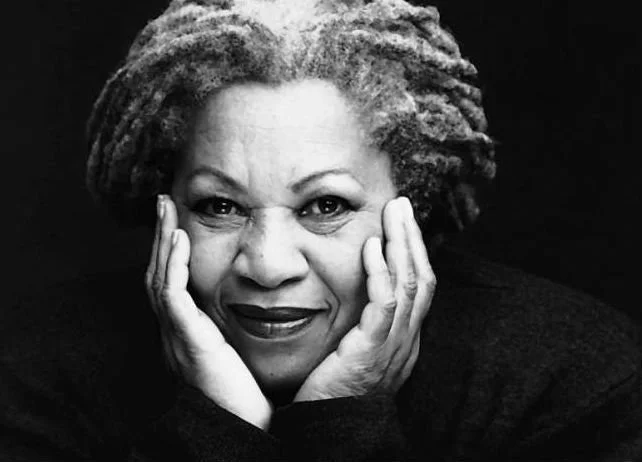
#art, Toni Morrison – Art and Social Justice

(photo from Corprens Editora)

Toni Morrison, née Chloe Ardelia Wofford, (Ohio, 1931- New York 2019),​ was a North American novelist, essayist, editor and professor. She was awarded a Pulitzer Prize in 1988 and the Nobel Prize for Literature in 1993.

Morrison from an early age was very much attracted to literature and writing. She studied Humanities at Howard University and also received a Masters degree in Literature from Cornell. In 1955 after her graduation she began teaching at Texas Southern University in Houston, and later at Howard as well as in other academic centres throughout her years.

Morrison wrote about such topics as self-identity, racial discrimination, violence and slavery. With her unique narrative style she was able to deeply explore the psychological attributes of her characters. Always a fighter for civil rights and equality, she was very well respected and admired in the literary world.

In 1960 she became the first Black female fiction editor for Random House, New York…

Her most famous novel «Beloved«, (1987), is about slavery in the United States and how it affected the life of a mother and daughter. For this novel she won the Pulitzer Prize in 1988…

Other novels are «Tar Baby»; «Love» and «Song of Solomon«. These works explore issues of identity, violence, family and the search for liberty. Her work always reflects her ideas of social justice and truth…

Toni Morrison, like myself, greatly admired President Bill Clinton (for me the best president the US has had in modern times) and in an article in The New Yorker she said: «…Years ago, in the middle of the Whitewater investigation, one heard the first murmurs: white skin notwithstanding, this is our first black President. Blacker than any actual black person who could ever be elected in our children’s lifetime. After all, Clinton displays almost every trope of blackness: single-parent household, born poor, working-class, saxophone-playing, McDonald’s-and-junk-food-loving boy from Arkansas.» («Talk of the Town: Comment» October 1998. The New Yorker).

CHEERS

#art, Toni Morrison – Art and Social Justice

(photo from Corprens Editora)

Toni Morrison, née Chloe Ardelia Wofford, (Ohio, 1931- New York 2019),​ was a North American novelist, essayist, editor and professor. She was awarded a Pulitzer Prize in 1988 and the Nobel Prize for Literature in 1993.

Morrison from an early age was very much attracted to literature and writing. She studied Humanities at Howard University and also received a Masters degree in Literature from Cornell. In 1955 after her graduation she began teaching at Texas Southern University in Houston, and later at Howard as well as in other academic centres throughout her years.

Morrison wrote about such topics as self-identity, racial discrimination, violence and slavery. With her unique narrative style she was able to deeply explore the psychological attributes of her characters. Always a fighter for civil rights and equality, she was very well respected and admired in the literary world.

In 1960 she became the first Black female fiction editor for Random House, New York…

Her most famous novel «Beloved«, (1987), is about slavery in the United States and how it affected the life of a mother and daughter. For this novel she won the Pulitzer Prize in 1988…

Other novels are «Tar Baby»; «Love» and «Song of Solomon«. These works explore issues of identity, violence, family and the search for liberty. Her work always reflects her ideas of social justice and truth…

Toni Morrison, like myself, greatly admired President Bill Clinton (for me the best president the US has had in modern times) and in an article in The New Yorker she said: «…Years ago, in the middle of the Whitewater investigation, one heard the first murmurs: white skin notwithstanding, this is our first black President. Blacker than any actual black person who could ever be elected in our children’s lifetime. After all, Clinton displays almost every trope of blackness: single-parent household, born poor, working-class, saxophone-playing, McDonald’s-and-junk-food-loving boy from Arkansas.» («Talk of the Town: Comment» October 1998. The New Yorker).

CHEERS

#art, My Useless Artists Top 10, part 3

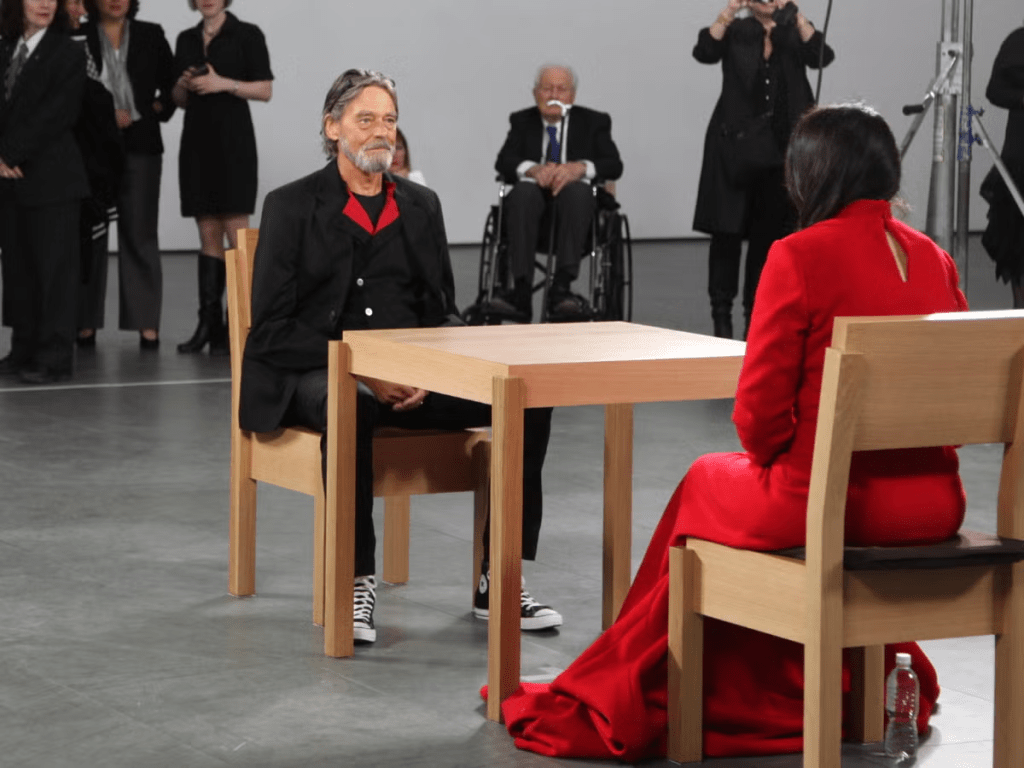
7) Marina Abramović. The «grandmother» of performance «art». Frankly speaking I didn’t always feel the same way about this grandmother, but once her complete life of «art» played out I saw that she was no artist that I could call valuable or useful to art history. The way she uses people is akin to abuse and the way she manipulates the observers (or admirers) is a total farce. Her supposed «chance» meeting with Ulay, her one time partner, was contrived. And contriving art is okay by me, but don’t pass it off as real. Therefore she makes my list. Perhaps I am not as disgusted with her as I am with many of the others that populate this top ten, but…

(ELLE Decor)

8) Tracy Emin. Let’s start by saying that her claim to fame came when her «Bed» became a work of art. Frankly it is a disgusting piece and it may just show how untidy and unclean she could be or could have been. I don’t know, I’ve never met her. At least if she did sleep on such a bed. The bed is surrounded with vodka bottles, used condoms and all manner of rubbish. Whatever it is, if art it is, it is bad, useless art. She cannot draw or paint, as you can plainly see in the photograph below. Yet, she is held as one of the great artists of the UK.

(Magazine Artsper)

9) Fernando Botero. The painter of volume, as he calls himself. But those silly little fat figures that he paints are not representative of volume. If you want volume look at the figures of Rubens or the portraits by Jenny Saville. Botero’s do not even represent cartoons. Everything he paints is the same. All the figures have the same blank or withdrawn expression. There is no magic, no power, no charm in his work, therefore he is most definitely in my list.

(Galeria Duque Arango)

10) Keith Haring. This artist and social activist made it to the top of the art world by making doodles. Yes, similar to the ones we all made in our high school notebooks when we were bored in class. There is no aesthetics in his work, and absolutely no rhyme or reason. They could have easily been made by a seven year old. And for a seven year old they might have seemed like art, but really, it is not good art at all for someone that considers himself an artist. He started out making these doodle on or close to galleries. Why didn’t he make them on truck stops on an interstate highway?

(Financial Times)

Well here it is my top 10 most useless artists. I can re-arrange them as they are all really number one. And please understand that my words (passionate as they might be) are not meant to cast any aspersions on the artists themselves. I dislike their work. I do not know them, never met any of them and do not know anything about their lives or personalities. This is for sure not an attack ad hominem. It is an attack on their supposed «art».

CHEERS

#art, Page 2: My Useless Artists Top 10, part 2

(Image Public Domain/Unknown photographer/All rights remain with its owner)

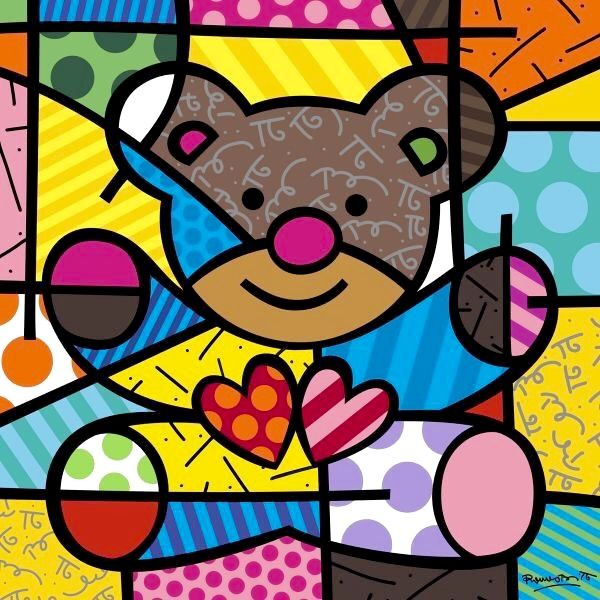
4) Romero Britto. Well Britto should take up a lot, if not most, of the slots in my ranking of my worst ten artists (my opinion). Really I should not even include him as an artist, because he is not. He is a mystery. I cannot understand why or who would purchase one of his atrocities. He stands next to the great bad ones like Miró and Kahlo. Yet those were simply bad artists, Britto is not an artist. And if you search, you find nothing about hi, He says he never studied art, and that is quite evident when you see his «works» which resemble a kindergartner’s colouring book. I will let you be the judge.

There really is no reason to put any more as they are all the same.

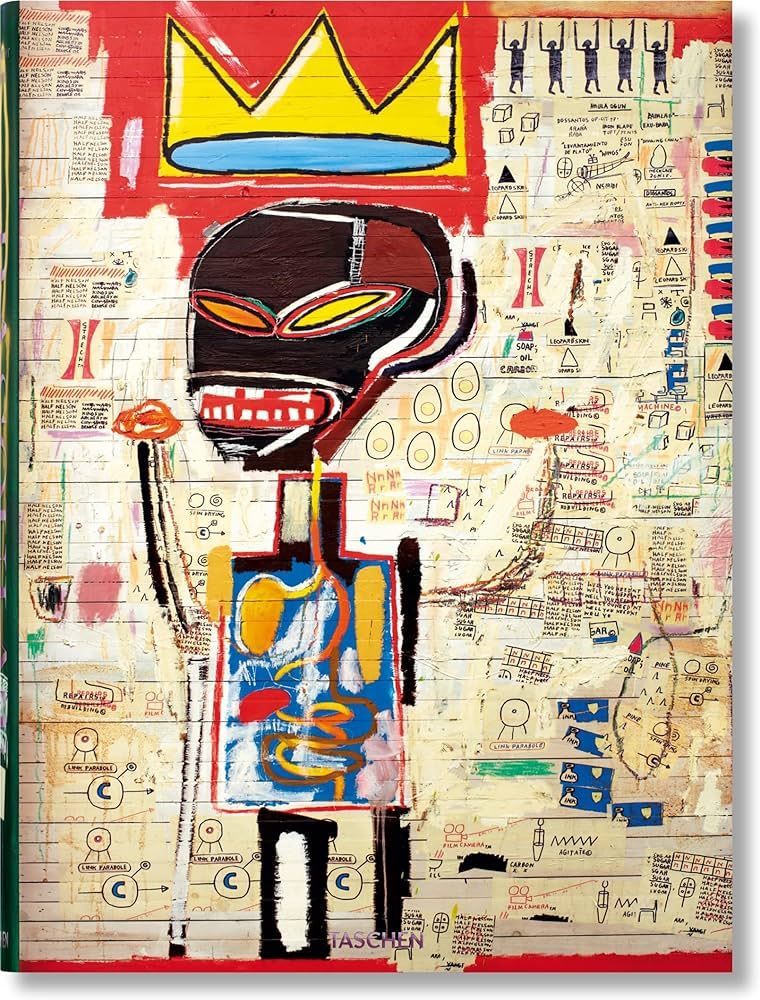
5) Jean-Michel Basquiat. The «enfant terrible» of the 1980’s. The boy-man who wanted to become famous and rich, and who managed it. I must say that I do respect him a bit more than most of the others, but I still consider him a terrible artist. His mother trained him in the arts and he profited from it, to a certain extent. He was a «graffiti artist» for a while, an abstract musician, a painter, a bohemian, a bum on the streets, and a spoiled brat who did not know how to live and ended up the way he did. Suicide by overdose of drugs. His works are uninspiring and quite cliché, boring to the max and do not, nor have they ever proffered anything to art history. The fact that he was always around the «greats» of his time contributed to his posthumous success. As to the value of his works, well, that is a mystery just like with Britto.

(Public Domain)

6) Damien Hirst. If anyone can be called a non-artist (besides the ones I have already mentioned) is Mr. Hirst. He thought he had invented the circles of colour, he put a shark in formaldehyde (which he did not mix well and the shark began to rot and had to be replaced) and he made a skull with diamonds who no one bought and who was secretly purchased by a group which included himself… He does not know anything about painting, drawing, well, nothing about art at all. Well, if I could put all the «artists» I have mentioned as number one on my list, I would.

(Image La Razon/Good grief, he even lied about the date of the animals he put in formaldehyde)

CHEERS

Bon dia

A veces cuesta trabajo y a veces no vale la pena, ¿Qué pensáis?