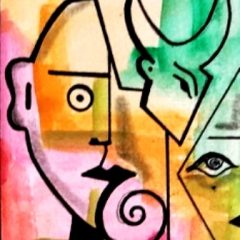

Artists Series: Pablo Picasso (More on the Genius of the XXth Century)

(Art Digital by Francisco Bravo Cabrera/All Rights Reserved

From Málaga to A Coruña and from there to Barcelona… From the prestigious Real Academia de Bellas Artes de San Fernando (Madrid), to Els Quatre Gats and from Barcelona to Paris… From a start at the «bateau lavoir» in Montmartre (1900) to the end at Mougins in 1973…

In a «nutshell» this was Pablo Picasso’s life. The child prodigy who grew up to be the «genius» of the 20th Century, the inventor of the collage, cubism and who opened the door to many of the art vanguards of the 20th Century was a card-carrying communist (but I won’t hold that against him), a womaniser, a…supposed…abuser and an infatigable artist who towards the end of his life decided to cannibalise most of art history…

Welcome to this post about my main and most important reference (as an artist), Pablo Ruiz Picasso. He was born in 1881 in Málaga, a small, provincial city in Andalucía, Spain. He died in a castle in southern France 91 years later. He lived life with abundance. He painted voraciously. His passion for life extended to many things including bullfighting, wine, women and clowning around. He must have had quite a unique sense of humour.

They say he was a child prodigy, but I don’t really think so. It’s hard to judge him against other children as we’ve no samples to view. But I can say that his father…who was an artist and an art professor…trained him well and taught him all he knew. So the young Pablo had a huge advantage over other children who might have also aspired to be the «genius» of art that Pablo ultimately became.

Here are some of his early works…

(«El picador amarillo»/1891/Photo My Modern Met)
(«La primera comunión»/1896/Photo My Modern Met)
(«Ciencia y caridad»/1897/Photo My Modern Met)

Although the last two show signs of knowledge, ability and technique, the first one doesn’t strike me as being the work of a child prodigy. Actually none of them do. With the training Pablo received, the coaching and the supervision of his father, it is no surprising he painted so well as a youth.

Part two coming very soon!

(2022)

CHEERS…

Two Great American Artists

This is an interesting part of Art History. I am sure you know these two, at least you know their work…

(2022)

Cheers…

(Please like the video, if you have watched it, as it helps us reach a higher position on the YouTube search engine. Thank you so much!)

#art, Great Women Painters: Iaia of Cyzicus – Ιαία της Κυζίκου

(Public Domain/Wikimedia Commons)

Latin historian Pliny the Elder said Iaia of Cyzicus was the first female painter to paint a self-portrait…

She was born in the Ancient Greek town of Cyzicus, now a part of Turkish Anatolia but moved to Rome to be an artist. Iaia, (Laia or Maia) painted and sculpted but only painted women. She was regarded as better than her male contemporaries and also, according to Pliny the Elder, painted faster and earned more.

Her date of birth is unknown, although it is known that she lived during the time of Marcus Terentius Varro* (116–27 B.C.) and possibly also died in 27 B.C.

Just as is the case with all the great artists of antiquity, like Apelles, there are no remaining works by Iaia. But I include her here because it is important to know that although art history has made it look like women artists are a product of the XXth Century, it is false. Women have been painting and sculpting since ancient times.

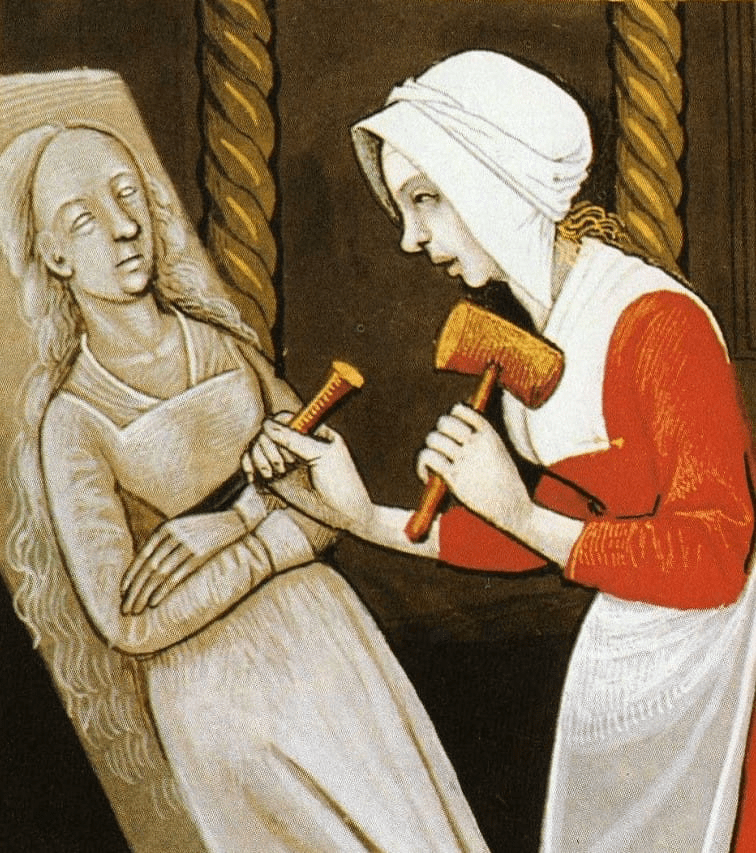
Under the name of Iaia Marcia she is one of three women artists mentioned in Boccaccio’s De mulieribus claris. Pliny the Elder also mentions Iaia in his Natural History along with four other women artists of antiquity: Timarete, Irene, Aristarete, and Olympias.

(Anonymous illustration in the French edition of Bocaccio’s De mulieribus claris of 1450)

Apparently there was more equality in Ancient Greece and Rome than what they are telling us in the official history that «they» are trying to sell us. So let’s start re-writing history…

* Marcus Terentius Varro was regarded by Plutarch as Rome’s greatest scholar and «third light of Rome».

+++

(Please do not forget to like, comment and share)

CHEERS

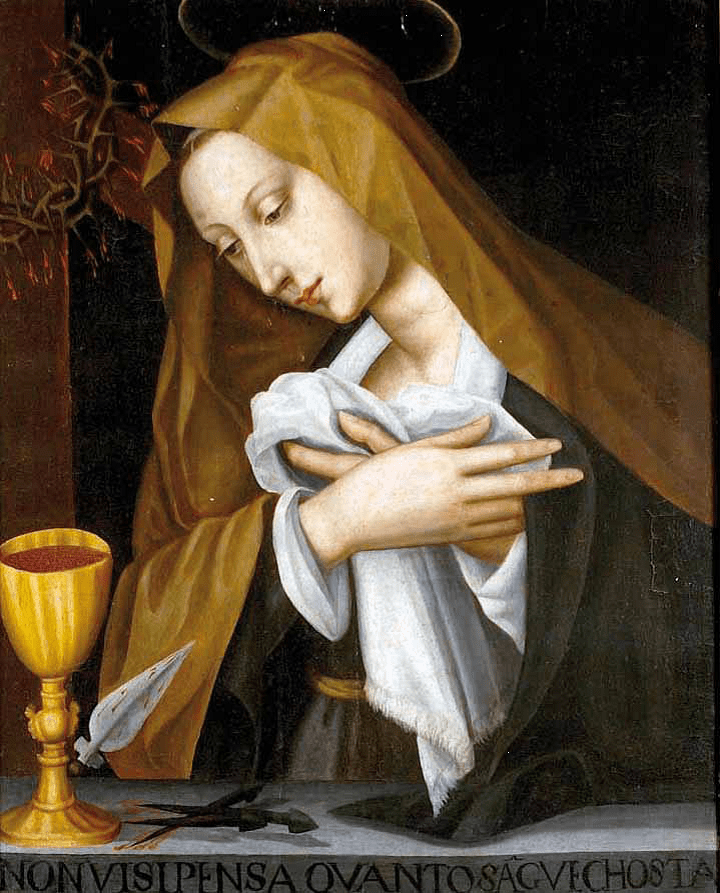
#art, Women Artists in Art History: Plautilla Nelli

(«Dolorosa»/public domain)

Plautilla Nelli was a Dominican nun and a self-taught artist, possibly the first woman artist of Florence. She entered the convent at the age of 14 and immediately began teaching herself how to draw and paint. She was greatly influenced by the Dominican preacher Savonarola who encouraged women to paint, thus the convent becoming a huge art studio for many of the sisters.

Sister Plautilla had success selling her paintings, which she did in large scale as well as in miniature. She had many buyers, including women. She also served as professor to other nuns and many of the sisters of the convent of Saint Catherine of Sienna became her students and disciples. 

Her style was devotional and religious in nature, classic and mannerist as dictated by Savonarola. She inherited the drawings/sketches of Fray Bartolomeo and she was one of the few women included in Vasari’s «Life of the Most Excellent Painters, Sculptors and Architects».

Nelli is an important…woman…artist in Art History and should be studied. I would urge you to look further into the life and the work of this extraordinary woman. Sister Plautilla was born and died in Florence, (1524-1588).

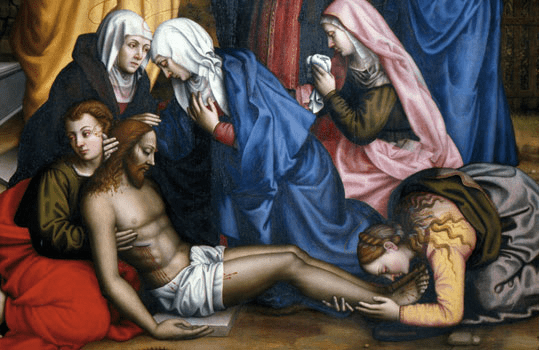
(«Lamentation»/Public Domain/commons.wikimedia.org)
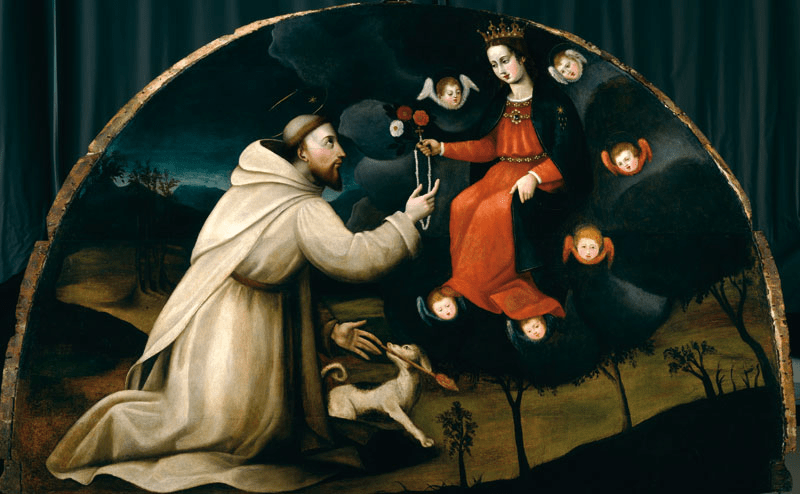
(«St. Dominic Receiving the Rosary»/Advancing Women Artists Foundation/Public Domain/commons.wikimedia.org)
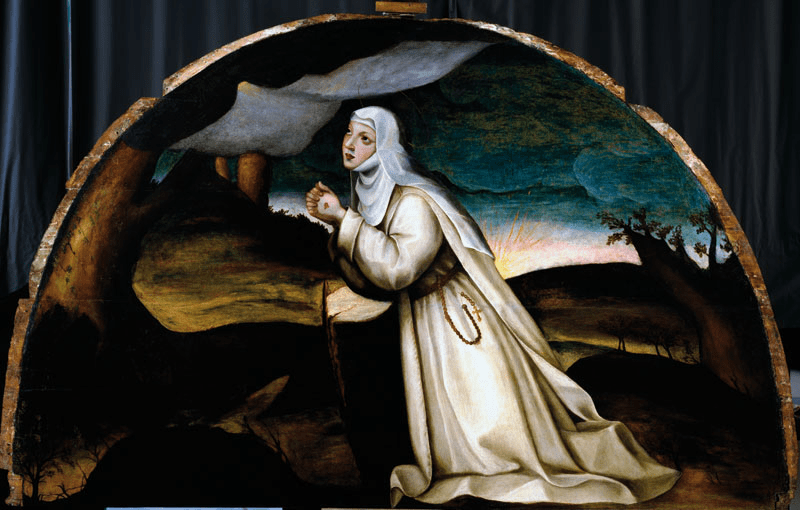
(«St. Catherine Receiving Stigmas»/Advancing Women Artists Foundation/Public Domain/commons.wikimedia.org)
(Do not forget to Like, Comment and Share)

CHEERS

Art History: The Spanish Renaissance in Paintings

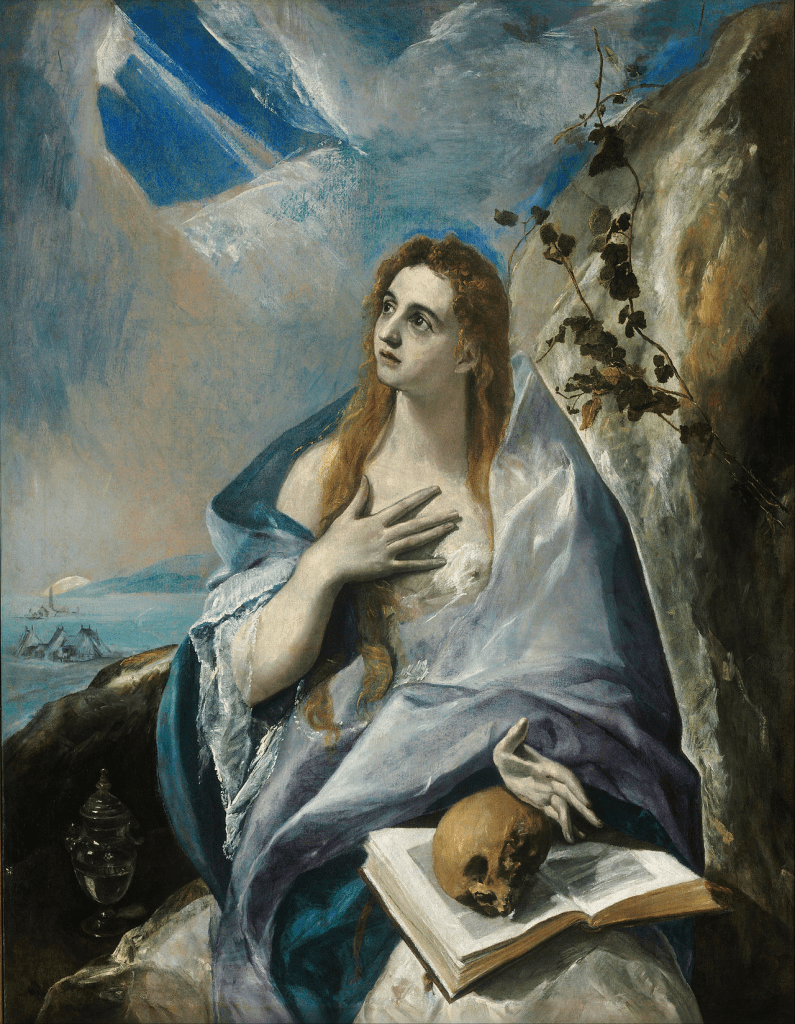
(El Greco, 1576-78 – «Penitent Magdalen»/Public Domain – «Magdalena penitente»/Dominio público)

Welcome back to our series on art history. We continue with some painters of the Spanish Renaissance. And we hope that this will provoke you to seek more, research more and investigate. Art history is very important to both artists, who need to know it and know it well, and to art collectors or lovers of art who will appreciate the art they love so much more. We would like to feature the Renaissance art of other European countries, if there are many likes to videos like this one. So if you promise to give us a like, we promise to continue with the series. Stay in touch.

Cheers…

Art History: The High Renaissance

We continue…

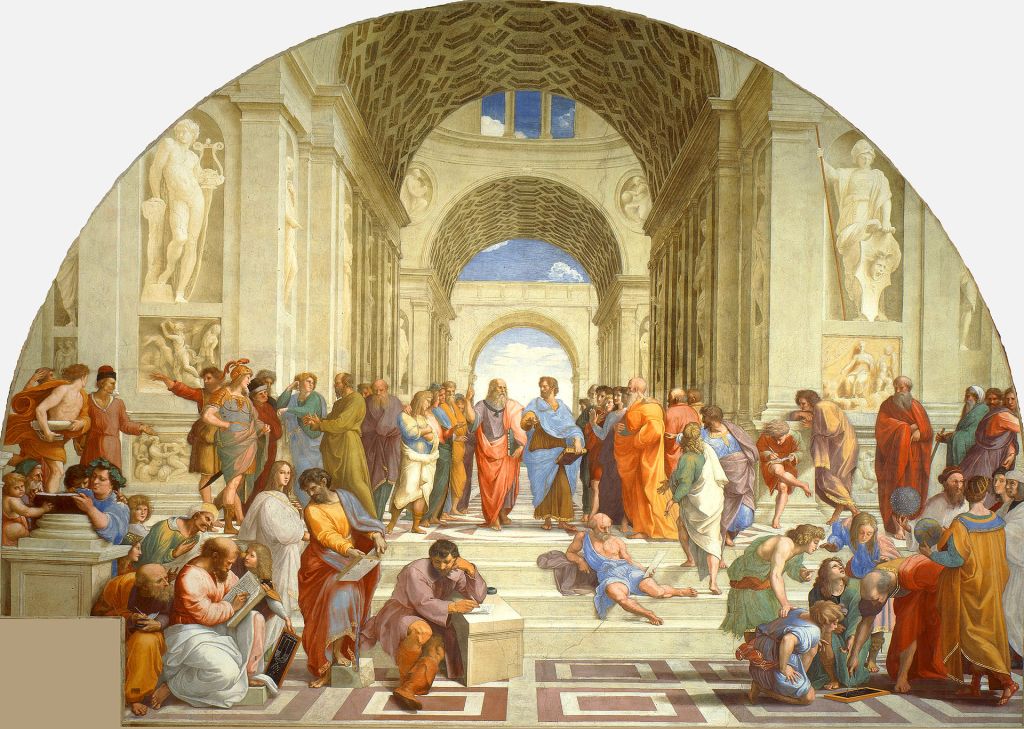
From the QUATTROCENTO we now enter the CINQUECENTO, or the High Renaissance. Now, remember that we are concentrating totally in Italy. There were other things going on in Europe which we will look at shortly.

Enjoy…

Cheers…

Querido diario, p.#19 – Dear Diary, p#19: ¡Ni de coña! – Never!

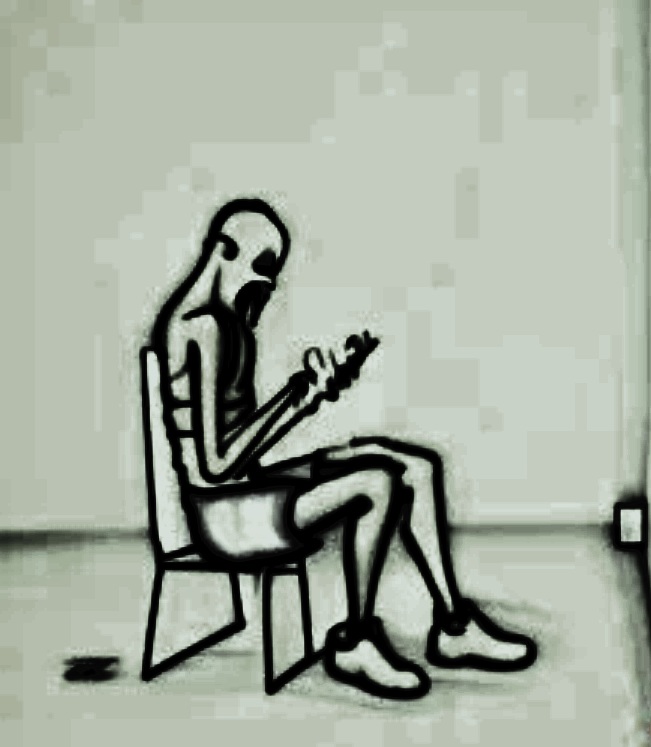
(«El tonto y el móvil»/Francisco Bravo Cabrera/Derechos Reservados/All Rights Reserved)

Querido diario, tu sabes que nunca he sido de pasarme horas en el gimnasio, pero si de pasarme horas practicando Yoga, Tai-Chi, Kempo Karate, Ballet Clásico y Danza Jazz Moderna. Tambien haciendo senderismo y alpinismo, pero… Resulta que un vecino/colega ha abierto un gimnasio muy cerca de casa y me ha dado de alta gratis y bueno, fui… ¡Madre mía! Habían maquinas de todo tipo y en cada una un tío, o una tía, sentados metiendo dedo en el móvil. Pensé, ¿No hacen ejercicio? Pero, ¿Qué coño hacen aquí esta gente? Y todos los días me encuentro con lo mismo, supuestos miembros del gimnasio que vienen a leer sus correos, chatear, buscar ligue online, o simplemente a comer mierda con el móvil en vez de hacer los putos ejercicios y marcharse a casa… No entiendo esto, la verdad que no lo entiendo. Le sugerí a mi colega que no permitiera teléfonos móviles en el gimnasio pero me dijo que eso significaría la perdida de los borregos, digo, la clientela… 🙄

+++

Dear diary, you know I have never been one to spend hours at the gym (to me it is the James as we are still not well acquainted). But that I do spend hours practicing Kempo Karate, Tai-Chi, Yoga, hiking, dancing and doing other types of calisthenics. But a colleague opened a gym and gave me free admission and I went. Good grief! There were all sorts of phenomenal machines and on every one of them a bloke or a bird was sitting fiddling round with their mobile phones! Oy! You come here to work-out or to chat, email or look for a date online? I really felt like saying this, but, you know me, dear diary, I am not an aggressive sort that likes to confront others or antagonise them. But this is really absurd, I truly do not understand it, at all. So I mentioned to my colleague that he should prohibit mobile phones in the gym and he replied, looking at me as if I was from Mars and said that would ruin his business! The sheep have to have a place to sit and wonder, at the black screen of a mobile phone…

+++++

(Don’t forget to Like, Comment and Share)

GRACIAS – CHEERS

Bon dia

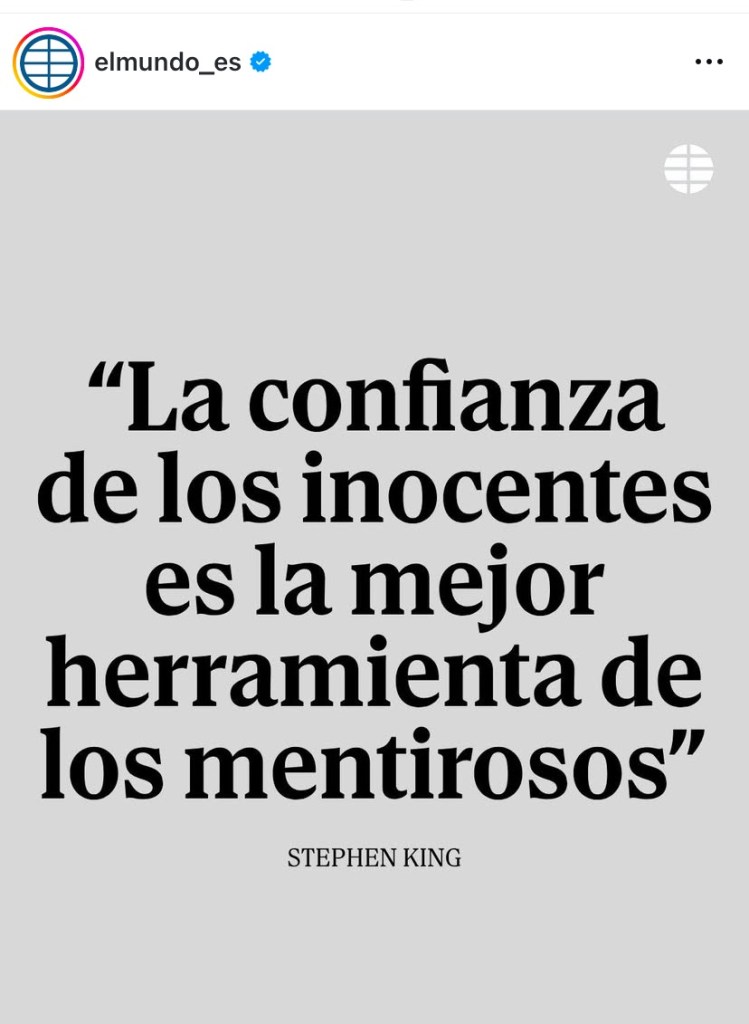
Y mira que hay mentirosos, ¡Madre mía!

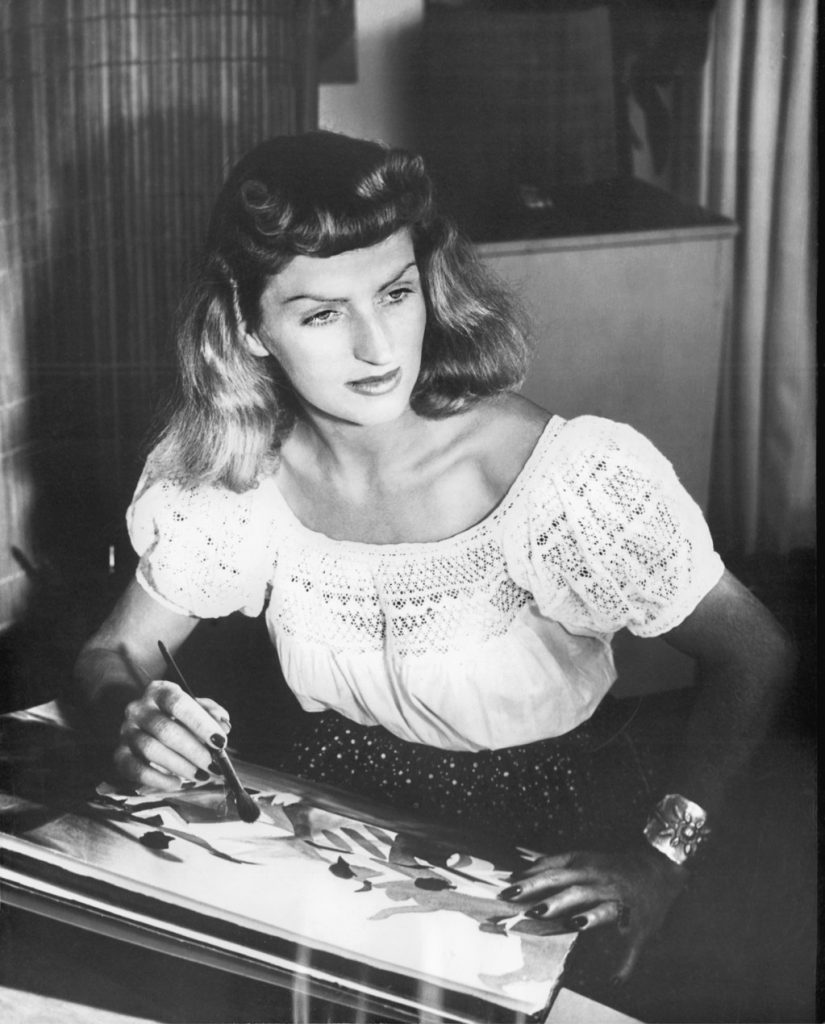
#art, Great Artists: Mary Blair

(Photo by unknown photographer taken from Diseñadoras gráficas)

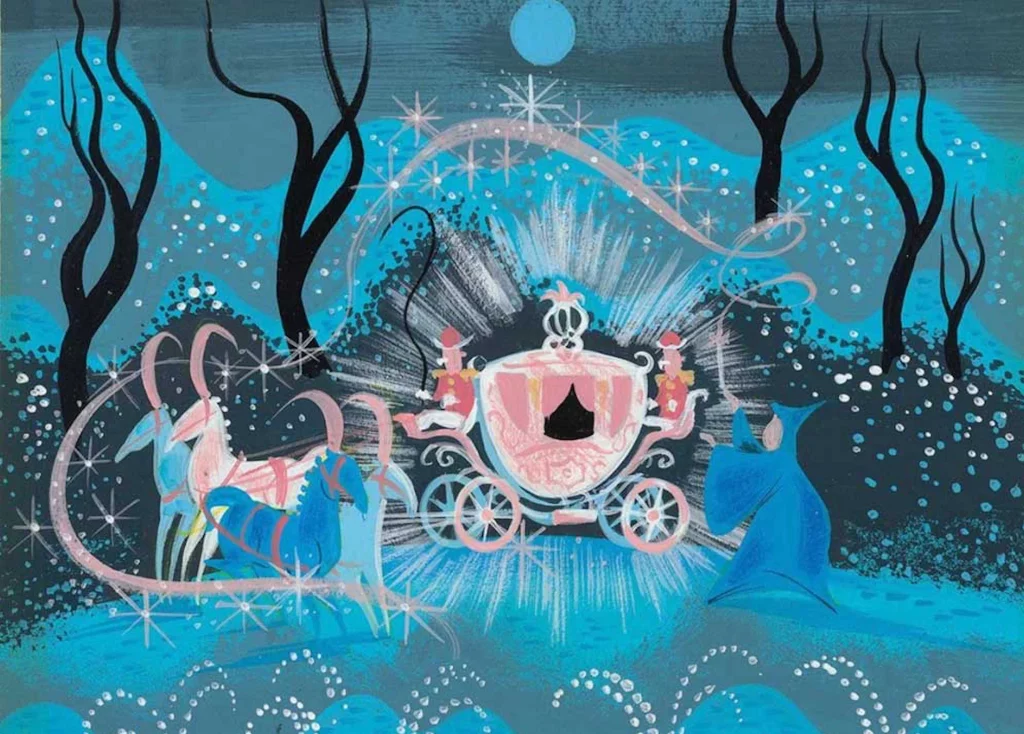
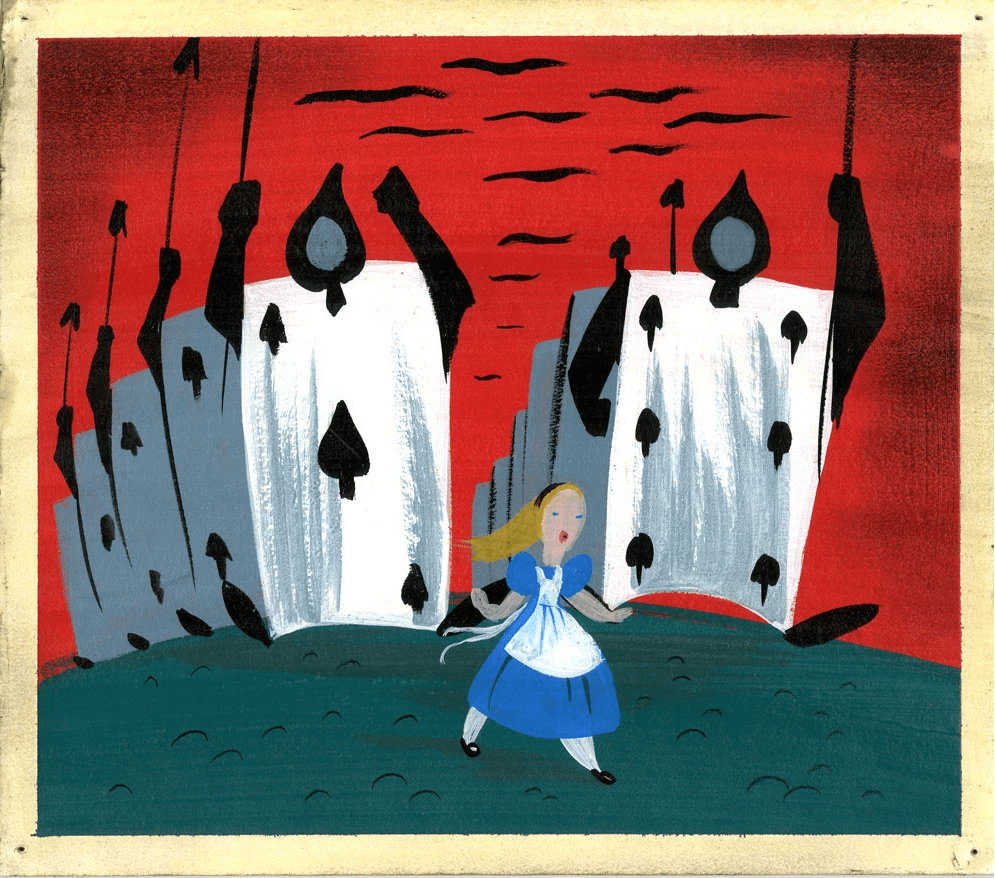
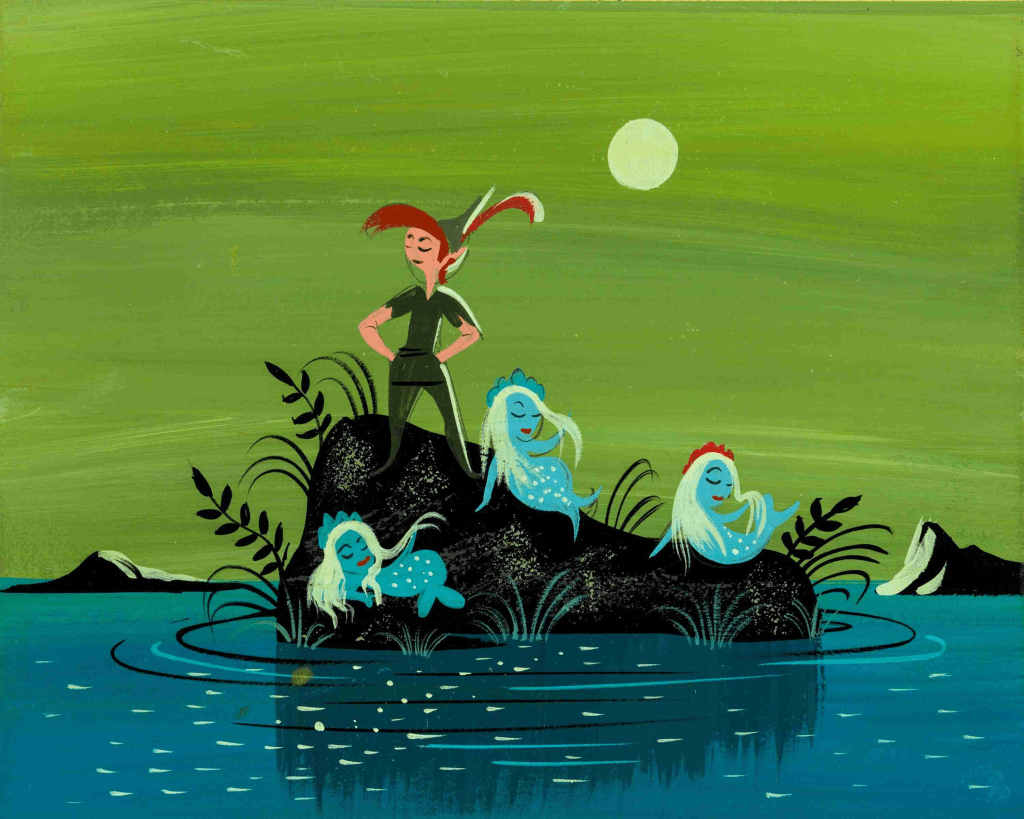
This is another one that they never told me about, although her work probably has been seen by so many without ever knowing who she was. Mary Blair, (1911-1978), North American artist and graphic designer, was born in Oklahoma. Blair produced the drawings and the concept art for the Walt Disney Company for such movies as Alice in Wonderland, Peter Pan, Song of the South, and Cinderella. She also designed some of the characters for the Disney theme parks such as for It’s a Small World, the fiesta scene in Epcot’s The River of Time and the large mosaic inside the Disney Contemporary Resort. During the 1950’s she illustrated several children’s books that are still being edited today like I Can Fly by Ruth Krauss. In 1991 Mary Blair was awarded the honour of being inducted into the Disney Legends Group.

Mary was well educated in the fine arts. After graduating from San Jose State University (1931) she won a scholarship to the Chouinard Art Institute in Los Angeles (1931-1933). Her professors were such artists as: Pruett Carter, Morgan Russell and Lawrence Murphy. She graduated from Chouinard in 1933. Her husband, Lee Everett Blair (1911-1993), was also an artist, as well as her brother-in-law Preston Blair (1908–1995). Both Mary and her husband were members of the California School of Watercolor (sic). There they were well known for being imaginative colourists and designers.

Her first job in animation was for Metro-Goldwyn-Meyer. She joined Walt Disney Animation Studio in 1940.

Mary Blair died of a cerebral haemorrhage in 1978, possibly due to alcoholism.

If you are an artist, art student, or interested in the fine arts, I would strongly urge you to follow up and read more on Mary Blair and on anything related to art. As I always say, «Art is the search». So keep on searching folks, it is the only way to find.

Here are some samples of her work I hope you like:

CHEERS