
Un extracto del libro “Alas*” de Francisco Bravo Cabrera Se llamaba Ramón Grau Alsina y nació en La Habana en 1922. Su familia, rica
EL PRÍNCIPE NEGRO by Francisco Bravo Cabrera
Pincha y sigue leyendo…
Gracias
Faith saved us from the savages that we were, losing faith makes us savages again
Un extracto del libro “Alas*” de Francisco Bravo Cabrera Se llamaba Ramón Grau Alsina y nació en La Habana en 1922. Su familia, rica
EL PRÍNCIPE NEGRO by Francisco Bravo Cabrera
Pincha y sigue leyendo…
Gracias
Early Renaissance painter from Italy and a great one to kick off this series of Art History for all. I think all can enjoy, but especially artists…

Cheers…
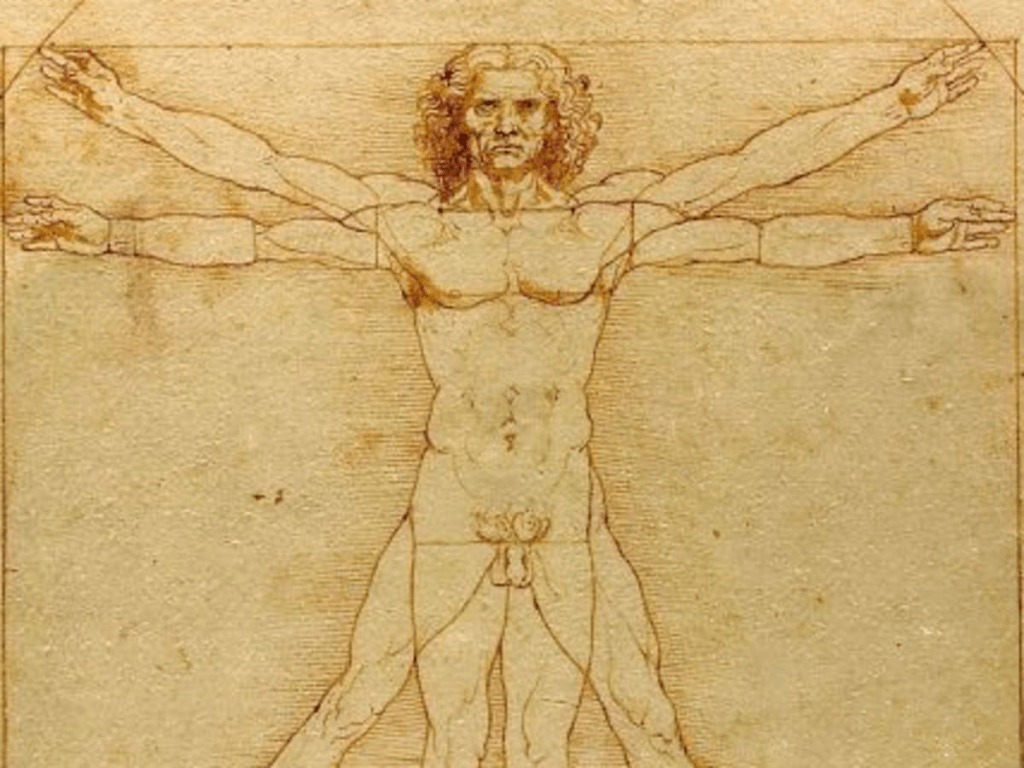
So, Leonardo da Vinci…
The great Renaissance man? The genius? The artist, inventor, poet, researcher? Or the lazy rich boy who coasted through the years, living in comfort with servants and being trained by some of the masters of the time?
I think the latter description suits him better…
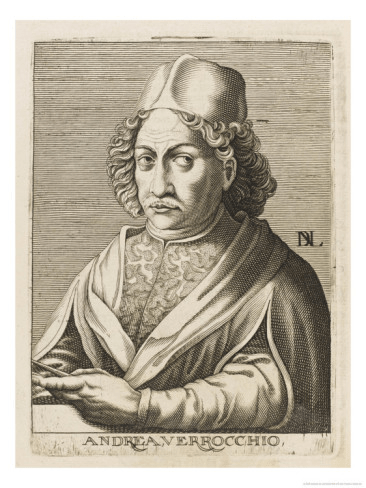
First I must say that I do think he was a great illustrator and painter. No doubt. But I also must ask myself, how many other young students of art also painted as good…or better…than the famous Tuscan? If other young lads would have had the same opportunity to train with the great Master Andrea del Verrocchio, like Leonardo had, thanks to his rich father, I am sure they too would have created incredible works of art.
Leonardo da Vinci hardly ever finished what he started. When he found the going rough, he abandoned the project. The famous fresco «The Last Supper», which he painted on the wall of the refractory of Santa Maria delle Grazie, the church and convent of the Dominican Order in Milan, has had to be restored many times because it was painted using tempera and now little of the original remains. What kind of artist…with the experience of Leonardo…would be so careless?
Leonardo left many paintings unfinished, not only the «Monna Lisa» (which I will return to promptly), but «The Virgin and Child with St. Anne», «Saint Jerome in the Wilderness», «The Adoration of the Magi» as well as many other projects. All of his inventions were left unfinished and none of them would have worked had they ever been built, which they were not. Actually Duke Ludovico Sforza only engaged Leonardo to make entertaining objects, and such that could be used for decoration. The equestrian statute he commissioned from him was never even started, it remained as a sketch.
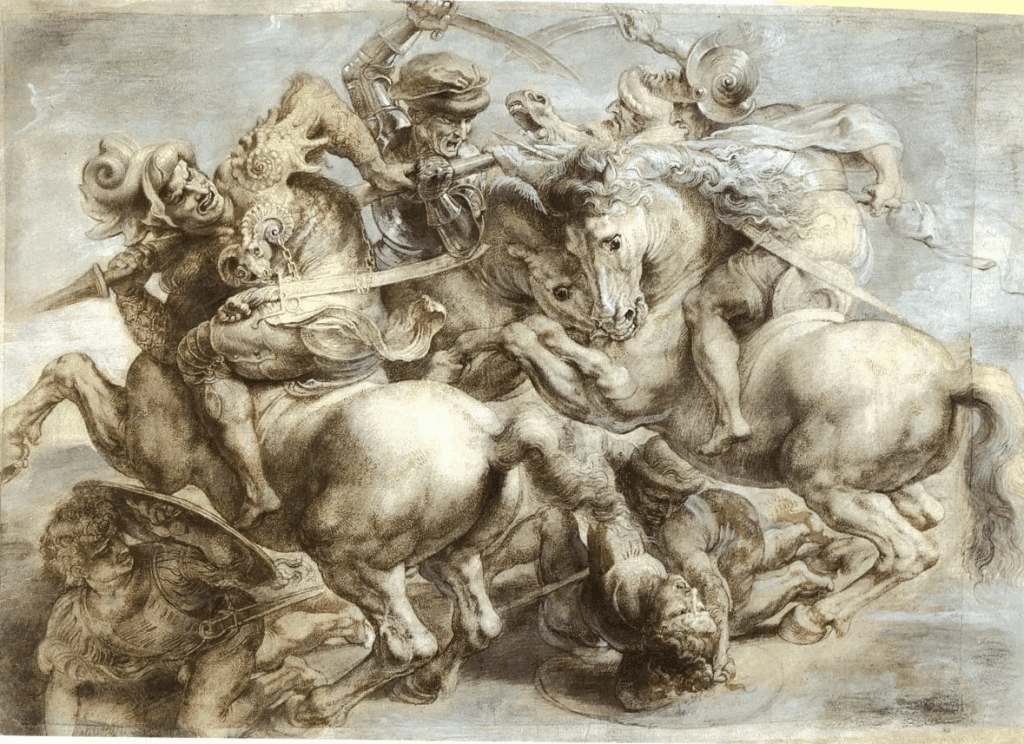
One of his greatest failures was the fresco of The Battle of Anghiari (1505) which he was commissioned to paint on the walls of the Palazzo Vecchio in Florence ,and which he never painted. Leonardo, (the great innovator?), tried to paint with oil but placed a much too thick undercoat with wax and when he applied the colours they began to drip and he gave up and abandoned the project.
So, in conclusion…and in my opinion…Leonardo da Vinci was no greater…and much lesser…than his contemporaries, great artists, who truly worked hard, like: Michelangelo, Raphael, Sandro Botticelli, Pietro Perugino, Donatelo, and the master of masters, Filippo Brunelleschi, the architect/engineer/artist that truly kicked off the Renaissance in Italy.
Reference Monna Lisa…
I look at it as a little painting of not much importance to me. I looked at it (when I visited Le Louvre) for less than a second and the painting did not really catch my eye. It is small, 77 x 53 centimetres and not very interesting. I would say it is a second rate portrait. Well, then why is it so famous? Because it was stolen and remained missing for two years and during that time it received a lot of press, making the painting famous…

Can anyone really say that this painting, Monna Lisa, is better than this one:
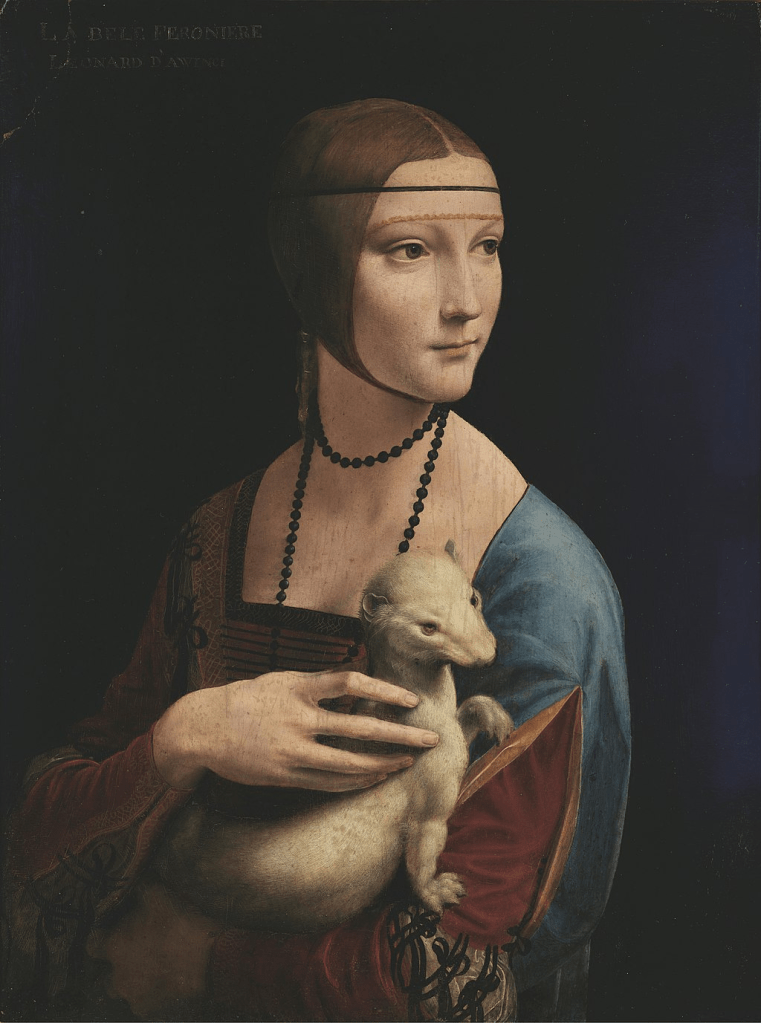
Now it is your turn to tell me what you think.
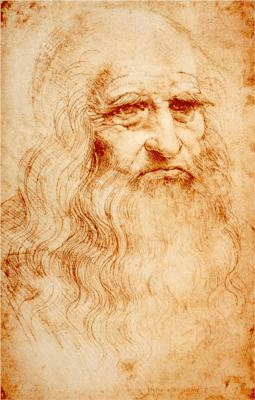
And I do think he was a great artist, a great illustrator but he did not really pay too much attention to his craft and gave up too quickly when things went wrong…
Cheers…
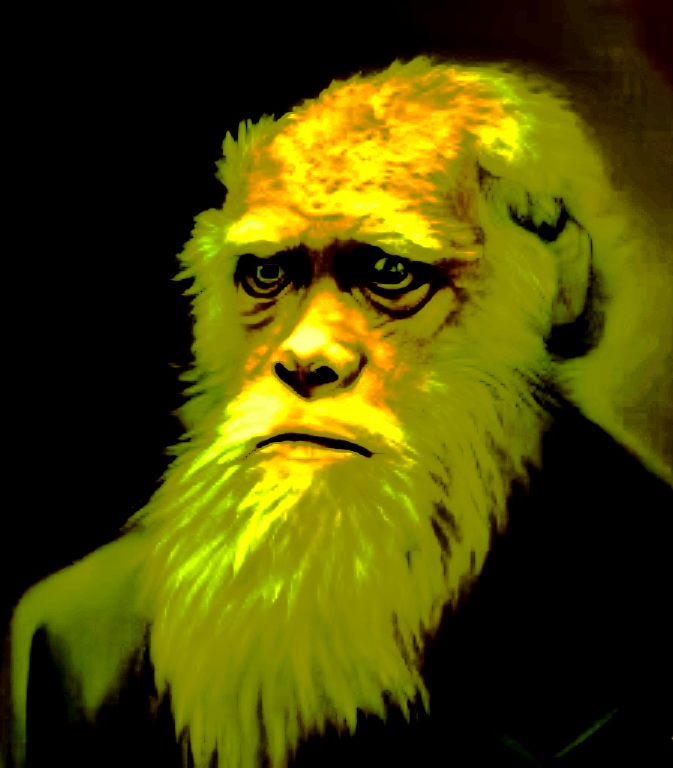
People like to use words that they think have special meanings and that clarify their arguments, but in effect they are simply mis-employing terms. One is «evolution.» According to the muckety mucks, namely one Charles Darwin and his parishioners, man evolved from a monkey that decided one day that he would walk on two legs, stop eating bananas and instead of living in the trees, moved to suburbia. Well, mister brilliant scientist, you missed the boat because monkeys (like most animals on Earth) are much more adapted to life on this planet than we (Homo Sapiens) are. For one, they do not need governments, they do not pay taxes, they do not suffer from sunburn and they do not have spinal maladies like a lot of us men and women of the world. So if we take your theory with a grain of salt, we can logically deduce that we we are the de-evolution of a monkey. Imagine that!
And what about art you are asking? I will tell you. Art has never evolved. Art, since the first rupestrian paintings in the caves to Egyptian, Roman, Byzantine, Arabic, Indian, Chinese, Japanese, Aztec, Maya, Navajo, has existed completely and fully. It has not grown flippers, lost legs or gained wings. The idea of art evolving is ridiculous at best and at worst a lie perpetrated by those who would like to control art history. Ancient art, Renaissance art, and the art of every epoch throughout history has changed, as it should. Developing new styles, new techniques, new paints, new brushes, new canvases etc, does not mean evolution. Each period in art history has its art and it is still as valid today as it was when mande and if you don’t believe it go to an auction at Sotheby’s or Christie’s and see what people are paying for such masterpieces.
Here I leave you with a short video of art that is as precious (and as complete) today as it was the day it was done. No evolution required. The painter, the artist, or the sculptor needs to grow with the times, capture the spirit of his time and work with it. That is how art develops.
CHEERS
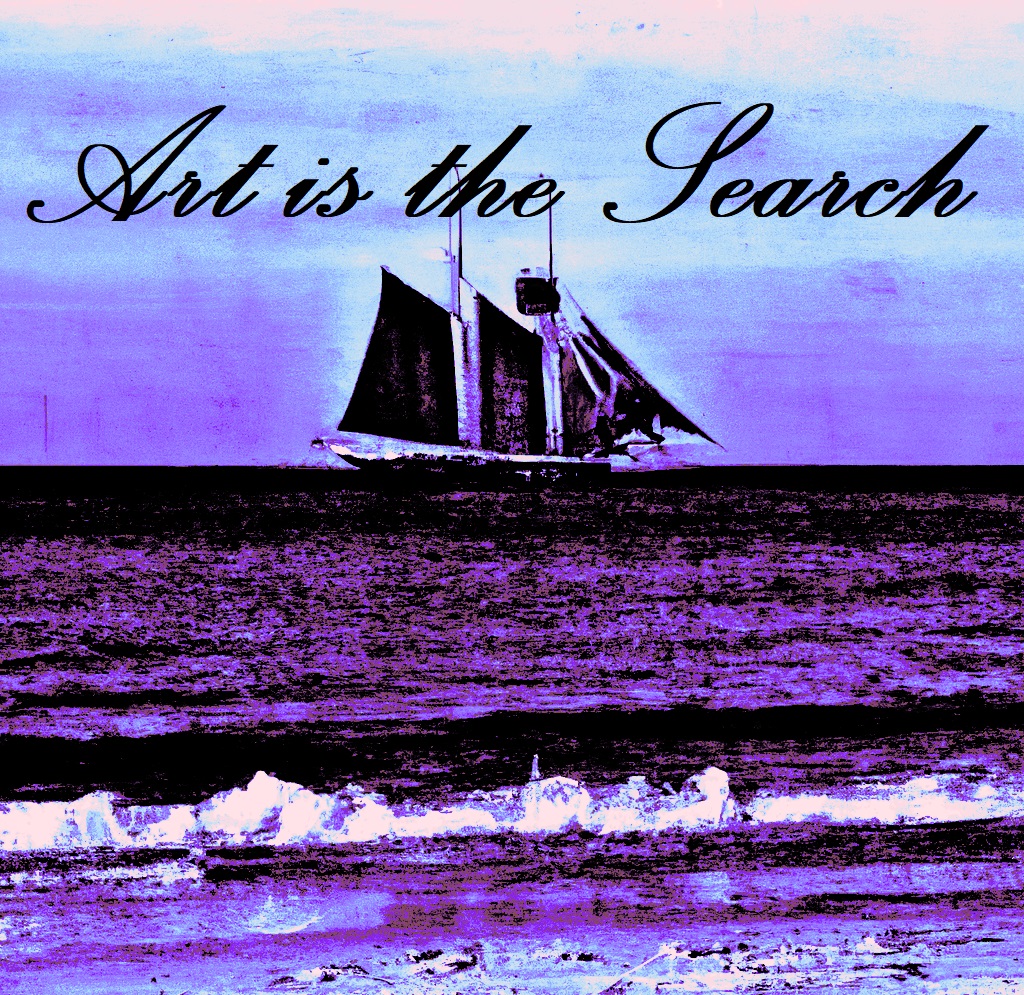
Why do I say that? I mean, why do I say that art is the search. The search for what? And ultimately, what is art? If you study art history you discover that centuries ago it was quite easy to define what art was. As a matter of fact, many of the famous Renaissance artists that we think of as the Masters these days did not even call themselves artists. They considered themselves as artisans. It wasn’t until artists started choosing and deciding what they were going to paint or sculpt that the idea, the concept of being an artist was developed. Before that, artists like Michelangelo and Bernini did not choose what they were going to paint, it was commissioned to the. They painted what the Church or what a rich noble wanted, or what the King or Queen desired.
So, when artists were free to choose their subject matter, art evolved rather quickly and that is when art became the search. As an artist you must possess certain qualities, and these are: Education, Preparation, skill, insight and good taste. Without any one of these you may not succeed as an artist. (Unless you get yourself someone with lots and lots of money to sponsor you, promote your work and place you at the pinnacle of the art world. It is being done with many no-talent artists doing no good art).
In any event, that is why I say that art is the search. In the search you filter out the mundane, the ordinary, the uglier aspects of life and you keep that which can transmit a message, enhance someone’s life and enrich your own creative spirit. As an artist you must have the spirit of the times, live in the moment and search through history to conclude with a work that reflects the times and speaks to the future.
CHEERS
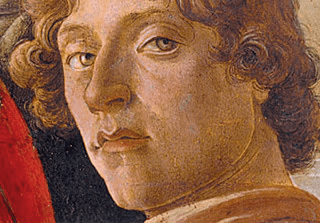
Algunos dirán que no, que el mejor es Leonardo da Vinci, y yo les respeto la opinión, pero a mi no me caben dudas que el verdadero maestro de la pintura renacentista fue Botticelli. Y cuando veáis el vídeo lo notarás.
Some would say no, it was Leonardo da Vinci. And I will respect that opinion but for me, no doubt, the real Master of Renaissance painting was Botticelli. And when you watch the video you will see why.
Gracias…
Cheers…
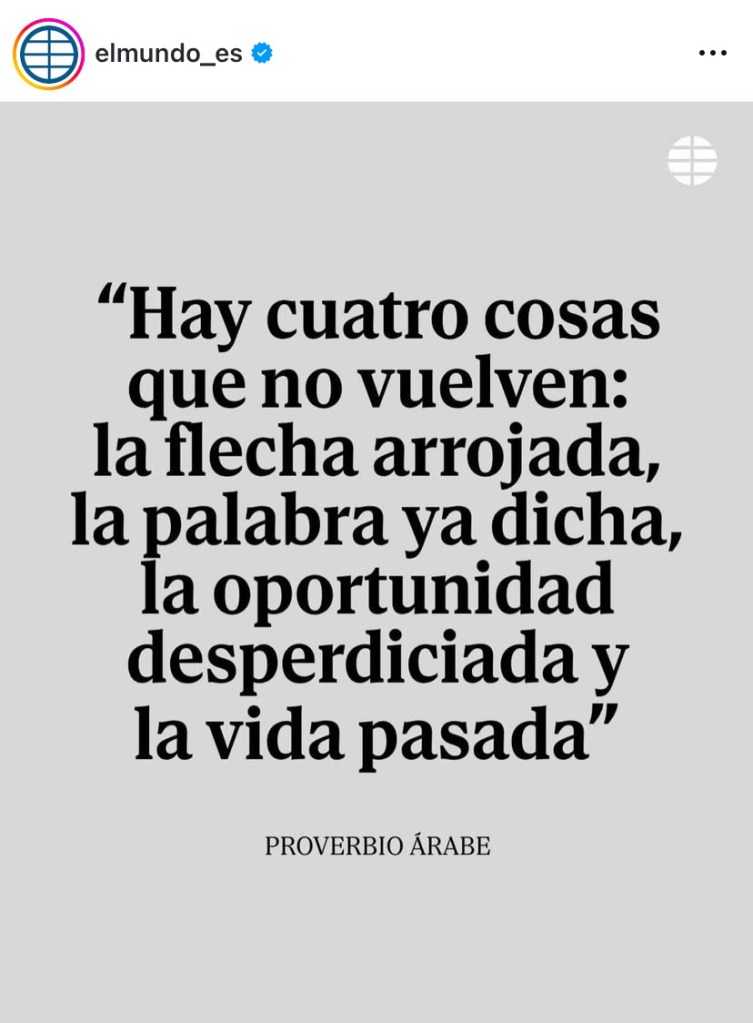
Y tú, ¿Qué piensas?
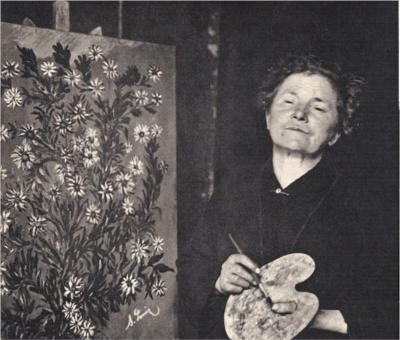
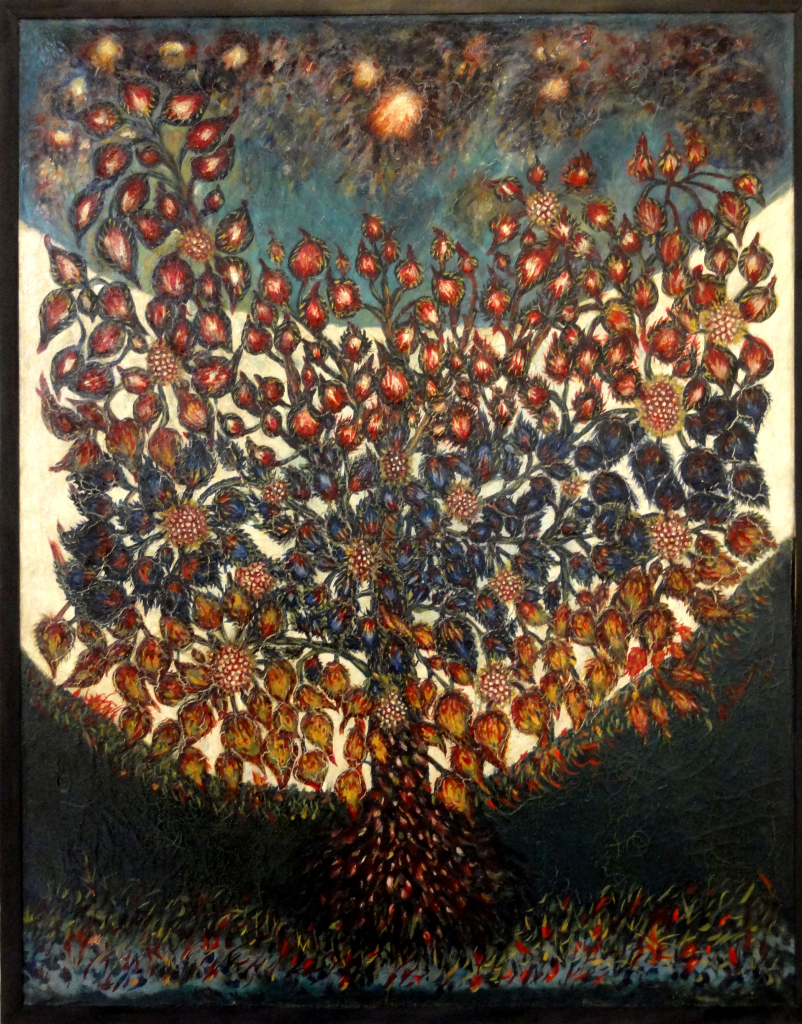
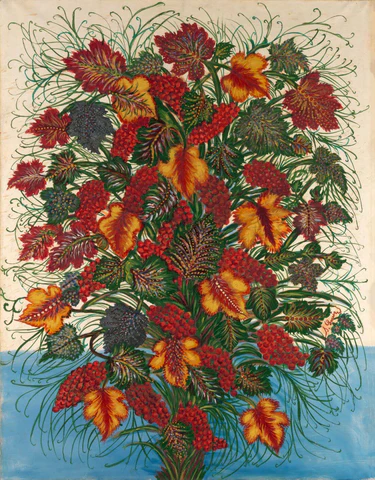
Seraphine was born in 1864 in Arsy, Oise, France. Her family was poor and she started life as a shepherdess, though little is known of her young years only that she was a devout Catholic who attended Mass daily. In 1881 she began to work as a domestic at the convent of the Sisters of Providence in Clermont, Oise. Although she was not a nun, her life was very similar to the sisters. She was practically cloistered in the convent for twenty years. Then in 1901, she gained employment as a housekeeper for middle-class families in the town of Senlis.
It is interesting to note that years later Seraphine told a doctor at the hospice that at the convent she had seen terrible things. She had witnessed horrific and violent fights, a murder and the pregnancy of one of the nuns. She described hearing voices that spoke of conspiracies against her and thought of herself a secret police agent. Her medical and psychiatric records allowed doctor M.A. Ortas-Peretti to create her doctoral thesis titled Seraphine an Alianated Painter.
When Seraphine was 42 years old, and while praying at the Cathedral of Our Lady of Senlis, she heard the voice of the Virgin Mary say to her «You must start to paint.» As she considered this a divine revelation and a command, she began to paint. She would spend entire nights painting on the floor while sipping wine. She never showed her work to anyone. She had no friends. While she worked on her paintings she sang religious hymns.
Then in 1912 something extraordinary occurred that changed her life. SHe met Wilhelm Uhde. This art critic and galerist had promoted Picasso and Braque; discovered Henir Rousseau and Marie Laurencin, and was fascinated with Art Naiif. He had moved to Senlis to write and being that he needed a housekeeper he hired Seraphine.
One day while shopping Uhde saw a painting that moved him. He was told that it had been painted by a domestic servant, Seraphine. He bought the painting and made Seraphine sign it. When he visited her and saw so many magnificent paintings, he wrote in his memoirs, that an extraordinary passion, and a most sacred, medieval fervor had taken shape in Seraphine’s still life paintings.
She began to create large paintings under Uhde’s patronage and she became known as an artist. In 1929 an exhibition titled «Painters of the Sacred Heart» was organised by Uhde. Seraphine gained much recognition and much money, something she really did not know how to manage. However, it all came tumbling down with the Great Depression of 1930 which ended the patronage due to the loss of their finances.
By 1932, Seraphine’s mental health had seriously deteriorated and she was admitted at Clermont’s lunatic asylum for chronic psychosis. Not even her artwork offered her any comfort. It is possible that Louis died in 1934 as Uhde reported, or that she lived until 1942 interned in a hospital annex at Villers-sous-Erquery. Being as that she was alone and friendless, she was placed in a common grave.
I find her life and her work extremely interesting and I regret never knowing about this extraordinary painter. I hope you are interested enough to continue the search, not only about the life and work of Seraphine Louis but of the many other women painters forgotten (intentionally?) by art history.
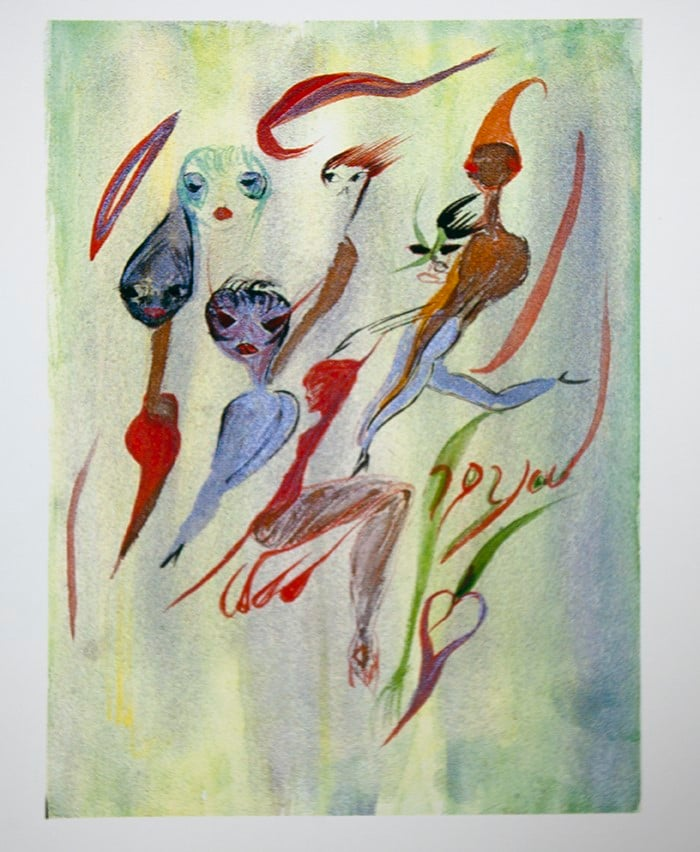
Here are some of her paintings…
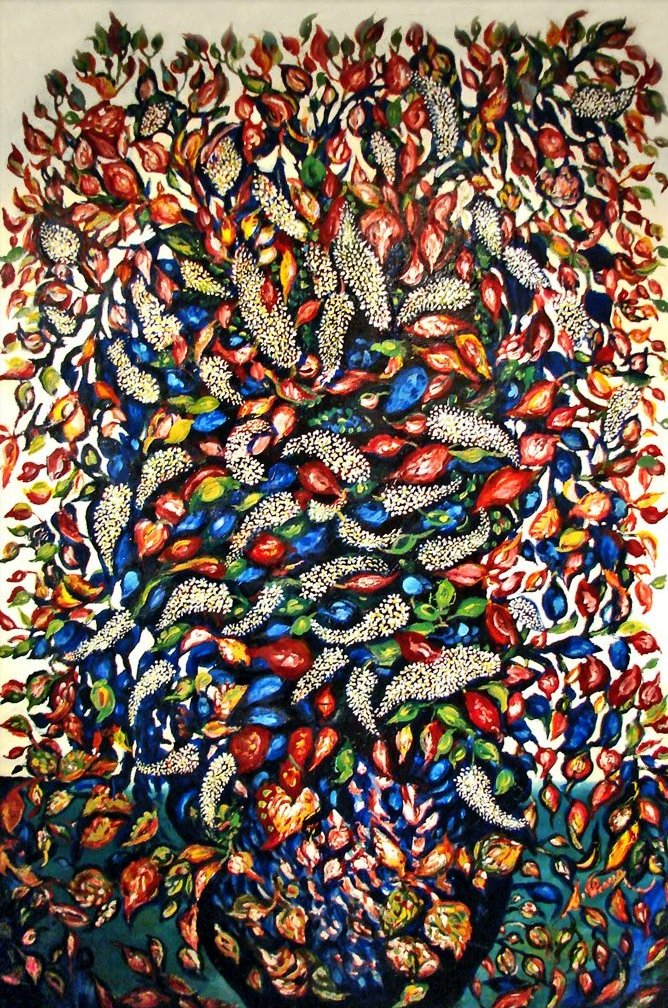
CHEERS
The painter… Now it is the «artist»…
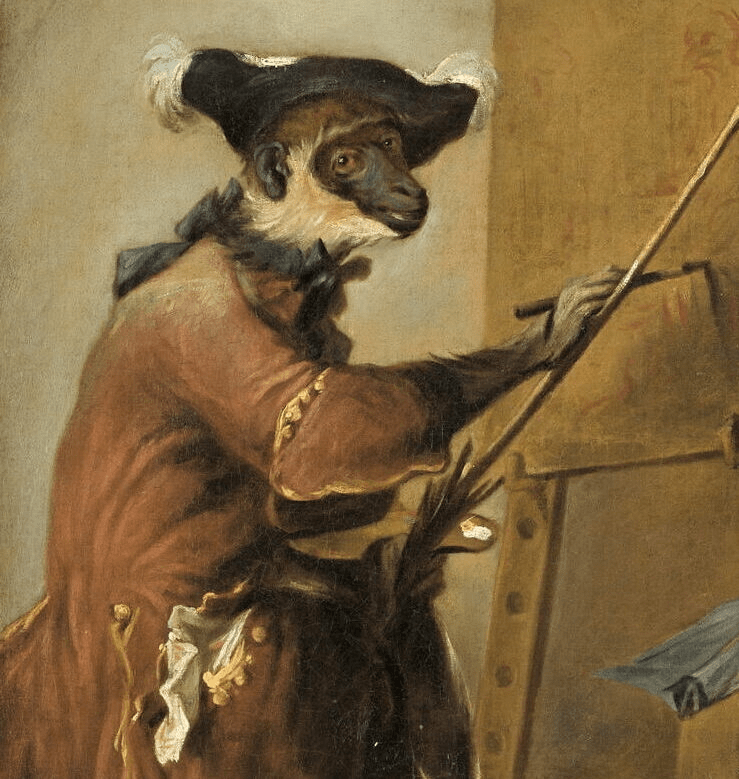
Back in the time of the great Renaissance masters, painters like Michelangelo, Botticelli, Leonardo and the rest of the gang, did not call themselves artists. They thought of themselves as trained artisans. Highly skilled craftsmen that had studied and mastered the craft of painting. And paintings also were not regarded as art. During those times artists did not walk into their studios, picked up a canvas and thought of what they were going to paint on it. In those times painters painted what was commissioned from them. Their greatest patrons were the Church and the nobility, along with some rich merchants as well. They did not choose their topics, they were told what to paint.
Of course that sounds quite unlike our modern concept of art. We think of an artist as someone who creates. And his creations come from so deep within his knowledge, his creativity, his innermost mind that some might even believe it came from his very profound, immortal soul. I call bollocks on that one…
Art is still a business. Paintings are mostly for decorative purposes. And artists should still be trained, skilled and dedicated professionals with good taste and a rounded off and complete education. Art does not necessarily have to be that esoteric, mystical form of expression that rises from the spirit to convey a transcendental message of intense and extraordinary beauty and importance. Art is the result of the work of a craftsman who paints/sculpts (etcetera) in his quest to make a living. In other words a painter/artist works for money, just like Michelangelo and Leonardo did.
There is nothing mystical or phenomenal in the work of the artist. Art has many functions and they are all in need of art and the artist is in need of making a living. Art is not done for the love of art. An artist is not a romantic dreamer standing in front of a muse who directs him to paint an extraordinary work called a masterpiece. No, an artist gets up, and using only his well-learned disciplinary habits, enters his studio and begins to work. He does not have to be original as there is nothing original under the sun. An artist only has to be true to himself in the knowledge that he is creating something using his learned abilities and guided by his good taste.
Stay tuned for part 3 coming soon and I will continue with these chapters if you let me know, in the comments below, that you are interested and want to participate in this dialogue.
CHEERS
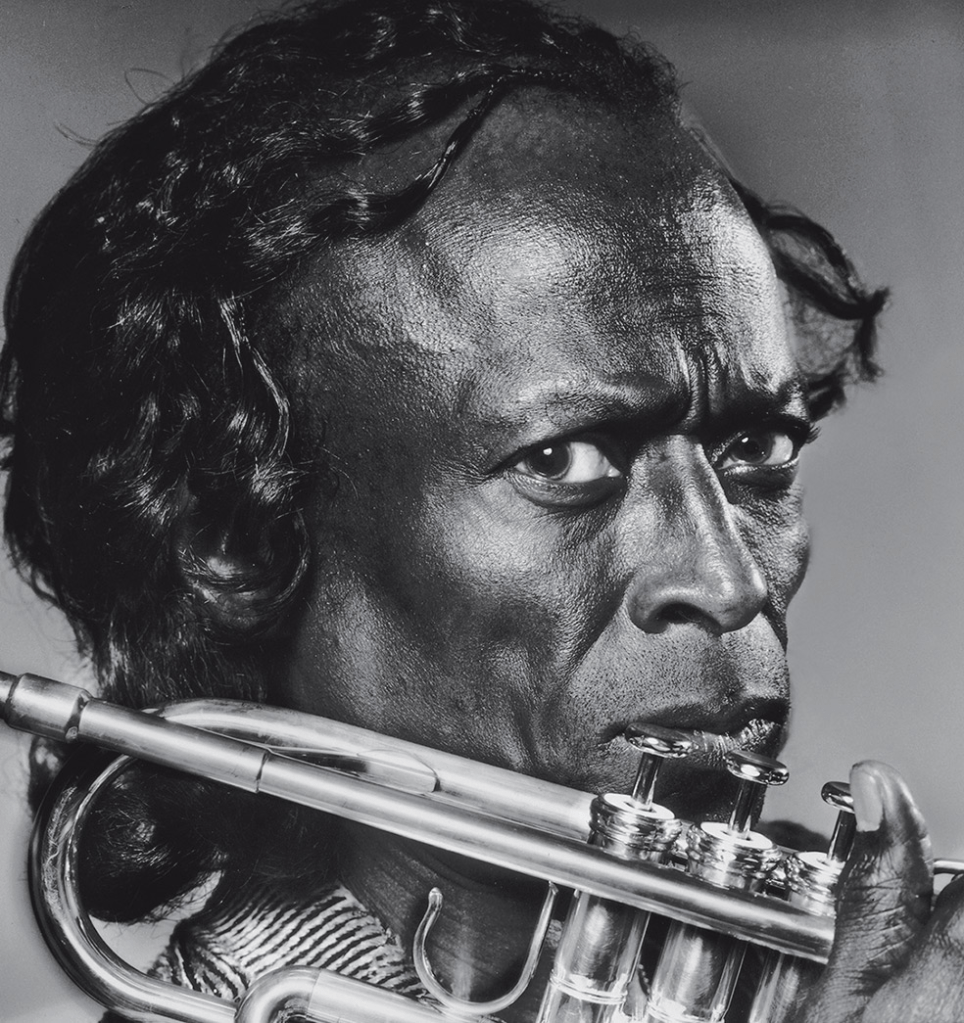
Venga, a que no sabías que Miles Davis, sí, el gran trompetista del bebop, del cool, del funk y del jazz psicodélico, progresivo, jazz-fusion, etcétera, era también un artista plástico fenomenal, sí, un pintor. Pues como no lo sabías, yo te lo voy a decir…
Miles Davis, (Miles Dewey Davis), nació en Illinois en 1926 y era un pijo… Se crió en East St. Louis y comenzó a tocar la trompeta a temprana edad. Luego ingresó en Julliard School of Music, pero se fugó de la institución en 1944 para tocar con banda de Billy Eckstine y tocó con Charlie Parker y Dizzy Gillespie, donde aprendió todo lo que habia de aprender del estilo bebop.
En 1948 se reunió con Bill Evans y comenzó su etapa del «Birth of the Cool», o sea, el nacimiento del «cool», un jazz más suave, más sutil y más parecido a la música del llamado «West Coast», la de los jazzistas de California… Tuvo grandes éxitos y grandes grupos, especialmente con otros grandes como John Coltrane, y así paso los años cincuenta y sesenta… Luego, hacia el final de su carrera (y su vida), en los años 80, penetra el «Jazz-Fusion» y gana varios Grammy Awards haciendo el repertorio de Michael Jackson y Cindi Lauper.
Entonces en 1991, en el Festival de Jazz de Montreux en 1991, Davis se unió al grupo de Quincy Jones e interpretó arreglos clásicos de Gil Evans de finales de la década de 1950.
Miles Davis murió en 1991 en Santa Monica, California, donde vivía. Nunca quiso volver a tocar sus grandes éxitos como Birth of the Cool o Kind of Blue. Siempre se reinventó durante su larga carrera…
Y también pintaba… En 1972 Davis sufrió un accidente automovilístico y de ahí surge su etapa de pintor. Se inmersó de lleno en la pintura, dándole la misma importancia que a su música, y dijo que “la pintura es terapia para mí y me mantiene la mente ocupada con algo positivo cuando no estoy haciendo música.” Le gustaba mucho pintar caras y sus referencias fueron Kandinsky, Picasso y las máscaras africanas, entre otros.
+++
I will bet you didn’t know that Miles Davis, yes, the great «Jazz Man», trumpet master of bebop, cool, funk, psychedelic jazz, progressive, jazz-fusion, etc., was also a phenomenal visual artist, yes, a painter. Well, since you didn’t know, I’m going to tell you…
Miles Davis (Miles Dewey Davis) hailed from Illinois. He was born in 1926 of an upper middle class family, and grew up in East St. Louis. Miles started playing the trumpet early in life. Later he attended Julliard School of Music but left it to play in Billy Eckstine’s band. With Eckstine’s band he played alongside Charlie Parker and Dizzy Gillespie. I reckon that there he learned all he needed to know of bebop.
In 1948, he met with Bill Evans and began the phase that led him to create the «Birth of the Cool,» that is, the birth of «cool jazz,» a smoother, subtler sound that resembled the music of «West Coast Jazz,» mostly played by musicians from California. He had great successes and collaborated with many influential artists, especially with other legends like John Coltrane. And thus he spent the fifties and sixties. Later, towards the end of his career (and his life), in the 1980s, he delved into «Jazz-Fusion» and won several Grammy Awards performing the repertoire of Michael Jackson and Cyndi Lauper.
In 1991, at the Montreux Jazz Festival, Davis joined Quincy Jones’ group and performed classic arrangements by Gil Evans from the late 1950s.
Miles Davis died from a cerebral haemorrhage in 1991 in Santa Monica, California, where he lived. He never wanted to play his greatest hits like «Birth of the Cool» or «Kind of Blue» again. He always reinvented himself throughout his long career…
And he also painted. And how did this start? Well, in 1972, Davis was in a car accident and that marked the beginning of his painting phase. He became fully immersed in painting, giving it the same importance as his music. He once said that «painting is therapy for me and keeps my mind engaged with something positive when I’m not making music.» He particularly enjoyed painting faces, and his references included Kandinsky, Picasso, and African masks, among others.
+++++

(Este es el ultimo cuadro que pinto ya estando en sus ultimos dias en 1991/This is the last painting he did, already quite ill and in his last days in 1991) (Foto/Photo The Last Miles)

GRACIAS – CHEERS
Have a WordPress.com account? Log in now.

