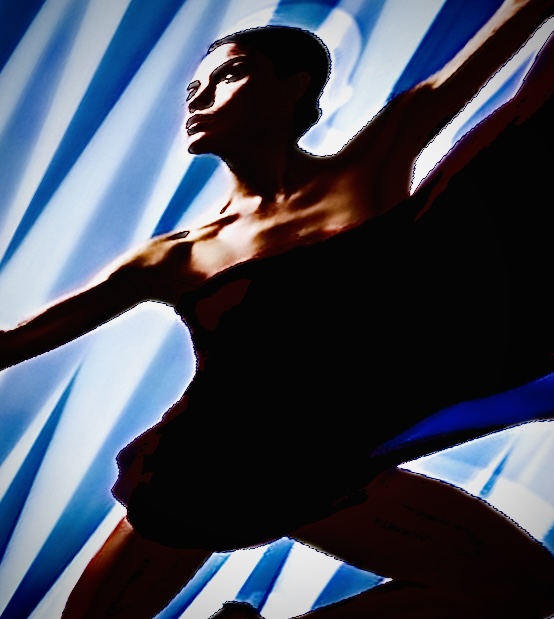
#art, Rebecca Horn in Women Artists Series 2024

(El Español)

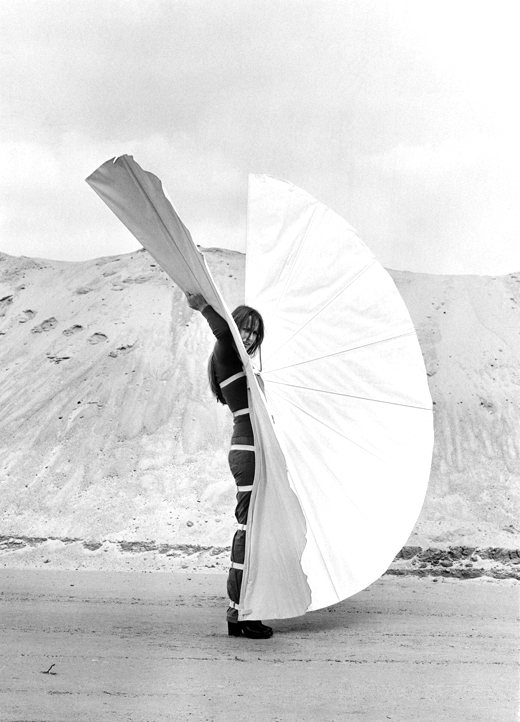
Lamentably we lost Rebecca last September (2024). She was one of the pioneering women of Performance Art. And although this is a genre that I am not even sure should be included in the Fine Arts, perhaps it should be in the Theatre Department, she did make history and is important as a feminist artist. She specialised in Installations and some of them were quite unique and interesting…

(IDIS)
(Arte y Cuerpo Cuerpo y Arte)

Rebecca Horn was born in Germany in 1944. Rebelling from the wishes of her parents that wanted her to study Economics, Rebecca registered at the Hamburg Fine Arts Academy, (Hochschule für Bildende Künste), where she attended from 1964 to 1970.

The philosophy of her art revolved around the human body, its extensions and its ability to act as a machine. She thought of the body as an object that should be manipulated to find the extent of its possibilities. She accomplished this through her sculpture, video, installations, performance and film. Her search was constant and the object of her search, her art, was the multiplicity (aspects) of the body. Horn always tried to surpass her previous artistic efforts.

(Sean Kelly Gallery)

Rebecca also loved to draw and made many drawings. Her search also led her to poetry and to the making movies. She lived in Barcelona (1964) and was greatly influenced by the movies of Luis Buñuel and Pier Paolo Pasolini. Horn went on to direct several movies like: Die Eintänzer (1978), La Ferdinanda: Sonata for a Medici Villa, and Buster’s Bedroom. All her movies seem to flow around her obsession with imperfect bodies and the balance created between the human figure and objects. She collaborated with Jannis Kounellis and as well produced movies, including Buster’s Bedroom (1990) starring Donald Sutherland.

Horn died September 6, 2024 in Bad König, Hesse, Germany. She had retired from public life in 2015 after suffering a stroke. She was 80 years of age.

CHEERS
#poem, «A ti»

(Foto de Francisco Bravo Cabrera/Derechos Reservados)

A ti,
que se te ha dicho que ya de tanta gente,
están abarrotados los países.
El continente está repleto,
¡Ya no cabe un alma más!
Ni en Francia, con su Eiffel y flordelises,
ni en España habrá sitio para ti.
Aquí no acamparás
tu….tu…tu…tu…tu…tu…

Sí, tú que has cruzado selvas y desiertos,
y desafiaste la muerte en alta mar,
con tu humilde hatillo al hombro y sin aliento,
tendrás que regresar…
Regresa
tu…tu…tu…tu…tu…tu…

Lárgate otra vez al sitio del cual saliste huyendo,
Pues aunque sea un lugar de horror ese es tu hogar.
Y un impromptu, un réquiem, sin misterio,
te tocará un pianista en algún bar…

Regresaste con vigas en los ojos,
Pensando en uno que si pudo andar,
sin pedirle permiso al universo,
sobre las olas más violentas de la mar.

Si…
Has vuelto con el alma hecha pedazos,
entiendo que rencores, mil tendrás,
pero la vida es leña,
tú llevas el marrazo,
corta con todas tus fuerzas la maleza
fiel muchacho,
que sin dudas un camino encontrarás…

C.2024, Francisco Bravo Cabrera – 10 de diciembre de 2020/27 de Octubre 2024, Valencia, España

NOTA BENE

Tener compasión es ponerse en el lugar del otro, del que sufre, del perseguido, del que quiere, con todas las fuerzas del alma, zafarse del terror de donde vive y hacer nueva vida en un lugar donde se le respete, se le considere y se le den oportunidades. Hay que ser solidario. Todos somos seres humanos y pertenecemos a la misma familia. Los países no son propiedad privada, sino son para que todos vivamos y para ver como surge la fuerza que tantas manos que en el han venido a cultivar un mundo de unidad y de paz. No podemos tenerle miedo al extranjero. Tenemos que echarle una mano y ayudarle. Hay que saber ser buenos y hospitalarios porque hay muchos que buscan y necesitan y han de encontrar quien los apoye.

#art, Rebecca Horn in Women Artists Series 2024

(El Español)

Lamentably we lost Rebecca last September (2024). She was one of the pioneering women of Performance Art. And although this is a genre that I am not even sure should be included in the Fine Arts, perhaps it should be in the Theatre Department, she did make history and is important as a feminist artist. She specialised in Installations and some of them were quite unique and interesting…

(IDIS)
(Arte y Cuerpo Cuerpo y Arte)

Rebecca Horn was born in Germany in 1944. Rebelling from the wishes of her parents that wanted her to study Economics, Rebecca registered at the Hamburg Fine Arts Academy, (Hochschule für Bildende Künste), where she attended from 1964 to 1970.

The philosophy of her art revolved around the human body, its extensions and its ability to act as a machine. She thought of the body as an object that should be manipulated to find the extent of its possibilities. She accomplished this through her sculpture, video, installations, performance and film. Her search was constant and the object of her search, her art, was the multiplicity (aspects) of the body. Horn always tried to surpass her previous artistic efforts.

(Sean Kelly Gallery)

Rebecca also loved to draw and made many drawings. Her search also led her to poetry and to the making movies. She lived in Barcelona (1964) and was greatly influenced by the movies of Luis Buñuel and Pier Paolo Pasolini. Horn went on to direct several movies like: Die Eintänzer (1978), La Ferdinanda: Sonata for a Medici Villa, and Buster’s Bedroom. All her movies seem to flow around her obsession with imperfect bodies and the balance created between the human figure and objects. She collaborated with Jannis Kounellis and as well produced movies, including Buster’s Bedroom (1990) starring Donald Sutherland.

Horn died September 6, 2024 in Bad König, Hesse, Germany. She had retired from public life in 2015 after suffering a stroke. She was 80 years of age.

CHEERS
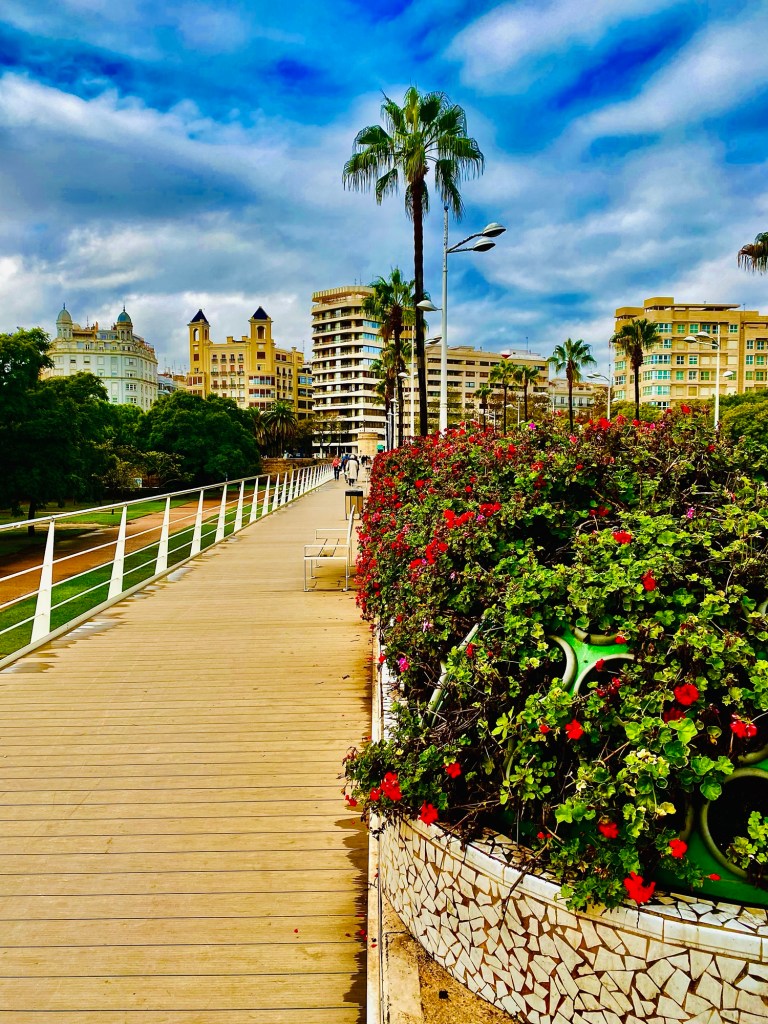
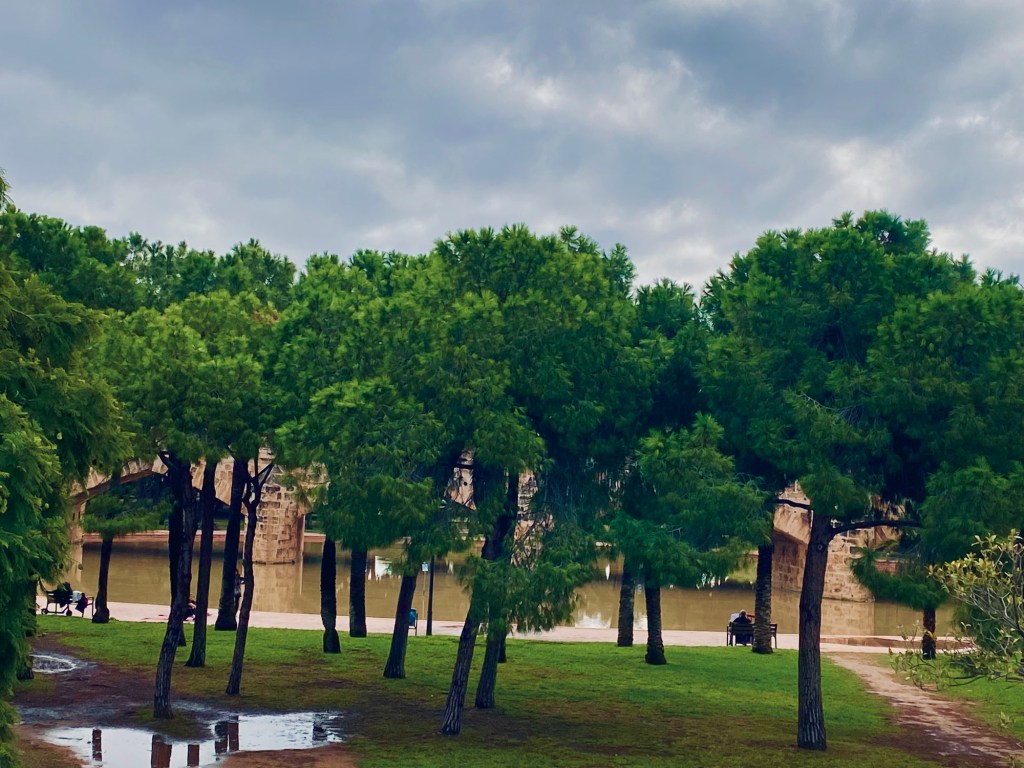
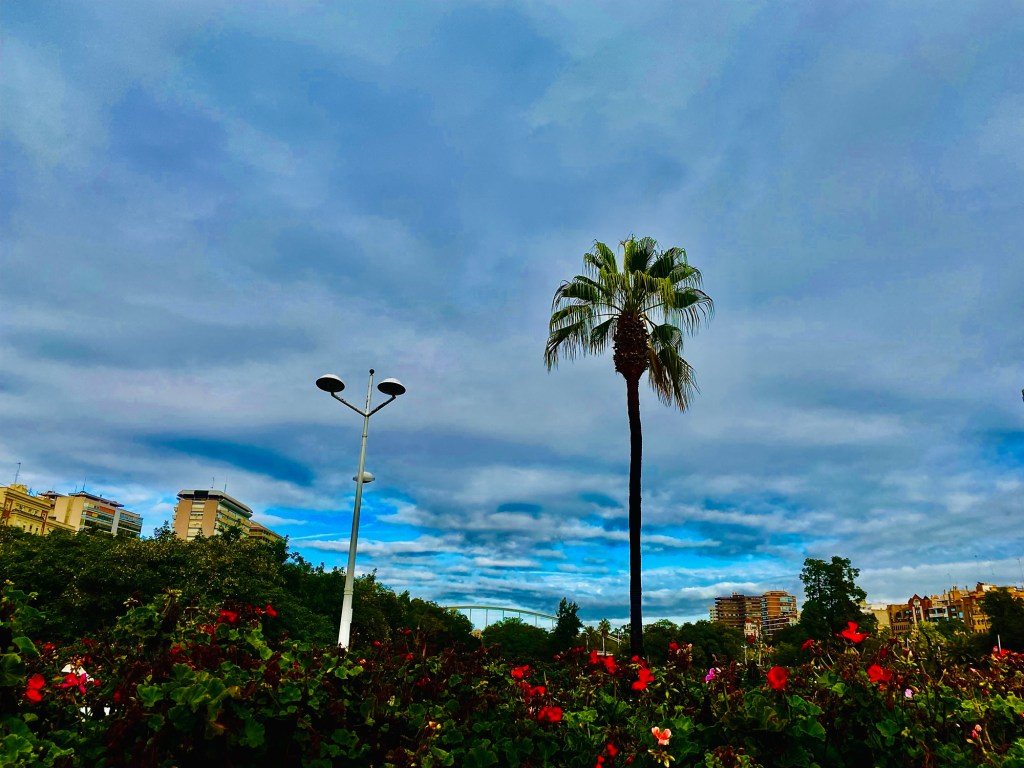
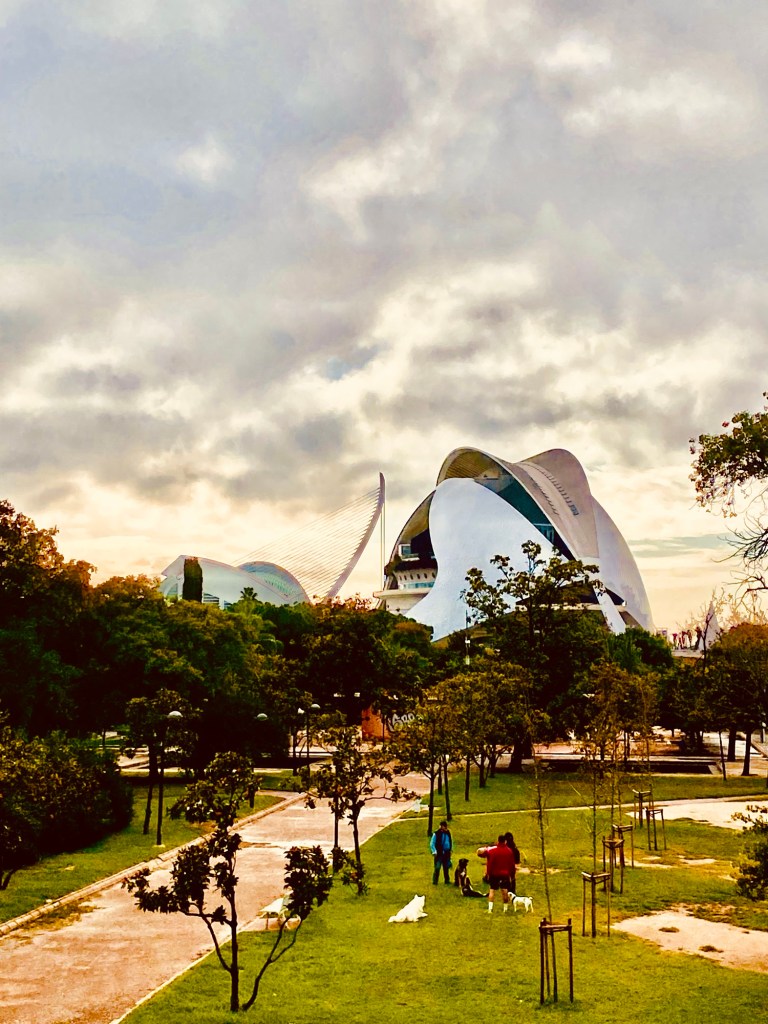
Walk in beauty! Enjoy the day!

(Photo by/property of Francisco Bravo Cabrera/All Rights Reserved)

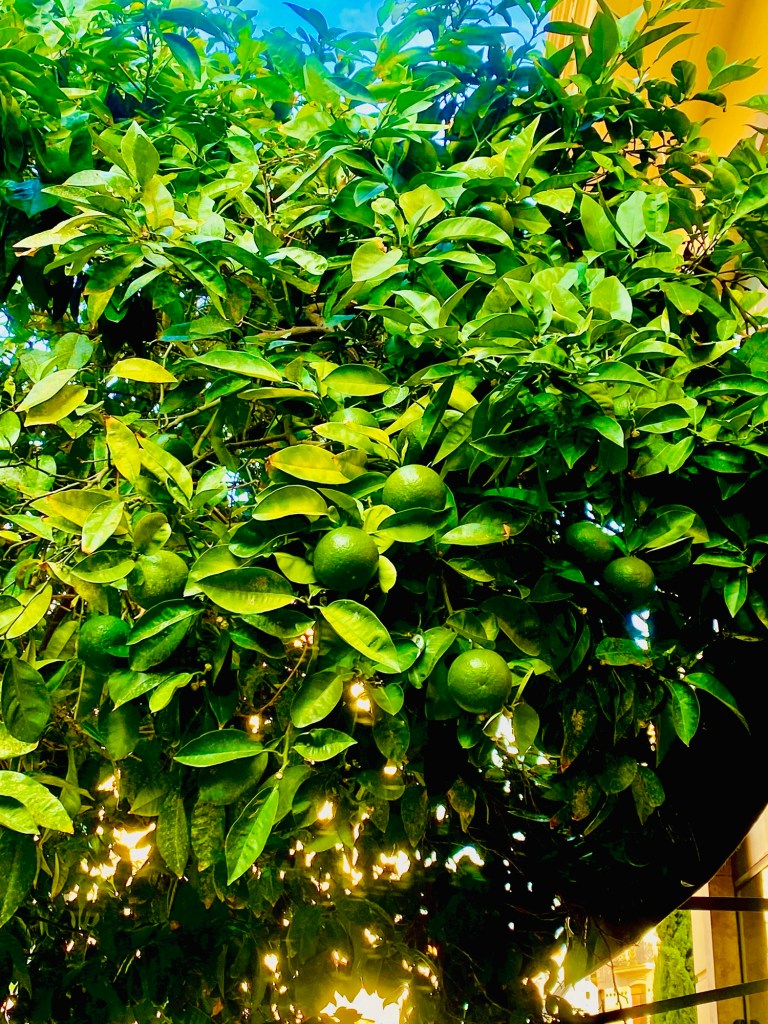
Each day is a gift which we should lovingly appreciate.

CHEERS

#poem, «Reasons» (An Euro-Ku)

(Image by and property of FBC/OCS Valencia/All Rights Reserved)

Convince me that a rainbow is not an act of God.

Convince me that Love is not His nature and you’ve convinced me that I don’t exist.

Reasons can’t disturb my faith.

C.2024, Francisco Bravo Cabrera – 24 OCT 2024 – Valencia, Spain

#sports, ¡No al racismo!

Parece mentira, pero cierto es. No somos un país de revistas, pero en España, como en cualquier otro país del mundo, racistas hay y se atreven a estas barbaridades. Los que no quieran aprender ni superarse por sí mismos, lo tendrán que hacer a manos de la justicia, con multas o cárcel, o las dos cosas. Somos una sola raza en un mundo multi-étnico y mixto. No hay raza superior, ni hay blancos ni negros ni moros, habemos seres humanos.

#art, La pintura expresionista – Expressionist Paintings

(«La diosa del aire»/Oskar Kokoschka/1913/14)

¿Conoces realmente lo que es el expresionismo cuando se refiere a la pintura? Bueno, yo te lo voy a explicar. Sencillamente es la manera que el pintor escoge para representar la composición, o la idea de una composición, que va poner sobre la tela. No es lo que está viendo el pintor, o sea el modelo, o lo que recuerda haber visto, no, lo que pinta es la impresión que le causo y como lo ha visto por dentro. Así expresa la forma y la pinta bien sea usando la figuración o la abstracción. Claro, el expresionismo nació en Alemania con los famosos expresionistas alemanes, i.e. Otto Dix et al. Luego se extendió a Austria y ahí están los expresionistas austriacos, entre ellos Oscar Kokoschka, uno de mis preferidos. El expresionismo, vanguardia del Siglo XX, surgió también en el cine, en el teatro y en la danza. Rápidamente el expresionismo se extendió por toda Europa y por América, el gran continente y aún es una de las formas interesantes que un artista puede utilizar para plasmar una idea, una forma, o una abstracción sobre un lienzo.

+++

Do you really know what expressionism in painting is? Well, I’m going to explain it to you. Simply put, it is the way the painter chooses to represent the composition, or the idea of a composition, that he is going to put on the canvas. It is not what the painter is seeing, meaning the model, or what he remembers having seen; no, what he paints is the impression that it caused him and how he hast seen it from within. This is how the painter expresses form and colour, whether using figuration or abstraction. Of course, expressionism was born in Germany with the famous German expressionists, i.e., Otto Dix et al. It then spread to Austria, where the Austrian expressionists are found, including Oscar Kokoschka, one of my favourites. Expressionism, as one of the vanguards of the 20th century, became popular also in cinema, theatre, and dance. Quickly, expressionism spread throughout Europe and throughout the great American continent. And it is still one of the very interesting forms that an artist can use to convey an idea, a shape, or an abstraction onto a canvas.

+++++

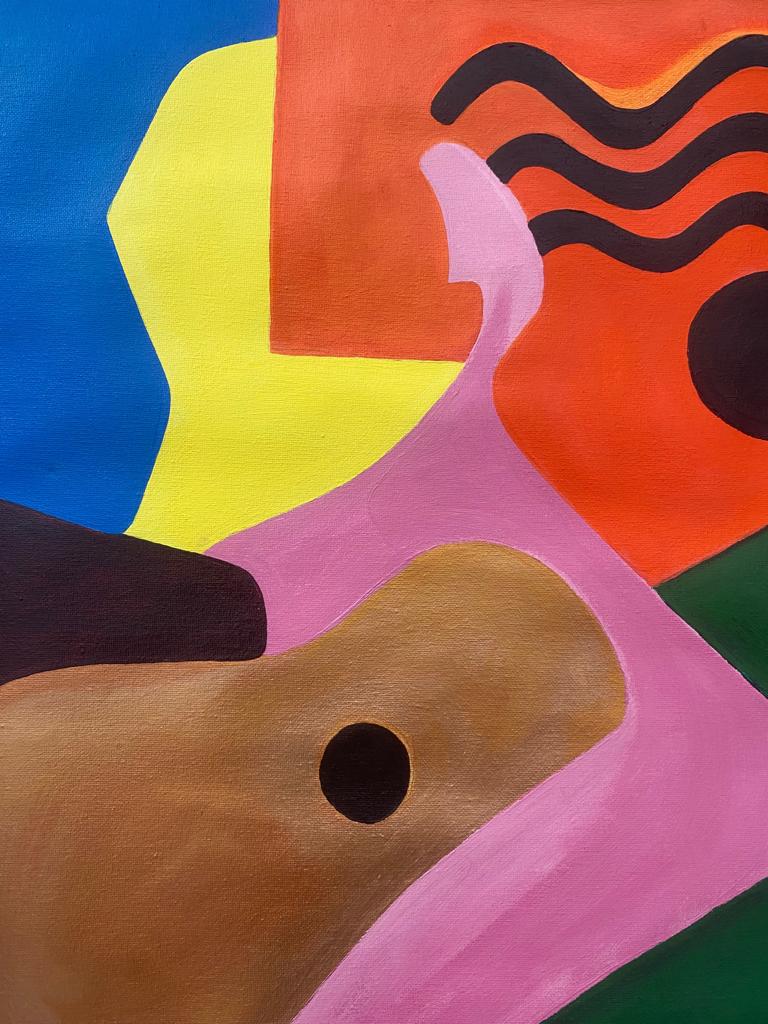
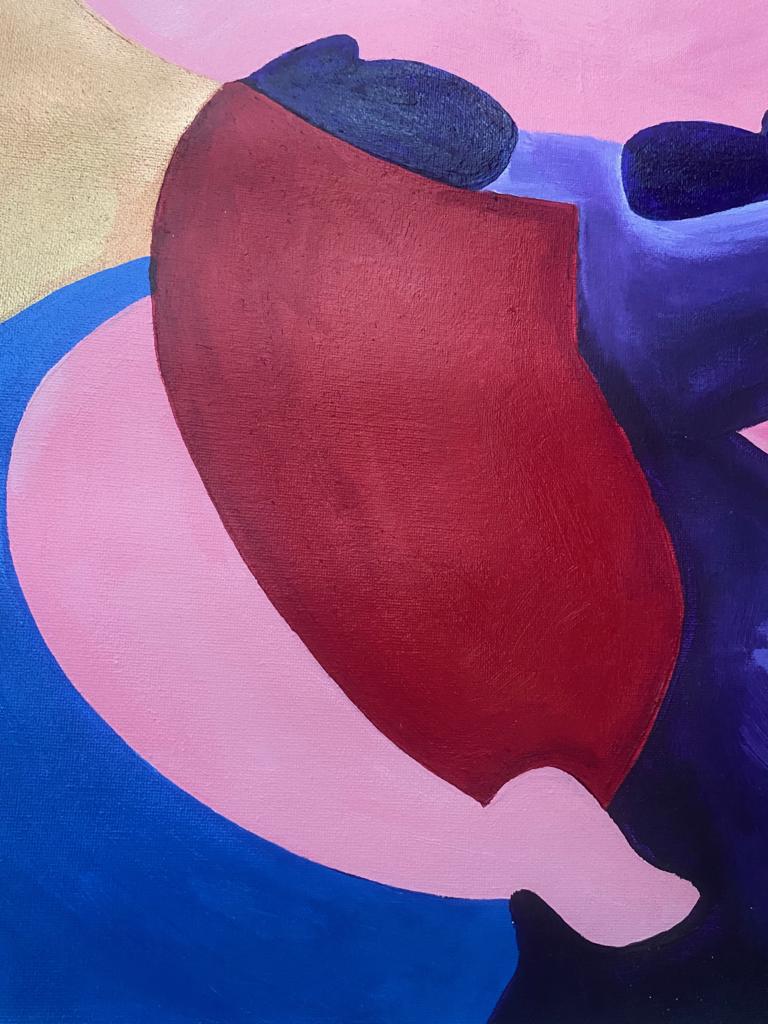
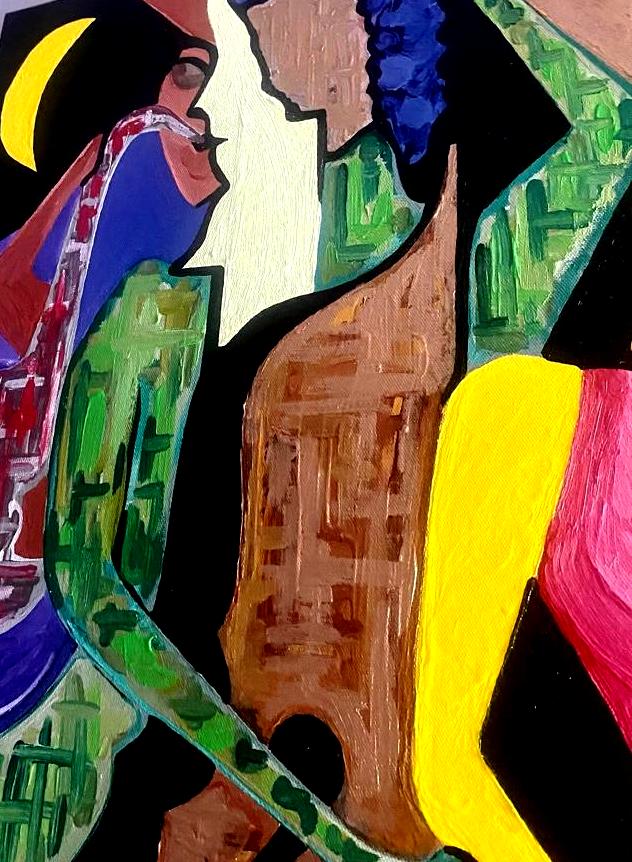
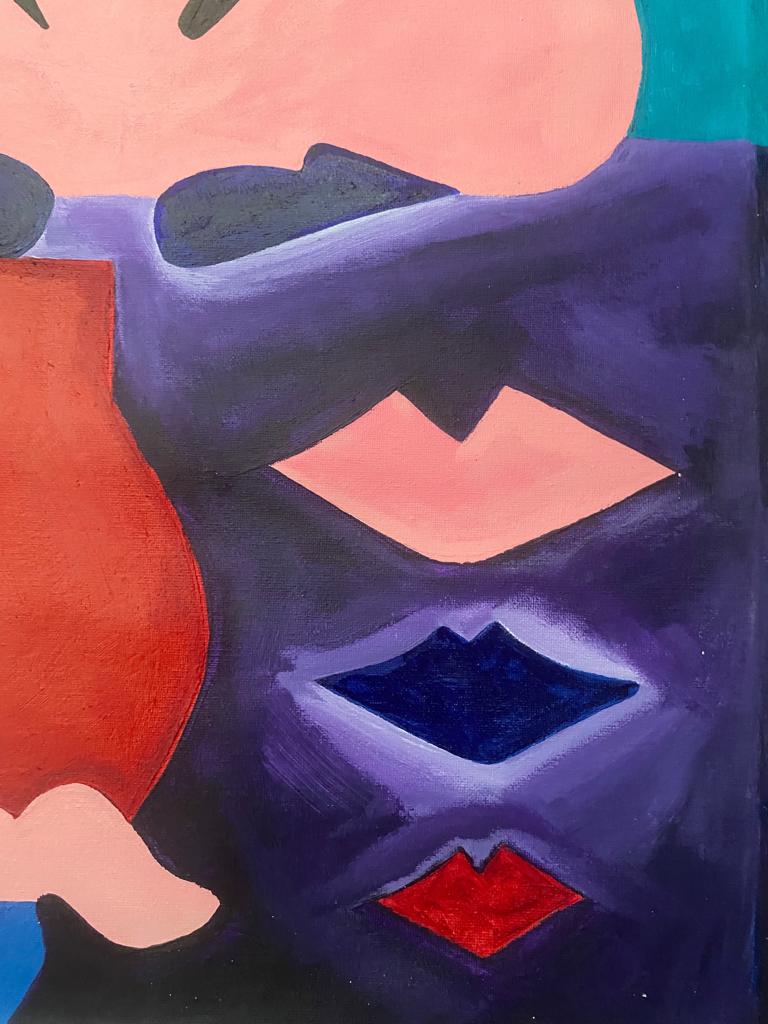
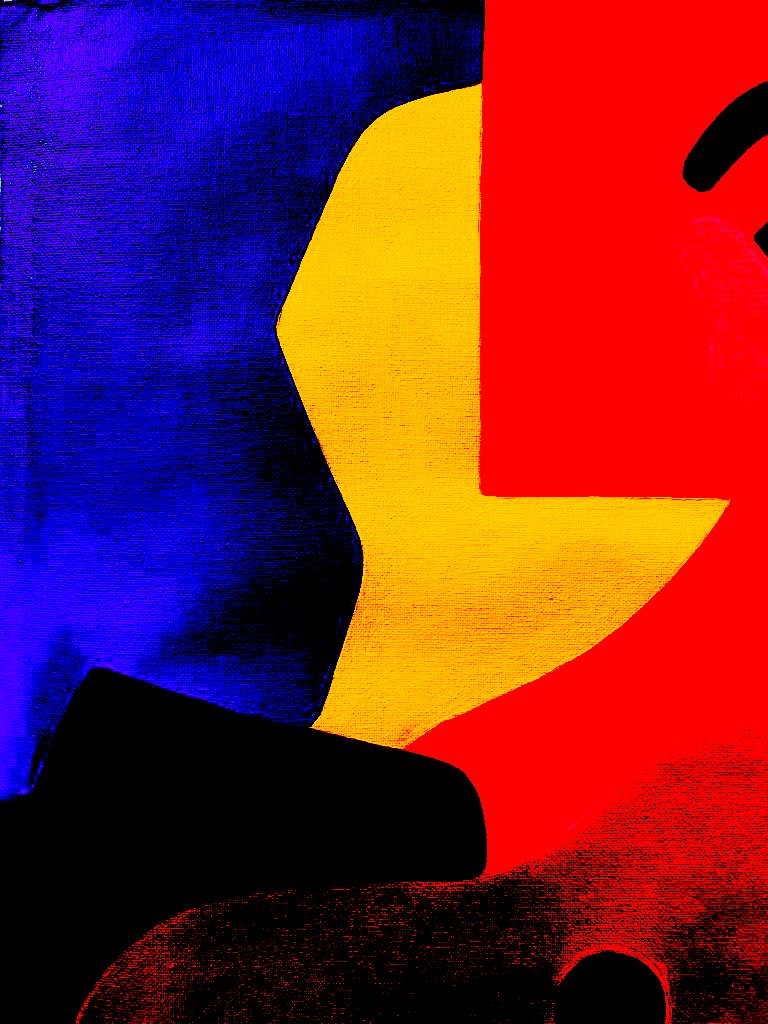
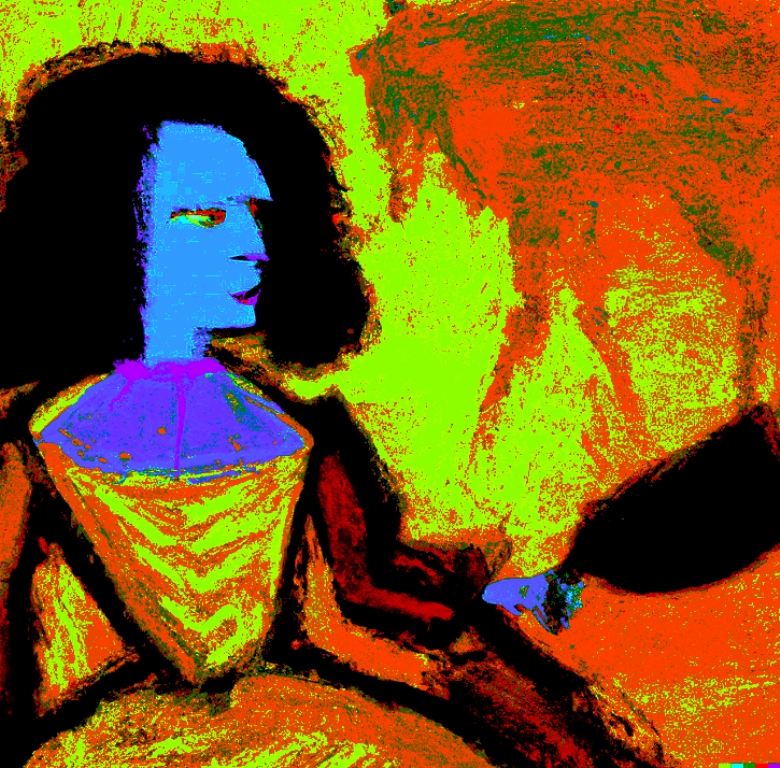
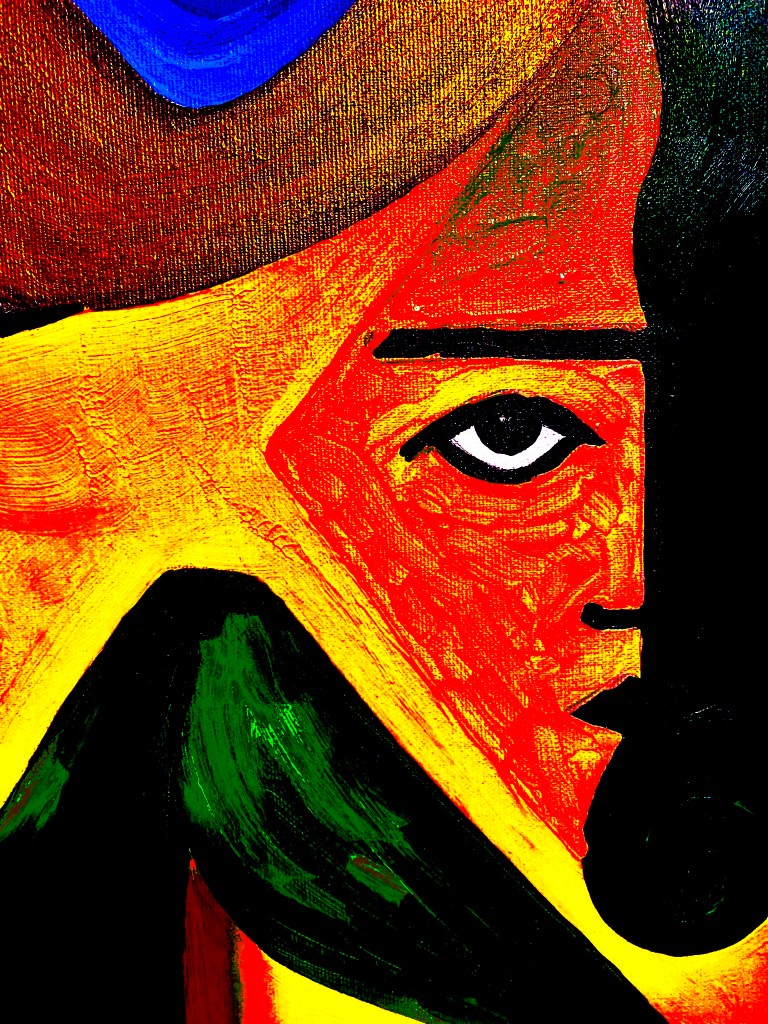
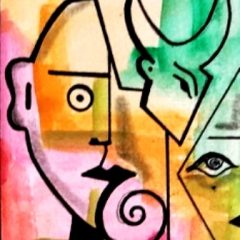
Yo he trabajado mucho el expresionismo en mis pinturas. Me gusta la idea y la libertad que me da para representar sin los limites que impone el «realismo» en las pinturas. Aqui os muestro algunas obras expresionistas y fragmentos y detalles de otras. Estas obras son de los principios del Siglo XXI…

+++++++

I have worked a lot with expressionism in my paintings. I like the idea and the freedom it gives me to represent without the limits imposed by «realism» in paintings. Here I show you some expressionist works along with fragments and details of others. These works are from the early 21st century…

GRACIAS – CHEERS

#art, Hokusai and the Great Wave…

(By Katsushika Hokusai – Metropolitan Museum of Art: entry 45434, Public Domain, https://commons.wikimedia.org/w/index.php?curid=2798407)

Perhaps Hokusai is the most famous Japanese painter you have ever heard of, and you would be right. Although there are many, many more that are incredibly famous and great, Hokusai gave us the iconic painting of the time and one of the most famous ones in Japanese art (in my opinion), the great wave. Actually the painting (engraving) is titled The Great Wave off Kanagawa (Japanese: 神奈川沖浪裏). It is a woodblock print created in 1831. This painting made his fame extend from Japan to Europe.

Katsushika Hokusai (葛飾 北斎) was born in Edo (former name of Tokyo) in 1760. He was a painter and a printmaker. Hokusai worked his art for over 70 years. He was instrumental in creating manga. He illustrated many books and manuscripts and his influence reached Europe where it greatly influenced the Impressionists. And many great European artists collected his art.

Claude Debussy, who among many compositions composed the tone poem La Mer in 1905, was believed to have been inspired by Hokusai’s Great Wave print. Debussy requested that a print of Hokusai’s great painting be used for the cover his published score, whose music incorporated Japanese-inflected harmonies.

CHEERS

#art, La pintura expresionista – Expressionist Paintings

(«La diosa del aire»/Oskar Kokoschka/1913/14)

¿Conoces realmente lo que es el expresionismo cuando se refiere a la pintura? Bueno, yo te lo voy a explicar. Sencillamente es la manera que el pintor escoge para representar la composición, o la idea de una composición, que va poner sobre la tela. No es lo que está viendo el pintor, o sea el modelo, o lo que recuerda haber visto, no, lo que pinta es la impresión que le causo y como lo ha visto por dentro. Así expresa la forma y la pinta bien sea usando la figuración o la abstracción. Claro, el expresionismo nació en Alemania con los famosos expresionistas alemanes, i.e. Otto Dix et al. Luego se extendió a Austria y ahí están los expresionistas austriacos, entre ellos Oscar Kokoschka, uno de mis preferidos. El expresionismo, vanguardia del Siglo XX, surgió también en el cine, en el teatro y en la danza. Rápidamente el expresionismo se extendió por toda Europa y por América, el gran continente y aún es una de las formas interesantes que un artista puede utilizar para plasmar una idea, una forma, o una abstracción sobre un lienzo.

+++

Do you really know what expressionism in painting is? Well, I’m going to explain it to you. Simply put, it is the way the painter chooses to represent the composition, or the idea of a composition, that he is going to put on the canvas. It is not what the painter is seeing, meaning the model, or what he remembers having seen; no, what he paints is the impression that it caused him and how he hast seen it from within. This is how the painter expresses form and colour, whether using figuration or abstraction. Of course, expressionism was born in Germany with the famous German expressionists, i.e., Otto Dix et al. It then spread to Austria, where the Austrian expressionists are found, including Oscar Kokoschka, one of my favourites. Expressionism, as one of the vanguards of the 20th century, became popular also in cinema, theatre, and dance. Quickly, expressionism spread throughout Europe and throughout the great American continent. And it is still one of the very interesting forms that an artist can use to convey an idea, a shape, or an abstraction onto a canvas.

+++++

Yo he trabajado mucho el expresionismo en mis pinturas. Me gusta la idea y la libertad que me da para representar sin los limites que impone el «realismo» en las pinturas. Aqui os muestro algunas obras expresionistas y fragmentos y detalles de otras. Estas obras son de los principios del Siglo XXI…

+++++++

I have worked a lot with expressionism in my paintings. I like the idea and the freedom it gives me to represent without the limits imposed by «realism» in paintings. Here I show you some expressionist works along with fragments and details of others. These works are from the early 21st century…

GRACIAS – CHEERS

#art, «The Water Model» as a Fine Art Print

(«The Water Model»/Francisco Bravo Cabrera/All Rights Reserved)

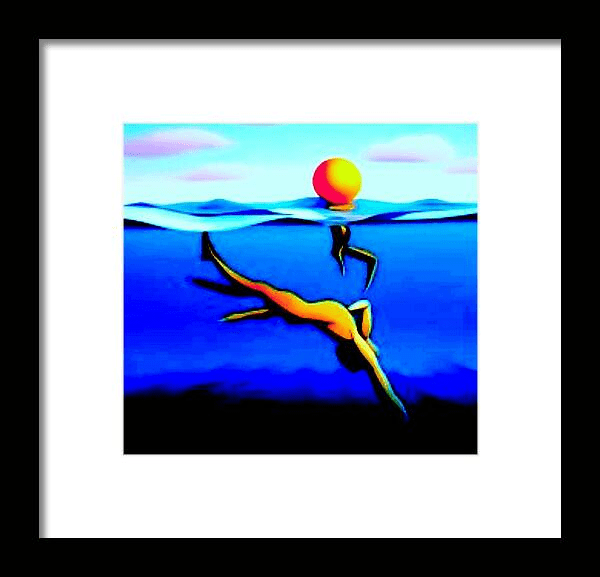
What is a fine art print? Follow this link and you will find out. At Fine Art America I have a unique online gallery of my images which I have allowed Fine Art America (and only Fine Art America) to reproduce and sell as fine art prints of different styles. The one you see above is a framed print but there are other ways to enjoy original art as a fine art print, check them out. It is a very affordable alternative to owning original art.

(2022)

CHEERS