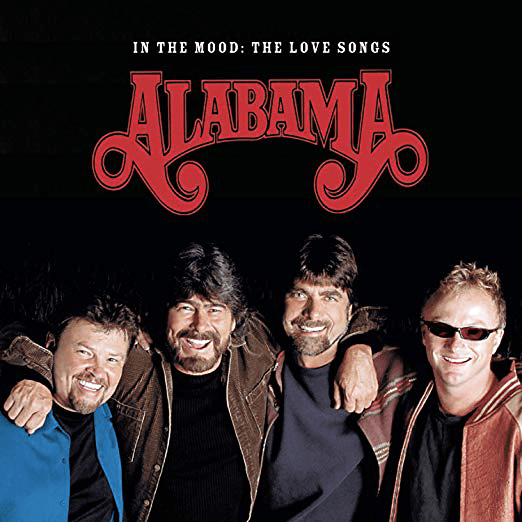
This is the most famous and best selling of all the US country music acts, ALABAMA, a phenomenal band!
They were formed in Alabama (surprising?) in 1969 by Randy Owen on vocals and guitar, Teddy Gentry on the bass and background vocals, and Jeff Cook on guitar and keyboards. They started off playing bars in Alabama and calling themselves Wildcountry. In 1977 they changed their name to ALABAMA, launched their first single and placed it on the hit parade. But their best days were to come in the 1980’s when they had several number one hits…
And although ALABAMA disbanded in 2006, they re-united in 2011 and are still going strong.
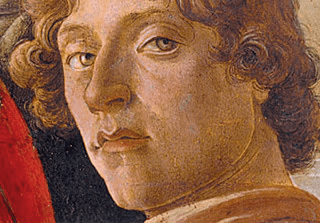
Algunos dirán que no, que el mejor es Leonardo da Vinci, y yo les respeto la opinión, pero a mi no me caben dudas que el verdadero maestro de la pintura renacentista fue Botticelli. Y cuando veáis el vídeo lo notarás.
Some would say no, it was Leonardo da Vinci. And I will respect that opinion but for me, no doubt, the real Master of Renaissance painting was Botticelli.And when you watch the video you will see why.
This is the most famous and best selling of all the US country music acts, ALABAMA, a phenomenal band!
They were formed in Alabama (surprising?) in 1969 by Randy Owen on vocals and guitar, Teddy Gentry on the bass and background vocals, and Jeff Cook on guitar and keyboards. They started off playing bars in Alabama and calling themselves Wildcountry. In 1977 they changed their name to ALABAMA, launched their first single and placed it on the hit parade. But their best days were to come in the 1980’s when they had several number one hits…
And although ALABAMA disbanded in 2006, they re-united in 2011 and are still going strong.
FBC/Derechos Reservados)FBC/Derechos Reservados)FBC/Derechos Reservados)FBC/Derechos Reservados)FBC/Derechos Reservados)(All photography by Francisco Bravo Cabrera/All Rights Reserved)
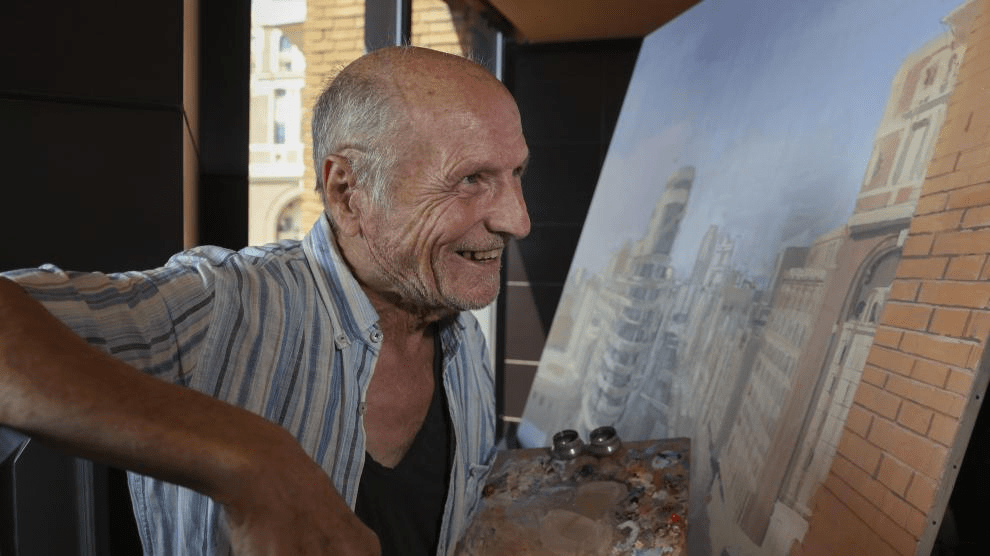
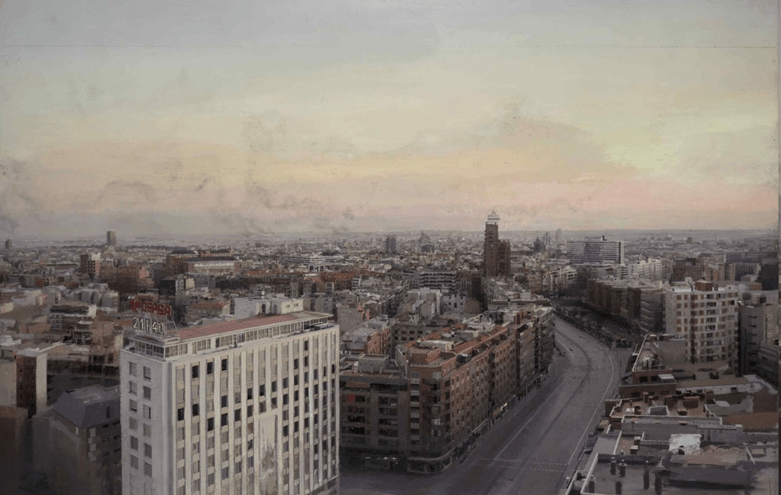
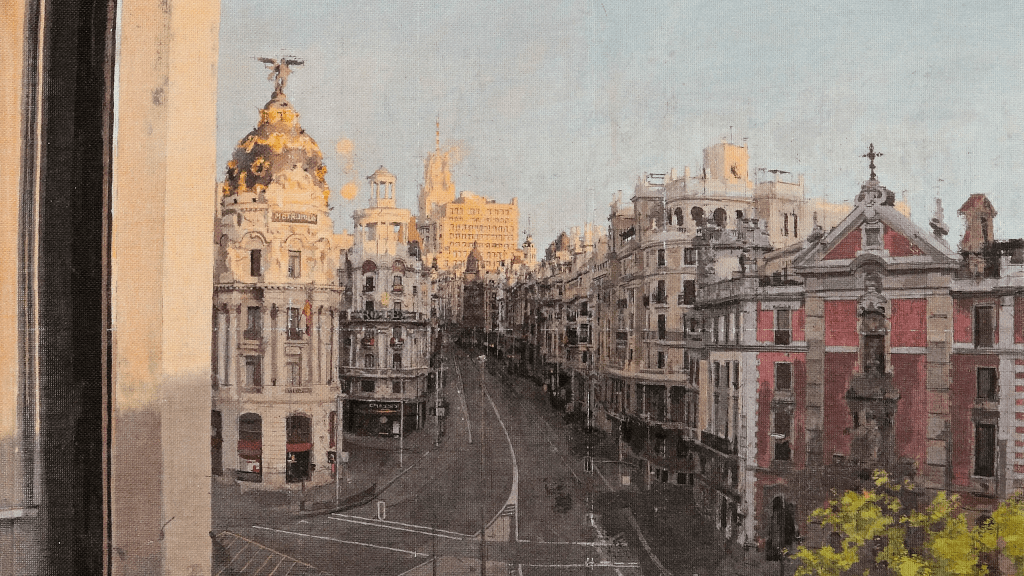
El gran pintor manchego es, en mi opinion, el mas grande de España de estos tiempos. Dicen que es hiper-realista, pero yo lo veo como un artista figurativo completo. Un artista que sabe crear un halo de filosofía, erudición, misticismo y emociones en sus cuadros. Sabe respetar la historia del arte, a los artistas, a las grandes obras. Sabe reconocer la grandeza de aquellos artistas extranjeros que han trabajado con gran libertad, como Lucian Freud y Francis Bacon. Estos dos grandes del arte universal, pero muy británicos (aunque ninguno de los dos nació en el seno del Reino Unido), son dos de mis preferidos por sus grandes obras y también por el pueblo, la cultura y la idiosincrasia que siempre los apoyó.
Antonio López nació en la municipalidad de Tomelloso, Castilla La Mancha en 1936. Estudió en la Academia de Bellas Artes de San Fernando habiéndose trasladado a Madrid en 1949. Allí estuvo compartiendo faena estudiantil con una gran artista española, Amalia Avia Peña (a quien vamos a presentar en un próximo capitulo de la serie de mujeres artistas de este blog). Antonio formó parte de la llamada «Escuela Madrileña,» y en 1955 recibe una beca para viajar a Italia para empaparse bien de la pintura del renacimiento italiano y conocer de cerca las obras clásicas.
Antonio goza de una larga vida colmada de éxitos en la pintura y muchos reconocimientos. No voy a hacer un recuento extensivo, pero creo importante mencionar estos últimos:
1985: Recibe el Premio Principe de Asturias de las Artes
2008: El Museo de Bellas Artes de Boston (US) le dedica una exposicion monografica.
2008: Su obra «Madrid desde Torres Blancas» se subasta en Christie’s of London por mas de dos millones de euros, siendo esta la mayor cantidad pagada…hasta el momento…por una obra de un artista español vivo.
2011: El Museo Thyssen-Bornemisza y el Museo de Bellas Artes de Bilbao le hacen exposiciones de todas sus obras con énfasis en las de su ultima época.
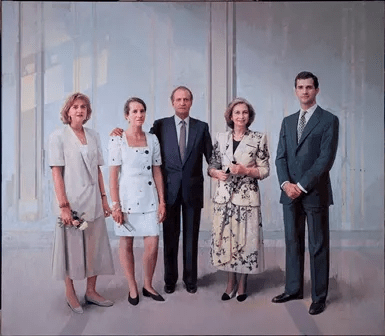
2014: La presentación de su gran cuadro «La Familia de Juan Carlos I»
Os dejo estas dos imágenes porque me interesaría que la búsqueda os lleve a encontrar mas y mas de este gran pintor español y por supuesto, si tenéis la oportunidad de visitar una exposición, no os la pierdan…
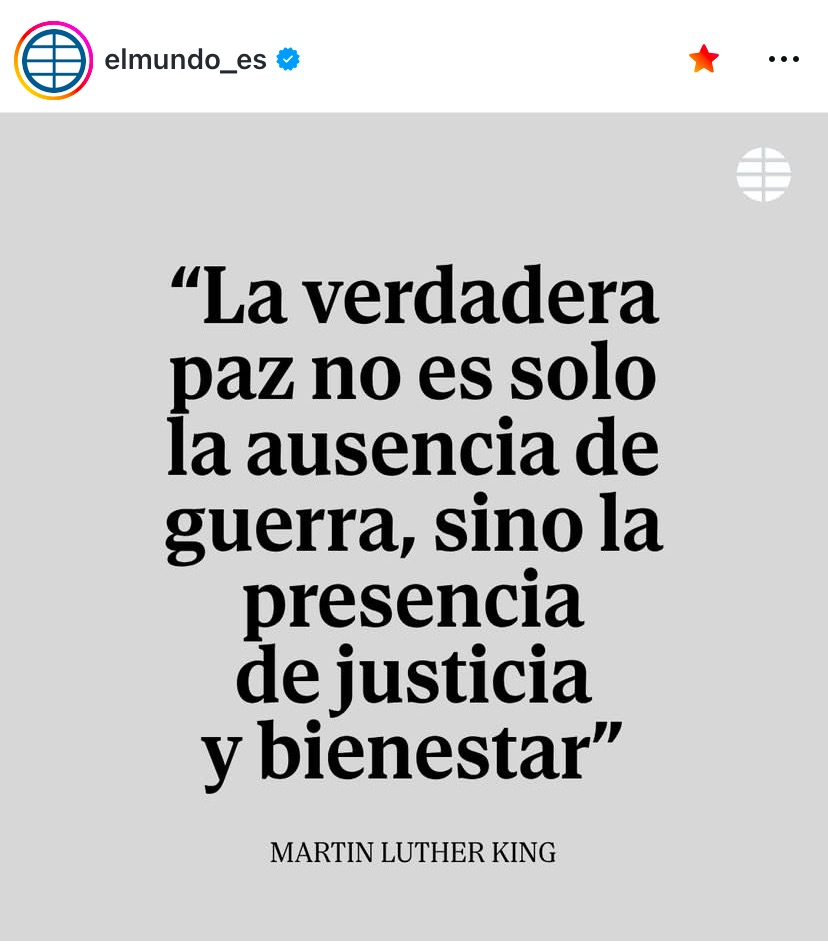
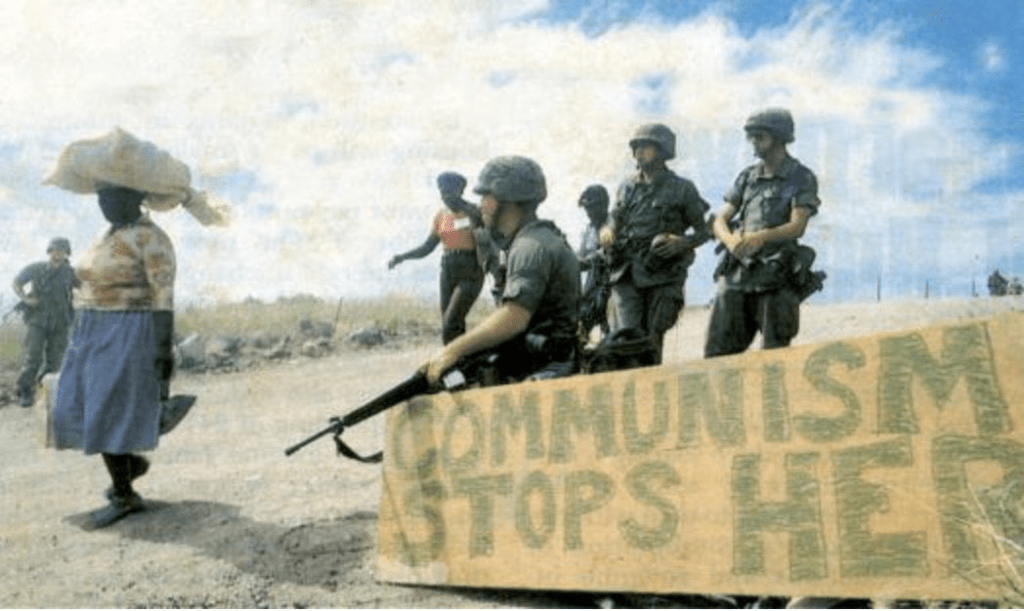
No vamos a pedir que se acaben las guerras si no que se declare la paz porque las guerras solo se acabaran cuando los hombres se quieran los unos a los otros y eso es algo que parece jamás ocurrirá…
+++
Let us not ask for an end to wars, the war ends when peace is declared and when men love each other, which is something that seemingly will never occur…
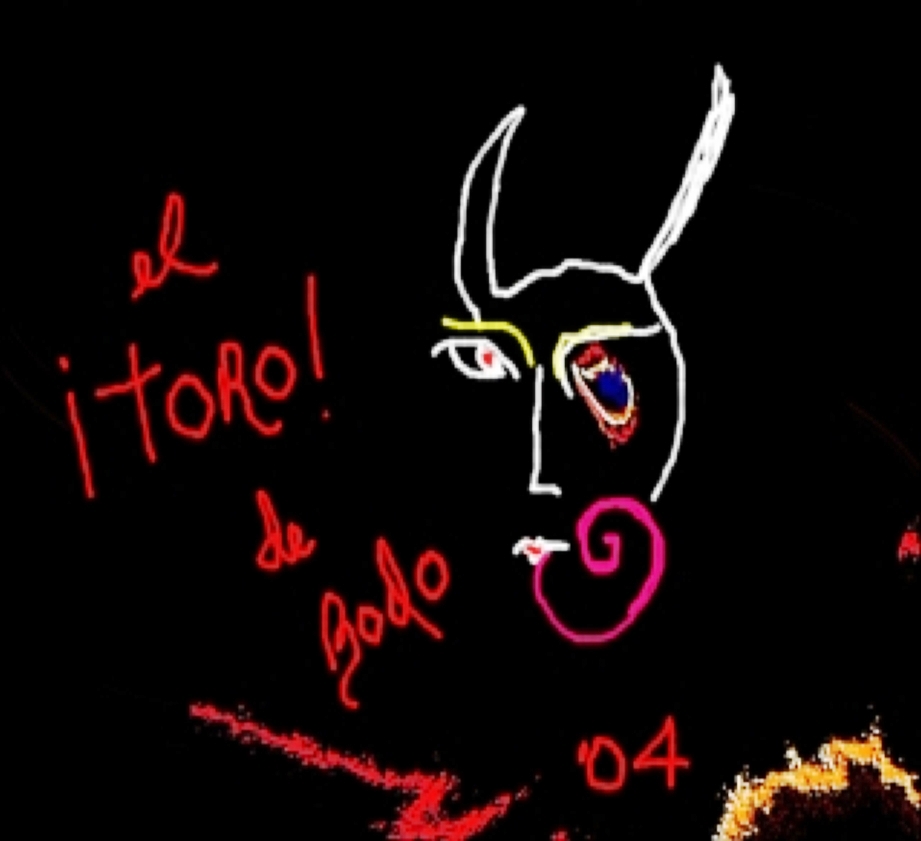
(«El Toro de Bodo ’04″/Francisco Bravo Cabrera/All Rights Reserved)
ART AND THE ARTIST
(Francisco Bravo Cabrera, while listening to the Sonata no. 9 by Beethoven)
Well, maybe I should rather say ART AND LIFE or THE ARTIST AND LIFE, something like that, I don’t know, I think it may have been a better title, but no, the one I’ve chosen I like…
Life, what is life? José Saramago in his book All the Names said: “Life is like paintings; it’s best to look at them four steps back.” Four steps… phenomenal.
The distinguished writer, whom I admire very much, has told us what life is similar to, but he has not told us what life actually is, nor why he relates it to paintings. Well, could it be that paintings are similar to life? I don’t think so, but anything is possible.
Paintings are representations. Nothing that is portrayed on the canvas, wood, or whatever surface the painter uses is truth. Moreover, I remind you that nothing in art is reality. The closest it comes is to a reflection, if the artist does it well, and if you immerse yourself in the painting, you may see something in it that you associate with real life. But you won’t find reality in any painting. However, if you’re lucky, you’ll see how the author has perceived it. A painting, like a movie, a play, or a ballet, lies. Finally, don’t delude yourself into thinking that you’ll find sincerity in art. Perhaps art is the most cynical thing on the face of the earth. Don’t doubt it.
And why do I tell you this? Because I am an artist. My professional and academic training taught me that reality is not art. Art feeds on reality, uses it, embellishes or tarnishes it, but always changes it. The actor does not feel what you think he is feeling when you see him in the theater or in a movie. Neither does the painter nor the poet. Yes, we all play with emotions, but as the great director and co-founder of the Moscow Art Theatre, Konstantin Stanislavski, said, “Raw emotion (human) is not art.” We play with real emotions, but the ones we represent are artistic creations, period.
So, why take four steps back? Frankly, I don’t know. Looking for a better perspective? Maybe…
But well, let’s see, what is an artist? The great masters of the European Renaissance did not consider themselves artists. They viewed themselves as craftsmen, men (and women) who had learned their trade well and had also been trained in other disciplines. Moreover, they painted not what they wanted, but what was commissioned by their great patrons, who were the church, royalty, nobility, and to some extent, the emerging bourgeois class.
It may have been Michelangelo who first considered himself an artist, but that’s debatable. The thing is that artisans and craftsmen began to turn into artists. Once they were artists, they could choose the themes they were going to paint, and the subject matter shifted from biblical scenes and portraits of kings to something more casual, everyday, and completely secular. Art began to gain value, and collectors emerged. Then came the museums, and with them, art history started to be written. In 1793, the Louvre Museum was founded in Paris, the Prado Museum opened its doors in Madrid in 1819, and the Metropolitan Museum of Art in New York in 1870.
That’s how things began to change. The avant-gardes of the 20th century came along, and art took on previously unthinkable directions, causing artists to evolve. But now, after the great artistic milestones of geniuses like Picasso and Matisse, artists no longer know what to do. They seek to experiment, draw attention, shock, alarm, scandalize, and even offend. They also enjoy making people think they are exceptional beings with almost supernatural abilities. But don’t you dare believe that; it’s all nonsense.
Artists today are neither geniuses nor avant-garde. Everything has already been done, so don’t think that for art to be good it has to be original because nothing is original anymore in art. A good artist, as Picasso said, imitates, but a brilliant artist steals. However, what they have stolen is transformed into something better. And I remind you that we create art for only one reason: to earn a living. Nobody enters a studio for ten hours a day, painting like a madman, for the love of art. We do it because we want to sell our work. And if they talk to you about inspiration, don’t believe it either. It’s a myth, nonsense, a fairy tale, a con trick. The artist works and dedicates themselves to their craft not because a muse with magical powers has inspired them, but because they are hungry.
Perhaps a better title would have been The Great Deception…
 JaZzArt en València