
Sara is from Wales. She is a fab friend from the blogosphere, a painter and a writer. Since I am so sure you will find her quite interesting, I will …
Interview With the Artist Sara Allwright
Please follow the link to read the interview/article.
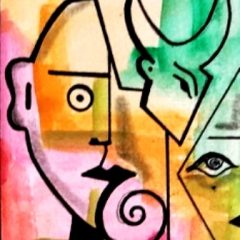
Faith saved us from the savages that we were, losing faith makes us savages again
Sara is from Wales. She is a fab friend from the blogosphere, a painter and a writer. Since I am so sure you will find her quite interesting, I will …
Interview With the Artist Sara Allwright
Please follow the link to read the interview/article.
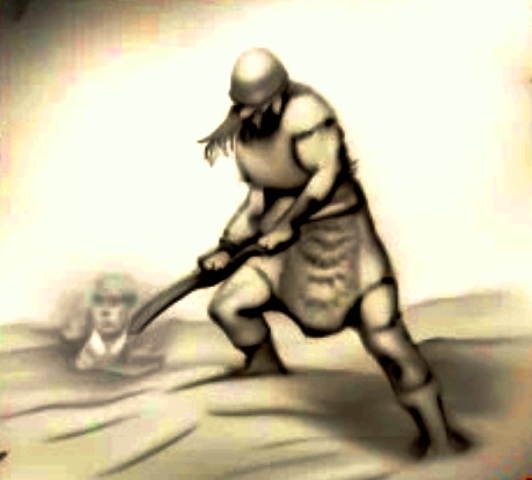
DEACON 11
“Thou Shalt Not Kill”
Well, I knew he had been a soldier, so this has to be good…
“The Sixth Commandment: ‘Thou shalt not kill’, (Exodus 20:13) can be a legitimate source of confusion to many believers, and of course, non believers use it to point out the incongruence of the Bible as a whole. But here is what happens. Moses tells the Israelites that God has given them ten commandments and number six is ‘thou shalt not kill’. But at the same time he tells them that God has commanded them to fight, and kill, every last inhabitants of the land of Canaan, for that land is to be their promised land (Deuteronomy 7:1-2). How about that?
So yes, it does make one think about what is really going on. Answers? I don’t have answers, the best I can do is formulate questions. And since those days nothing has stopped the fighting and the killing. Jesus himself spoke of wars, and specifically of carrying a sword (St. Matt. 24:6-8/St. Luke 22:35-38). Can it be that the commandment not to kill actually means something different than what we are reading and attempting to understand?
When at war soldiers are ordered to kill. As a matter of fact, a soldier is a trained and armed killer functioning in an army fully equipped to bring death and destruction to others, i.e. the enemy. Are soldiers in violation of the sixth commandment? You tell me, I don’t know. Is it that when we read the words ‘Thou shalt not kill’ we are supposed to replace ‘kill’ with ‘commit murder’? Is this just a bad translation? And if the translators knew of this confusing statement why didn’t they just write it as they would want us to know and follow it?
But mysteries abound in such old books written in archaic languages and translated a dozen times along the way. So the most practical way of looking at the sixth commandment is to take it to mean that one should not take another’s life indiscriminately. But should it come down to self-defence, or to defend one’s homeland, one can…and should…certainly kill as many of the enemy as one can. No sin committed, all is well spiritually. And I am not being facetious. Jesus said he came to bring not peace but a sword, (St. Matt. 10:34-39). And as far as I know a sword in those days is like an AK-47 in ours.
So, then what is the true meaning of the sixth commandment? I would say one has to use one’s judgement, and one’s principles, to adhere to it and obey it either word for word, or to re-interpret it to fit particular conditions and situations one may encounter, or be forced to encounter in one’s life. I think God has given us a brain to think and intelligence to draw parallels and make decisions.
But the truth is that there is way too much killing in the world today. Weapons of mass destruction in the hands of armies, military assault rifles in the hands of children, handguns in ladies purses and a willingness to use it as a first resort. And that has to stop. I understand that in some countries cities have become corrupted and violent and people have to defend themselves. But there has to be another way.
Alienations of many in society because of poverty, homelessness, mental illness or other unfortunate circumstances can and do drive many to a life of crime. These people can commit violent crimes against others. They are not trained or equipped to work alongside productive members of society and instead think they have the right to take what others have struggled and laboured for. Decent, hard working people need not become prey for these criminal predators. The structures of society have corrupted enough that police forces cannot, and at times will not, confront criminals.
So, do you take the law into your own hands? What does the sixth commandment mean to you?
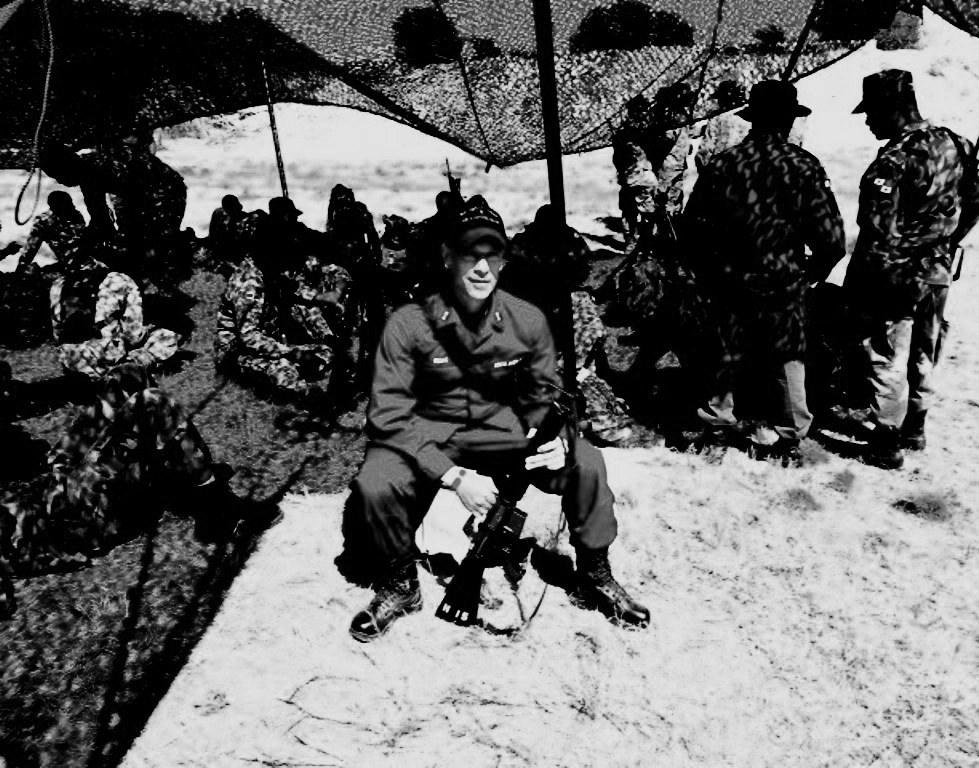
Steel pots on and rifles ready,
eyes wide open,
moving steady,
panoramic sights in view,
no tunnel vision
all is new
in this land
where feet are travelling
jungles, trees,
and death unravelling
in a most peculiar fashion,
hand grenades ready for action
as we move beneath the branches
filled with green and orange fruits
we’re filling all the daylight hours
by being just intrepid youth,
that carved our names on nameless trunks,
when we was punks…
Searching through the light of day
enemy footsteps near the bay,
or was that just a mere lagoon
reflecting rays of foreign moons
in a forest never ending
on a path that’s steady bending
towards a clearing where the sun
reveals those that before have gone
just like us upon this trail
that lead those that have won or failed
to meet objectives
carved in stone
or tattooed on their very bones,
but on we journeyed
like hooded monks,
when we was punks.
C.2025 – Francisco Bravo Cabrera – 13 MAR 2025 – Valencia, España
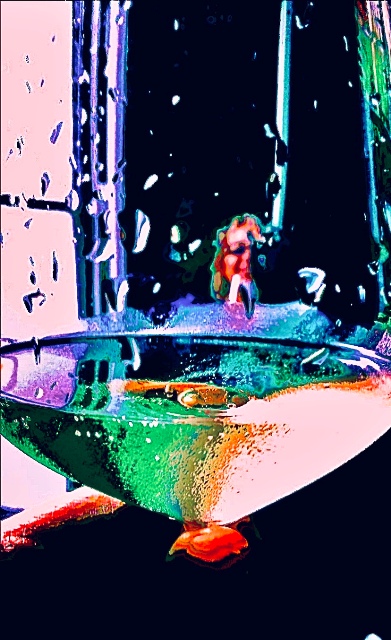
Omnia Caelum Studios Valencia is very happy and proud, to introduce to you a new artist coming to join us. She goes by the name of GAB and she is an abstract painter who mostly creates her abstract world on glass, mainly bottles. These are the bottles of fine Spanish wine that we drink here at VALENCIARTIST and that later she uses it as the support for her work.
WELCOME!

ENJOY SOME OF HER WORK ON BOTTLES:
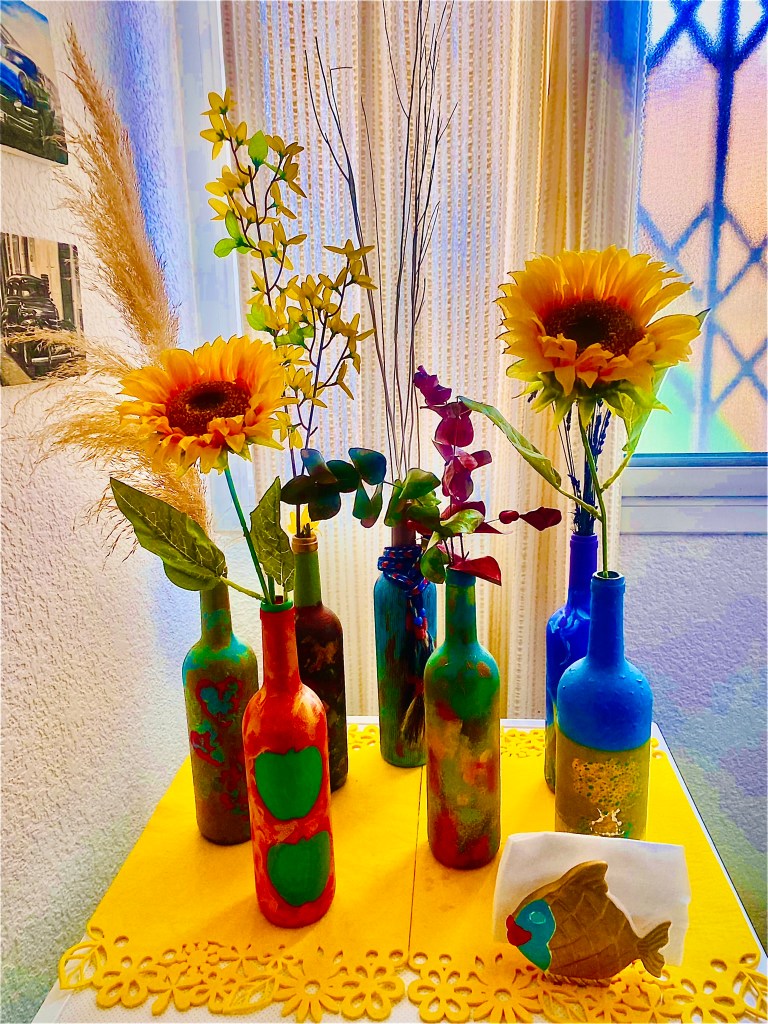

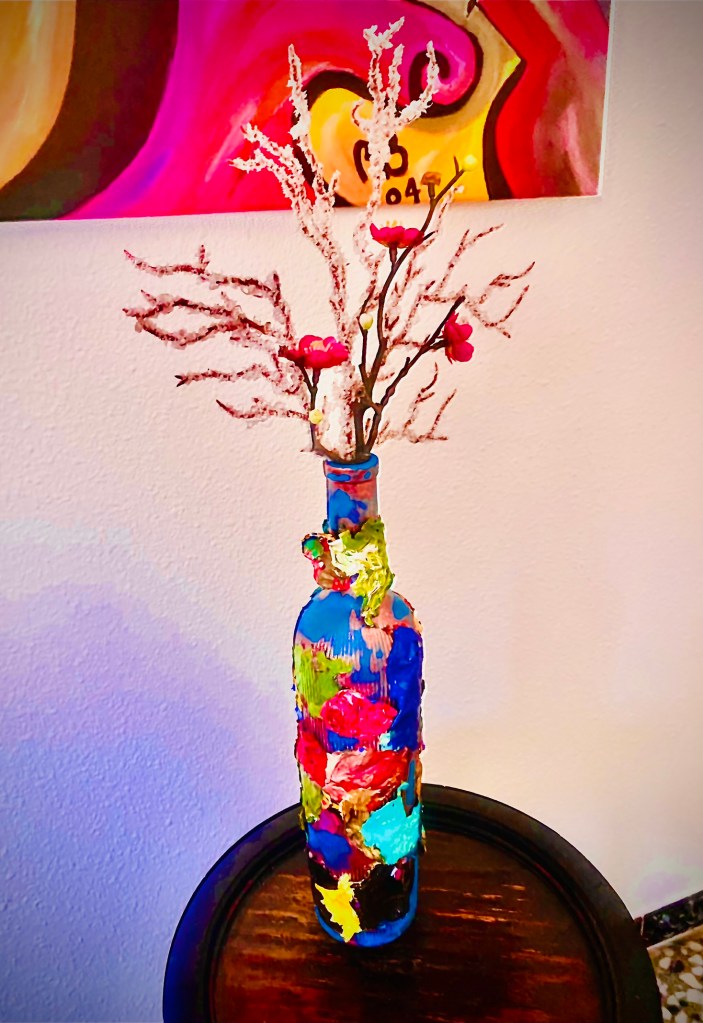
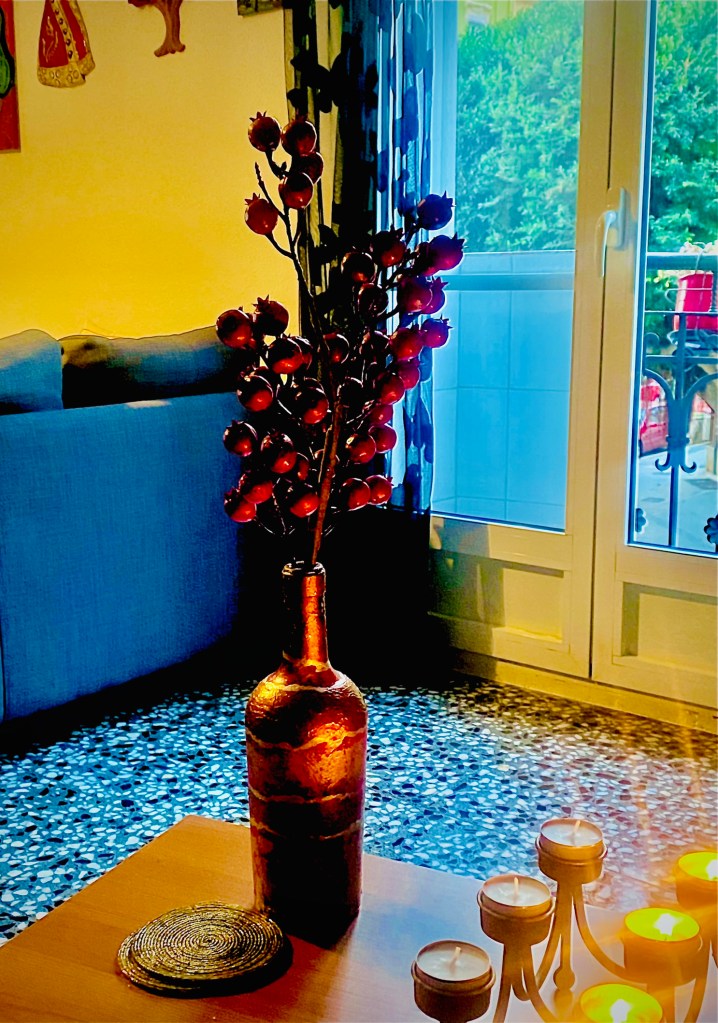
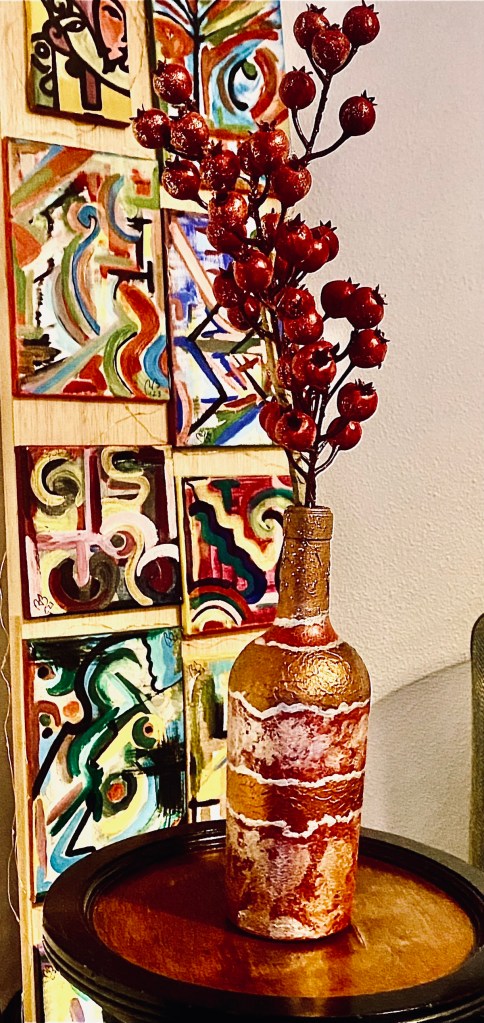
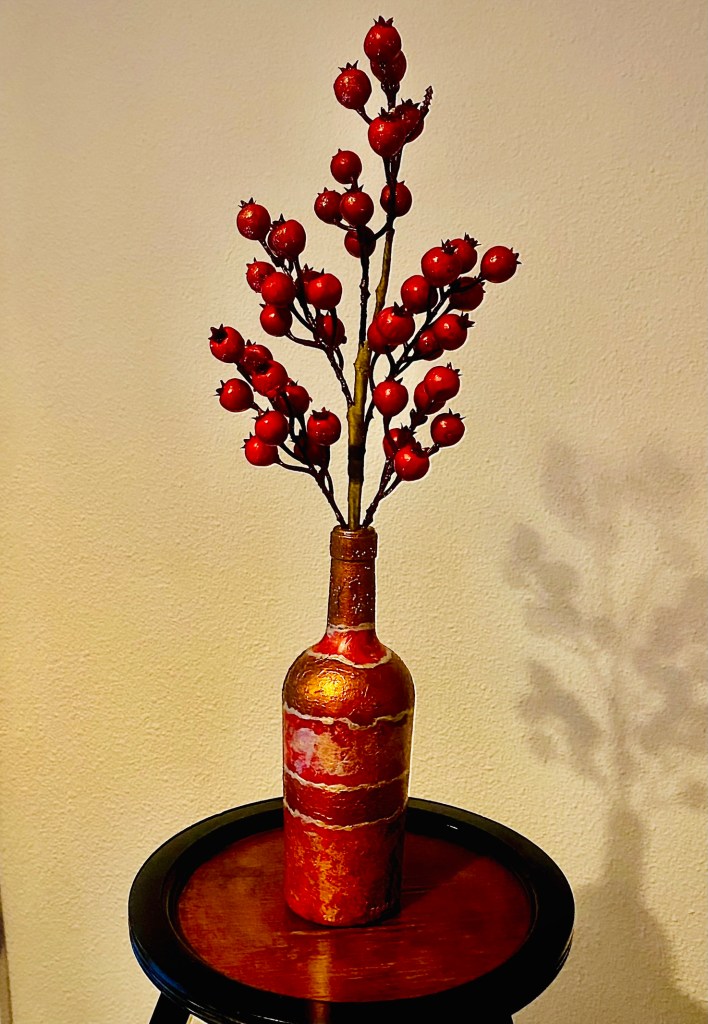
On the next entry we will feature some of her paintings…
CHEERS

To one who saved my life one day,
from somewhere close, but far away,
with care and thought and expert skill,
one shot one kill
18 NOV 2022, Francisco Bravo Cabrera, Valencia, España
(photo by Myra, US Collaborator, Omnia Caelum Studios Valencia/All Rights Reserved)
++++++++++++++++++++++++++++++++++++++++++++++++++
An Euro-Ku is what I call a Haiku done by a Westerner with a Western mentality but recognising and utilising the Eastern form of poetry and philosophical expression. In other words, adapting it to our way of thinking.
The Euro-Ku, as well as the Ameri-Ku (same idea but with an American mentality), must also contain three lines, however they can be as long as the writer needs or wants them to be. One important difference is that they must tell a clear, and simple story or complete thought. They must paint the picture with words clearly and with a fluid form of expression. Objectivity is the ideal here. Lastly, it must include a photograph or picture, original or done by someone who has ceded their rights to you that somehow, directly or indirectly refers to the text of the three lines.
That is basically it. The rules of the Euro-Ku and I invite anyone to try it. You poets out there might like it. It is something different and poetry, like all other art forms, is the search…
(FBC, Omnia Caelum Studios Valencia)
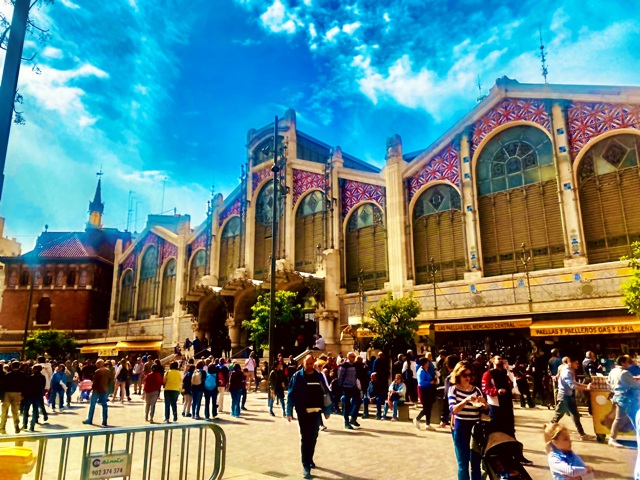
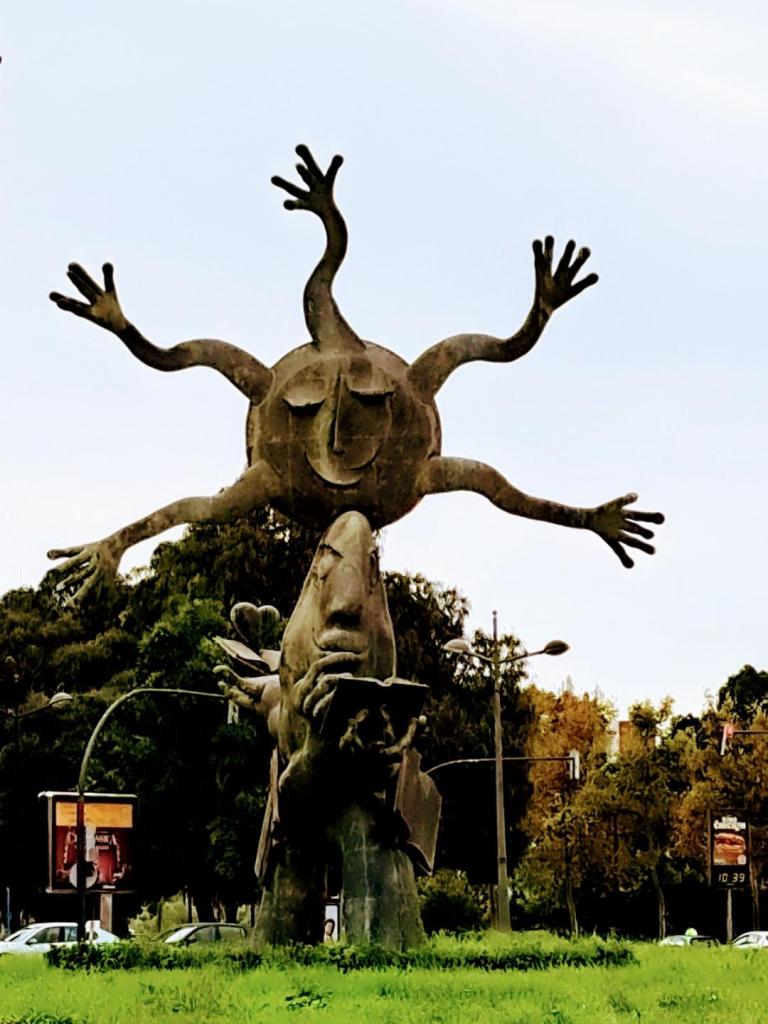
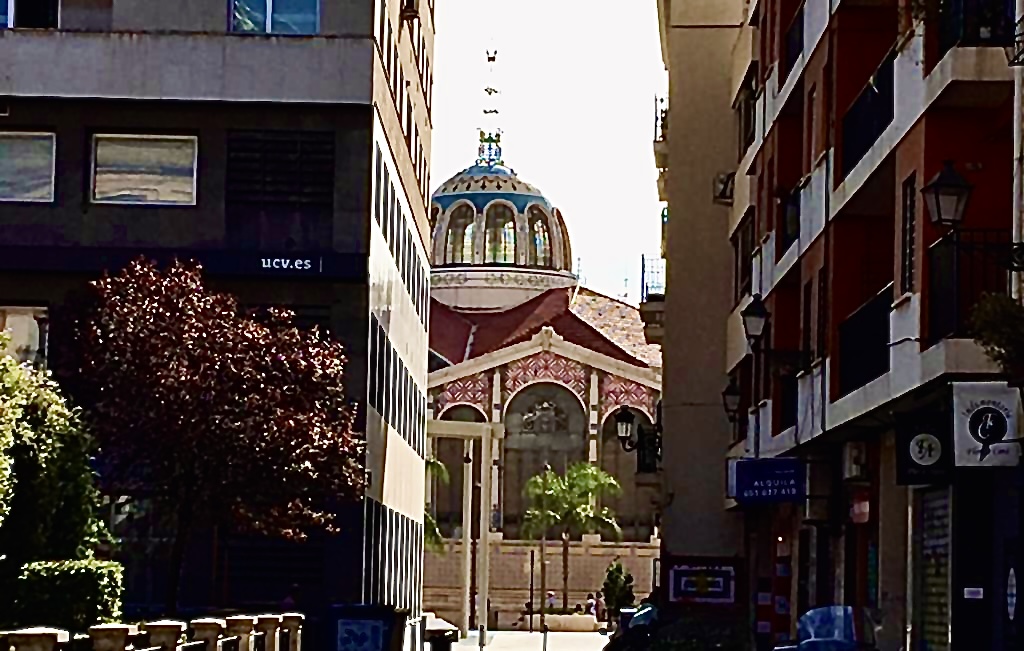
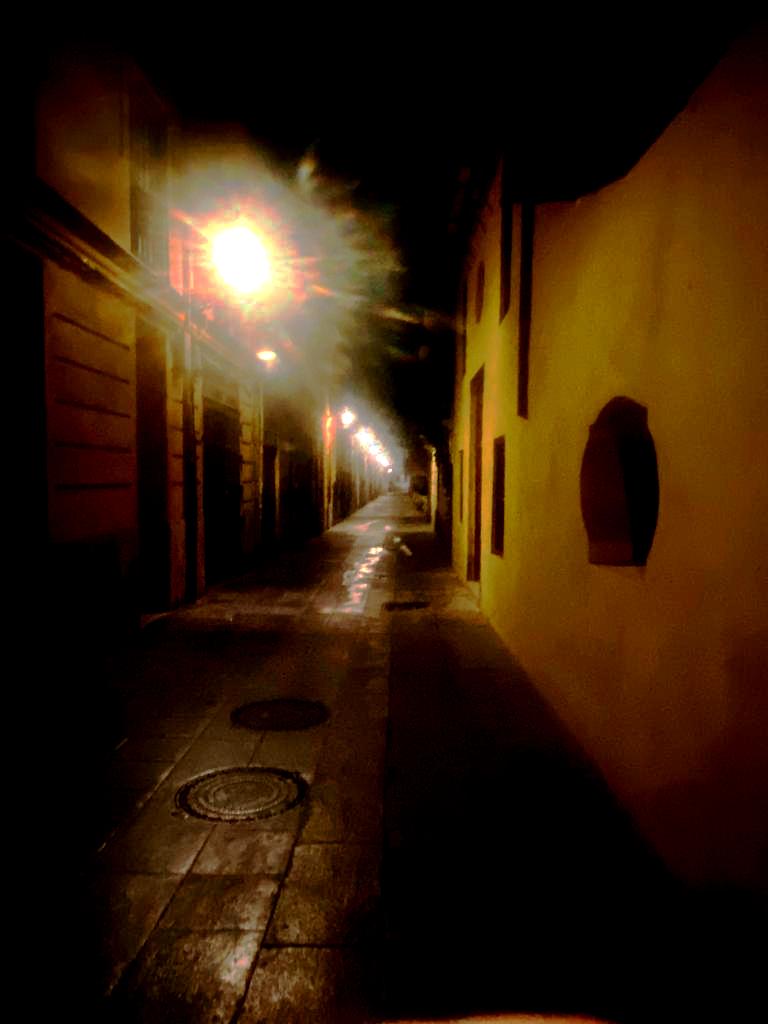
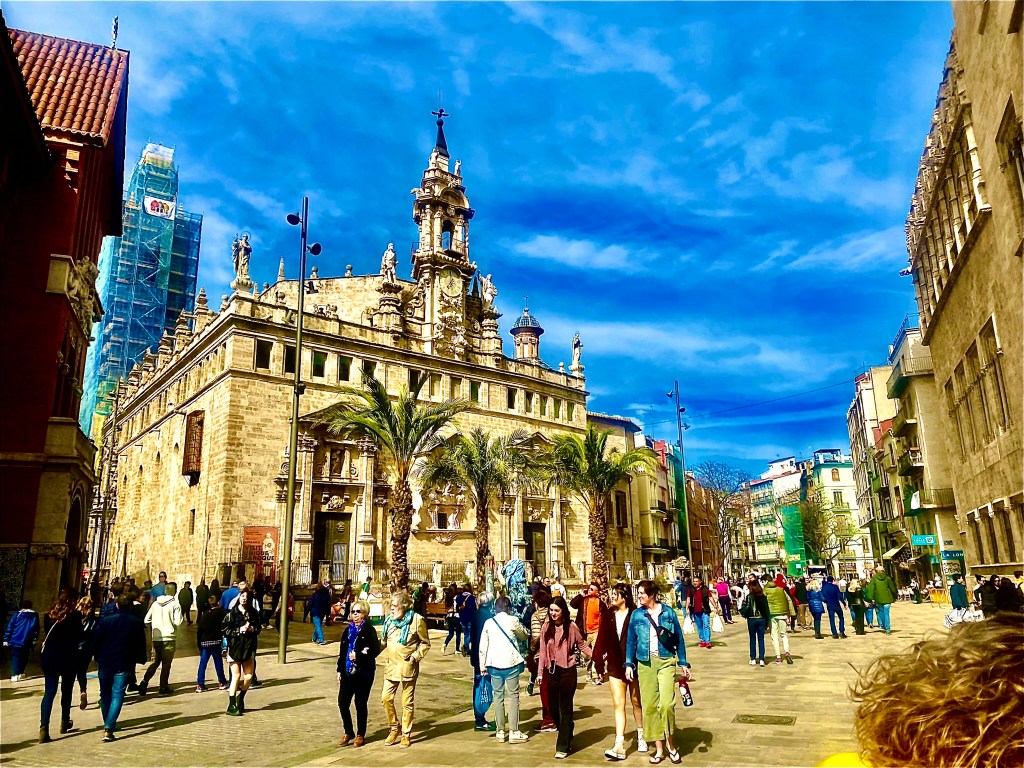
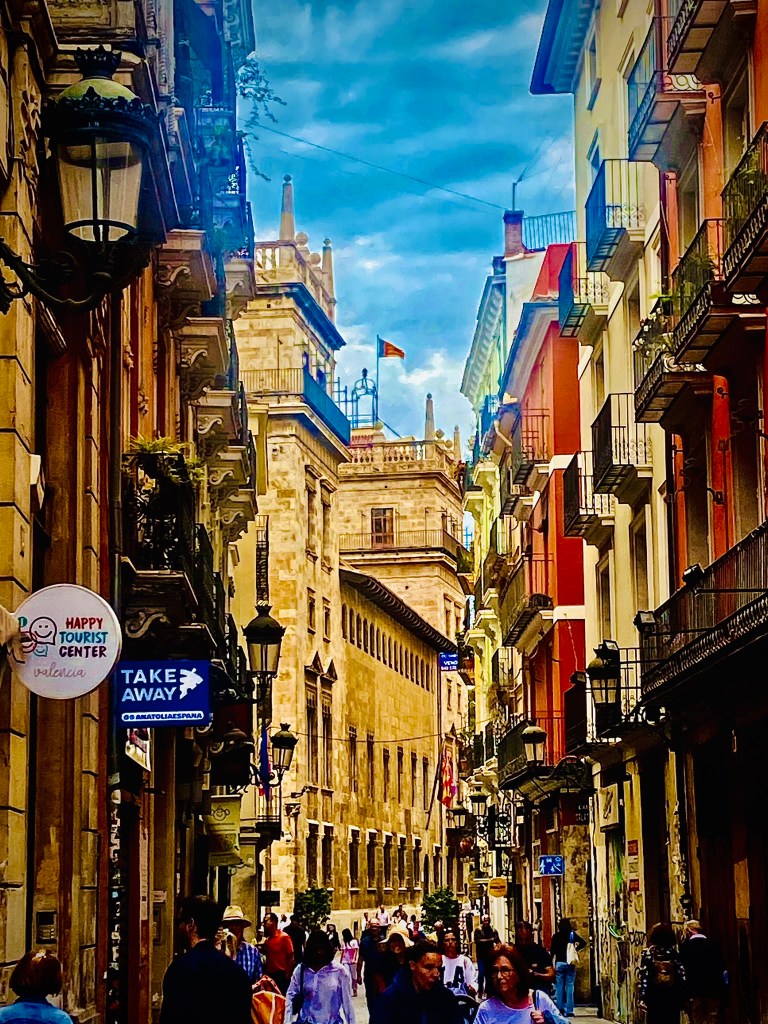
A veces sueño con los paisajes de mi ciudad y no se si los estoy viendo o los estoy imaginando. Pero la imaginación se nutre de lo que uno experimenta y vive, de lo que uno prueba y ve y de lo que uno lee y estudia…
+++
Sometimes I dream of the the sights of my city and I am not so sure if I am seeing them or imagining them. But the imagination is substantiated by what one experiences and lives, by one tastes and sees and by what one reads and studies…

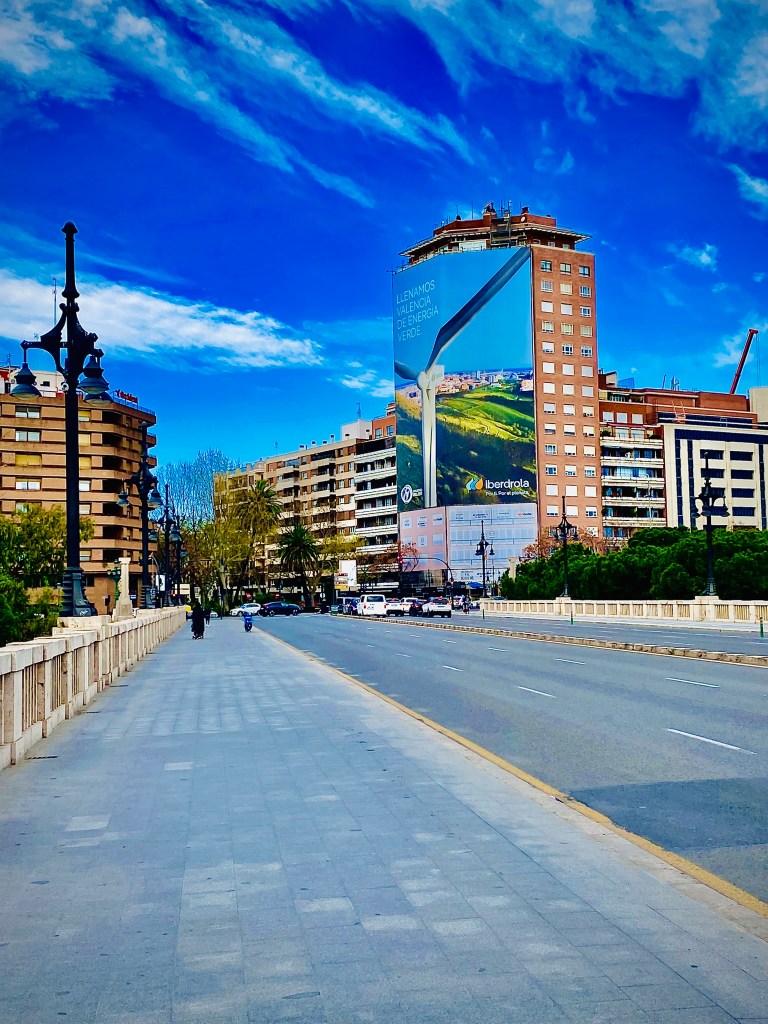
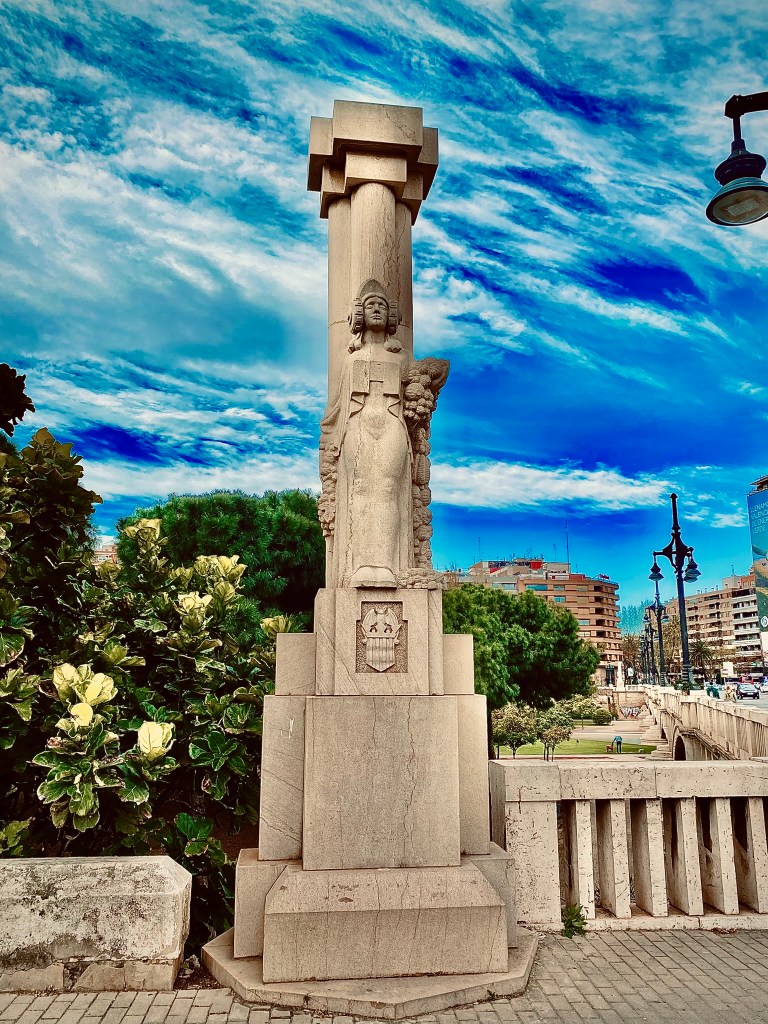
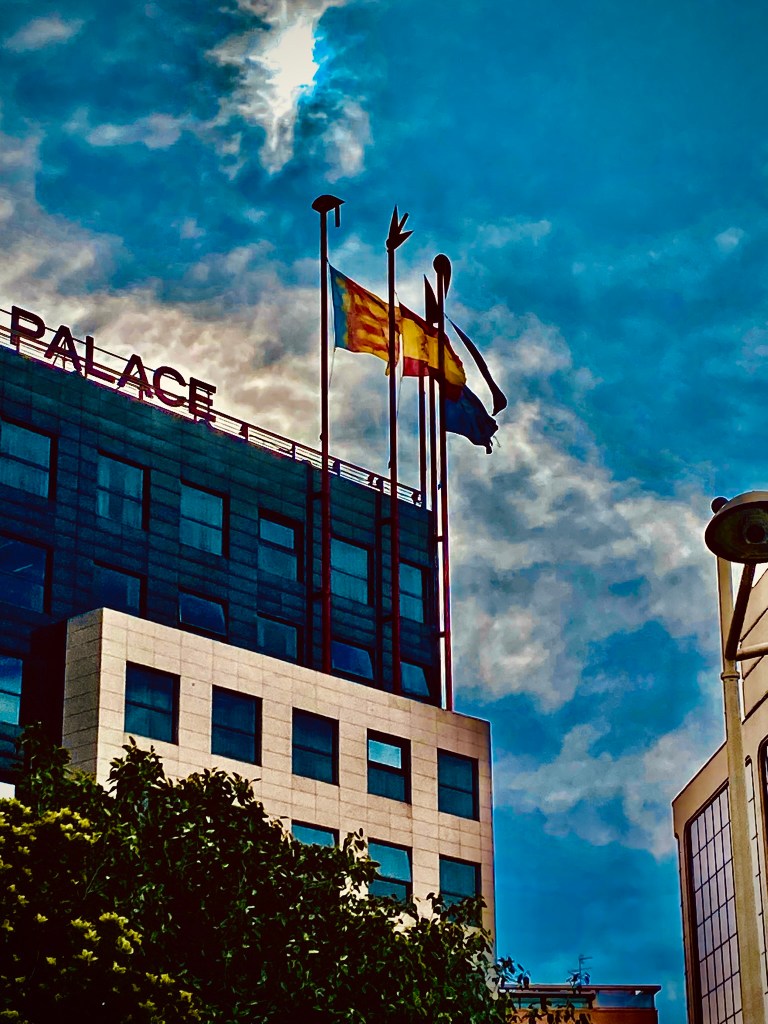
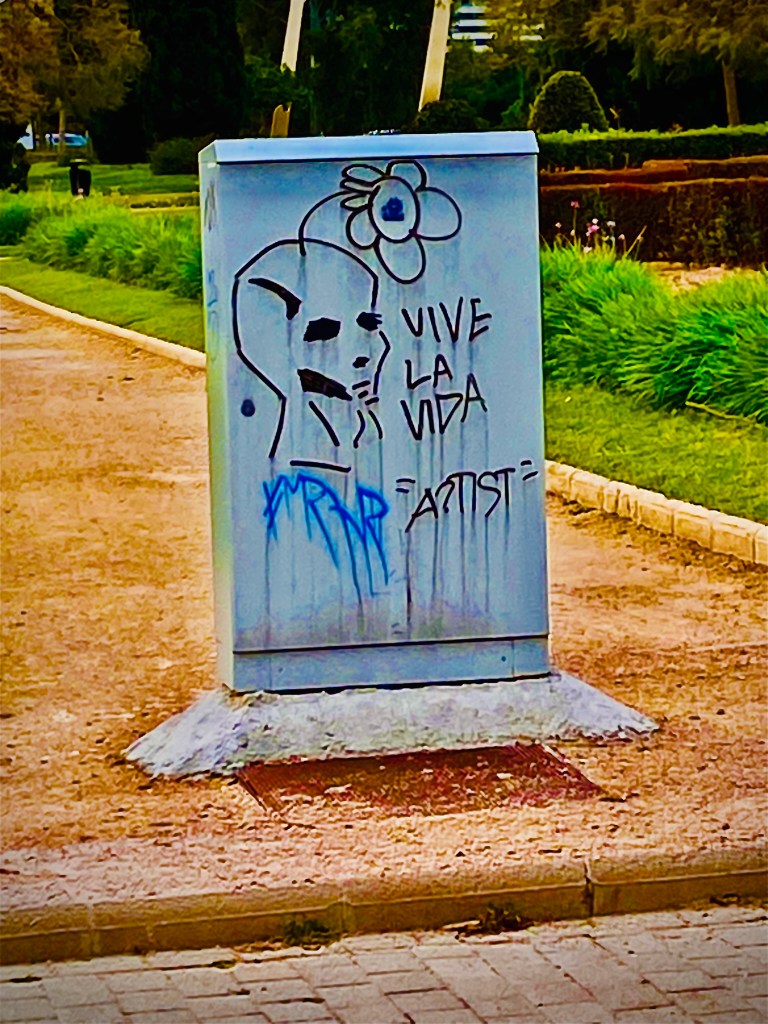
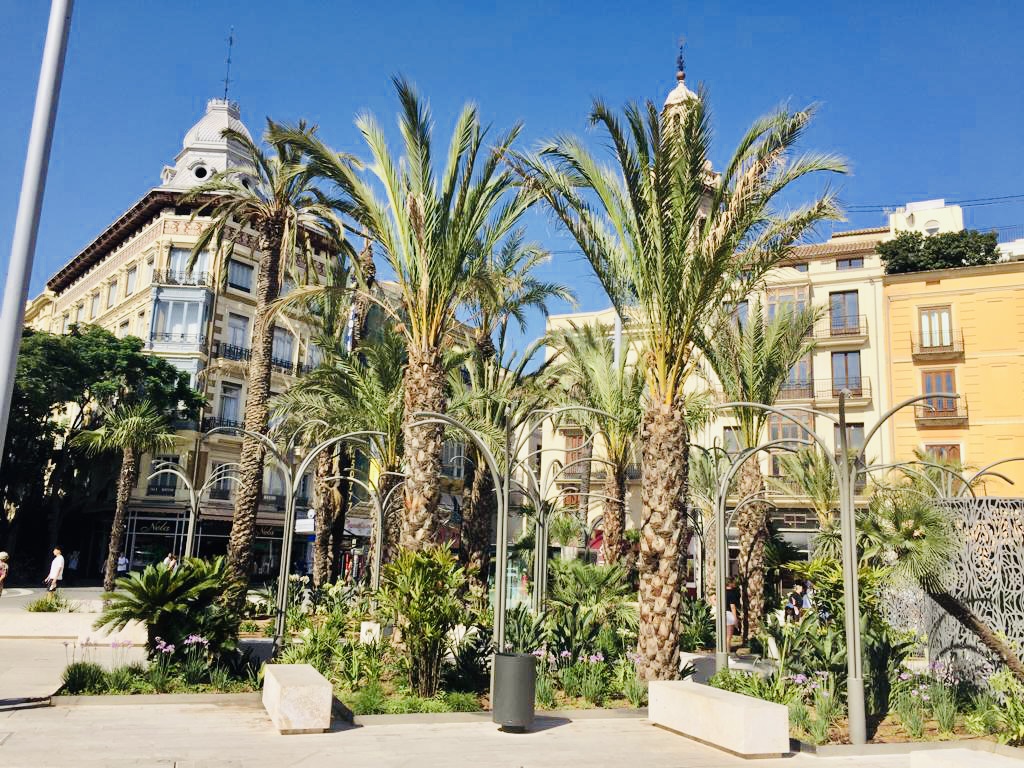
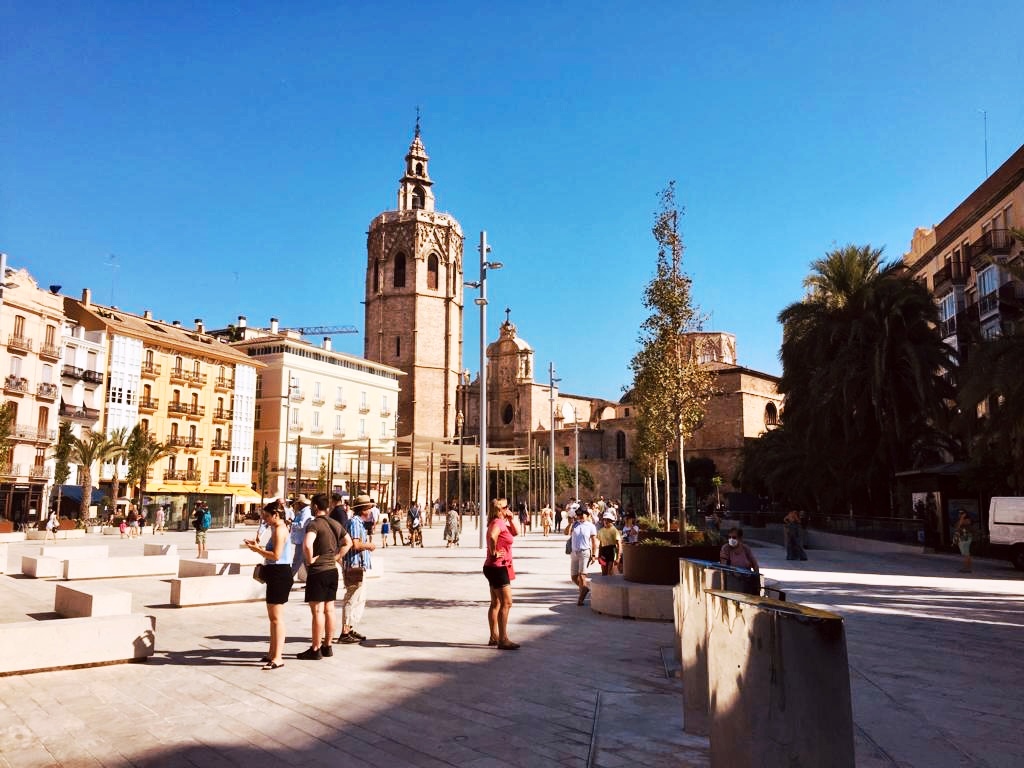
A city is like a glove, it either fits perfectly well or it will be too large and fall off one’s hand or too small and will not allow one’s fingers to enter. So a city must be perfect for one’s soul and spirit to truly engage and one’s endeavours succeed…
+++++
La ciudad nos tiene que venir como anillo al dedo, si el anillo es muy grande se nos caerá y si es muy pequeño no entrará en el dedo. La ciudad tiene que ser de la medida perfecta para que nuestro espíritu surja y para que todo lo que hagamos cobre éxito...
GRACIAS – CHEERS
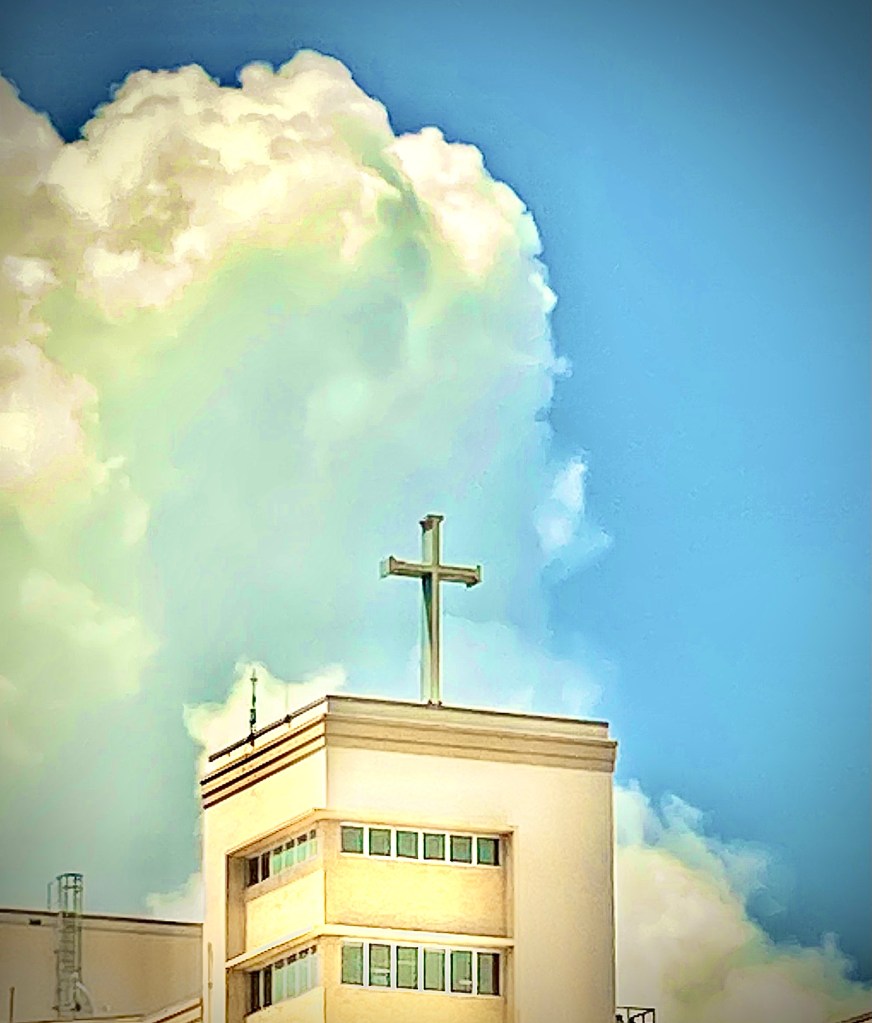
To teach that man is not to ask for service but to give,
and through serving your brother you’ll always succeed,
strength came into this world with words of peace, to make a way for love who all can reach.
C.2022, Francis Bravo Cabrera, 13 JUN 2022, Miami Beach, Florida, USA

there are things in the sky that we know nothing about (and yes, I know what «experts» say. Good grief experts!). Science always proffers the «official» story and it is usually complex, convoluted and cockamamie. I would be more inclined to believe what I can see, hear, smell and feel. After all, as humans we were born with these senses for something. So, I think the sky is a huge ocean and we are bottom dwellers, and no matter how much we dream of reaching the surface we cannot… And reference space, l believe what the Red Hot Chili Peppers said: «Space may be the final frontier but it’s made in a Hollywood basement.»
What do you think…
CHEERS

Clicca sul link per leggere le poesie
GRAZIE

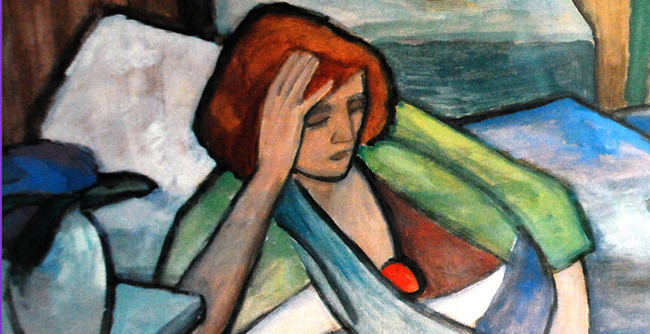
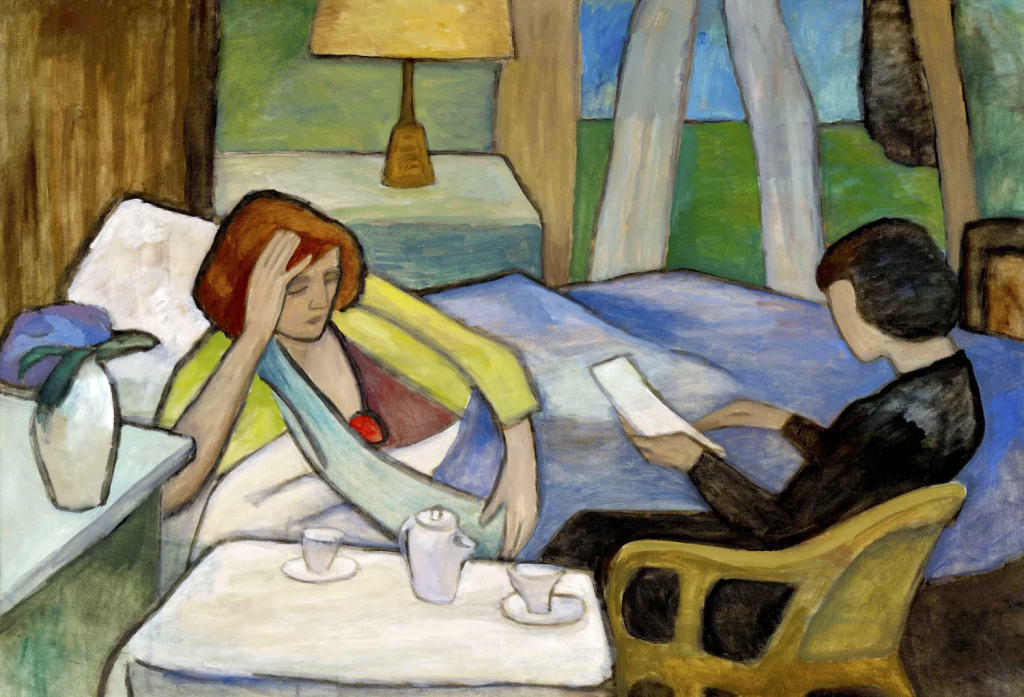
Como de costumbre, destacando a mujeres artistas que a mi no me presentaron en la facultad y debieron de haberlo hecho. Tantas mujeres artistas que han contribuido, y mucho, a la historia del arte y han sido pintoras importantes y famosas (en ciertos circulos), no pueden quedarse en el olvido.
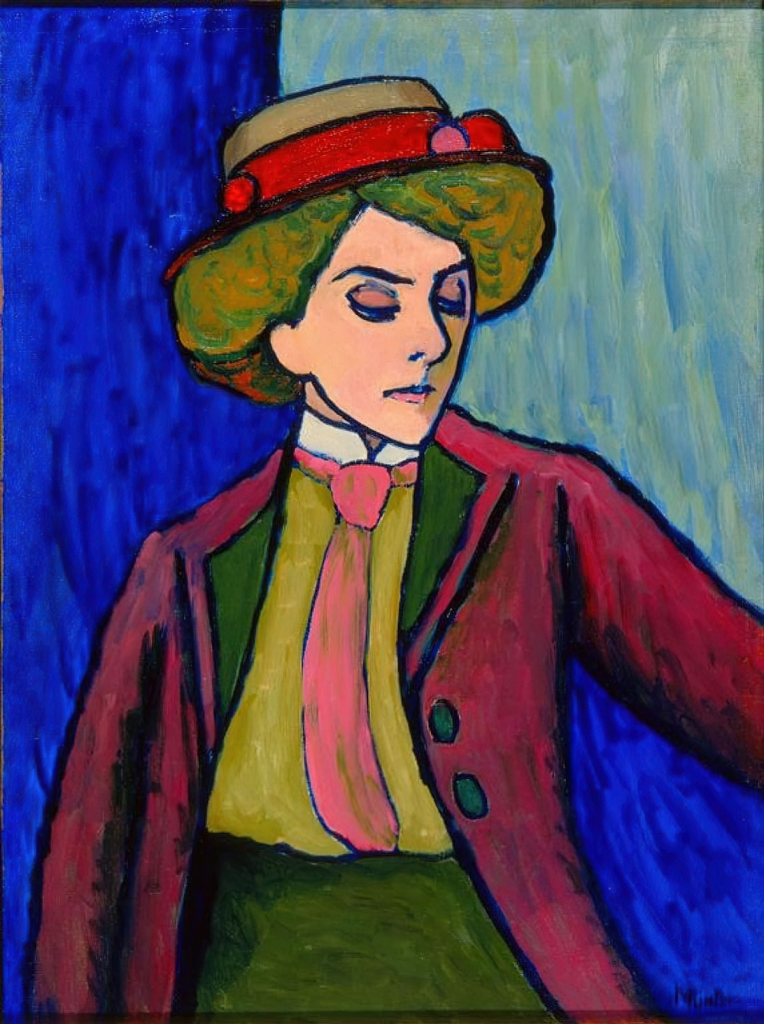
Hoy os hablo de Gabriele Münter, la que fue, entre unas pocas féminas, importante en el desarrollo del expresionismo alemán. Pero quizá la quieran meter en la historia solo por haber sido la amante de Wassily Kandinsky. Participó en muchos de los movimientos artísticos de Munich y también en el grupo Der Blaue Reiter (El jinete azul).
Gabriele nació en Berlin en 1877 y a los 20 años comenzó a dar clases de arte en Dusseldorf. Se trasladó a Munich en 1901 y cuando intentó ingresar en la Academia de Bellas Artes de Múnich se encontró con la realidad de que no admitían mujeres. Pero entonces, aburrida de las escuelitas para mujeres, buscó su camino, y su futuro, en el grupo y escuela de Kandinsky, Phalanx.
Münter creo su propio lenguaje en el arte. No unía los colores, si no que los iba separando con…el poder de…la linea negra. Fue miembro fundadora de la Neue Künstlervereinigung München (La Nueva Unión de Artistas de Múnich), grupo que había iniciado Kandinsky y que incluía a los mas importantes artistas del Der Blaue Reiter.
Como siempre os digo, hay mas, mucho, mucho mas, así que tenéis tela marinera. Gabriele Münter murió en 1962.
+++
As usual, I am highlighting women artists who were not introduced to me at university and should have been. So many women artists who have contributed significantly to art history and have been important and famous painters (in certain circles) cannot be forgotten.
Today I’m talking about Gabriele Münter, who was, among a few other women, important in the development of German expressionism. But maybe some want to put her in history just for having been the lover of Wassily Kandinsky. She participated in many of the artistic movements in Munich and also in the Der Blaue Reiter (The Blue Rider) group.
«Münter created her own language in art and an interesting style. She didn’t blend the colours, but rather separated them with…the power of…the black line. She was a founding member of the Neue Künstlervereinigung München (The New Association of Artists in Munich), a group that had been initiated by Kandinsky and included the most important artists of the Der Blaue Reiter.«
Like I always say, there is more, much, much more, so I leave you to your research! Gabriele Münter died in 1962.
Take a look at other women in art…
GRACIAS CHEERS GRACIAS CHEERS GRACIAS CHEERS

 JaZzArt en València