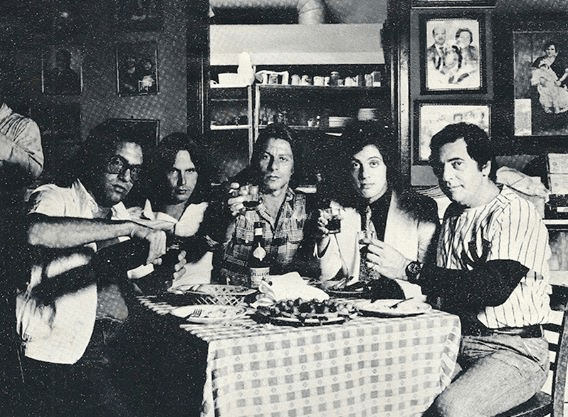
(Image source: One Final Seranade/Unknown photographer at an Italian restaurant in Manhattan)
«Scenes From An Italian Restaurant», from the 1977 The Stranger album… an incredible tune by one of my faves from the 1980’s. His music was so New York it made me feel like I never left Manhattan, Brooklyn or Queens after I had relocated to Miami… Rolling Stone magazine ranked «Scenes From an Italian Restaurant» number 34 in the top 100 songs of all time… It is a long song, over seven minutes and according to Billy Joel, it was influenced by the second side of Abbey Road by the Beatles. Phenomenal reference… It could be, according to Joel, that the song was inspired by: Fontana di Trevi on West 57th Street, opposite Carnegie Hall in New York city, and Benito Two on Mulberry Street (Mulberry Street, my oh my, the memories!) in Little Italy, Manhattan…
(Billy Joel 1987 Michael Putland/Getty Images)
I hope you enjoy this seven minute epic by one of the greatest singer-songwriters, pianist, musician, well, Billy Joel…
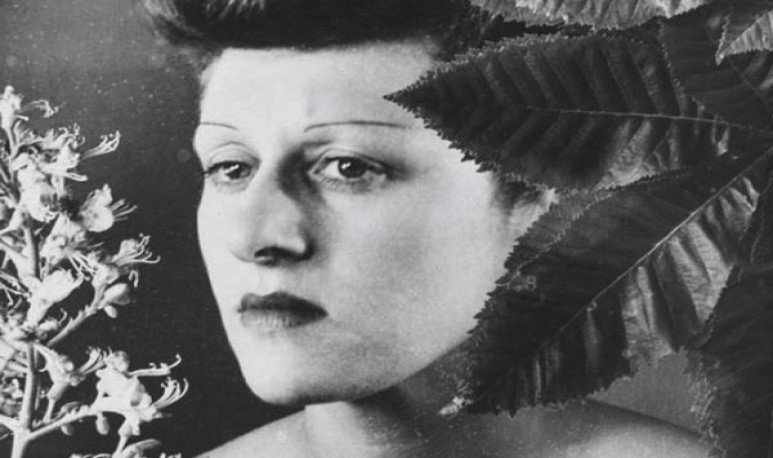
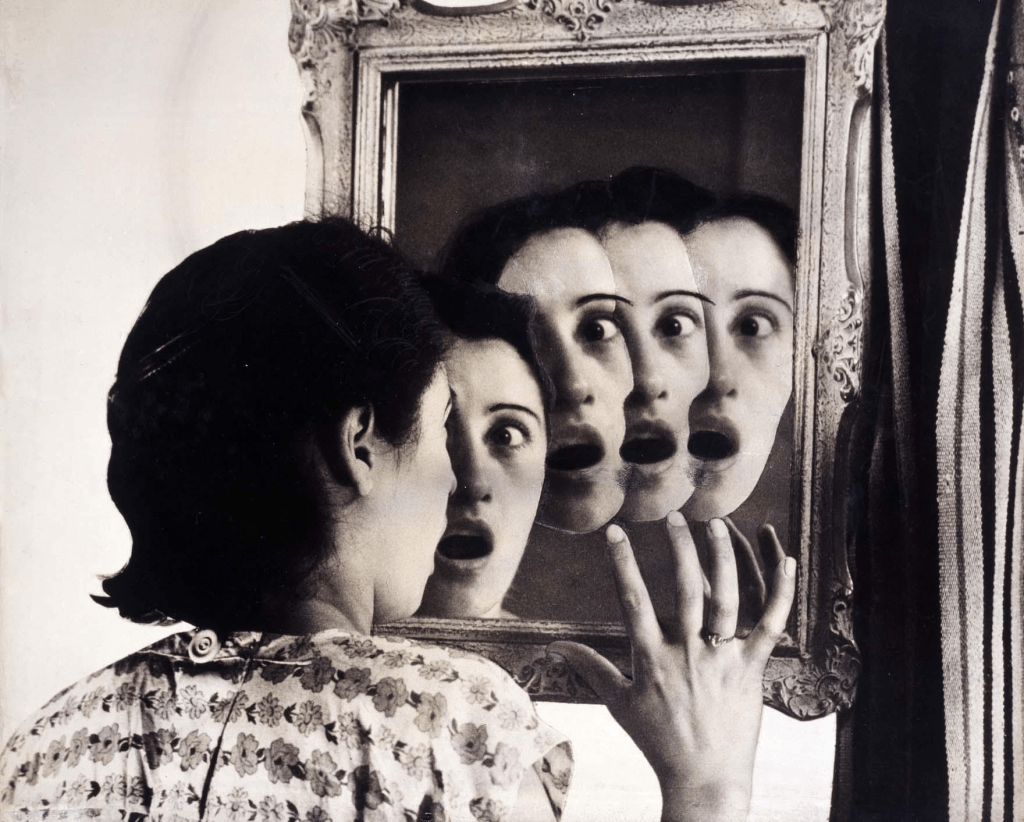
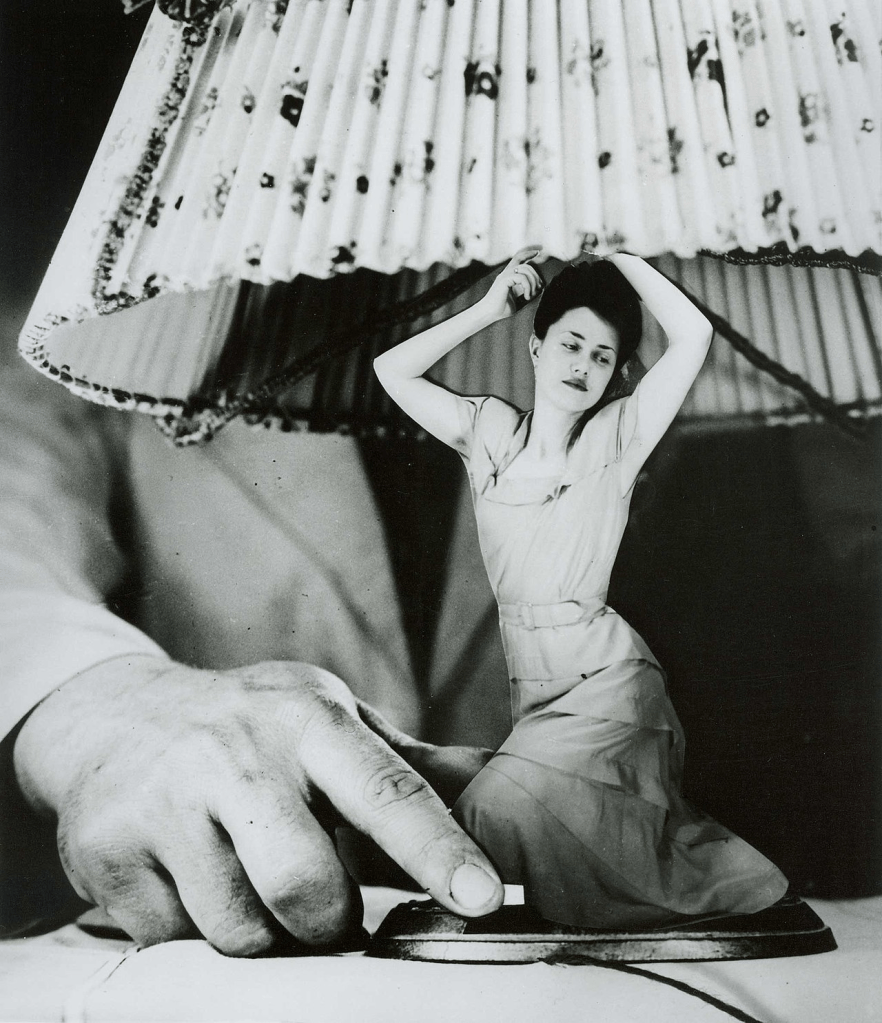
Lo primero que os diré es que esta fenomenal diseñadora y fotógrafa jamás me la mencionaron en la facultad y es brillante… Grete Stern nació en Alemania en 1904 y estudió en la Bauhaus… Como era judía e izquierdista, a la llegada de Hitler, tuvo que abandonar Alemania. En 1934 se trasladó a Londres y abrió un estudio… Pero se comprometió con un cineasta argentino, que conoció en la misma Bauhaus, y en 1935, ella, y su afianzado, Horacio Coppola, (fotógrafo y cineasta argentino), partieron para Buenos Aires. Grete, que adoraba ese país y a esa ciudad, solicito la nacionalidad argentina y se la otorgaron en 1958… Y ahora, venga, lo más fenomenal, definitivamente, pues la casa de Grete y Horacio en Buenos Aires era sede de grandes tertulias y de encuentros con grandes intelectuales como Pablo Neruda, Jorge Luis Borges y Renate Schottelius, la bailarina que trajo la Danza Moderna a la Argentina, Clement Moreau, además de los internacionales quienes retrató como Bertolt Brecht… Stern recibió el Premio Konex (1982) – Diploma al Mérito, colocándola como una de las 5 mejores fotógrafas de la historia en la Argentina. Pero debido a un mal ocular en 1985 abandonó la fotografía… Grete Stern murió en 1999 en Buenos Aires.
(Grete Stern/Image Source: Galería Vasari)
+++
The first thing I will tell you is that this phenomenal designer and photographer was never mentioned to me at Uni. And she is brilliant… Grete Stern was born in Germany in 1904 and studied at the Bauhaus… As she was Jewish and leftist, upon Hitler’s arrival, she had to leave Germany. In 1934, she moved to London and opened a studio… But she became engaged to an Argentine filmmaker she met at the Bauhaus, and in 1935, she and her partner, Horacio Coppola (an Argentine photographer and filmmaker), left for Buenos Aires. Grete, who adored that country and city, applied for Argentine nationality, which was granted to her in 1958… And now, here comes the most phenomenal part, as the house of Grete and Horacio in Buenos Aires was the venue for great gatherings and meetings with prominent intellectuals such as Pablo Neruda, Jorge Luis Borges, and Renate Schottelius, the dancer who brought Modern Dance to Argentina, Clement Moreau, as well as the international figures she photographed, like Bertolt Brecht… Stern received the Konex Award (1982) – Diploma of Merit, ranking her among the top 5 photographers in history in Argentina. However, due to an eye ailment in 1985, she abandoned photography… Grete Stern passed away in 1999 in Buenos Aires.
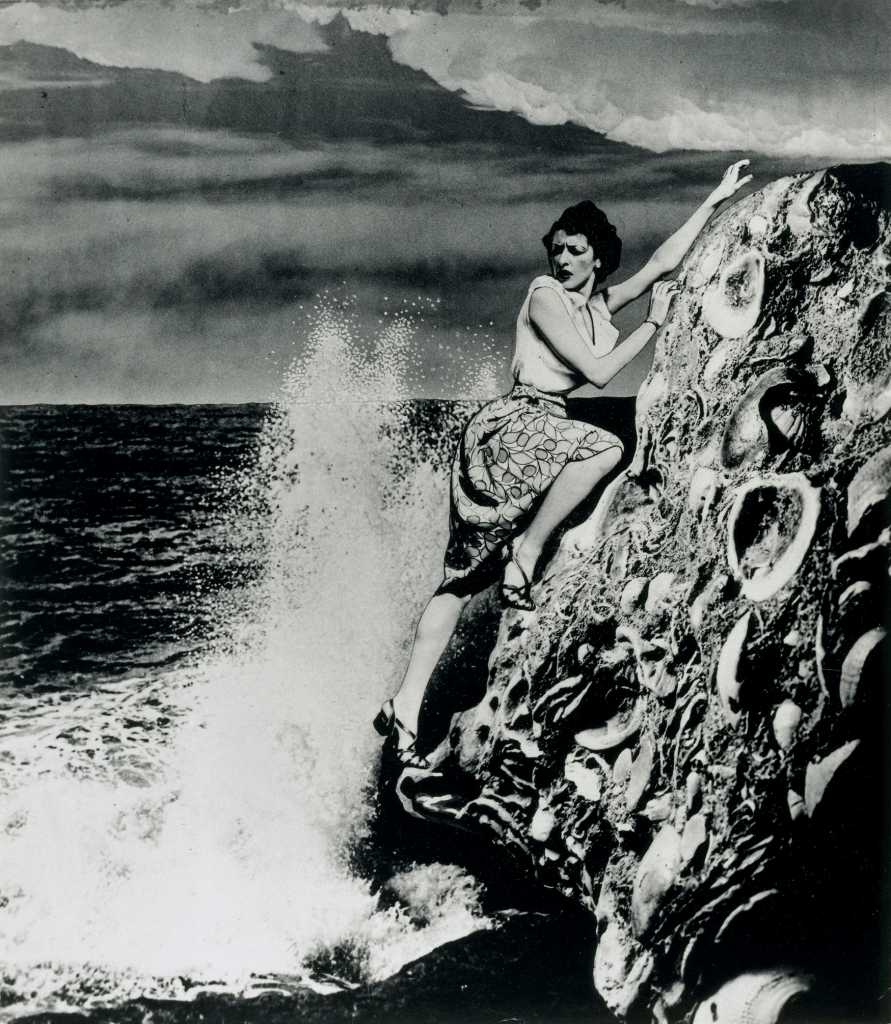
(Image property of FBC, Omnia Caelum Studios Valencia. All Rights Reserved)
Todo lo ha dominado el hombre…
¡Pues claro! Desde que existe el universo nos han dicho que Él creo a él y de la costilla de él, Él hizo a ella. Ella no era más que una mujer, y muy desobediente pues fue a comer de la fruta prohibida y le dio también a él y eso causó que ellos, y por ende la humanidad, fuesen expulsados del Eden, o sea, del paraíso. Bueno, algo así…
La Grecia antigua, Roma, Egipto, Persa, China, y los demás imperios de los tiempos de la antigüedad remota fueron todos dominados por grandes hombres, e.g. Alejandro Magno, Julio Cesar, Ramsés II, Ciro el Grande, Kangxi el Grande…
¿Querría decir esto que no habían mujeres capaces de regir sobre un imperio?
¡Vamos! ¡Claro que no! Pero no las dejaban hacer nada de eso. Si, claro que conocemos cuentos de la Reina del Sur, de Cleopatra, de Juana de Arcos, y de otras reinas del medioevo y del renacimiento, pero fueron pocas.
Y, ¿La mujer común y corriente, que ni era reina ni santa? ¿La que hubiera querido ser escritora, pintora, científica, medico?
Pero ya ha cambiado la cosa y se están tomando los pasos necesarios para garantizar la igualdad y se está respetando mas y mas a la mujer y también a otros seres discriminados.
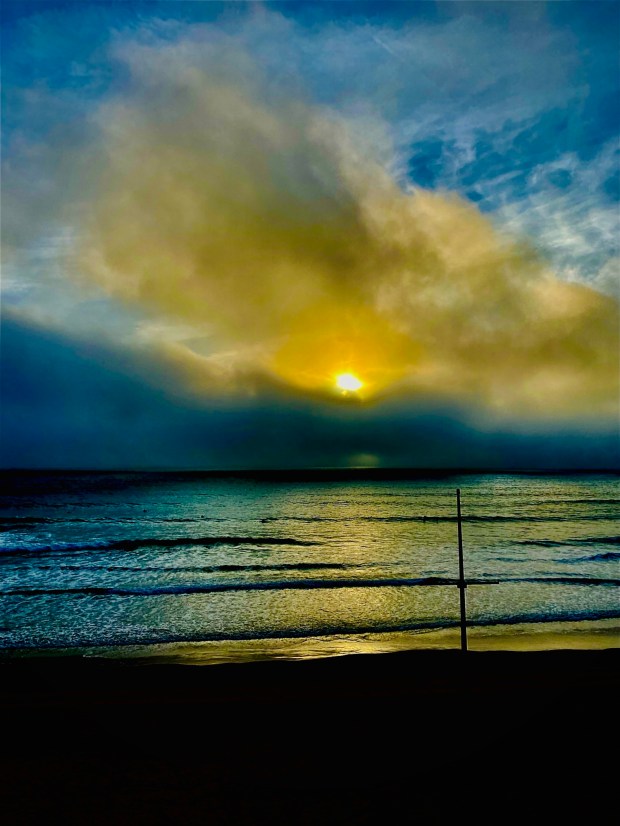
Por eso me detuve a la orilla del Mar d’Ella a verla nadar como una sirena…
Of course! Since the dawn of the Universe we have been told that He created he, and from a rib He took from he, He made her, a woman. And quite disobedient she turned out to be. She ate of the forbidden fruit and gave he to eat as well. This caused he and she to be expulsed from Eden, or Paradise. Well, something like that…
Ancient Greece, Rome, Egypt, Persia, China, and the rest of the great empires of antiquity, were all dominated by men, e.g. Alexander the Great, Julius Caesar, Ramses II, Cyrus the Great and Kangxi the Great…
Can this mean that there were no women capable of governing an empire?
Come on! Of course not! But they were not allowed to do anything like that. Yes, we have heard about the Queen of the South, Cleopatra, Joan d’Arc and other queens of medieval times and the Renaissance, but there weren’t really that many.
And what about the normal, common woman, who was neither a queen or a saint? The one who wanted to be a writer, a painter, a scholar or a scientist?
But things have changed. Steps are being taken towards equality. Women are respected more as are others who have always been discriminated.
Because of that I stood at the shores of the Sea of She to watch her swim like a mermaid…
Francisco Bravo Cabrera, 16 AUG 2022, Valencia, España.
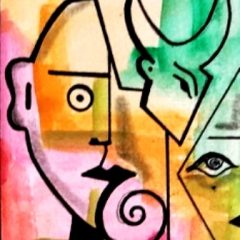
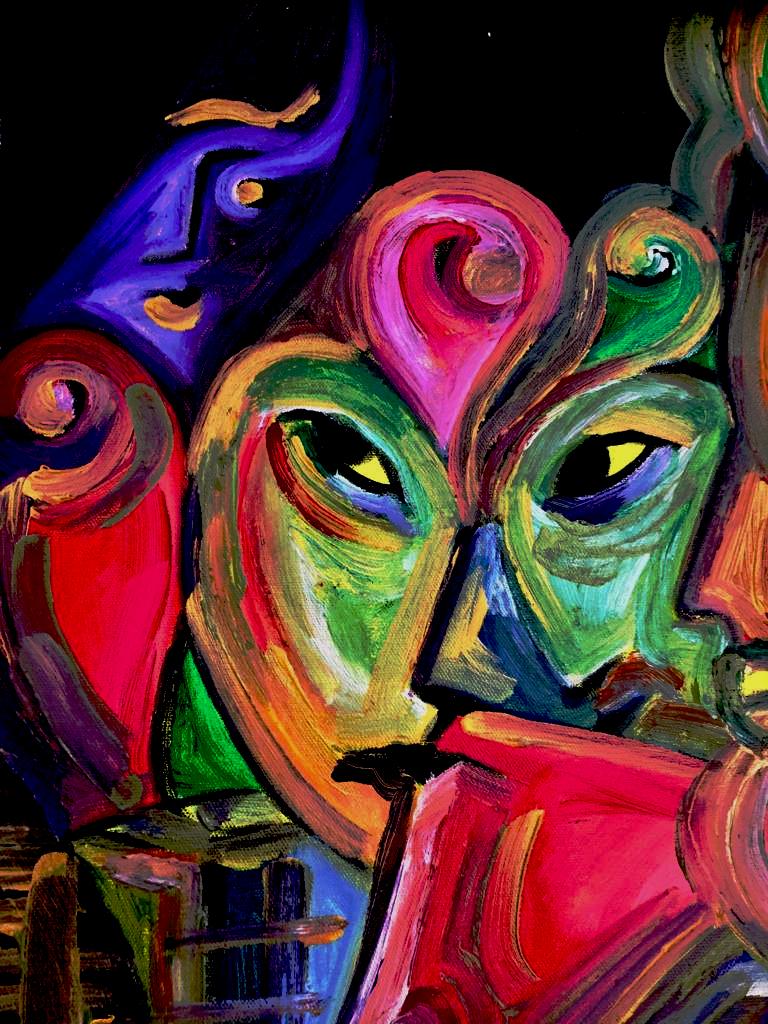
(«La lucha» oil on canvas, original work by Francisco Bravo Cabrera/All Rights Reserved)
STRUGGLE
They’ve attacked like wild marauders in the night that lay siege to a walled, medieval city. They swarm in, capture us, and throw us in the deepest, darkest dungeon… But soon, like devil hornets they come in and break the darkness of this hole and bind us… By the light of the rising sun they take us and throw us off the cliff, and we fall upon the rocks below, our bodies now crushed are washed clean by the waves of the sea.
Violently we have been treated, love and kindness quite defeated. Cruel harsh blows we have received, and our dreams have all been seized. We are thunder without lightning, clouds without rain, dust without wind, fire without heat…
Who will come to render aid? Who will be the brave Samaritan? Who will lend us one brief moment and a handful filled with water to alleviate this heat?
(Francisco Bravo Cabrera, Valencia, 01 NOV 2022)
+++++++++++++++++++++++++++++++++++++++++++
The ‘struggle’, a ‘struggle’… Something dynamic, honourable, heroic, well, I would even say necessary in this day and age… No, it isn’t any of those. It is merely a manifestation of the dream we are all dreaming. The reverie we inhabit and find so appealing that we do not even want to consider waking up.
When you hear someone say “we must fight!” Or “life is a struggle!” Or they talk about the “struggle of the working class” or the “struggle for equality”, or other such slogans that have become like the cries of the new prophets, remind them that what you see is what you get. Remind them that life is and one need do nothing more than breathe to live. And to those who fall in love with those causes, for the which one must struggle, tell them to bugger off because workers are and will continue to be the slaves of the capitalists. The only place where they are allowed to struggle is at the factory.
And if they talk about the struggle to liberate the poor, remind them that the lot of the poor has never changed. They will always be pathetically trying to live, disgusted and sick of their poverty. But nothing changes. There were poor at the beginning, they are now and will be at the end.
Human beings are not valued for their humanity, for their likeness to God. They are valued for what they have. There has never been a government, left wing or right wing, that has ever opted on behalf of people. No society has ever valued a man or a woman for the miracle that they are. No one values life.
I would like to illustrate my thoughts with a short story that someone told me once in a country far, far away. I met this person briefly, admired him and never saw him again.
It seems that there was a travelling salesman who fancied himself a jolly joker. So one afternoon he arrives at a pumpkin patch owned by a farmer and his small family. Seeing that no one was around he decided to play one of his practical jokes. He sees a pumpkin that was close to ripening and he unceremoniously defecates within it and leaves.
However, upon his return through that same part of the country, he passes by the pumpkin patch and sees the farmer. He approaches him and with a brave smile on his face says,
“You know I passed by here a couple of weeks ago, and I defecated on the pumpkin that was about to be ripened. I hope you understand, it was only a joke…”
The farmer turned, looked towards his little home and shouted to his wife,
“Eleanor, remember that pumpkin pie we said tasted like shit?
“Yes!” She shouts back.
“Confirmed! It was shit!”
So well, my friends, when something tastes like shit, it most probably is and don’t let them tell you it’s a pumpkin pie…
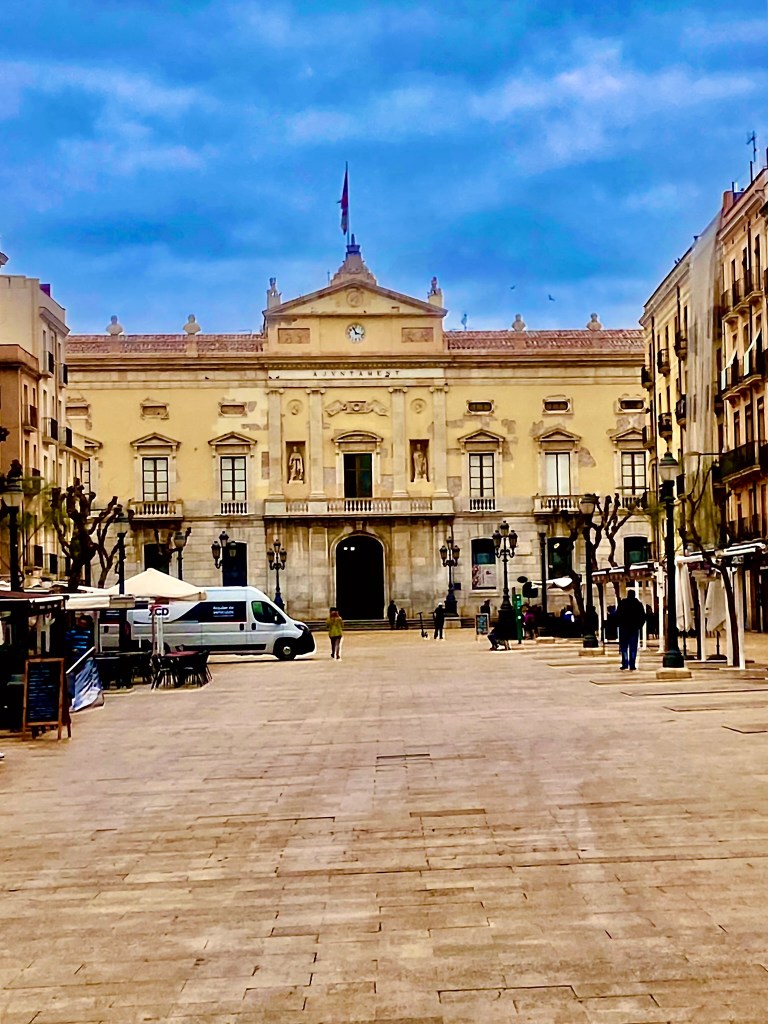
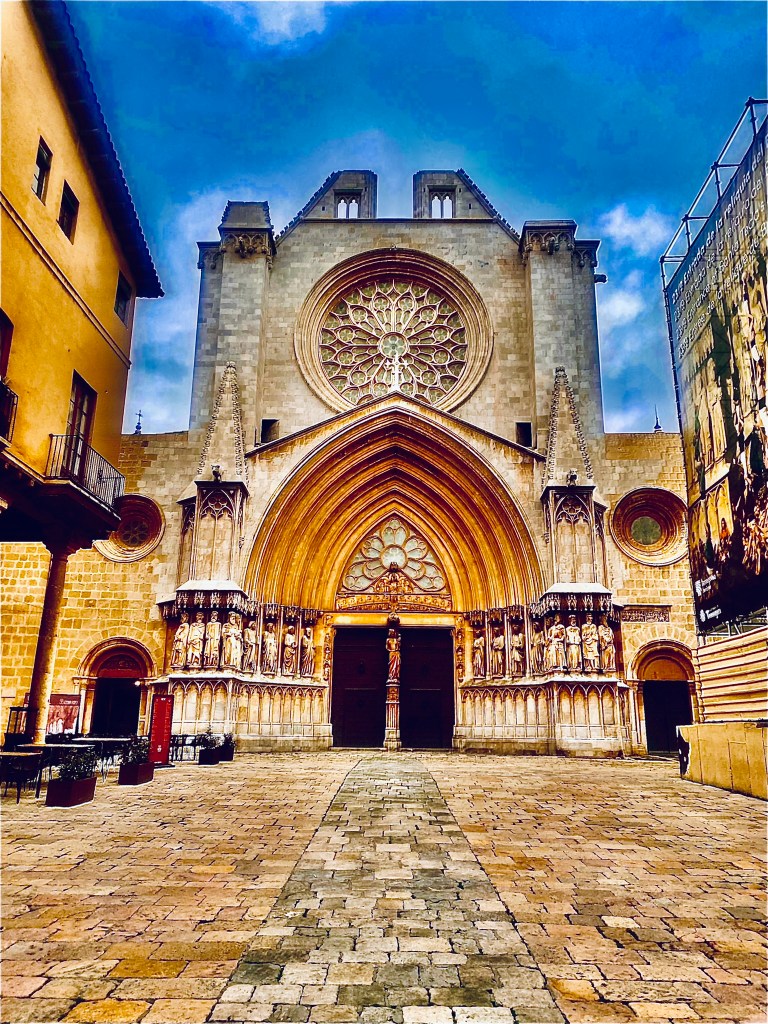
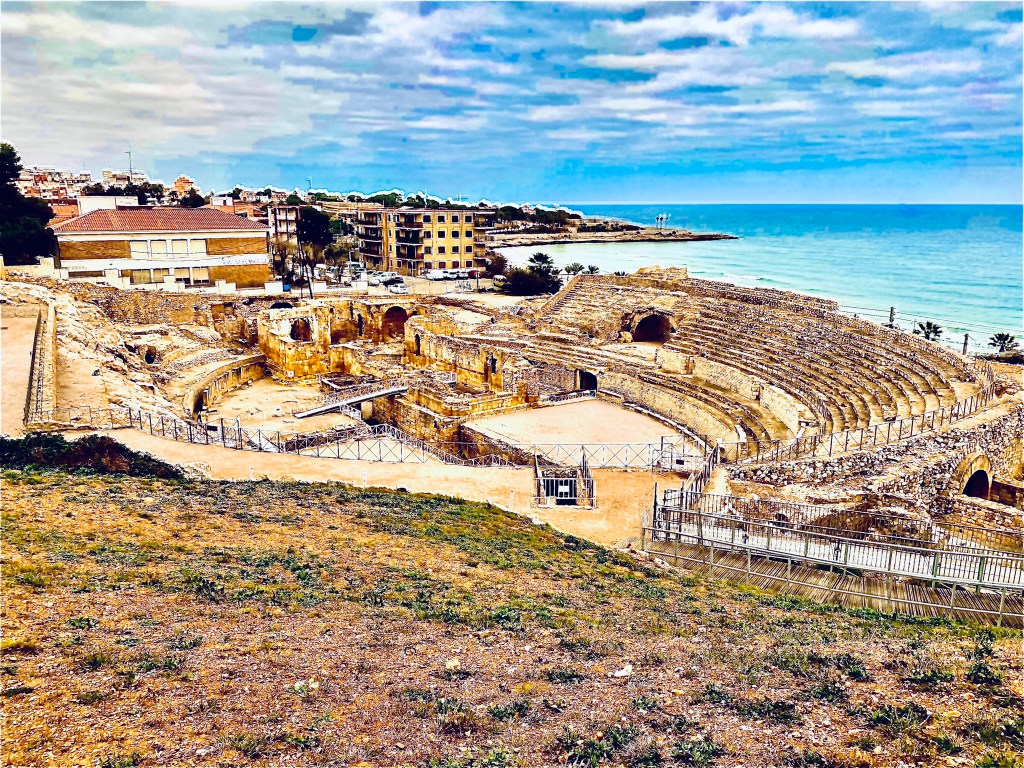
Llegamos un día bastante nublado, pero aún así, Tarragona brillaba con sus encantos… Diría que la ciudad te invita a pasear sus ramblas y su passeig maritim, a su parte alta, siendo esta la ciutat vella, romana, medieval, misteriosa y definitivamente histórica… Tarragona es la capital de la provincia de Tarragona y de la comarca del Tarragonés… Tarraco fue una de las ciudades más importantes de la Hispania romana… Tarragona fue declarada Patrimonio de la Humanidad por la UNESCO en el año 2000…
+++
We arrived on a rather cloudy day, but even so, Tarragona was shining with its charms… I would say the city invites you to stroll its ramblas and passeig maritim… Walk up to its upper part, which is the ciutat vella, Roman, medieval, mysterious, and definitely historical… Tarragona is the capital of the province of Tarragona and the Tarragonés region… Tarraco was one of the most important cities in Roman Hispania… Tarragona was declared Patrimony of Humanity by UNESCO in the year 2000…
(Plaza de l’Ajuntament/City Hall Plaza/Foto/Photo Francisco Bravo Cabrera/Derechos Reservados/All Rights Reserved)
(Catedral de Santa Tecla/Cathedral of Saint Thecla/Foto/Photo Francisco Bravo Cabrera/Derechos Reservados/All Rights Reserved)
(Anfiteatro romano del segundo siglo A.D./Roman Amphitheatre from the Second Century A.D./Foto/Photo Francisco Bravo Cabrera/Derechos Reservados/All Rights Reserved)
+++
(no olvides darle el «like», comentar y compartir – don’t forget to like, comment and share)
The Codex Buranus – The chants of the Beuern Monastery
The Codex Buranus, also known as the Carmina Burana, is a medieval manuscript that contains a collection of poems and songs. It was created in the early 13th century by the monks of the Benedictine monastery of Beuern (modern-day Benediktbeuern) in present-day Germany.
The codex consists of 254 parchment leaves and contains a total of 315 songs, written in Latin and Middle High German. The content covers a wide range of topics, including love, springtime, gambling, and the fickleness of fate.
The collection is known for its lively and often satirical nature, as well as its frank and sometimes explicit language. The songs express a range of emotions, from joy and celebration to sorrow and longing.
One of the most famous pieces from the Codex Buranus is «O Fortuna,» a powerful and dramatic hymn that has been widely performed and adapted in popular culture.
The Codex Buranus is an important source for understanding medieval music and poetry. It provides valuable insights into the cultural and artistic expressions of the time and continues to captivate audiences with its timeless themes and captivating melodies.
In 1847, Johann Andreas Schmeller gave the title Carmina Burana to the manuscripts. Carl Orff, a German neoclassical composer born in Munich (1895), chose 24 of the songs to compose the homonymous cantata. Carl Orff’s Carmina Burana premiered in Frankfurt in 1937.
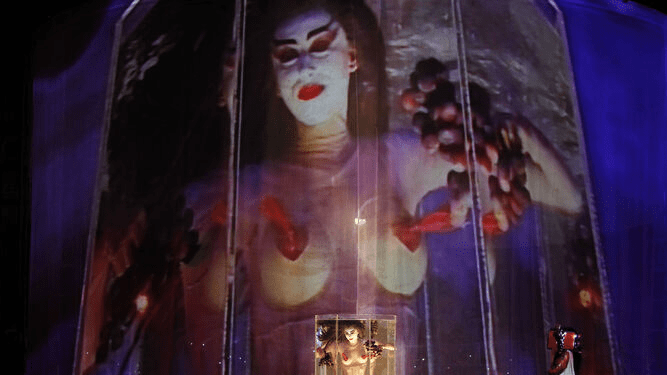
I had the opportunity two years ago to attend a performance of Carmina Burana here in my city by a very strong and excellent companyLa Fura dels Baus. It was truly an enjoyable event. I would urge you, if you like opera-style musical theatre that you do not miss it if a performance comes to your town.
Here is «O Fortuna» for you… Not only is it performed and played by classical music groups, but, as you will hear here, by Therion, the Swedish symphonic metal band. Enigma also interpreted it and in 1981 it was used in the movie Excalibur.
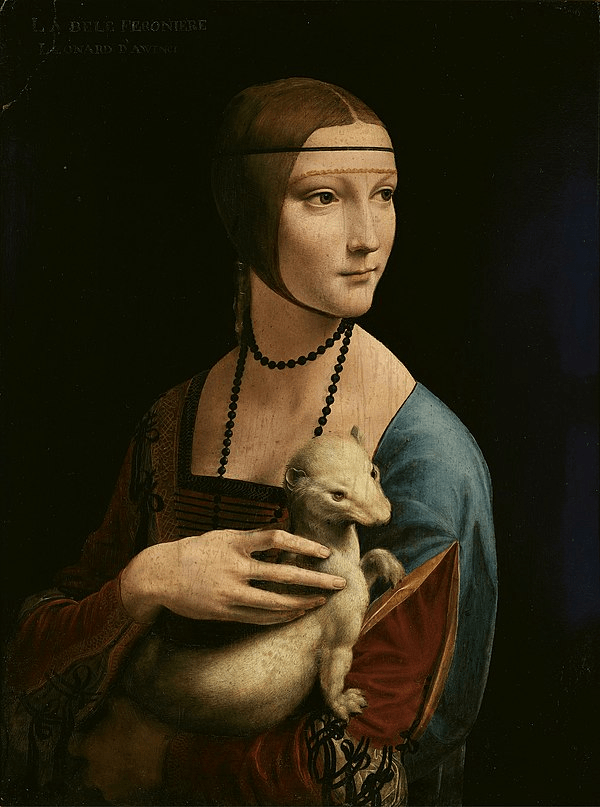
En italiano se titula «La dama con l’ermellino». La dama es Cecilia Gallerani, amante de Ludovico Sforza, duque de Milán. Leonardo, cuando pintó el cuadro estaba al servicio del duque. Cecilia nació en 1473 y no era de familia perteneciente a la nobleza. Llegó a la corte con 15 años e inmediatamente se convirtió en la amante de Ludovico…bueno, una de ellas…y permaneció la preferida hasta que el duque se casó, en 1491 con Beatriz de Este. La chica era tan guapa que la llamaban «Musa» y «Donna docta», además de ser comparada con las bellas clásicas como Aspasia de Mileto, esposa de Pericles, o Axiotea de Fliunte, filosofa y alumna de Platón.
El cuadro está en el Museo Czartoryski y es propiedad del gobierno de Polonia.
Simbología: El armiño era un animal que identificaba la aristocracia y se asociaba con ella, quizá entonces era una alusión a la relación de Cecilia con el duque. Lo blanco puede ser símbolo de pureza. En los bestiarios medievales, el armiño iba asociado a virtudes tales como el equilibrio y la tranquilidad. Quizá esta fue la forma de Leonardo para describir a Cecilia Gallerani y darle las mismas características que el armiño. También tenemos que en el emblema de Ludovico estaba «L’Ermellino», o sea, un pequeño armiño. Igualmente podríamos decir que Leonardo igual estaba haciendo alusión al apellido de Cecilia (Gallerani) ya que en griego es galé.
Bueno, aparte de todos estos datos históricos…importantes e interesantes…pienso que el cuadro es muy superior al de «La Gioconda». En primer lugar tiene mas puntos de referencia. La modelo tiene una mirada clara, pero misteriosa. Mira hacia un lado mientras acaricia al animalito, el armiño (o puede haber sido un hurón). Como ya hemos visto, el armiño, ya que aparece en el escudo de Ludovico Sforza, representa la casa ducal milanesa y ella, la amante niña, lo acaricia, pero con una mano que casi parece una garra…
Para mi estas cosas hacen del cuadro una delicia. Es uno de los que menos daños tenia, aunque si sufrió algunos durante las guerras. Bueno, esa es mi opinion, y ahora quiero saber la vuestra. Yo se que hay por doquier muchos amantes de Leonardo y de la «Mona Lisa» y que van a defender sus criterios y eso yo lo respeto, siempre que sea con argumentos solidos, validos y bien expuestos. Decidme, ¿que pensáis?






 JaZzArt en València