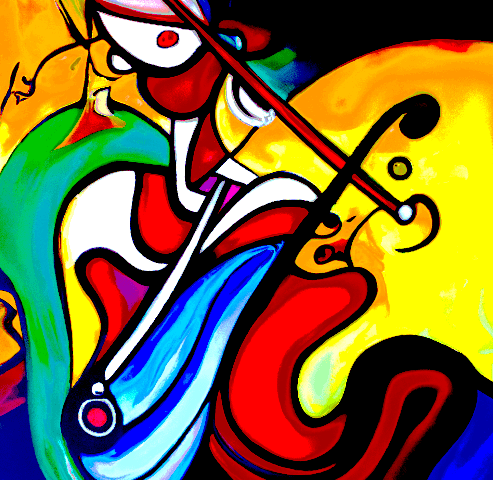
El Euro-Ku es mi forma de honrar el Haiku tradicional, ya que no soy japonés…
GRACIAS
Faith saved us from the savages that we were, losing faith makes us savages again
El Euro-Ku es mi forma de honrar el Haiku tradicional, ya que no soy japonés…
GRACIAS
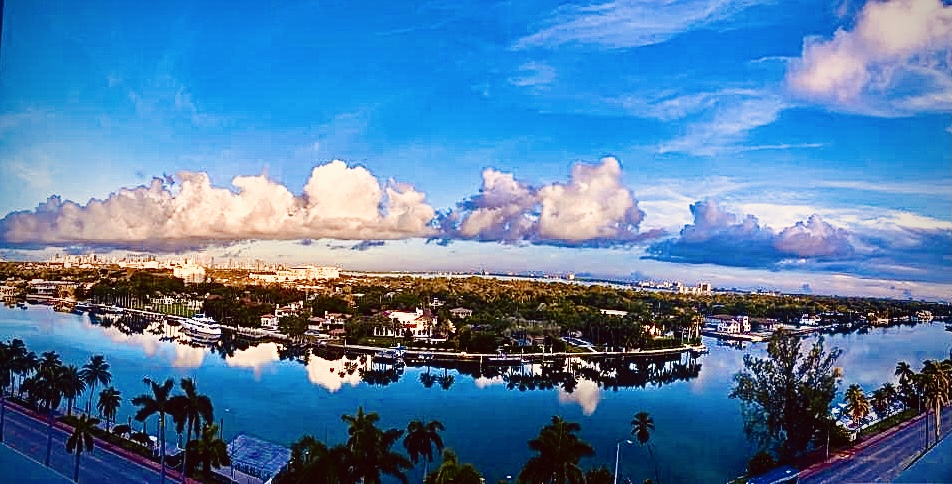
Que nunca pare la inmigración a EEUU, después de todo, es un gran país por los que han llegado… Hay muchos que buscan visa para un sueño y hay que apoyarlos…
Disfrutad…
GRACIAS
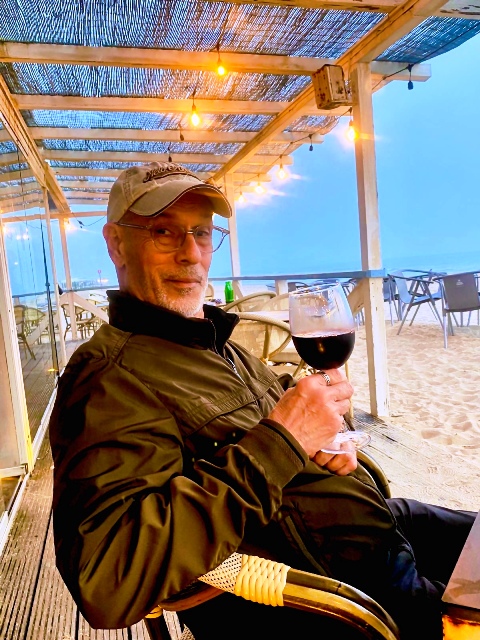
This is an incredible place right on the shores of the Atlantic Ocean… If you have not visited this phenomenal city, you might just consider a little trip. Yes, it is out of the way, but worth the ride…
CHEERS

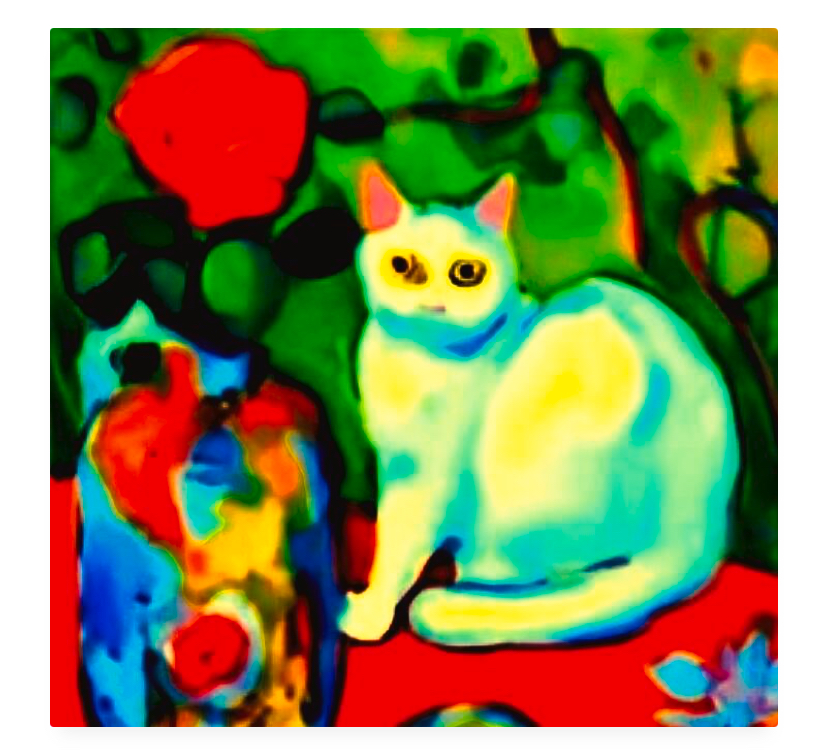
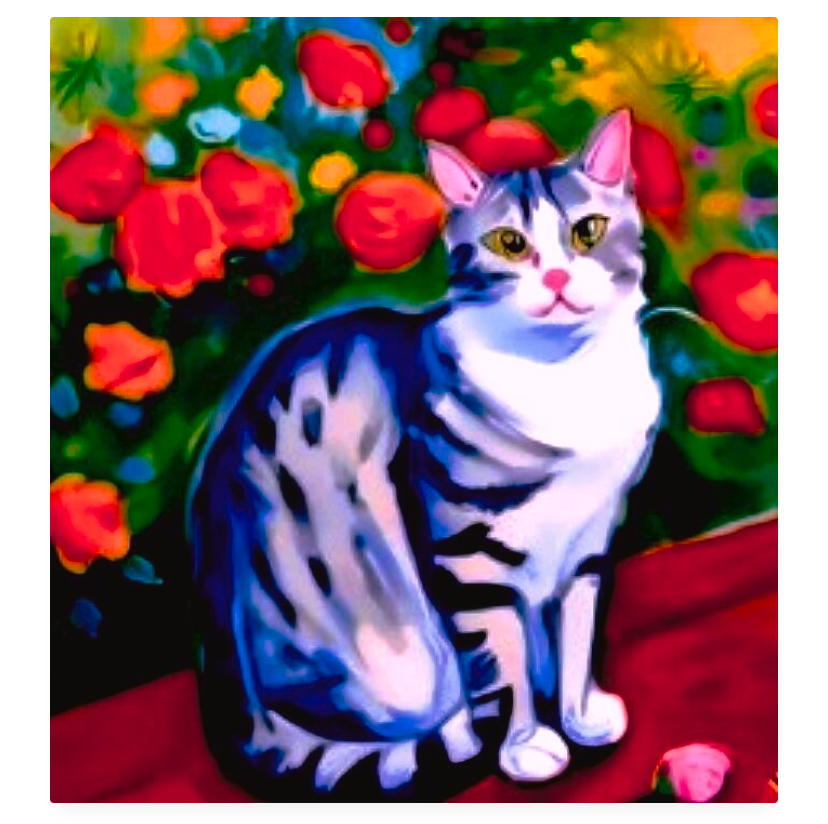
Here are some of my cats throughout the years… And these works are available as fine quality prints through Fine Art America which is the only company I use to create fine art prints (of many styles) of my artwork.

CHEERS
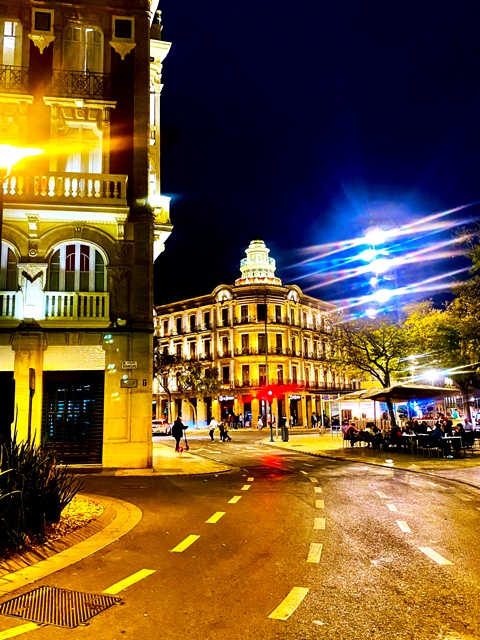
Loved this city on the sea, with beautiful beaches and a vibrant downtown area…
Check it out and tell me if you too have enjoyed it…
CHEERS
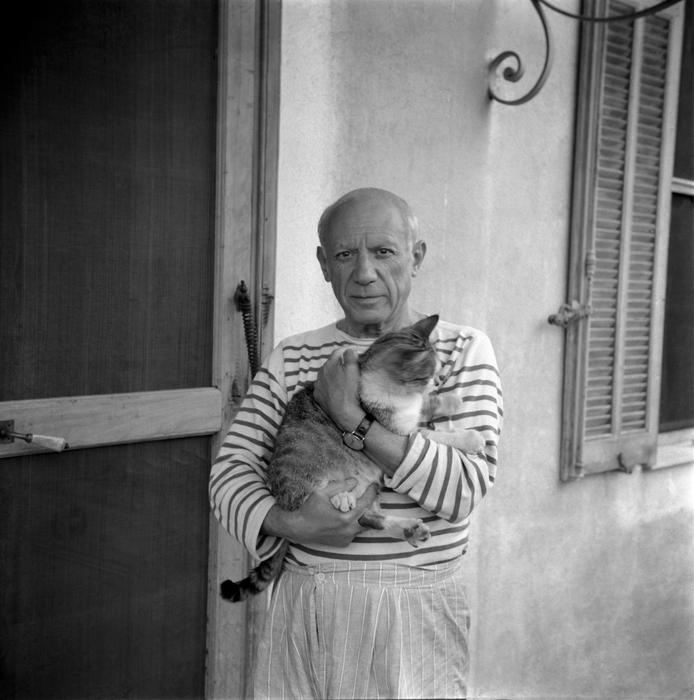
Picasso said many things, in the «style» of an artist, about art. He usually stuck to the practical side of the debate, but at times he went a bit philosophical. Or maybe he thought that people would expect that an artist talk like he was doing when he said such a thing as: «El arte es una mentira que nos hace darnos cuenta de la realidad.» («Art is a lie that lets us understand reality»). I would never think of art like that and I doubt that any artist works to «understand reality through the lie that art is…». I would prefer to turn the phrase around and work my art as the truth extracted from the lies of supposed «reality».
Picasso also said: «La inspiración existe, pero tiene que encontrarte trabajando.» («Inspiration exists but it has to find you while you’re working.«). I certainly agree with this thought. I don’t believe in the «magical power» of inspiration and I don’t believe in muses. An artist creates because he/she is a trained professional, not because he/she is inspired. Granted, like Picasso said, there may be times when inspiration does drop by, but it has to catch you on the stride.
Lastly, this quote by the great master: «Debes tener una idea de lo que vas a hacer, pero sólo una vaga idea.» («You must have an idea of what you are going to do but it should be just a vague one.»). Another thought that I can subscribe to. In my work, «JaZzArT», I do plan, but I leave lots of room for that great element that is found in jazz, improvisation.
And I have to say that I truly admire Picasso for his love of cats. Cats are, by far and wide, my favourite animals. They are superior to any domestic animal and a source of inspiration, wonder and education for me. I have always learned much from the cats I have had in my life. A cat is forever and one never forgets one’s cats…
And here is what I have to say about FACES. Of course, as an artist…
CHEERS
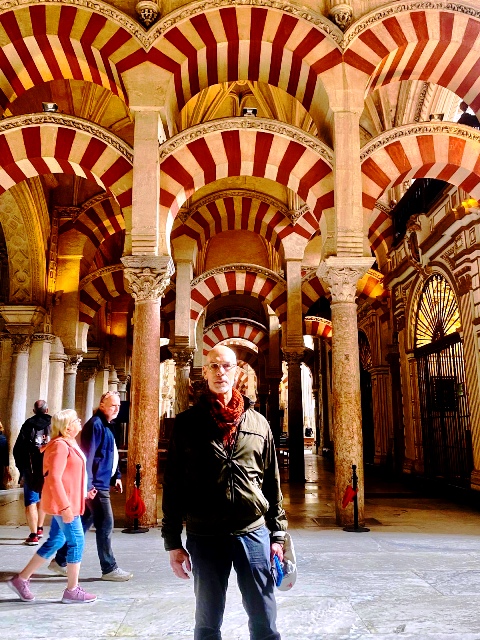
If you have not yet visited Córdoba, you are missing something grand… Not just for the ultra-famous Mezquita and other historical buildings, which are phenomenal, but because it is one of the most beautiful cities on the Guadalquivir River… But I suggest you do it in any season of the year except summer. It is also the hottest city during that season…
Here is what I thought of my visit to that jewel of Andalucía…
CHEERS
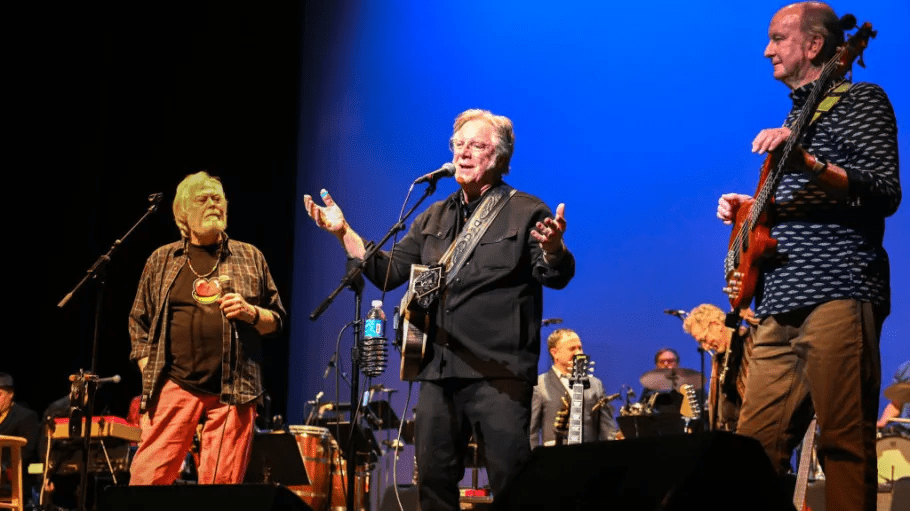
I know that every year, just about at this time, I say the same thing, that it is hot as hell! And I always start to sing this song. What about you?
CHEERS
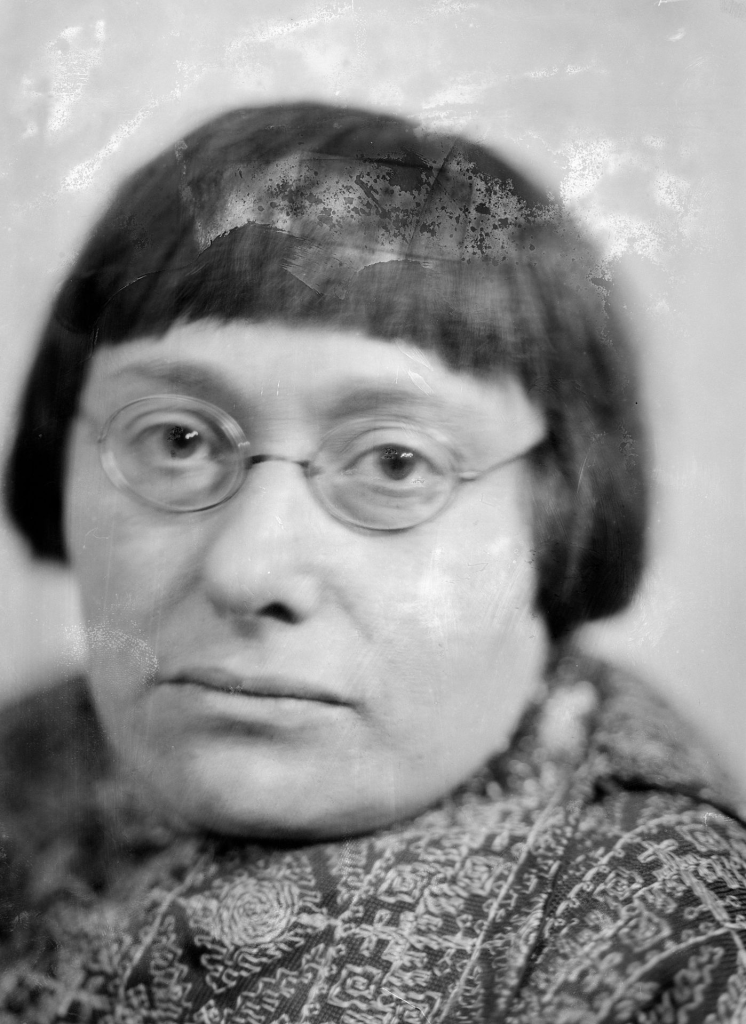
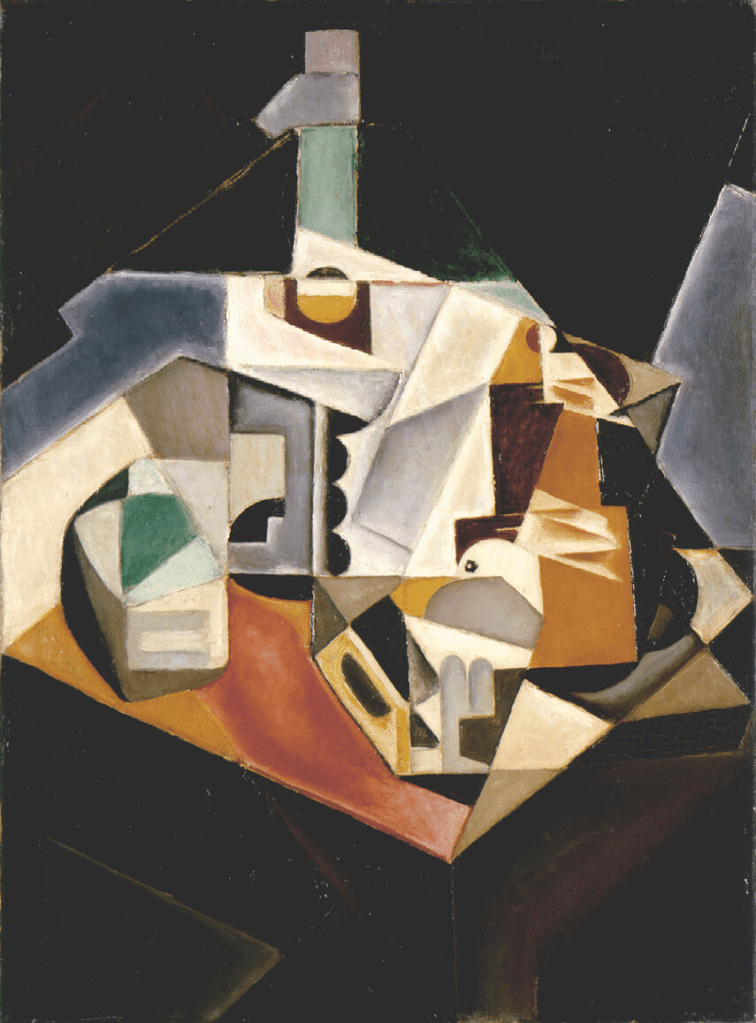
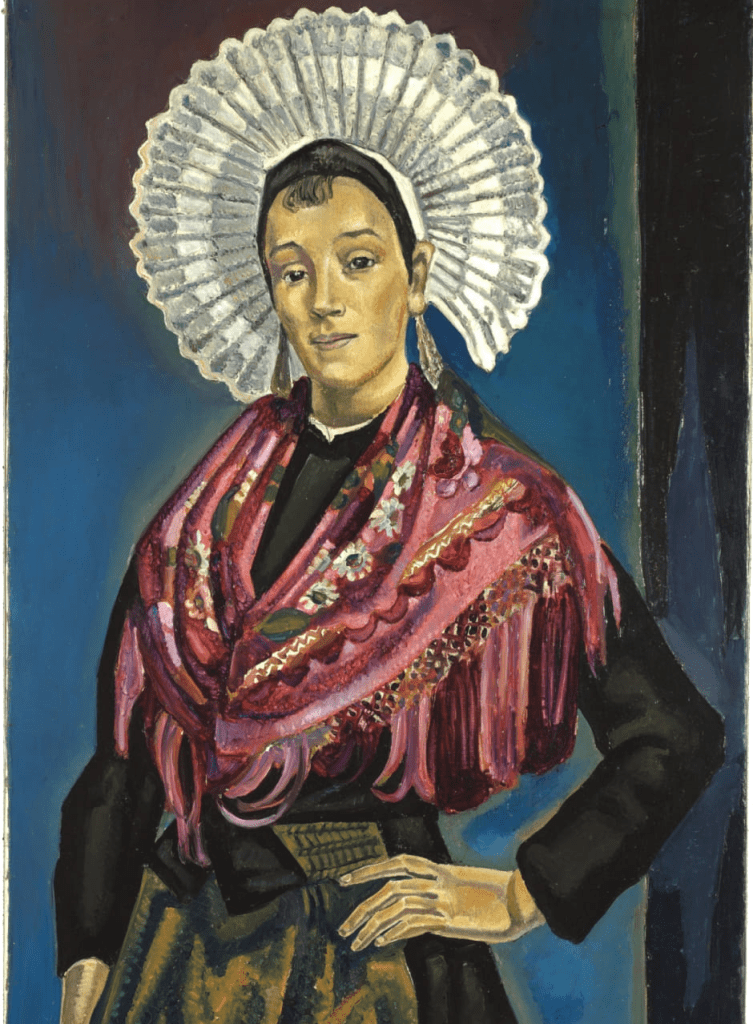
And they never told me a word about her at uni! What the hell! Everybody always said that cubism was developed (or invented) by Picasso, Braque and to a certain extent, Juan Gris, but never a woman. But here she is, María Blanchard, a Spanish painter, in spite of cubism… María was born in Santander, Cantabria in (curiously) 1881. She was deformed from birth and grew up walking with a limp, which caused her to suffer bullying at school. Yet, she was not discouraged. She moved to Madrid and attended one of the most prestigious art academies in Europe, the Real Academia de Bellas Artes de San Fernando… In 1908 she won a grant and used it to further her education in Paris where she was influenced towards cubism by Juan Gris and others… After WWI she returned to France and began to develop her own style of cubism in close association (and friendship) with Juan Gris… María sold her paintings at many galleries in France and Belgium to support herself until her death in 1932 at the age of 51, due to tuberculosis.
+++

+++++
THANK YOU!

 JaZzArt en València