(«Jason»/Francisco Bravo Cabrera/Derechos Reservados/All Rights Reserved)
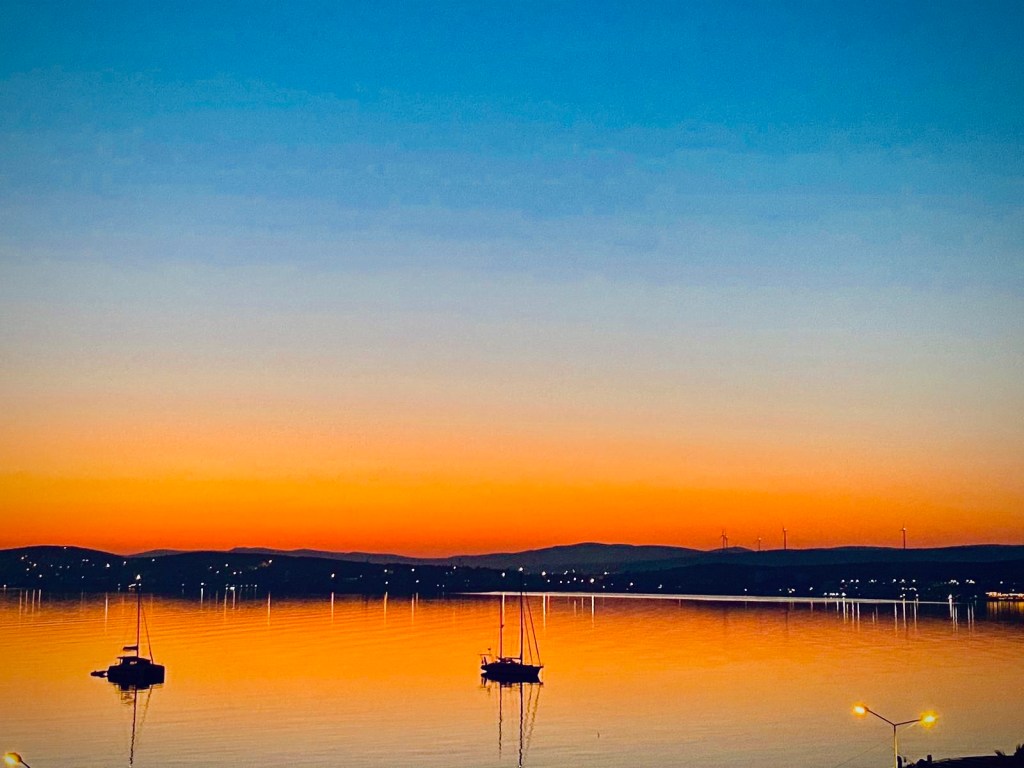
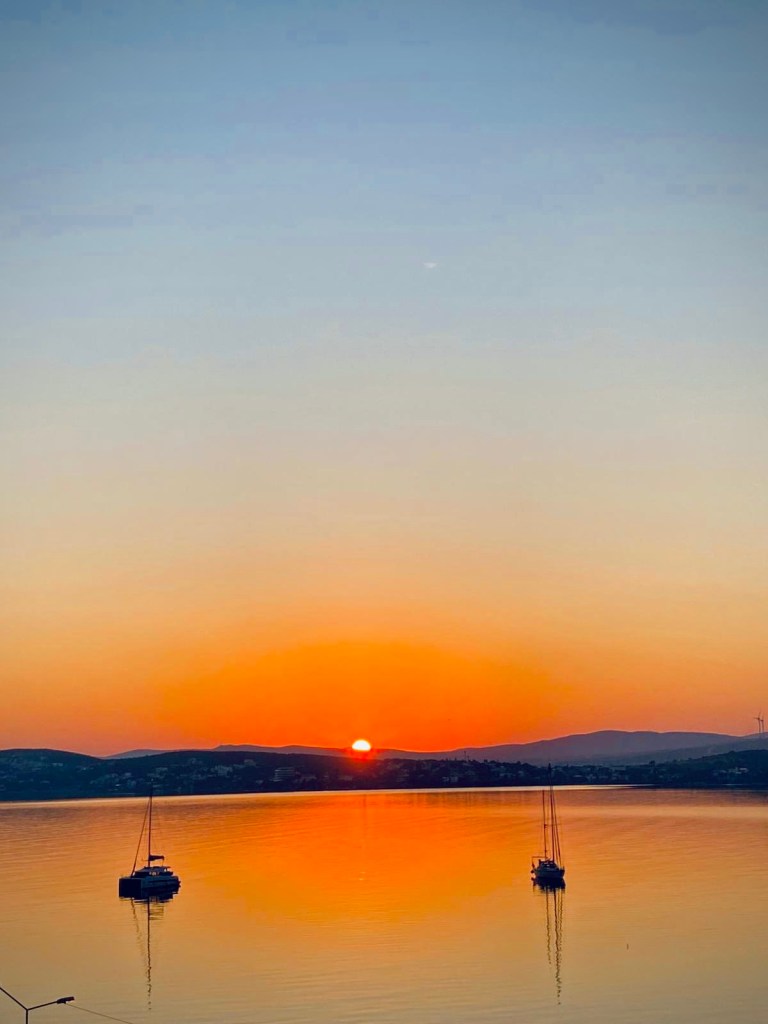
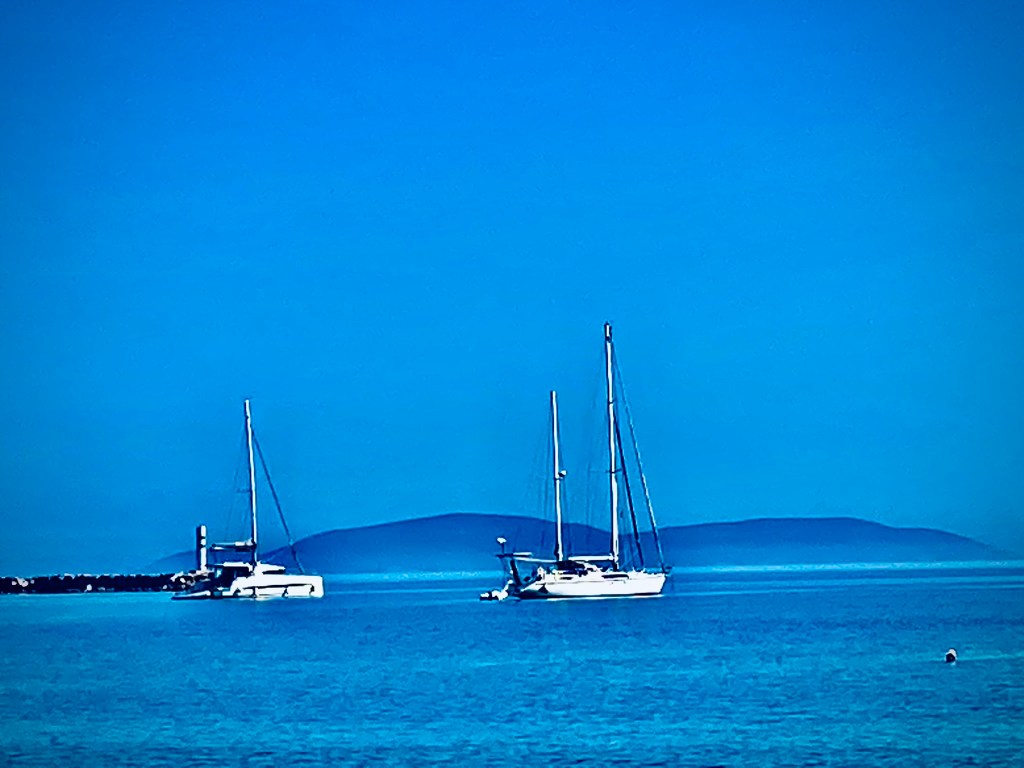
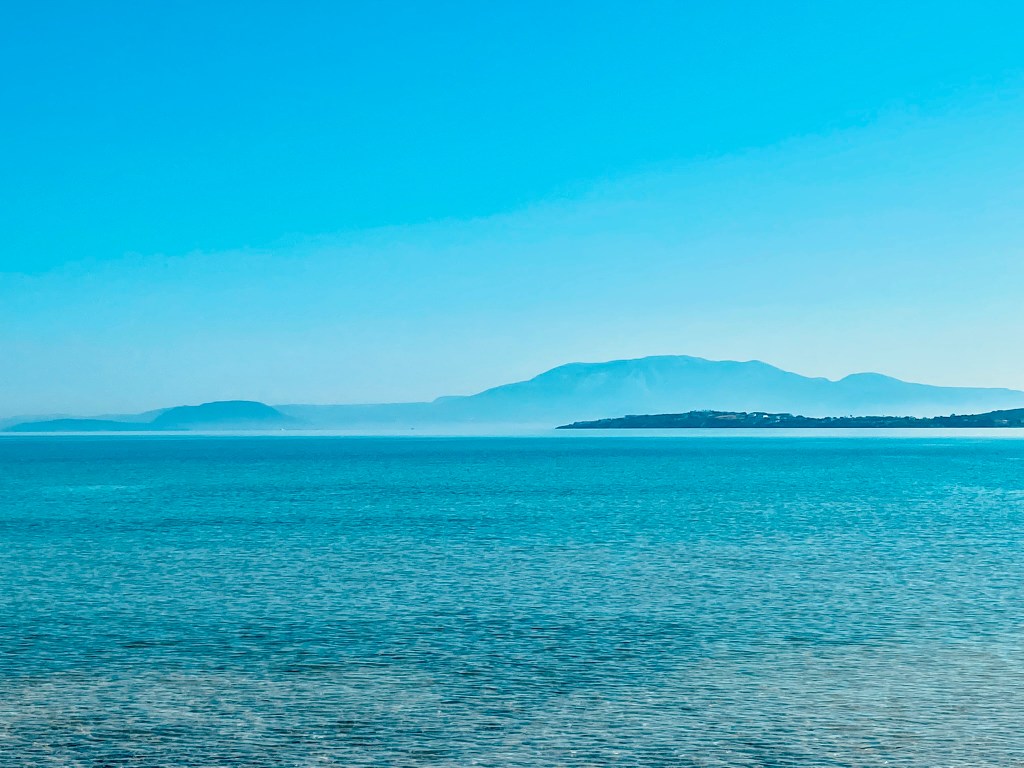
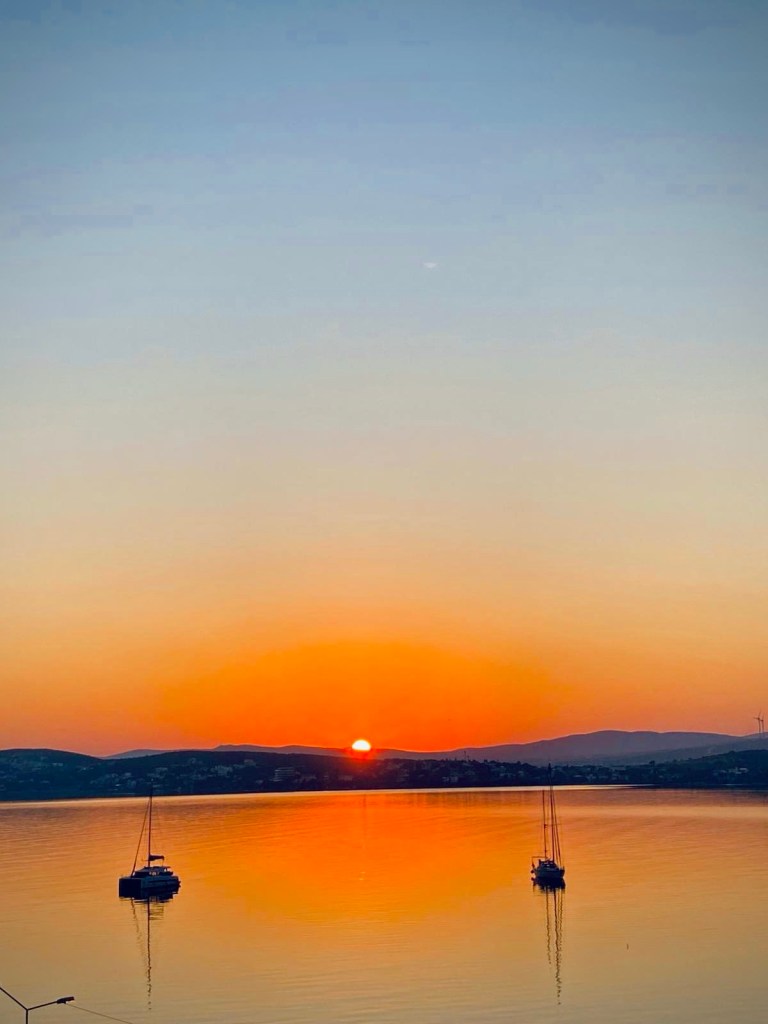
Este mar, parte del gran Mediterráneo, lleva el nombre del Rey Egeo de Atenas que, pensando que su hijo Teseo habia muerto en su combate contra el Minotauro, se arrojo a las aguas de este mar desde el cabo Sunio. Sus aguas han sido la via de grandes reyes de la antigua Grecia y por donde navego Jason en busca del vellocino de oro… Es un lugar maravilloso y repleto de historia, legendas y aventuras. Para mi, las aguas perfectas para navegar durante los cálidos meses de verano… Y entre Turquía y Grecia me paso estos meses refrescándome en sus aguas y saboreando sus dulces brisas…
+++
This sea, part of the great Mediterranean, is named after King Aegeus of Athens, who, believing that his son Theseus had died in his battle against the Minotaur, and threw himself into the waters of this sea from Cape Sunion. Its waters have been sailed upon by great kings of ancient Greece and this is where Jason sailed in search of the Golden Fleece… It is a wonderful place, filled with history, legends, and adventures. For me, the perfect waters for sailing during the warm summer months.And between Greece and TürkiyeI spend these months, refreshing myself in these cool waters and savouring the sweetness of its breezes…
+++++
(All Rights Reserved)(All Rights Reserved)(All Rights Reserved)(All Rights Reserved)(Fotos de Francisco Bravo Cabrera/Derechos Reservados/Photos by and property of Francisco Bravo Cabrera/All Rights Reserved)
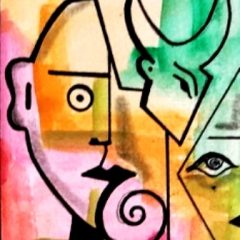
El primero es de la serie JaZzArt en València, Fase II, etapa rosa, número uno,(La serie completa en Instagram: @Francisco_Bravo_Cabrera). Mide 25x35cm y la técnica, grafito (lapices) y tinta sobre una base abstracta de acuarela. La bailarina ocupa el centro de la composición y sus músicos ocupan el lateral izquierdo, mientras que la simbología ocupa el derecho, siendo esta un búho…
La danza es algo mágico-sensual, el arte que siempre nos ha fascinado. ¿Acaso Salomé no bailó con tal sensualidad que embrujó a Herodes con los movimientos de su cuerpo y esto terminó causándole la muerte a Juan el Bautista? ¿Hace falta decir más?
Okay…
The first one is from the series JaZzArt en València, Phase II, Rose Period, Number One. Measures 25x35cm and I painted it with graphite and ink over an abstract background done with watercolours. The dancer occupies the central part of the composition. She has to the right the musicians and to the left symbology in the form of an owl…
The dance is magic-sensuality and is the art form that has always fascinated mankind. Didn’t Salomédance so sensuously that she bewitched Herod with her movements and this ended up causing the death of John the Baptist? Need I say more?
(C.2021, All Rights Reserved)
El segundo…«Terminando la pirueta»…lo he pintado con pintura acrílica sobre tela cien por ciento algodón. Mide 30x60cm y va ser el primero de un triptico que aún está por pintar. El tema es, igual que el anterior, la danza, la sensualidad del movimiento rítmico, fluido, coreografiado o improvisado, pero destinado a ser placentero y bello. ¿Acaso no dicen que los bailarines son «sex-symbols»?
Bailar, con o sin pareja, es un acto social y también uno artístico. Bailamos en nuestras casas cuando nos sentimos felices y queremos celebrar, solo o acompañados. Lo hacemos también en las fechas importantes de nuestra vida, como el día en que nos casamos, en las fiestas de noche buena y por supuesto en la noche vieja ya que dicen que si comenzamos el año bailando bailaremos el año entero. ¡Venga!
The second one is titled «Terminando la pirueta» («Finishing the Pirouette»). It is acrylic on canvas and measures 30x60cm. This is the first of a triptych that I have yet to paint. It’s theme, again, is the dance, the sensuality of motion, of rhythm, fluid movements, choreographed or improvised, but destined to give pleasure and be beautiful. Or don’t they say dancers are «sex-symbols»?
To dance, with or without a partner is a social act and an artistic one. We dance at home when we are happy and we want to celebrate, with others or alone. We also dance at those important times in our lives, like the day of our wedding, on Christmas parties and of course on New Year’s Eve! They say that if one starts the year dancing one will be dancing the whole year! Smashing good!
(C.2021, All Rights Reserved)
El tercero…y último…es un cuadro que he titulado «Fiesta». La técnica, acrílico sobre tela y mide 50x60cm. Se imponen, sobre un fondo abstracto dominado por los colores rosas y amarillos, cinco siluetas, tres bailando, una haciendo unos movimientos gimnásticos y uno tocando un tambor. Se palpa el movimiento en la composición, se sienten los golpes en el cuero del tambor, se respira la alegría de los bailarines y de todos…
Concluyendo, digo que bailar es una reacción humana que surge cuando estamos felices, cachondos o cuando queremos alabar al Dios que nos creó. Los bailarines somos nosotros, la música nos motiva y nos hace movernos al ritmo de un tambor o de una pandereta, pero la música que mas nos ha de hacer bailar está dentro de nuestros oídos y nadie más la puede escuchar…
The third, and last one, is titled «Fiesta» («Party»). It is done with acrylics on canvas and measures 50x60cm. The composition is made with an abstract background, mostly in rose and yellows wherein five silhouettes abide. Three of them are dancing, while one is doing some gymnastic-type movement and one is playing a drum. One can feel the movement, one can hear the pounding on the drum and one can sense the joy of the dancers and all…
In conclusion I will say that dancing is a human reaction that surges within us when we are filled with happiness, when we feel sexy or when we want to praise the God of our creation. We are the dancers and music motivates us and makes us move either to the rhythm of a drum or a tambourine. But the music that really makes us dance is the one that only we can hear and no one else can…
(Imagenes, de los cuadros pintados por Francisco Bravo Cabrera, son propiedad de Francisco Bravo Cabrera y no pueden ser reproducidas sin permiso escrito. Derechos Reservados. C.2021, All Rights Reserved)
(Images of the paintings done by Francisco Bravo Cabrera are the property of Francisco Bravo Cabrera and cannot be reproduced without written permission. C.2021, All Rights Reserved)
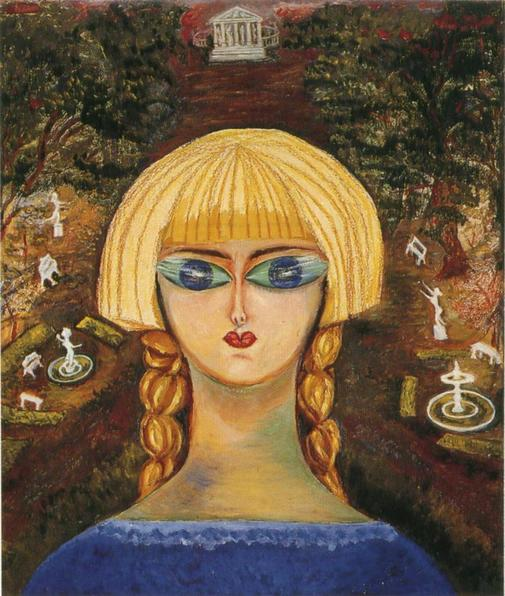
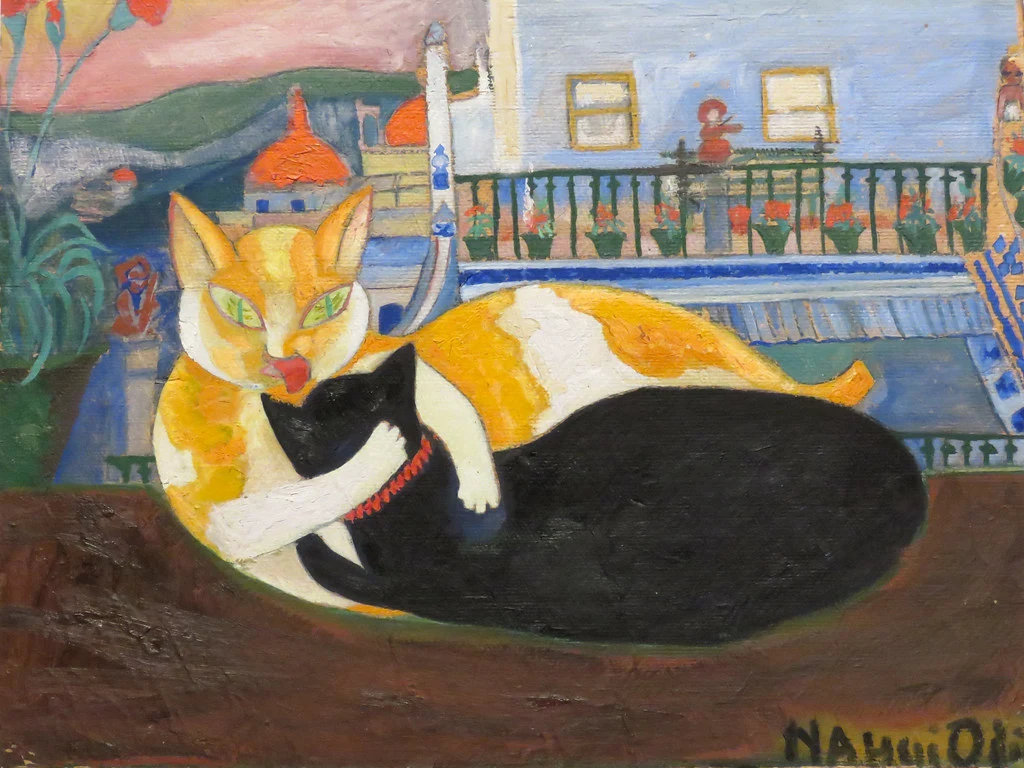
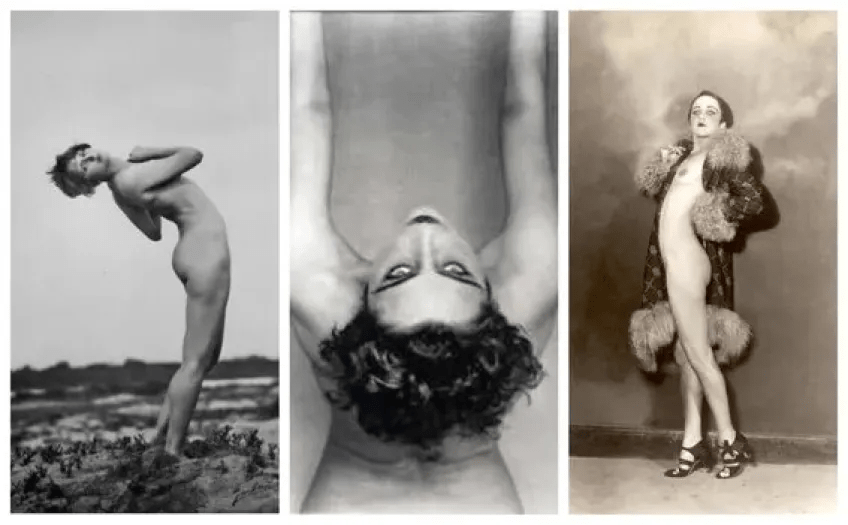
(Image source El Mundo/La pintora y poeta Carmen Mondragón, mejor conocida como ‘Nahui Olin’. INBA
Lo primero que os dire es que no la conocía y me alegro mucho de que conocimiento de ella me haya llegado. Por supuesto que en la facultad jamás me hablaron de ella, pero Nahui Olin fue un autentico fenómeno en las artes mexicanas. Fue la mujer que liberó a las mujeres artistas…de las antiguas moralidades…de su país. Nahui Olin, fue una verdadera feminista ademas de una revolucionaria. Y lo de ella fue autentico y artistico, no como la otra que siempre mencionan, digamos, Frida Kahlo. Pues a la Kahlo la conocéis, no por ser artista, ni mucho menos por feminista, sino por el merchandising que se ha creado con su nombre y su imagen… Se llamaba María del Carmen Mondragón Valseca y nació en México el 8 de julio de 1893. Fue poeta, pintora y modelo… Quizá la influencia de la escritora inglesa Mary Wollstonecraft la acerco al feminismo y ya que se representaba a si misma en sus pinturas podemos deducir que conocía bien el movimiento feminista mexicano y anglosajón. Estos resultaron en valiosas referencias y un gran empujón a su creatividad… A sus cuatro años de edad su familia se traslado a Francia donde vivieron ocho años y allá fue donde la joven Carmen estudio artes, danza, canto, pintura y teatro… En 1922, durante su relación con el artista plástico Gerardo Murillo, conocido como Doctor Atl, ella toma el nombre de Nahui Olin, que significa cuatro movimiento o perpetuo movimiento en náhuatl. También esta fue su etapa más prolífica de su producción poética y pictórica. Se fue así apartándose de su vida acomodada y comenzó a relacionarse cada vez más con su raíces indígenas… Su obra pictórica es Naif, y muchos de sus cuadros son autorretratos y también muchos que se caracterizan por ser eróticos y en donde explora su sexualidad… Su obra poética se caracteriza por sus temas concernientes a la libertad corporal de las mujeres, cosa revolucionaria para su época…. Nahi Olin murió en su ciudad natal en 1978.
+++
The first thing I’ll tell you is that I did not know her, and I am very glad that I have come to know about her. Of course at Uni no one ever spoke to me about her, but Nahui Olin was a true phenomenon in Mexican arts. She was the woman who liberated female artists… from the old moralities… of her country. Nahui Olin was a true feminist as well as a revolutionary. What she created was authentic and artistic, unlike the other artist that is always mentioned, let’s say, Frida Kahlo. You know Kahlo, not as an artist, nor certainly as a feminist, but for the merchandising created around her name and image… Her name was María del Carmen Mondragón Valseca, and she was born in Mexico on July 8, 1893. She was a poet, painter, and model… Perhaps the influence of the English writer Mary Wollstonecraft brought her closer to feminism, and since she represented herself in her paintings, we can deduce that she was well-acquainted with both the Mexican and Anglo-Saxon feminist movements. These experiences provided valuable references and a great boost to her creativity… At the age of four, her family moved to France, where they lived for eight years, and it was there that young Carmen studied arts, dance, singing, painting, and theater… In 1922, during her relationship with the plastic artist Gerardo Murillo, known as Doctor Atl, she adopted the name Nahui Olin, which means “four movement” or “perpetual movement” in Nahuatl. This was also her most prolific stage for poetic and pictorial production. Thus, she distanced herself from her comfortable life and began to relate more with her indigenous roots… Her pictorial work is Naif, and many of her paintings are self-portraits, as well as others characterized by their eroticism, where she explores her sexuality… Her poetic work is marked by themes concerning women’s bodily freedom, which was revolutionary for her time… Nahui Olin died in her hometown in 1978.
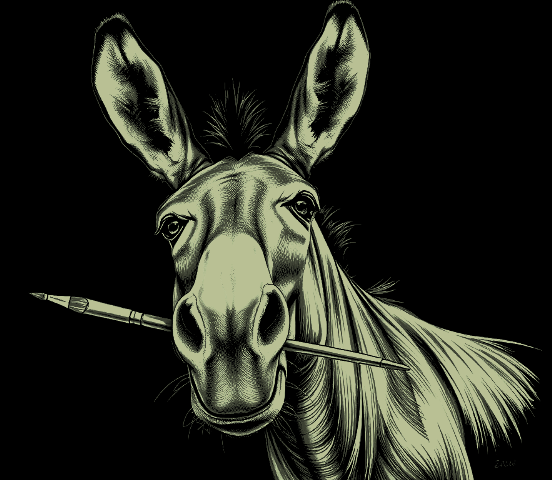
(«Buddy No.2″/Francisco Bravo Cabrera/All Rights Reserved/Derechos Reservados)
De peque me acuerdo que mi abuela me decía que para ser cantante, actor, artista o bailarín habia que nacer con ese don, o sea, el talento para lograrlo. Bueno, pasaron los años y yo creyéndome eso hasta que decidí entrar en la facultad de bellas artes y me di cuenta que todos nacemos con la posibilidad de lograr cualquier cosa, lo que nos hacen falta son las ganas. El talento se desarrolla, si uno lo quiere y lo busca. Si quieres ser artista cúrratelo y lo lograrás. Eso nunca falla. Mientras más practiques, ensayes, trates y te esfuerces más talento desarrollas. El artista tiene que vindicarse con cada cuadro que haga, igual el cantante, el bailarín, el músico y el actor. El talento no se acumula, ni se tiene ahí de reserva. El talento hay que ejercitarlo continuamente, como el cuerpo con el ejercicio físico. Así que no penséis que hay que «tener» talento, hay que «desarrollar» talento. Claro, si lo queréis pues no todos nacemos para lo mismo. Y no vayáis a pensar que estas son chorradas, si no me lo crees ponme a la prueba y lo veréis. 😊
+++
When I was little, I remember my grandmother telling me that to be a singer, actor, artist, or dancer, you had to be born with that gift, or rather, the talent to achieve it. Well, years went by, and I believed that until I decided to enter the School of Fine Arts and realized that we all are born with the ability to achieve anything; what we lack are the drive and determination. Talent can be developed if one wants it and seeks it. If you want to be an artist, pursue it, and you will succeed. This never fails. The more you practice, rehearse, try, and strive, the more talent you develop. An artist must redeem themselves with every piece they create, just like a singer, dancer, musician, and actor do. Talent is not something that accumulates or is kept in reserve. Talent needs to be exercised constantly, just like the body with physical exercise. So don’t think that you have to “have” talent; you need to “develop” talent. Of course, if you want it, not everyone is born for the same things. And don’t think these are just nonsense; if you don’t believe me, put me to the test, and you’ll see. 😊
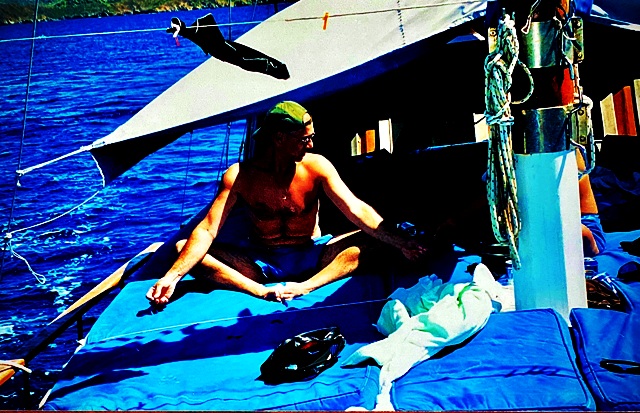
(Sailing with Bodo V/actor portrayal/All Rights Reserved)
A fine art print is a quality reproduction of an original work of art. And a very affordable way to own original art… The only company I have entrusted to do my fine art prints (in many styles) is Fine Art America. I invite you to visit my gallery at Fine Art America and do it often as I change the images regularly.
Now how about checking out the following video with many more images found at Fine Art America…
(We kindly ask you to please subscribe, comment, like and share, as this helps us greatly)
Art is something special, almost spiritual, therapeutic and liberating. It is a way that one can try to correct the things that one sees that are just not exactly right. Colours fill our life everyday. Colours God has placed upon this earth, so naturally, the most important element in a painting, the one that catches your eye is colour… However, that does not mean that drawings in black and white are less than a colourful canvas. After all black and white are colours too.
I would like to ask you to check out this video of my work and tell me what you think…
(We ask you kindly to subscribe, comment, like and share as this helps our channel tremendously)
One from the 17th Century and one from the 18th to 19th Centuries, but both phenomenal artists. VALENCIARTIST has featured something very important that occurred recently reference one of the paintings of one of these artists Aniella di Beltrano… I hope you enjoy this special edition of the «Art History in One Minute (videos)» limited series…
(We ask you kindly that you subscribe, comment, like and share)







 JaZzArt en València