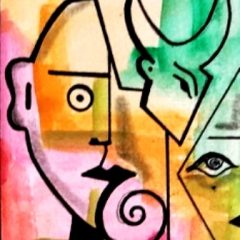
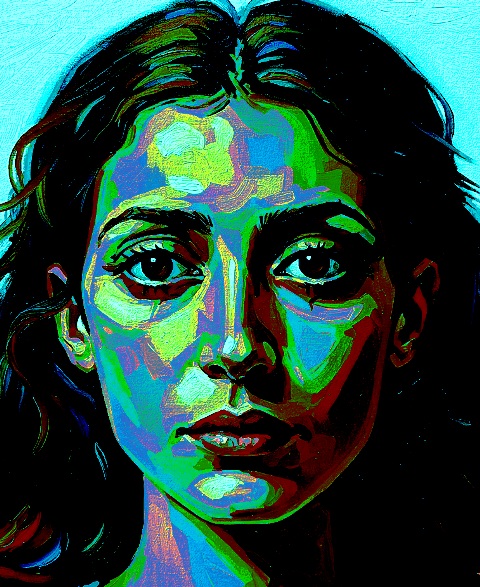
Una gran poetisa y pintora, ya veréis…
Nació en Avellaneda, una ciudad de la provincia de Buenos Aires, Argentina en 1936. Estudio Filosofía y Letras en la Universidad de Buenos Aires, pero también estudio pintura con Juan Batlle Planas, pintor surrealista argentino. De 1960 al 1964 Pizarnik vivió en París y trabajó para la revista Cuadernos. Además publicó poemas y críticas en varios diarios, estudió historia de las religiones y literatura francesa en La Sorbona. Cuando regresó a Buenos Aires, Pizarnik publicó tres de sus principales volúmenes: Los trabajos y las noches, Extracción de la piedra de locura y El infierno musical, y su trabajo en prosa La condesa sangrienta.
Aunque en 1969 recibió una beca Guggenheim, y en 1971 una Fullbright, Alejandra, el 25 de septiembre de 1972, mientras pasaba un fin de semana fuera de la clínica psiquiátrica donde estaba internada, se suicidó ingiriendo cincuenta pastillas de Seconal, un barbitúrico. Fue una gran escritora que dejó un valioso legado para la literatura latinoamericana.
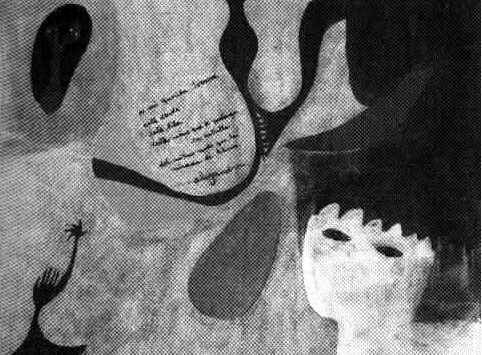
Pero, hoy y aquí, vamos a fijarnos en el trabajo visual, o sea, vamos a echarle una mirada, breve, a Alejandra como poetisa de los pinceles y los colores…
+++
A great poetess and painter, you will see…
She was born in Avellaneda, a city in the province of Buenos Aires, Argentina in 1936. She studied Philosophy and Literature at the University of Buenos Aires, but also studied painting with Juan Batlle Planas, an Argentine surrealist painter. From 1960 to 1964, Pizarnik lived in Paris and worked for the magazine Cuadernos. Additionally, she published poems and critiques in various newspapers, studied the history of religions and French literature at the Sorbonne. When she returned to Buenos Aires, Pizarnik published three of her main volumes: Los trabajos y las noches, Extracción de la piedra de locura, and El infierno musical, as well as her prose work La condesa sangrienta.
Although she received a Guggenheim Fellowship in 1969 and a Fulbright in 1971, Alejandra committed suicide by swallowing barbiturates, specifically Seconal, on September 25, 1972, while spending a weekend away from the psychiatric clinic where she was hospitalized. She was a great writer who left a valuable legacy for Latin American literature.
However, today and here, we are going to focus on the visual work, that is, we are going to take a brief look at Alejandra as a poetess of brushes and colors…


GRACIAS – CHEERS
 JaZzArt en València
What a beautifully crafted tribute. 🌟
You’ve captured Pizarnik’s essence with clarity, admiration, and genuine sensitivity. Highlighting her visual art—an often overlooked but deeply expressive side of her—adds a fresh and insightful layer to her legacy. A short piece, yes, but full of respect, depth, and quiet brilliance.
Me gustaLe gusta a 1 persona
Thank you! All the best Sir!
Me gustaLe gusta a 1 persona
What a tragedy that she felt she had no way forward but to take her own life.
Me gustaLe gusta a 1 persona
Yes, it is quite a tragedy and a sad situation many have had to face… Thank you Janet!
Me gustaMe gusta