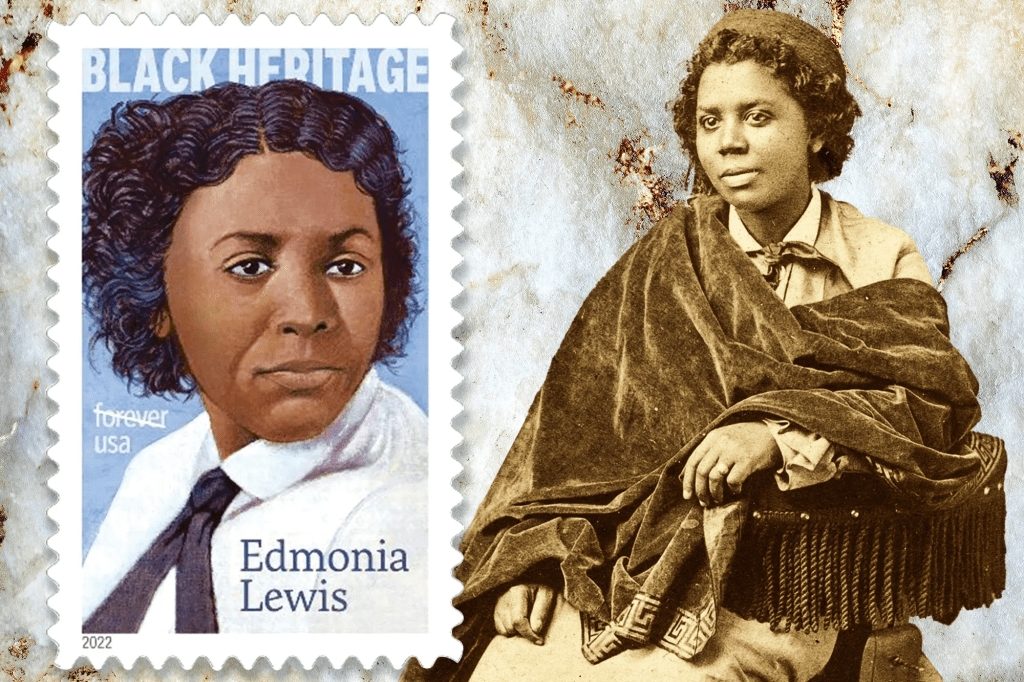
Well if you don’t know who she was or anything about her art, don’t feel bad as she is…among many others…one of the ignored and forgotten greats. And in any event, I am here to tell you about her so that you do not think that the only…or best…American (born in the US) Black artist was Basquiat or that the only…or best…female artist was Frida Kahlo. Granted, both Basquiat and Kahlo made a name for themselves. Basquiat as the enfant terrible of the 1980’s and Kahlo as the «queen of merchandising!» but as artists they were mediocre, at best.
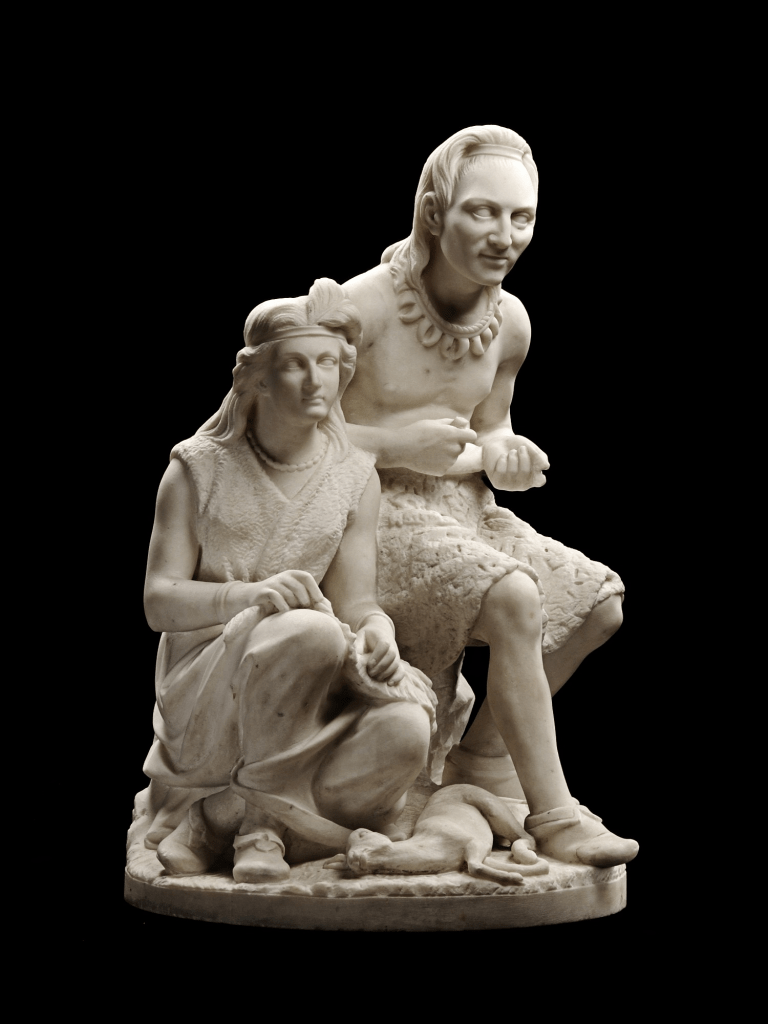
Ms. Lewis was the real thing. She was born in New York in 1844. She was a sculptor and lived and worked most of her life in Rome, Italy. And she was the first Native American/African artist to achieve international recognition in the sculptural arts. Quite an accomplishment I would say, no? And you did not even hear of her. Well, it is not your fault, it is the fault of educators of Art History that are biased and only talk about the «artists» they think are good and important. Well, most of the time they are neither.
Edmonia’s sculptural style was neo-classic. She started during the time of the US Civil War and became recognised, albeit slightly, in the art world of the times. In 2002 she was included in the list of the 100 most recognised African-Americans, (which only includes those of the US not black people of the entire American continent). Lewis’s father was Afro-Haitian and her mother was a weaver from the Mississauga Ojibwe tribe of North American Indians.
Her first exhibition was in 1864. It was successful and together with a few more successes she eventually found her way to Italy where she joined with other ex-patriot sculptors and settled in Rome where she opened her own studio. In Italy she found a refreshing freedom from racism and the liberty to create as she willed.
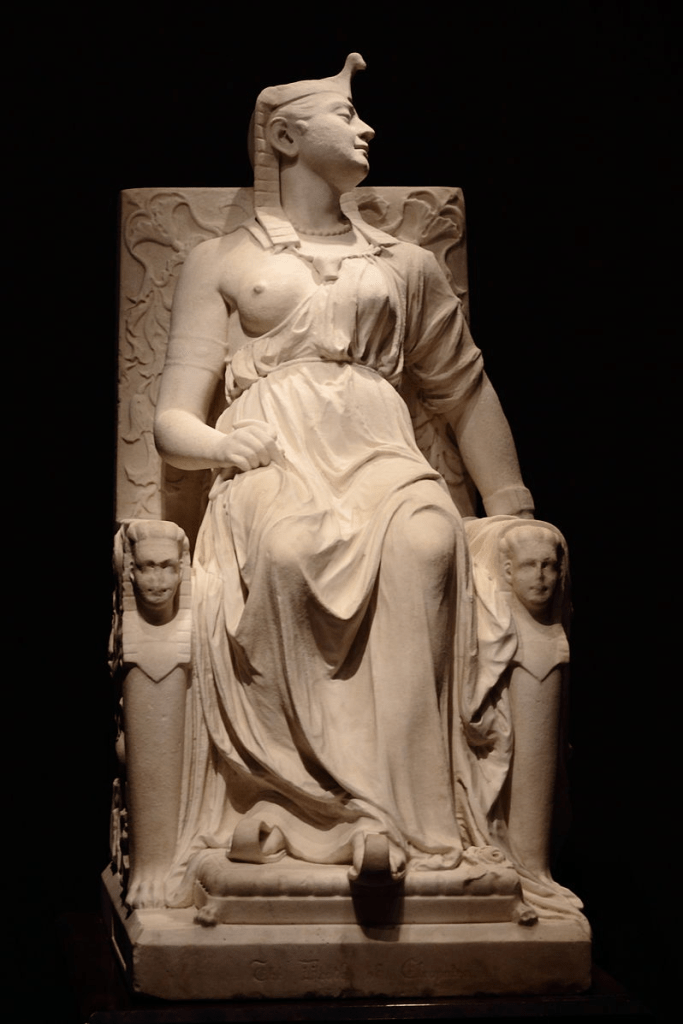
In 1876 she participated in the «Centennial Exposition of 1876» in Philadelphia. She exhibited a monumental sculpture that weighed approximately 1400 kg, titled «The Death of Cleopatra«, based on Shakespeare’s Antony and Cleopatra Antonio and Cleopatra.
Ms. Edmonia Lewis died in London in 1907 at the age of 63 years. I truly encourage you to look further into the life and the work of this incredibly good artist, and that you spread the word about her and about all the others that are forgotten or ignored. It is time to re-arrange some of the museums of this world, take out some of the rubbish they are exhibiting and replace it with the quality work of valuable artists that are left out.
«There is nothing as beautiful as the freedom of the forest: catching a fish when you are hungry, cutting the branches of a tree to make a fire to roast it, and eating it outdoors, is the greatest of all luxuries. I wouldn’t stay a week locked up in the cities, if it weren’t for my passion for art.» (Edmonia Lewis/translated from the original Spanish which was published in the newspaper El País of Spain)
«No hay nada tan hermoso como el bosque libre: coger un pez cuando tienes hambre, cortar las ramas de un árbol, hacer un fuego para asarlo, y comerlo al aire libre, es el mayor de todos los lujos. No me quedaría una semana encerrada en las ciudades, si no fuera por mi pasión por el arte» (periódico El País/España)
CHEERS


Well, I must say, it’s quite brave of you to call Basquiat and Kahlo «mediocre.» That’s like saying the Beatles were just a garage band. Edmonia Lewis, bless her chisel, was indeed a trailblazer, but let’s not downplay the brilliance of Basquiat’s chaotic genius or Kahlo’s vibrant, introspective works. Their impact isn’t just in their sales records but in how they shaped and inspired entire movements. So, while Lewis deserves every bit of recognition, let’s not turn art into a game of one-upmanship. After all, there’s room on the museum walls for all three!
Me gustaLe gusta a 1 persona
That’s your opinion my friend and I respect it. But please don’t put The Beatles (head and shoulders over all) in the mix. Cheers and yes, let’s keep the dialogue (with respect, as you have done) going!
Me gustaMe gusta
♥️
Me gustaLe gusta a 1 persona
🙏🏻🙏🏻🙏🏻
Me gustaLe gusta a 1 persona
Excellent choice. I adore her sculpture. Keep up the good and important work of introducing us to these female artists.
Me gustaLe gusta a 1 persona
Fantastic sculptures!
Me gustaLe gusta a 1 persona
Amazing!
Me gustaMe gusta
I’m very familiar with Lewis and her work. It’s typically a struggle for the African American artist, but especially when a woman. Basquiat had the machine behind him but he paid a price for it. Ishmael Reed did an insightful interview on NPR and is writing a play about him.
To discover Lewis was an absolute gem. And no, she wasn’t who I learned about in art history. I made it my mission to collect art books to expand my knowledge as an artist and teacher.
Me gustaLe gusta a 1 persona
Yes, I truly understand. I was never taught about her or many others in art history. Reference Basquiat, I find some of his work interesting but most of it boring. However, I think he is rightfully placed in art history, my problem is when they call him the best African American artist, and he is not. Thank you for the visit and for an insightful reply. We all need to keep the dialogue (of art) going. All the best.
Me gustaLe gusta a 1 persona
This «best » thing happens in Hollywood, politics, etc. with African Americans by the media or some group who picks out who best among us. It’s a control mechanism that’s always been used in directing people who they should pay attention to. It’s a narrow, biased view. It’s a fetishism but I’ll hold my tongue and leave it there.
Me gustaLe gusta a 1 persona
I totally agree with you. Thank you. We, as artists, must always work to strengthen reality and lessen these myths based on nonsense. All the best.
Me gustaMe gusta