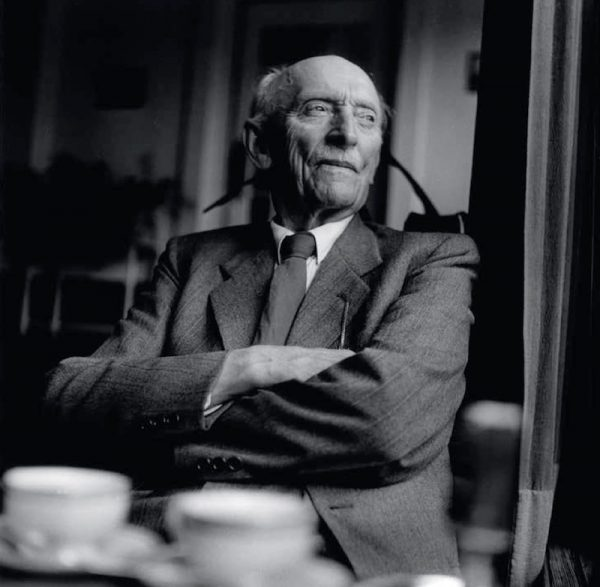
One of the founders of the school of German Expressionists…
Cheers…

Faith saved us from the savages that we were, losing faith makes us savages again
One of the founders of the school of German Expressionists…
Cheers…
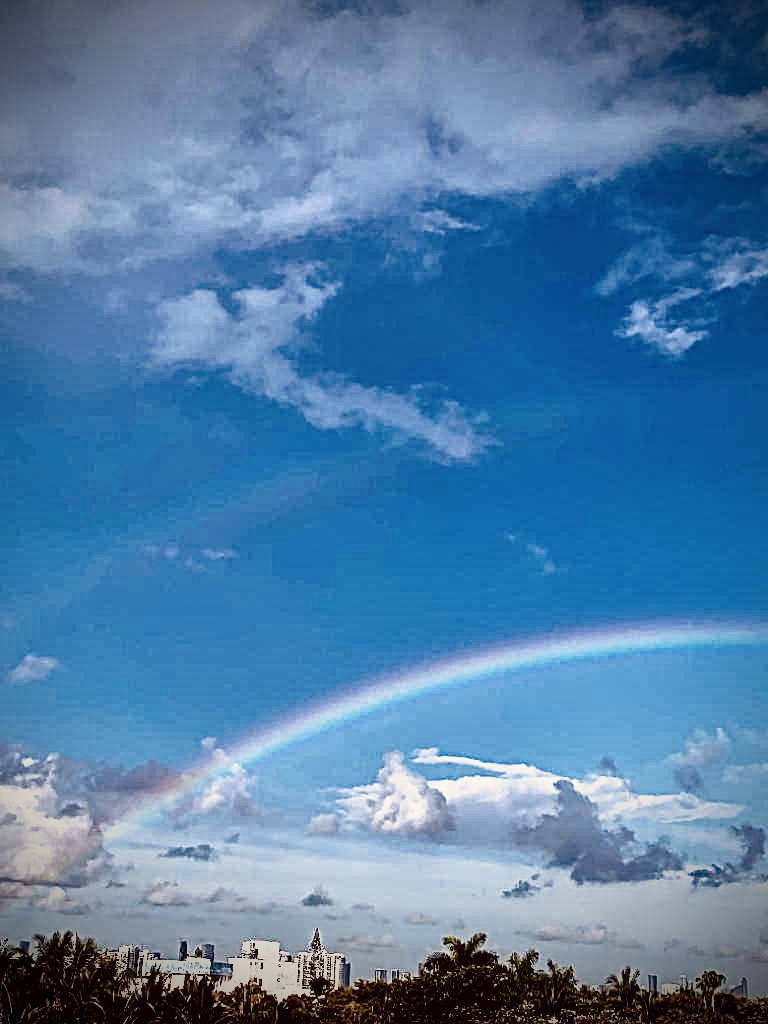
I walked with Simon of Cyrene, not through the way of Calvary, through a pasture green.
I saw his footsteps in the clouds and all the reasoning and doubts dispersed like dreams.
I’ll never burn my ships again, as now I’ve learned to comprehend the man I’ve been.
C.2022, Francisco Bravo Cabrera, 05 MAY 2022, Miami Beach, Florida, US

This is definitely proto Jazz Art. It is from 2016 as I was about to make the complete transition to JaZzArt, so it is important. It is very detailed and clear in postulating the elements of creating «jazz» which is to improvise, to be the player and the composer…at the same time…and to swing!
I have chosen this one to add to the collection that I have placed on Pixels so that some of these images, some of these original, one of a kind drawings (graphite and ink on Canson paper) can be available to a larger group of collectors and art lovers. This is only for a limited time.
And again I leave you with some sounds and some images…
Cheers…
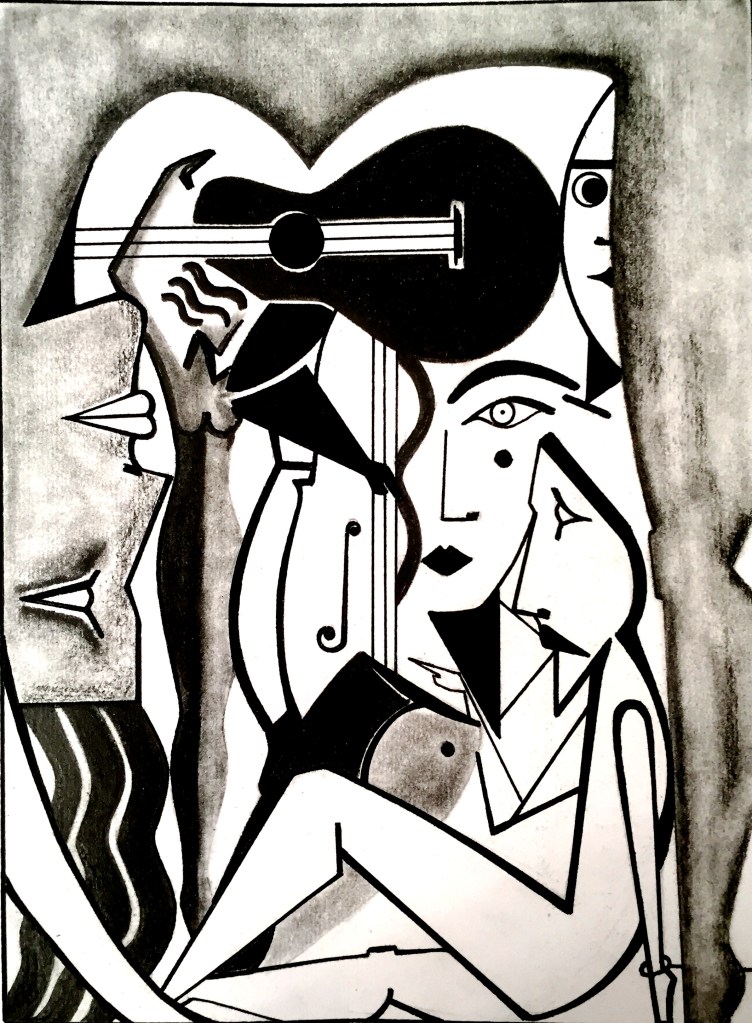
This drawing with graphite and ink on Canson paper is officially part of Jazz-Art, although not JaZzArt, just getting there…
I have decided to make some of my original illustrations available as prints through Pixels and I encourage you to take a look…
And again, I leave you with a short video of my music and my artwork at Omnia Caelum Studios Valencia:
Cheers…

¿Cual de esas caras eres?
¿A donde van esos ojos tan calibrados?
¿Cual de esas bocas besan con más alivio?
C.2022, Francisco Bravo Cabrera, 05 de mayo de 2022, Miami Beach, Florida, EEUU.
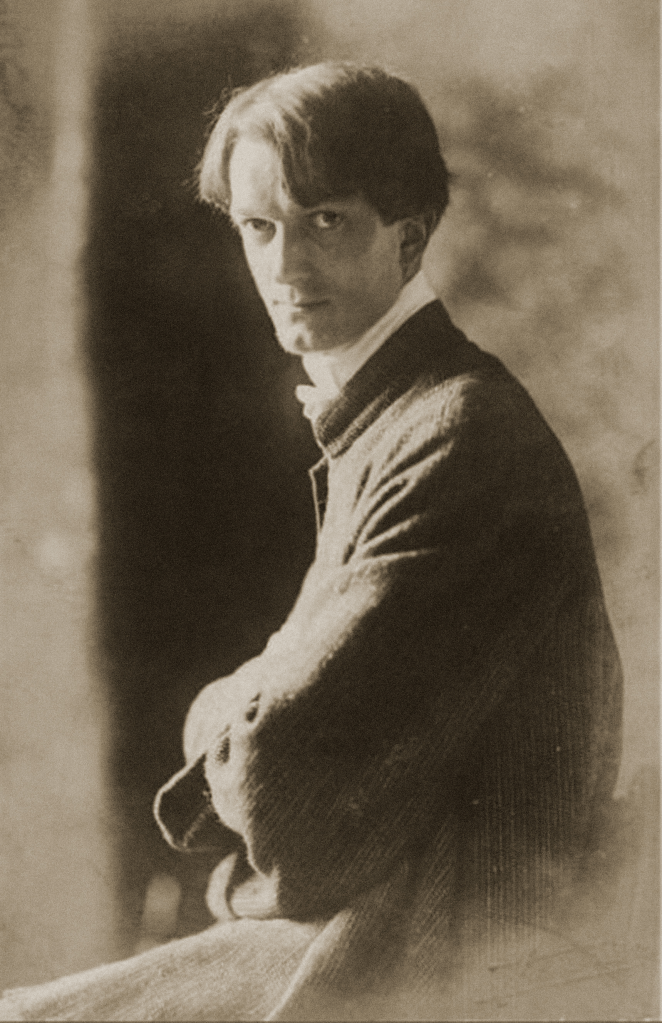
I would say that I would rather see the work of Bugatti than some of the «art» that I have seen in museums, galleries and art shows…
If you are an artist, a sculptor, a collector or simply interested in sculpture, I would recommend that you research Rembrandt Bugatti. He was another artist that committed suicide due to depression. Mental illness is often overlooked, and that is something that should be addressed by all countries immediately.
Cheers…

Again, I invite you to take a look at some of the artwork I have allowed to be converted into prints and even placed on other items where they actually look quite good…
This one is from 2016 and it is certainly in the group of Proto-Jazz-Art. This composition is surreal in thoughts and intentions as I allowed items, as different as flowers, fruits, musical instruments and figures to co-exist in a jazzy world.
And this one, as well as a few select other ones, are now available as prints. You can check them out here, at Pixels and tell me what you think…
And, as I have been doing, I leave you with this short video clip of some more of my work:
Cheers…

This is a graphite on Canson paper drawing that I did when I was developing the concept of «Jazz Art». It’s simplicity is a visual representation of how simple music can also be and in it’s simplicity we find beauty. Complicated things…like machines…is the work of engineers, simple things…like art, poetry and music…is the work of artists.
I invite you to look through my work here at Pixels where I have selected some of my graphic are, digital art and illustrations to create items such as wall prints, t-shirts, tote bags and other things…
I leave you with this short video of some of my graphic works, photographic work and digital art from Omnia Caelum Studios Valencia:
Cheers…

Esta es una de mis canciones favoritas de Sabina, y no es fácil escoger, menuda faena que es. Pero esta versión es maravillosa por la introducción que le da la preciosa Mara Barras…

«De sobra sabes que eres la primera
Que no miento si juro que daría
Por ti la vida entera, por ti la vida entera
Y sin embargo un rato cada día, ya ves
Te engañaría con cualquiera
Te cambiaría por cualquiera»
Que letra mas genial…
Así que aquí os dejo esta joya musical con una letra de cojones…
Gracias…
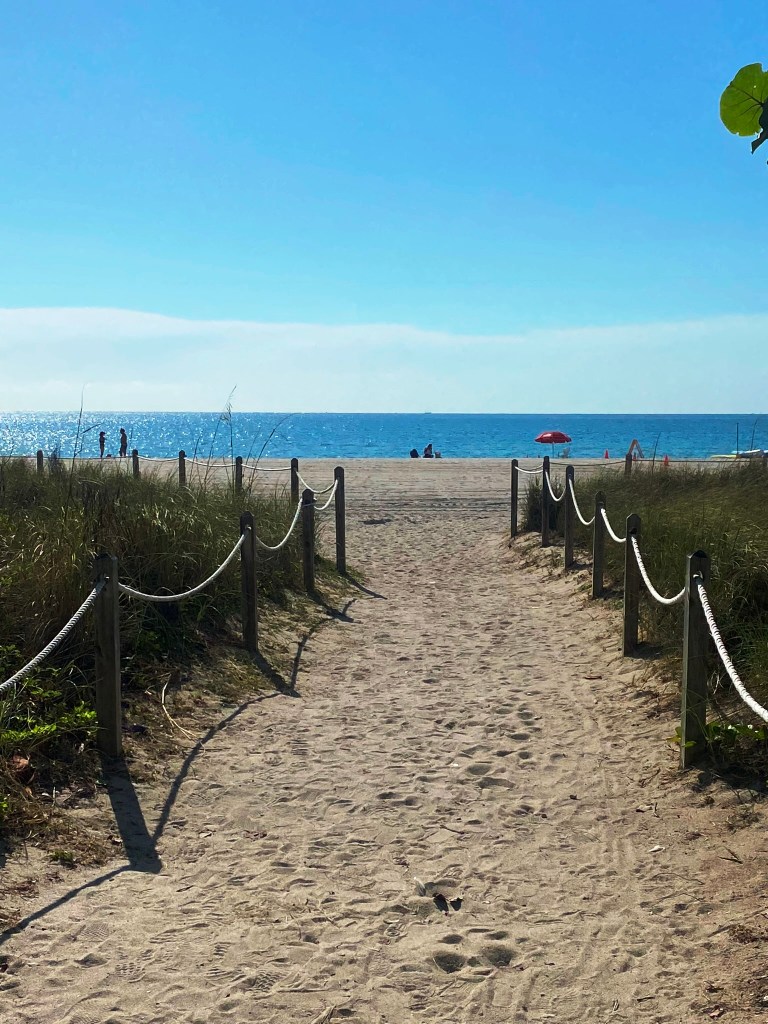
The above photograph reflects what one imagines Miami Beach is. Clean sand, a lovely sea to delight the senses and the body and peace and tranquillity. But you will not find that in Miami Beach, at least not in the area between the 50’s (Streets) to South Beach. In place of serenity and everything else one imagines should be a trip to the beach, you will find this:
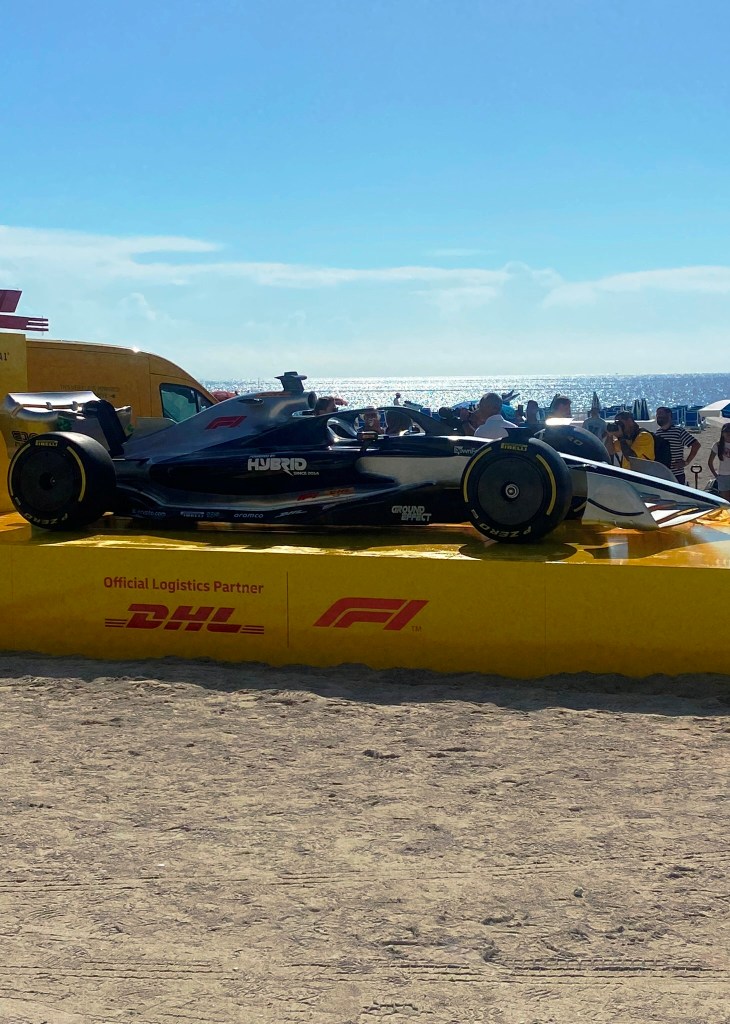
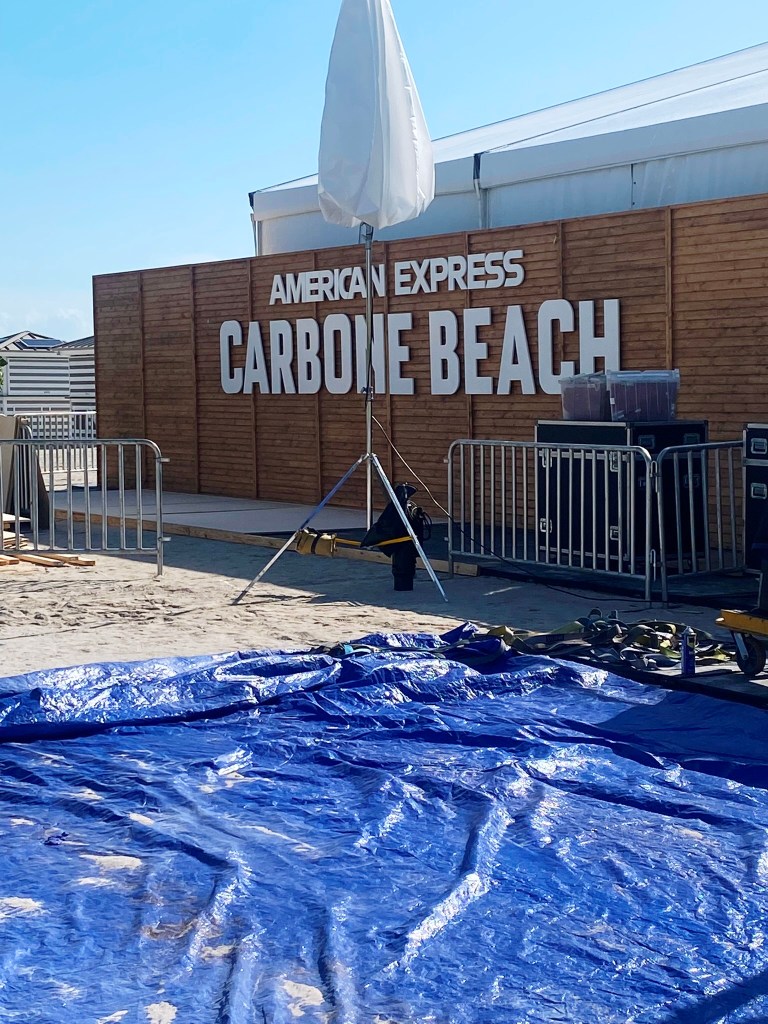
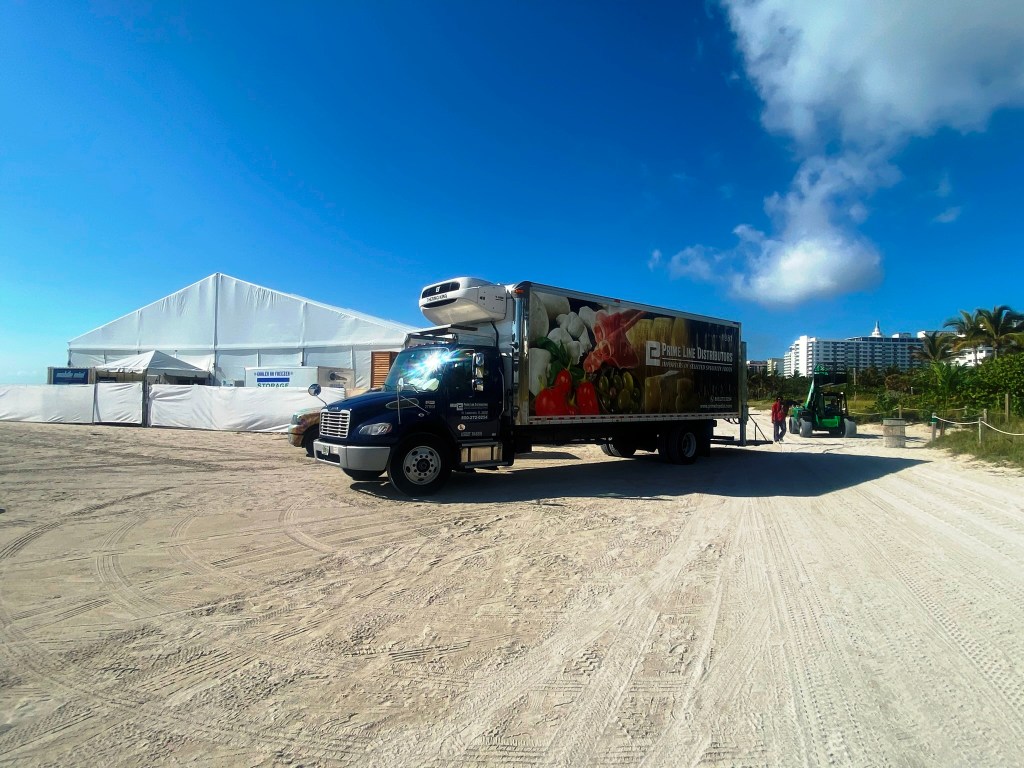
Corporate greed has expanded to the nth degree in Miami Beach. Hotels line the coastline and the city has given them everything. And everything means giving them the precious sand space for them to fill it up with chairs and umbrellas, exercise areas and snack bars. But the city says that they have to make these amenities available to all. And they do, for a steep price for the chairs and the umbrellas and if you want to buy a small bottle of water (the cheap one that usually costs 0,50 cents of a USD) you have to pay it with a credit card and at $3,00.
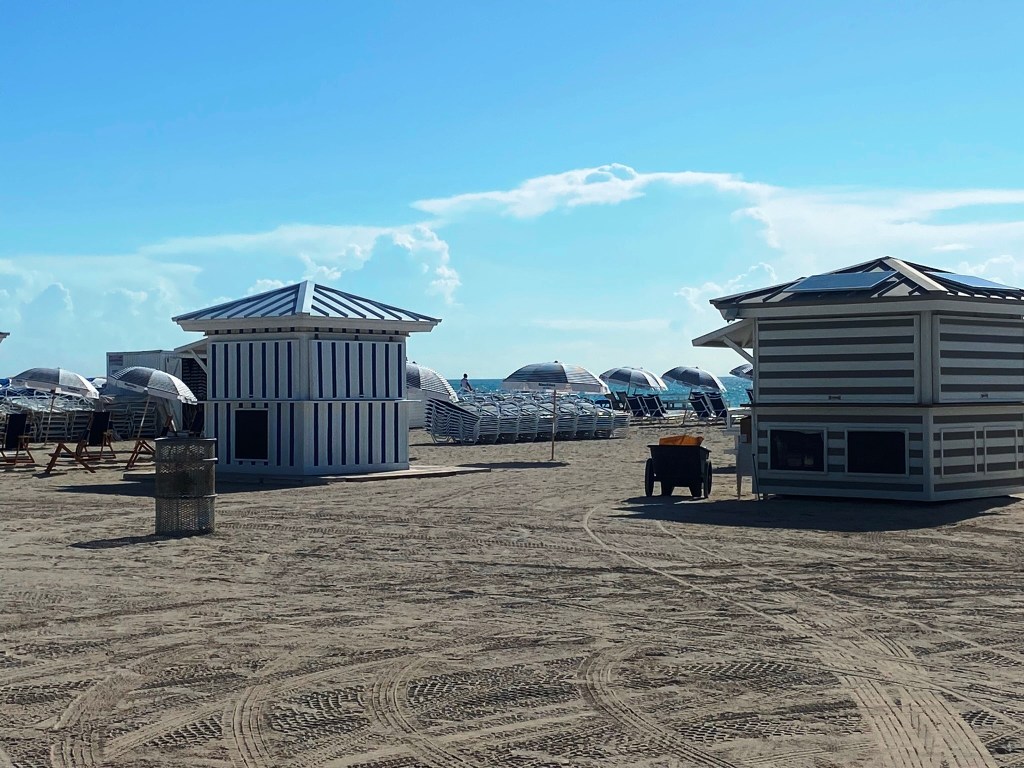
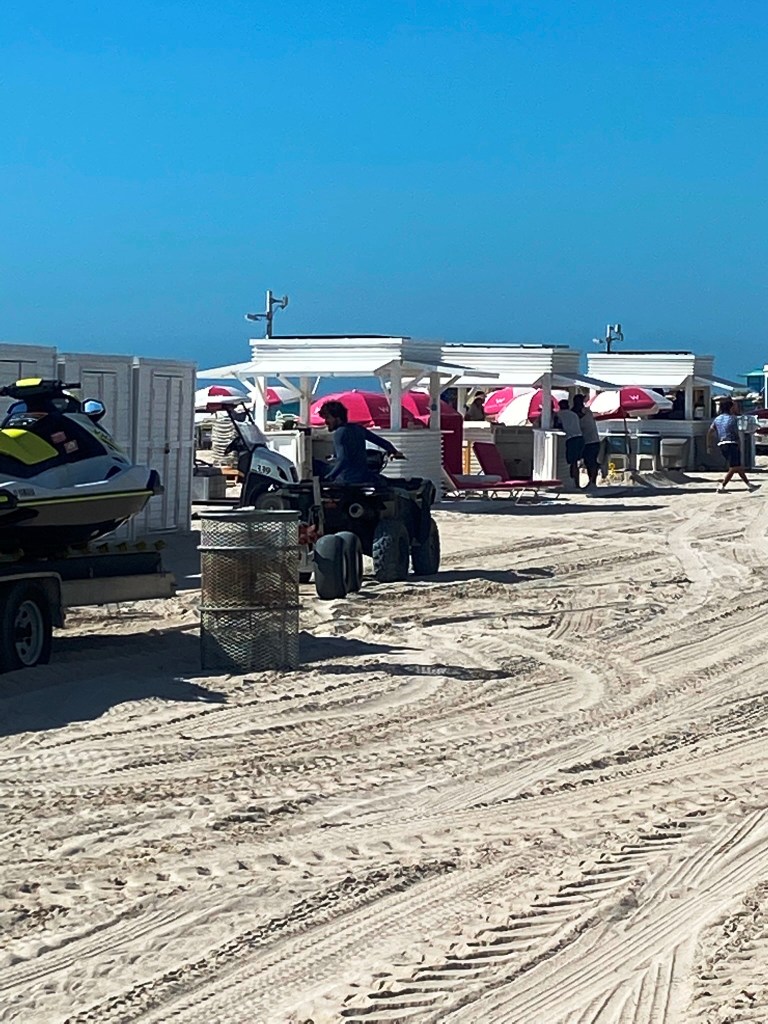
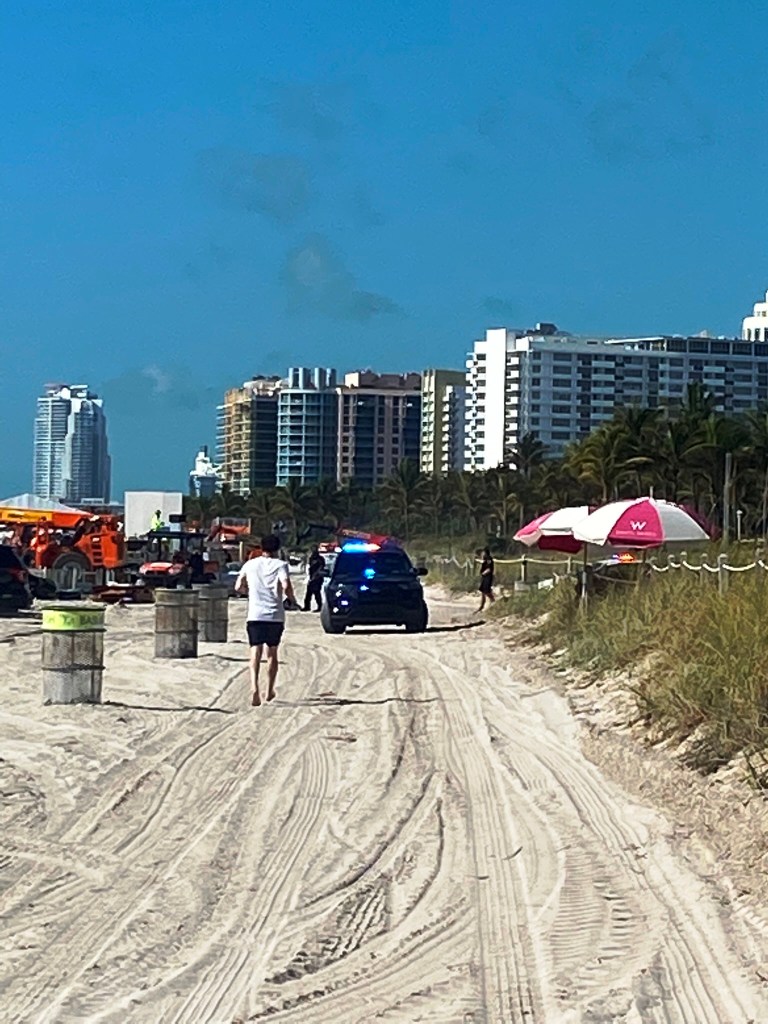
So, where do the people go? I mean the normal, day to day people that live in Miami Beach, or the visitors that are not rich capitalists? Well, I don’t know because Miami Beach’s corporate greed and the expansion of the same has not left much space for the people. And aren’t beaches public? What right does the city have to allow these ultra-capitals to take over? And yes, they leave us something, but very little and hard to find as you can see from these photographs.
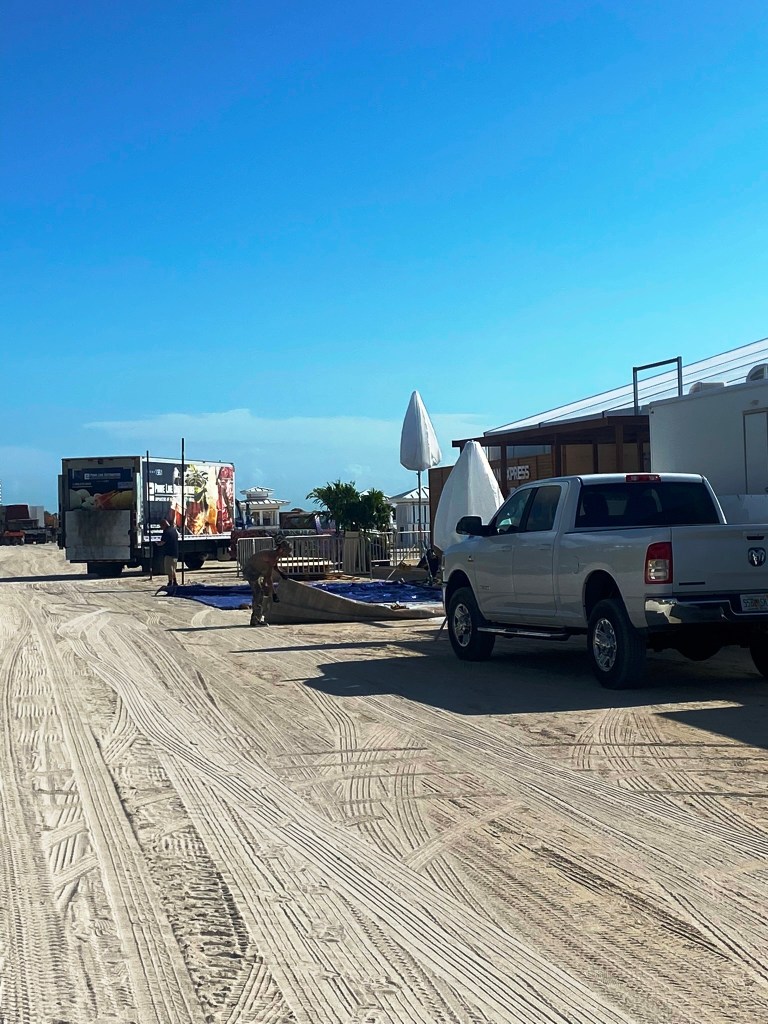
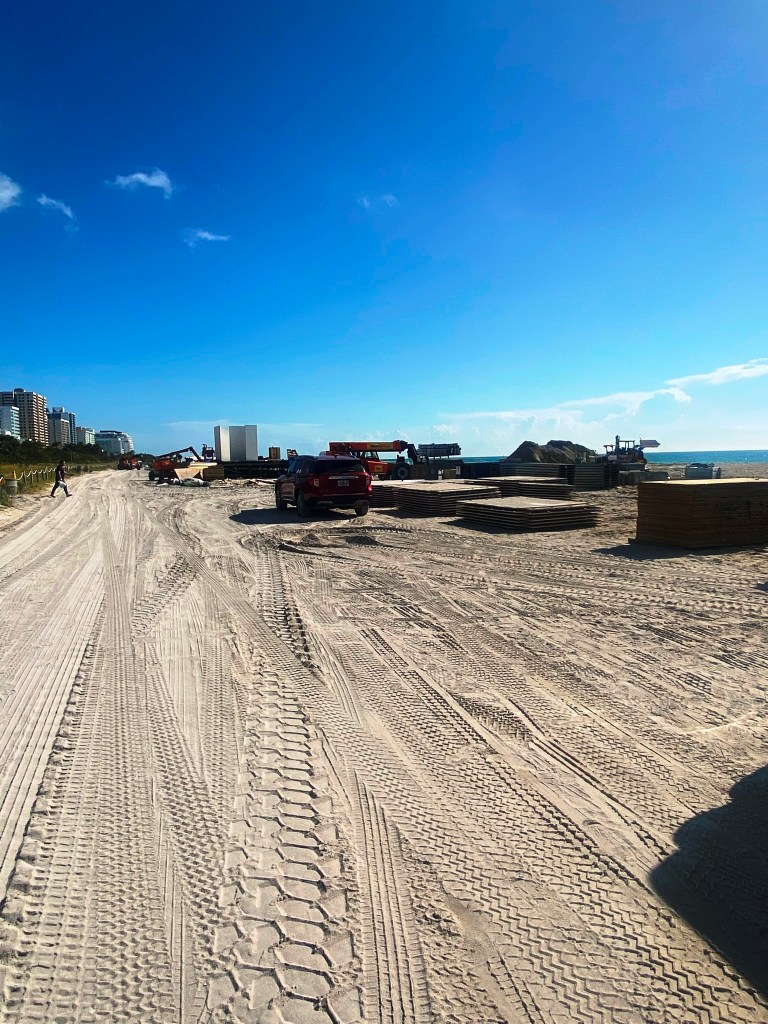
I remember when I moved to Miami Beach, back in the 1980’s and things were not like this. In those days you saw nothing but sand. People brought their own chairs and umbrellas and motor vehicles did not transit on the sand like now. Having motor vehicles…including police and Beach Patrol (Ocean Rescue)…on the sand is extremely dangerous. There have been many incidents where these «official» vehicles…who are seemingly above the law as the law prohibits motor vehicles on the sand…have run over bathers, including killing a French tourist. Here is the link to the information on these tragedies.
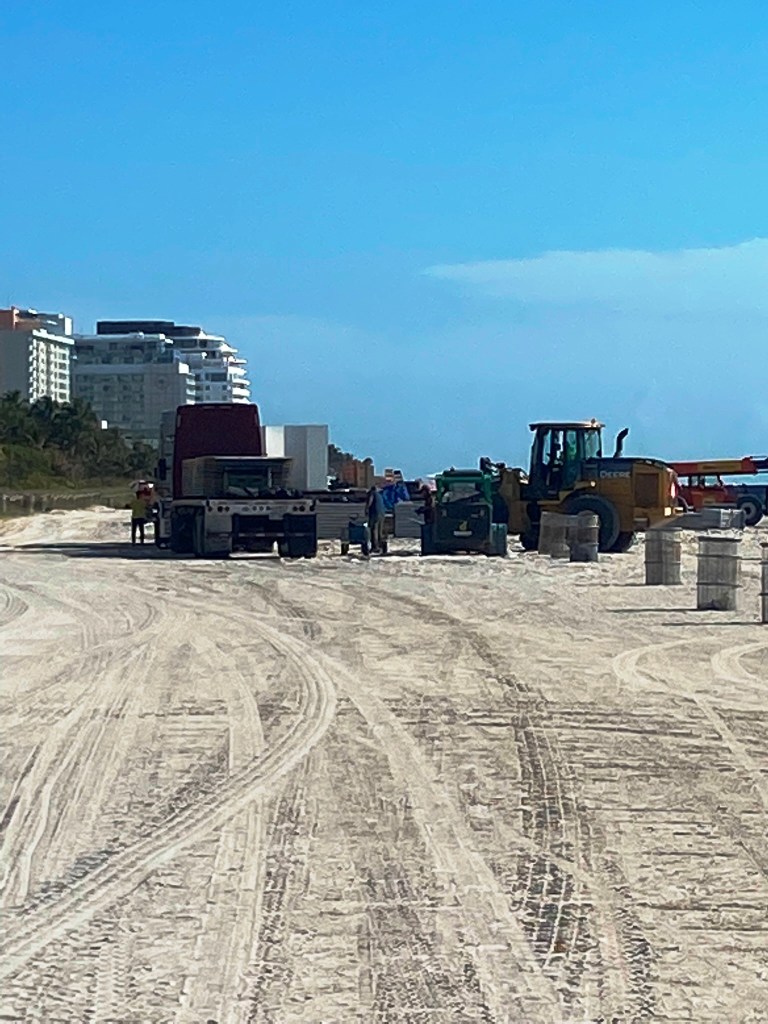
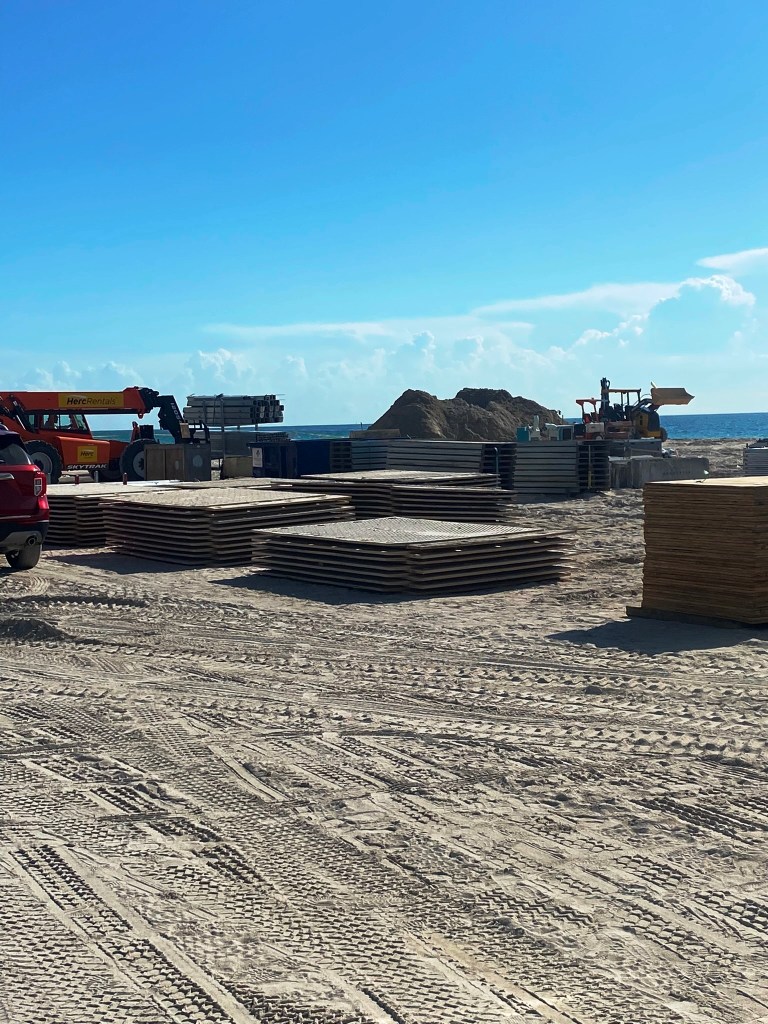

One more thing. The city of Miami Beach constructed a «Beachwalk» so that people could stroll and enjoy the sun and the natural beauty of the area. However, they have allowed skaters, bicycles and skateboarders to «terrorise» pedestrians as the «beachwalk» (you walk at your own risk) became a shared area. Can you imagine walking with your small children and a careless biker…and they are the most common…just flies by? God help your child if they should think that this is a safe place and they run out, as children usually do. It is one of the most thoughtless things that the city of Miami Beach has ever done. Could they not think of a separate bike lane?
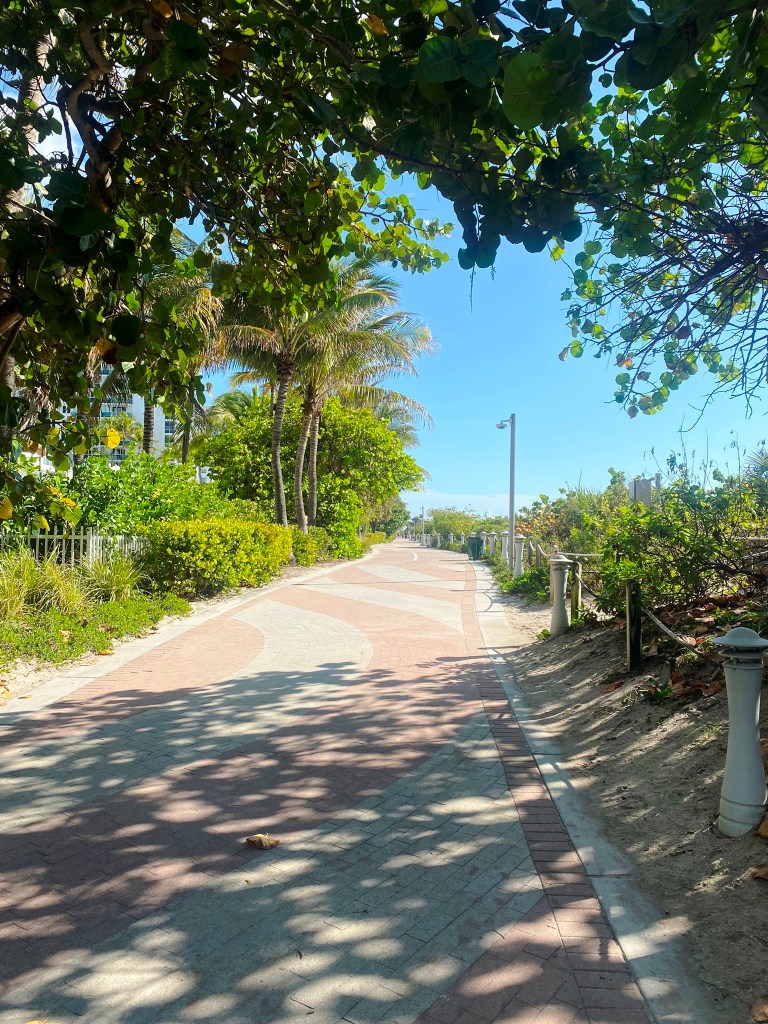
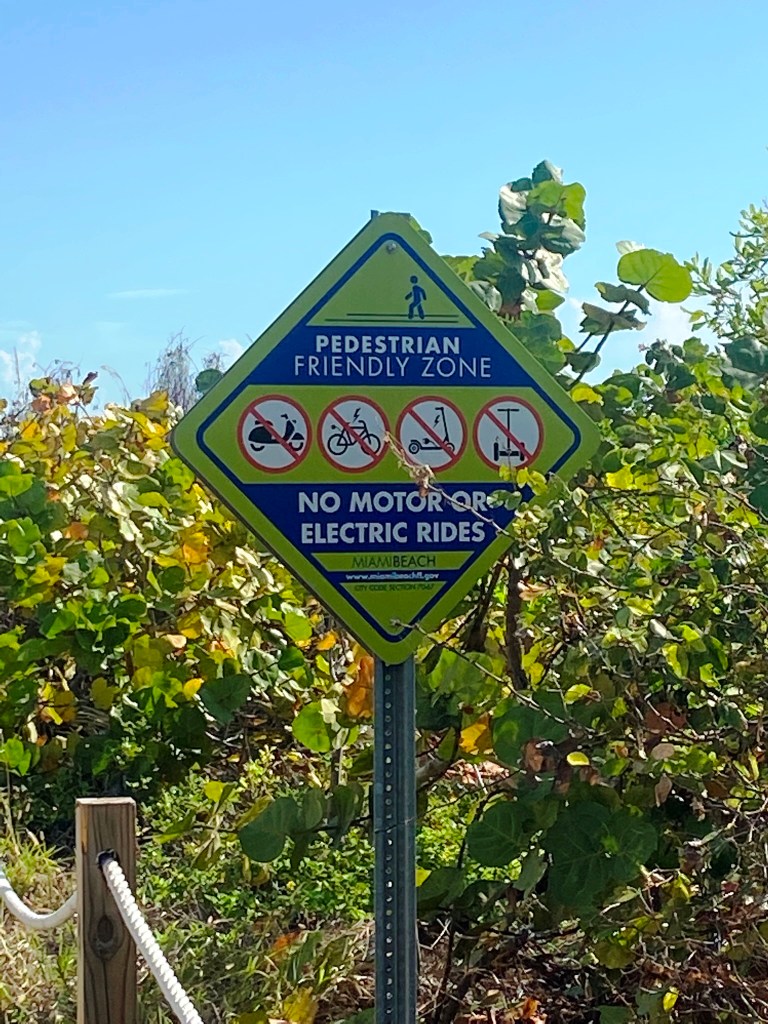
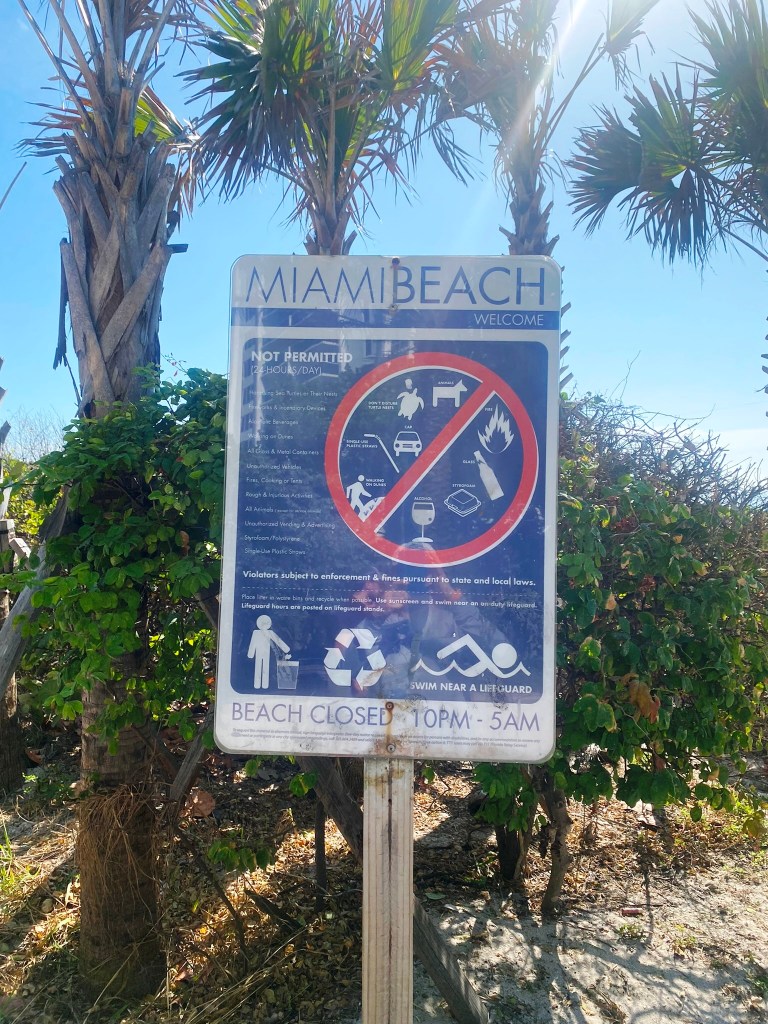
And in closing I just want to remind you that if you do make your way to the Miami Beach…and you better bring a lot of money…and you manage to find a place in the sand, look out for the tractors!
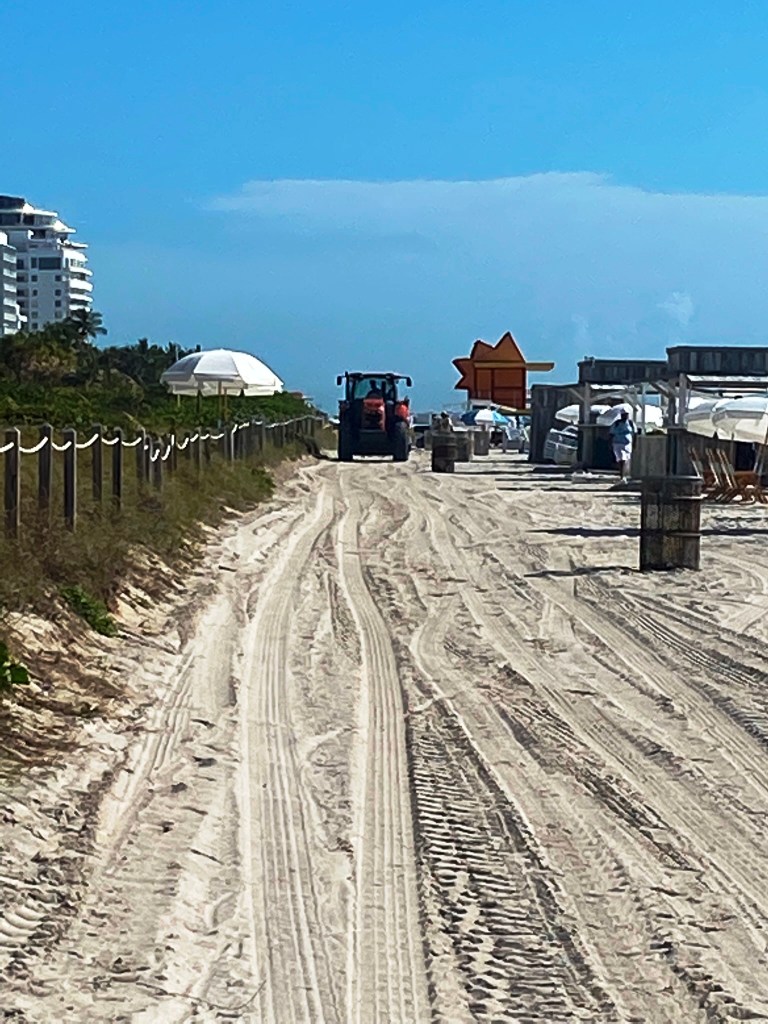
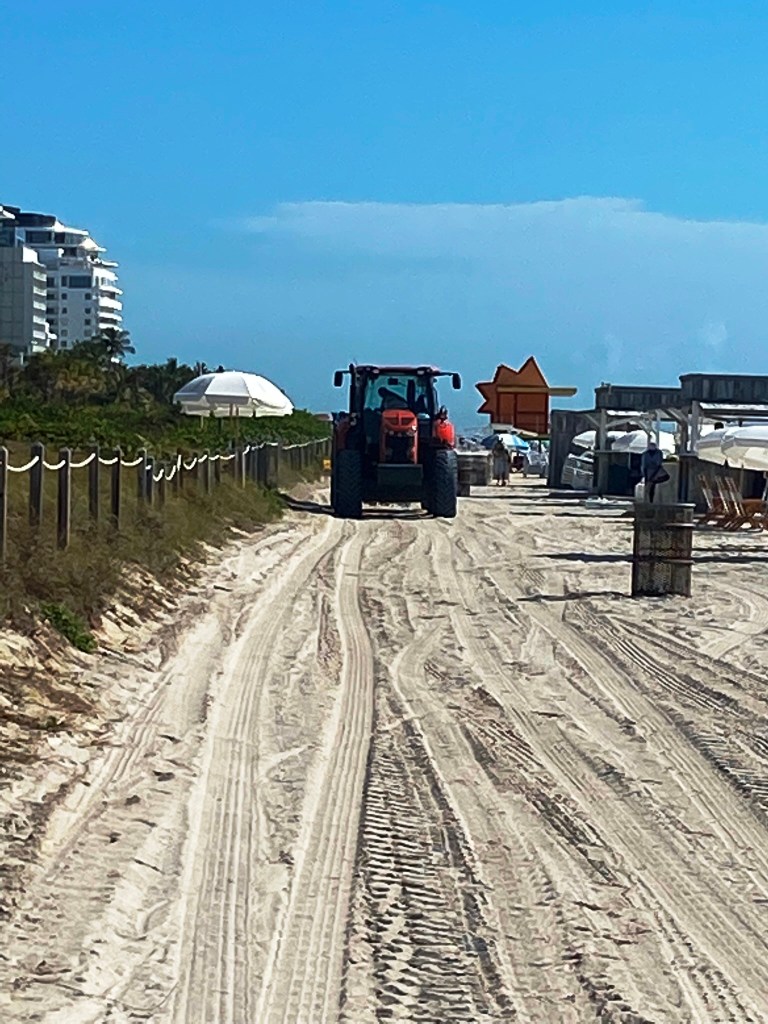
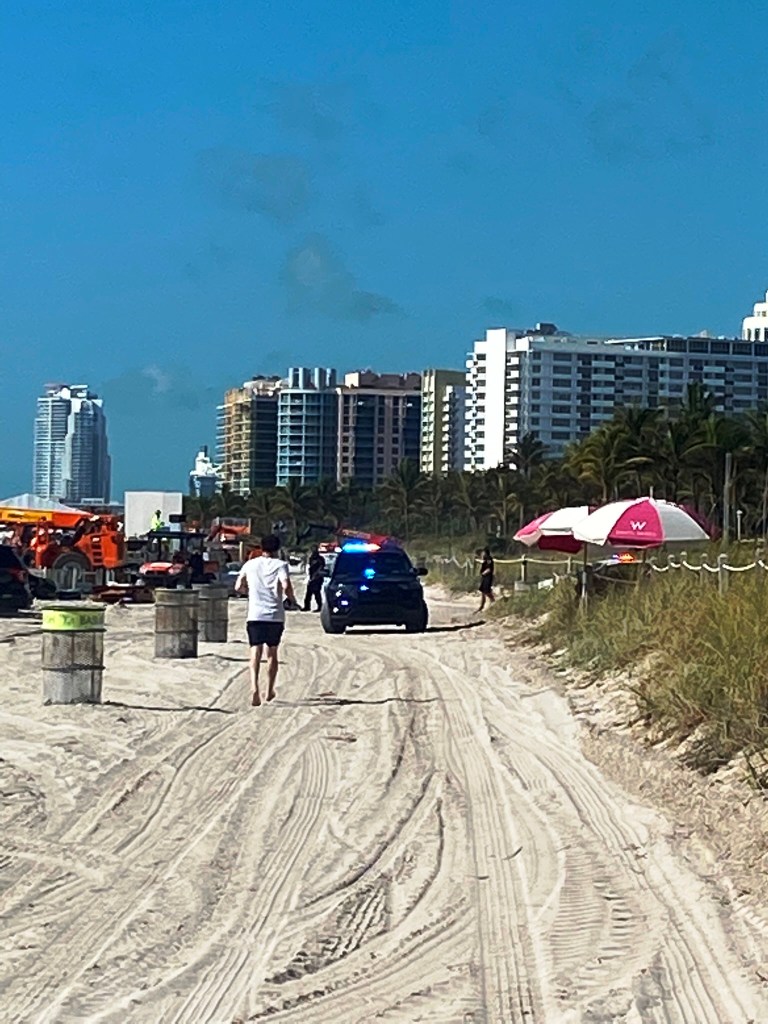
And the Beach Patrol, (Ocean Rescue), supposedly there to «save lives», they have actually run over many beach goers. I mean, do they really need to use these vehicles?
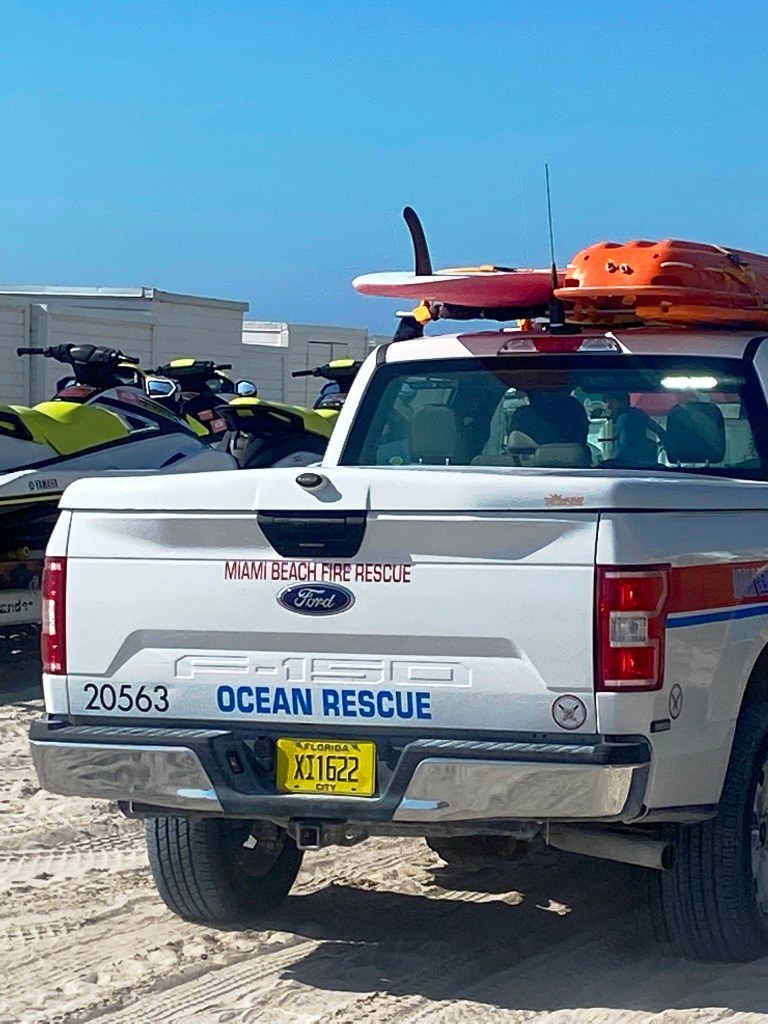
I can only say that if I were looking for a beach vacation and I was not rich, I certainly would not come to Miami Beach. Florida is a beautiful state with coastline, and many beaches on either side, the Atlantic and the Gulf of Mexico, so there are many places to choose from where you will find peace, sunshine and warm waters.
Cheers…

 JaZzArt en València