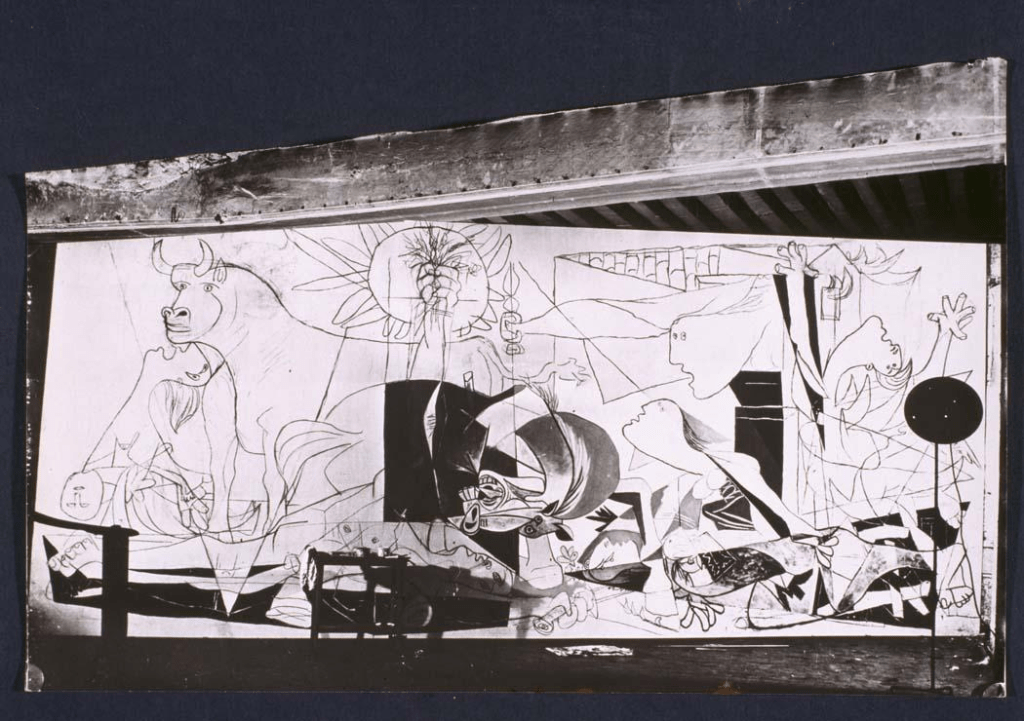
La mujer que documento fotográficamente la creación mas conocida de Pablo Picasso, el Guernica.
(el desarrollo del Guernica, 1937)
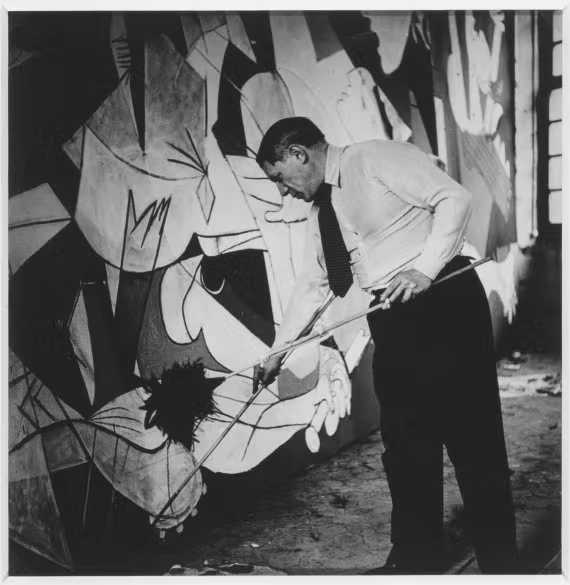
Las fotografías de Dora Maar le ayudaron a Picasso a ver que no le eran menester los colores y que el cuadro impactaba mas al blanco y negro…
(1937 pintando el Guernica)
Dora Maar nació en Paris en 1907, de padre croata y madre de Cognac y se crió en Buenos Aires. Cuando Picasso la conoció en 1935, ya ella se había establecido como fotógrafa en París. A el le llamó la atención la personalidad de Maar, especialmente el día en que la conoció cuando ella, con un cuchillo afilado, estaba apuñalando la madera entre los dedos de su mano hasta llegar a cortarse. Cuando la sangre manchó el guante que llevaba, Picasso se levantó de su mesa y le pidió que se lo regalara, que el lo guardaría entre sus mas apreciados recuerdos…
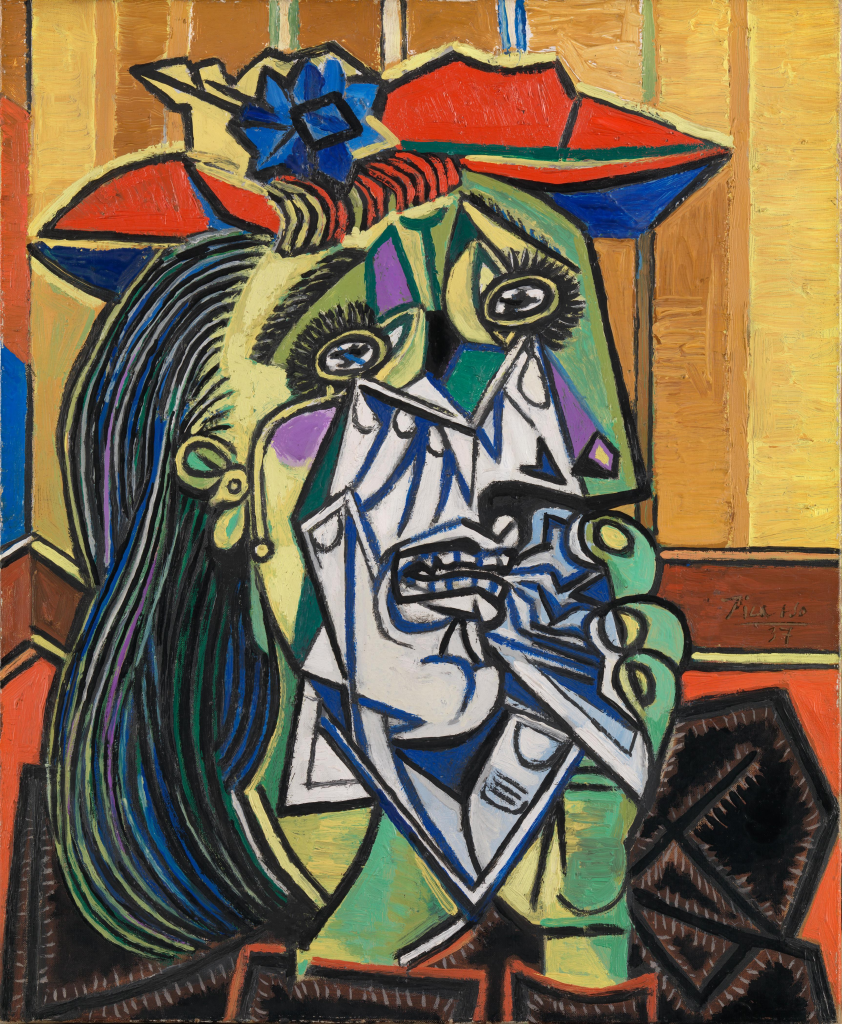
Pero para Picasso Dora Maar era la mujer trágica que el convirtió en la mujer que llora.
(«La mujer que llora» 1937, Pablo Picasso)
La relación entre Picasso y Dora Maar termino en 1943. Debido a los maltratos y el abuso psicológico que sufrió junto a Picasso, Dora Maar padeció de una profunda depresión y se refugio en la casa que Picasso le puso en Ménerbes. Para luchar contra los episodios depresivos comenzó a pintar cuadros abstractos. Murió en Paris el 16 de julio de 1997 a los 89 años de edad.
(fotos son del dominio publico y utilizados para fines educativos)
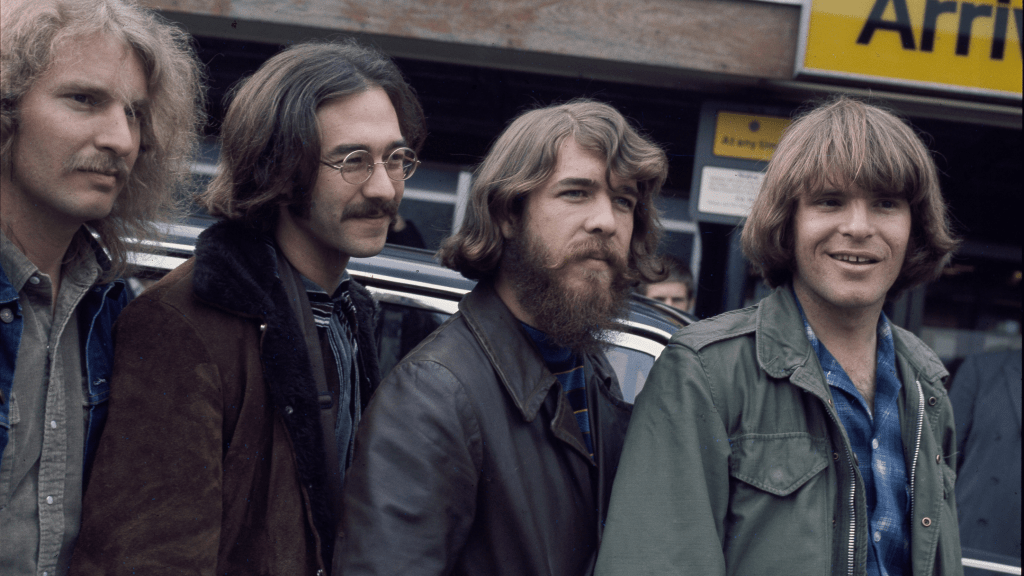
(The original lineup of Creedence Clearwater Revival, at London’s Heathrow Airport. L-R: Tom Fogerty, Stu Cook, Doug Clifford, John Fogerty. Michael Putland/Getty Images)
«I ain’t no senator’s son. It ain’t me, I ain’t no fortunate one…»
We are all ordinary people, living in an ordinary world (so said Duran Duran and I agree) but some are fortunate ones, born with a silver spoon in their little greedy mouths, born from the senators who become little tyrants and dictators as they never want to give up their seat of power, born from those who believe the military and military power is the only way to solve conflicts and create peace…
But it ain’t me.
The United States is a working class country created from immigrants from many places and it is time that the «powers that be» as well as a lot of other folk (who really have no power at all) remember that. Let us stop worshipping the rich and famous, the millionaires and the celebs that flaunt their wealth and their immorality in everyone’s face and let’s get back to life with real people who aren’t the «fortunate» ones.
I believe this song brings all that to light and this is why «Fortunate Son» is one of my favourite songs of all time. John Fogerty has really reached in and looked hard at his society, back in 1969 (released on the Willy and the Poor Boys album), and saw the destruction in Vietnam, the poverty in the streets of their cities and the unrest and anger in people, and wrote this anthem to real people.
Here is what John Fogerty had to say on the Voice reference «Fortunate Son»:
The thoughts behind this song – it was a lot of anger. So it was the Vietnam War going on… Now I was drafted and they’re making me fight, and no one has actually defined why. So this was all boiling inside of me and I sat down on the edge of my bed and out came «It ain’t me, it ain’t me, I ain’t no senator’s son!» You know, it took about 20 minutes to write the song.
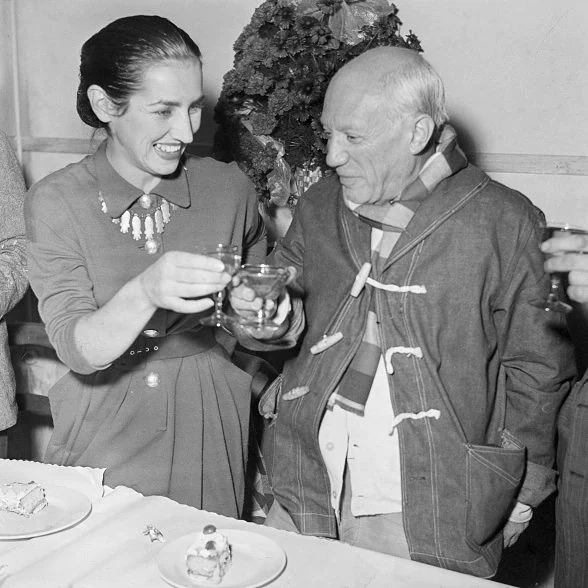
(Pablo Picasso clinks glasses with his wife, Francoise, as they toast his 70th birthday during an intimate ceremony held at their home. CREDIT: Bettman Archive)
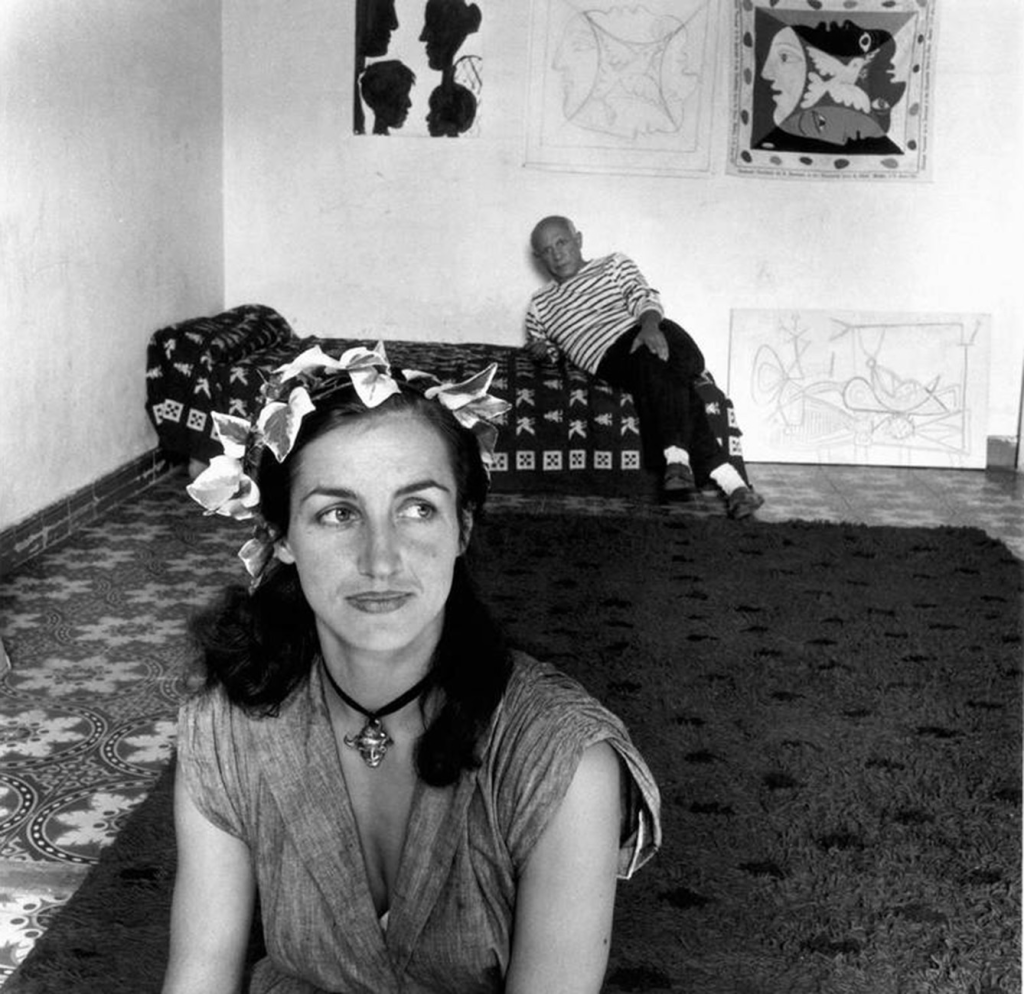
For me, two extraordinary people, and yes, I favour Pablo a little more, but my admiration for Françoise Gilot has always been and still is immense…
Here is a little tribute to this couple and to this relationship that lasted ten years and produced so much art.
Thanks to the efforts of a team, especially Grabriela Milton and Ingrid! It is quite an honour to have been included in this amazing collection and to be in the company of so many wonderful poets! Thank you!
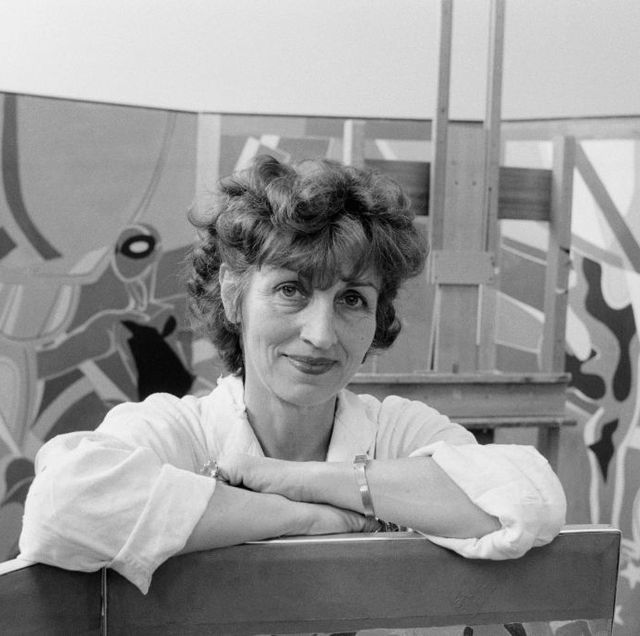
She was already an artist before she met Pablo Picasso. Her grandmother had guided her into painting at a young age. Actually, her art instruction began when she was only six years old…
She met Picasso when she was twenty-one years old. His influence was greatly seen in her cubist works but she did develop her own style independent of him.
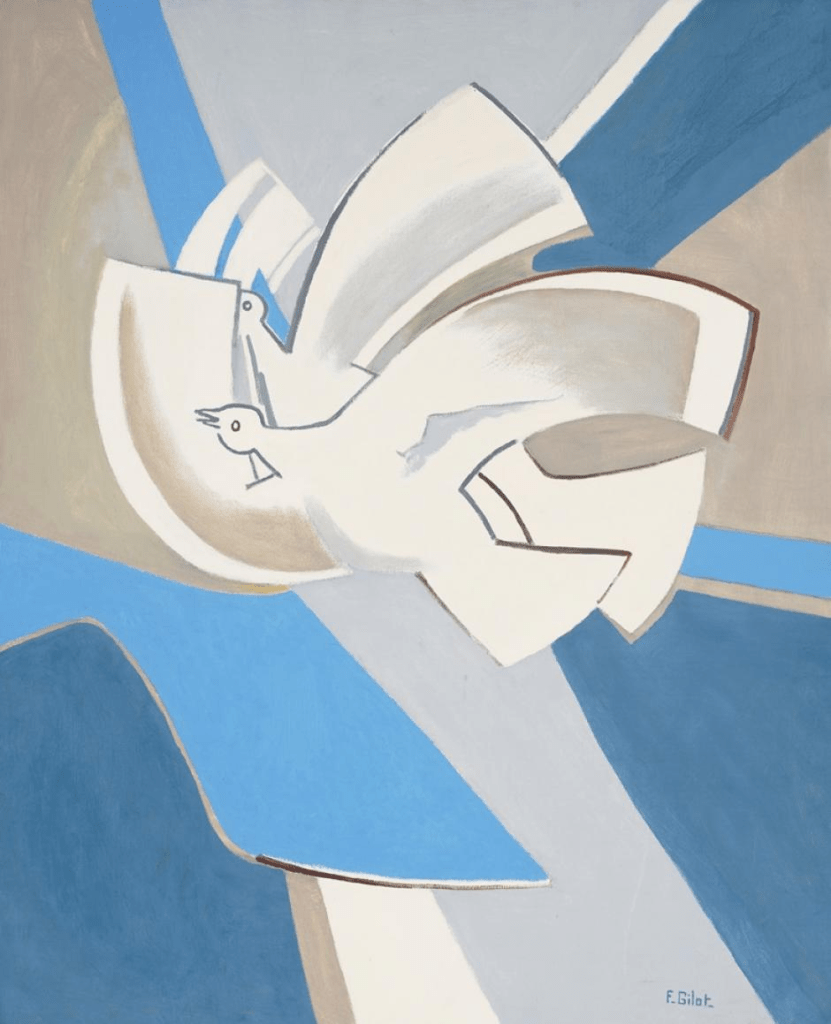
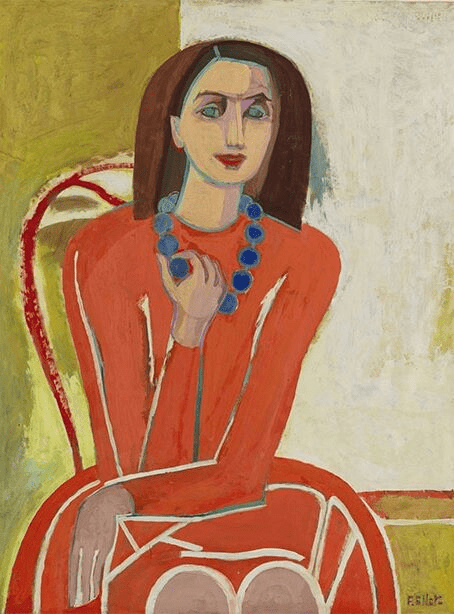
Here are some of her works:
(«White Cloud»
(Study for Self-Portrait In Orange With Blue Necklace 1944-45)
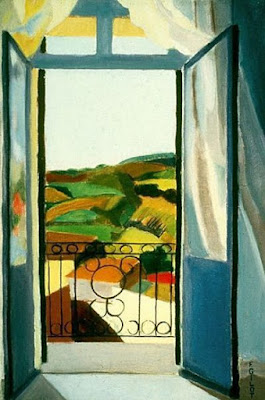
(French Window in Blue 1939)
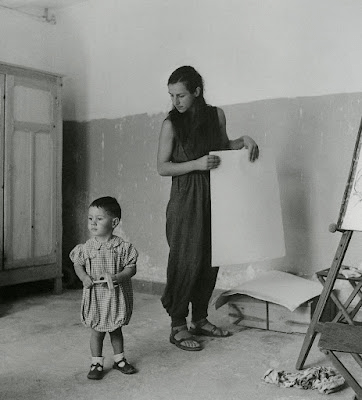
(With her son Claude in 1949)
Currently her artwork is exhibited in major museums around the world, like the Metropolitan Museum of Art in New York, the Modern Art Museum and the Centre Pompidou in Paris. In 2010 her painting «Paloma à la Guitare» sold at auction (Sotheby’s) for 922,500 GBP ($1,3 million).
After she left Picasso in 1953, she married Jonas Salk, the inventor of the polio vaccine, in 1970. She has written several books, including «Life With Picasso» in 1964 with Carlton Lake and «Matisse and Picasso: A Friendship in Art», in 1990.
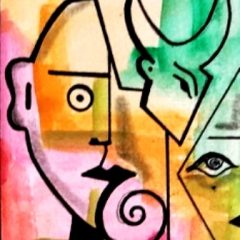
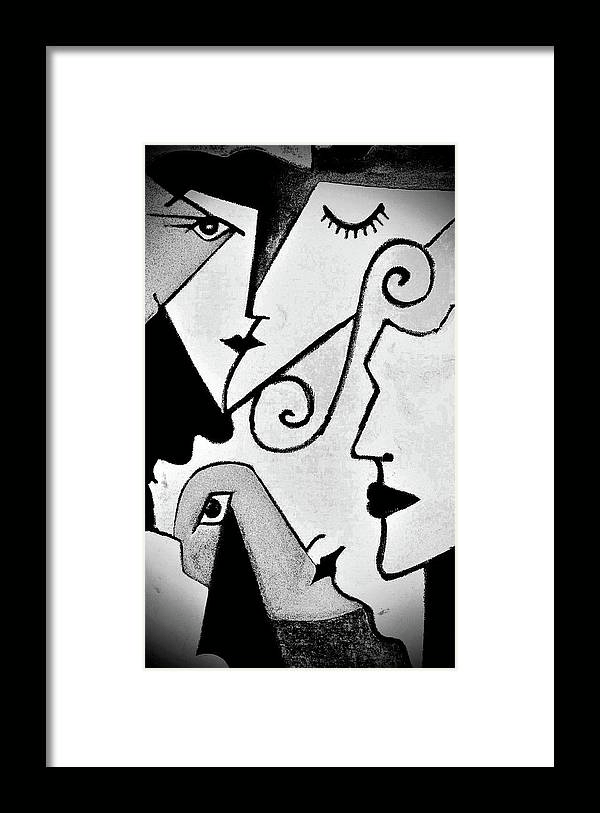
(«The Wink», Art Digital by FBC. Omnia Caelum Studios València)
This is what I now call «Face Art», (I used to call it «face-ist» art but folks thought I was a fascist so I dropped it, because I am not), and it is Art Digital (expressed in our Valencian language, in Castilian it is Arte digital and in English it is Digital Art). But now it is a fine art print available here.
And, as usual, I leave you with these images and with these sounds…

 JaZzArt en València