
Charlie Chaplin’s ‘The Great Dictator‘ (1940), in the context of the ongoing second world war, Charlie Chaplin created this master piece, where he …
Understanding Democracy- From the Two ‘Dictators’
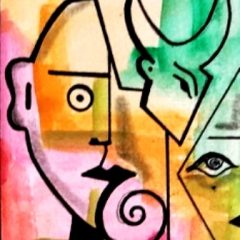
Faith saved us from the savages that we were, losing faith makes us savages again
Charlie Chaplin’s ‘The Great Dictator‘ (1940), in the context of the ongoing second world war, Charlie Chaplin created this master piece, where he …
Understanding Democracy- From the Two ‘Dictators’
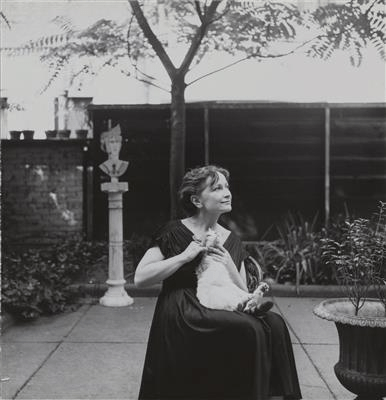
You might have missed the last time I presented this woman artist but I really think you should take a look…
Cheers…
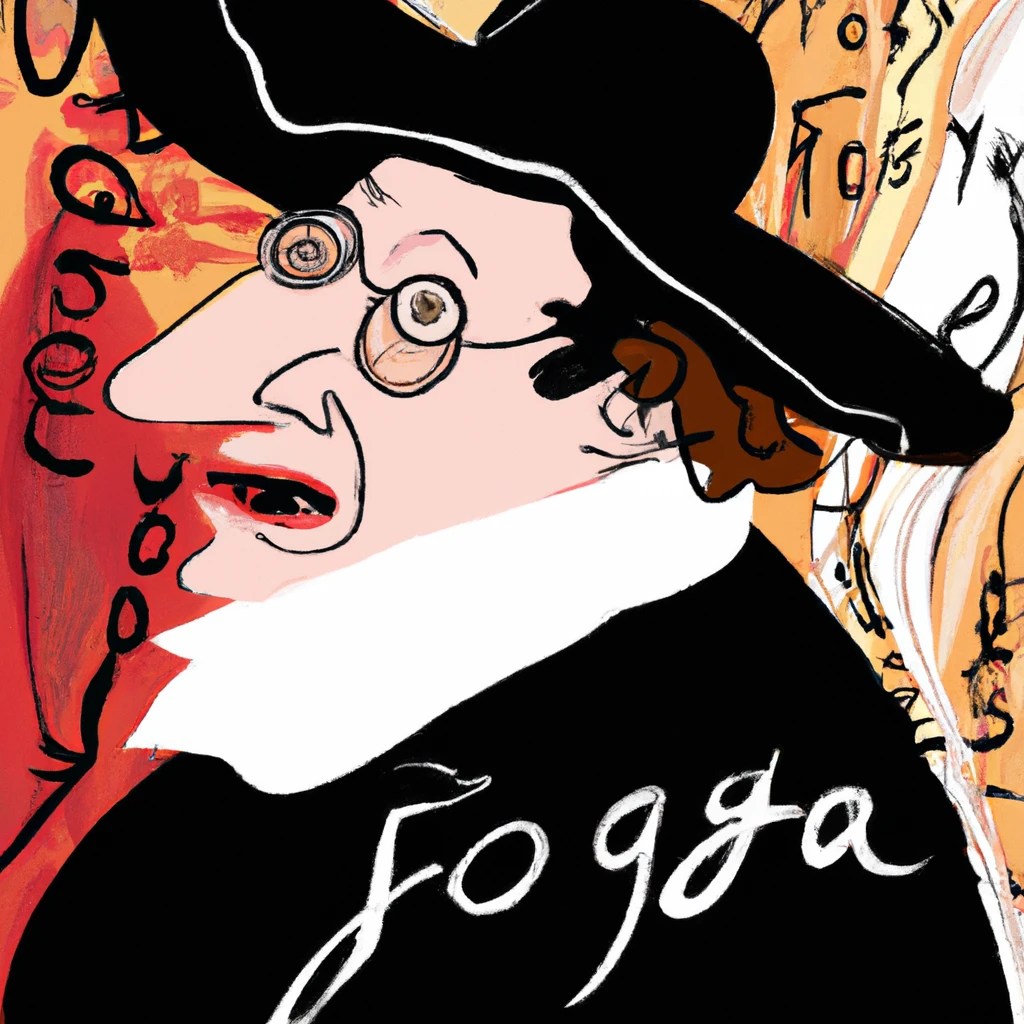
Y muy interesantes que son estos cuadros…
And very interesting these are indeed…
Gracias…
Cheers…
Los caminos de la vida… vale, así se les llaman, pero mas bien son pasos, etapas, vivencias y experiencias que no tienen que conducirnos a ningún otro lado que al que nos corresponde llegar pues siempre estamos donde tenemos que estar aunque lo sepamos, lo reconozcamos o lo rechacemos. Así es la vida y hay que vivirla, plenamente, no se puede existir solo porque uno respira. Además, la respiración misma nos indica que somos seres con el don de la vida dado por el mismo Creador del cosmos que es el aliento de la vida misma.
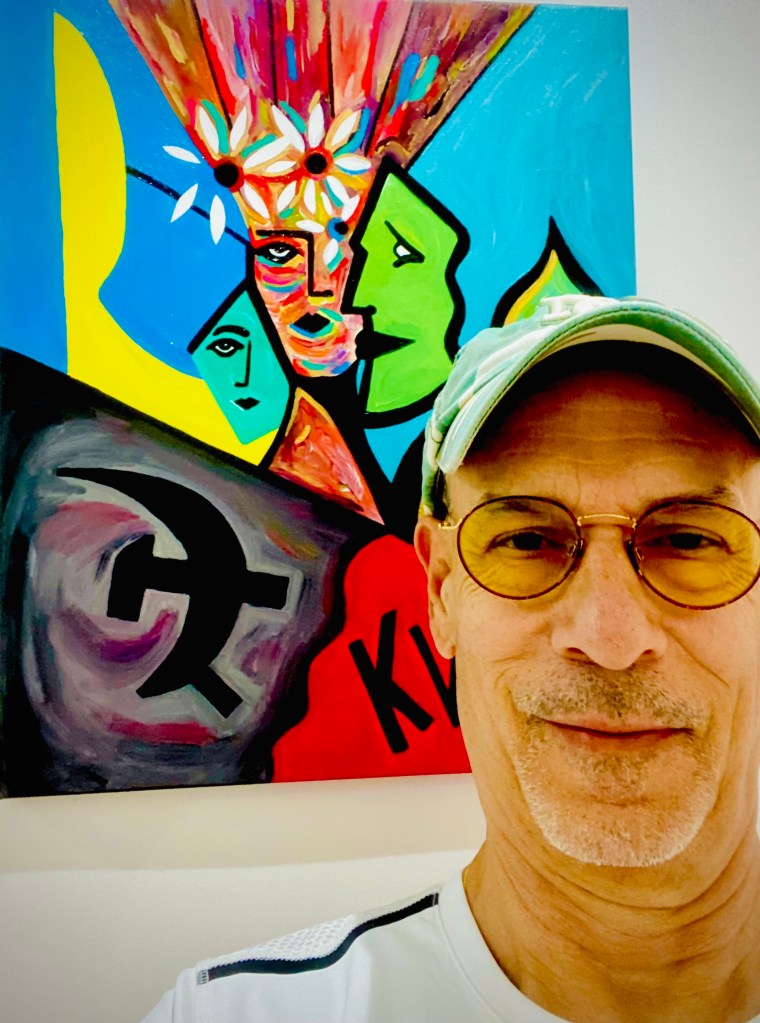
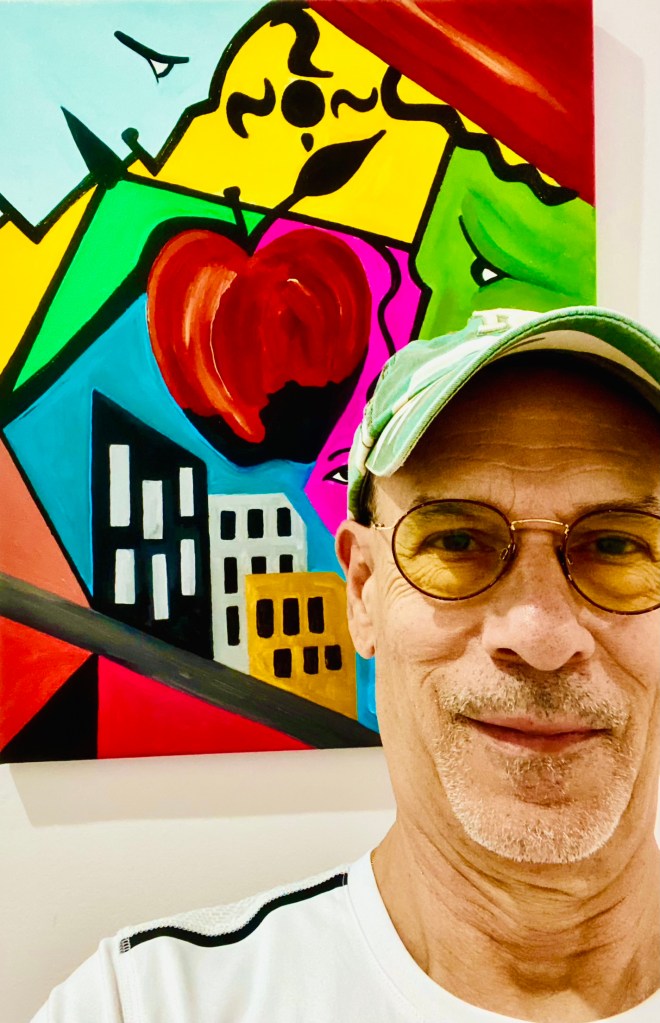
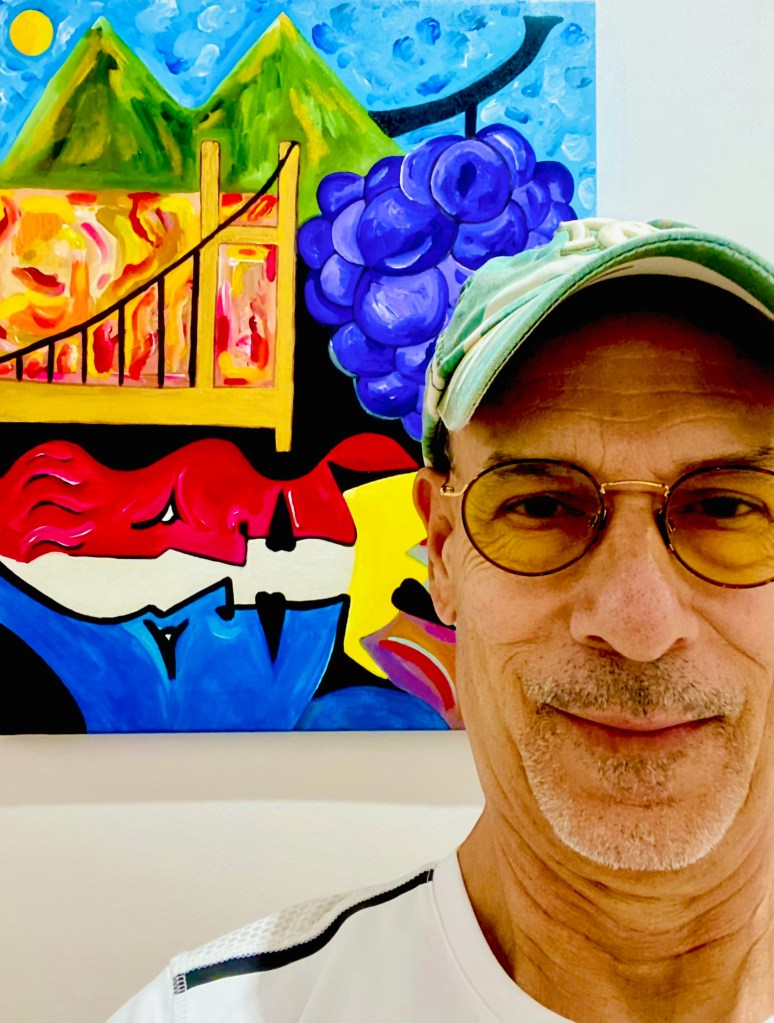
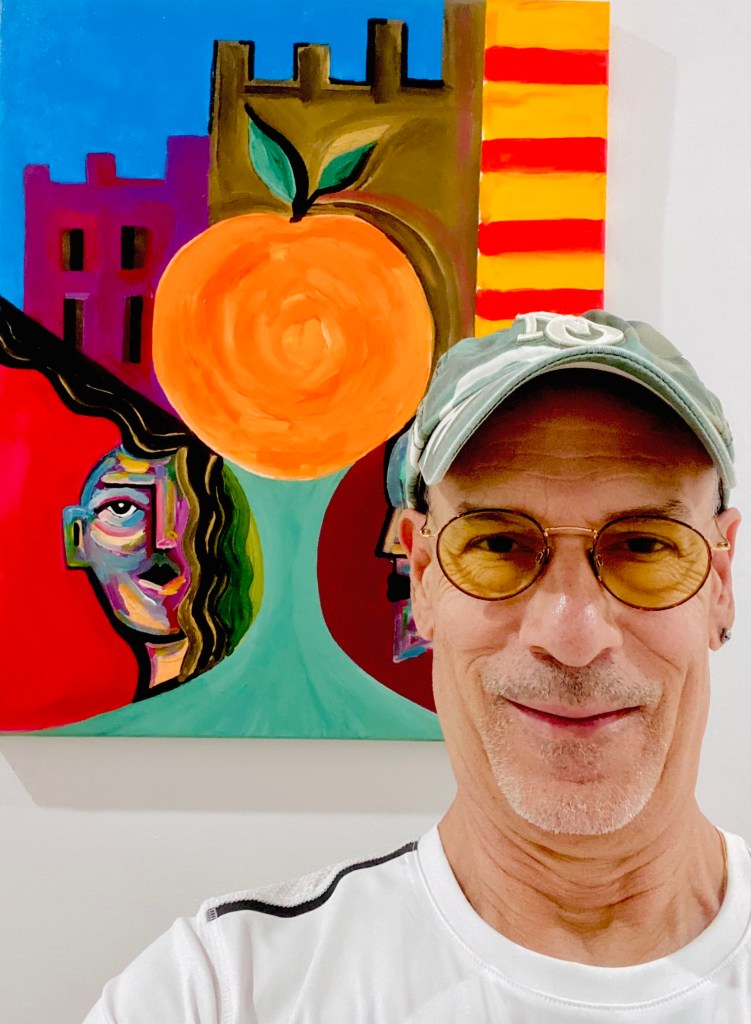
Esta serie de cuadros fueron un encargo y tenían que narrar, de forma visual y artística, claro está, la historia de una familia que salió de su país, huyendo del comunismo soviético y después de largos años y muchos desvíos, llegaron a establecerse en nuestra València. Bueno pues me pidieron que narrara sus parajes y aquí están. No dire mas por respeto a su privacidad…
+++
The roads of life, or the journey… Well, that’s what they call it but I think more than a road, they are steps, experiences that need not necessarily lead us towards any place in particular. At least no place that we should not be going to, after all we are always where we are supposed to be, whether we realise it or not. So that is life and we have to celebrate it by living to the max, not simply existing because we breathe. And breathing is already something special because that makes us recipients of one of the greatest gifts of our Creator, the breath of life.
This series of paintings were commissioned by a family that had to emigrate, fleeing the communist oppression of the Soviets, and the paintings narrate, in a visual and artistic manner, of course, they journey through place after place until finally settling in our city of València. They asked me to create a visual reminder and here it is. I will say no more in respect for their privacy…
Gracias…
Cheers…
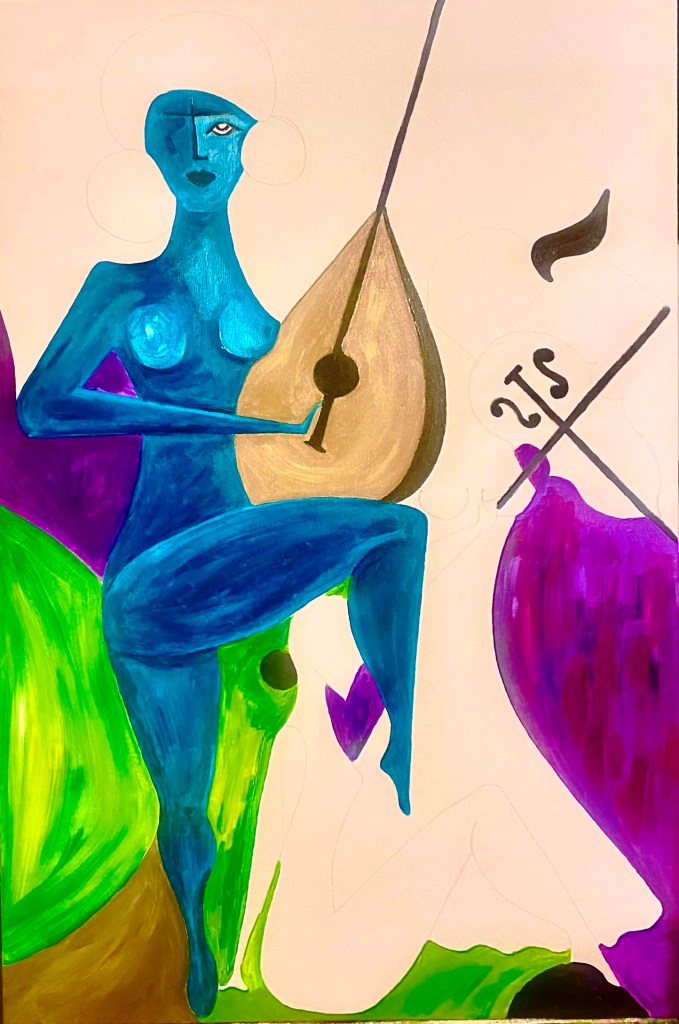
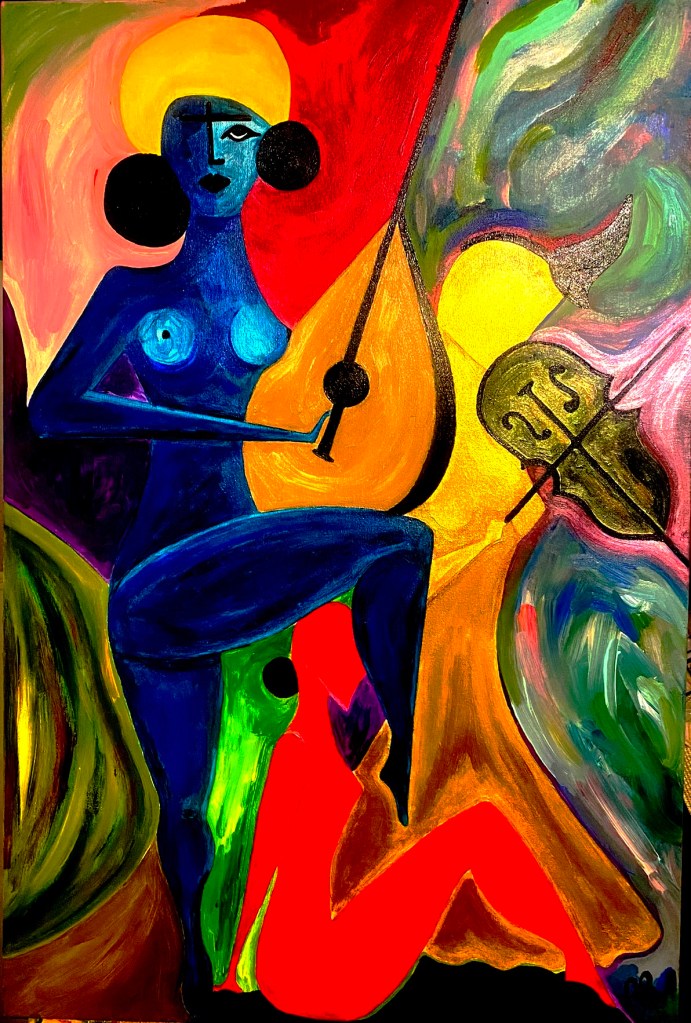
Siempre he dicho que el arte es la busqueda y siempre estoy buscando y encontrando y hasta no estar totalmente satisfecho no paro… Este es mi obra mas reciente, «Jazz Femmes No. 2» y espero que os guste. Os he dado un vistazo a la obra antes de terminarse para demostrar, un poco, el proceso artistico…
+++
I have always said that art is the search and I am always searching and finding and until I am not fully satisfied, I do not stop… This is my most recent work, «Jazz Femmes No. 2» and I hope you like it. I have also given you a brief look at the way it started off to sort of demonstrate the artistic process…
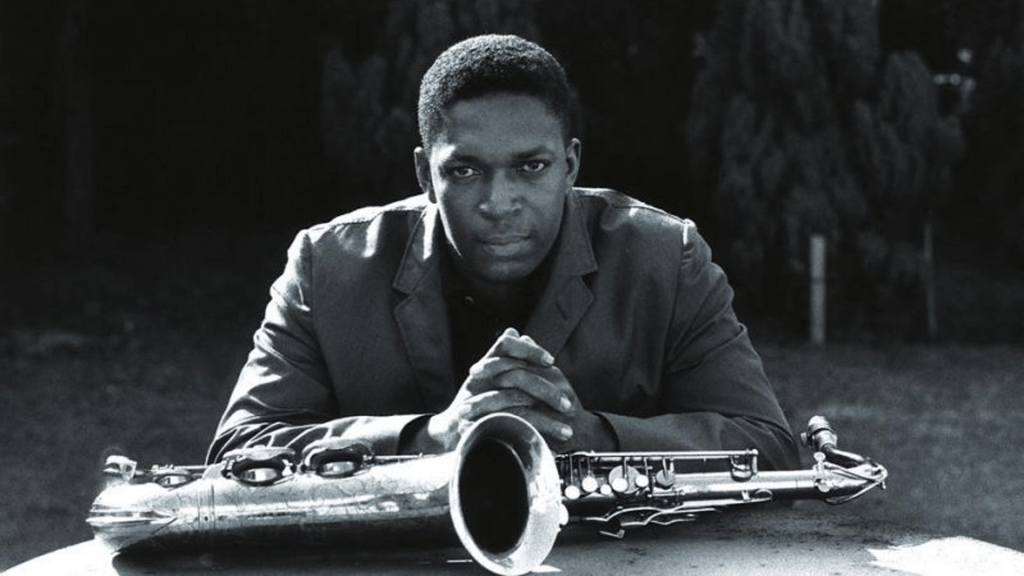
Vale, voy a comenzar por decir que se que esta no le va a gustar a muchos. Hay que tener un gran amor por el Jazz y además por el Jazz experimental, abstracto (y fíjate que la música es abstracta siempre) para gustarle esta pieza. Pero os la presento como algo espiritual, algo transcendental y algo que sirve, bueno, sirviera para algo. Para los que se atrevan a escuchar, mis parabienes…
Ascencion de John Coltrane fue grabado en 1965 y marco la salida del musico de la música estrictamente hecha para un cuarteto. Esto es puro Jazz Libre (Free Jazz) y encaja totalmente en el avant garde. Es una improvisación, de todos los músicos, y hubieron once, por cuarenta minutos. Pero todo estaba estructurada en módulos, probablemente estos tres: Mi♭ Aeolian, Re frigio, y Fa frigio, aunque hay otros que le añaden un cuarto modulo, Sol♭ Lidia y los cambios los marcaban el propio Coltrane, Freddy Hubbard (trompetista), y McCoy Tyner su pianista de casi siempre.
+++
Ok, so I will begin by saying that not too many of you are going to like this piece of music. I would say you would have to be a super Jazz fan, experimental Jazz or abstract (and music is already abstract as it is) fan to get into it. But I bring it to you as something spiritual, transcendental and something useful, at least it should be. In any event, to those brave enough to listen, my congratulations…
Ascencion, by John Coltrane was recorded in 1965 and it marked Coltrane’s departure from music strictly for quartets. This album is pure Free Jazz and fits perfectly well into avant garde music. It is a forty minute improvisation by all musicians, and there were eleven of them on the recording. However, the improv was structured, perhaps into three modules: E♭ Aeolian, D Phrygian, and F Phrygian. But there are some that would add a fourth module in G♭ Lydian. The changes were marked by Coltrane, Freddy Hubbard (trompet), and McCoy Tyner his pianist.
Gracias…
Cheers…
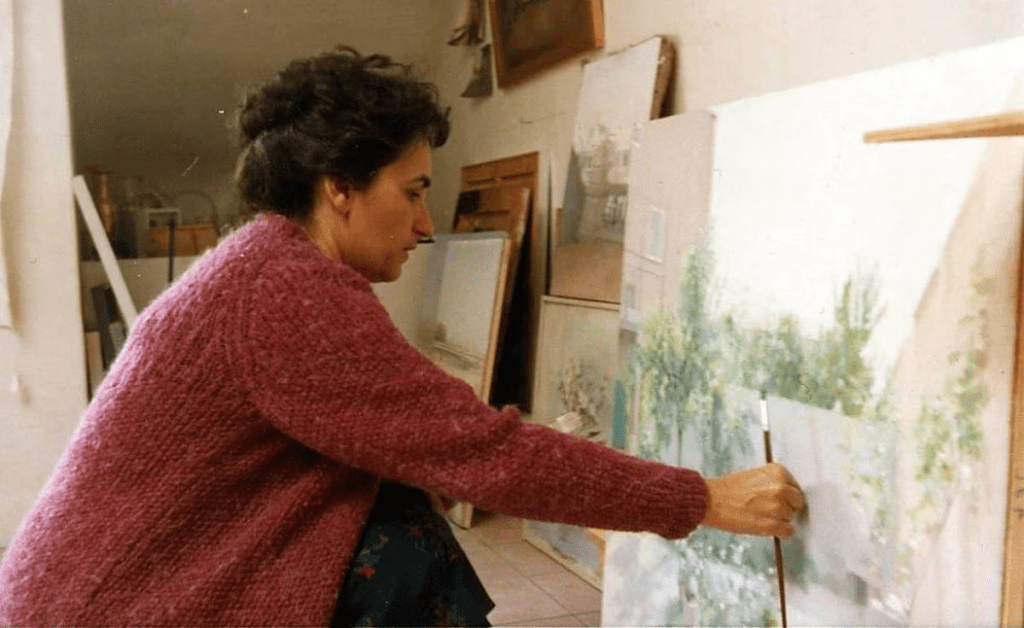
Se llamaba María del Pilar Moreno Blasco, pero la conocemos como María Moreno. Nació en 1933 en Madrid y formó parte de los pintores realistas madrileños como su marido, Antonio López Garcia, el gran artista hiper-realista…y fenomenal…español. Estudió en la Escuela de Bellas Artes de San Fernando de Madrid, iniciándose en 1954. Siguió la escuela de los pintores realistas españoles. Se dedicó a la perfección de la técnica y de aprender de la naturaleza pare representar de una forma autentica las cosas que escogía de modelos para sus composiciones. Sus temas eran bodegones, escenas de interiores, figuración humana y claro, paisajes. Su trazo era mas bien delicado.
Moreno enseñó dibujo en el Instituto Filial de Isabel la Católica de Madrid del 1958 al 1960. En 1961 se casa con Antonio López. En 1966 comienza a exponer en las galerías de Madrid.
La obra de Moreno se encuentra en muchas colecciones privadas y públicas tambien, como la Fundació Sorigué (Lérida); ARTIUM, (Vitoria); Museo de Arte Contemporáneo de Toledo; Colección Iberdrola, (Bilbao), y el Kunsthalle de Hamburgo.
Os invito a conocer mas de las nuestras…
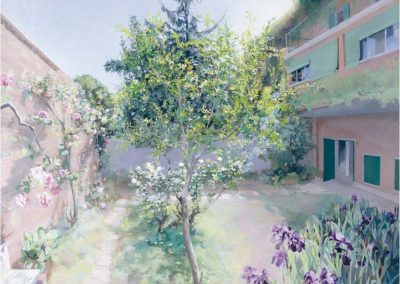
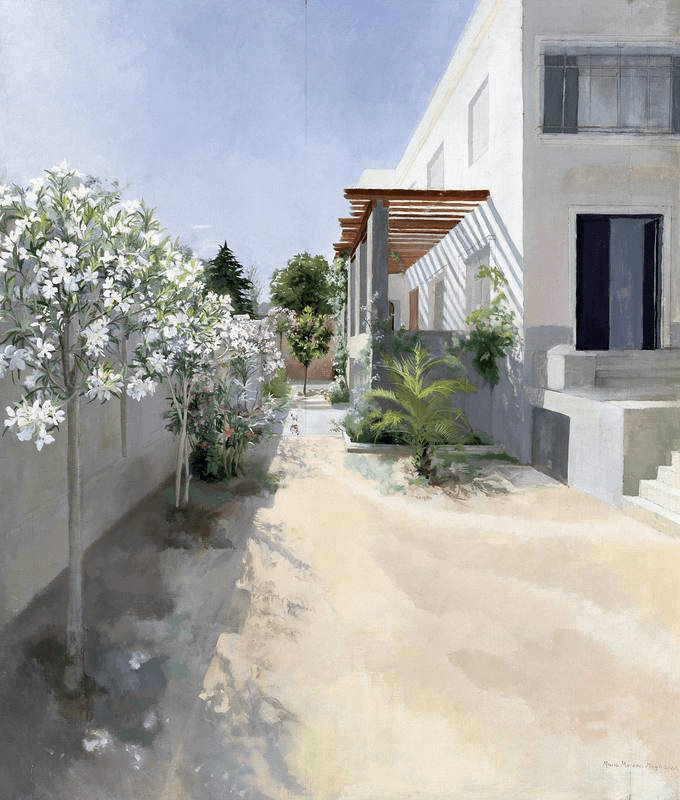
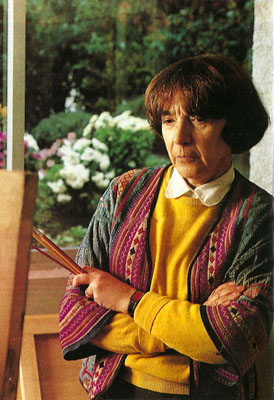
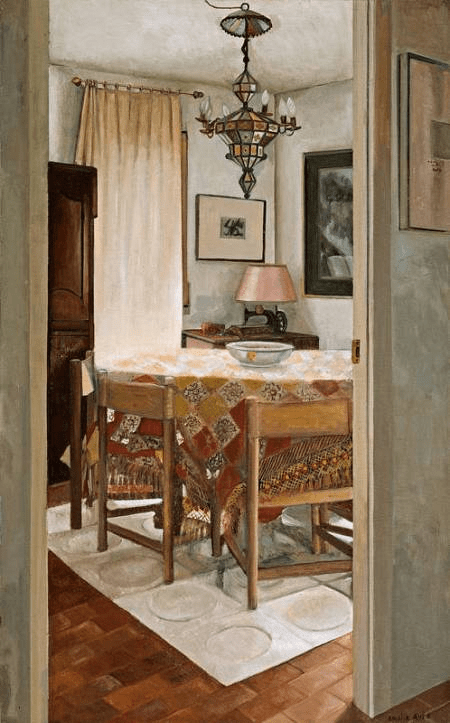
Una gran artista española de la llamada «Escuela de Madrid.» Nació en Toledo en 1930 y murió en Madrid el 20 de marzo de 2011. Estudió en la Academia de San Fernando de Madrid y comenzó su carrera en el arte en los años 50. Es de la generación de Antonio López, Isabel Quintanilla y María Moreno, entre otros que aportaron mucho a nuestra historia del arte. Pero, siendo mujer en un mundo dominado por hombres no tuvo el gran reconocimiento que sus otros compañeros. Entonces para darle su merecido reconocimiento estamos aquí en Omnia Caelum Studios Valencia…
El gran escritor gallego Camilo José Cela en una oportunidad dijo que Amalia Avia era la pintora de las ausencias, que su crónica artística era amarga pues nos dejaba lo del «por aquí pasó la vida marcando su amargura e inevitable huella de dolor».

A great Spanish artist from the «Escuela de Madrid» («School of Madrid»). She was born in Toledo in 1930 and died in Madrid on the 20th of March 2011. She studied at the Academia de San Fernando de Madrid, (San Fernando Fine Arts Academy of Madrid), and started her art career in the 1950’s. She is from the generation of Antonio López, Isabel Quintanilla and María Moreno, among others that have proffered so much to our art history. However, being a woman she was not recognised with as much vigour as her male counterparts. So that is why we are here at Omnia Caelum Studios Valencia, to give her her merited recognition.
The great Galician writer, Camilo José Cela said that Amalia Avia was the painter of absences and that she chronicled the bitterness of that which has passed, saying «life has passed through here leaving her bitterness and inevitable footprint of pain.»

Gracias…
Cheers…
Have a WordPress.com account? Log in now.

