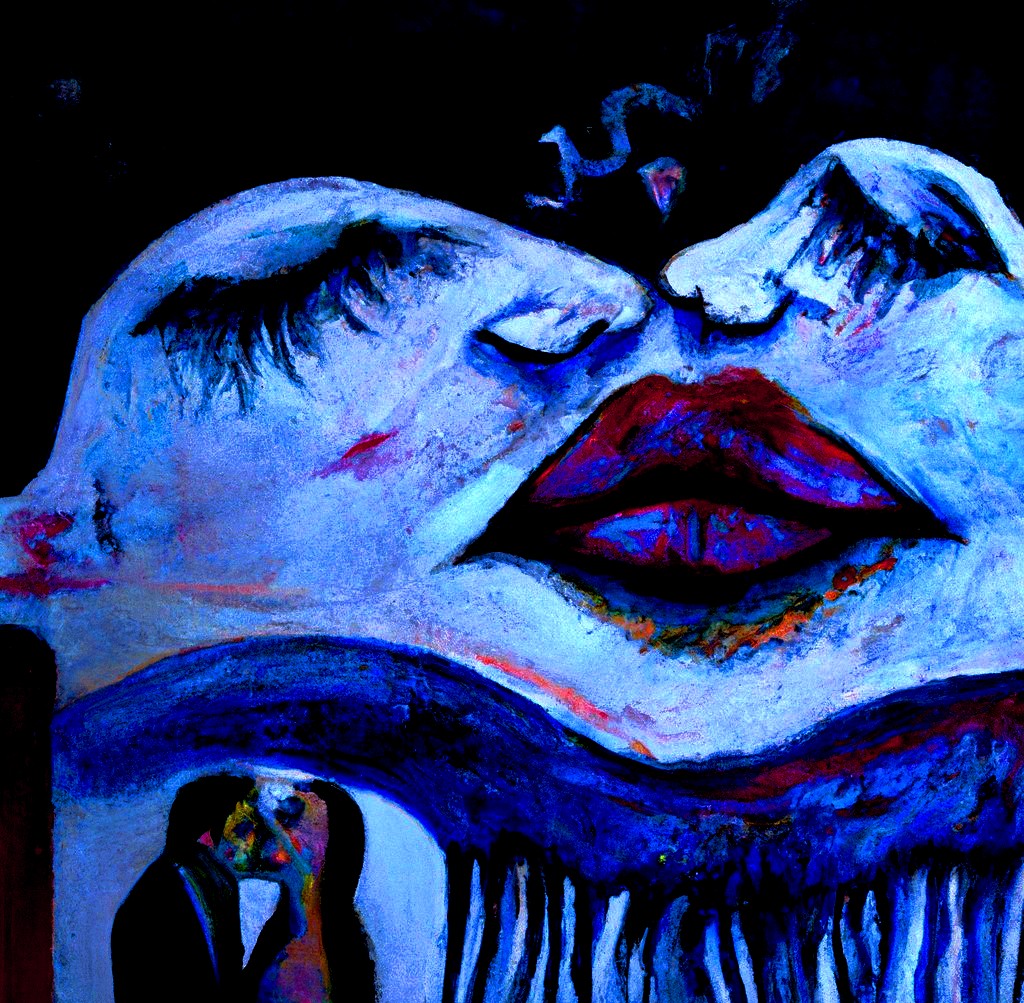
(«Petó» -2023- de/by Francisco Bravo Cabrera/Derechos Reservados/All Rights Reserved)
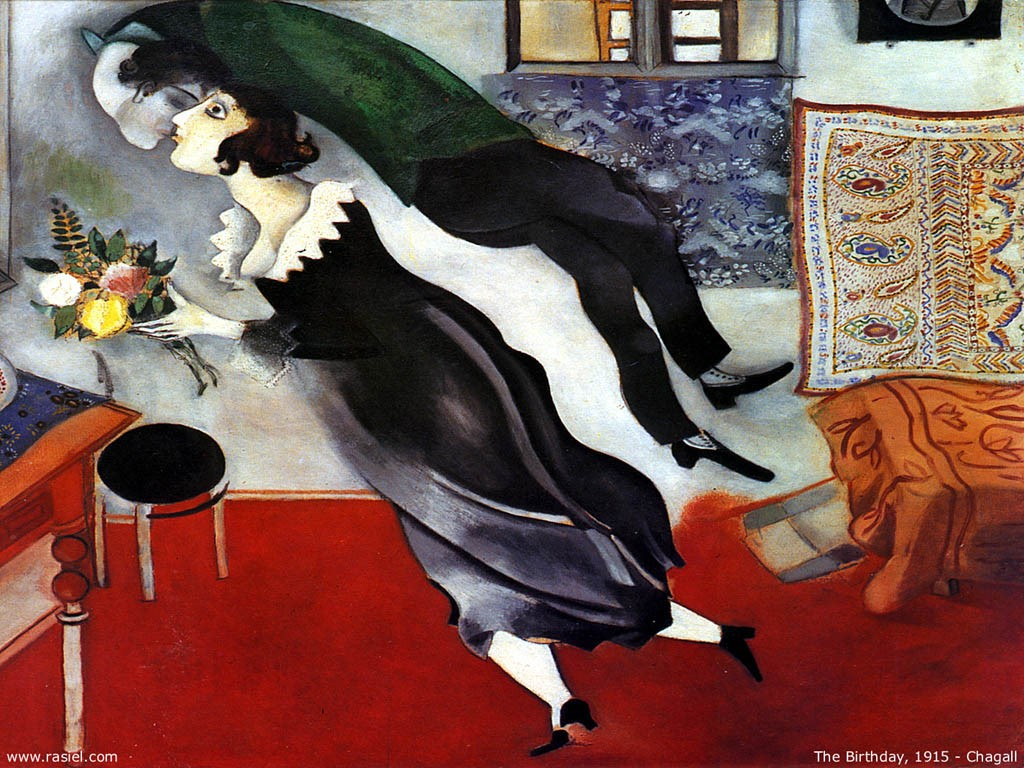
El beso ha sido un tema muy popular en la historia de la pintura y la escultura. Probablemente todos conozcan el famoso beso de Klimt (1908) y en la escultura el de Rodin (1882) . Pero hay muchos y os diré que uno de mis favoritos es este de Chagall, «El cumpleaños» de 1915…
+++
The kiss has been a very popular subject in the history of painting and sculpture. Probably everyone knows the famous painting of the kiss by Klimt (1908) and the sculpture by Rodin (1882). But there are many, and I will tell you that one of my favourites is Chagall’s, «The Birthday» from 1915…
Pero yo no me quedo atrás y también he pintado besos…
+++
But I don’t like to remain behind so I have painted some kisses too…
(«Beso» -2023- de/by Francisco Bravo Cabrera/Derechos Reservados/All Rights Reserved)
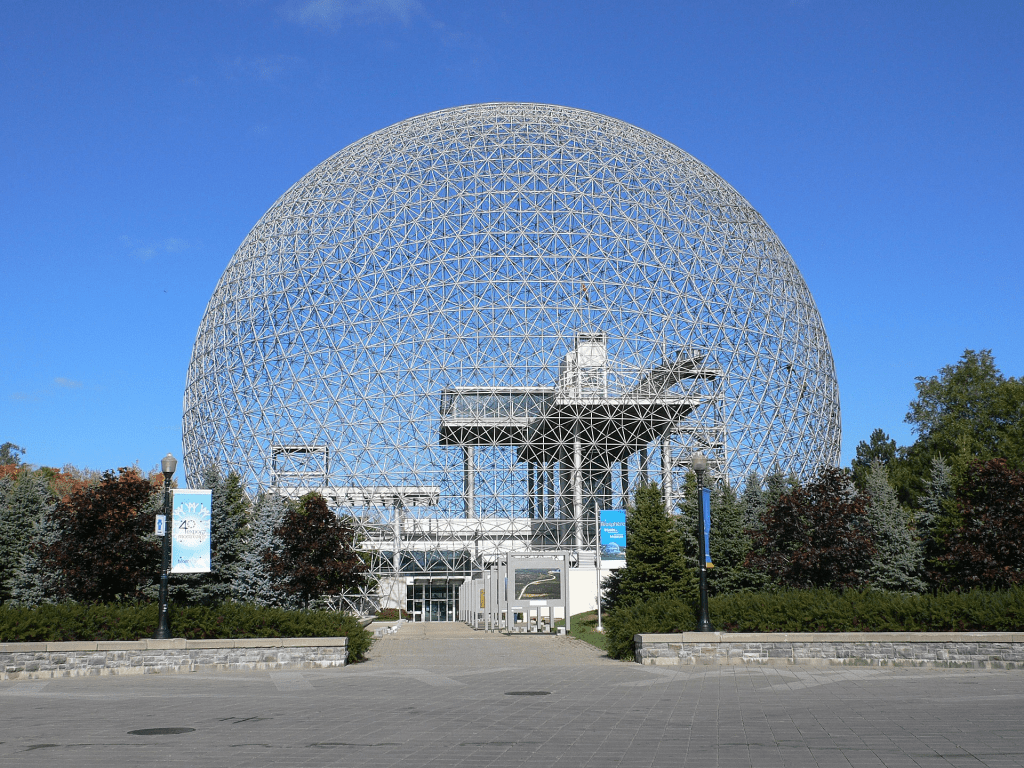
(La Biosphère/Île Sainte-Hélène, Montreal – Foto de Philipp Hienstorfer/Wikimedia commons)
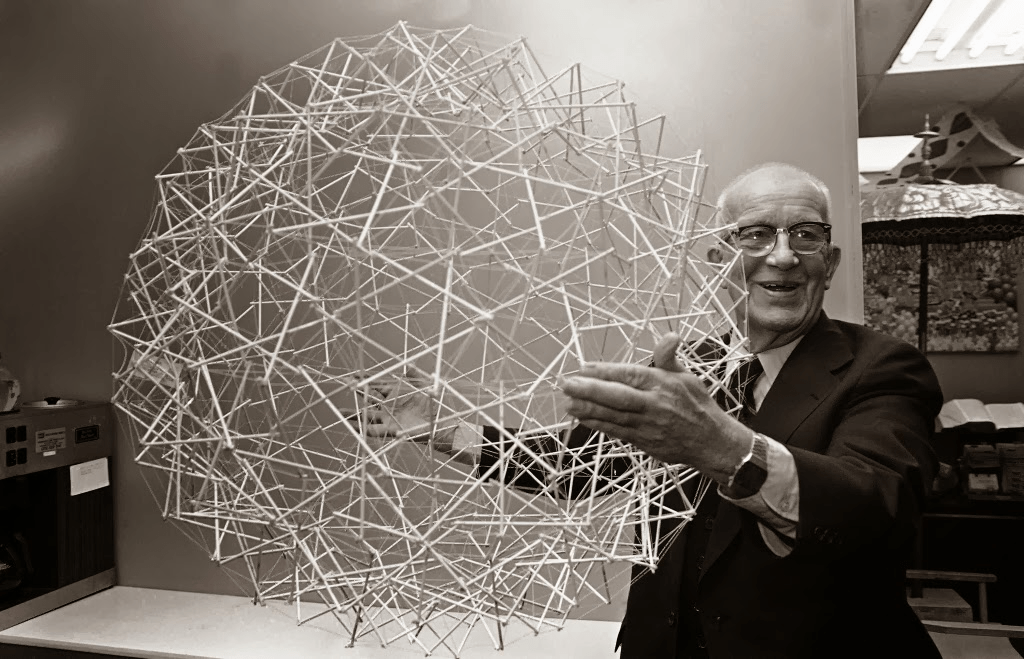
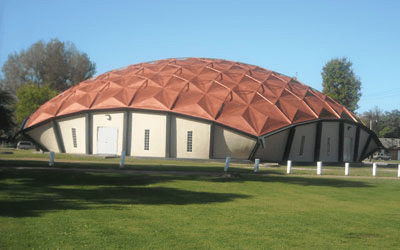
Fuller nació en 1895 en la ciudad de Milton, Massachussets, EEUU… Fue arquitecto, teorista de sistemas, escritor, diseñador, inventor, filosofo y futurista. Publicó mas de 30 libros y popularizó frases como «La nave espacial Tierra», «Dymaxion», «efemeralización» (hacer más con menos/ lo máximo con lo mínimo,1969), «synergetica» (fenómeno donde actúan varios factores o influencias)… Lo mas importante que hizo fue su cúpula geodésica… Fue un trotamundos y recibió muchos doctorados honoris causa pero la mayoría de sus inventos no llegaron jamás a realizarse…
(Foto Arquine)
Aunque estudió en la universidad de Harvard, no llegó a graduarse ya que lo expulsaron de la facultad. Finalmente se graduó de Bates College (Maine) con un doctorado en ciencias… Fuller fue pionero en la búsqueda de la eficiencia energética y la eficiencia de materiales en la arquitectura, la ingeniería y el diseño.
(Mary Brown Centre, East St. Luis, Illinois – Foto Thomasa.nagel/Wikimedia commons)
Buckminster Fuller murió en Los Angeles en 1983. Os doy esta pequeña introducción pero os urjo a profundizar más en la vida y en la obra de este interesantísimo norteamericano…
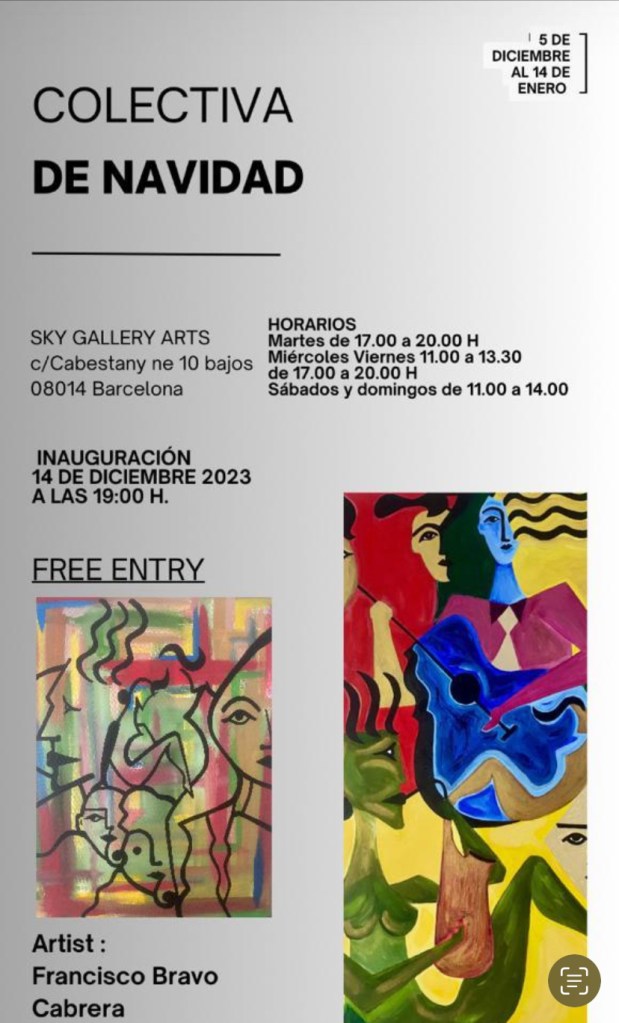
Ya habíamos hecho una exposición en Sky Gallery de Barcelona en 2020 y ahora regresamos con muchos otros artistas y os esperamos para el vernissage el 14 de diciembre a las 1900 horas…
+++
We had already exhibited at Sky Gallery in Barcelona in 2020 and now we are back in a mixed show with wonderful artists. We invite you cordially to our vernissage on the 14th of December at 1900 hours…
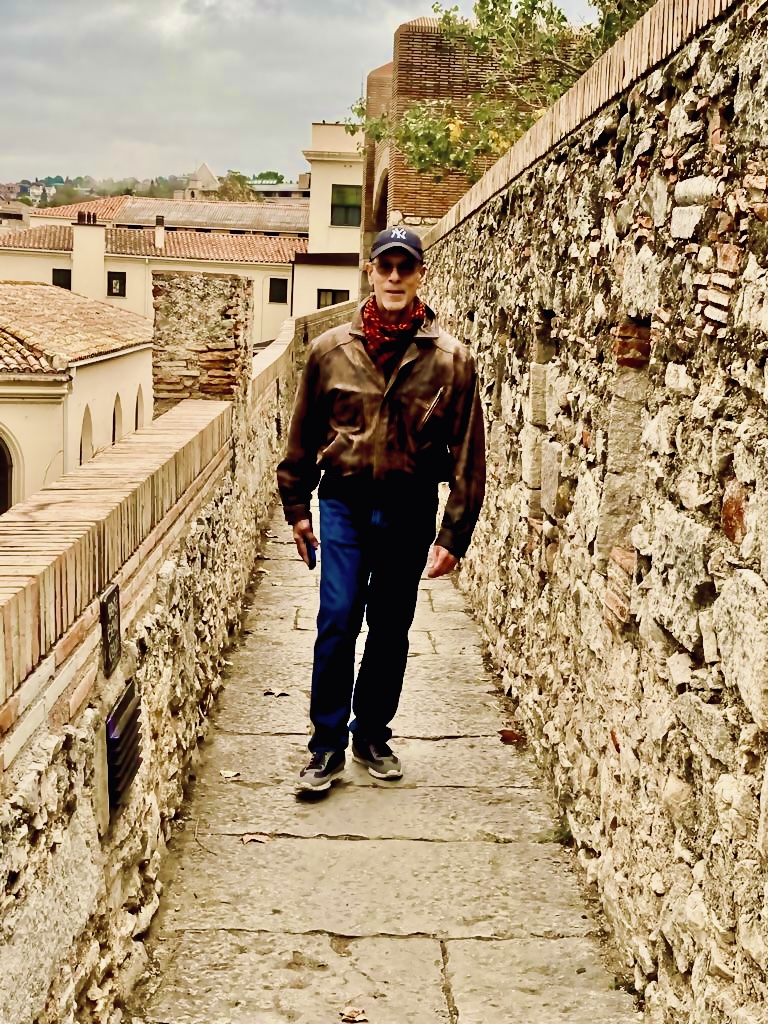
(Francisco Bravo Cabrera/Bodo Vespaciano/representado por un actor/actor portrayal_
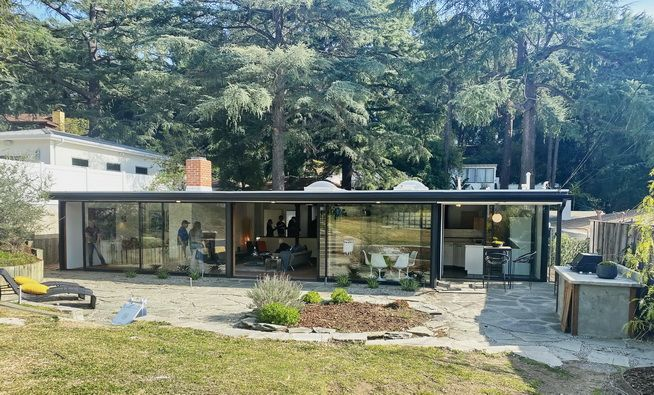
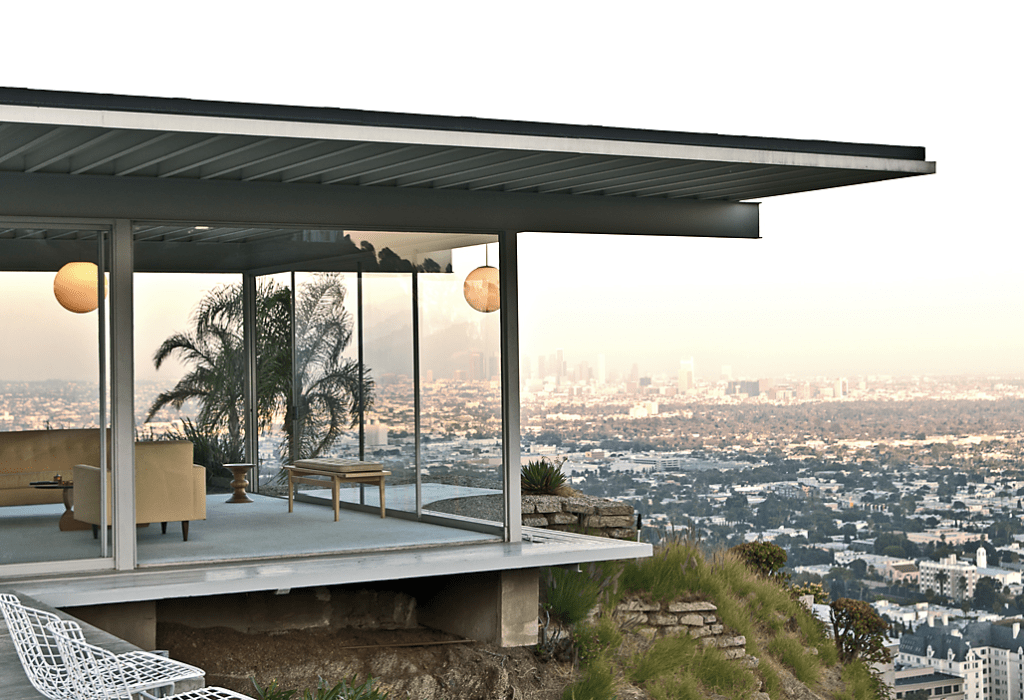
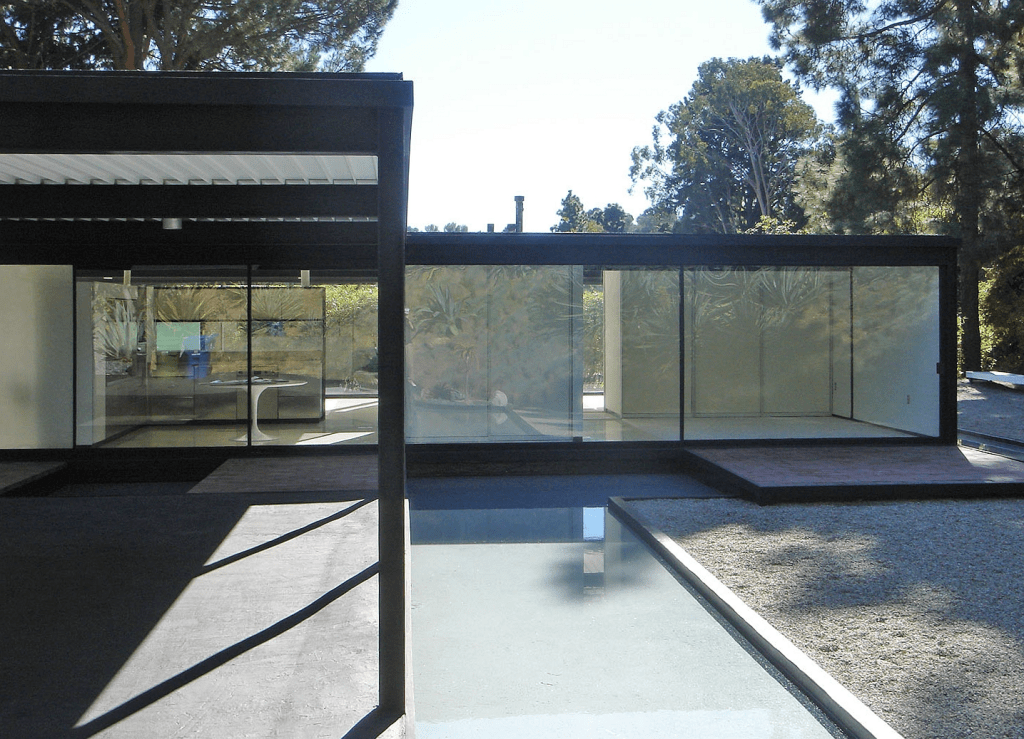
Architect Pierre Koenig was a Californian, born in 1925 in San Francisco but relocated to the San Gabriel Valley in 1939… Koenig served in WWII and upon his return, with the aid of the GI Bill, he studied architecture at the University of Southern California and graduated in 1952… In 1957 he became a licensed architect and in 1961 began teaching at the University of Southern California and also had his private practise… Koenig is well known for his projects within the Case Study Houses, principally number 21, The Bailey House and number 22 the Stahl House, both built in spectacular locations where it was thought nothing could be built. Photographer Julius Shulman photographed the Stahl House for Arts & Architecture magazine. These houses are icons of Los Angeles for it almost seems as if Koenig had built them to include the incredible view of L. A. beneath and visible through a wall of glass… In 1983 he embarked upon his last project, the Gantert House, built for Michael Gantert, the developer. He built the house without modifying the location and as a result the house has the unique appearance of hanging on the side of the mountain. The south side of the house is made entirely of glass offering phenomenal views of the city below and the only window on the west side looks on to the Hollywood Bowl…
(Stahl House, Case Study House number 22 – by mbtrama from Upland, CA, USA/wikimedia commons)
(Stahl House Case Study number 22 – by mbtrama from Upland, CA, USA/Wikimedia commons)
(Bailey House Case Study number 21 – De Ilpo’s Sojourn/Wikimedia commons)
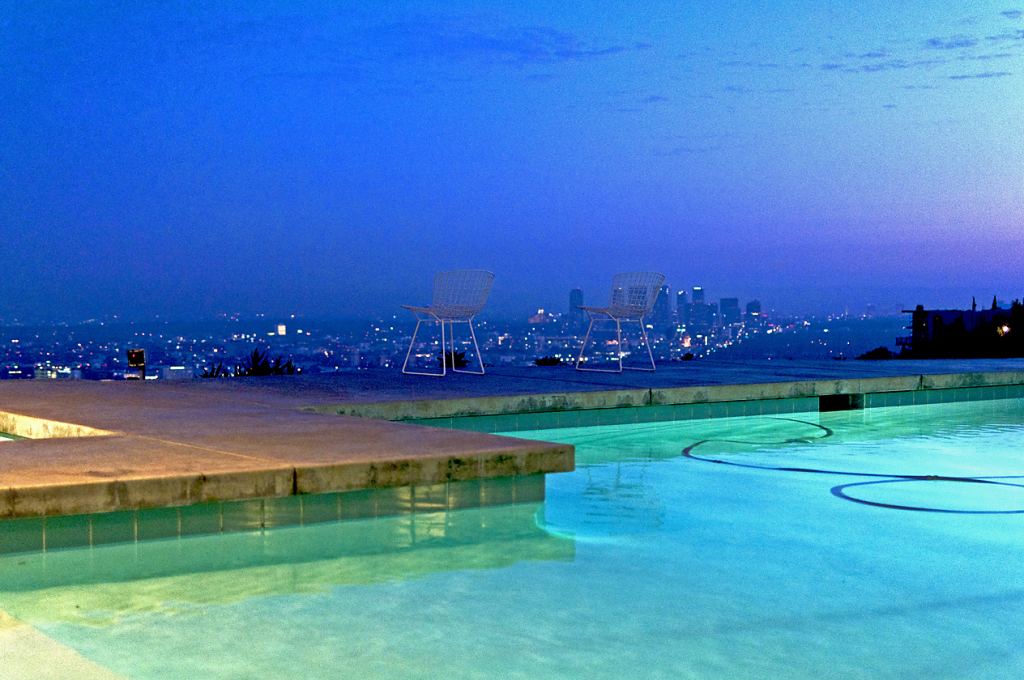
All of his houses, naturally had fabulous swimming pools a characteristic icon of Los Angeles… Koenig died in L. A. in 2004… This architect constructed some of the most iconic houses in Los Angeles, used in many series and movies and is a must for all art students, be they architecture majors or fine art. I would encourage you to delve deeper into his life an art.
(Reyner Banham – Foto/Photo National Portrait Gallery)
Inglés, nació en 1922, teorista y critico de arquitectura, murió en Londres en 1988… Muy conocido por dos libros que escribió: Theory and Design in the First Machine Age (1960) y el otro en 1971, Los Angeles: The Architecture of Four Ecologies. En este ultimo hace un análisis de la ciudad de Los Angeles y la identifica dividiéndola en cuatro modelos ecológicos: Surfurbia, las estribaciones, los llanos de Id, y la Autopía… Visitaba frecuentemente EEUU hasta que se trasladó a ese país en 1976… Comenzó sus estudios es su ciudad natal de Norwich y en 1949 ingresó en el Courtauld Institute of Art de Londres con profesores muy renombrados como Anthony Blunt, Sigfried Giedion y Nikolaus Pevsne… Comenzó de escritor con el Architectural Review en 1952… Banham fue profesor de la Bartlett School of Architecture, University College London de 1964 al 1976 y en la State University of New York (SUNY) Buffalo de 1976 a 1980) y durante la década de los 1980 en la University of California, Santa Cruz… Reconociendo que había que experimentar cada ciudad de la manera mas idónea y haciendo lo que mas la caracteriza, aprendió a conducir y sacó su permiso para conocer la originalidad de Los Angeles y así lo escribió en su libro sobre esa ciudad… Le hicieron un documental corto titulado Reyner Banham Loves Los Angeles (1972) dirigido por Julian Cooper… Le habían asignado una catedra en la Institute of Fine Arts, New York University, pero murió antes de llegar a ejercer en ella… Creo que para todo artista, arquitecto, o escritor, le seria interesante y útil conocer la historia de un hombre tan reconocido y renombrado como Reyner Banham. Os convido a ahondar mas en su obra y su vida…
+++
Reyner Banham was an English architectural theorist and critic. He was born in 1922 and passed away in London in 1988. Banham is well-known for two books he wrote: «Theory and Design in the First Machine Age» (1960) and «Los Angeles: The Architecture of Four Ecologies» (1971). In the latter, he analysed the city of Los Angeles and identified it with four ecological models: Surfurbia, The Foothills, The Plains of Id, and Autopia... Banham frequently visited the United States until he moved there in 1976. He began his studies in his hometown of Norwich and in 1949, he enrolled in the Courtauld Institute of Art in London, where he studied under renowned professors such as Anthony Blunt, Sigfried Giedion, and Nikolaus Pevsner. He began his writing career with the Architectural Review in 1952... From 1964 to 1976, Banham served as a professor at the Bartlett School of Architecture, University College London, and from 1976 to 1980, he taught at the State University of New York (SUNY) Buffalo. In the 1980s, he taught at the University of California, Santa Cruz. Recognizing the need to experience each city in its most authentic way, Banham learned to drive and obtained a driver’s license to get to know Los Angeles in its original, which he wrote about in his book about the city… A short documentary titled «Reyner Banham Loves Los Angeles» (1972), directed by Julian Cooper, was made about him. Although he had been appointed a professorship at the Institute of Fine Arts, New York University, he passed away before he could take up the position. Reyner Banham’s life and work are of great interest and value to artists, architects, and writers. I invite you to delve deeper into his oeuvre and his life.