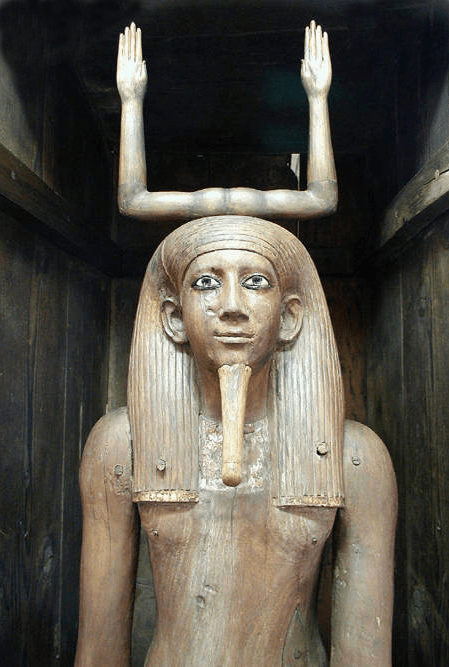
(Ka statue of the pharaoh Awibre Hor by Jon Bodsworth/Copyrighted free use)
Siempre me ha gustado la historia y especialmente la historia del antiguo Egipto y he visto muchas estatuas, y no me acuerdo haberle visto ojos de cristal a ninguna. Ahora resulta que todas tienen ojos de cristal…
+++
I have always liked history, especially ancient history, like the history of ancient Egypt and I have seen many statues and I don’t recall any of them having glass eyes. Now, it seems they all do…
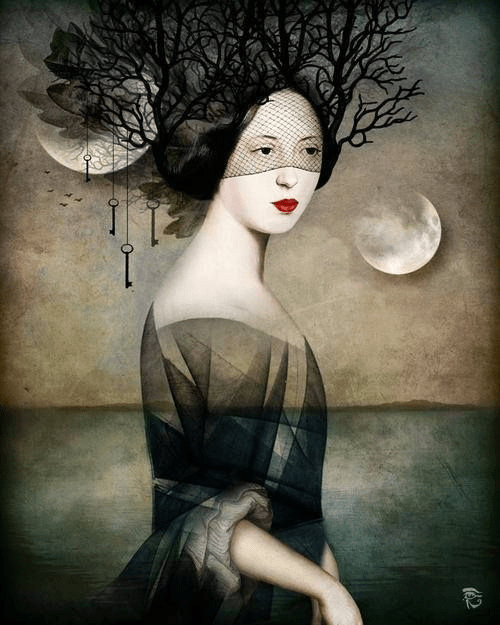
Artista ilustradora romana cuyas obras tienen un gustito a lo clásico pero aliñadas con el pop y con el surrealismo…
+++
She is an artist and illustrator whose works taste a bit like something classical but seasoned with pop and surrealism…
(Foto/Photo Pinterest)
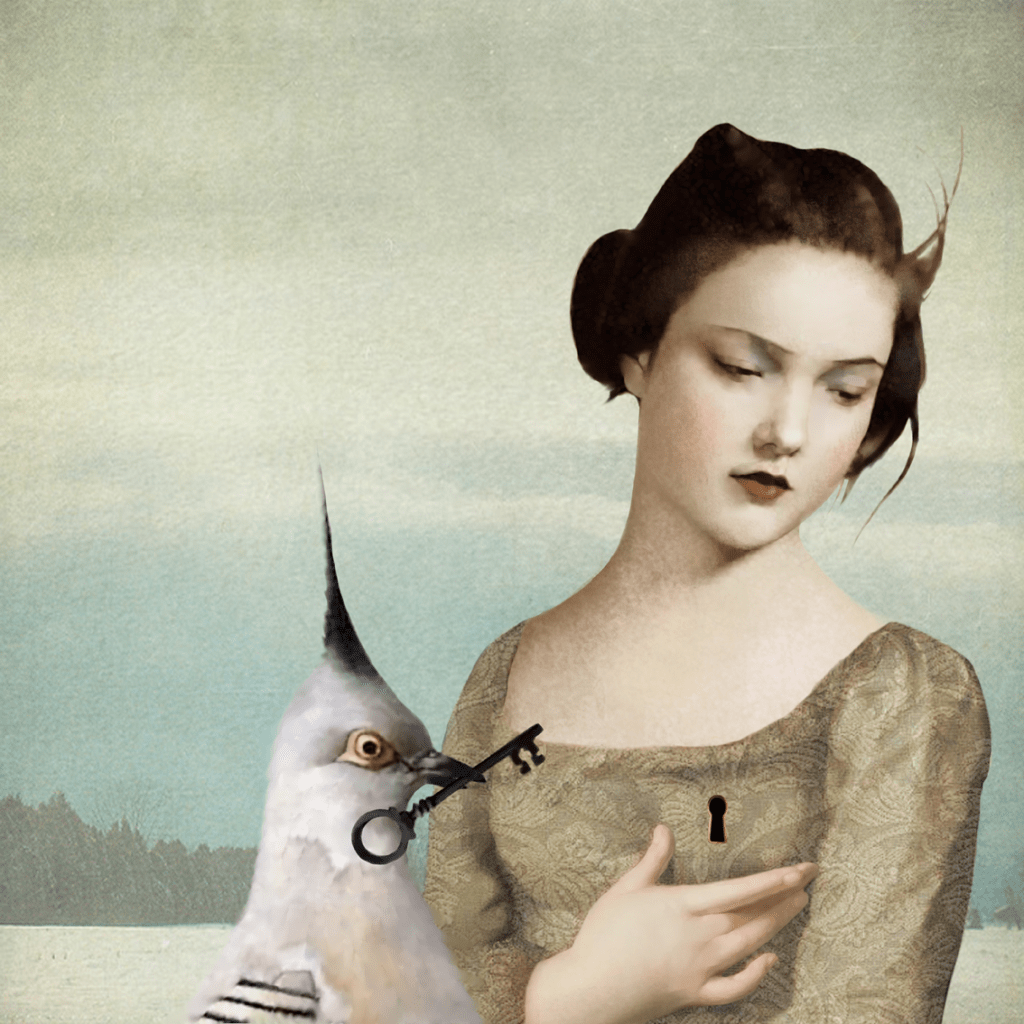
Daria nació en 1970 en Roma e inició sus estudios de arte en el Instituto Europeo di Design Roma. Entre su haber hay muchos libros infantiles que ha ilustrado. Además Daria ha recibido varios honores incluyendo el de la Accademia Pictor de Turin que se lo han otorgado ya por tres años seguidos, del 2006 al 2008.
+++
Daria was born in 1970 in Rome and began her art studies at the European Institute of Design in Rome. Among her achievements are many children’s books that she has illustrated. In addition, Daria has received several honours, including the award of the Accademia Pictor of Turin, which she has received for three consecutive years, from 2006 to 2008.
(Foto/Photo Tutt’Art)
Creo que aunque no muy conocida por estos Deus lares hay que darla a conocer…
I believe that although she is not too well known in these lands she should be recognised…
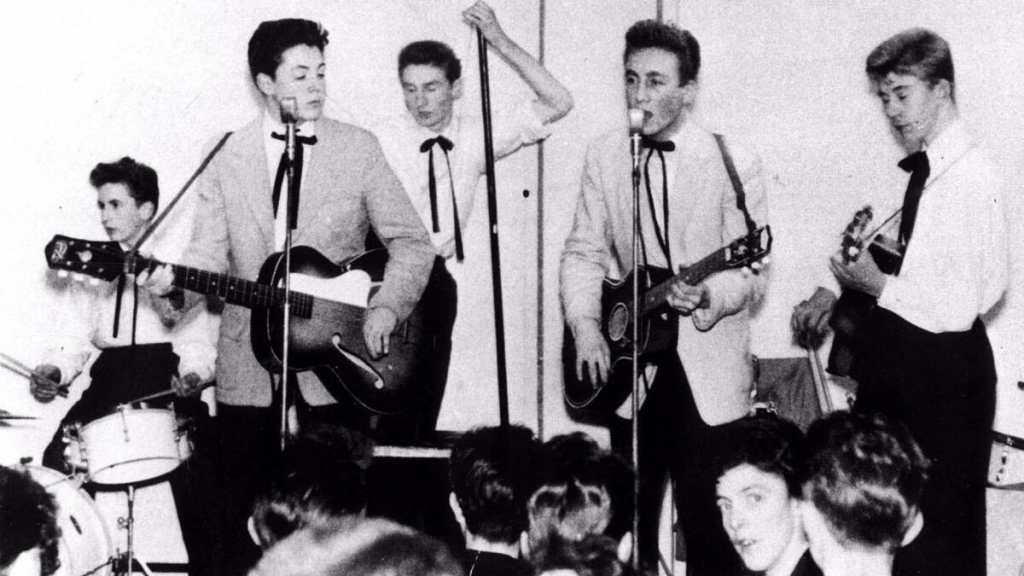
Bueno, pasaron muchas cosas extraordinarias ese año pero para mi la más importante fue que John Lennon y Paul McCartney se conocieron y eso hizo posible la creación de The Beatles…
+++
A lot of great things happened in 1957 but for me the most important one was the meeting between John and Paul that led to the eventual creation of The Beatles…
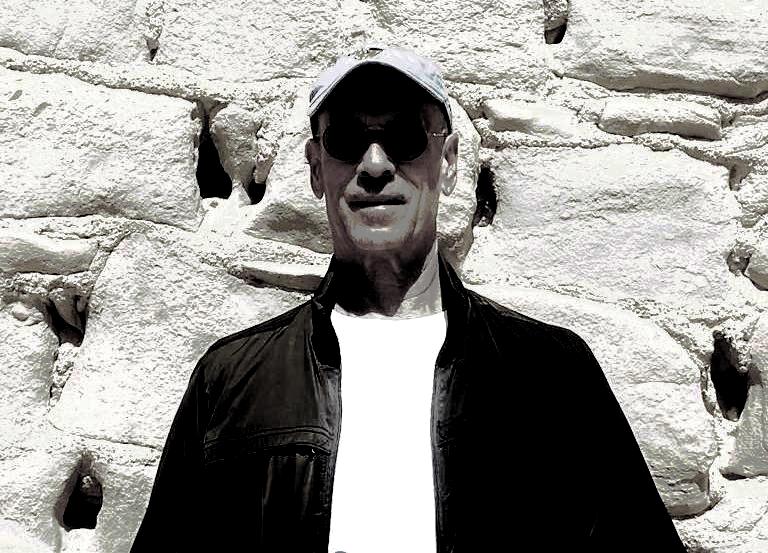
(Francisco Bravo Cabrera/Bodo Vespaciano/representado por un actor/actor portrayal)
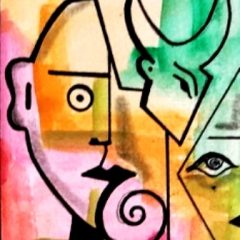
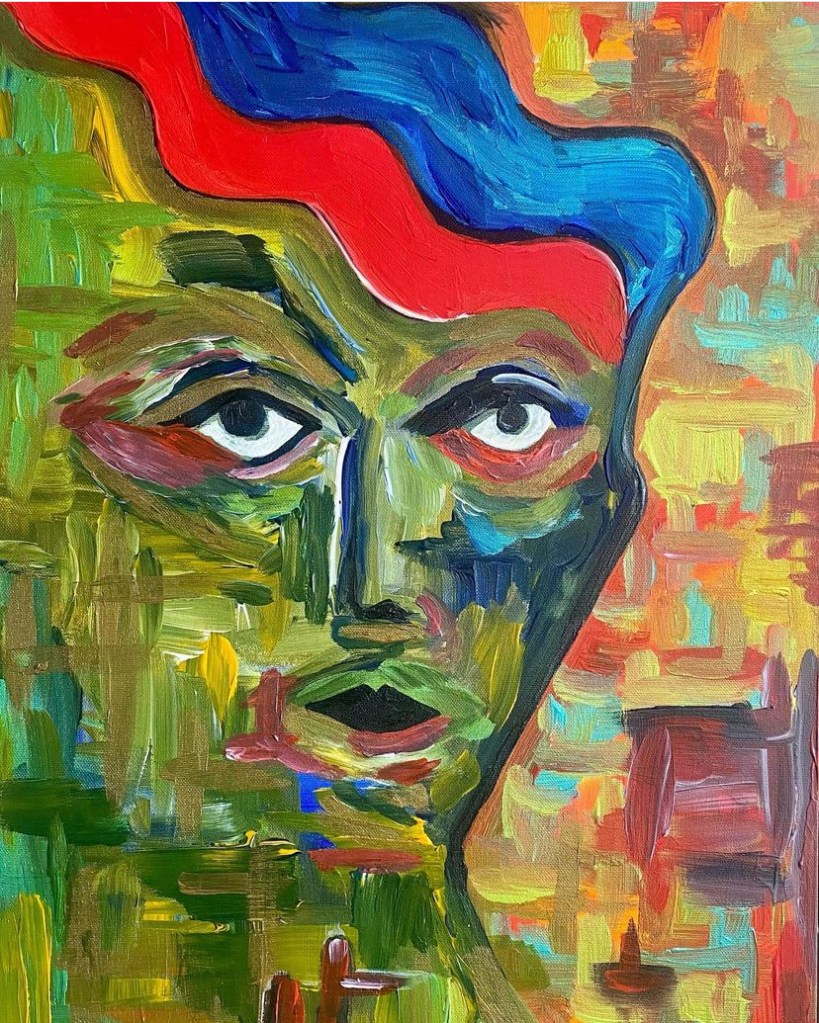
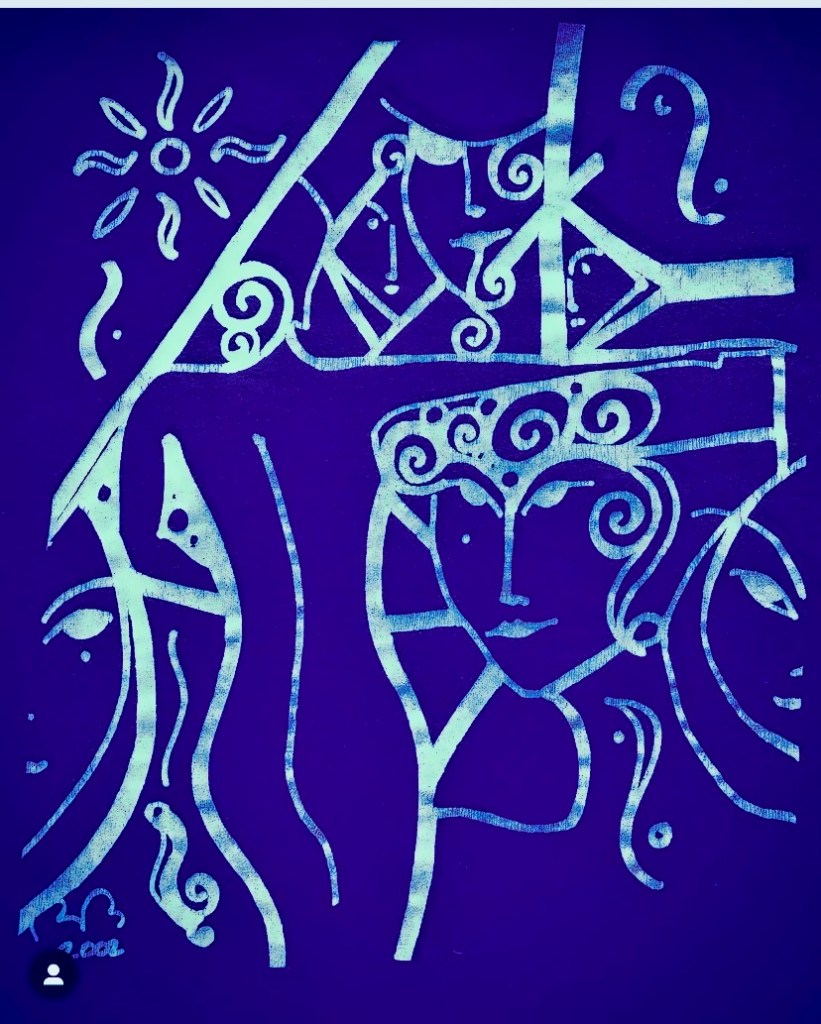
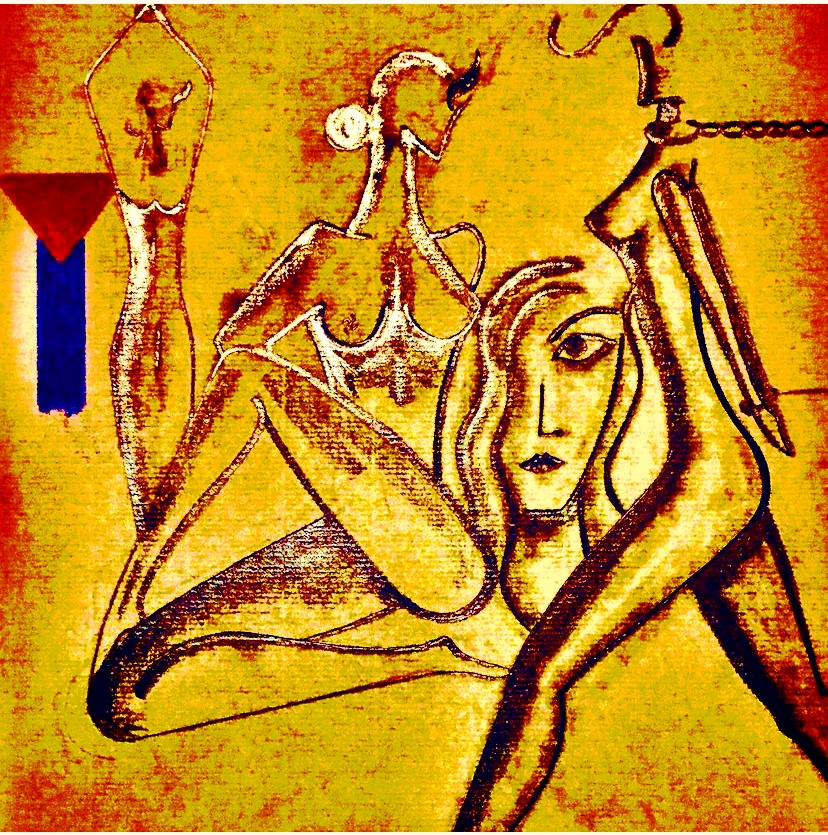
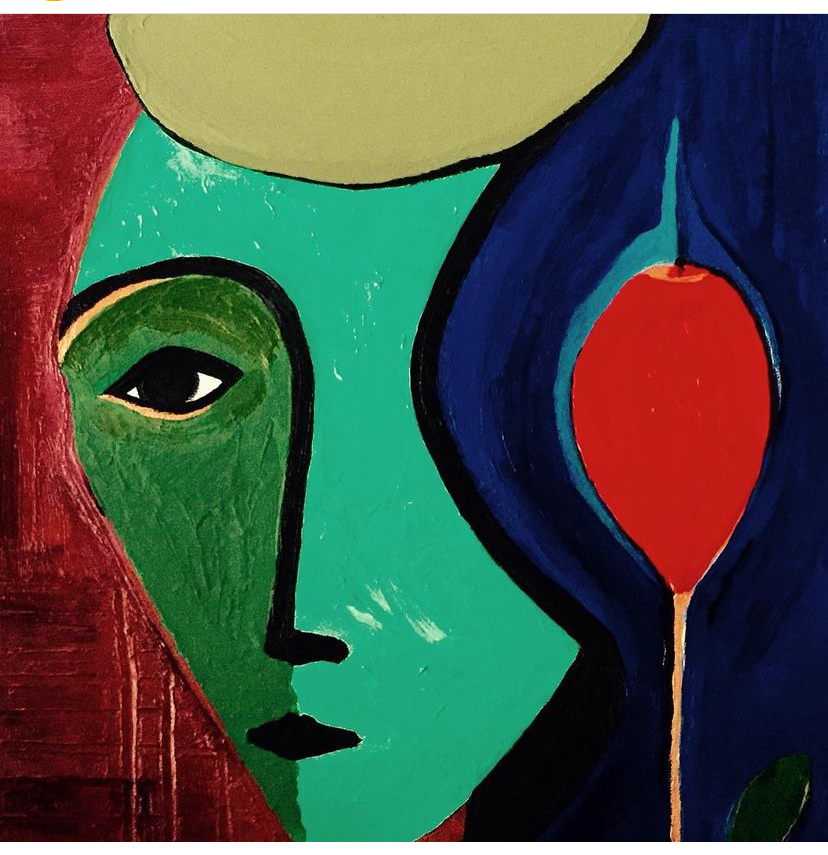
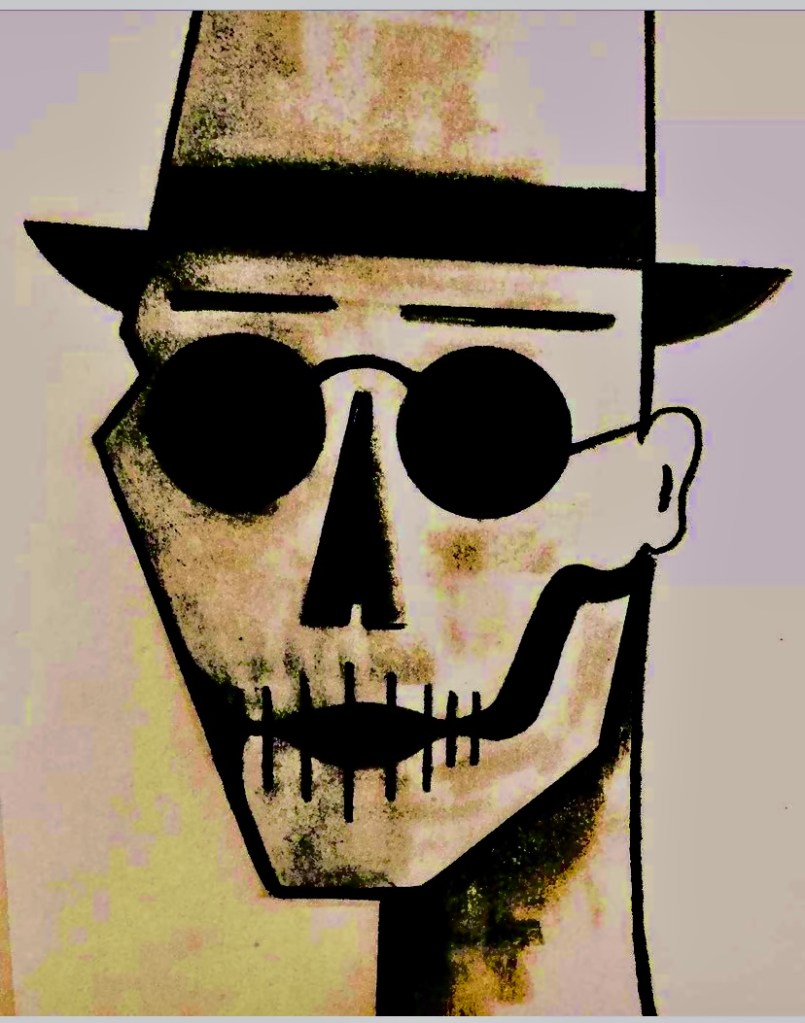
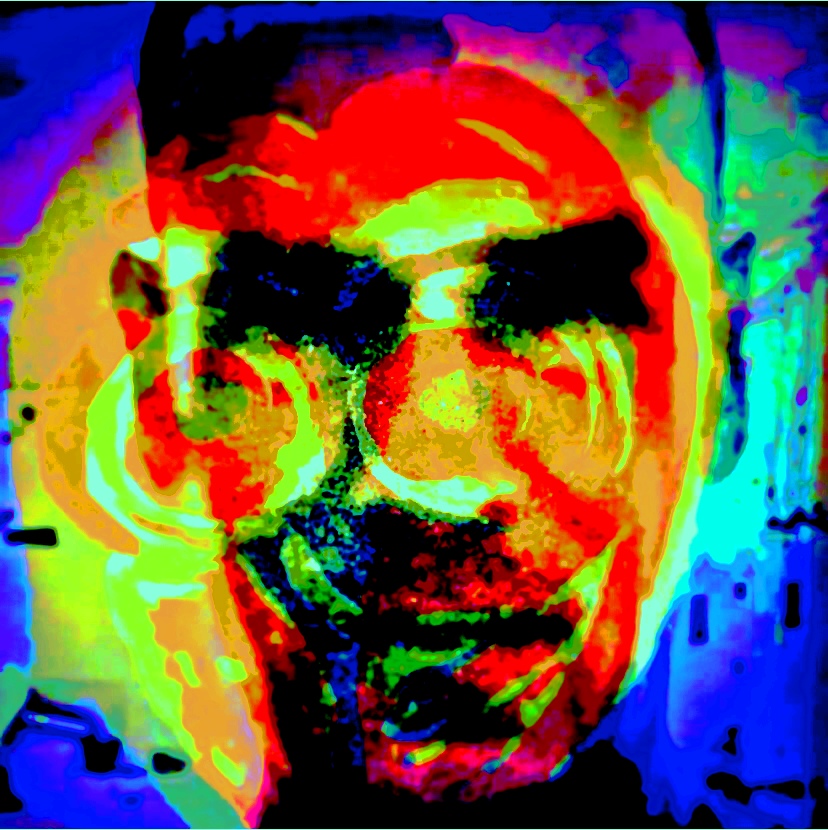
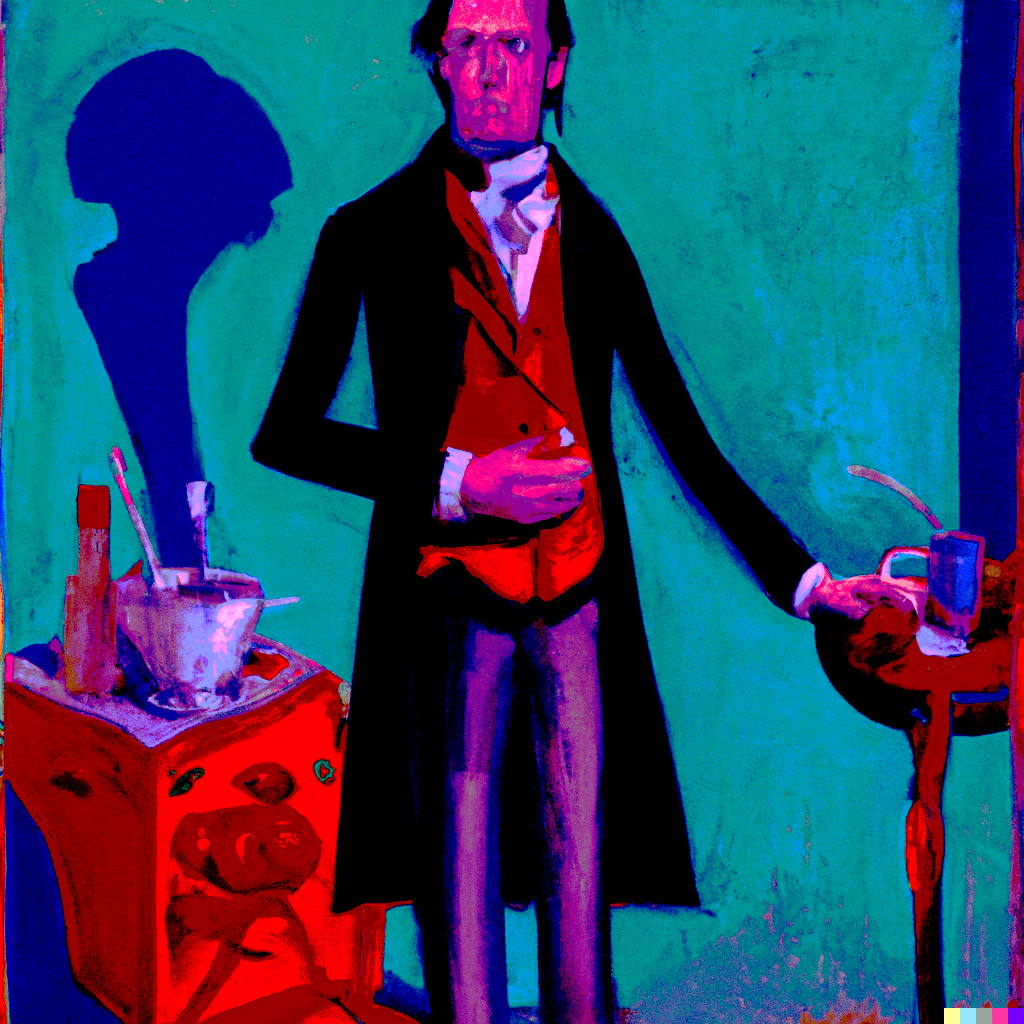
El Francisco que veis no es el Francisco, ni el Bodo Vespaciano, verdadero, pero estas obras si lo son…
(Autorretrato 22/Derechos Reservados/All Rights Reserved)(Proto JazzArt/Derechos Reservados/All Rights Reserved)(Cuba-Free Jazz/Derechos Reservados/All Rights Reserved)(Autorretrato 08/Derechos Reservados/All Rights Reserved)(PinoNoir/Derechos Reservados/All Rights Reserved)(Obras originales de Francisco Bravo Cabrera/Bodo Vespaciano/Derechos Reservados/Original works by Francisco Bravo Cabrera/Bodo Vespaciano/All Rights Reserved
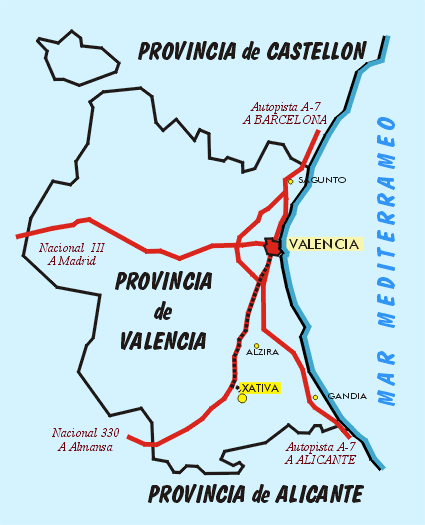
It’s in the mountains and there’s a spectacular castle way up there… This is a great place for autumn or spring, I am not too sure about winter but I am sure that summer is not the time to climb the mountains and hills of beautiful Xàtiva in the Valencian Community, Spain…
(Original Digital Art by Francisco Bravo Cabrera/All Rights Reserved)
«There is no such thing as ‘gender violence’ as genders, being those male and female, are identical in their display of violence or non-violence. Violence perpetrated upon a spouse or other family member is and has always been denominated as ‘domestic violence’ and nothing else.»
(Bodo Vespaciano)
In police circles, in criminal law and in society the term has always been DOMESTIC VIOLENCE and it has always been defined as violence perpetrated by someone known to the victim, regardless of his/her relationship to the victim. Brother on brother, Mother on children, spouse on spouse, even friends and neighbours would fall into the definition of DOMESTIC VIOLENCE. Domestic violence is what the name describes. I spent thirty years dealing with this during my time in the Miami-Dade Police Department.
But now these anti-male ultra-feminists, as well as the politicians capitalising on it, are intent on demasculinising boys and proposing instead the agenda of the new and modern feminist, as well as their new speech. This agenda has nothing to do with real feminism. Gender violence is a discriminating, man-hating term. With this they imply that «something» in the male gender makes them violent towards women! Incredible! And what is worse, in some countries, not just here in the European Union, they have actually made laws using the term gender violence!
The reality is that all humans (male and female, and as far as I know there are only two genders) are prone to violence. That is why now in so many countries men and women go to war as combatant soldiers. When I served in the US Army women served alongside but they were classified as non-combatants. So they have improved their status. There is no validity, at least not in Biology, to this idea that the male gender is prone to violence towards the female gender. Many more mothers murder their children than do fathers.
So get over it! Enough with this stupid idea of political correctness! Things should be correct and peace should reign supreme among men (and men means women too) and violence should end, now! The only one in charge is God, no doubt about it and He made us all equal.
Bueno, pasaron muchas cosas extraordinarias ese año pero para mi la más importante fue que John Lennon y Paul McCartney se conocieron y eso hizo posible la creación de The Beatles…
+++
A lot of great things happened in 1957 but for me the most important one was the meeting between John and Paul that led to the eventual creation of The Beatles…