(Getting ready for the Summer/Somewhere in Southern Europe/All Rights Reserved)
Here are two paintings from days of old. They are from my days in Miami, Fla… The first one goes back to 2005 and the second one to 2007. Both paintings are now in private collections in Europe but the images remain and the reasons I painted them as well remain. Here’s a little more about my Surreal-Expressionism and my JaZzArt.
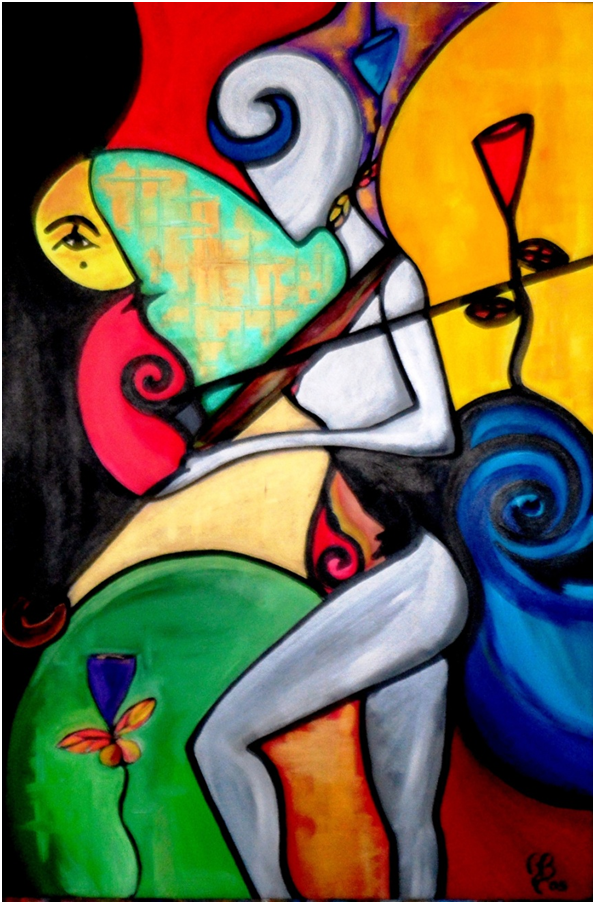
LA VIOLINISTA
(Image property of FBC/Omnia Caelum Studios Valencia/All Rights Reserved)
“La Violinista” is a prime example of my style, “Surreal-Expressionism”. The violinist as the every-woman-musician. She is faceless and nameless. Yet she exudes style and grace as well as a clear, and well defined, femininity. The Violinist is in motion, walking among those that look upon her and either understand her work or are perplexed by it. No one is indifferent to her as she moves. The painting, true to Surreal-Expressionism, has an abstract background where three flowers bloom and grow and form an acute triangle within the composition.
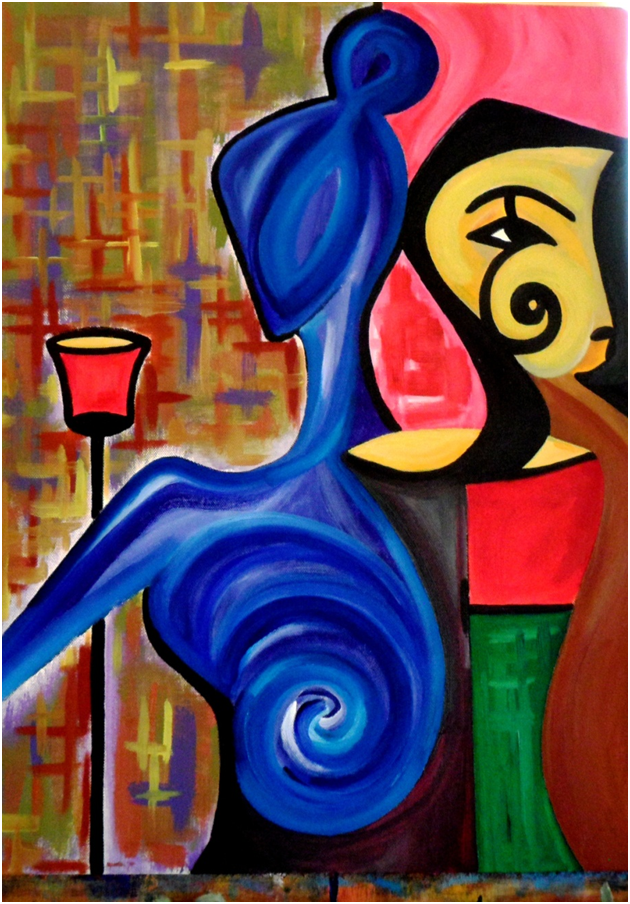
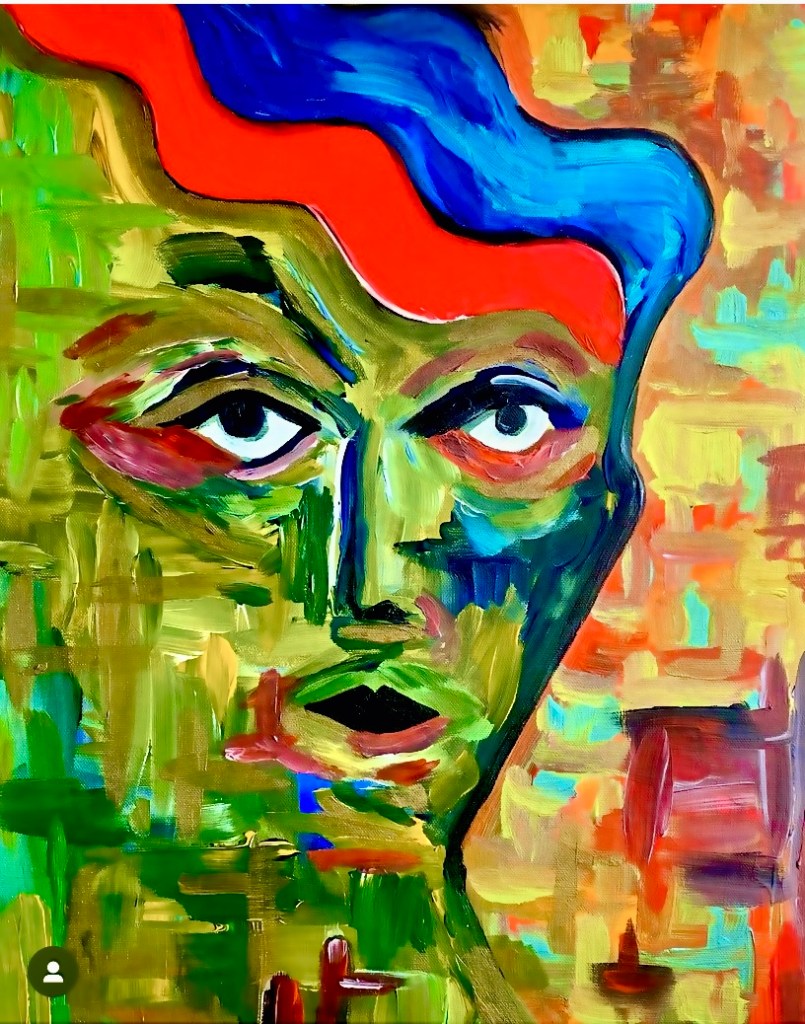
Moño Azul
(Image property of FBC/Omnia Caelum Studios Valencia/All Rights Reserved)
An example of early Surreal-Expressionism which keeps up precisely with the precepts of JaZzArt. I was still researching both at the time, (2007), when «Moño Azul» was painted. It is done with acrylics on canvas. The background is abstract and filled with color. The principal part of the composition is the blue silhouette of a woman whose hair is combed into a bun. She is looking to the right side towards a very stylized, Egyptian-style flower. To the left of the main part of the composition one sees the more surreal aspect of the painting where a face seems to hover above a hand-drum, symbolizing the creation of music which rises, like black smoke from the drum.
Fue pintora impresionista, escultora, y diseñadora. Esta artista francesa nació en Étampes en 1853. Un hito en su vida, y en su carrera, fue cuando a los 23 años de edad pintó un retrato de la actriz Sarah Bernhardt. Es posible que haya tenido una relación sentimental con la famosa actriz ya que se conocía que era lesbiana. Desde el 1874 comenzó a exponer en el Salón de París. Pintó los murales decorativos de varios ayuntamientos parisienses y también hizo muchas pinturas para otros edificios de París. Abbéma fue una de las artistas cuyas obras fueron expuestas en el Edificio de la Mujer en 1893 para la Exposición Mundial Colombina de Chicago, con el fin de mostrar los aportes de la mujer a la historia. Una de las obras expuestas fue el busto de Sarah Bernhardt. En 1906 la nombraron Caballero de la Orden de la Legión de Honor. Murió en 1927 en París.
+++
She was an Impressionist painter, a sculptor, a designer and as well as a prolific writer. This French artist born in Étampes in 1853. A notable incident in her life occurred when, at the age of 23, she painted a portrait of the famous French actress Sarah Bernhardt with whom she might have had a romantic affair. She was known to be a lesbian. In 1874 she began exhibiting at the Salon de Paris. She also painted the decorative murals for several city halls throughout Paris as well as providing paintings for other municipal buildings in the French capital. Abbéma was one of the artists chosen exhibit at the 1893 Women’s Building of the World Columbian Exposition in Chicago, a hall dedicated to exemplifying women’s contribution to history. One of the items she exhibited was a bust of Sarah Bernhardt. In 1906 she was named Chevalier of the Order of the Légion d’honneur. Louise Abbéma died in Paris in 1927.
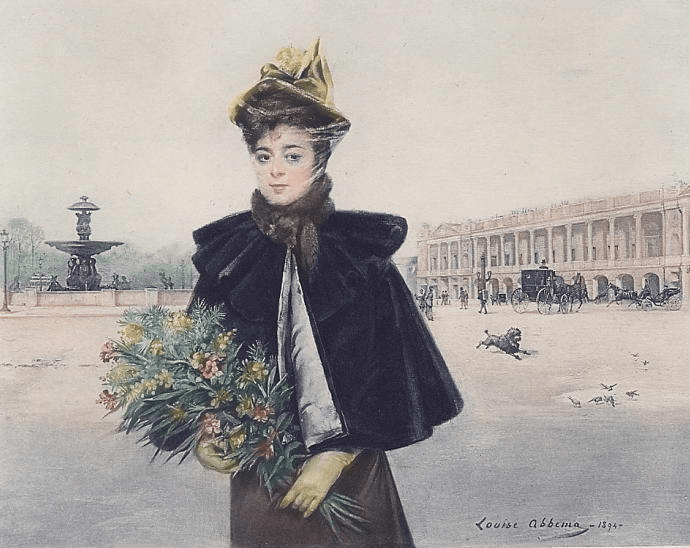
(De Louise Abbéma/Dominio público-By Louise Abbéma/Public Domain – 1894)
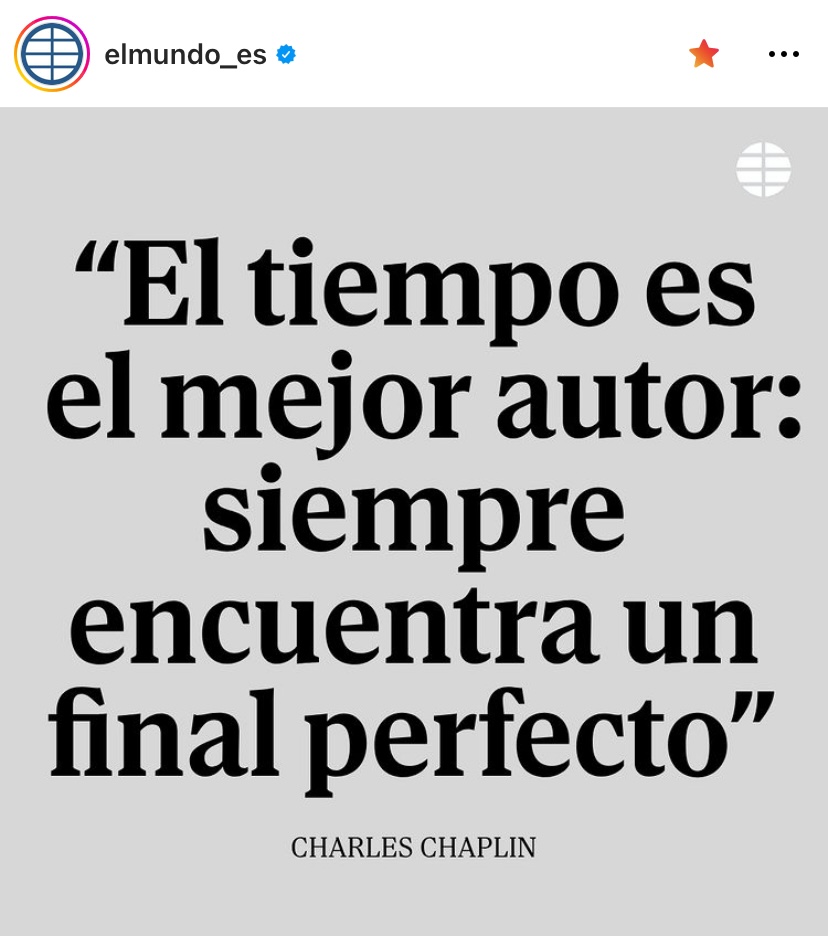
(Time is the best author: He always finds the perfect ending – Foto/Photo El Munudo)
Parece que se han olvidado de todos los logros sociales ganados a través de luchas y sacrificios… Lo que fue una revolución por la inclusion, de todos y para el bien de todos, se ha convertido en fragmentos de idioteces… El deseo de lograr la paz se ha convertido en el deseo de armarse hasta los dientes…
La consigna era que todos éramos hermanos y no había diferencia entre unos y otros. Se luchaba contra la pobreza, contra el dominio del «Big Brother», o sea del «Hermano Mayor,» ese ente que todo lo ve, todo lo escucha y todo lo controla. Ahora le hemos cedido, voluntariamente…y pagando…todos nuestros derechos, toda nuestra privacidad, a cambio de poder utilizar los «smart phones» que Big Brother nos ha dado.
Ahora dicen que luchan por la «igualdad» pero de quien y de que forma? Separándonos! Mucho interés por los colectivos particulares pero poco por la gran familia de la humanidad. A nadie le importa ahora los pobres, los salarios, las pensiones, las viviendas, la limpieza de los barrios, los precios de los comestibles, de la gasolina, del transporte, del ocio? Mucho interés en defender ideologías pero poco por defender a la gente, a la gente de a pie, a los que mas necesitan que alguien se acuerde de ellos y le eche una mano.
Que ha pasado aquí? Venga, el tiempo sabrá como será el final, pero lo sabéis vosotros?
Necesitamos hacer una revolución para restaurar el amor, la paz y la hermandad, como dijeron Lennon y McCartney y yo traduzco: «Si cargas la foto del Chairman Mao, nadie te hará caso y no lograrás nada.» Así que abajo con las ideas comunistoides y arriba la vida!
+++
It seems that they have forgotten about all the social achievements gained through struggles and sacrifices… What was a revolution for the inclusion of everyone and for the good of everyone, has turned into fragments of idiocy… The desire for peace has turned into the desire to arm ourselves to the teeth...
The motto was that we were all brothers and there was no difference between one another. We fought against poverty, against the dominance of «Big Brother,» that entity that sees everything, hears everything, and controls everything. Now, we have voluntarily surrendered…and pay…all our rights, all our privacy, in exchange for being able to use the «smartphones» that Big Brother has given us.
Now «they» say they fight for «equality,» but for whom and in what way? By separating us! There is a lot of interest in defending specific groups, but little for the greater family of Man. Now no one cares about the poor or about wages, pensions, affordable housing, the cleanliness of the neighbourhoods, the prices of groceries, gasoline, transportation, leisure. There is a lot of interest in defending ideologies, but little in defending the people, the ordinary people, those who need someone to remember them and lend them a hand the most.
What has happened here? Well, author time definitely knows what the ending will be, but do you know?
+++
I think we need a Revolution of Love, Peace and Brotherhood… «And if you go carrying pictures of Chairman Mao, you ain’t going to make it with anyone anyhow.» (Lennon & McCartney). So down with communistic ideas and Up with Life!
Venga que hoy me desvío un poquet pero, vamos, ni tanto porque la música es poesía y si la música es poesía y dicen que la pintura también, entonces hablo de la misma cosa pues para mí las tres van hilvanadas con el vellocino dorado que persiguió Jasón y los argonautas…
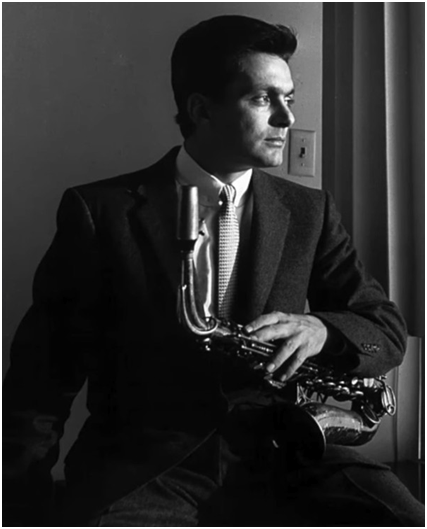
¿Qué? Vamos al grano…Art Pepper fue un músico de puta madre. Nació el 1 de septiembre de 1925 en California y murió allí mismo 56 años después. Su carrera musical fue corta ya que se vio interrumpida por muchos años que pasó preso y otros más en clínicas de rehabilitación por su drogadicción. Pero, aún así, logró colocarse entre los grandes intérpretes, los claves de lo que llamaban el “Cool Jazz” también conocido como el “West Coast Jazz,” o sea el Jazz de la costa oeste de EEUU que mola. Uno de sus grandes fue Gerry Mulligan que tocó con Miles Davis en la importantísima grabación “Birth of the Cool.”
(Foto NPR)
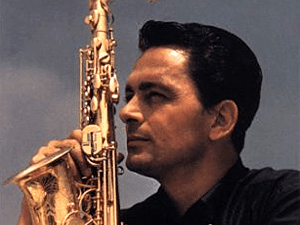
Pero hablo de Art Pepper, y como dije anteriormente era la ostia. El mismo dijo que era un genio, y que no sabía de nadie más que tocara como el el saxofón. ¿A quién me recuerda esto? ¿A Dalí? No… Pepper era un genio… Pepper era un tío osado y paradójico a la enésima potencia. Lo mismo te componía una balada, dulce, suave, sensual, que te decía que ser un gran jazzista es parecido a ser un gran criminal y que él estaba dispuesto a todo, por ejemplo, a matar al que se metiera con su mujer. No lo critico, sino lo admiro y tiene razón, un hombre tiene que defender a su mujer y a su casa…
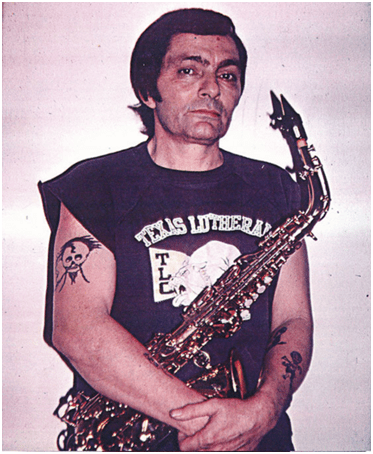
Uno de los temas más famosos de Art Pepper es la balada “Patricia” que compuso en 1978 para su hija. Sucedió que mientras estaba en prisión su ex-mujer le llevo a Patricia, que a la sazón tenía unos doce años de edad, con la intención de hacerle ver a la niña que su padre no era más que un monstruo enjaulado junto a todos los otros allí. O sea, su padre vive encerrado, junto a la escoria de la sociedad, porque se lo merece, porque él es así también. Cuando Pepper se volvió a topar con Patricia ya ella tenía treinta y pico de años y el la llamó para desearle feliz navidad y ella le respondió diciendo que sabía que él no era más que un criminal y un racista, que ella había leído el libro.*
(Foto JAZZWAX.com)
Cuando a Pepper le dieron el alta de la clínica de metadona, donde se había librado de su adicción a la heroína, volvió a tocar y a componer. Juntó a unos buenos músicos e hizo una gira por Europa y Japón, grabó varios discos para Galaxy Records, la subsidiaria de Fantasy Records. Sus últimos álbumes fueron Living Legend, Art Pepper Today, Among Friends y Live in Japan.
Art Pepper murió de un accidente cerebro-vascular. Abusó mucho de su cuerpo, toda la vida, y aunque se había curado de la drogadicción, su cuerpo quedó debilitado y no pudo sobrevivir el derrame. Murió en 1982 en Los Ángeles y está enterrado en el mausoleo Abbey of the Psalms del cementerio Hollywood Forever.
A mí no me interesan las cosas malas que habría hecho. No juzgo. Para mí es un genio del Jazz y uno de mis músicos y compositores favoritos. Lo admiro como jazzista y punto…
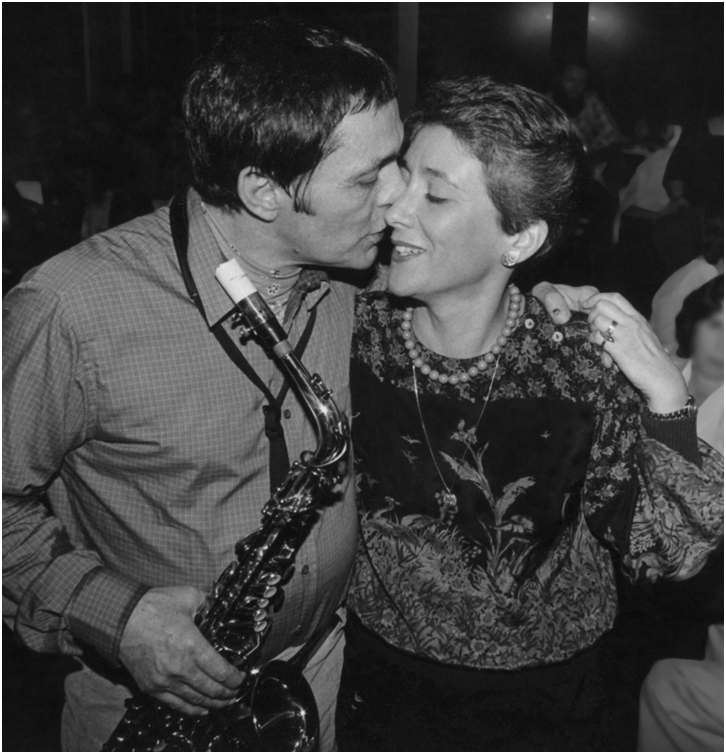
(Art y Laurie Pepper/foto cortesía de Laurie Pepper/JazzTimes)
* En 1980, Art Pepper y Laurie Pepper, (la tercera esposa), publicaron su autobiografía titulada “Straight Life” (“Una vida ejemplar, memorias de Art Pepper”). El libro hablaba del submundo, el hampa criminal donde habitó Pepper durante la década de los años 40 y 50. Entre las anécdotas había una en la cual Pepper se jacta de haber violado a una mujer en Londres durante la Segunda Guerra Mundial. Debido a la publicación del libro el director Don McGlynn hizo el documental titulado Art Pepper: Notes from a Jazz Survivor. En el documental habla Pepper y Laurie directamente e incluye una grabación de un concierto en el Malibu Jazz Club. Lo recomiendo.
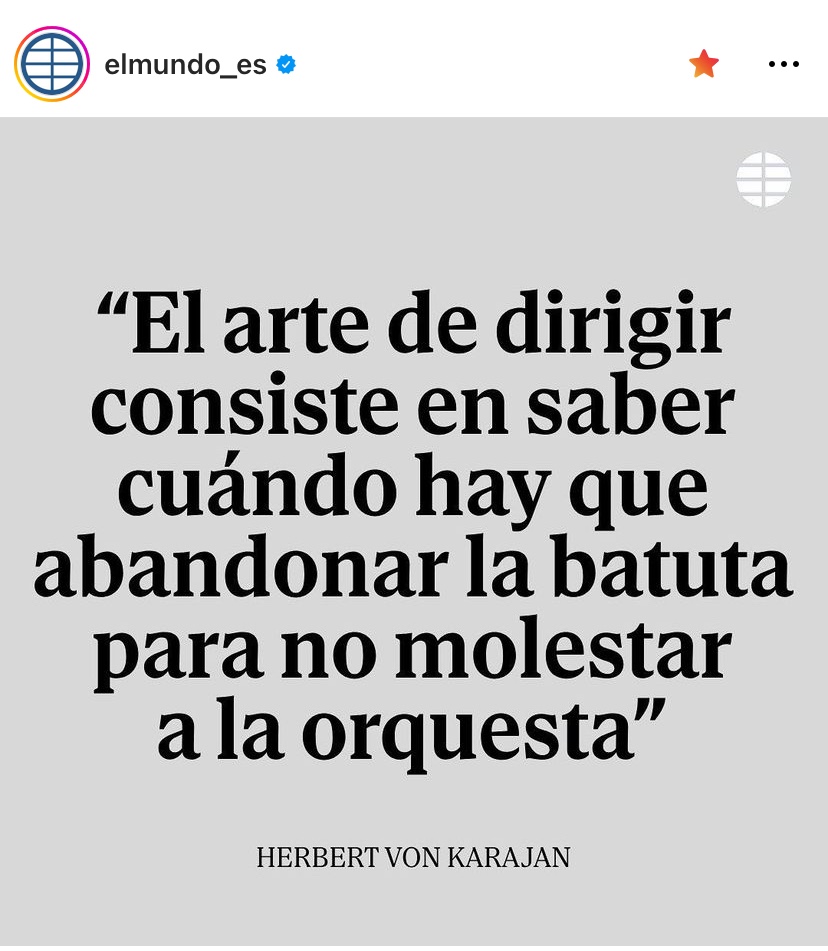
Muy pocos dirigentes saben dirigir. Se enamoran del liderazgo y abusan de su poder. Los pueblos no necesitamos lideres, necesitamos representación y participación…
Que aprendan bien eso los líderes que siembran odio entre la gente, que nos quieren imponer ideologías y manipularnos con sus eslóganes y banderolas…
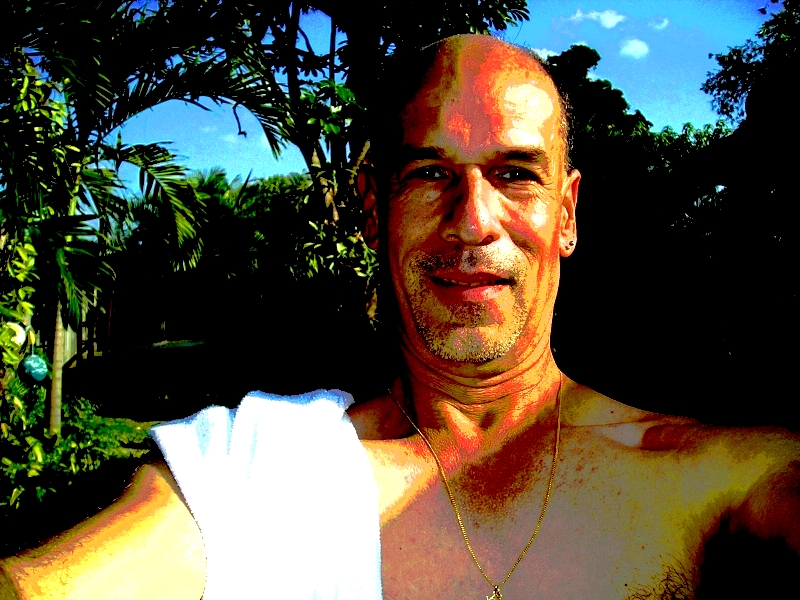
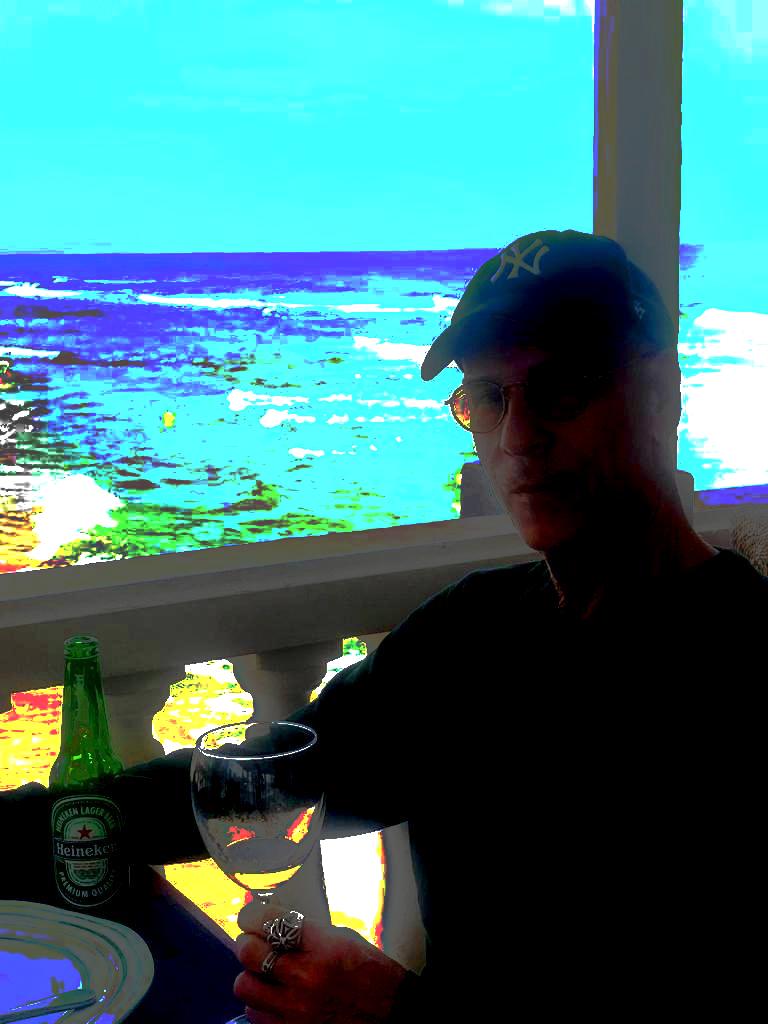
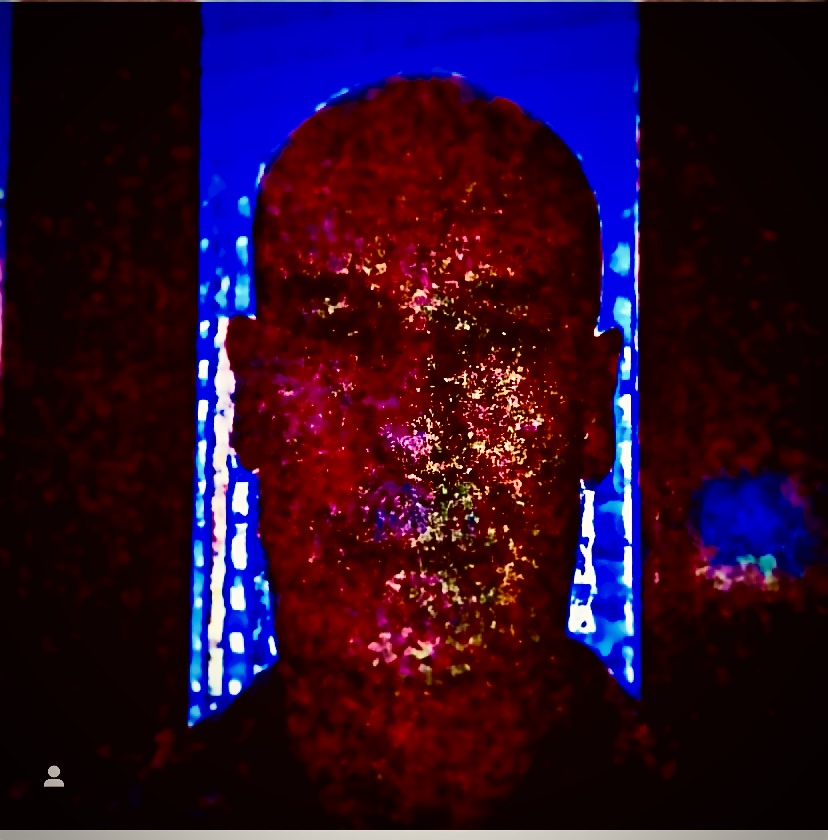
(«Self-Portrait 2022» Original Art Digital by Francisco Bravo Cabrera/All Rights Reserved)
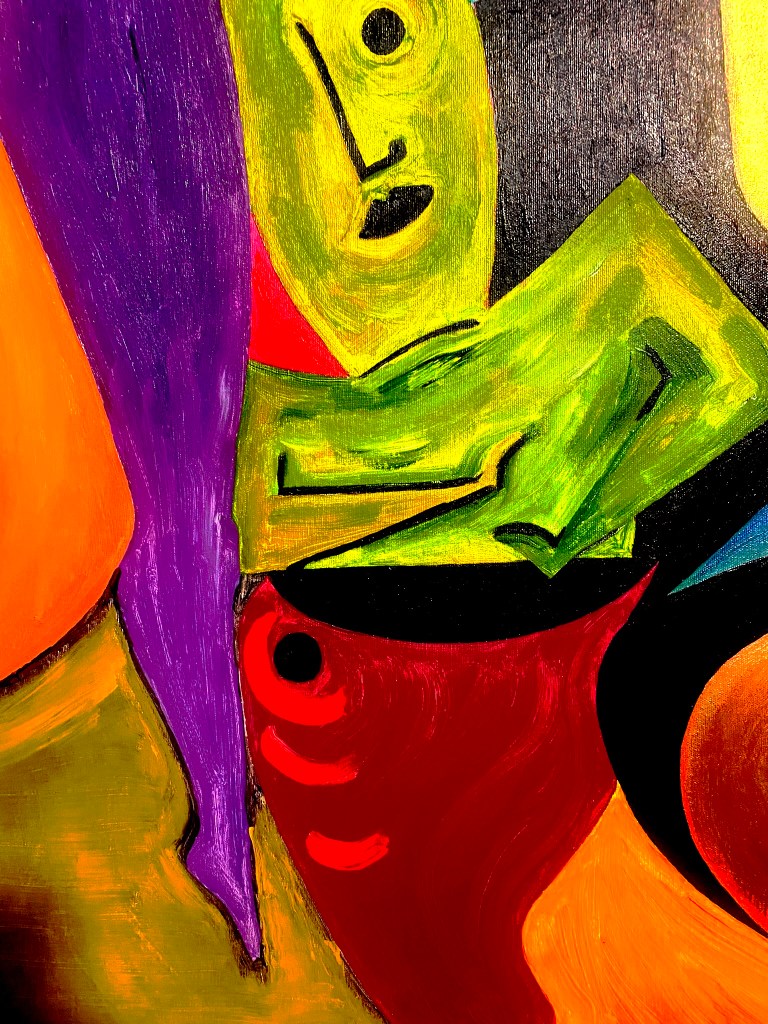
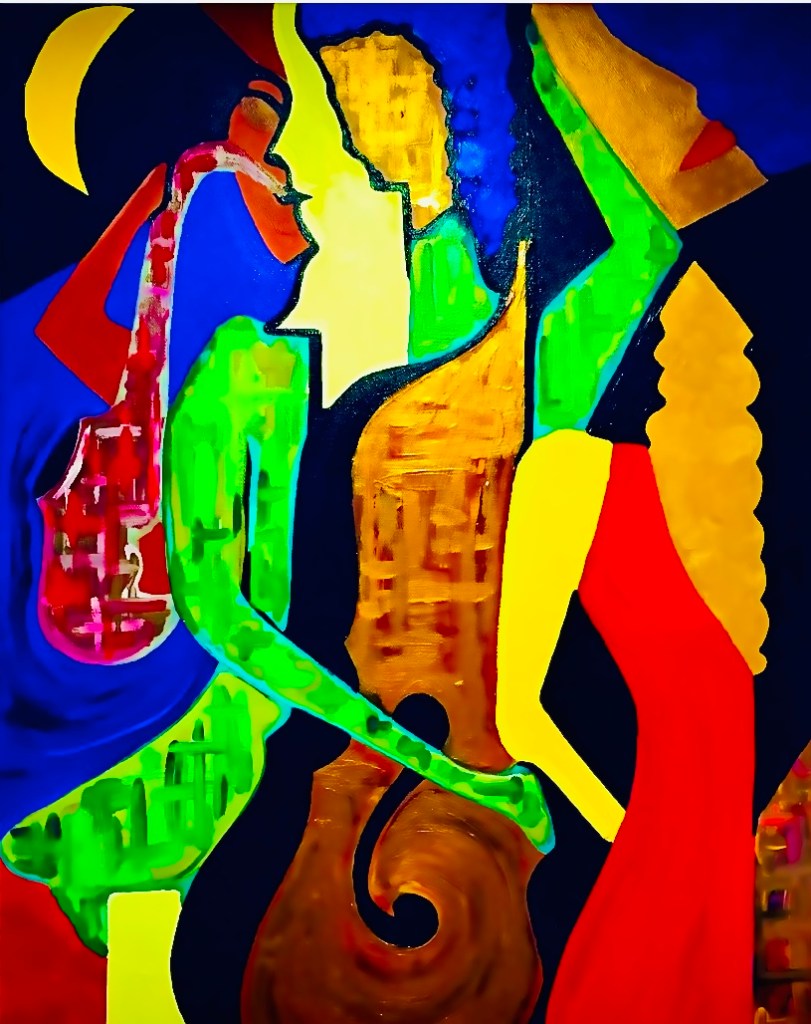
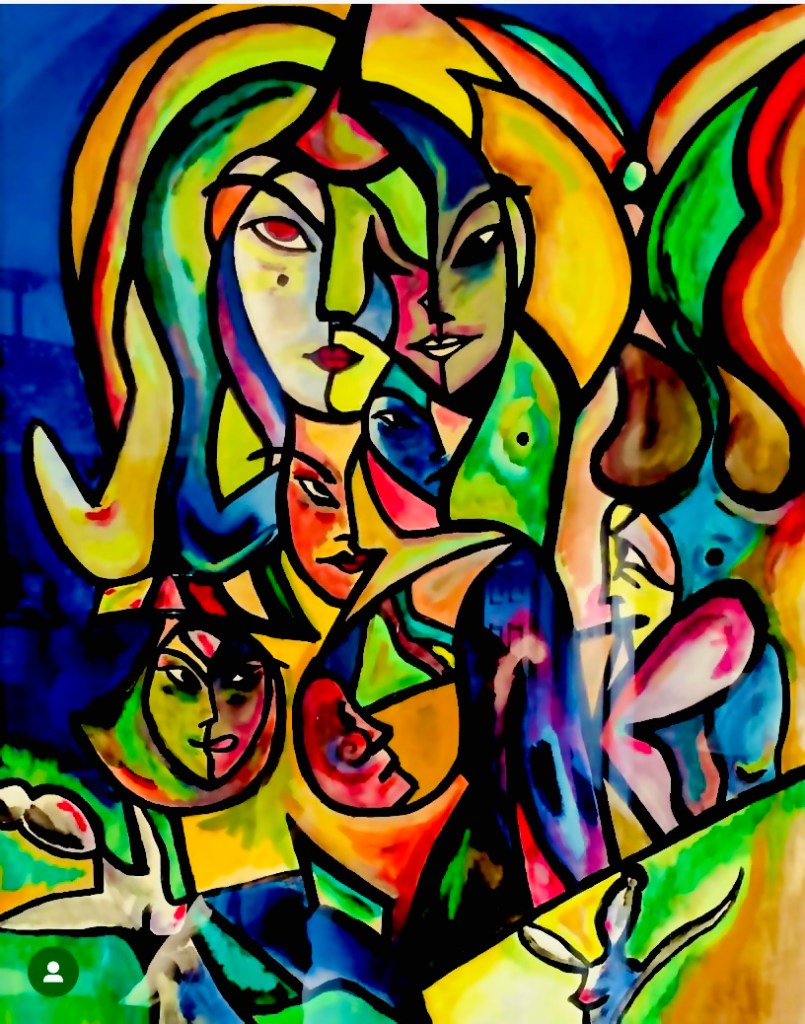
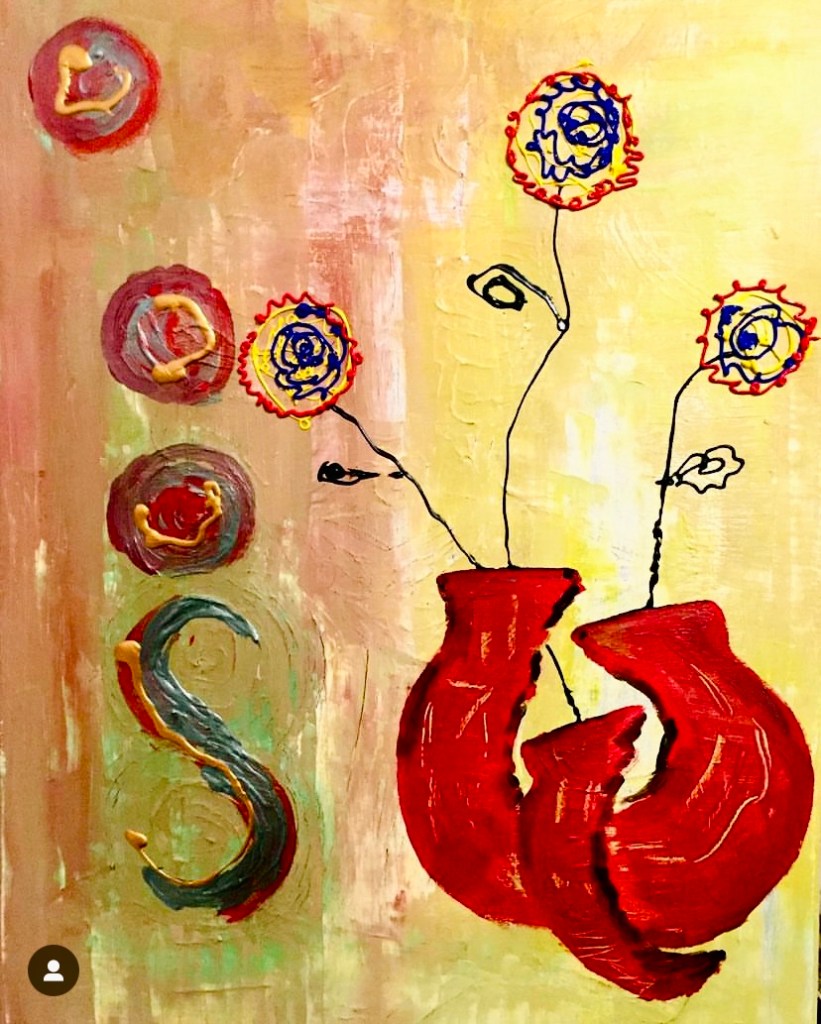
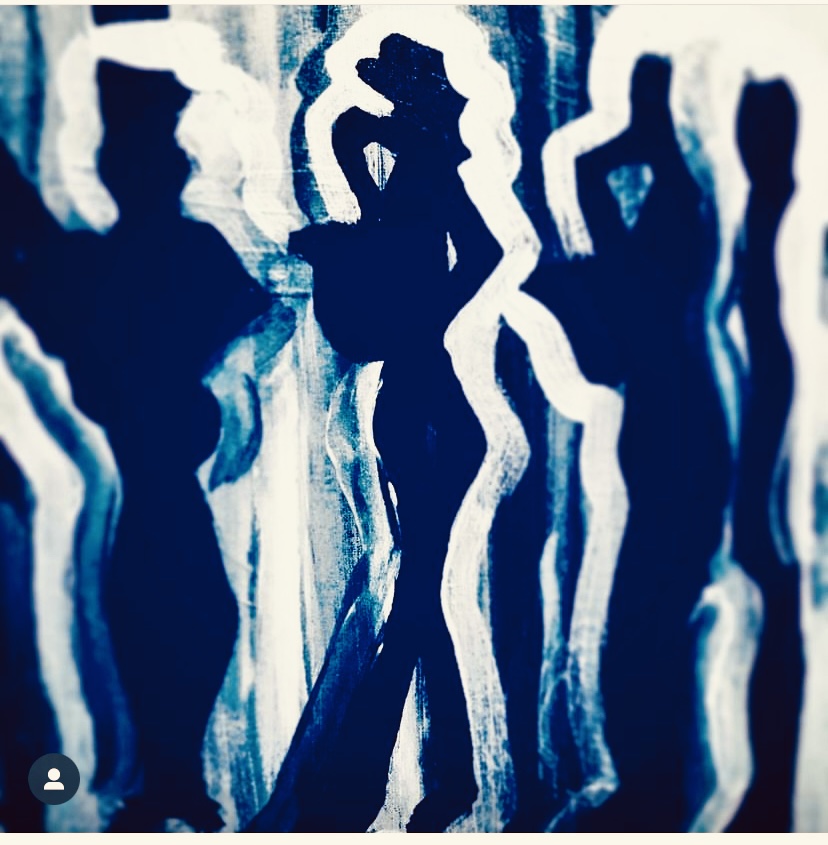
Somethings old and somethings new in my world of Surreal-Expressionism…
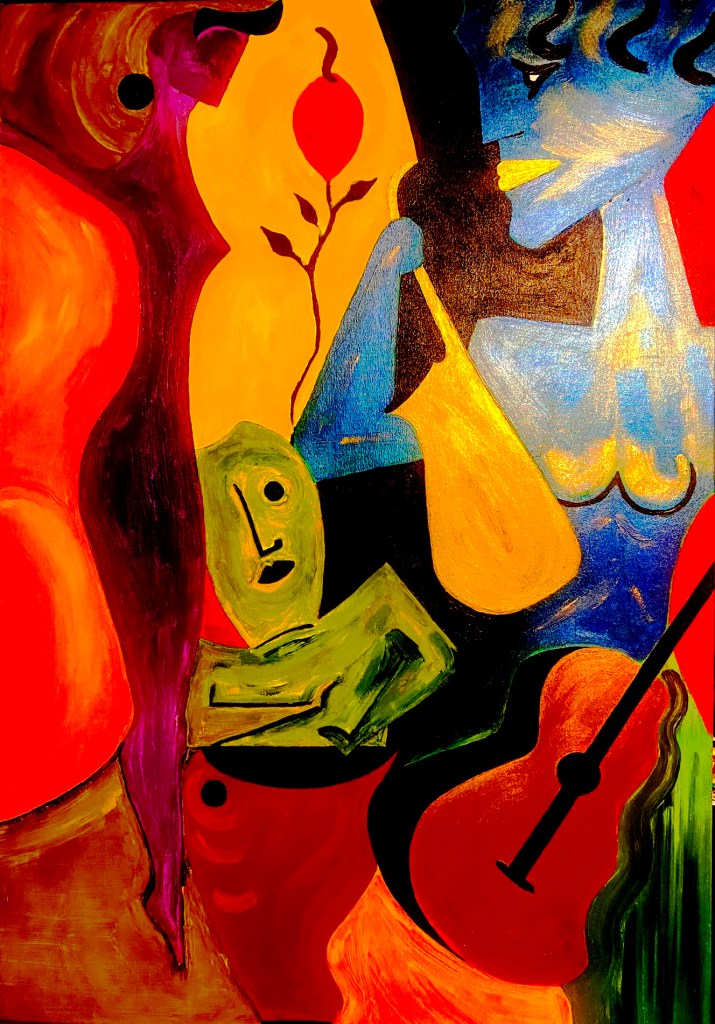
(«Orange Jazz»)(«Blondie Jazz»)(«Gisela Tabú»)(«Rojo y Roto»)(«Los Azulejos»)(«Self-Portrait 22»)(All original paintings by Francisco Bravo Cabrera/All Rights Reserved)
(Image property of FBC/Omnia Caelum Studios Valencia/All Rights Reserved)
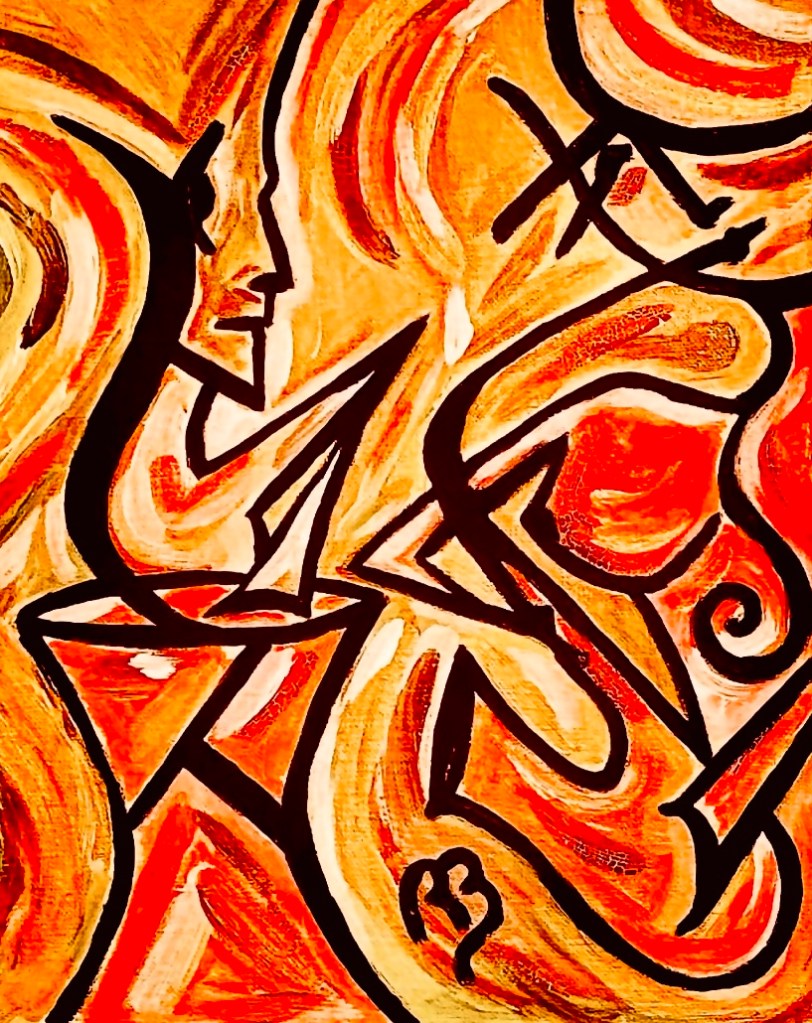
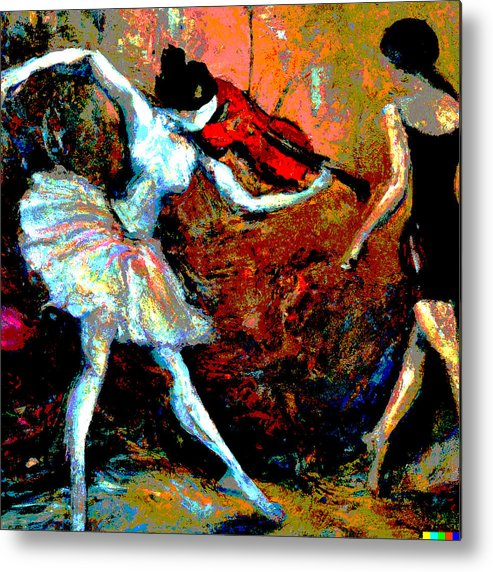
A ballet dancer rarely improvises, well unless he or she is told to do so by the all powerful choreographer. But Jazz dancers do improvise. Jazz musicians always do, that is the essence of Jazz…
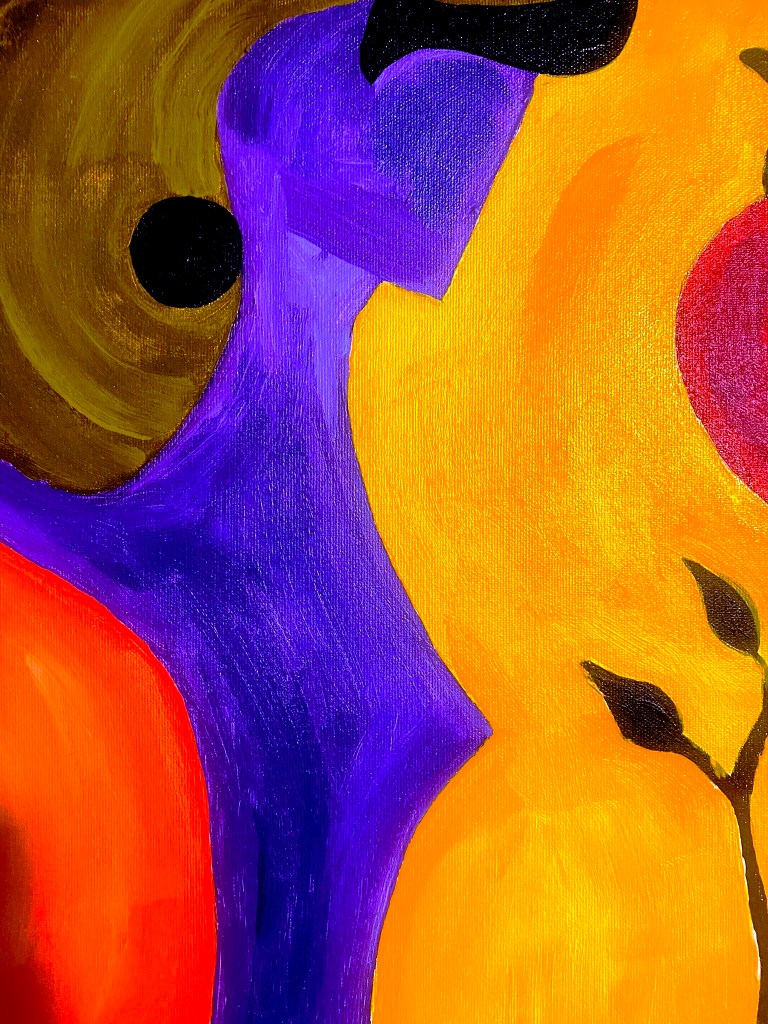
Here is a brand new painting turned Fine Art Print and this one is the metal print available only through Fine Art America. This is the only company that I have entrusted with my work to create Fine Art Prints. They handle the entire transaction and ship quickly. Check out my gallery at Fine Art America, and check it often as I change the images frequently.


 JaZzArt en València