Basically it is my homage to the traditional Japanese Haiku. I’ve always loved its simple structure, its short verses and the way that Haiku poets used the power of synthesis to express a thought intimately linked with nature, or with daily life and turn it into a meditation.
Of course the «Euro-Ku» does no such thing. On the contrary, it seeks simple words, easily understood verses and the language of the common man/woman. It still has only three verses, but there is no need to count syllables, the verses can be as long as they need to be to allow the content message to be developed. Rhyming is optional. One thing that the Euro-Ku must have is an accompanying original photograph that also, in its own unique way, illuminates the message that the verses transmits.
The reason why I’ve called it «Euro-Ku» is because it is written from the philosophical perspective of a European and not with the mind of an Oriental. There are vasts differences. That is why, even though I loved the Haiku, I knew that I could not do it justice writing from the perspective of how I think as a European. The sister form is the Ameri-Ku, of course, the same rules apply but the perspective might differ quite a bit in new and exciting ways.
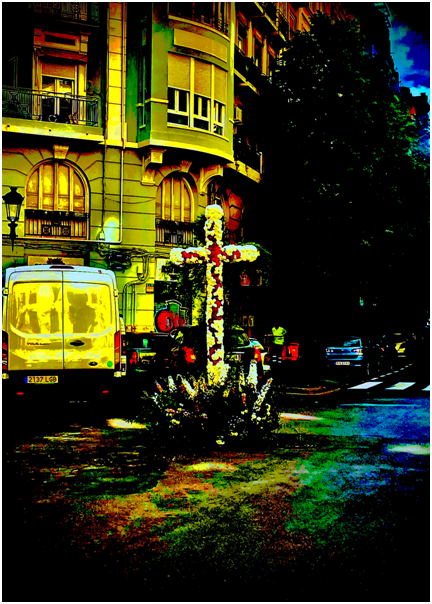
(Photo/»Cruz de mayo» photography by Francisco Bravo Cabrera/All Rights Reserved)
I walk the streets, I watch the tele, I listen to the voices of those who teach and preach, all that they know, all that they’ve learned, so bold, so brave, so sure as they now spread their truth, implacable, of all things of this world,
and science is their unquestionable religion, the scientists their priests, their evolution and their strange beliefs, in black holes and dark matter, is what they’re here to teach,
but me, I never learned, I never paid attention in classrooms full of nerds, I still believe in God and mysteries, in love, in faith and peace, I still believe in wonders and I definitely still seek the guiding light, the wisdom, the help from God we need.
C.2023, Francisco Bravo Cabrera, 22 May 2023, Valencia, España
This poem is a Euro-Ku. Derived, naturally from the Japanese poem (Haiku) but I’ve modified it to fit our western thought, culture and spirituality. I do admire tremendously the spirituality and the culture of the East, but I was born in the West and I wasn’t put in the West to live as an Easterner. Our experiences are not the same therefore our way of expressing emotions, feelings, well, life, is different. So I came up on the 2nd of February 2022 with the “Euro-Ku.”
The Euro-Ku follows the pattern of the Haiku only in that it is formed with three verses. However, the verses do not have a syllable limitation, they can be as long as you want to make them, but they must flow, seamlessly and coherently into each other. Thoughts cannot go floating out into the wind. And, most importantly, it must be accompanied by an original, unedited illustration, property of the author. It can be a photograph, a drawing, a painting, digital art or anything else that illustrates and relates to the meaning and intention of the poem.
(Photograph is “Cross of May” by Francisco Bravo Cabrera/All Rights Reserved)
As an artist, I have always been engaged in «the search», and it usually leads me to the place I want to be and to the things I want to discover. I have always said that…to me…all art is poetry, therefore I am a poet, a craftsman that constructs with feelings, emotions, rhymes, rhythms, lines, colours and human interactions.
The Euro-Ku is the result of one of those searches…or should I say the incessant search…and I’ve embraced its capacity to express, clearly and coherently, in everyday speech and form, some not so clear, precise or coherent ideas. It is like arranging abstract thoughts into figurative images, well defined and easily interpreted.
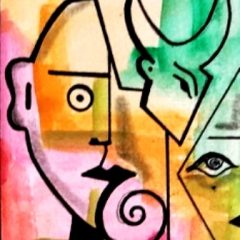
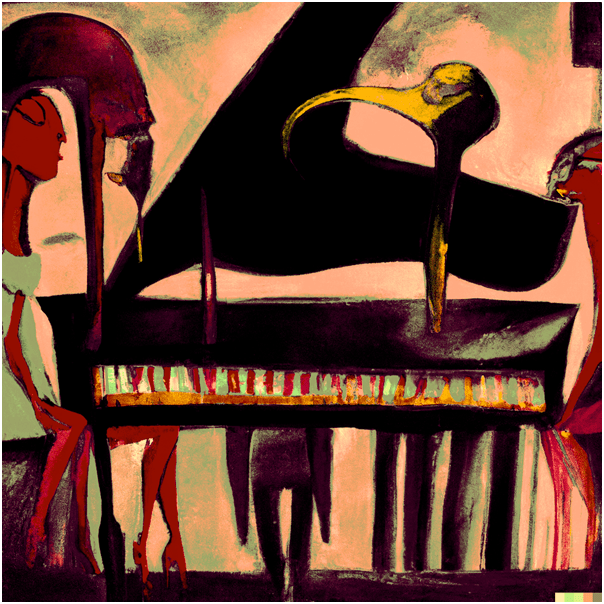
(«JazzPiano» obra de Francisco Bravo Cabrera/Derechos Reservados)
Las apariencias engañan, las sonrisas conspiran, los abrazos te entierran el puñal hasta el corazón y las caricias van una a una arrancándote la piel,
y aunque lo niegues sigues siendo el piano y yo las teclas blancas y negras, desteñidas y desafinadas,
así que ¿Para qué olvidar? Si ya ni me acuerdo de la ultima melodía que, sentada frente a ti, sobre mis teclas improvisó para hacer llorar a las flores?
(C.2023, Francisco Bravo Cabrera, terminado el 13 de mayo de 2023, Valencia, España)
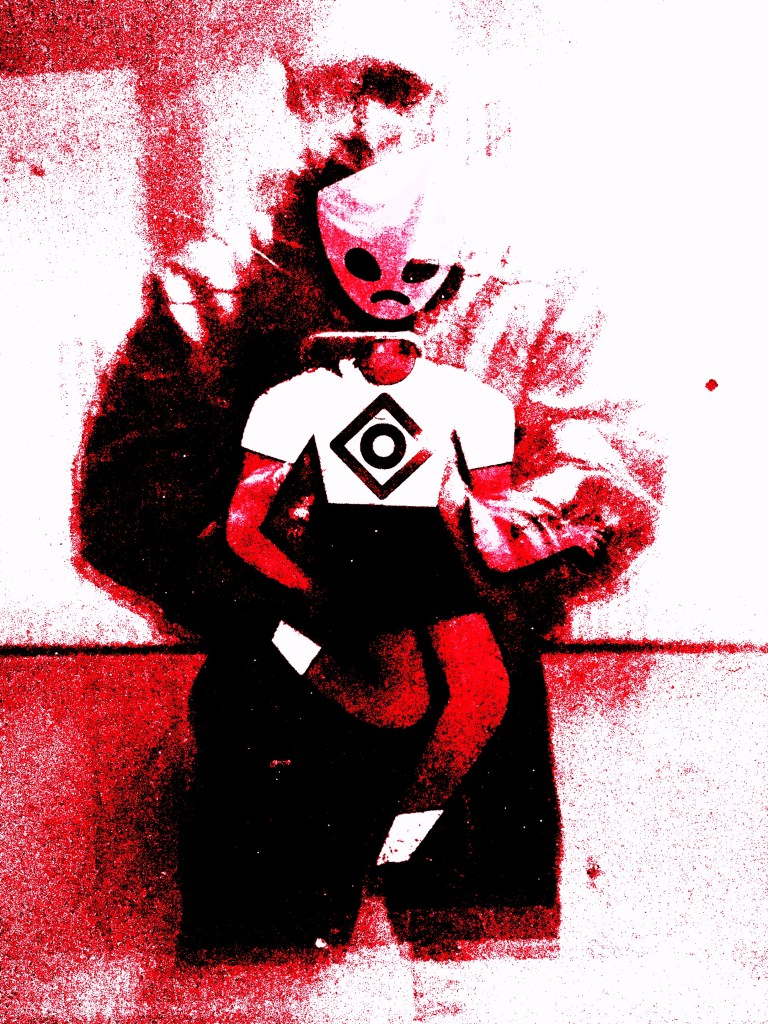
Where do the northbound trains go when north is east and south is west and north is just a concept to consolidate all those thoughts that go unchallenged by our intellect and supported by our emotions?
Who will stand guard while the wise men sleep?
Why do so many stand at the station, waiting for the train to go northward, if they stand on their heads they are north and south is an illusion…
(C.2023, Francisco Bravo Cabrera, 28 MAY 2023, Valencia, Spain)
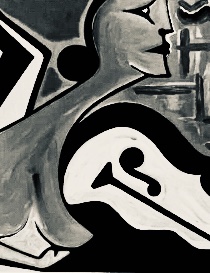
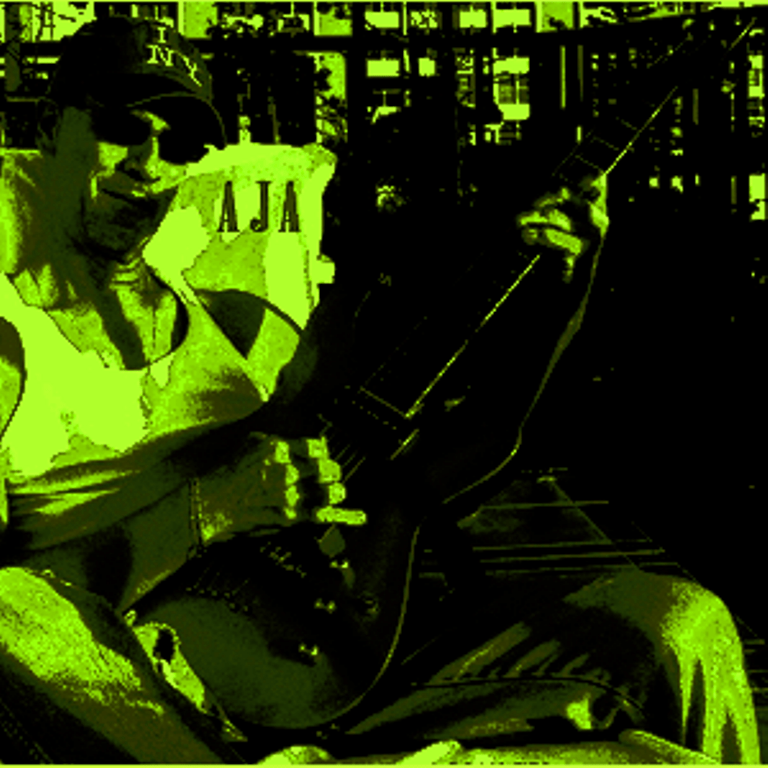
(Foto propiedad de FBC, Omnia Caelum Studios Valencia, Derechos Reservados)*
* Foto de 2001, cuando tocaba con mi grupo, AJA, que son las siglas en ingles de Abstract Jazz Arrangement, o sea, el arreglo de jazz abstracto o el abstracto arreglo del jazz, vale, vosotros decidiréis…
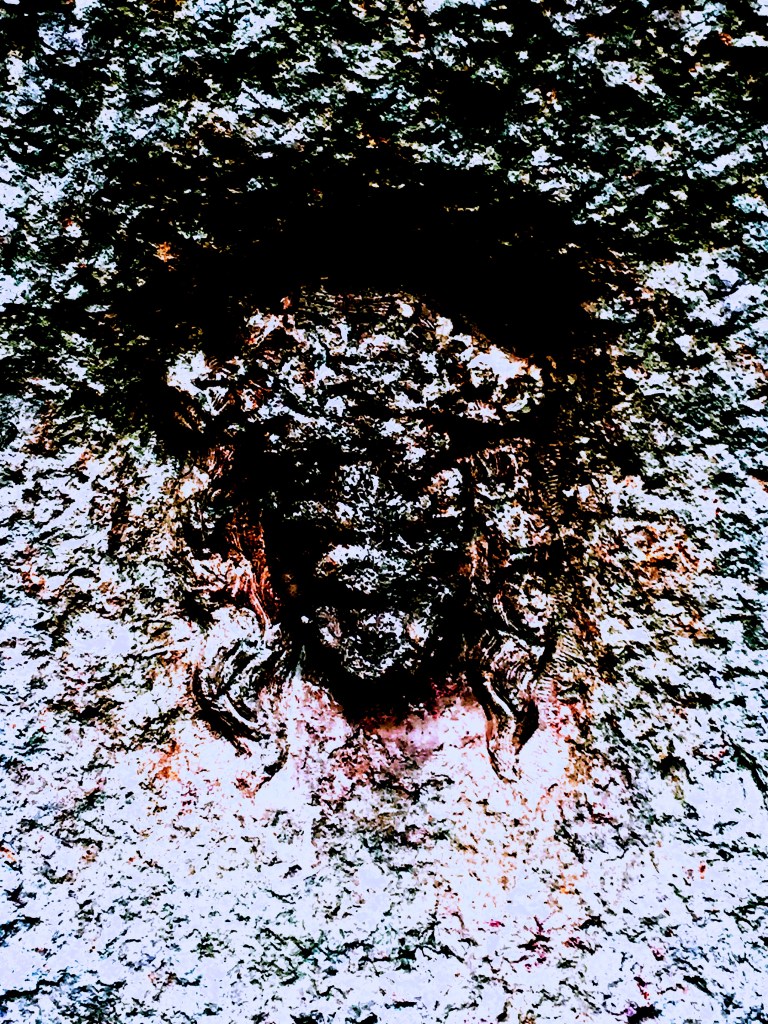
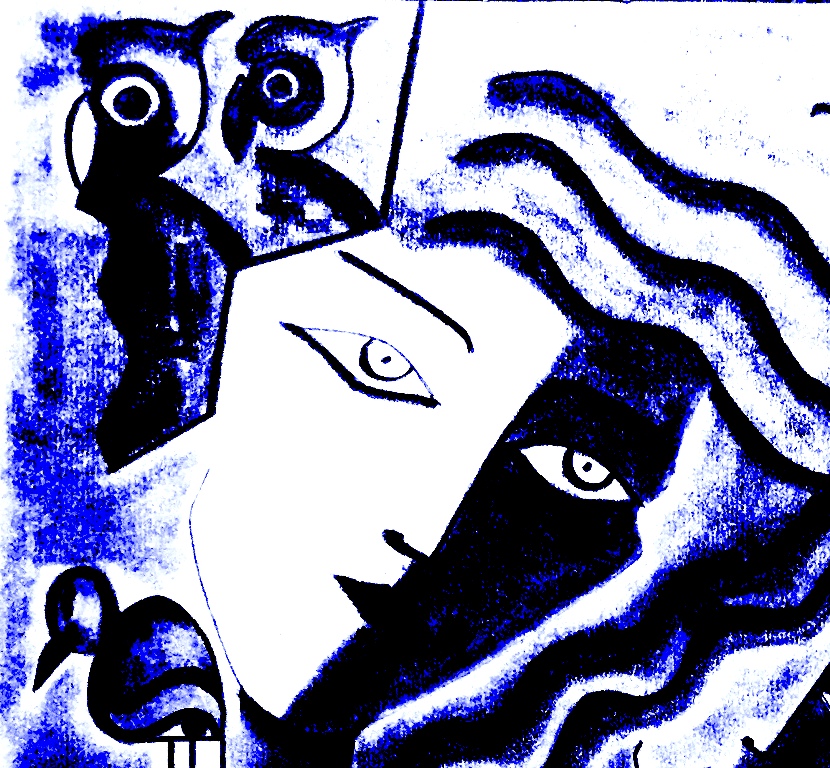
(Photography by Francisco Bravo Cabrera/All Rights Reserved)
(We live as the hours that surround us die)
Time passes through our tranquil sea and we grow older, and love is no longer the wave that lifted us to the sky, it’s now the comforting warmth of the waters that surrounds us as we try,
with each word, with each wink, from tired eyes, and worn out speech, to brighten and enlarge those little rays of sun from years ago that time has stolen as she flies,
and everything we feel has changed, and what was once pure passion is now a distant thought because years ago to touch your hand, to steal a kiss…
C.2023, Francisco Bravo Cabrera, 04 JUN 2023, Valencia, Spain
+++
The Euro-Ku I developed (or invented) on the 2nd of February 2022 to try to create, with my Western, European mind, the nuances and the strength that lies within the traditional Japanese Haiku. I took this route because I can, in no way, even begin to think like an Oriental. Our life experiences are different as is our culture and our history. Therefore, to honour this poetic form I had to make it fit the Western mindset.
I decided that the three verse structure was ideal because it required using the power of synthesis, but instead of a strict syllabic count, I would make my verses flow and ebb as long as needed. And they must flow into each other concisely and coherently, one building on the other but without ideas or words that just float away.
And the poem must be accompanied by the poet’s own illustration, photograph or painting. However, it must be the property of the poet and unedited.
That is all it takes to write a Euro-Ku. If you are from the American continent (meaning North, Central and South America) you might want to apply these guidelines and create your own Ameri-Ku based upon your history, culture and experience.
 JaZzArt en València